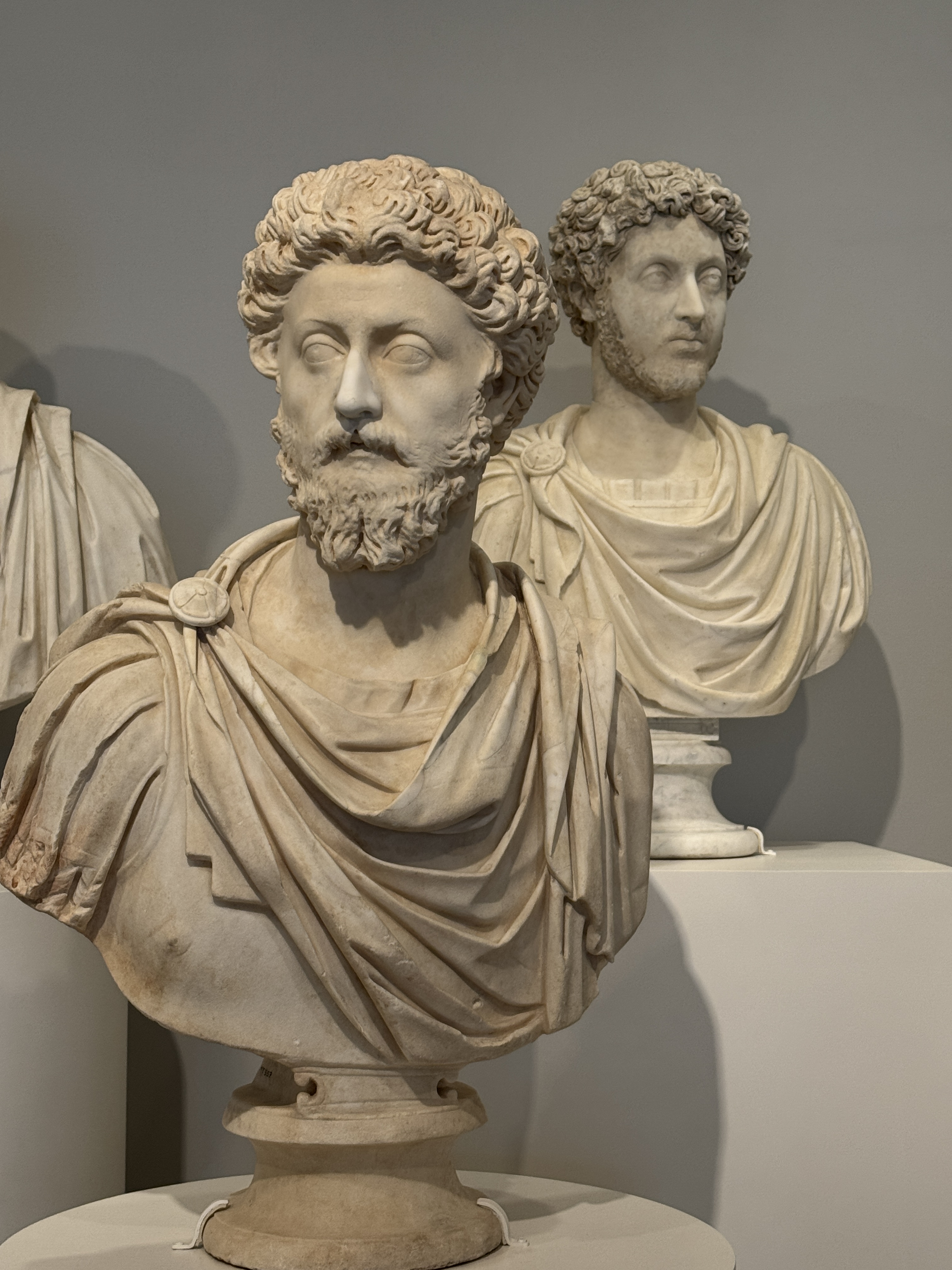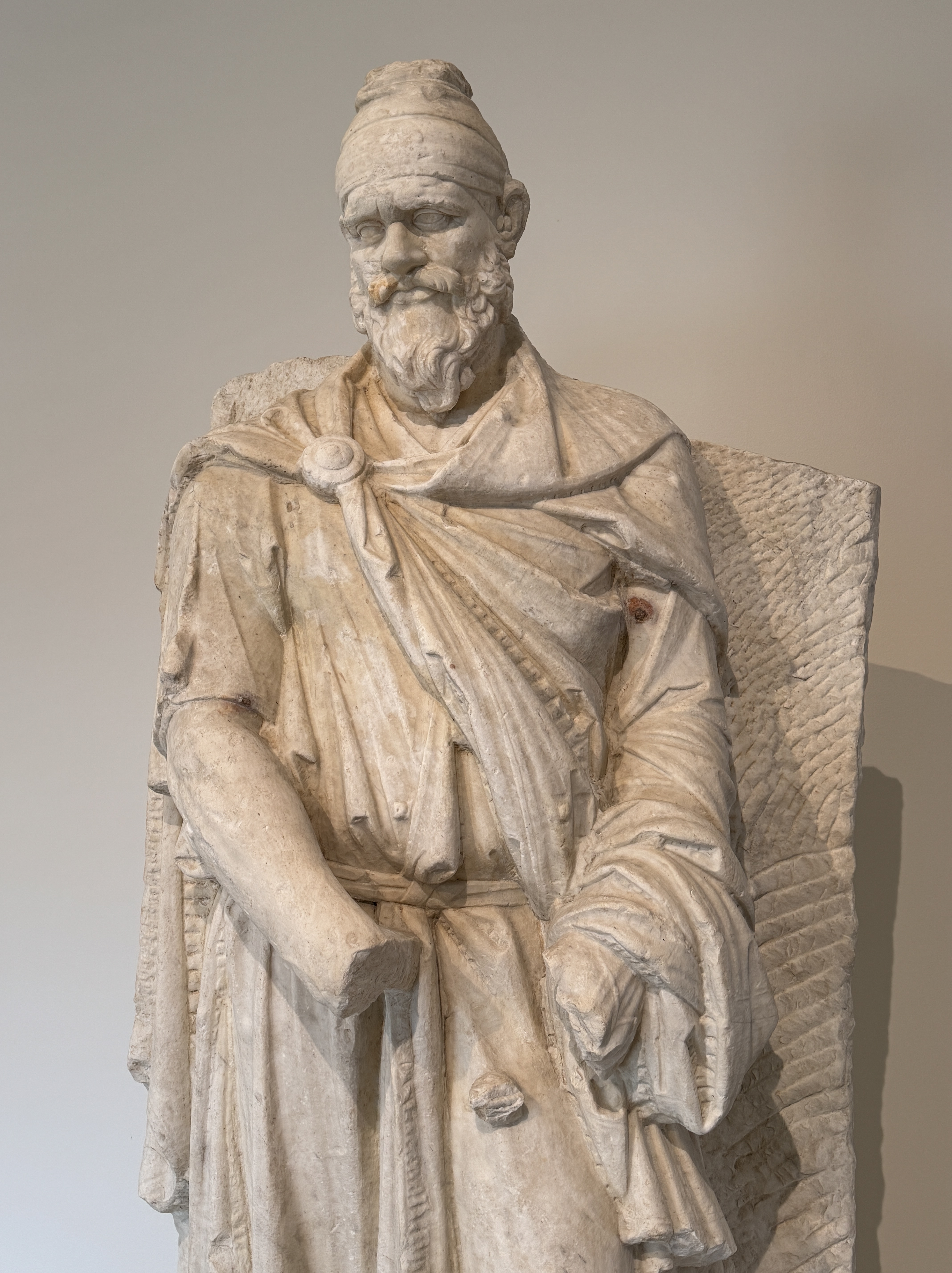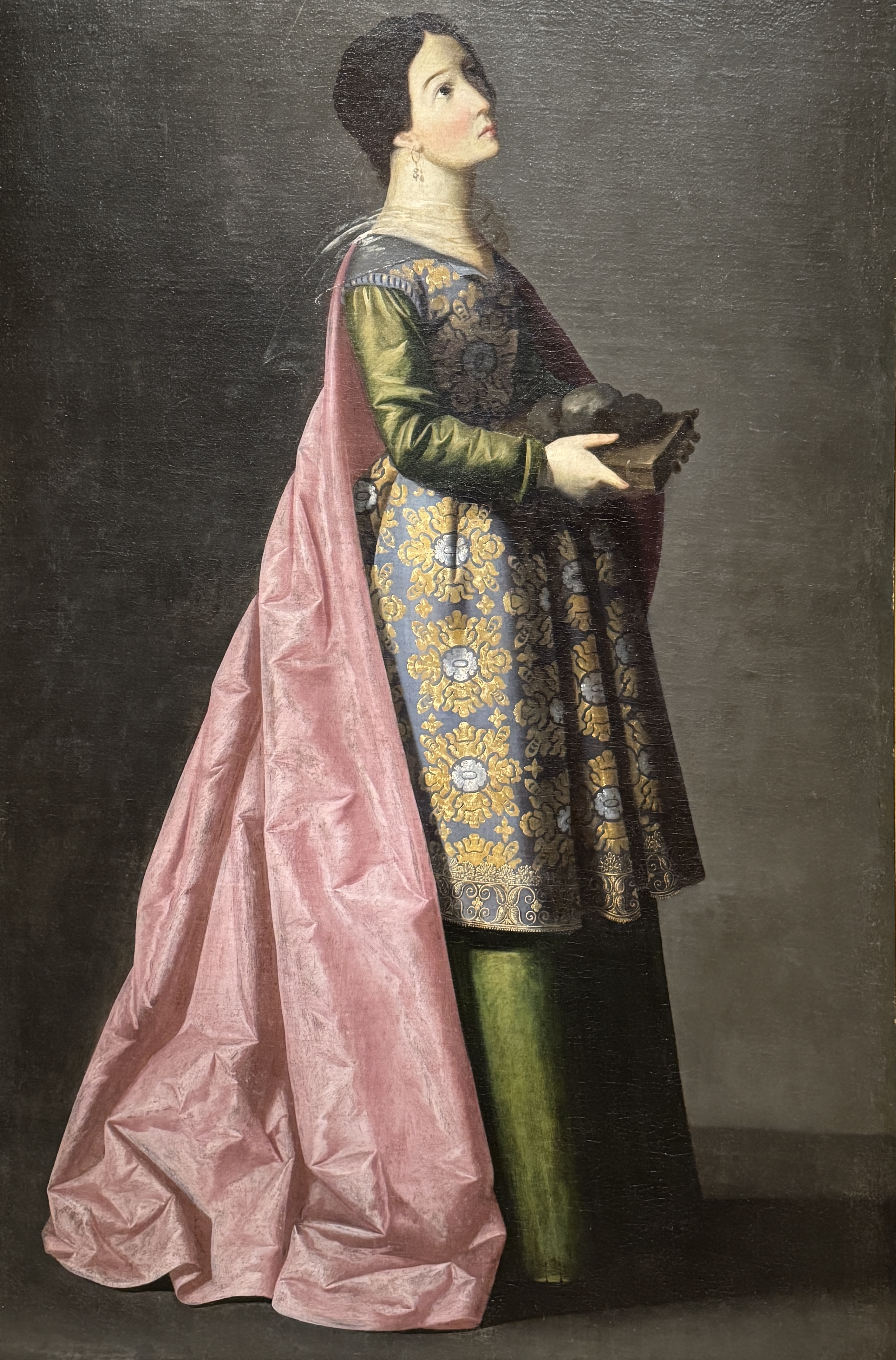
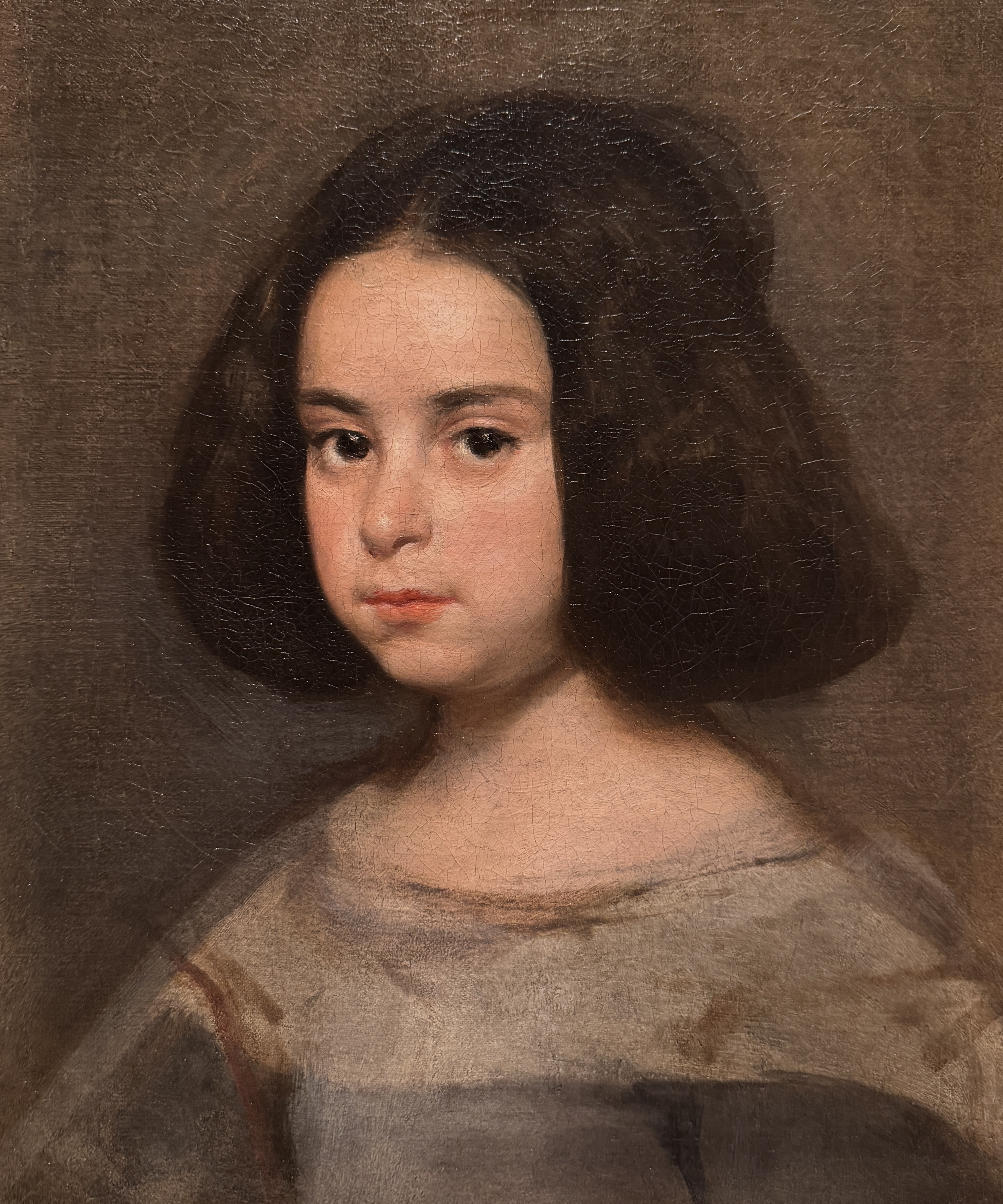
The Brilliance of the Spanish World: El Greco, Velázquez, Zurbarán
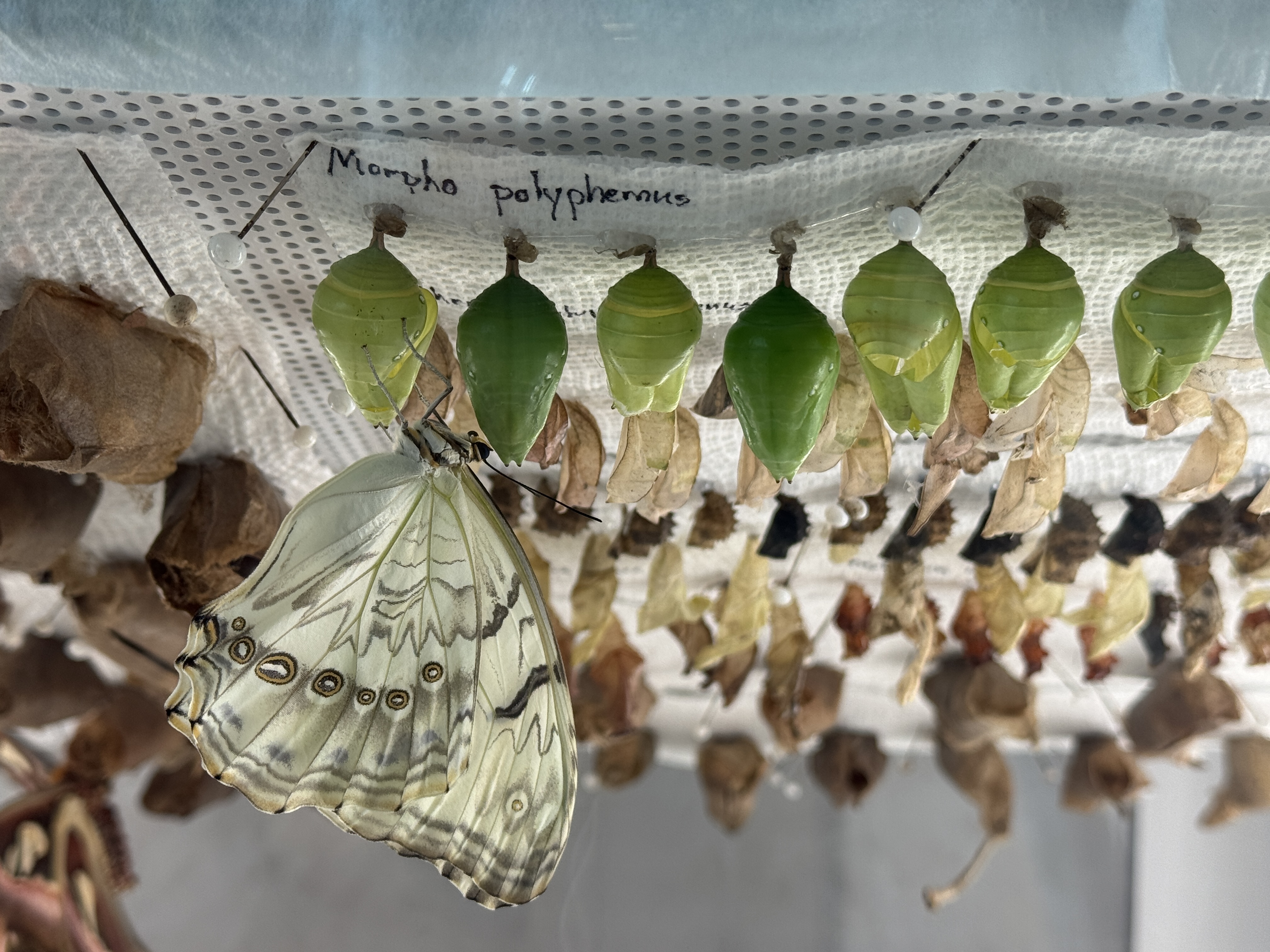
My daughter and I enjoyed a few adventures last weekend, including brunch in Milwaukee and a wander through the Public Museum.
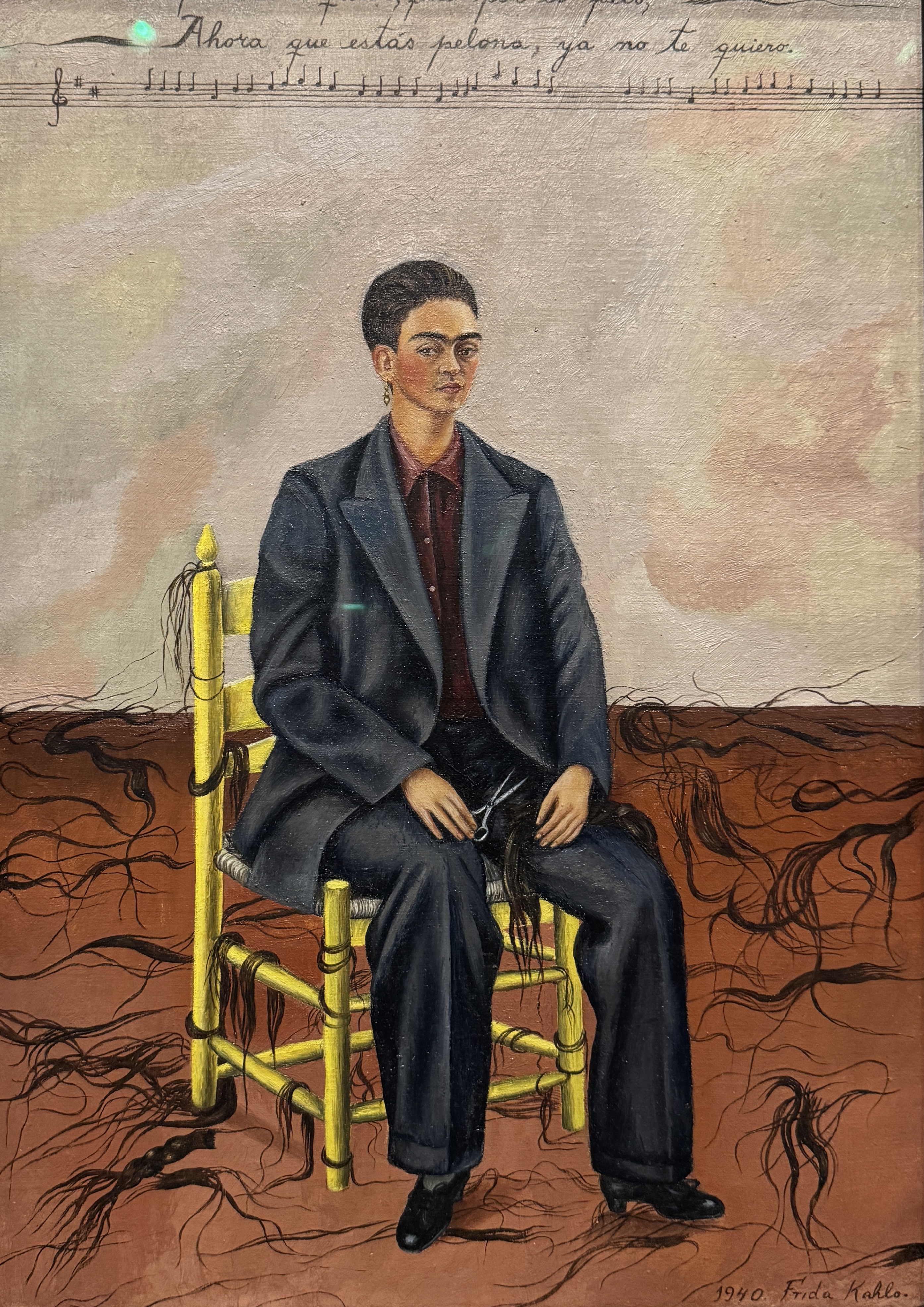


Yesterday we visited the Art Institute for “Frida Kahlo’s Month in Paris: A Friendship with Mary Reynolds” (where I captured the images above) and the Driehaus for “Materialities.” In the evening, we saw Henry Johnson at Victory Gardens Theater.

My photo of Desert Forms (Hughie Lee-Smith; 1957).
In March, during a visit to the Art Institute, I saw this painting in a way I think of as “again for the first time.” The plaque indicates that the artist “often situated enigmatic people in bleak landscapes,” a reflection of Lee-Smith’s experience as an African American. Earlier that month, I had reread “The Love Song of J. Alfred Prufrock” (T.S. Eliot; 1915), and the painting evoked in me the same sense of depthless anxiety and loss the poem did:
Do I dare
Disturb the universe?
In a minute there is time
For decisions and revisions which a minute will reverse.
For I have known them all already, known them all….


A few more of my images of “Art in Bloom” at the Milwaukee Art Museum.

Visited the Milwaukee Art Museum for Art in Bloom.

My image of the Statue of Cupid and Psyche,
second half of second century, Roman Imperial Period.
Part of the Torlonia Collection, now on exhibit at the Art Institute.

Above is my image of the Chicago Archaeopteryx,
displayed in the Griffin Halls of Evolving Planet at the Field Museum.
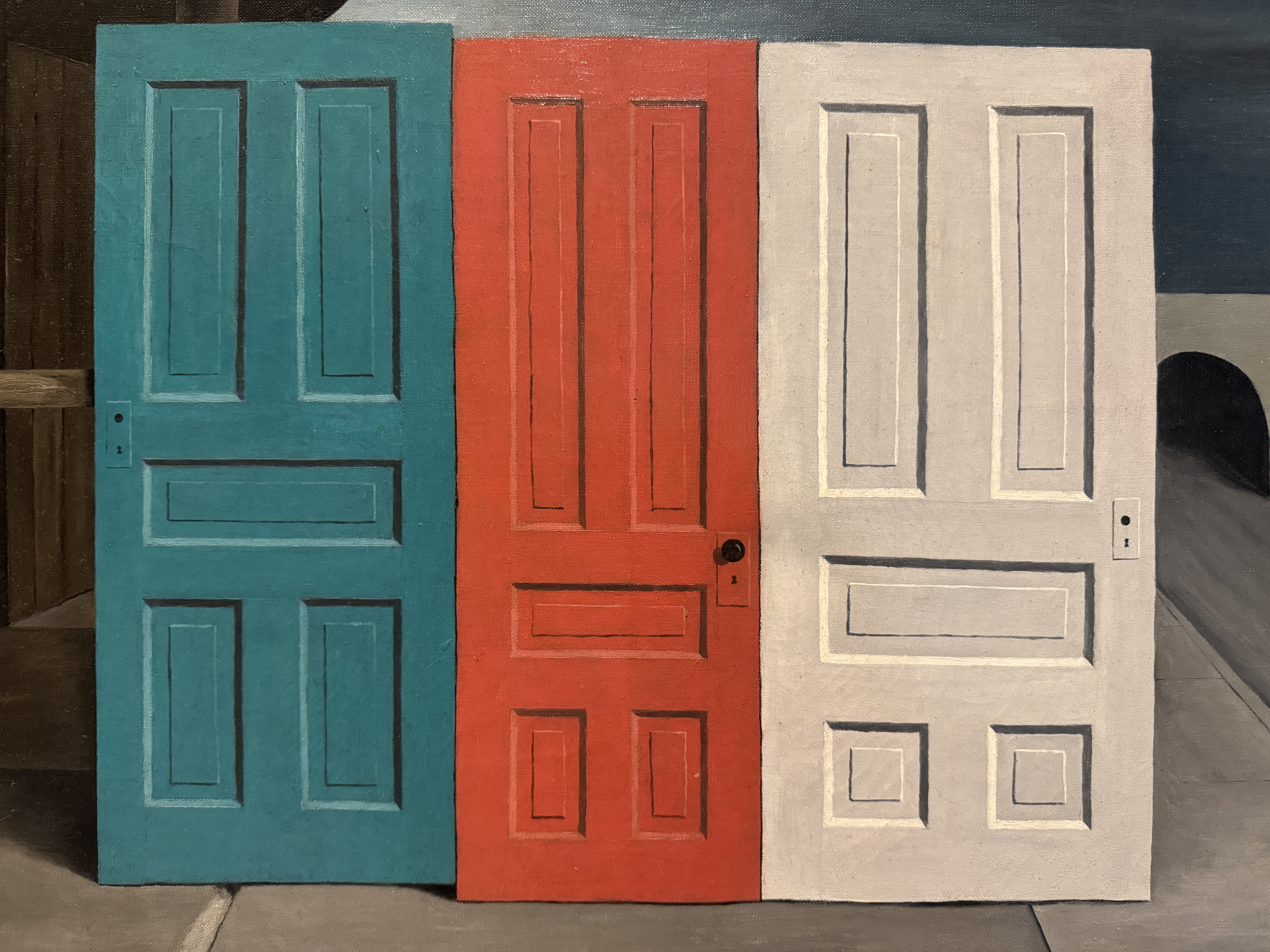
My image of Gertrude Abercrombie’s “Doors (3 Demolition)” (1957).
Over the weekend we saw the Court’s excellent production of A Raisin in the Sun (review here), having visited our favorite noodle stop and the Smart Museum of Art beforehand. (The Smart is still celebrating its fiftieth anniversary, so if you’re in the area and have never visited this tiny treasure, get there.)
After a week of single-digit temperatures, the weather has granted us a return to more comfortable walking weather. (Recurring public service announcement: Wear sunscreen.) In addition to logging more miles, I’ve gotten back to music practice, preparing to resume lessons in mid-March. (The doctor advised against playing for at least two weeks post-surgery; it was only a few days the first time. May there be no third time.)
Generally, very little can prevent me from reading, so that has continued uninterrupted. Not long after announcing I had begun The Heaven and Earth Grocery Store, though, I read this article and became absorbed by Barbara Kingsolver’s Demon Copperhead (2022). Come for the social commentary; stay for one of the most beguiling narrators since perhaps his narrative brother, David Copperfield. (Speaking of the Dickens novel, I will reread it for a UChicago course later this year.) I’ve since returned to the McBride, a delight, and will likely finish it today or tomorrow. Late last week, I attended a virtual talk with Amy Tan; naturally her book about backyard birding made its way from my shelves to the table beside my favorite reading chair. And as I’ve mentioned, with my youngest, I’ve been reading books by Brazilian writers, most recently, Captains of the Sands (Jorge Amado; 1937). Since some have likened it to Lord of the Flies (William Golding; 1954), we have decided to reread that when we finish Captains. (In a neat intersection of interests, I discovered Yellowjackets this month, which most assuredly owes a debt to Golding — and to Lost, a small-screen family favorite.)
All that remains is to get back to my Latin studies, which, now that I feel more myself, seems probable this week.
I typed and erased at least three sentences to conclude this entry and then remembered that Jeanne at Necromancy Never Pays had already pointed me to the right words:
How to Be Eaten did turn out to be the right book at the right time. It fit in with something I read by Amanda Marcotte, author of Troll Nation and writer for Salon, who advises that resistance can consist of simply “continuing to exist, by thriving as the person you were born to be, and by holding one another for strength and comfort in adversity.”
Until next time, then, continue to exist. Thrive as the person you were born to be. Hold one another for strength and comfort in adversity.