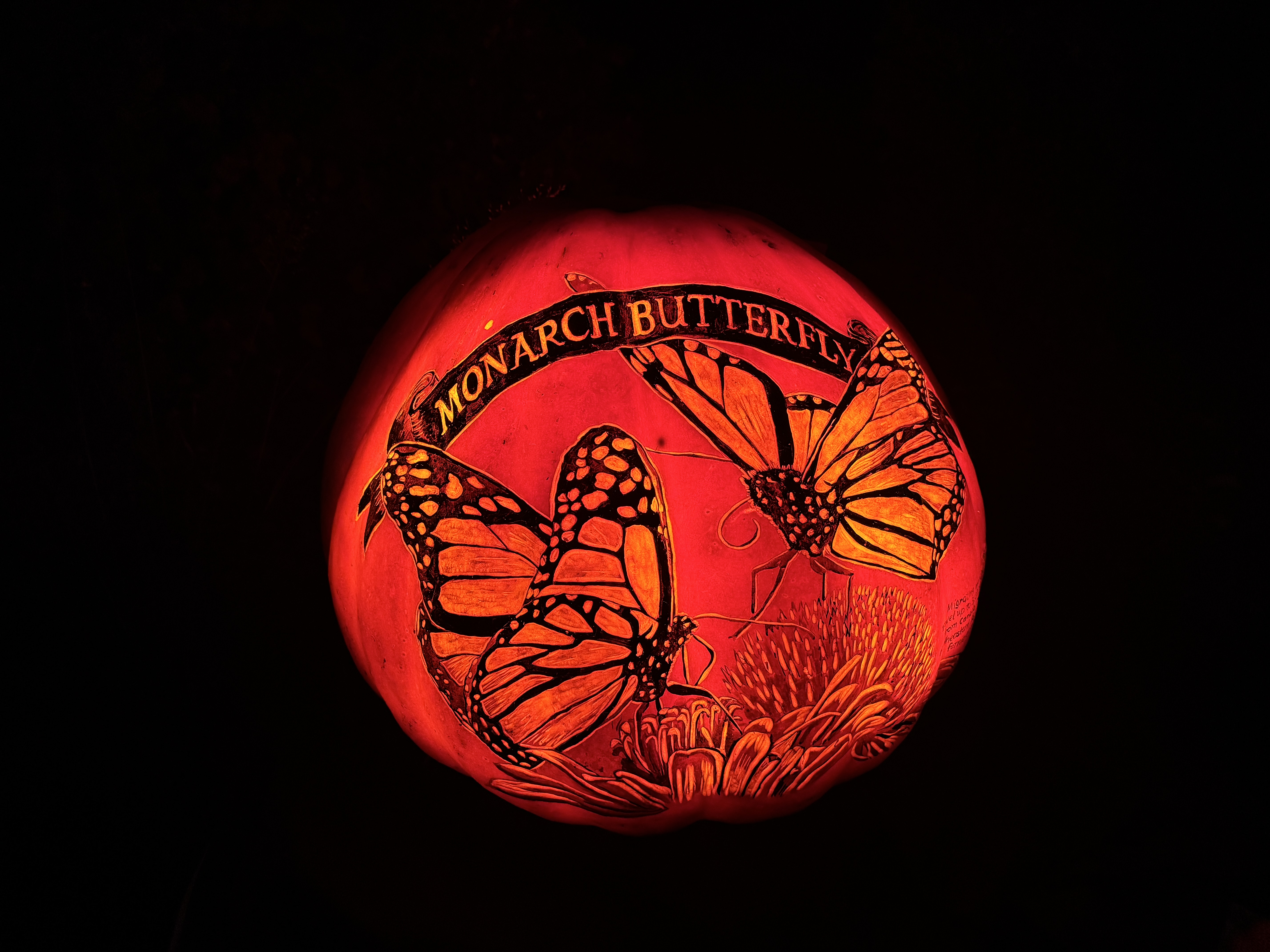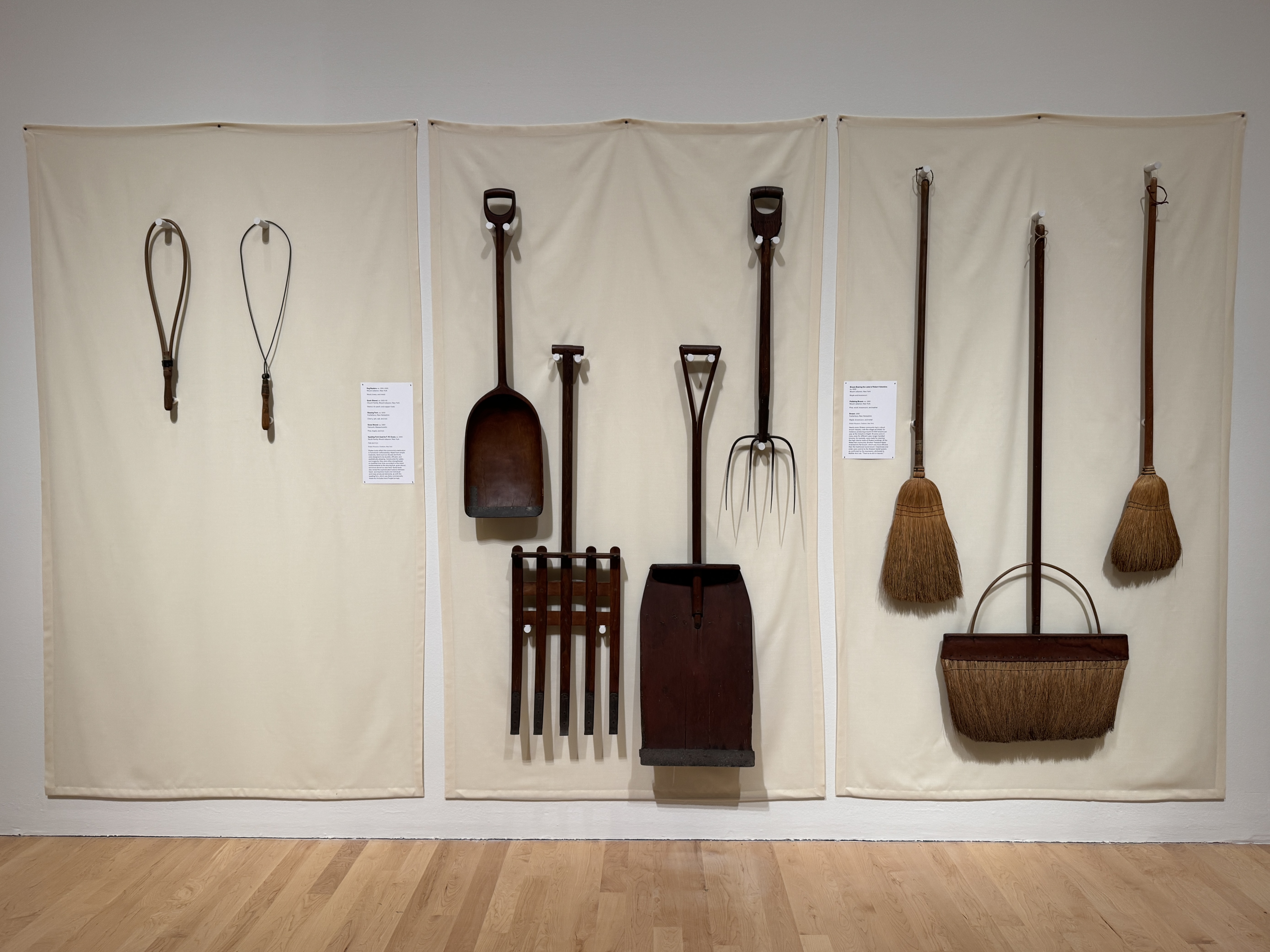
My image of objects seen at “The Shakers: A World in the Making.”
My image of objects seen at “The Shakers: A World in the Making.”
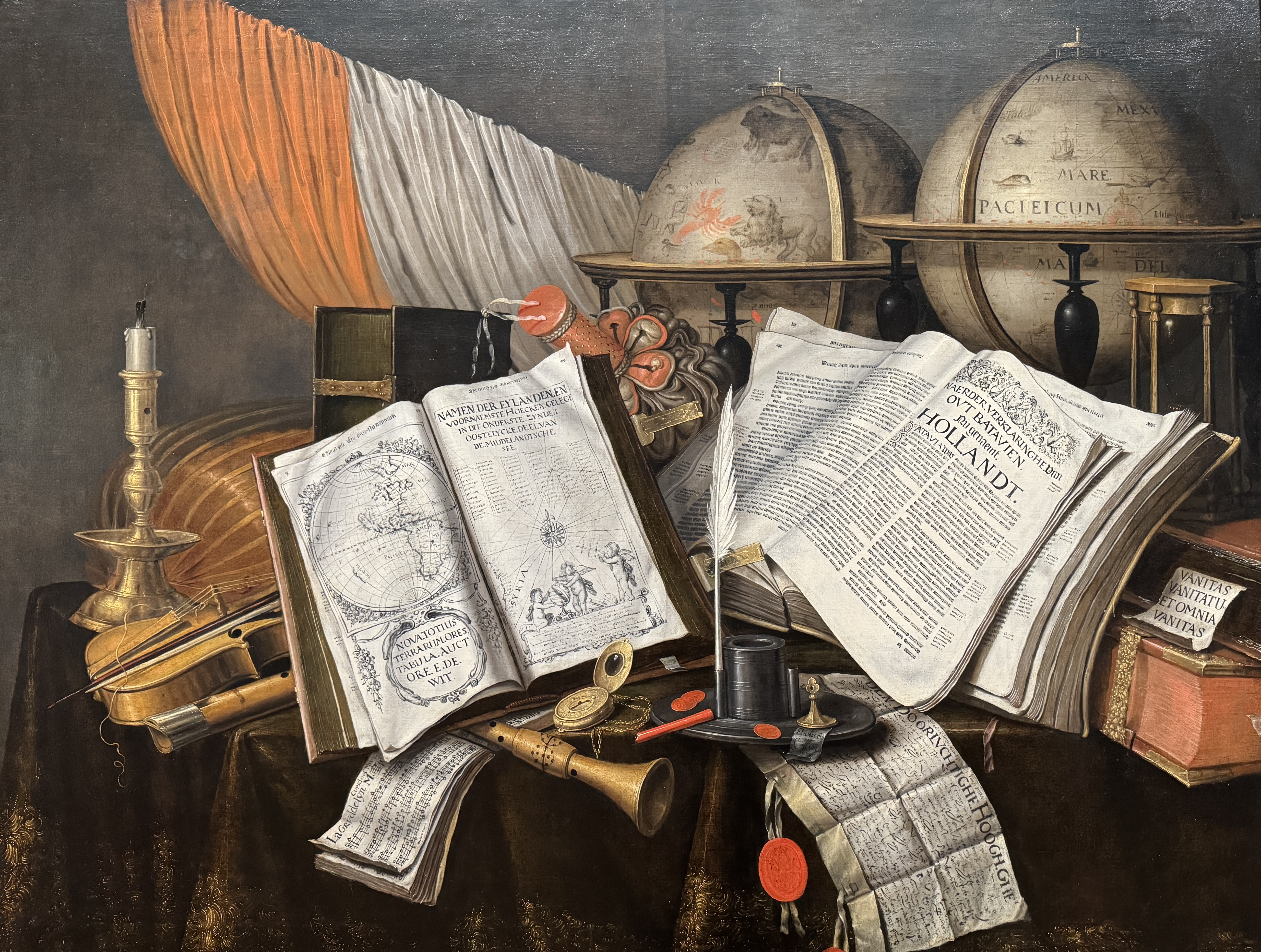
The above is my photo of “A Vanitas Still Life with a Flag, Candlestick, Musical Instruments, Books, Writing Paraphernalia, Globes, and an Hourglass” (1662) by Dutch artist Edward Collier.
On Saturday morning, I received an email offering $40 seats to the Chicago Shakespeare Theater’s production of The Winter’s Tale. I had wanted to head into Chicago soon to see (again for the first time) Henry Fuseli’s “Milton Dictating to His Daughter” (1793), which had come up in both courses I recently completed on Paradise Lost. Naturally, that would be a great opportunity to revisit Raqib Shaw’s epic work, too, so I booked the tickets and headed into the city: a trip to the Art Institute, some great Indian food, then the play — good times.
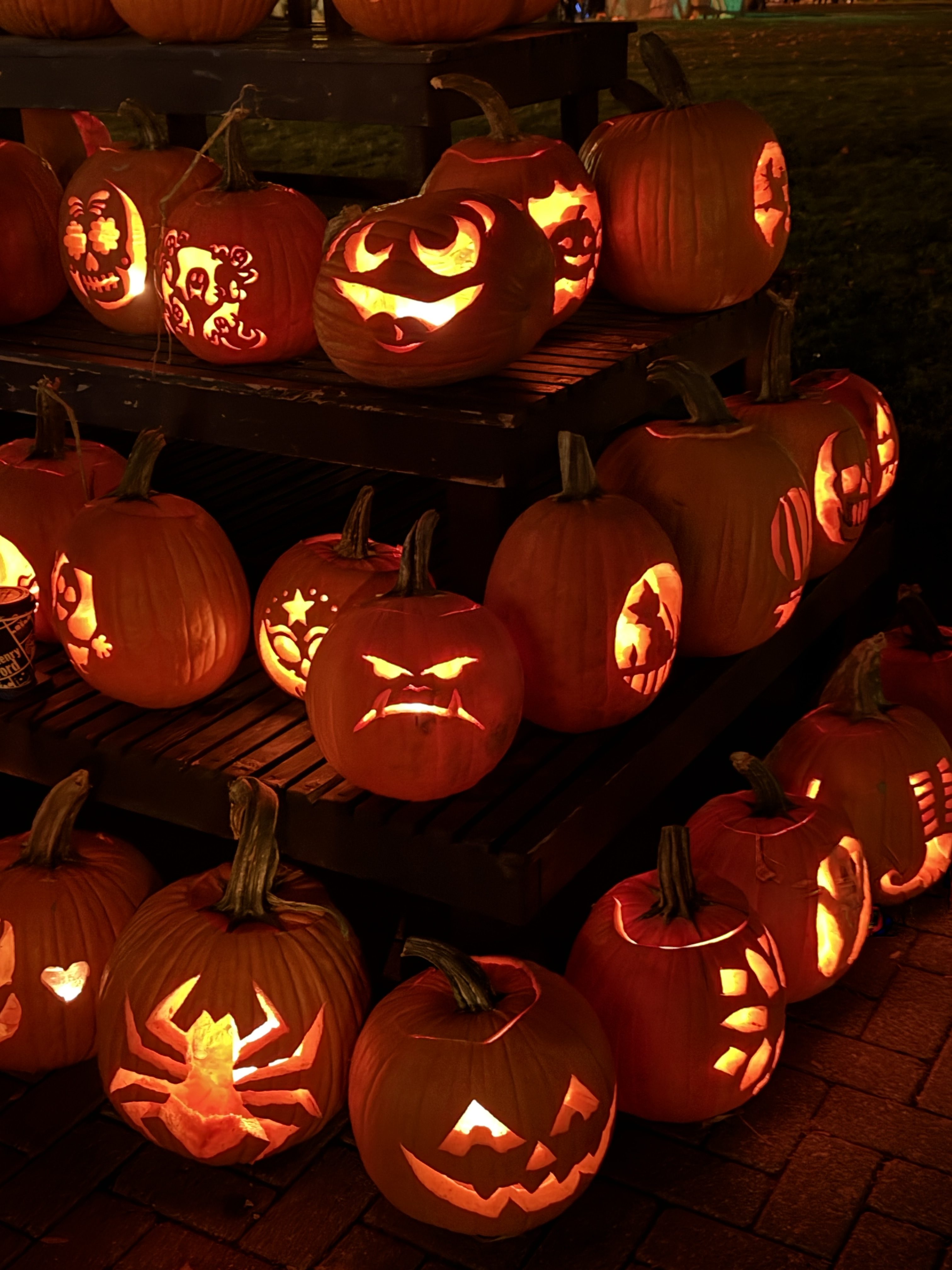
Jack o’lanterns at Greenfield Village.
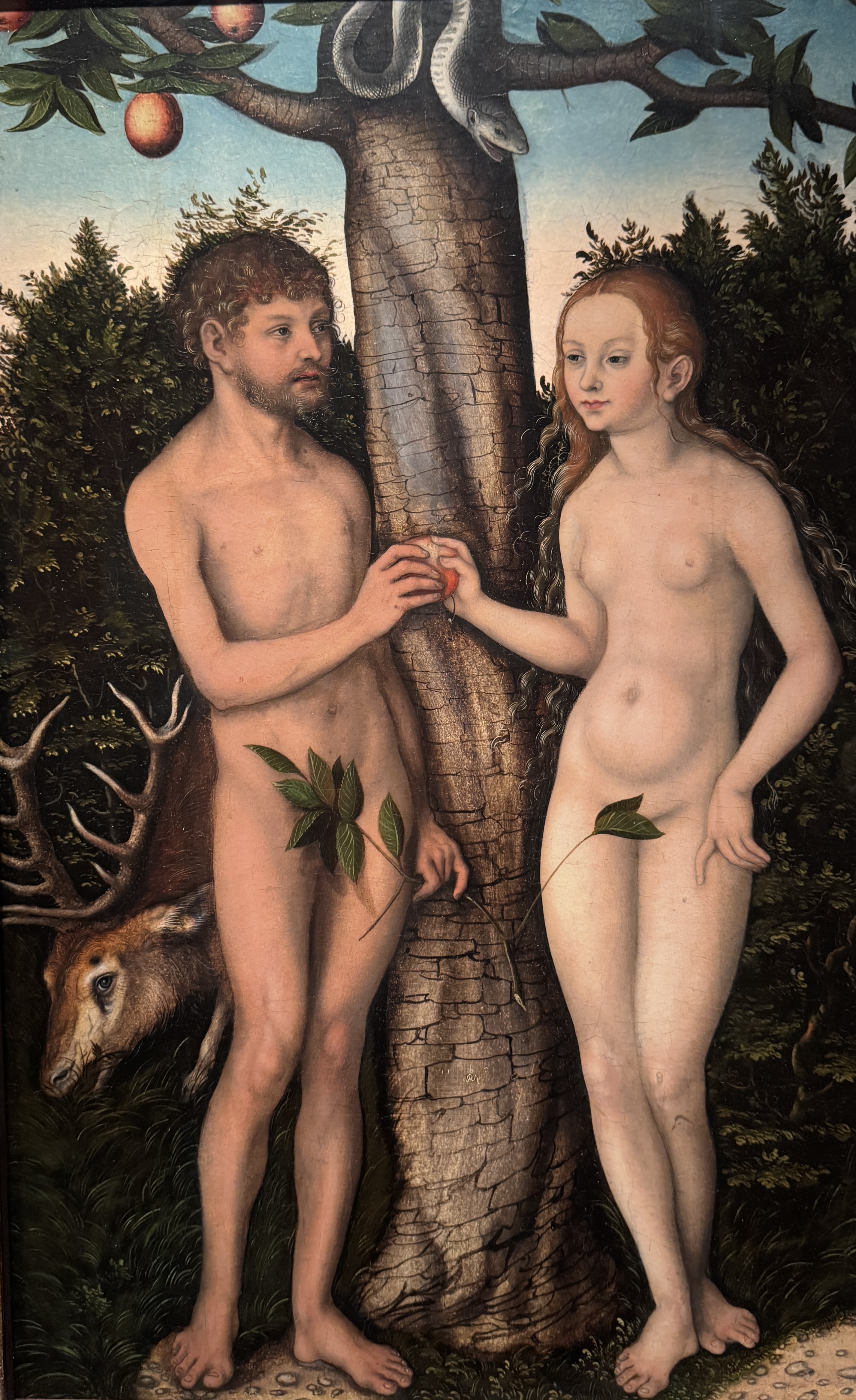
My image of “Adam and Eve” (1528) by Lucas Cranach the Elder.
Recently seen (again) at Detroit Institute of Arts.
Through courses at UChicago and Roundtable I have finally read Paradise Lost. From Book IV:
Two of far nobler shape, erect and tall,
God—like erect, with native honour clad
In naked majesty, seemed lords of all,
And worthy seemed; for in their looks divine
The image of their glorious Maker shon,
Truth, wisdom, sanctitude severe and pure—
Severe, but in true filial freedom placed,
Whence true authority in men: though both
Not equal, as their sex not equal seemed;
For contemplation he and valour formed,
For softness she and sweet attractive grace;
He for God only, she for God in him.
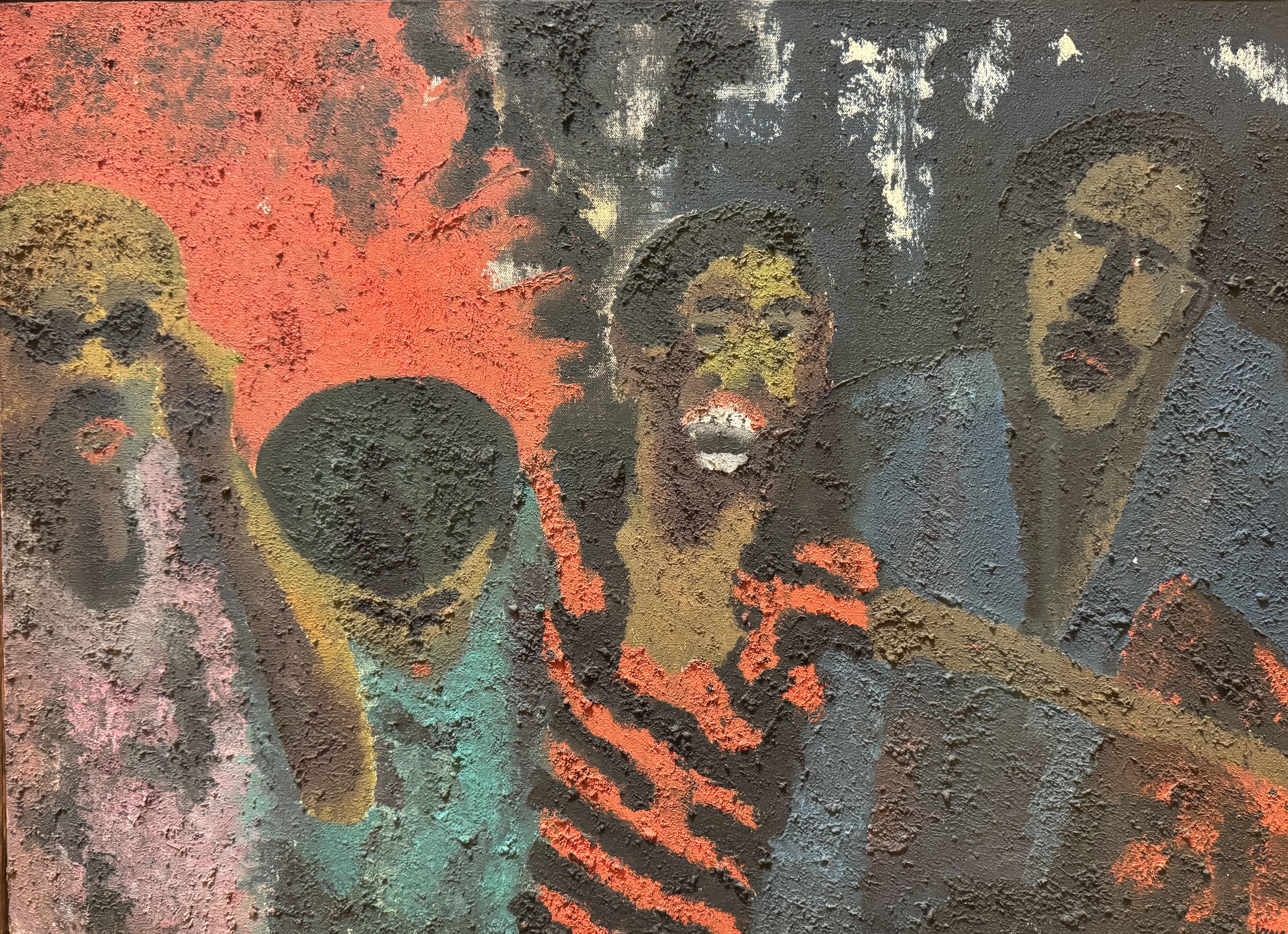
My image of “The Fire Next Time” (1968) by Vincent Smith.
Also recently seen (again) at Detroit Institute of Arts.
Inspired by President Obama’s “A Great Book” podcast I have also finally read James Baldwin’s The Fire Next Time.
:: It is so simple a fact and one that is so hard, apparently, to grasp: Whoever debases others is debasing himself. That is not a mythical statement but a most realistic one…. (page 83)
:: Life is tragic simply because the earth turns and the sun inexorably rises and sets, and one day, for each of us, the sun will go down for the last, last time. Perhaps the whole root of our trouble, the human trouble, is that we will sacrifice all the beauty of our lives, will imprison ourselves in totems, taboos, crosses, blood sacrifices, steeples, mosques, races, armies, flags, nations, in order to deny the fact of death, which is the only fact we have. It seems to me that one ought to rejoice in the fact of death — ought to decide, indeed, to earn one’s death by confronting with passion the conundrum of life. One is responsible to life: It is the small beacon in that terrifying darkness from which we come and to which we shall return. One must negotiate this passage as nobly as possible, for the sake of those were coming after us. (page 91)
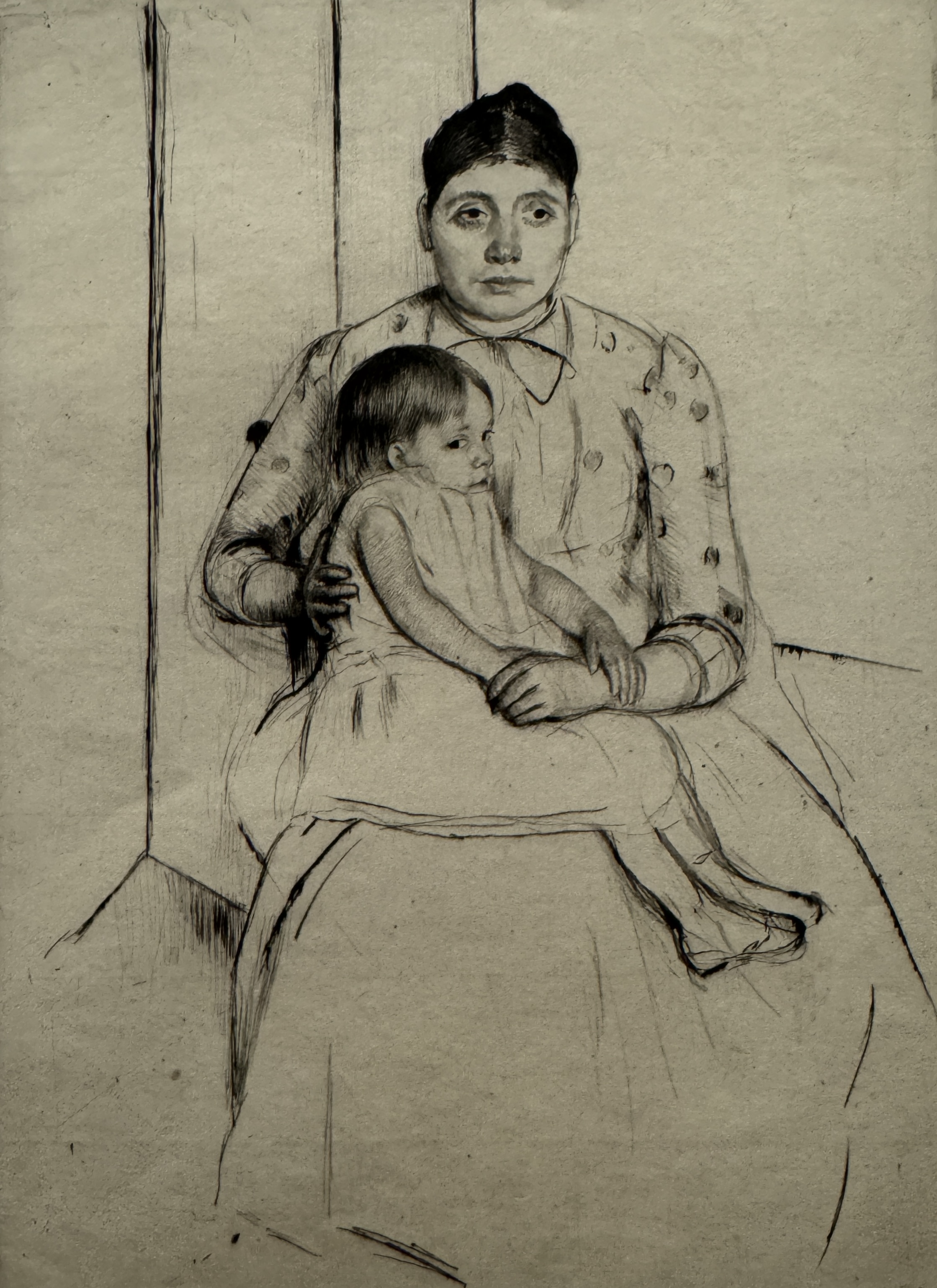
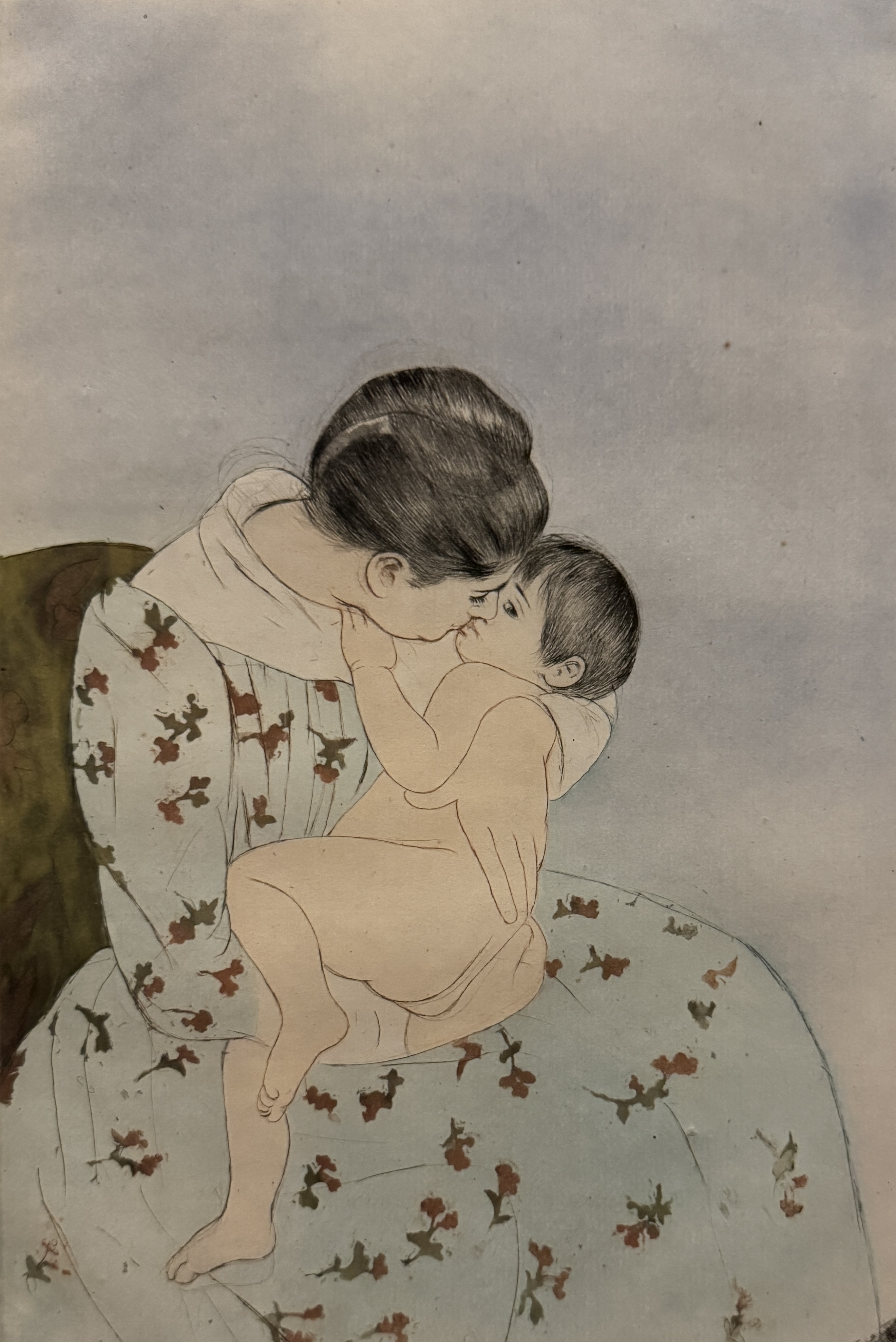
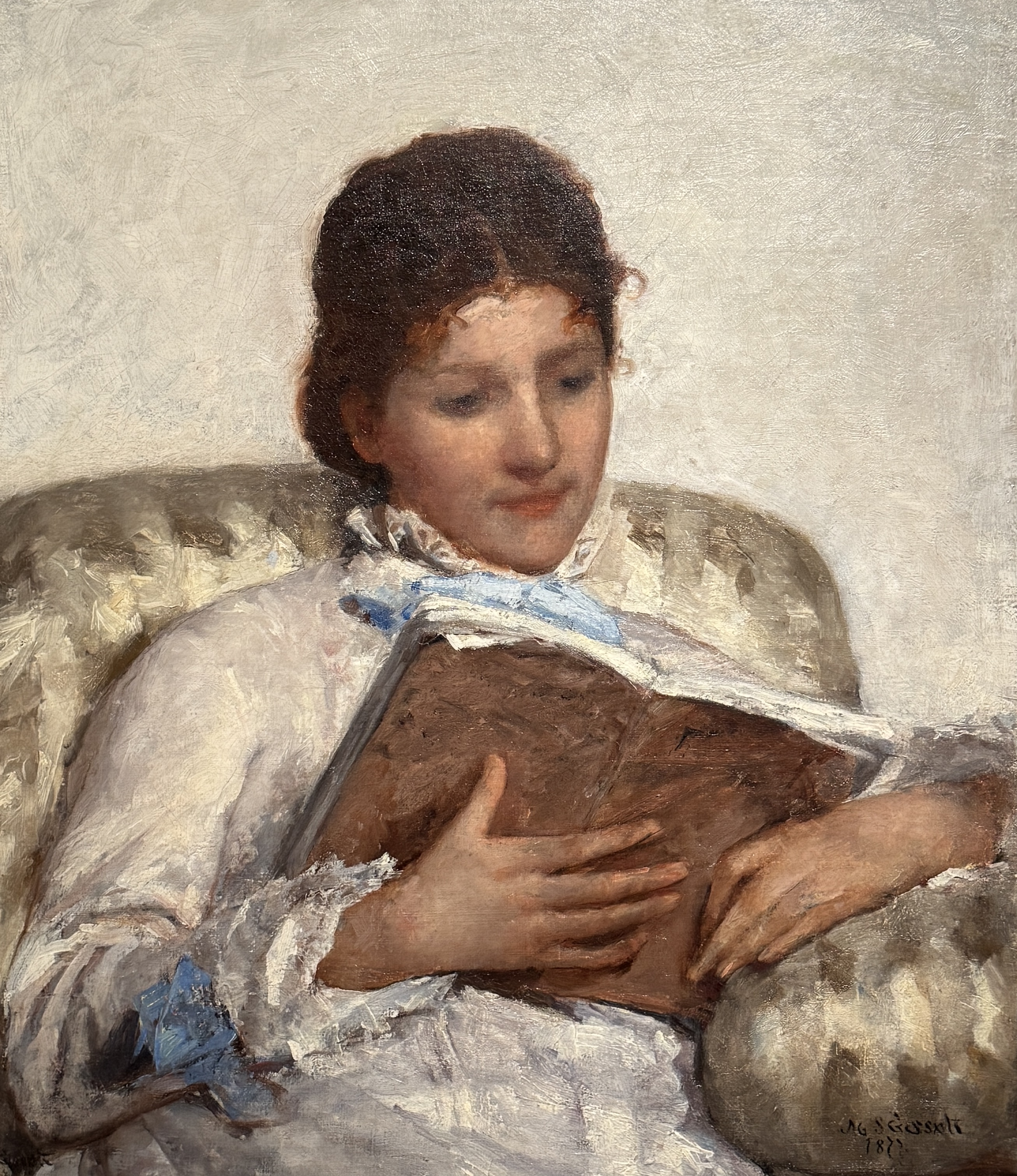
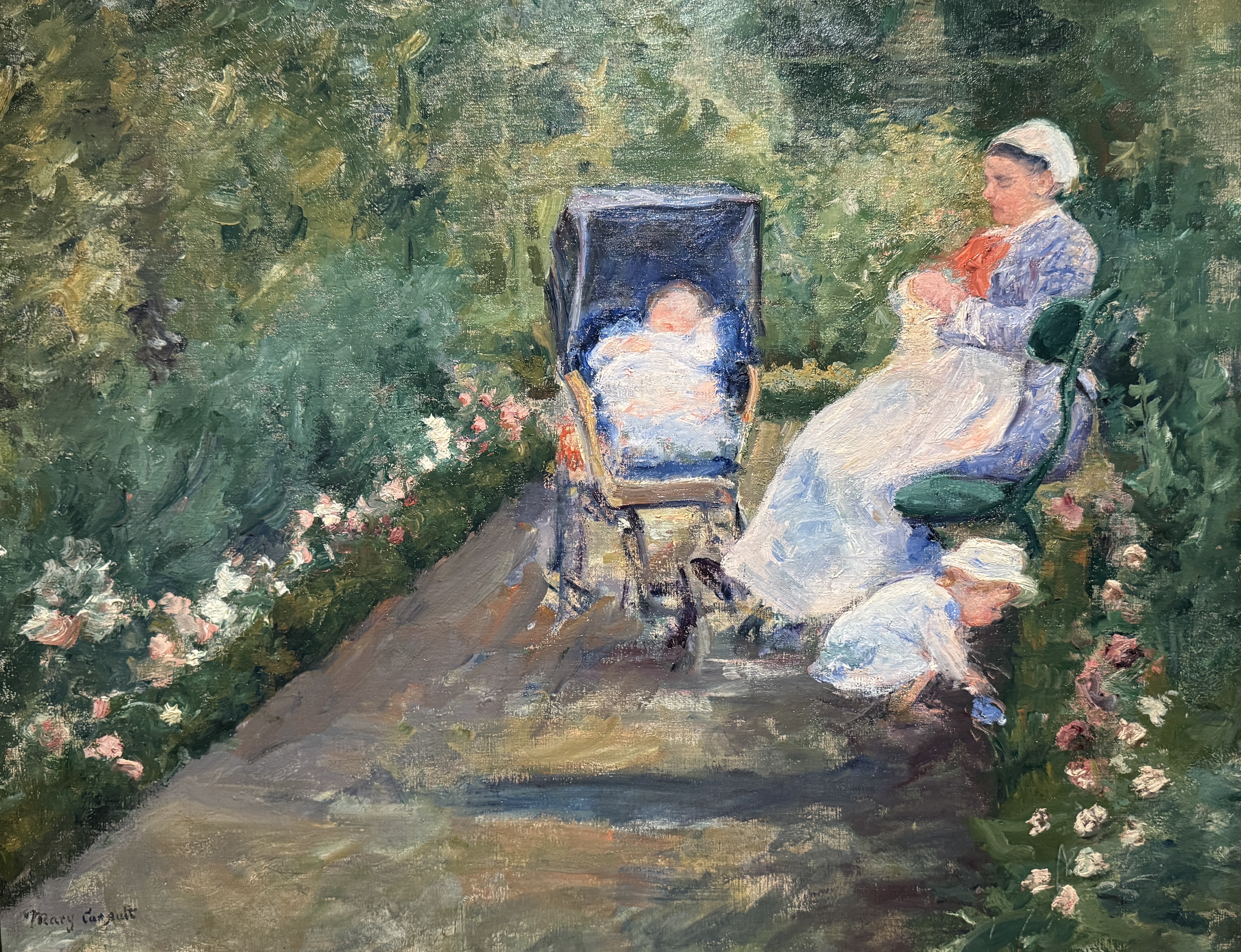
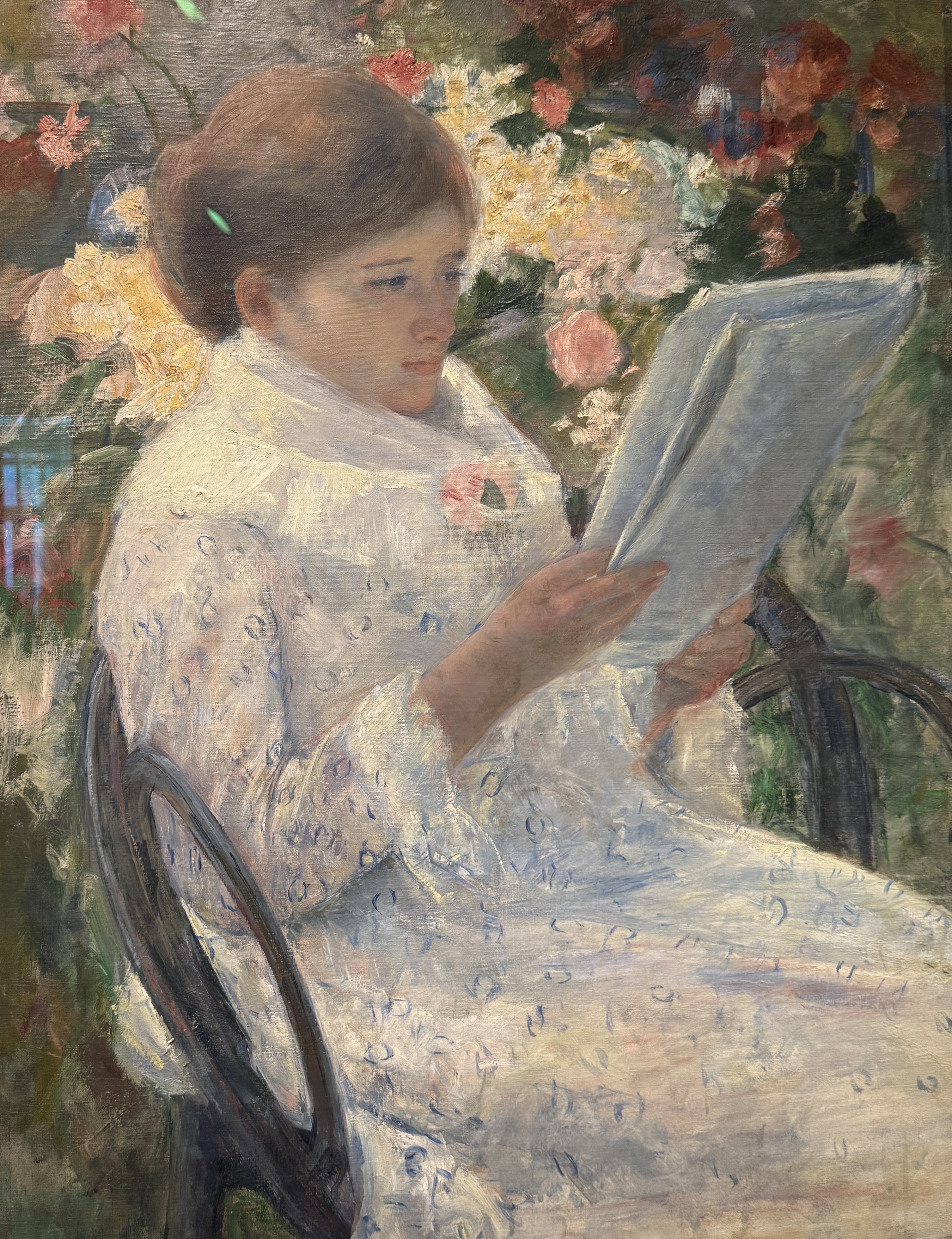
Mary Cassatt: After Impressionism at the Art Institute of Chicago.

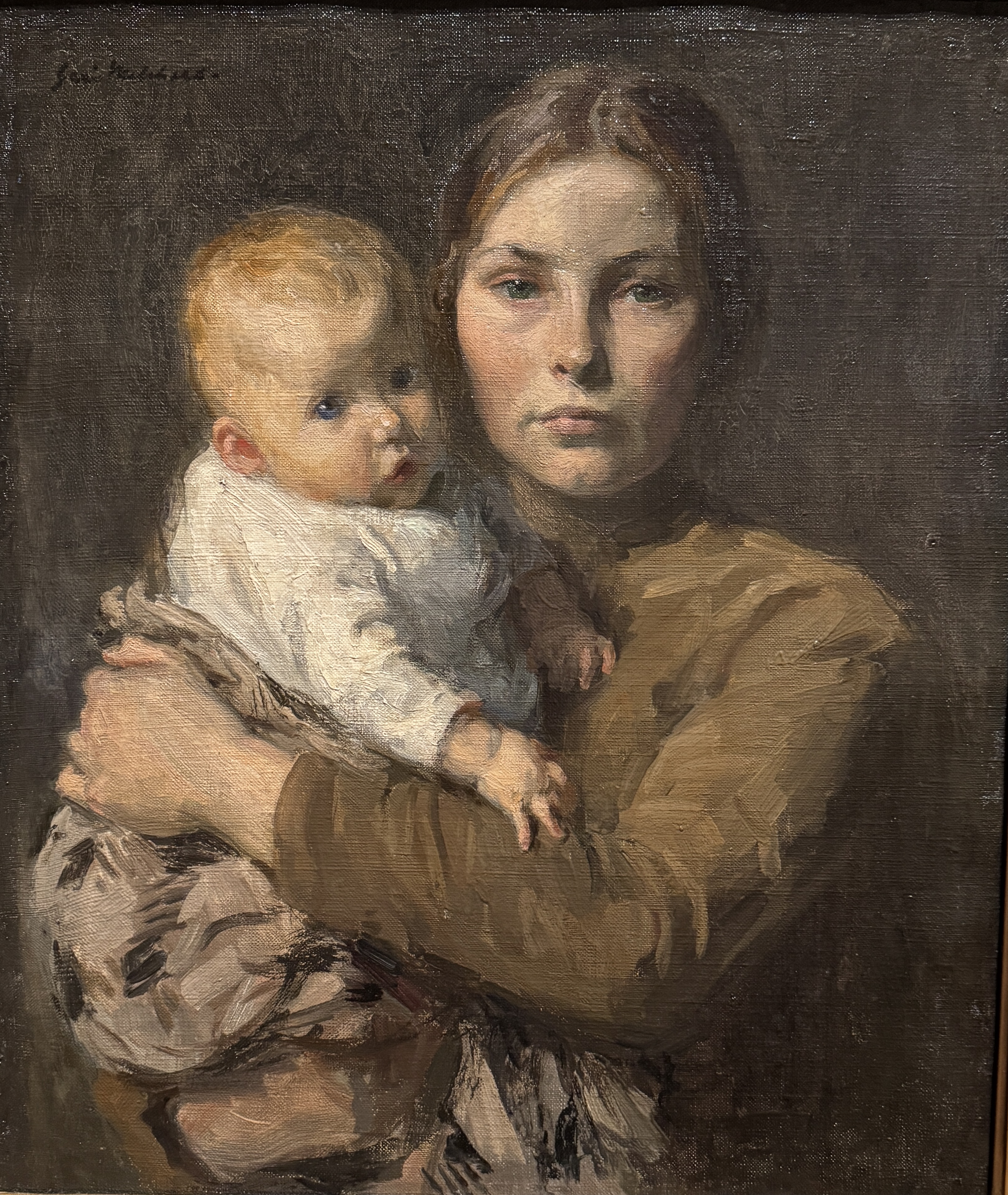

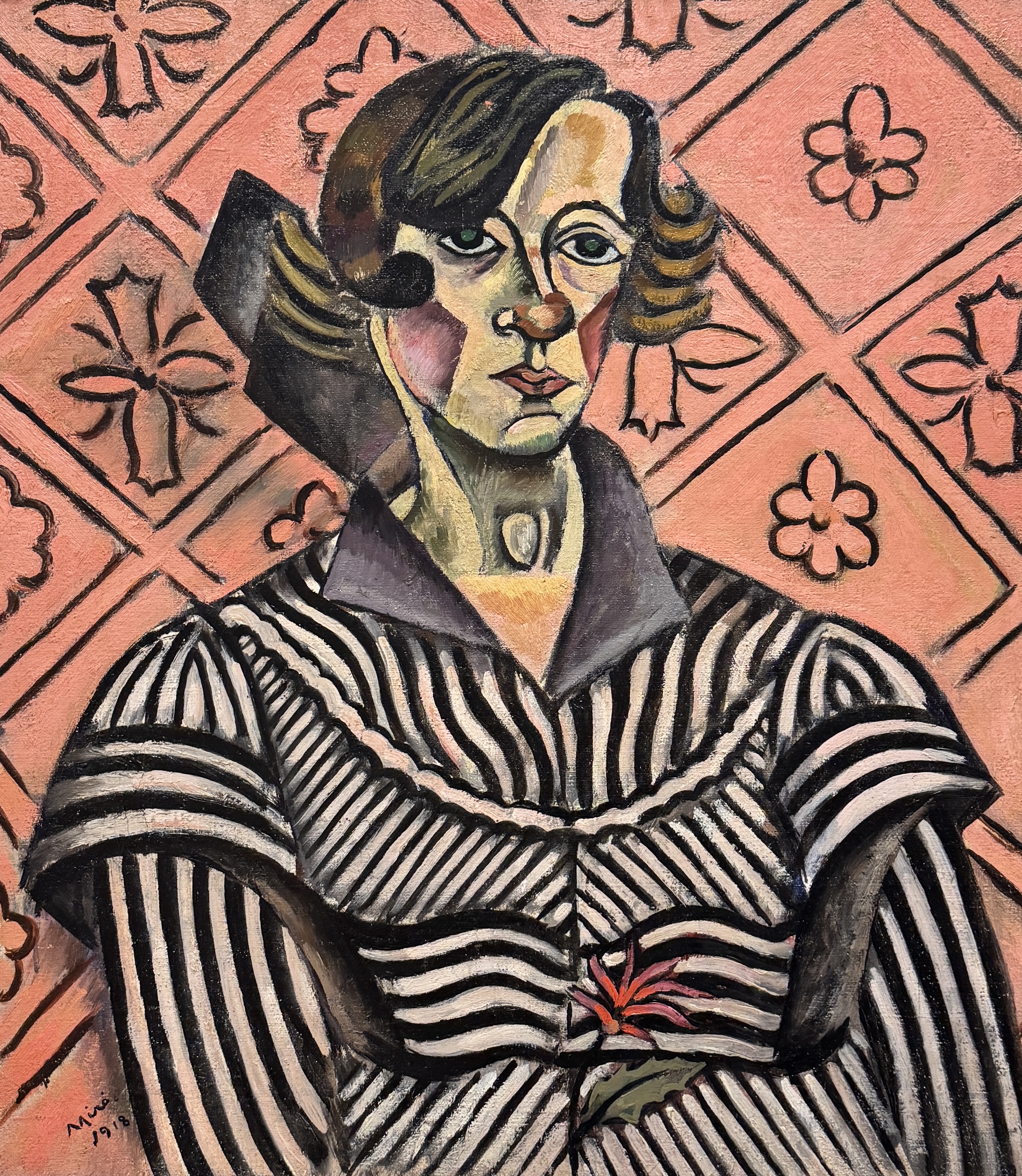
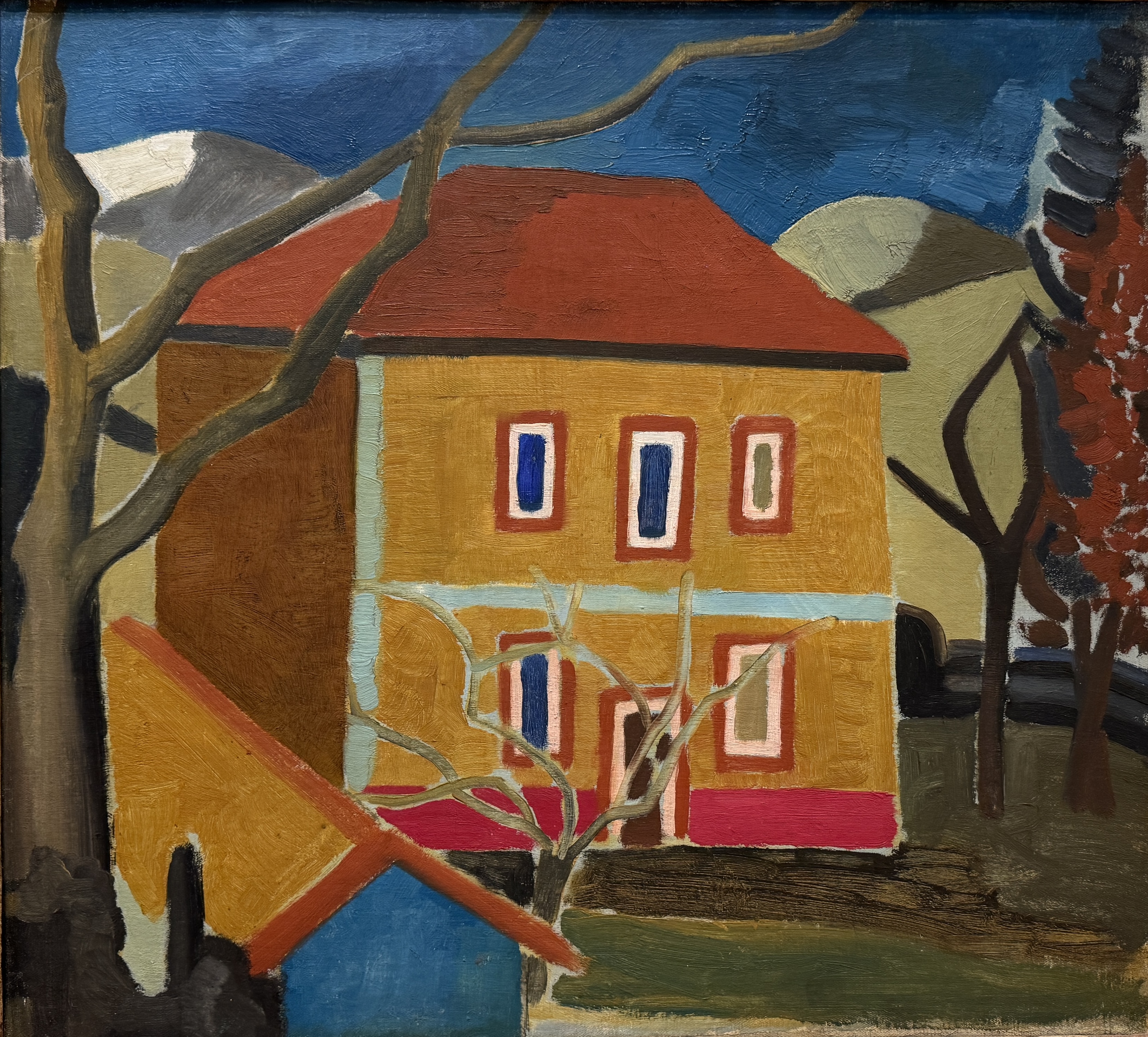
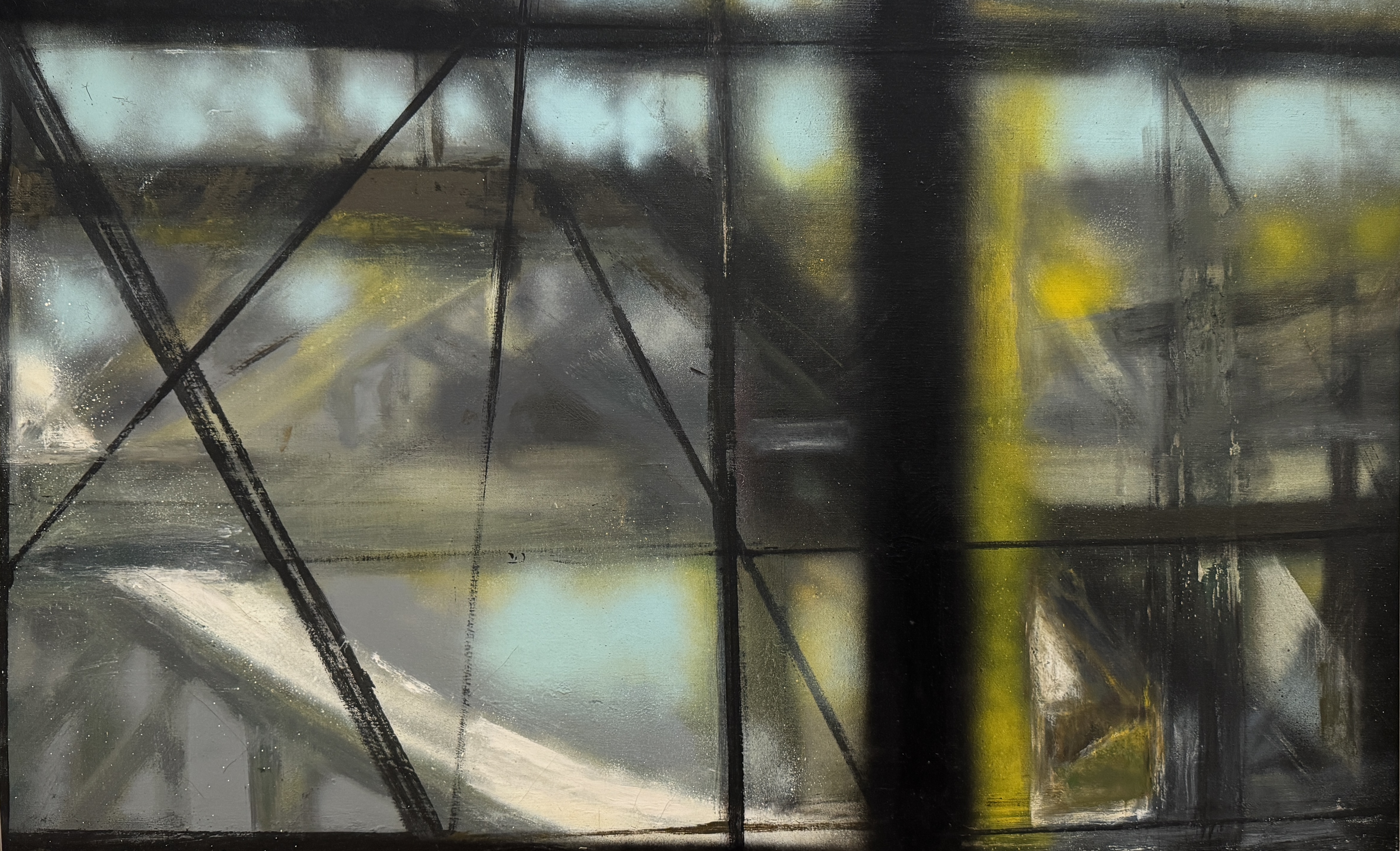
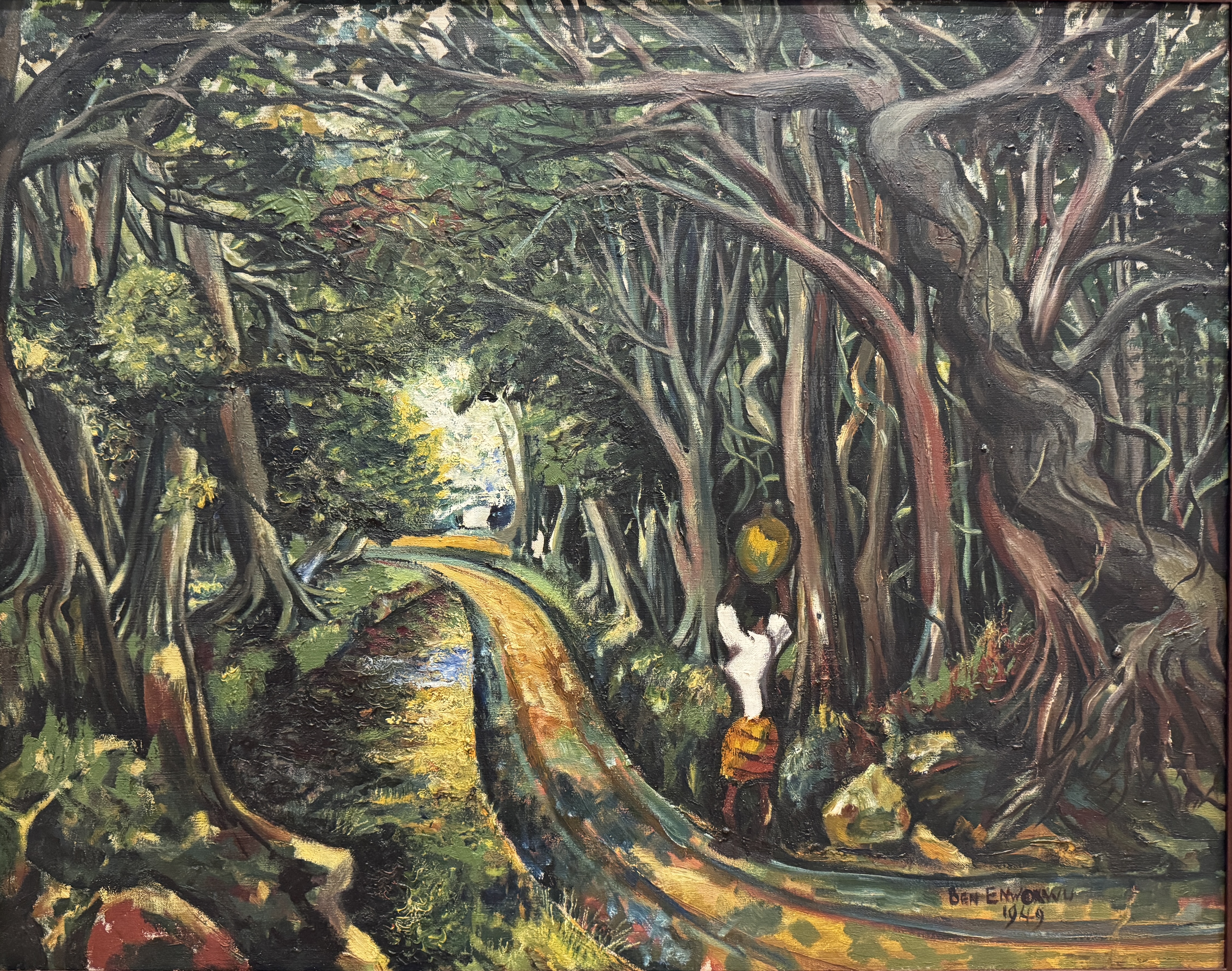
We arrived in time to take advantage of member hour, entering before the rains began. My photos show “Public Park” by Ker-Xavier Roussel, “Mother and Child” by Julius Gabri Melchers, “Untitled (Fumage)” by Wolfgang Paalen, “Portrait of Joaneta Obrador” by Joan Miró, “Casaguba” by Ben Nicholson, “New York” by Hedda Sterne, and “Woman on a Forest Path” by Ben Enwonwu.
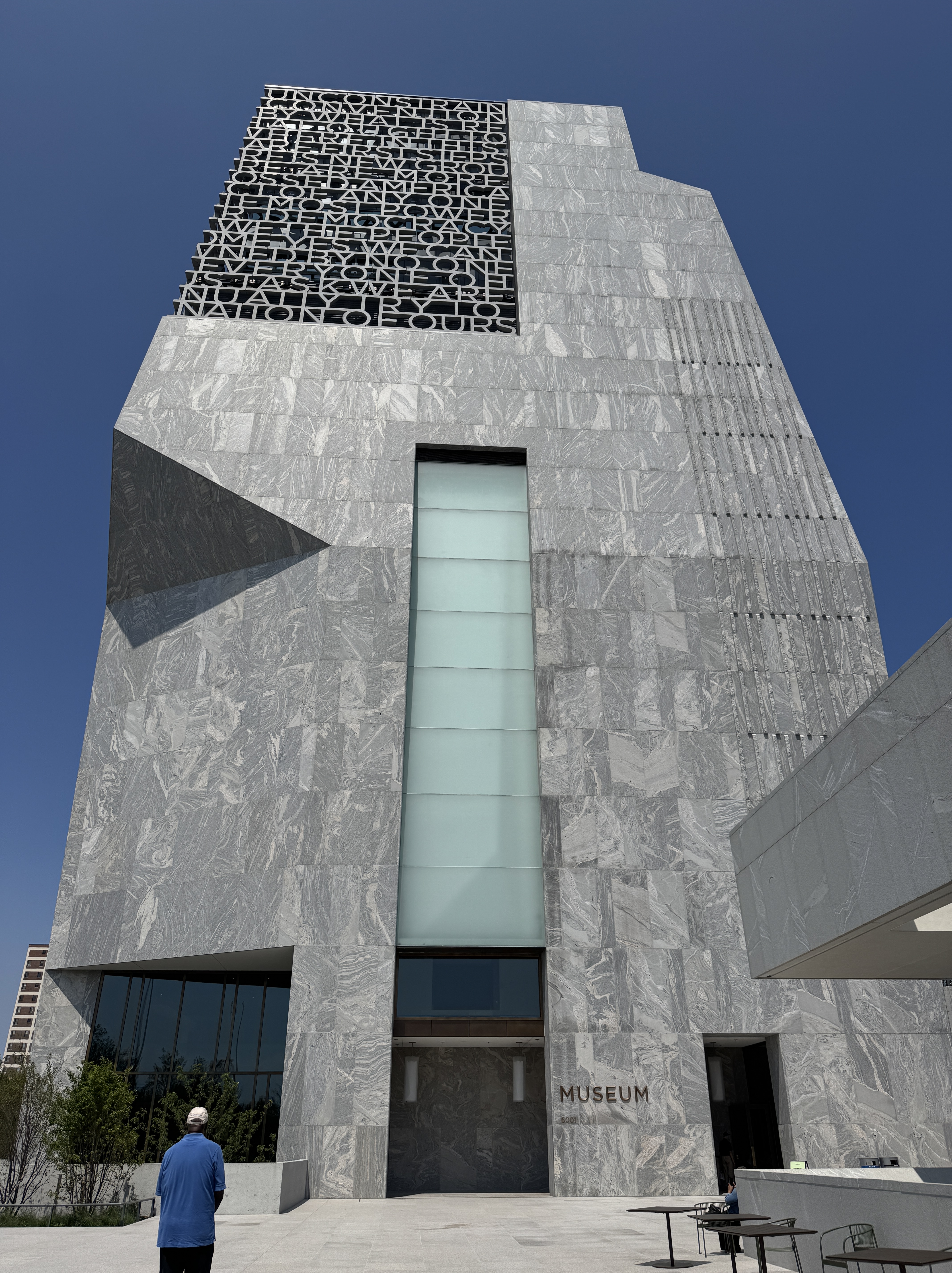
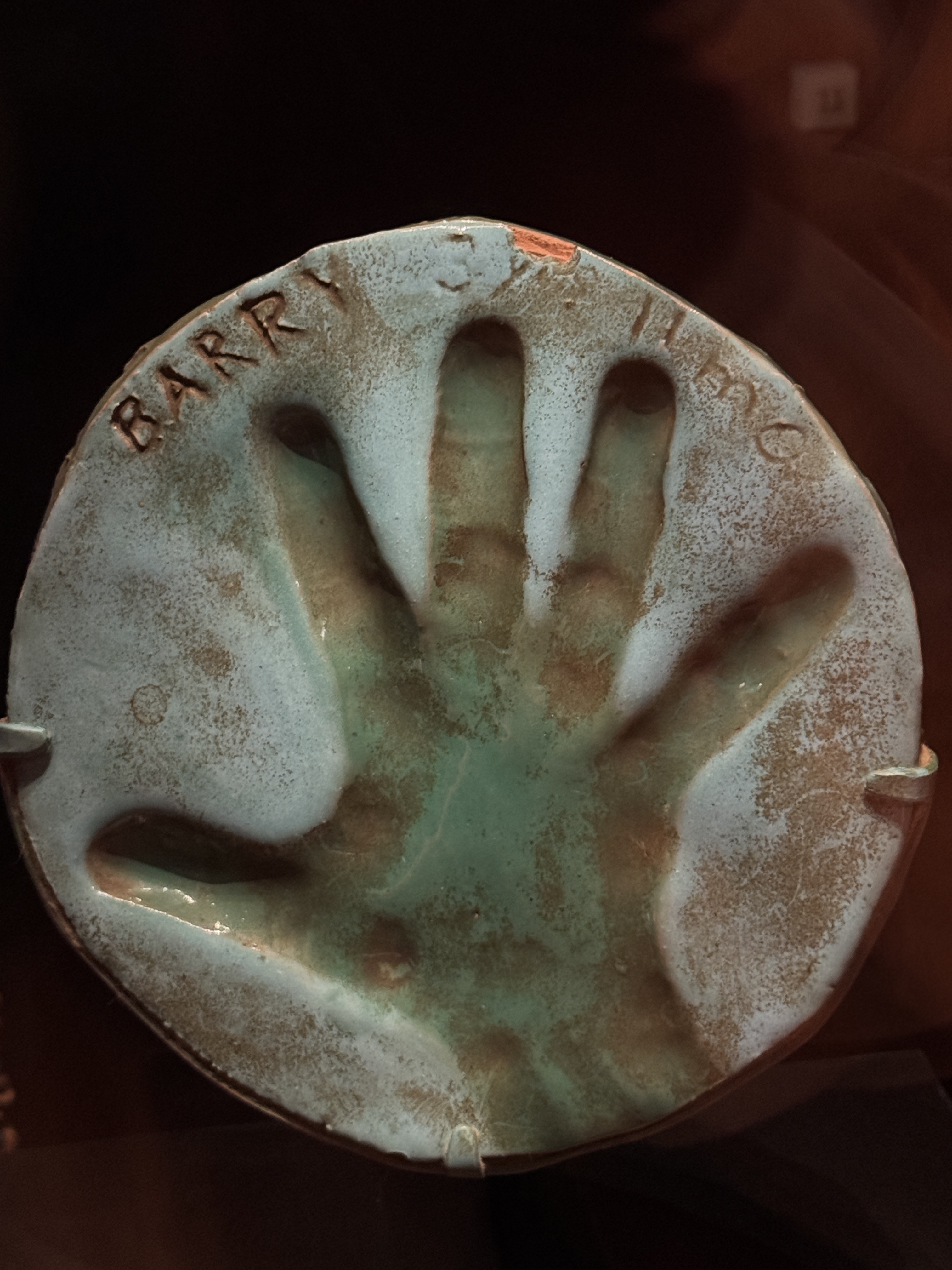
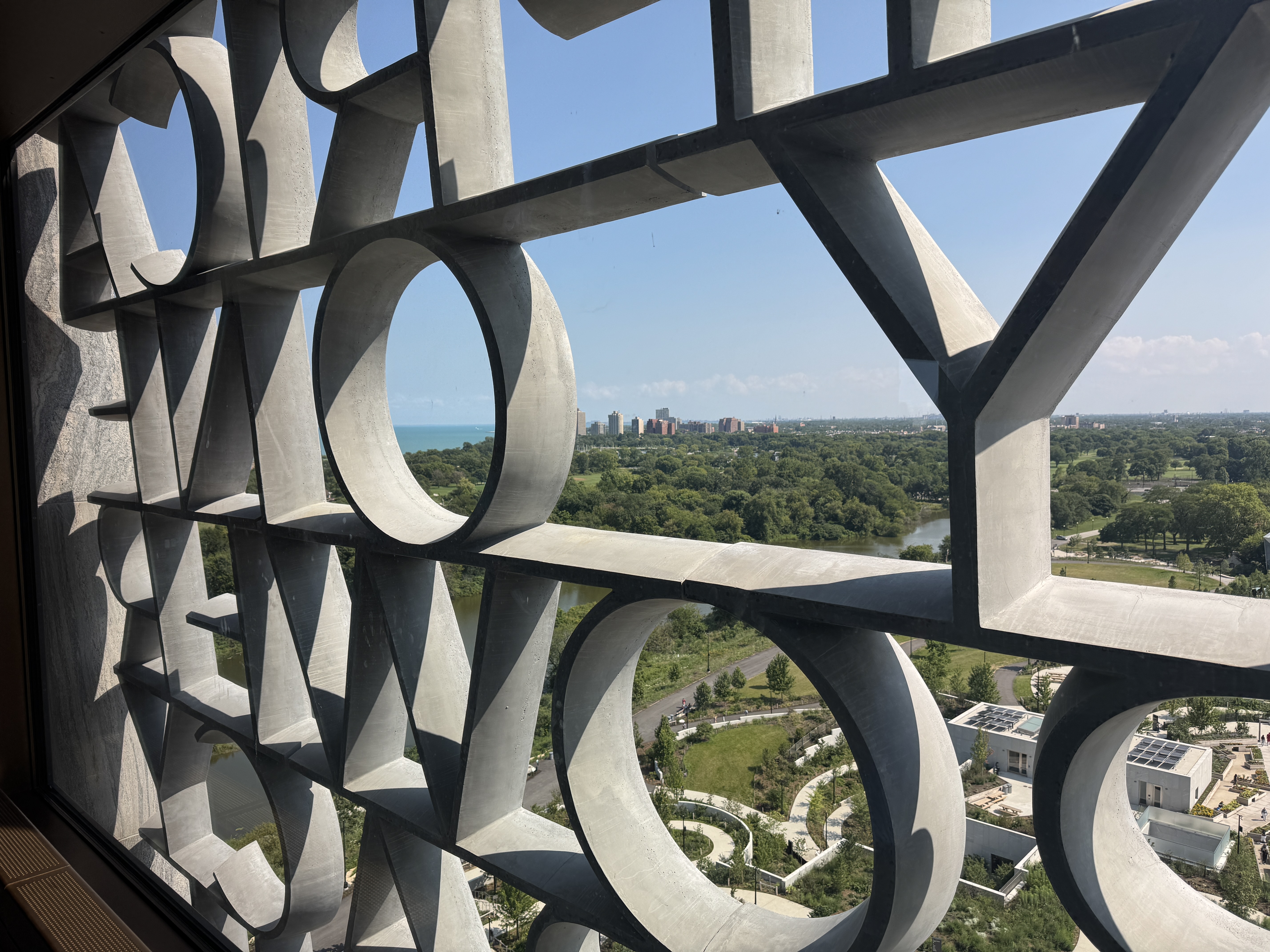
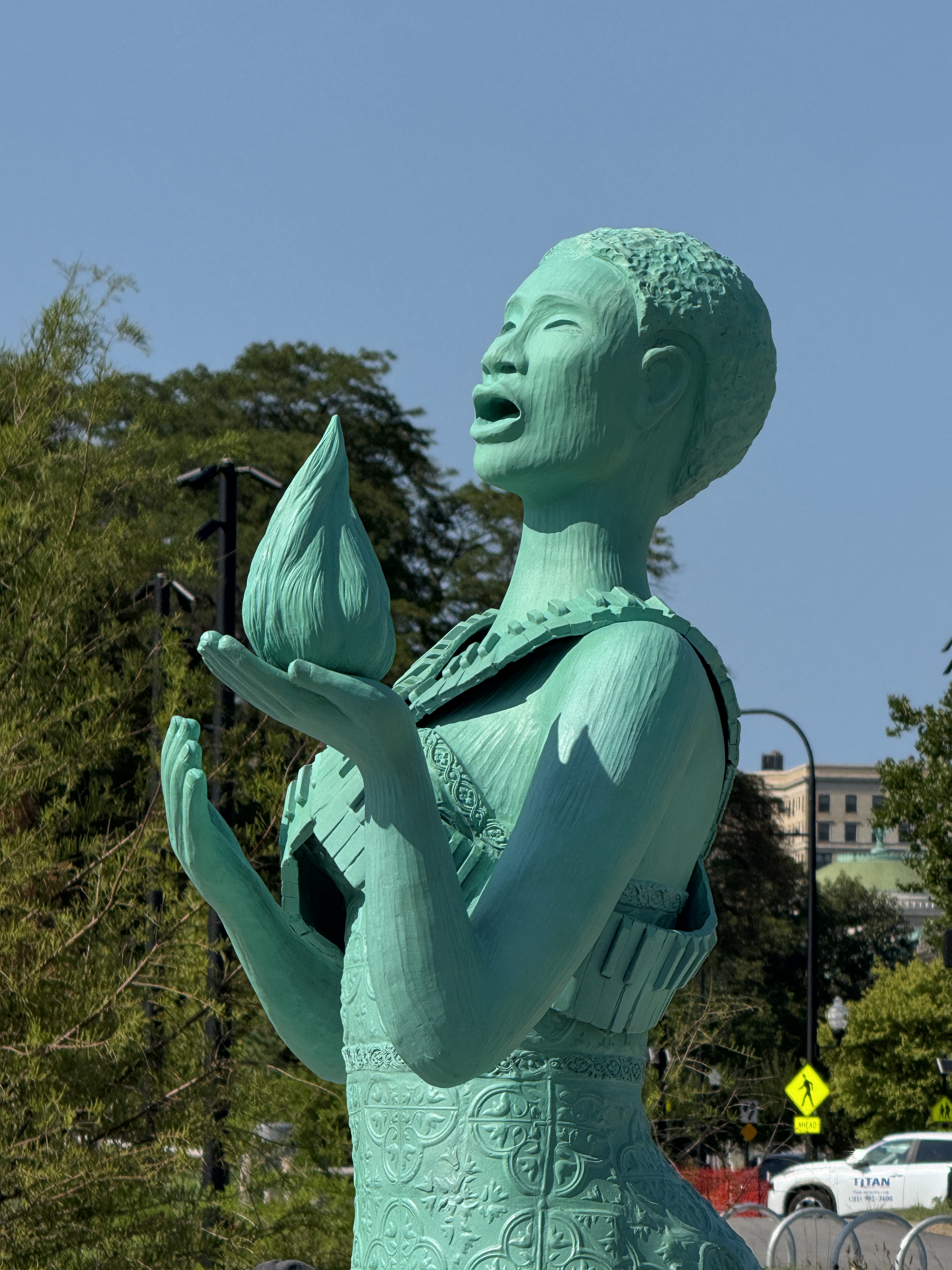
At the Obama Presidential Center earlier this week.

A reading friend sent me the Brooks and the Quashie; an article in The Atlantic led me to the Rosenberg biography; and because I owned only a tattered mass paperback of Frank’s diary, I picked up the definitive edition. (If you’re considering Anne Frank: The Exhibition, I would say, Go. It’s moving and important if a bit basic.) Late last week we visited the Kenosha Public Museum for fossils and the watercolor exhibition. (I cast my “people’s choice” vote for “A World of Design” by Thomas Schaller. See below.) On the way home, we stopped at a delightful independent bookstore, where I picked up The Stone Catchers.


Detail of images I took on Saturday.