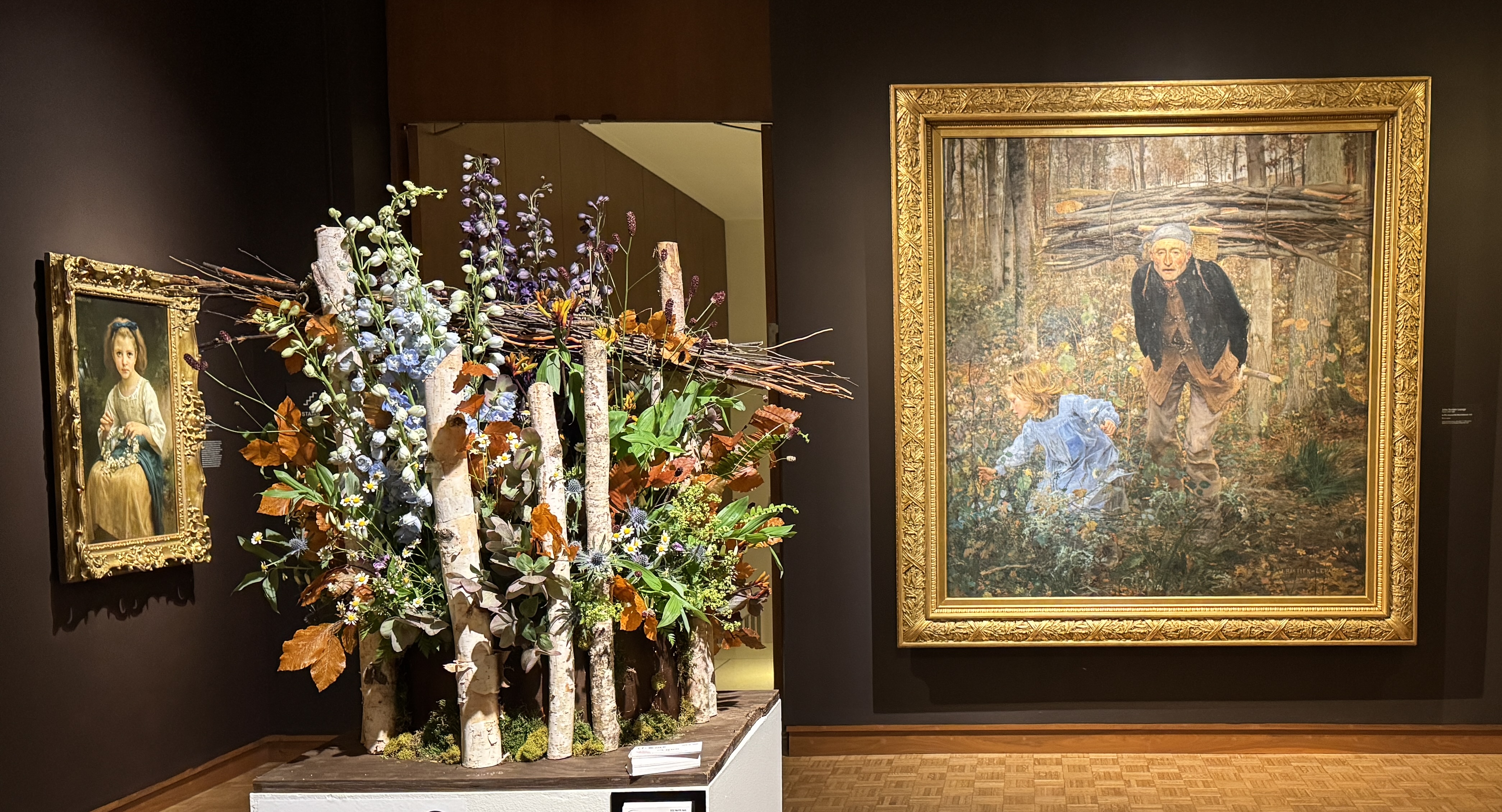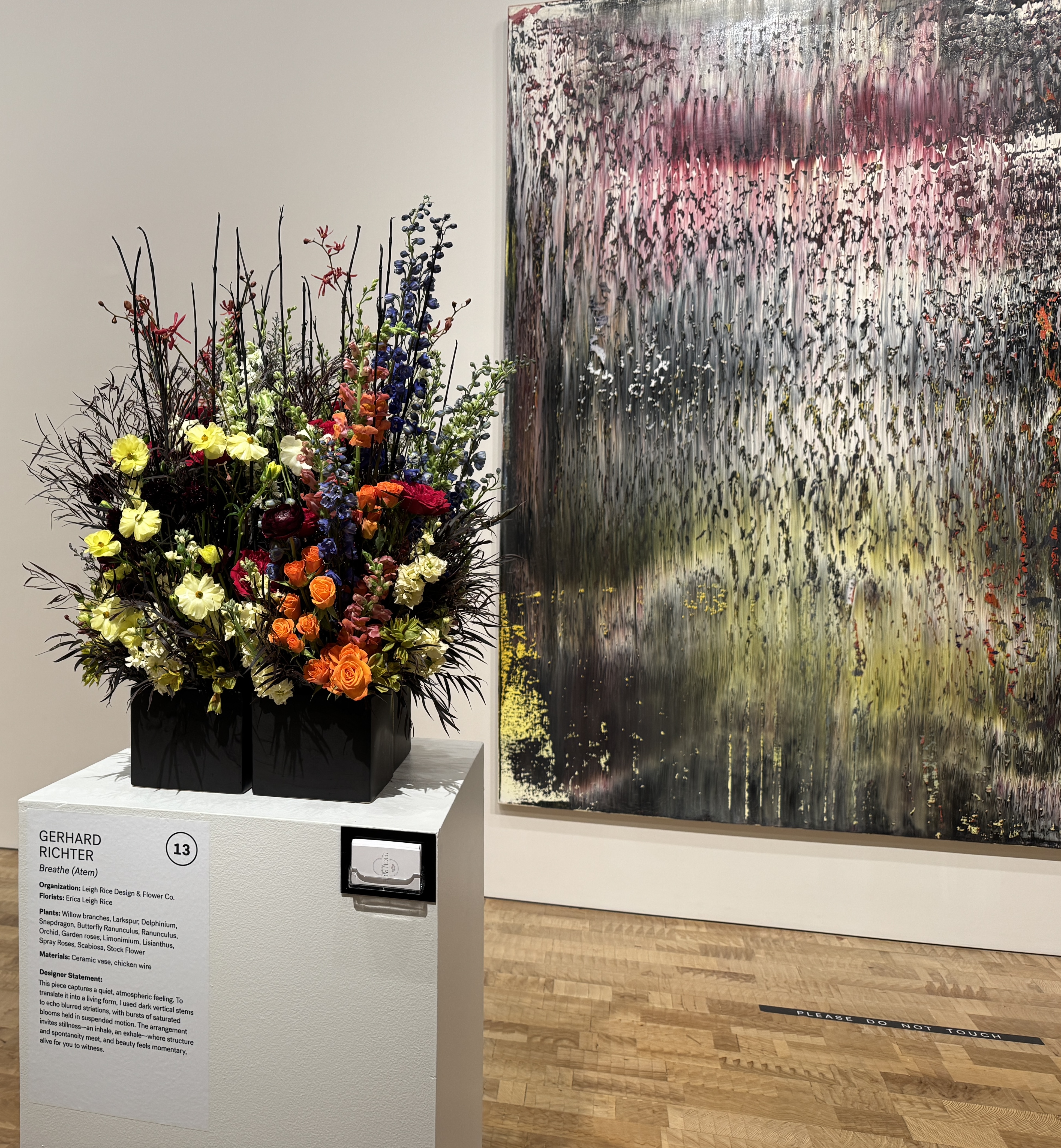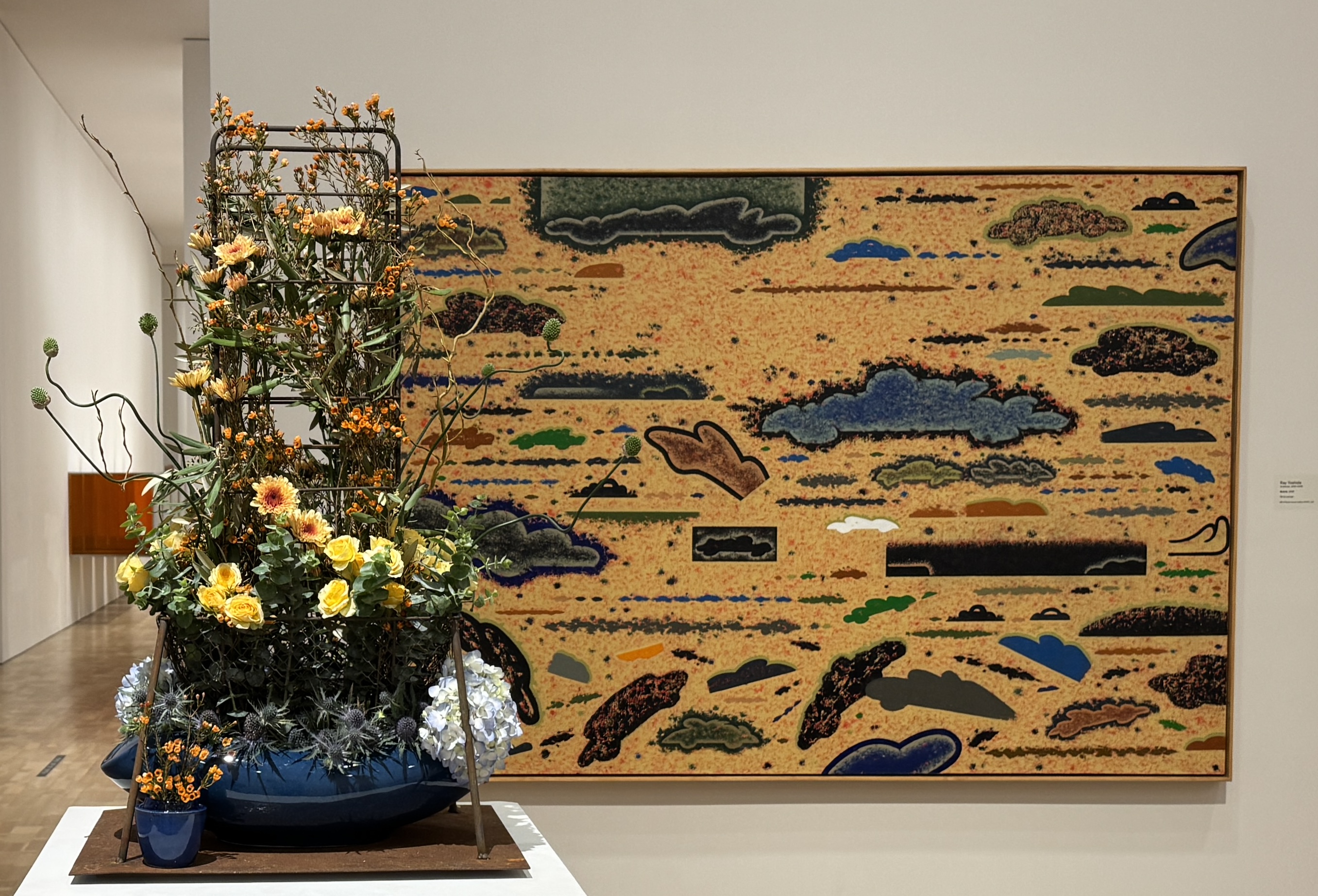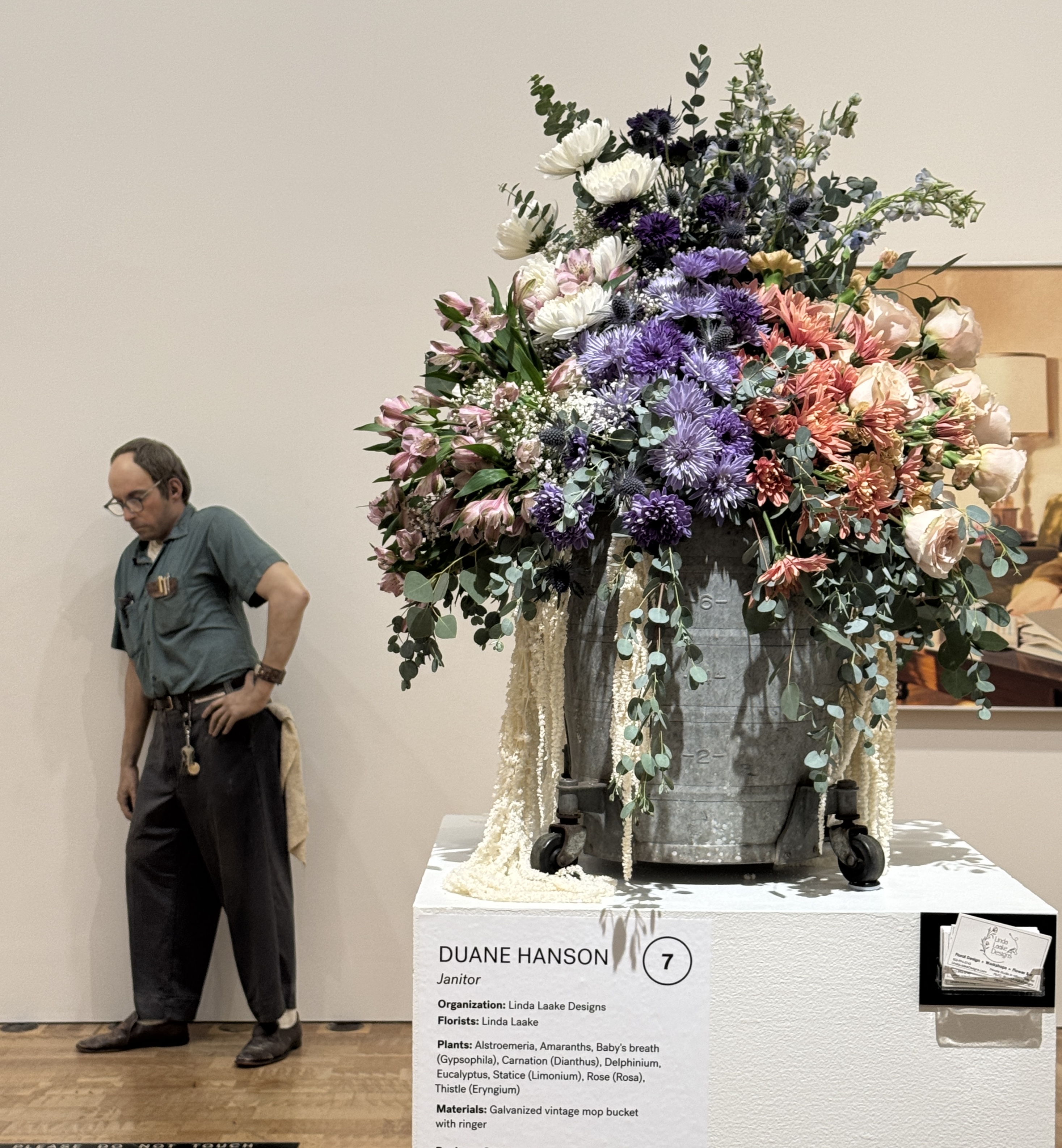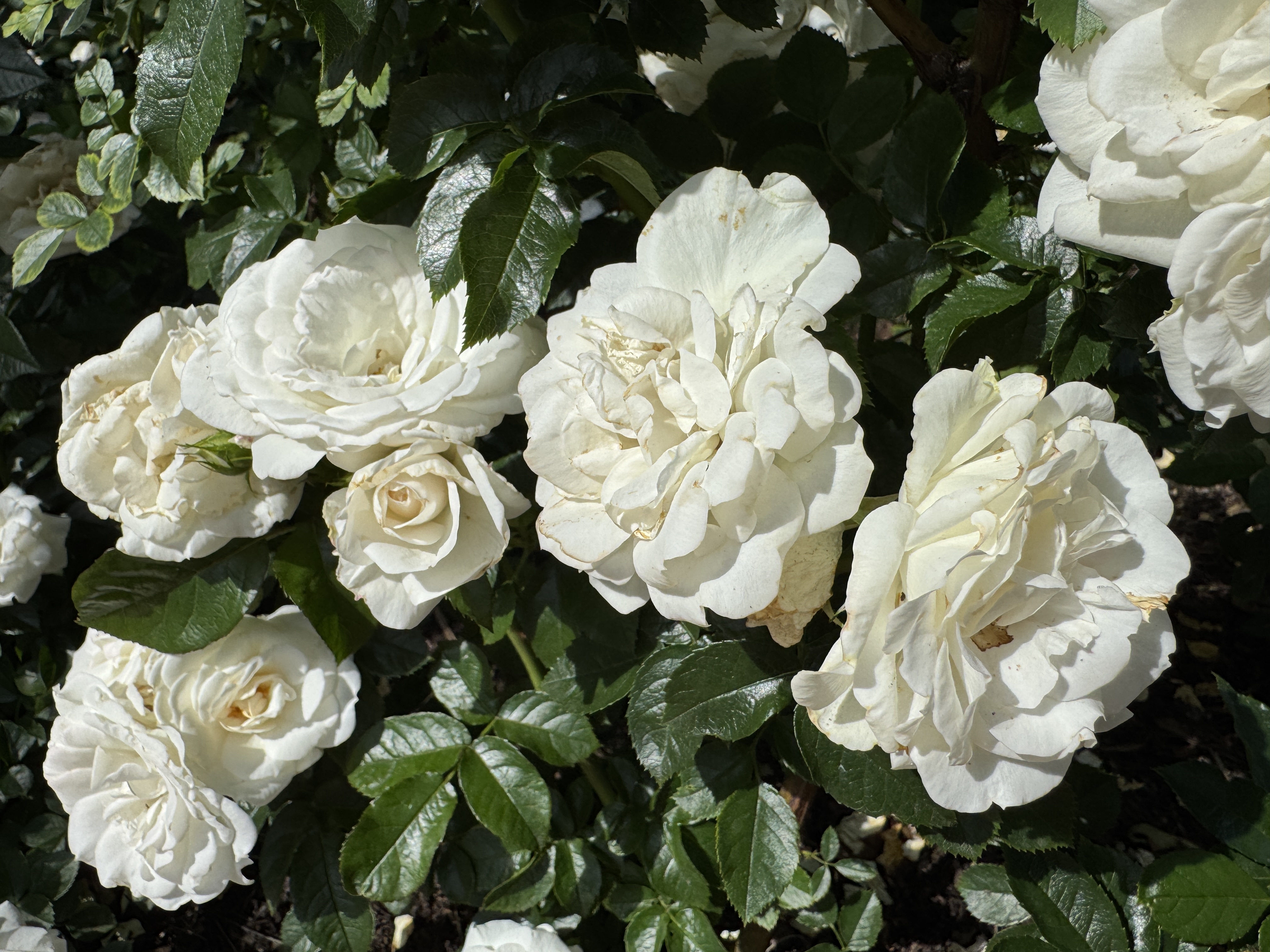
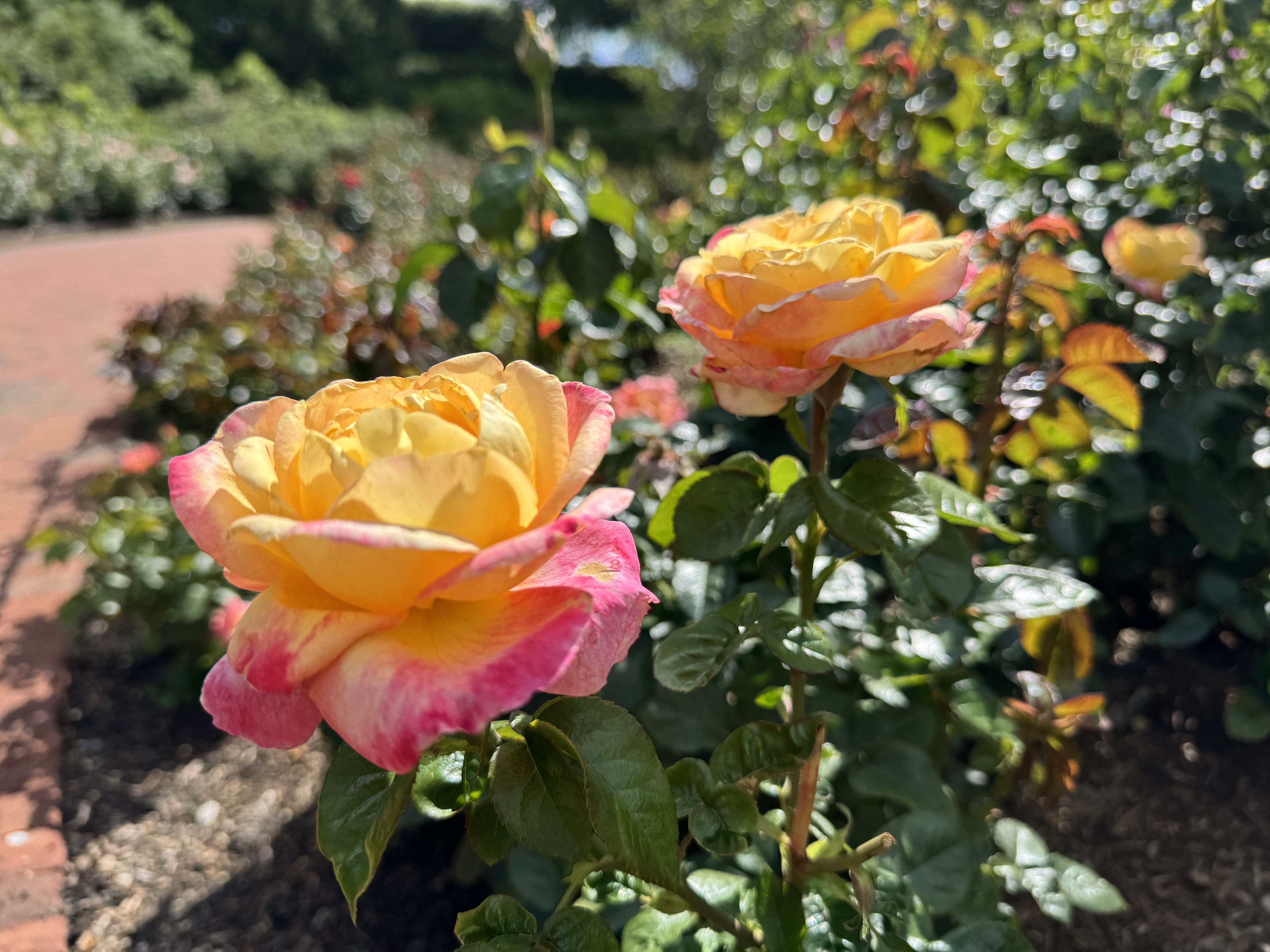
At the Chicago Botanic Garden.
At the Chicago Botanic Garden.
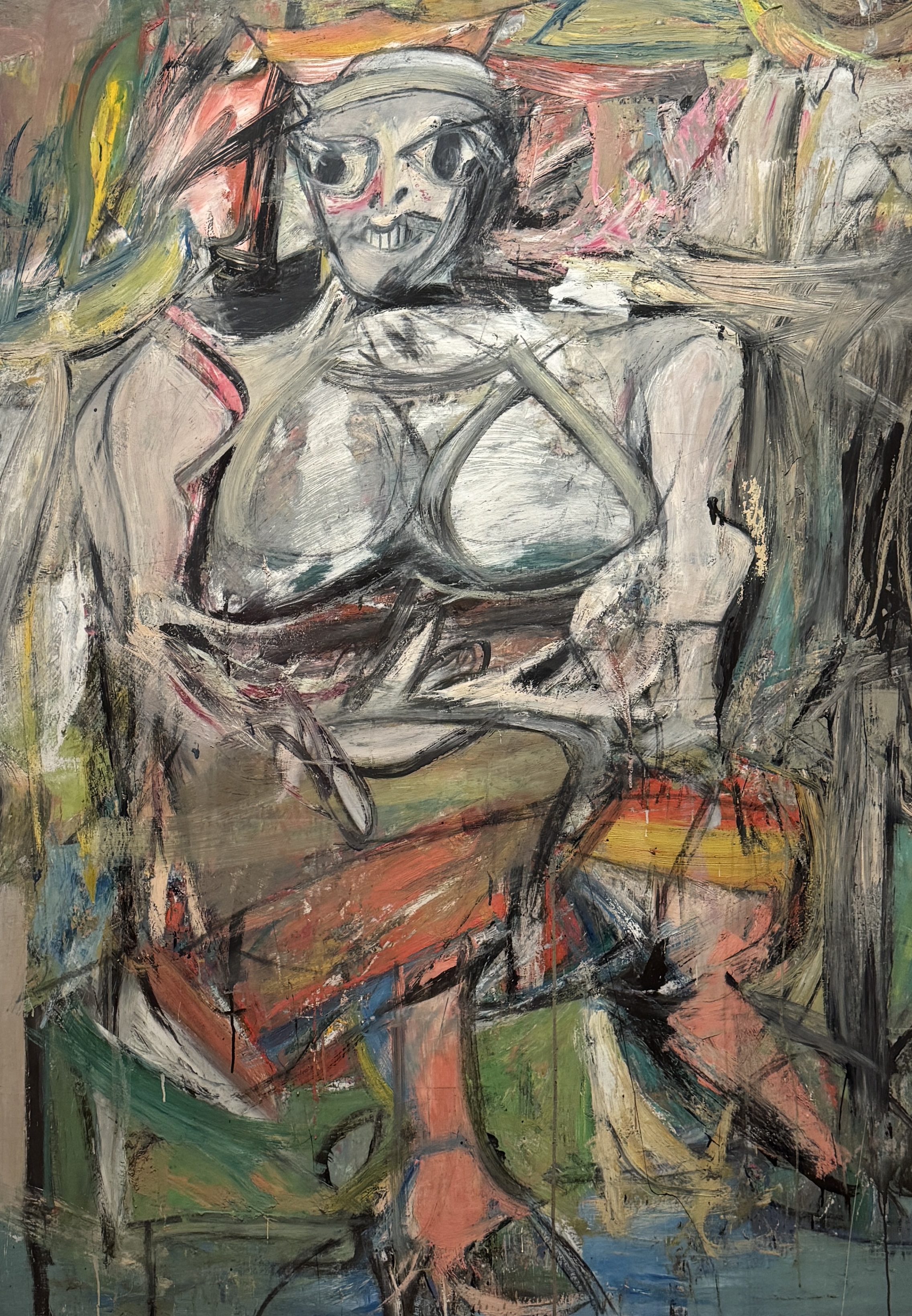
Seen at “Willem de Kooning Drawing.”
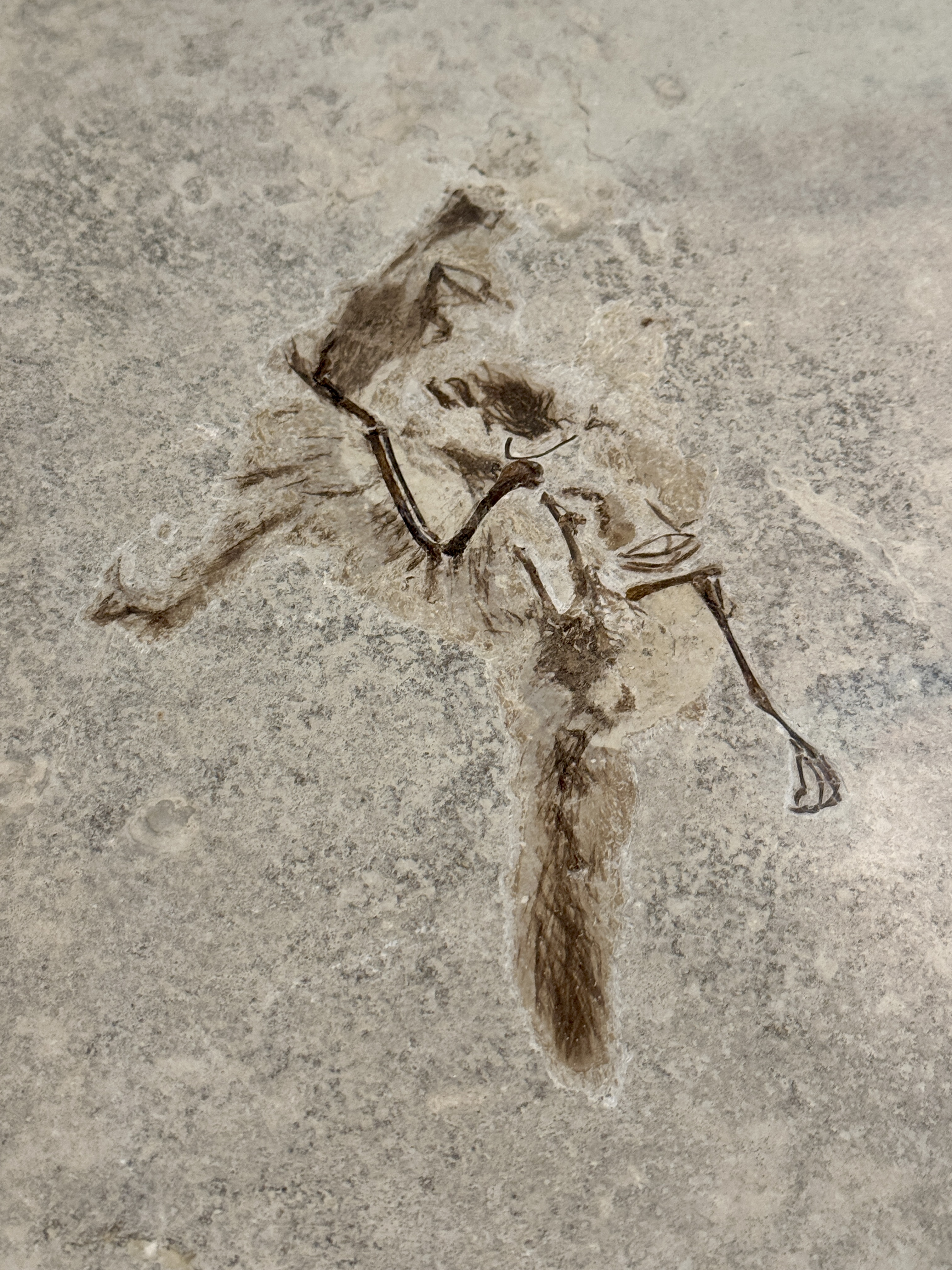
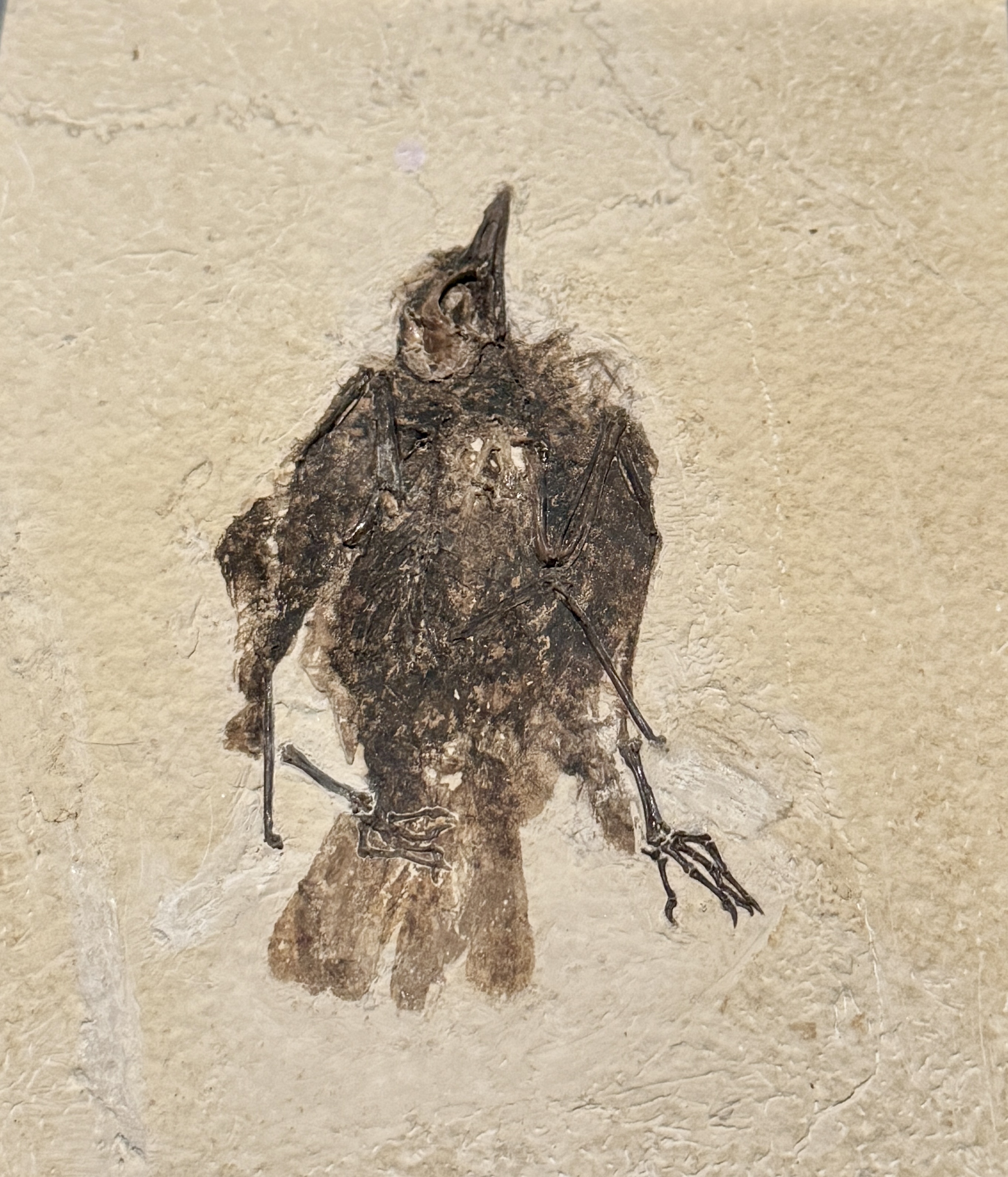
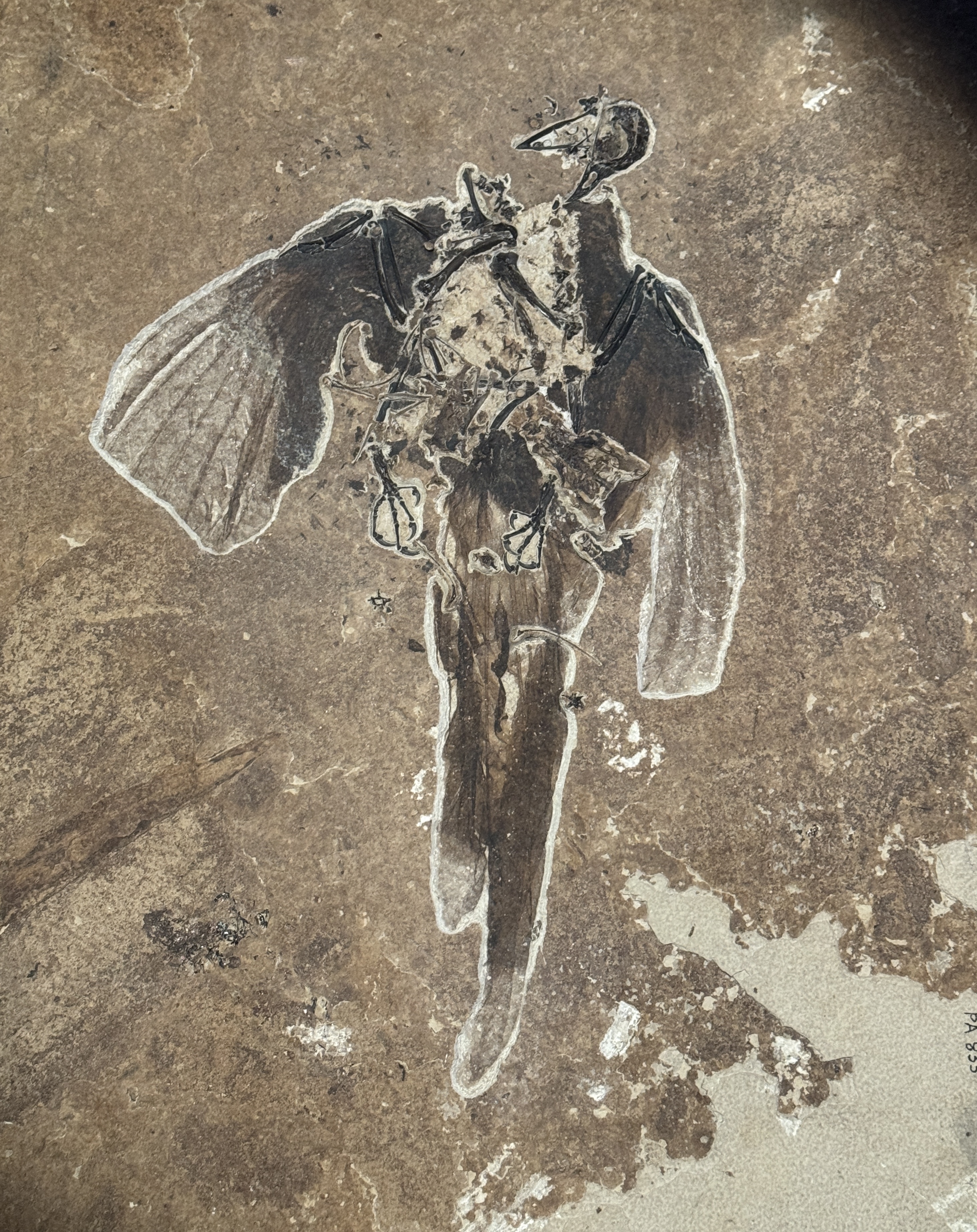
Seen at “After the Age of the Dinosaurs.”
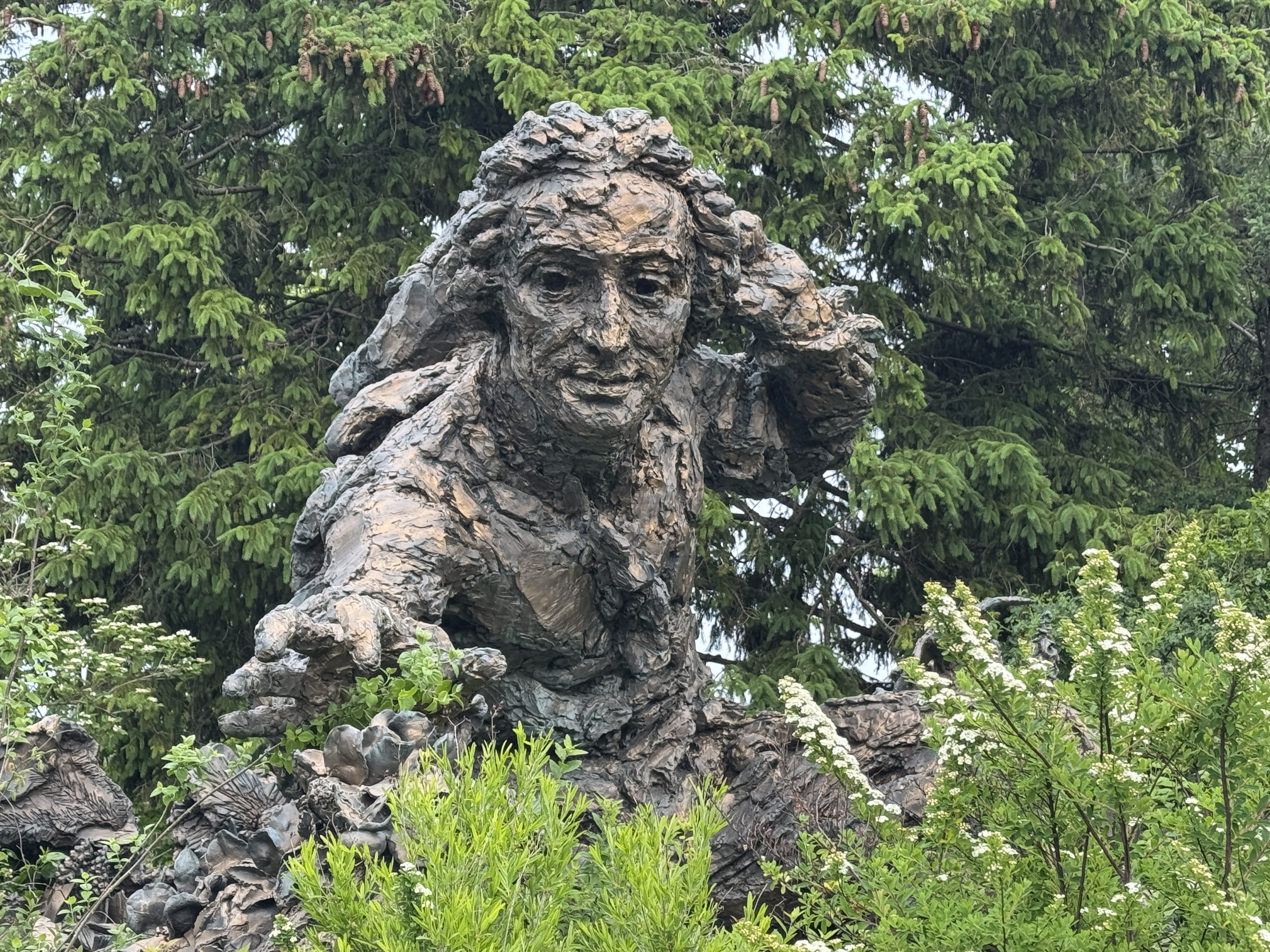
Seen at the Chicago Botanic Garden.
More than six years ago, before the world tilted on its axis, I had found the adult equivalent of concert band — a group that meets twice weekly, includes a sectional, and chooses music that is fun but not too challenging. For so many reasons, I was unable to return until now, so I am currently “test-driving” the program, using the shorter summer session to see if I’d like to make a long-term commitment. So far, so good.
The Botanic Garden is not far from where we practice, so on one of the last cool days in the forecast, I grabbed an overpriced coffee and walked a couple of miles. Just lovely.
Currently reading: Septology (Jon Fosse; 2019-2021) with a dear friend; Moby-Dick (Herman Melville; 1851), The New York Trilogy (Paul Auster; 1985-86), and An Episode in the Life of a Landscape Painter (César Aira; 2000) for Roundtable courses; The Iliad (Homer, translated by by Emily Wilson; 2023) for a seminar; and Hole in the Sky (Daniel H. Wilson; 2025).
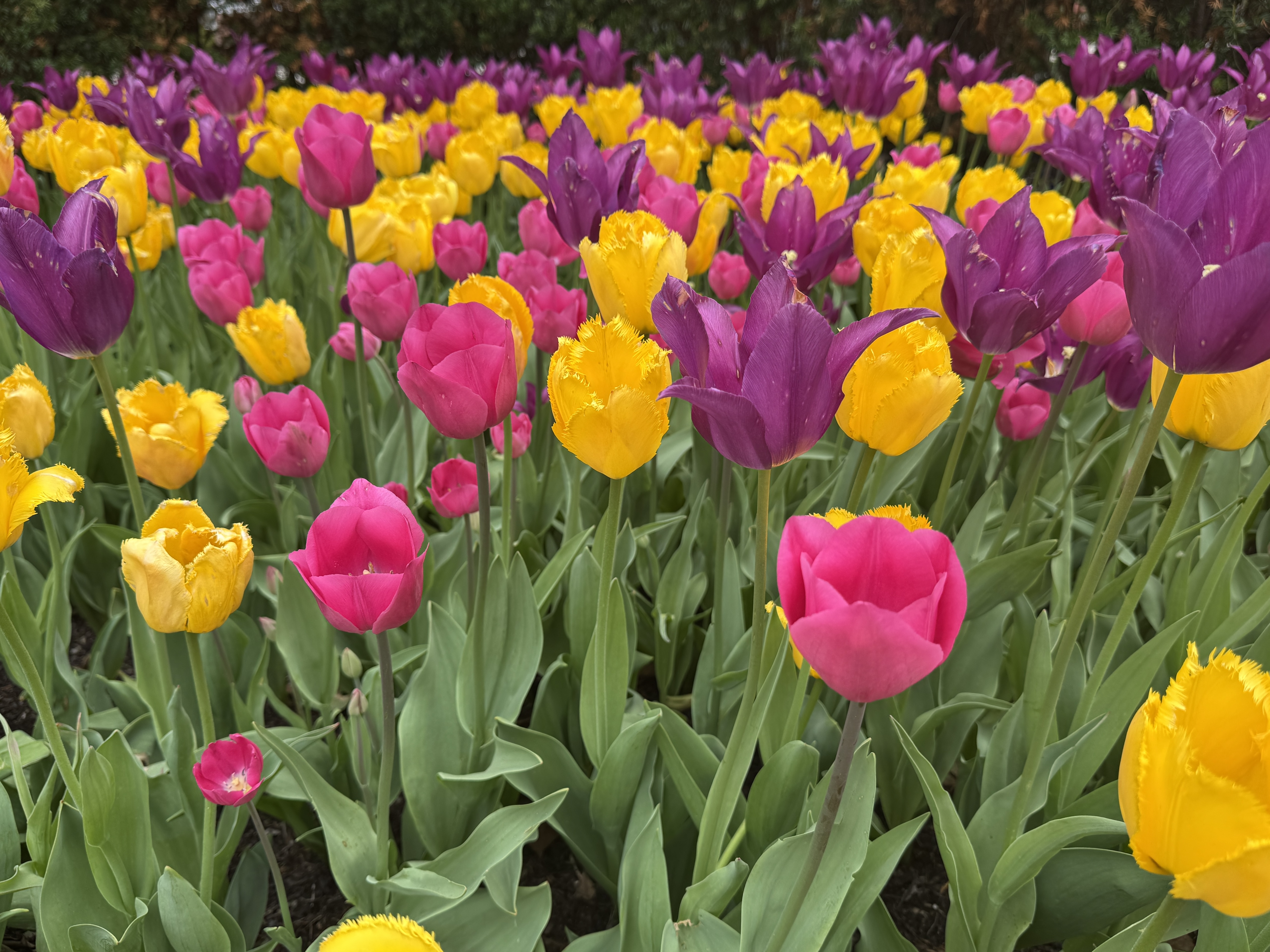
No filters or edits applied — just so vibrant! Tulips of all sorts and hues are the main attraction at the Chicago Botanic Garden right now.
Oh, and the corpse flower.
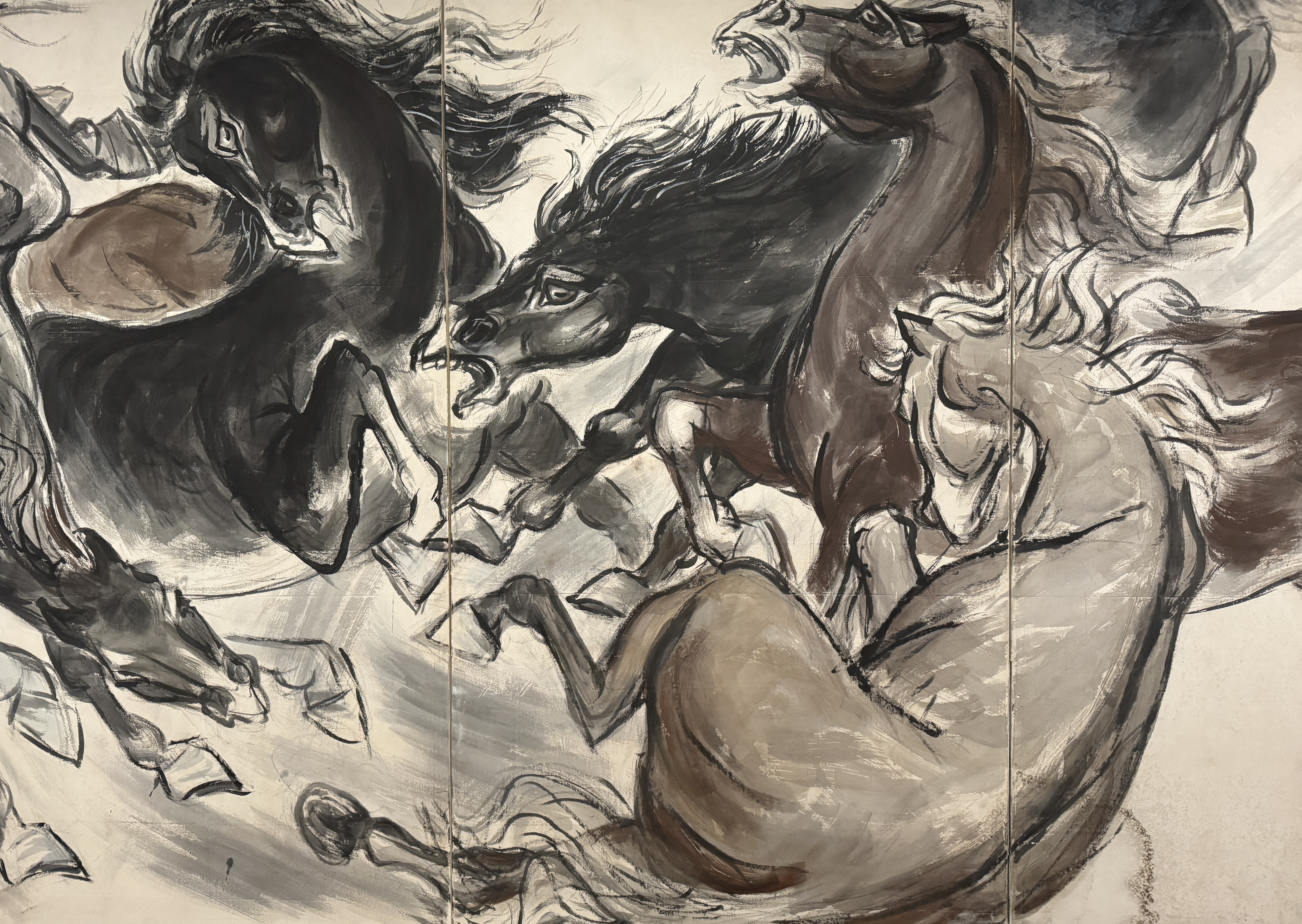
My image of one of the works of art at “Korean National Treasures: 2,000 Years of Art.”

Parchment fragment on exhibit at the Institute for the Study of Ancient Cultures.
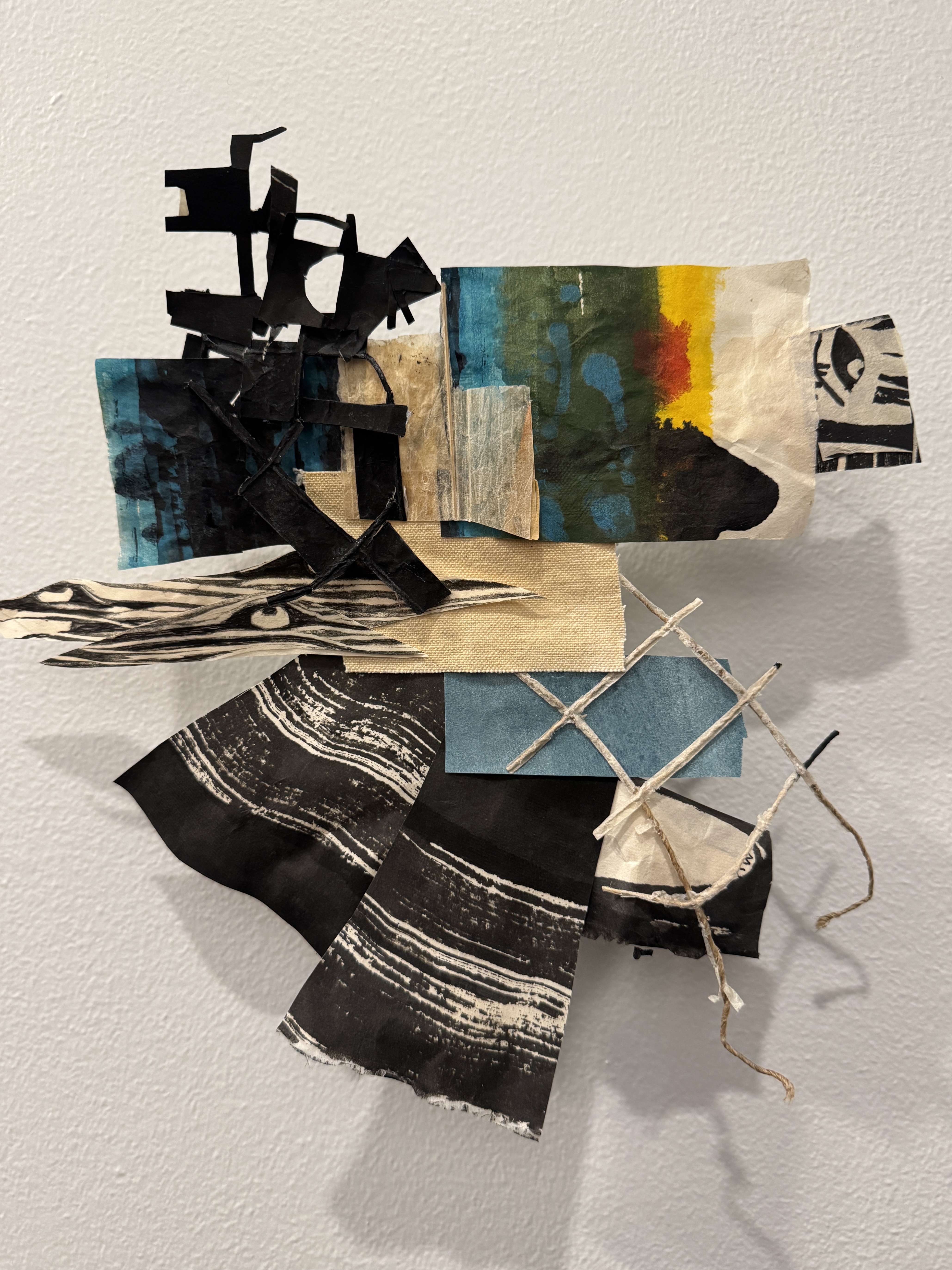
“Queequeg” by Heidi Whitman (2025); seen at the New Bedford Whaling Museum.
From Chapter V. Breakfast:
But as for Queequeg—why, Queequeg sat there among them—at the head of the table, too, it so chanced; as cool as an icicle. To be sure I cannot say much for his breeding. His greatest admirer could not have cordially justified his bringing his harpoon into breakfast with him, and using it there without ceremony; reaching over the table with it, to the imminent jeopardy of many heads, and grappling the beefsteaks towards him. But that was certainly very coolly done by him, and everyone knows that in most people’s estimation, to do anything coolly is to do it genteelly.
And, yes, I will have reread Moby-Dick twice before the first quarter of the new year is behind us.
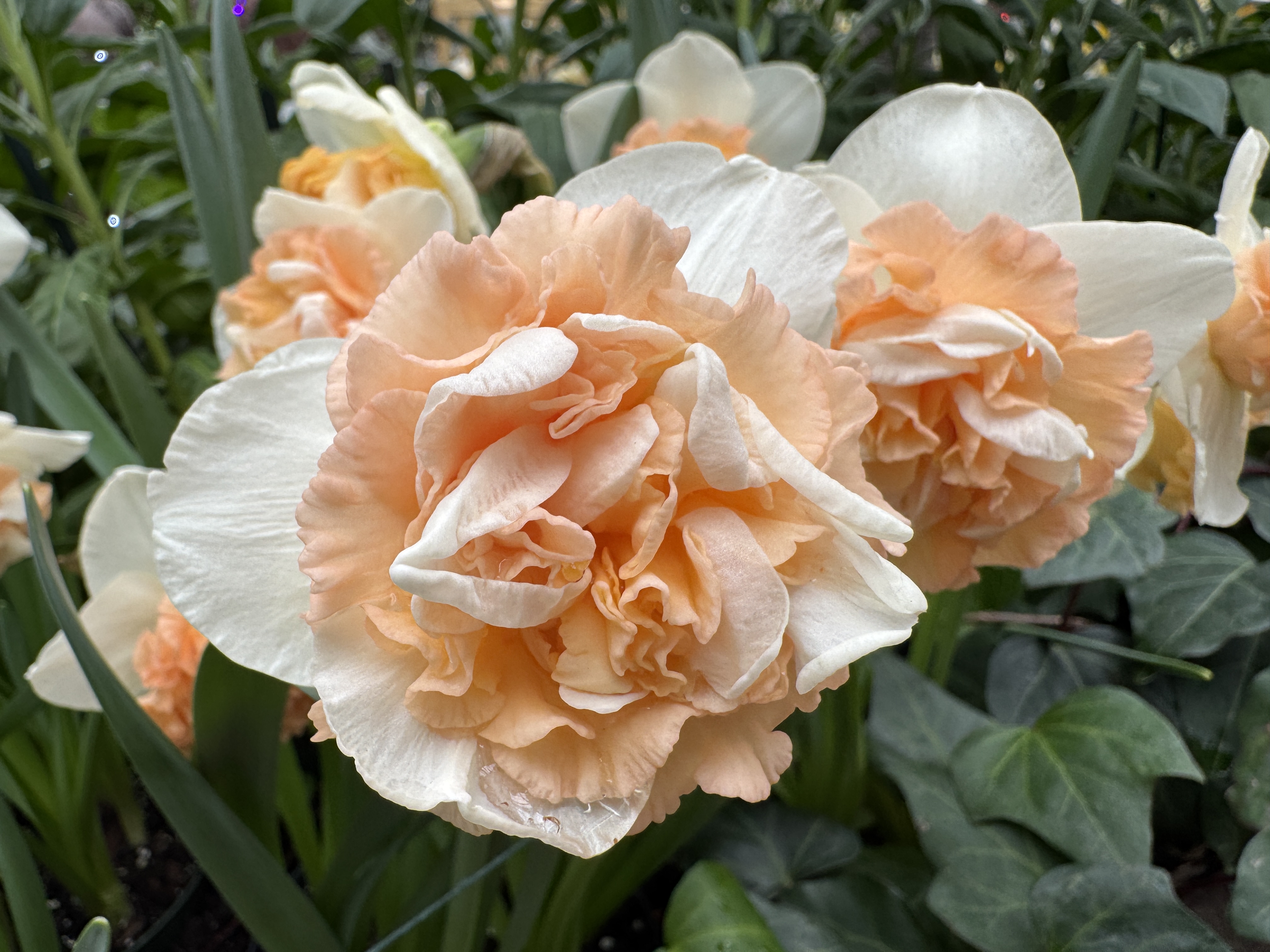
At the Lincoln Park Conservatory for the flower show.