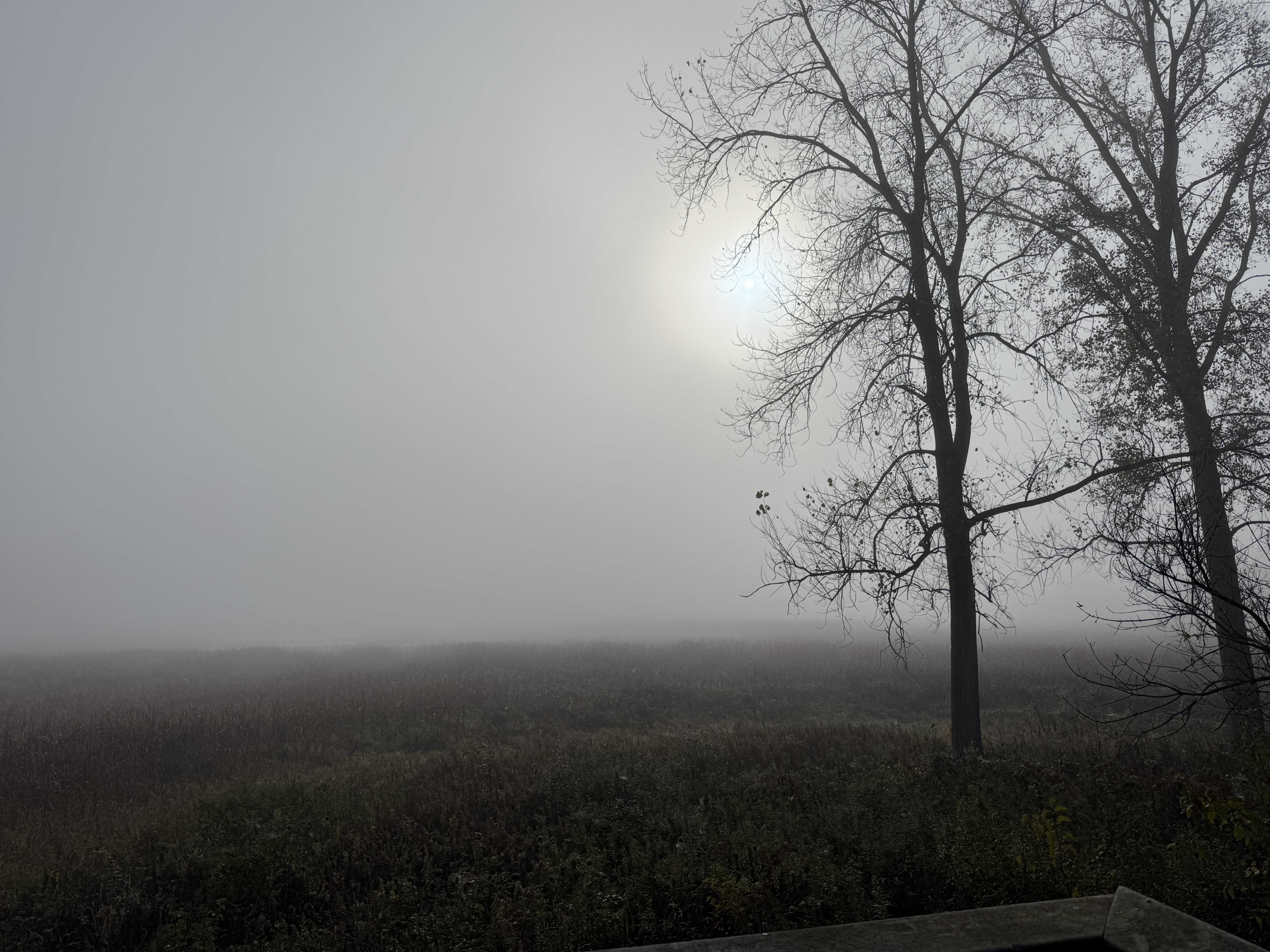
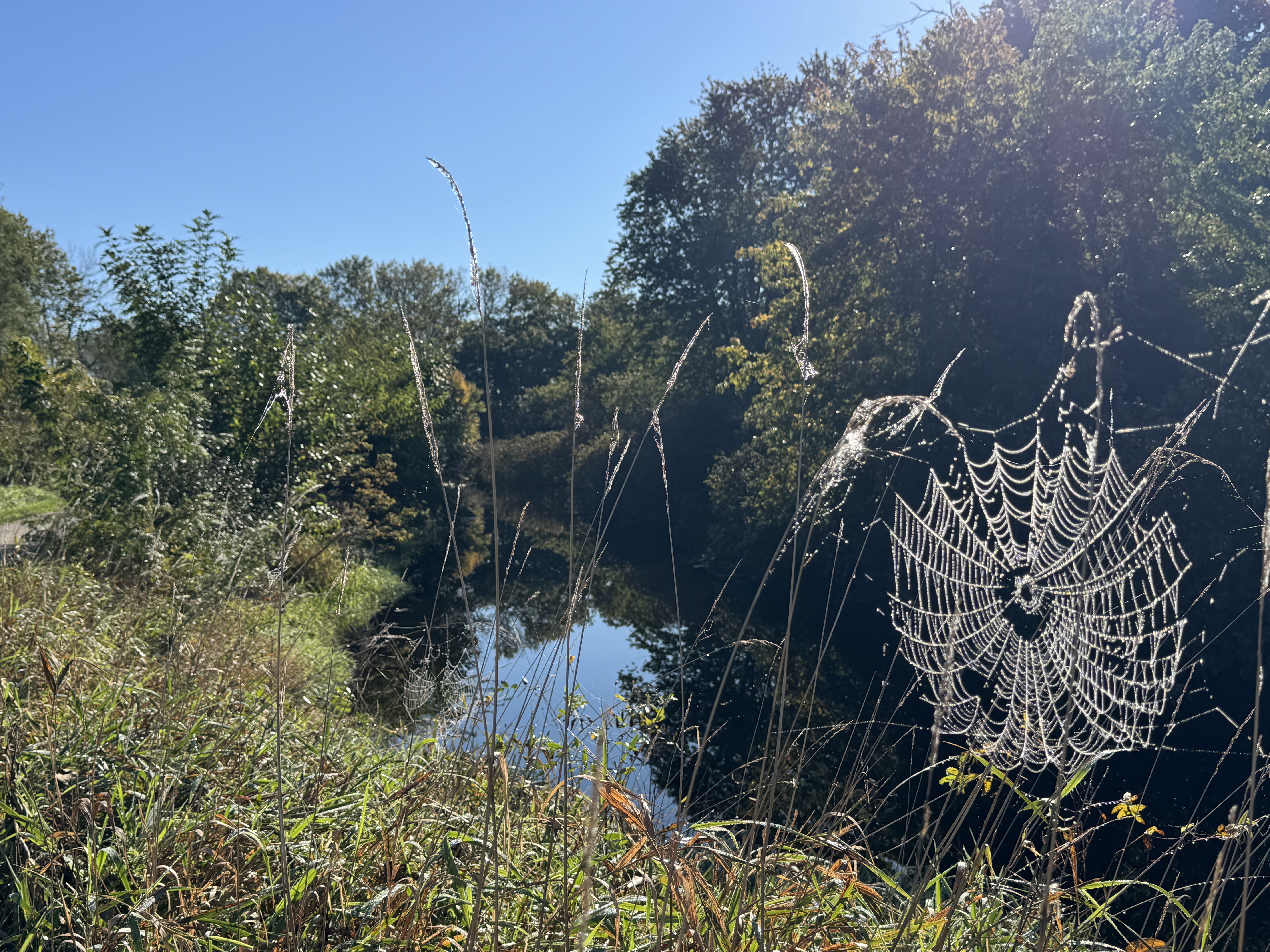
Morning walk last week.
Morning walk last week.
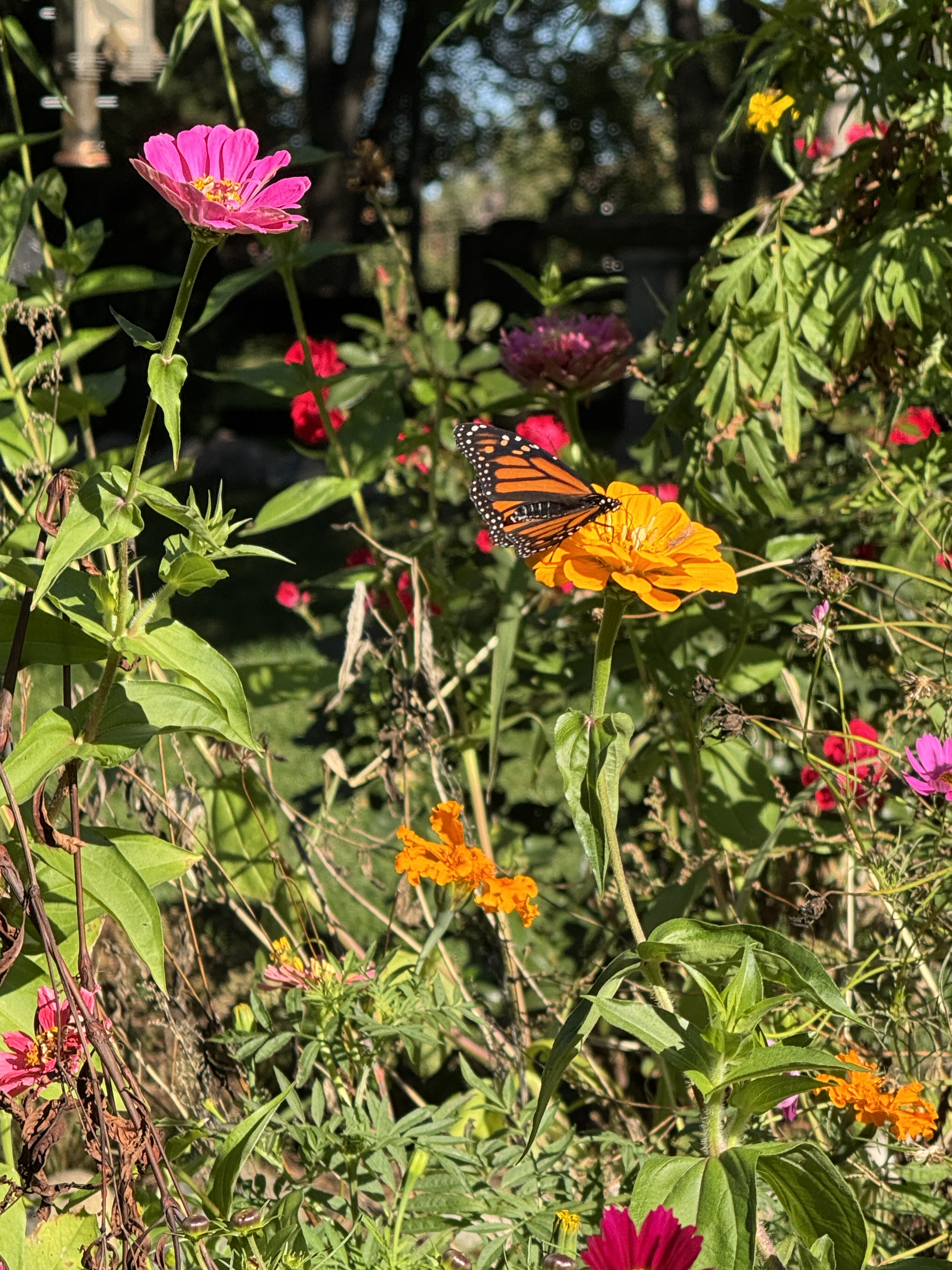
So much life still thrums in the pollinator pockets.
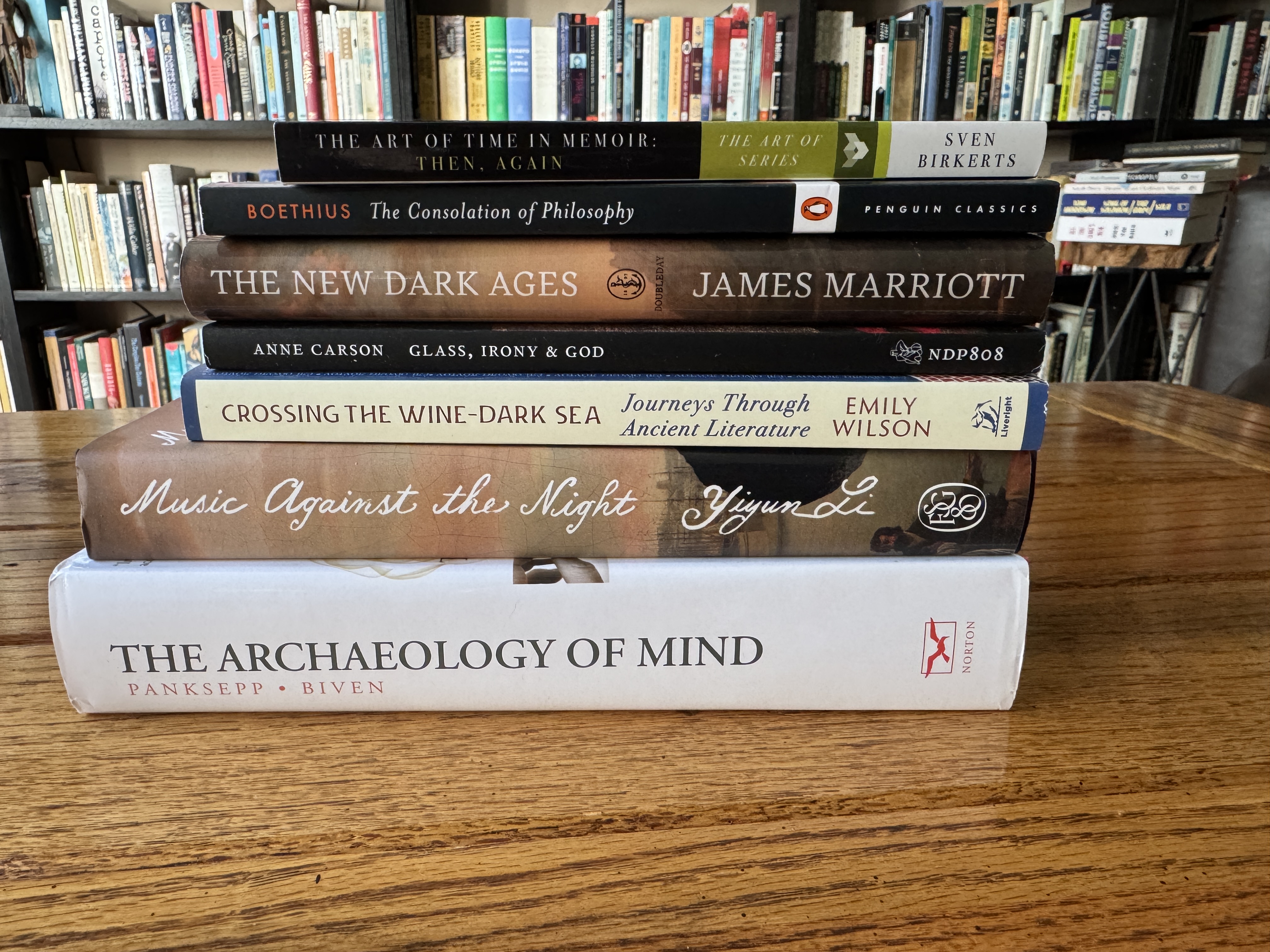
A gift and a few purchases, already shelved.
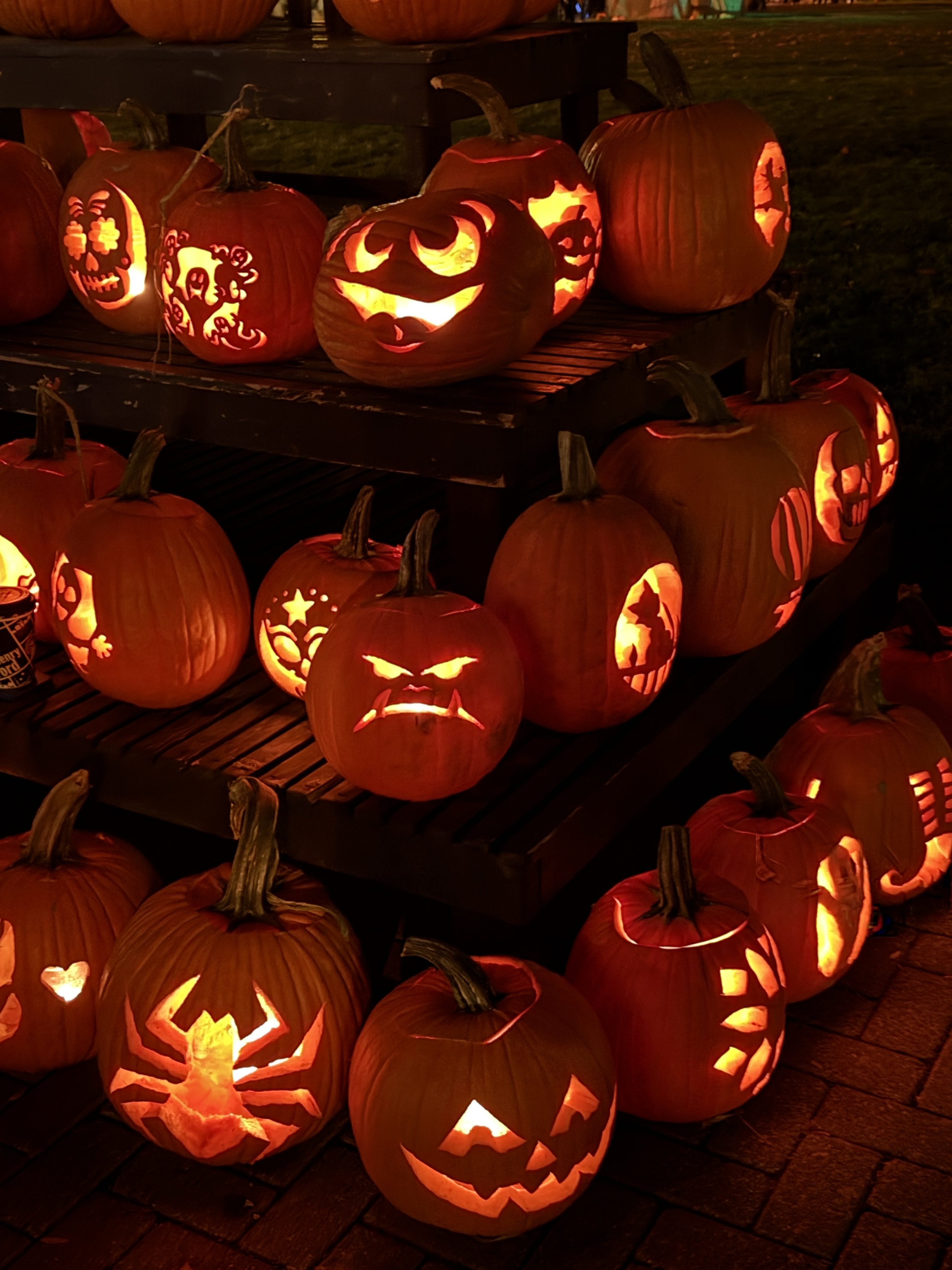
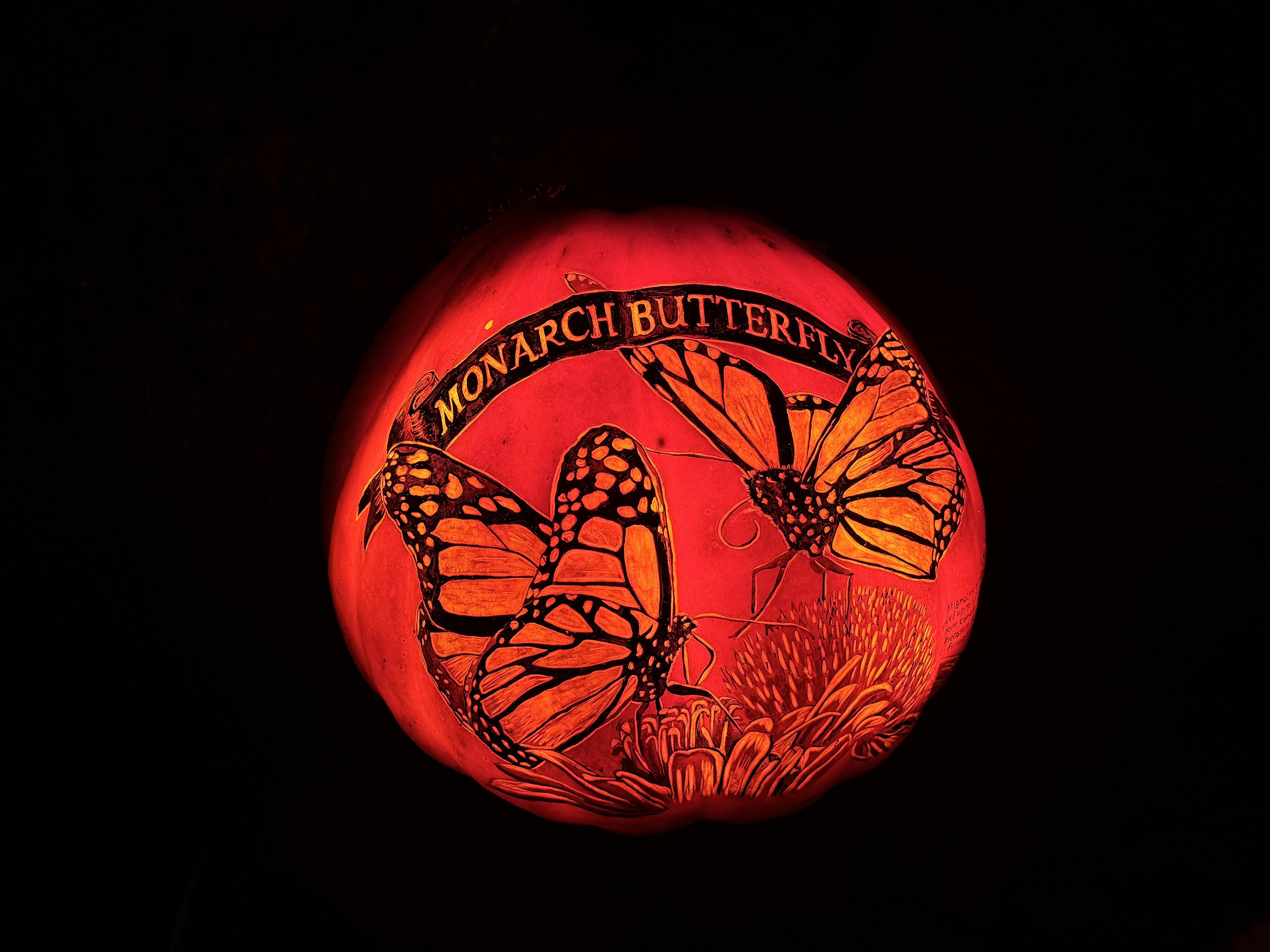
Jack o’lanterns at Greenfield Village.
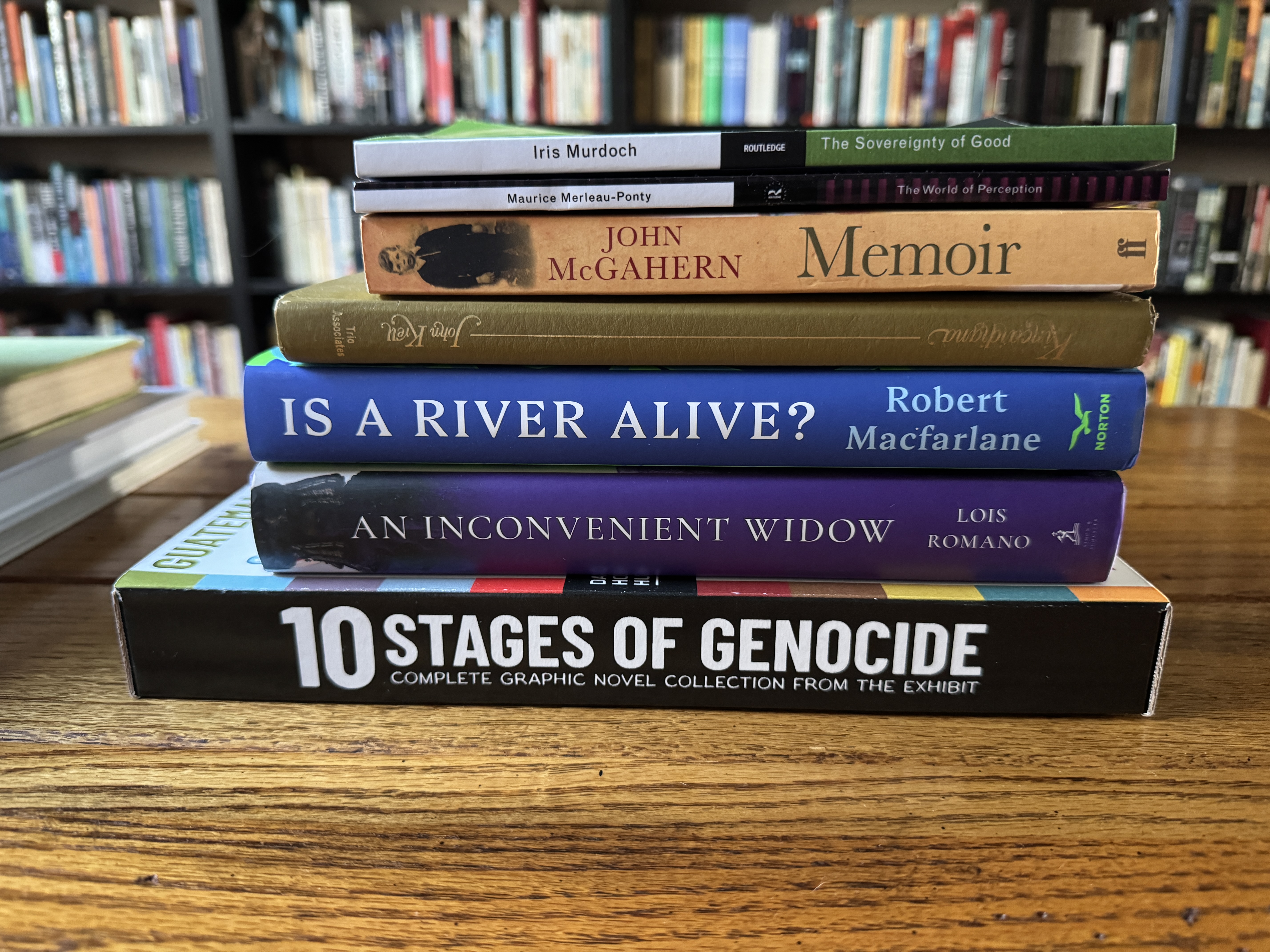
These have already been shelved.
This week I finished reading The Burning Light of Two Stars by Laura Davis, the third of four titles we’re covering in a Roundtable course on memoirs. This somehow led me to last year’s big memoir, The Tell by Amy Griffin. I’m reading Sula in advance of another Roundtable course and Technopoly with Jared Henderson’s philosophy book club. In my quest to reread the Narnia books, I have nearly finished The Horse and His Boy.
My husband and I concluded our slow read of Oliver Ready’s translation of Crime and Punishment has concluded. Next up? All the King’s Men — yes, inspired by Barack Obama’s podcast.
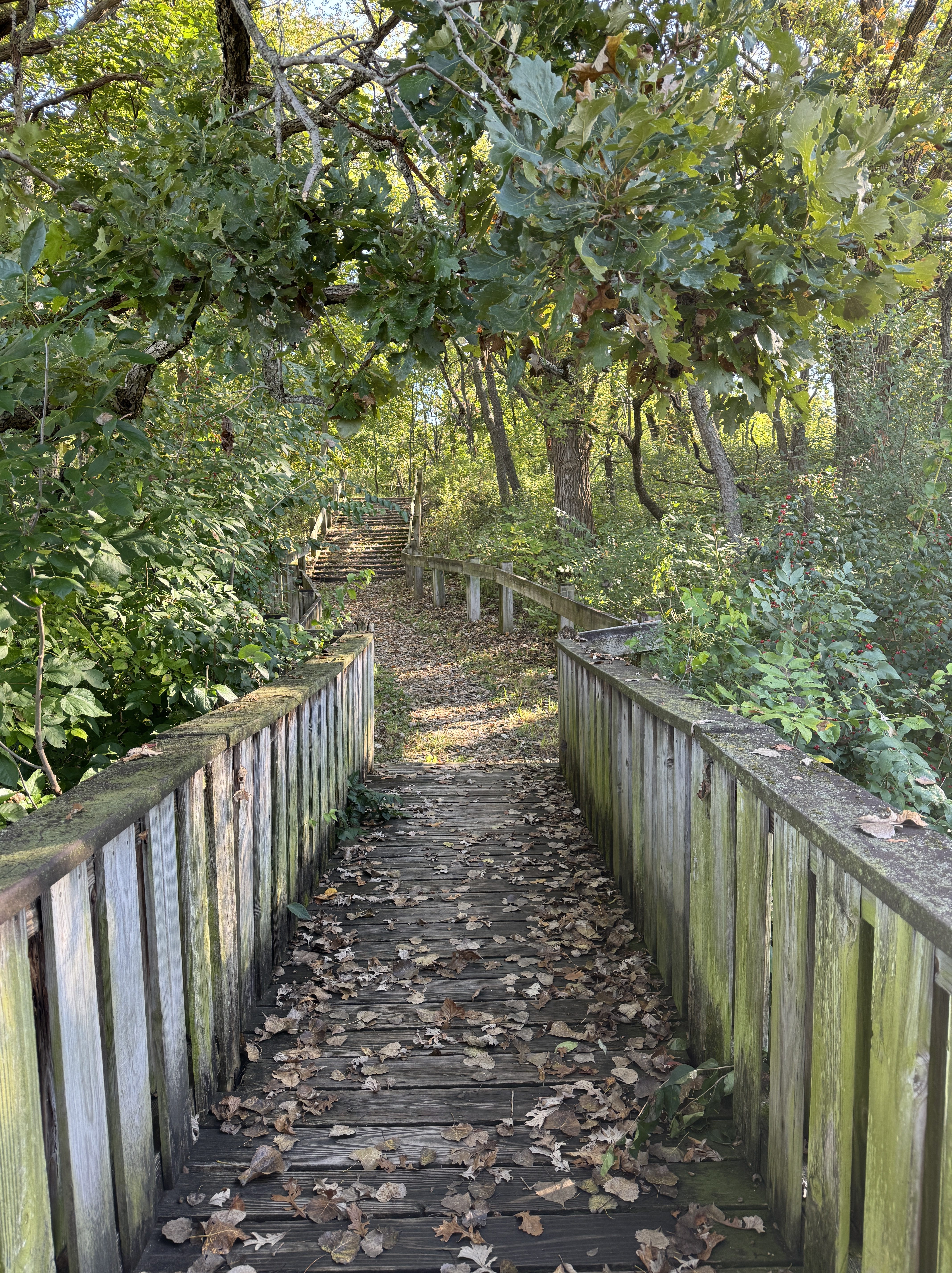
Autumn in northern Illinois is so beautiful.
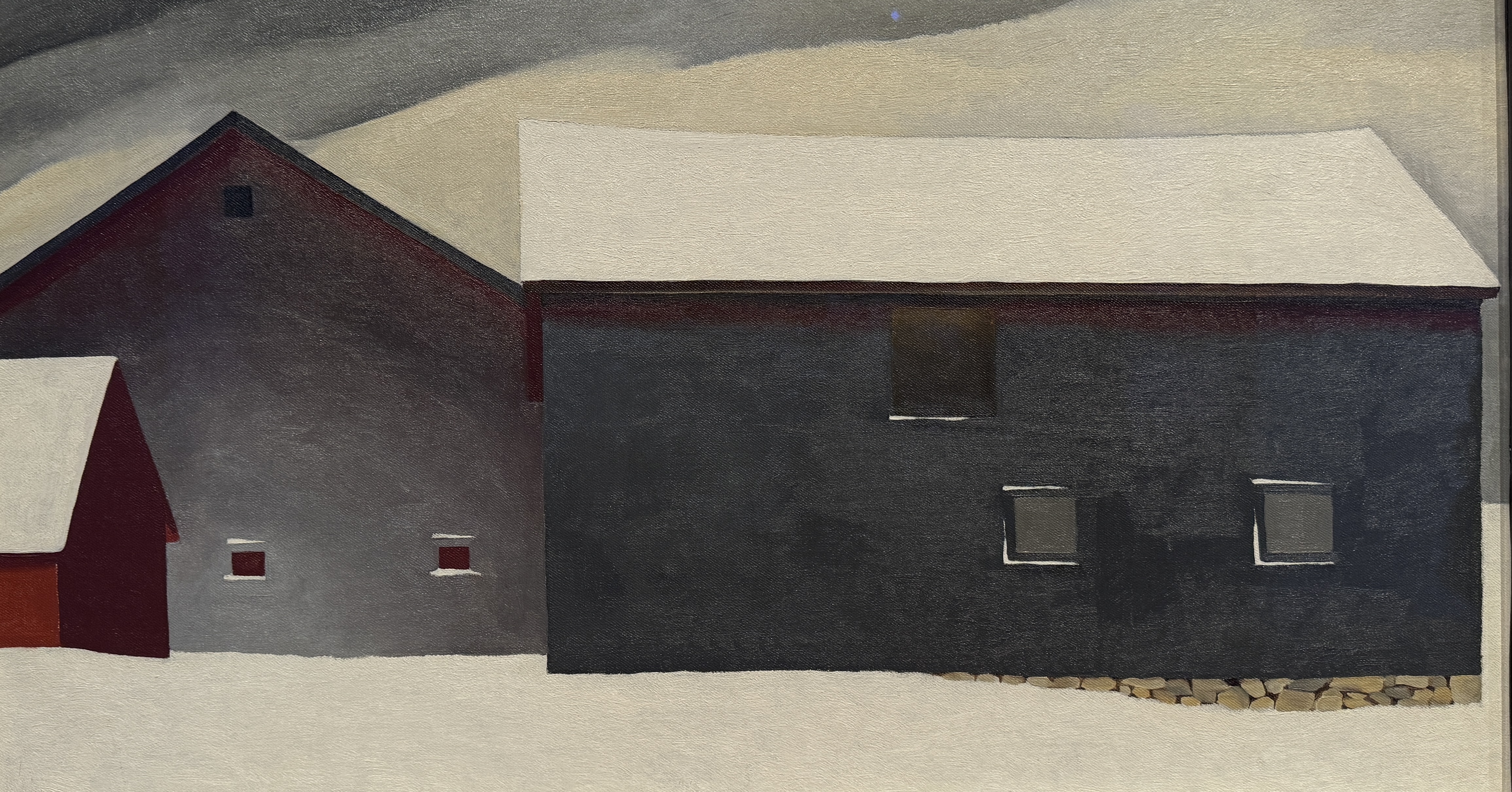
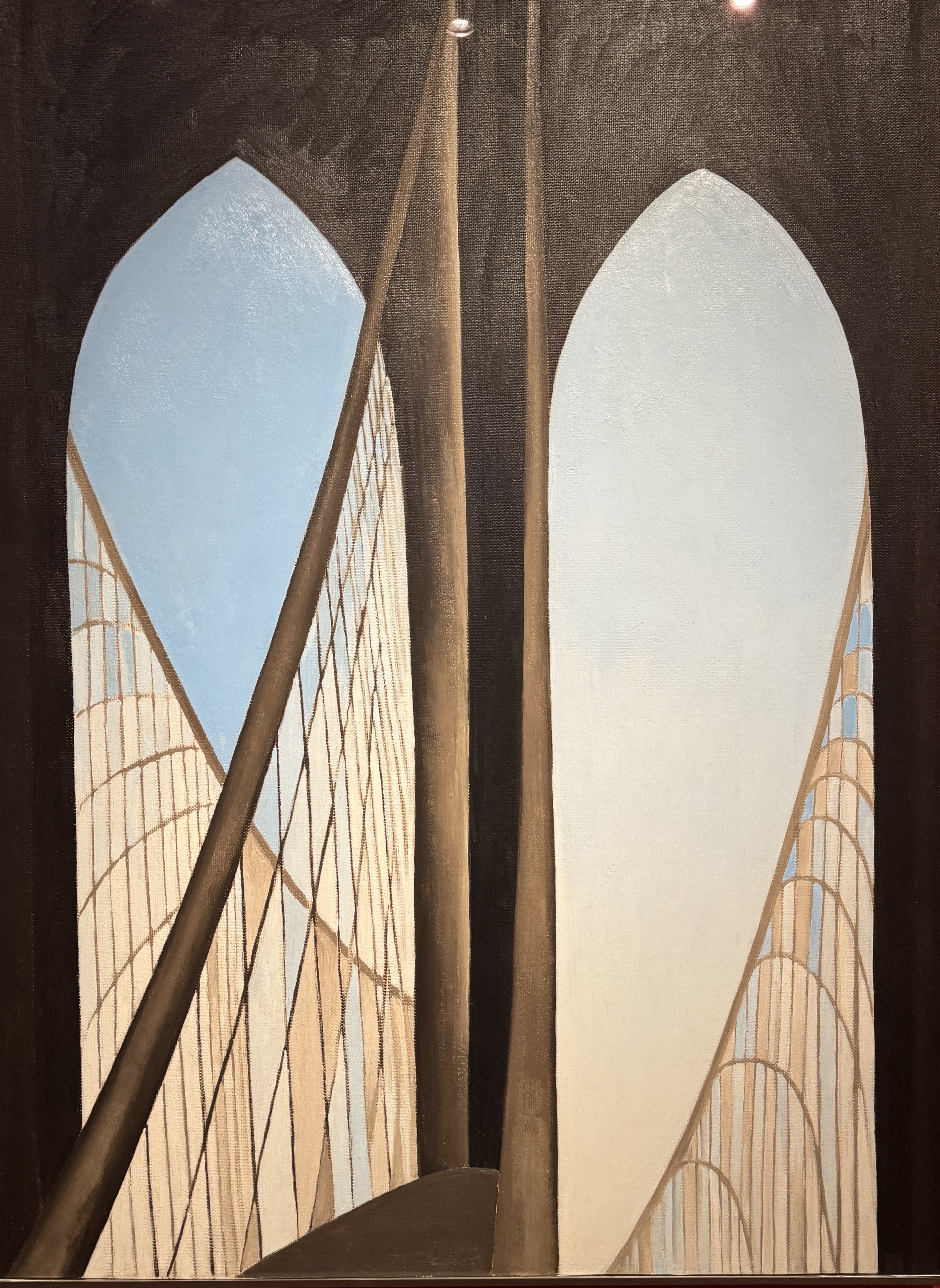
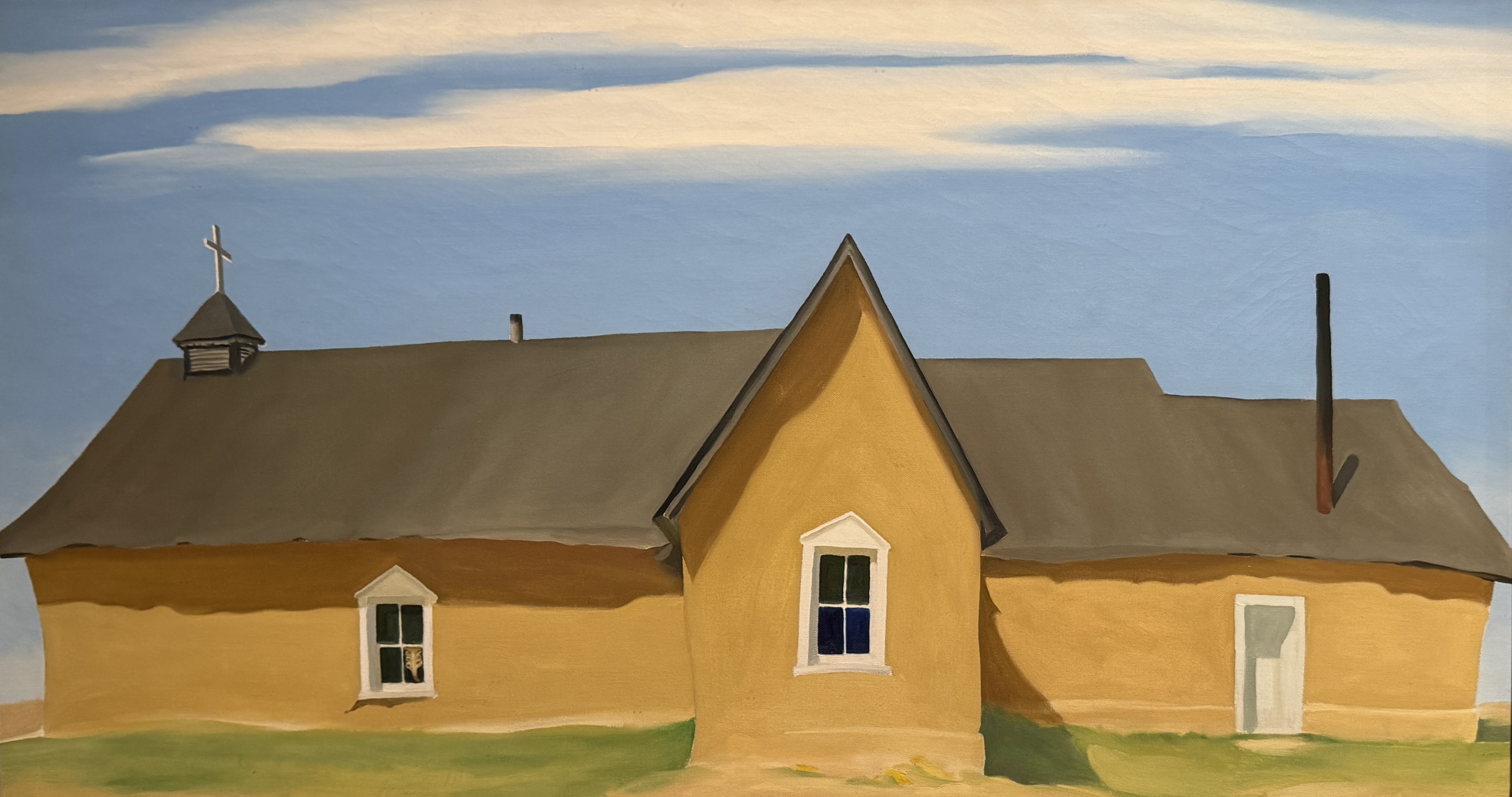
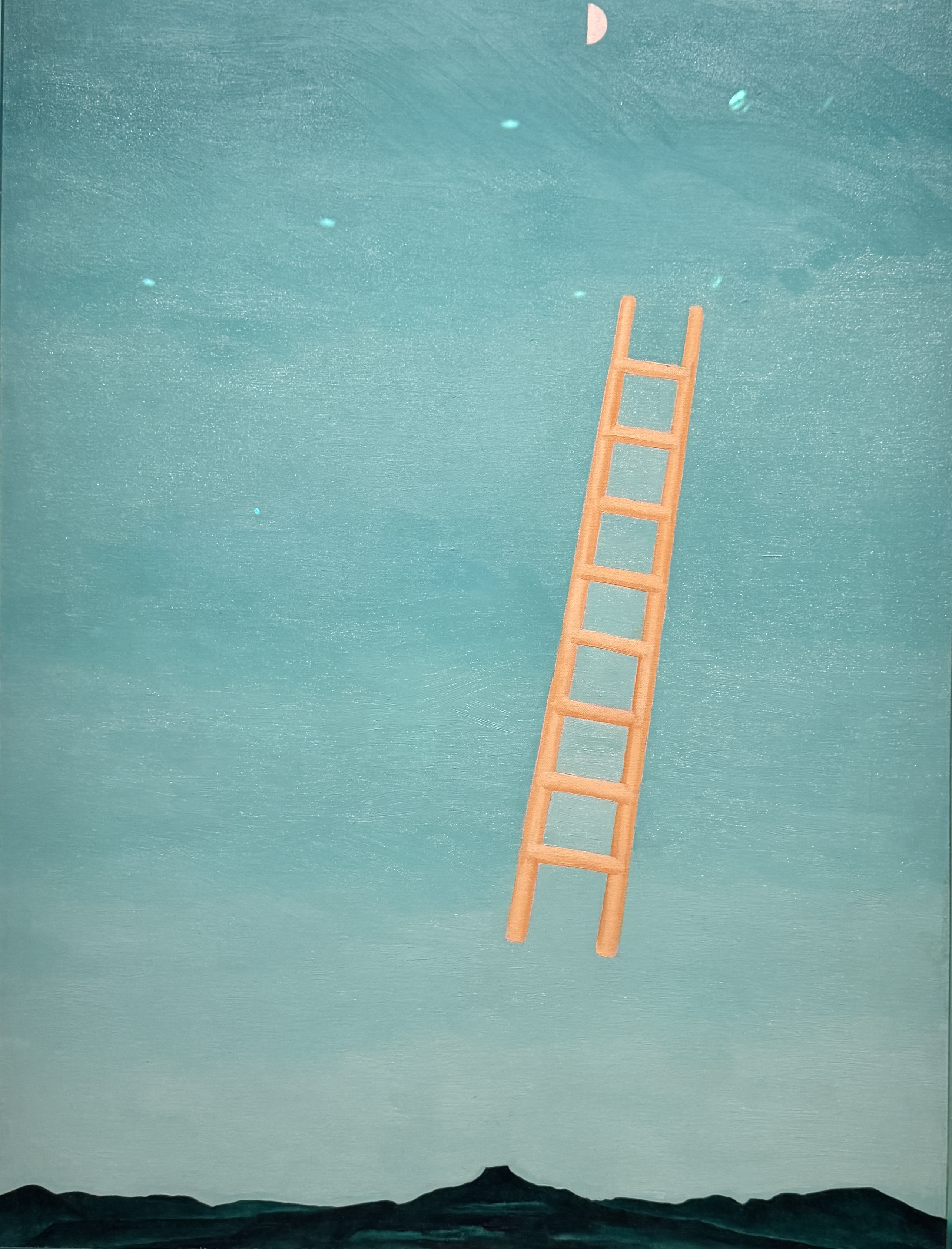
My images of paintings featured in the Georgia O’Keeffe exhibition now at the Detroit Institute of Arts.
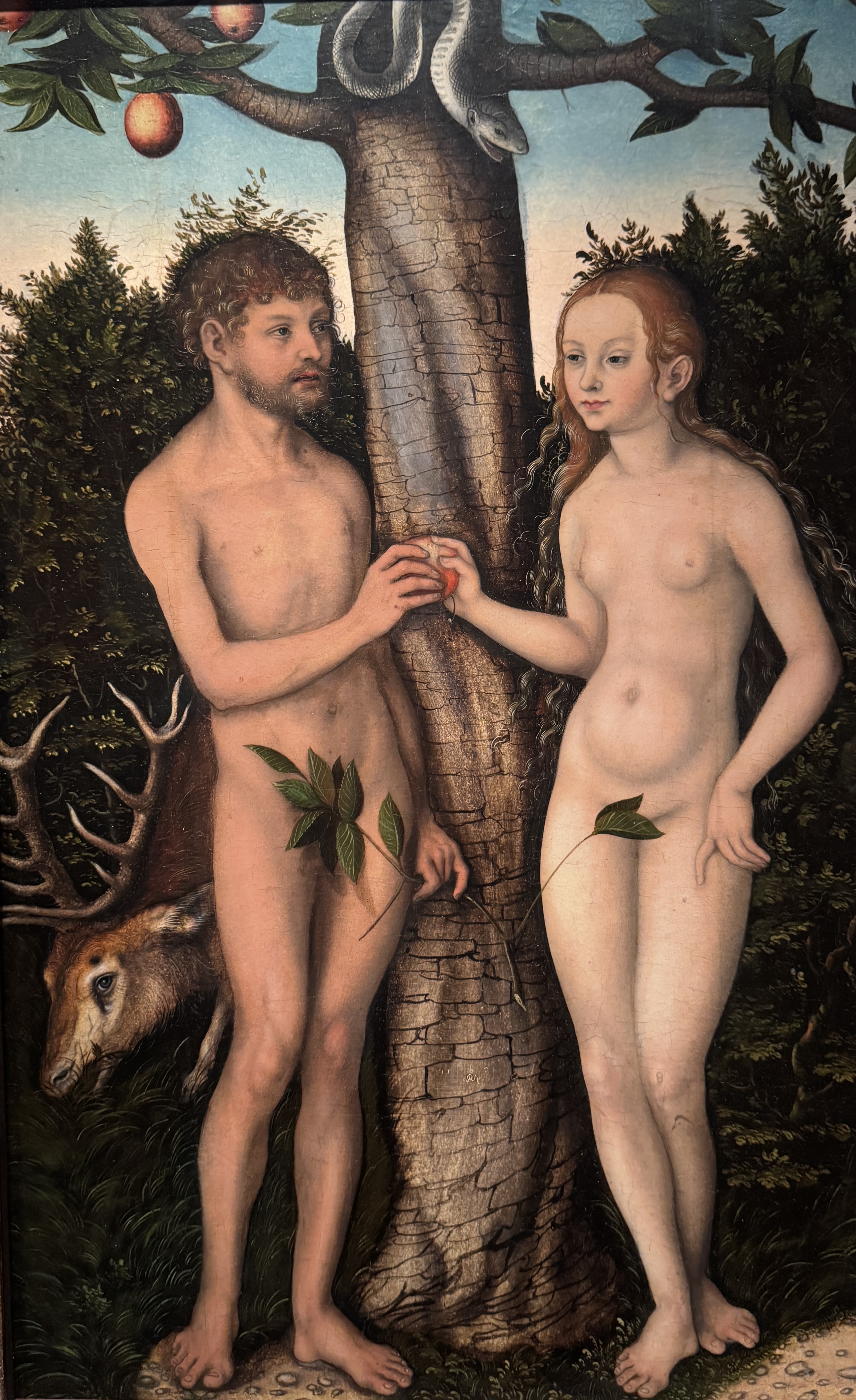
My image of “Adam and Eve” (1528) by Lucas Cranach the Elder.
Recently seen (again) at Detroit Institute of Arts.
Through courses at UChicago and Roundtable I have finally read Paradise Lost. From Book IV:
Two of far nobler shape, erect and tall,
God—like erect, with native honour clad
In naked majesty, seemed lords of all,
And worthy seemed; for in their looks divine
The image of their glorious Maker shon,
Truth, wisdom, sanctitude severe and pure—
Severe, but in true filial freedom placed,
Whence true authority in men: though both
Not equal, as their sex not equal seemed;
For contemplation he and valour formed,
For softness she and sweet attractive grace;
He for God only, she for God in him.
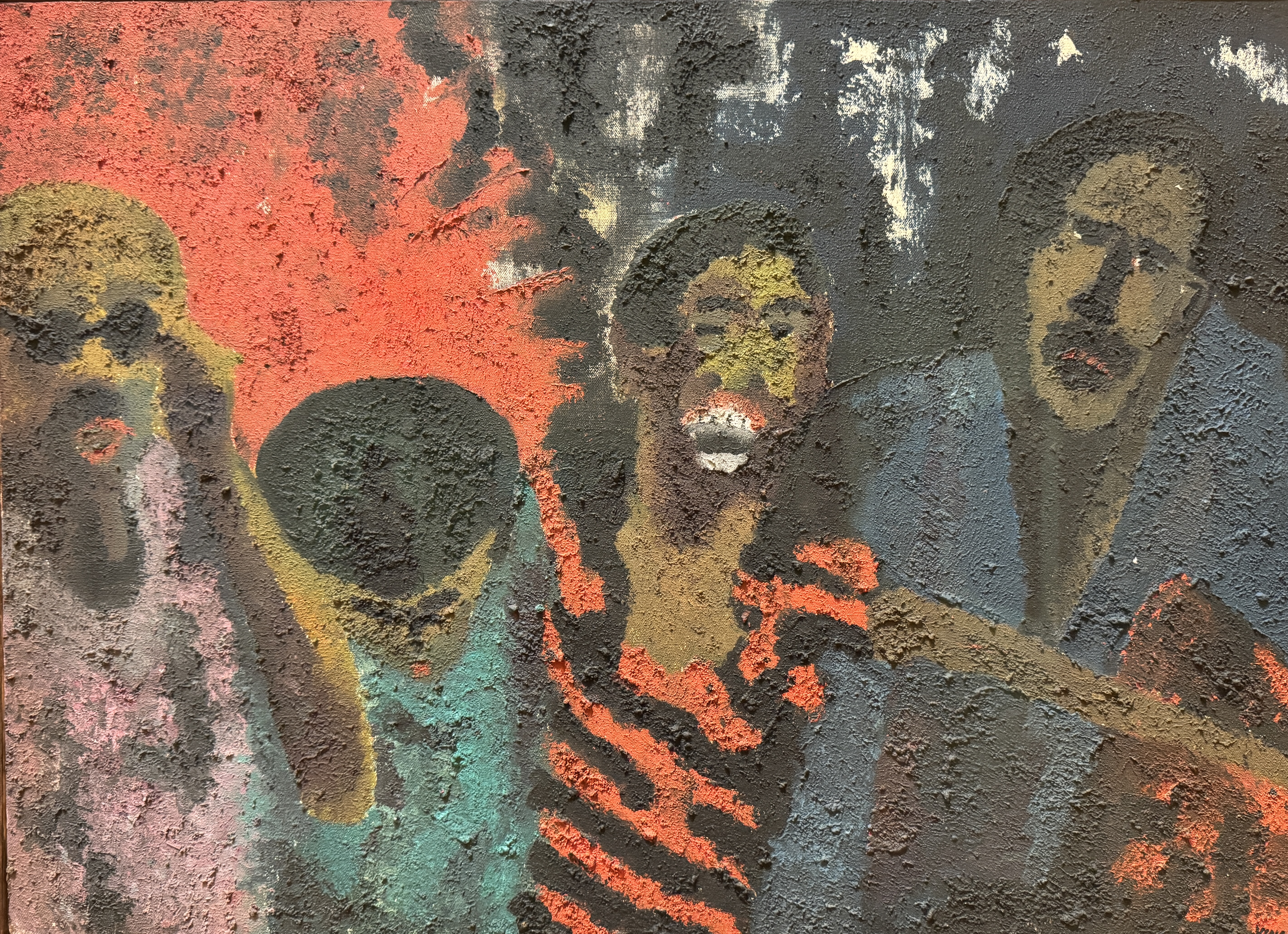
My image of “The Fire Next Time” (1968) by Vincent Smith.
Also recently seen (again) at Detroit Institute of Arts.
Inspired by President Obama’s “A Great Book” podcast I have also finally read James Baldwin’s The Fire Next Time.
:: It is so simple a fact and one that is so hard, apparently, to grasp: Whoever debases others is debasing himself. That is not a mythical statement but a most realistic one…. (page 83)
:: Life is tragic simply because the earth turns and the sun inexorably rises and sets, and one day, for each of us, the sun will go down for the last, last time. Perhaps the whole root of our trouble, the human trouble, is that we will sacrifice all the beauty of our lives, will imprison ourselves in totems, taboos, crosses, blood sacrifices, steeples, mosques, races, armies, flags, nations, in order to deny the fact of death, which is the only fact we have. It seems to me that one ought to rejoice in the fact of death — ought to decide, indeed, to earn one’s death by confronting with passion the conundrum of life. One is responsible to life: It is the small beacon in that terrifying darkness from which we come and to which we shall return. One must negotiate this passage as nobly as possible, for the sake of those were coming after us. (page 91)
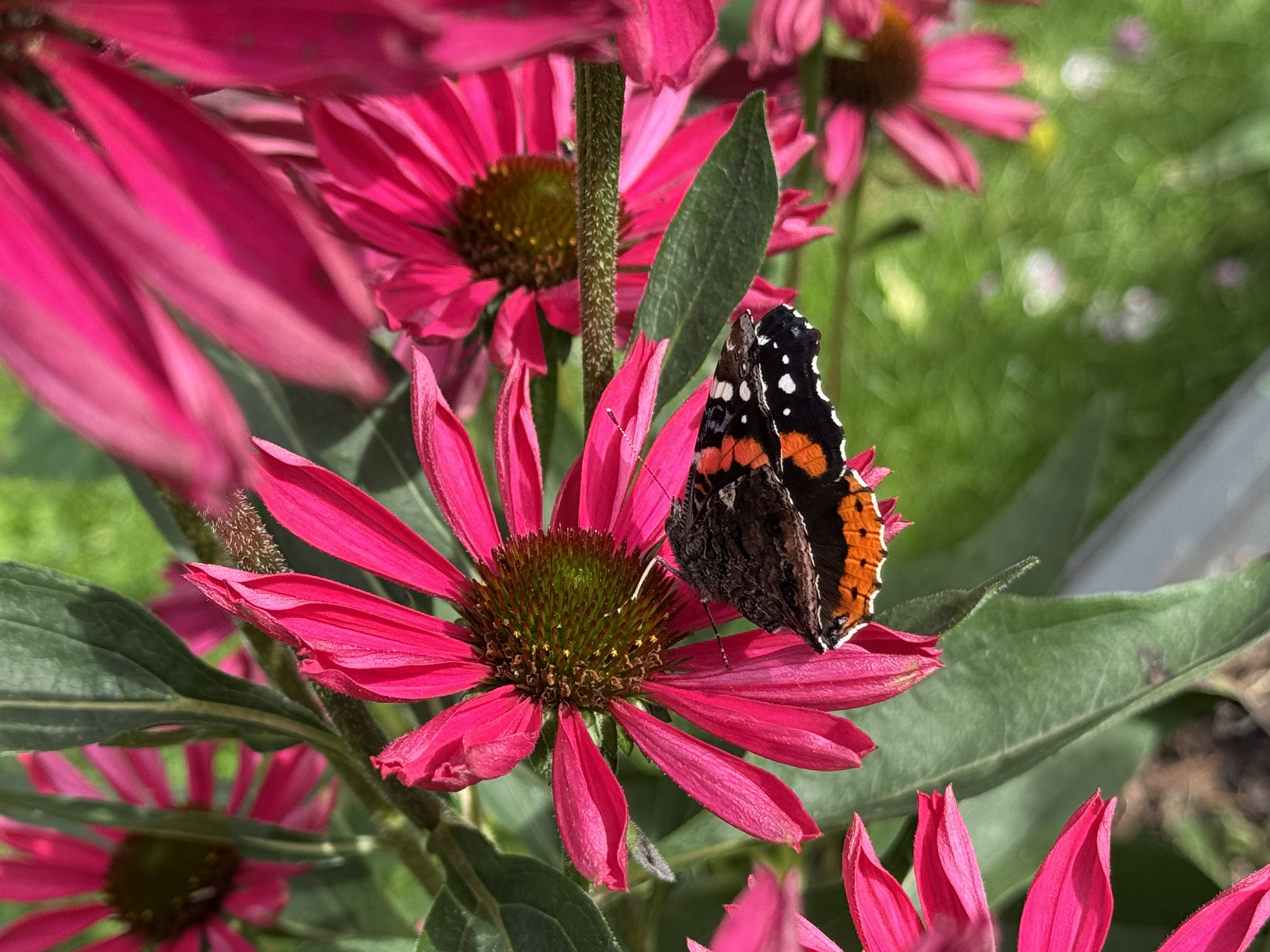
As autumn begins, most of the plants in the pollinator pockets are entering their Mrs. Havisham days, but there is still so much beauty and life out there.