


Yes, lately I’ve been acquiring at a rate that far outstrips my reading, but that’s all right.
Yes, lately I’ve been acquiring at a rate that far outstrips my reading, but that’s all right.




We were able to see the Orchid Festival while visiting the Conservatory at the Matthaei Botanical Gardens. (See previous post.)


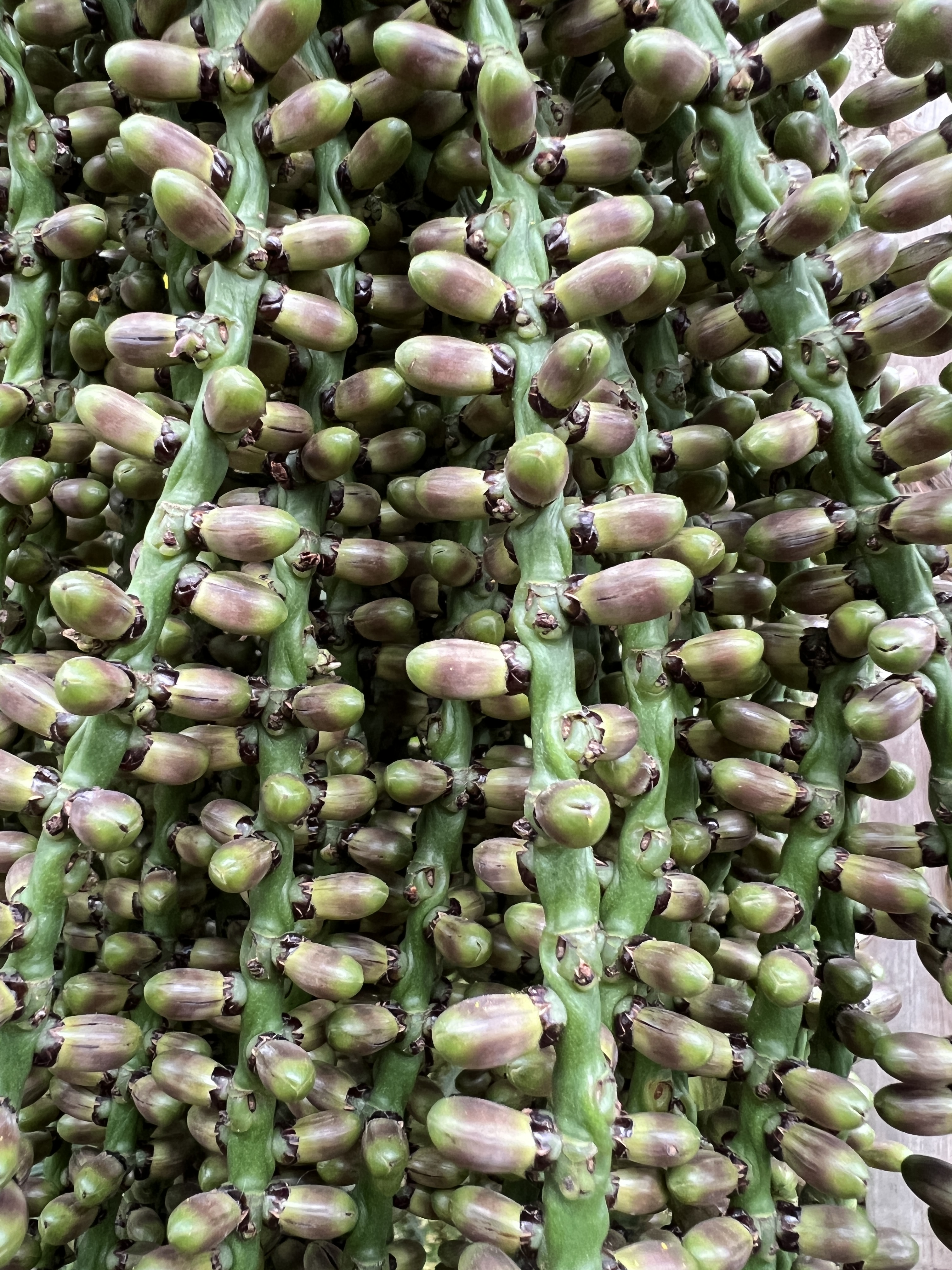


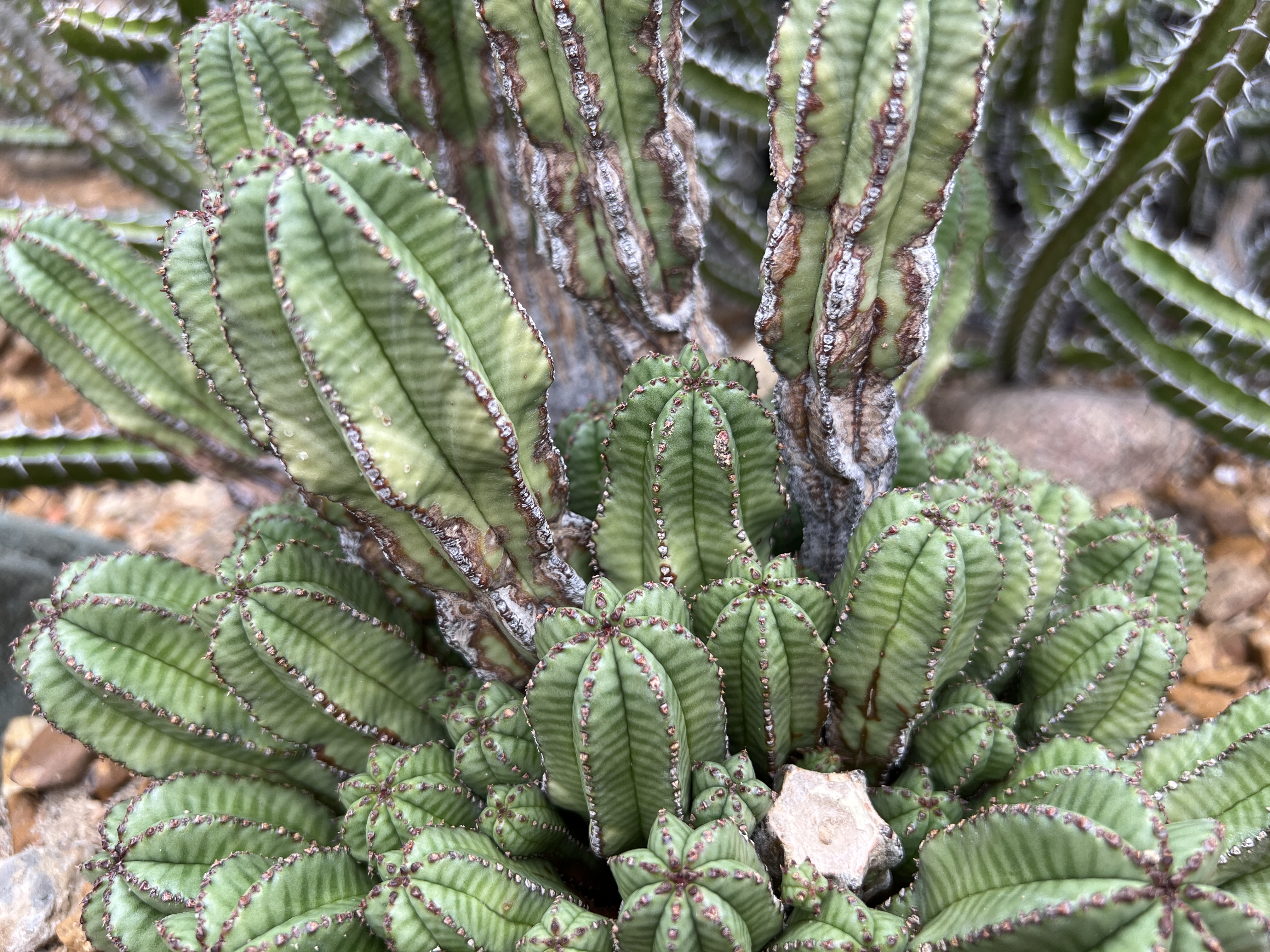
Images captured over the weekend at the Conservatory at the Matthaei Botanical Gardens.


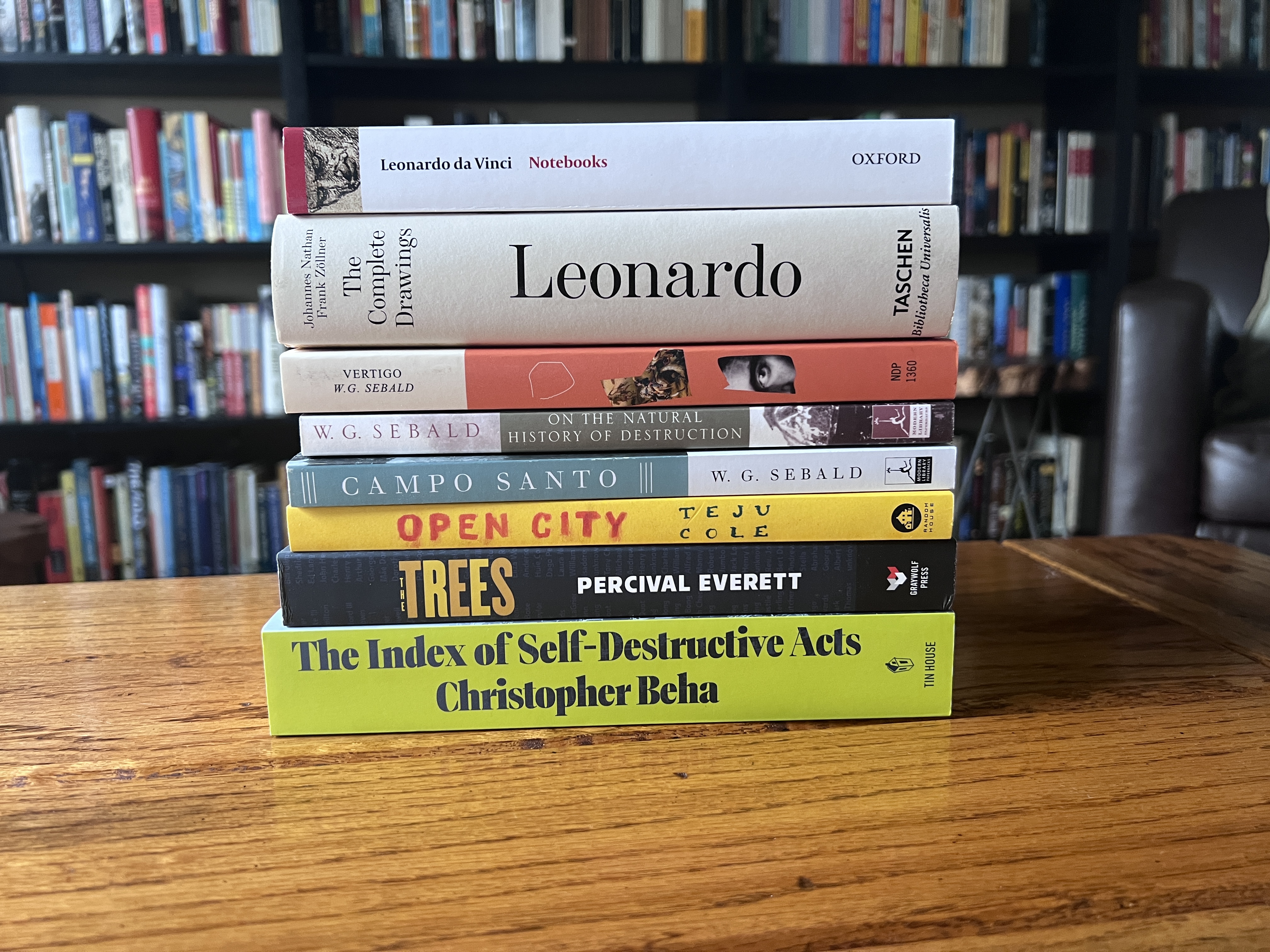
Recent acquisitions.
My commitment to annotating my reading list has waned primarily because enough note-taking, peripheral reading and studying, and discussion occurs in the assorted groups in which I am participating that I feel as if I’ve said what I need to say. Of course, I haven’t said it here, but music practice (1), band rehearsal (2), planning raised beds for pollinators, backyard birding (3), plus studying and reading have all conspired to keep me off the computer (except when I’m in Zoom meetings). We’ll see if I can remedy that.
__________________________________
(1) My current solo piece is (still) Howard Ferguson’s Three Sketches for Flute and Piano. I’m also working on No. 15 of 18 Studies for Flute by Joachim Anderson, Op. 41, in Robert Cavally’s Melodious and Progressive Studies from Andersen, Gariboldi, Koehler, and Terschak for Flute, Book 1, and Sonata No. V (Handel) in Selected Duets for Flute, Volume II (Advanced), as well as scales, rhythmical articulation, and music for the spring concert.
(2) Yes, we joined a band of adult amateurs, who range from late beginner to early-advanced. During the 1.25-hour commute there and back, we’ve been listening to The Great Courses (TGC) on Dante’s Divine Comedy, which I’m reading for 100 Days of Dante. We’ve also been sampling TGC lectures on the bible. Neither of us has read it, cover to cover, so to address this educational gap, we’re using a reading schedule we found online, (usually) doubling the daily commitment, so that we finish this summer.
(3) For the last week or so, we’ve had a tiny flock of Common Redpolls at our feeders, a first in the eleven years at the forever home. This article shed some light on what may be going on. (Is it too much to ask that some of the sandhill cranes we’ve espied in the neighborhood stopped in our yards?)




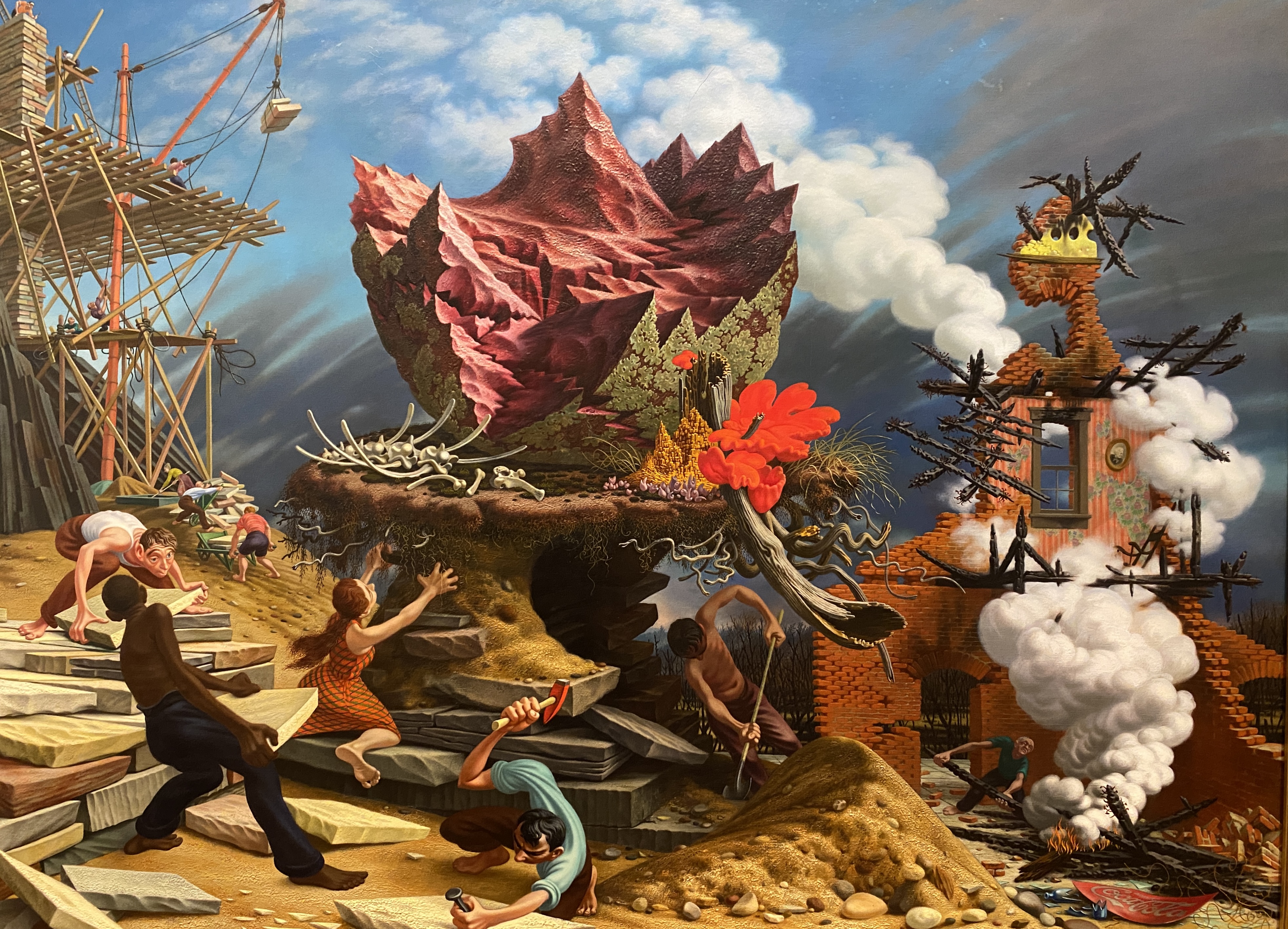
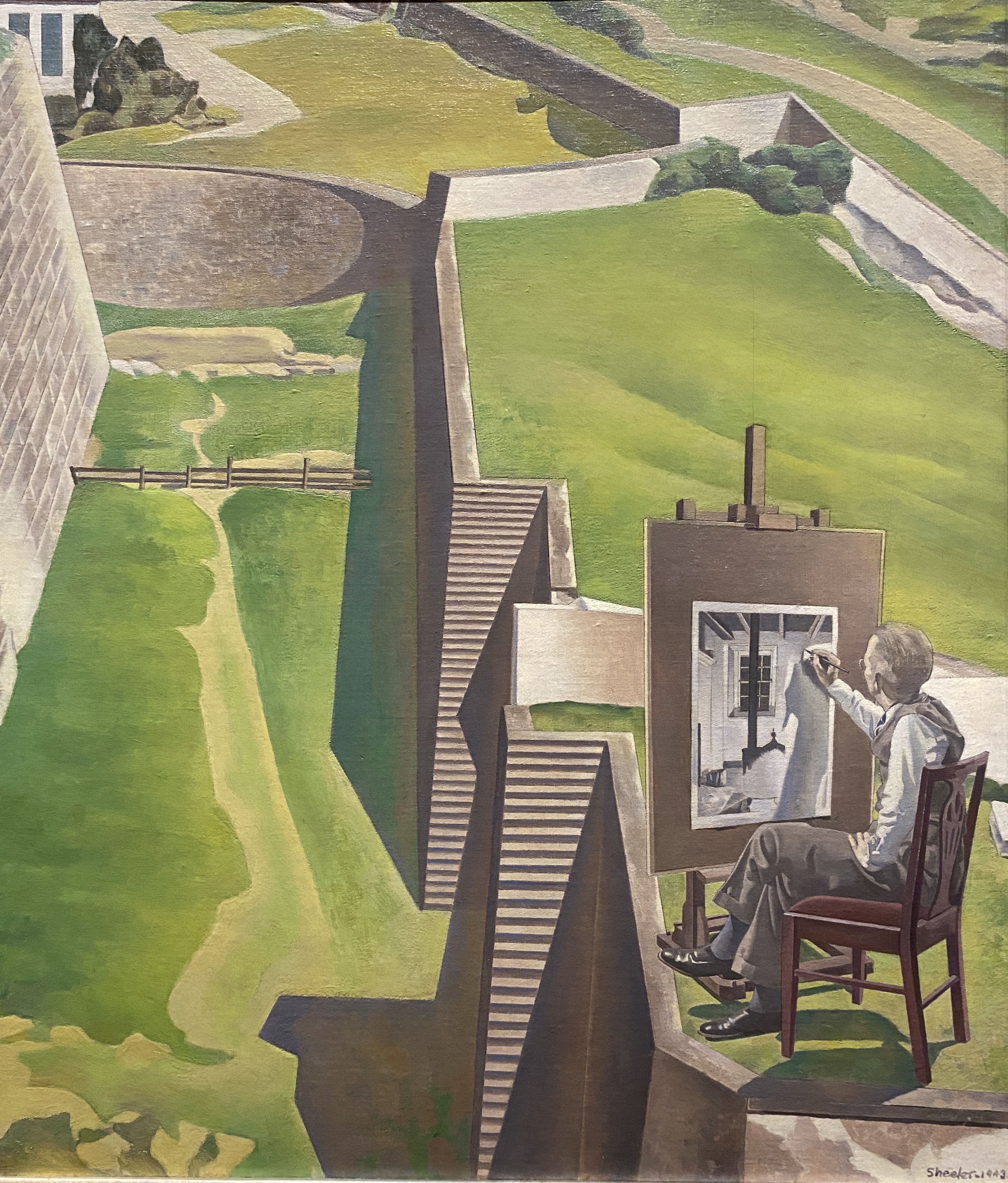
The above are my images of detail in several favorite works. Click to enlarge.
Earlier this month, we visited the Art Institute of Chicago for the first time since November 2019. In addition to the pleasures of returning to the old friends in this, one of our favorite places in the greatest city in the world, this introvert enjoyed the non-existent crowds on that warm, sunny Saturday.
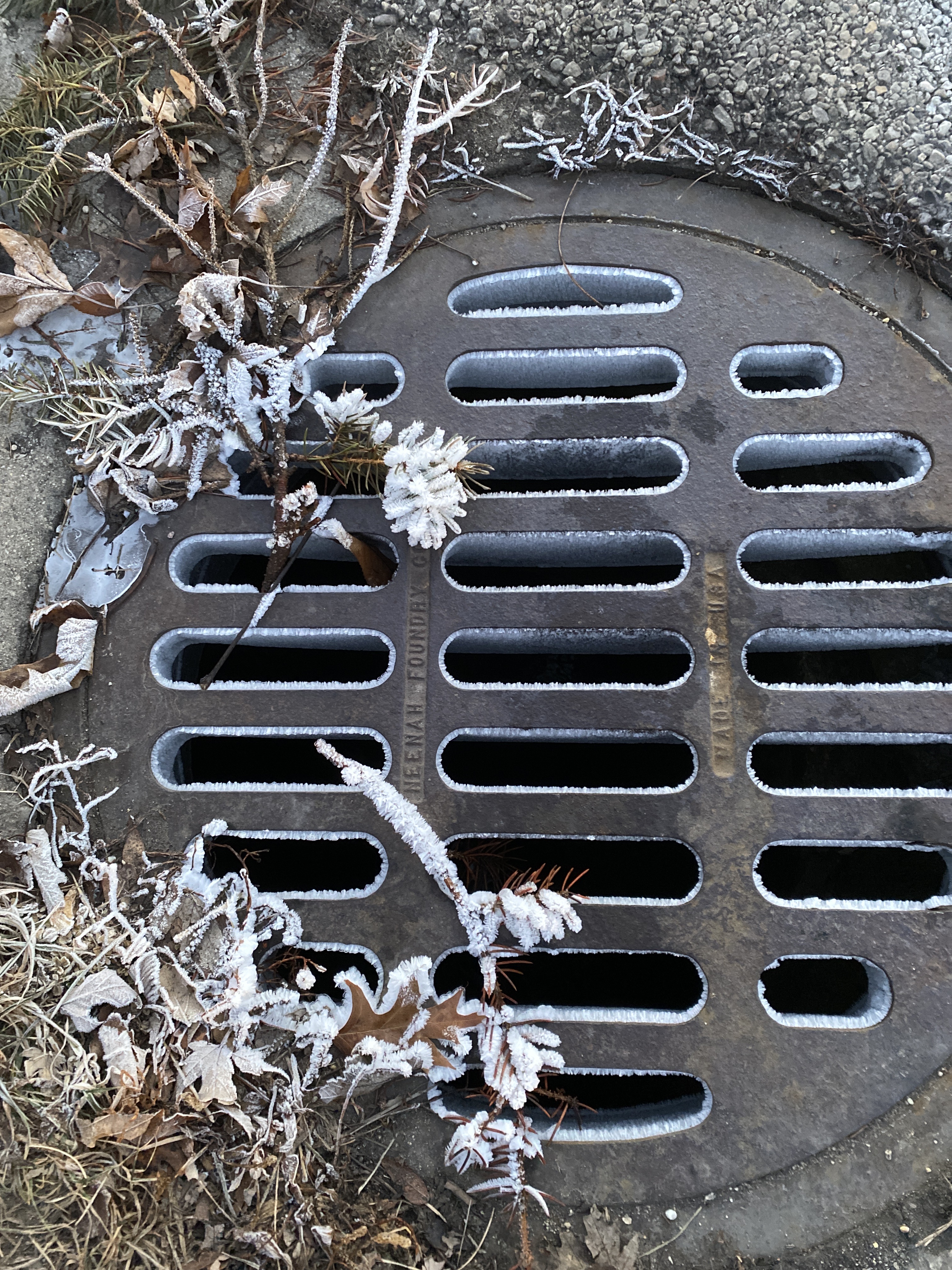
It is not immediately apparent in this image, but the condensation looked like fine fur or feathers.
My feet possess divining rod qualities; they suss out every stray nut, garden rock, patch of ice, and unyielding stick on our neighborhood’s sidewalks. Once you’ve taken as many spills as I have, you know to keep one eye on the ground, which is how I found the unexpected arrangement featured in this post.
Since I’m a fan of moments of serendipity / synchronicity / synthesis, I’ll mention that it first struck me as door decor. The house was painted this past spring, and some of my favorite door hangings don’t work as well with the new color scheme as they did with the old. Finding something for the transitional period between the winter holidays and late March had been on my mind when I noticed the storm drain. And I had recently borrowed a number of books on Joseph Cornell’s art, so it’s no surprise that it also looked like a collage.

My book-buying binge has abated, now that I’ve exhausted my accumulated points, discounts, and account credits, etc., and only three or four titles remain on my wishlist (for now).
Other news: After a day of nearly fifty degrees and abundant sunshine, we have returned to below-twenty on our walks. This is an observation, not a complaint, as I much prefer to run cold than run hot.
And yesterday I squandered nearly two hours on a film in which the leads had no chemistry, and the plot had more holes than the mesh bags in which I wash my favorite sweaters. It was a romantic comedy sans love and humor. But, gosh, isn’t Jennifer Lopez something? Still, the time could have been better spent watching any of the items on my watch list (e.g., Flee, The House, Season 4 of Ozark) — or, perhaps better still, practicing my music or reading.

Still feeling a little acquisitive, I guess.
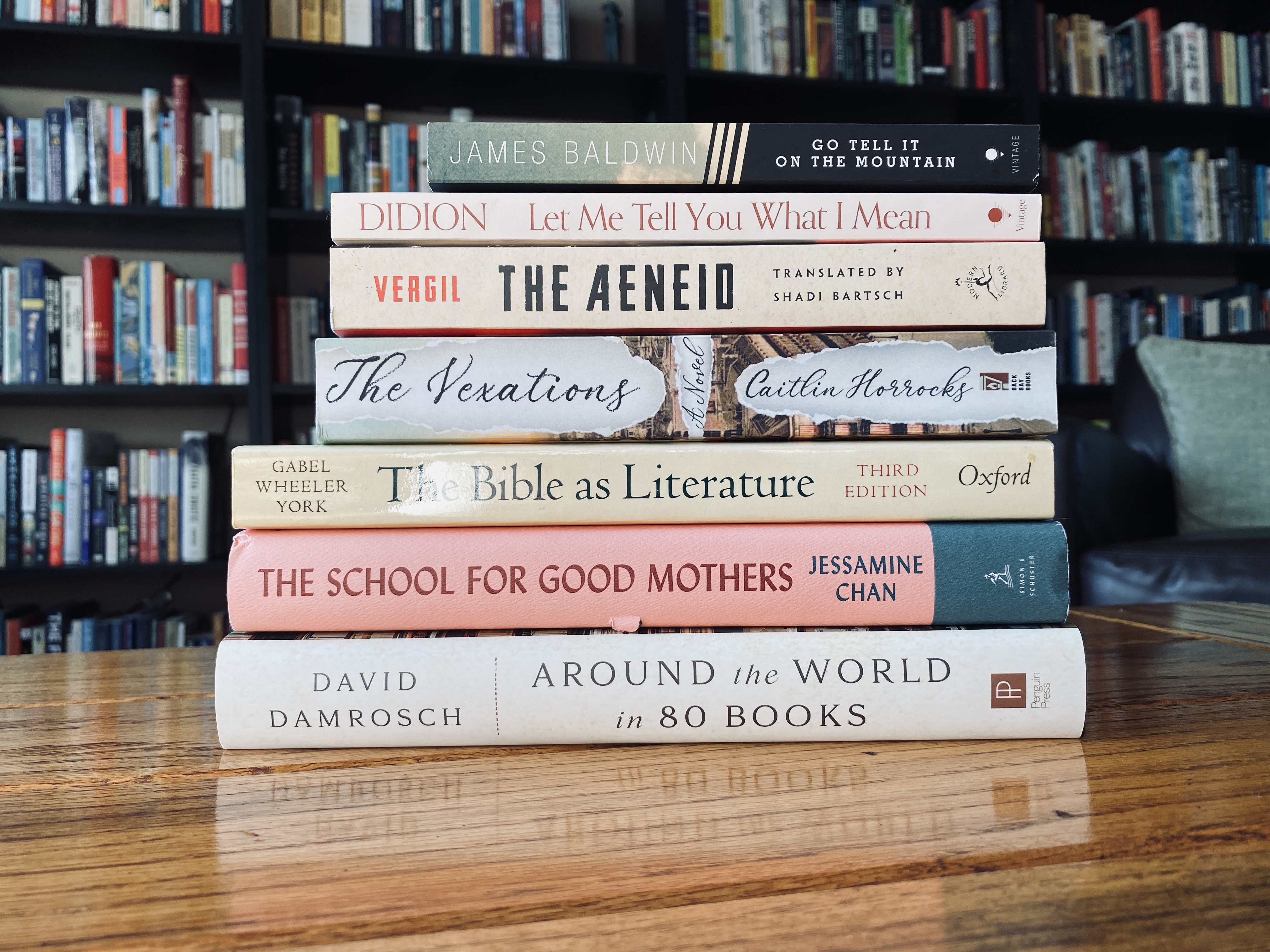
A few more new books.

Acquisitions.

