On reading

Recent acquisitions.

Recent acquisitions.

Two articles about reading captured my attention this week. The first, Will Schwalbe’s essay “The Need to Read” (WSJ, November 26), begins:

We all ask each other a lot of questions. But we should all ask one question a lot more often: “What are you reading?”

One of my favorite questions! Unfortunately, it can yield a crop of disappointing answers, including, “Oh, I don’t have much time for reading.”

Receiving a title or genre in response to the query is no guarantee that disappointment won’t soon follow, either. “I just read for entertainment” and “Oh, don’t over-analyze it” are two of my least favorite follow-up responses. Both seem designed not only to end what could have been a vibrant interaction but to dismiss and disparage me for being keen to explore. “Over”-analyze? Because I compared one novel to another? Because I wondered if you’d seen so-and-so’s review? Because I quoted a line or asked if you thought the closing paragraphs were effective?

Bosh.

My family spends a great deal of time talking about books — and, for that matter, movies, plays, art, television programs, and music. We describe what works for us and what doesn’t. We compare one book (or author or director or actor or artist) to another and stitch thematically similar works together — all in an ongoing conversation about what each of us is reading, thinking, learning, doing, and seeing. Over the last decade, we have been able to approach some works multiple times: Shakespeare’s plays, for example; LOST and Sherlock; Fargo and Soylent Green; the exhibits of many museums. This deepens and colors our discussion. More valuable to me than nearly all that we own is this mental treasure map of our shared experiences and memories, complete with its legend, comments, and annotations.

If that’s “over”-analysis, I am guilty, I guess. It’s funny, though, because, to me? That’s just good talking.

Here is another passage:

Books are uniquely suited to helping us change our relationship to the rhythms and habits of daily life in this world of endless connectivity. We can’t interrupt books; we can only interrupt ourselves while reading them. They are the expression of an individual or a group of individuals, not of a hive mind or collective consciousness. They speak to us, thoughtfully, one at a time. They demand our attention. And they demand that we briefly put aside our own beliefs and prejudices and listen to someone else’s. You can rant against a book, scribble in the margin or even chuck it out the window. Still, you won’t change the words on the page.

The other article is “A Plea for Reading in College” (Forbes, November 30):

I’m not saying that everyone should read a prescribed core of “great books” or that not enjoying reading automatically makes you suspect. However, one of the great advantages of reading, aside from the activity itself, is how it develops one’s imaginative powers. Whether in fiction or non-fiction, entering into a dialogue with characters and authors widens a reader’s perceptions of the world, a condition that greatly increases an individual’s ability to grasp the complexities that surround us, at the same time interacting with them and creating new forms and ideas.

Both articles compare the act of reading to a discussion: “They speak to us…” “You can rant against a book…” “[E]ntering into a dialogue with character and authors widens a reader’s perceptions of the world….”

So. I’m not “over”-analyzing. I’m reading, thinking, learning, and talking.

And you? What are you reading?
Abbreviated

img_8613Afternoons end before they have really begun now, don’t they? By 3 p.m., I must turn on a light here and another there. Abbreviated days possess a sort of magic, especially when the snow finally arrives. But by early January, I suspect that, as in years past, the long nights will begin to weary me, and I will sniff the air for the scent of warm, clean dirt. Spring.

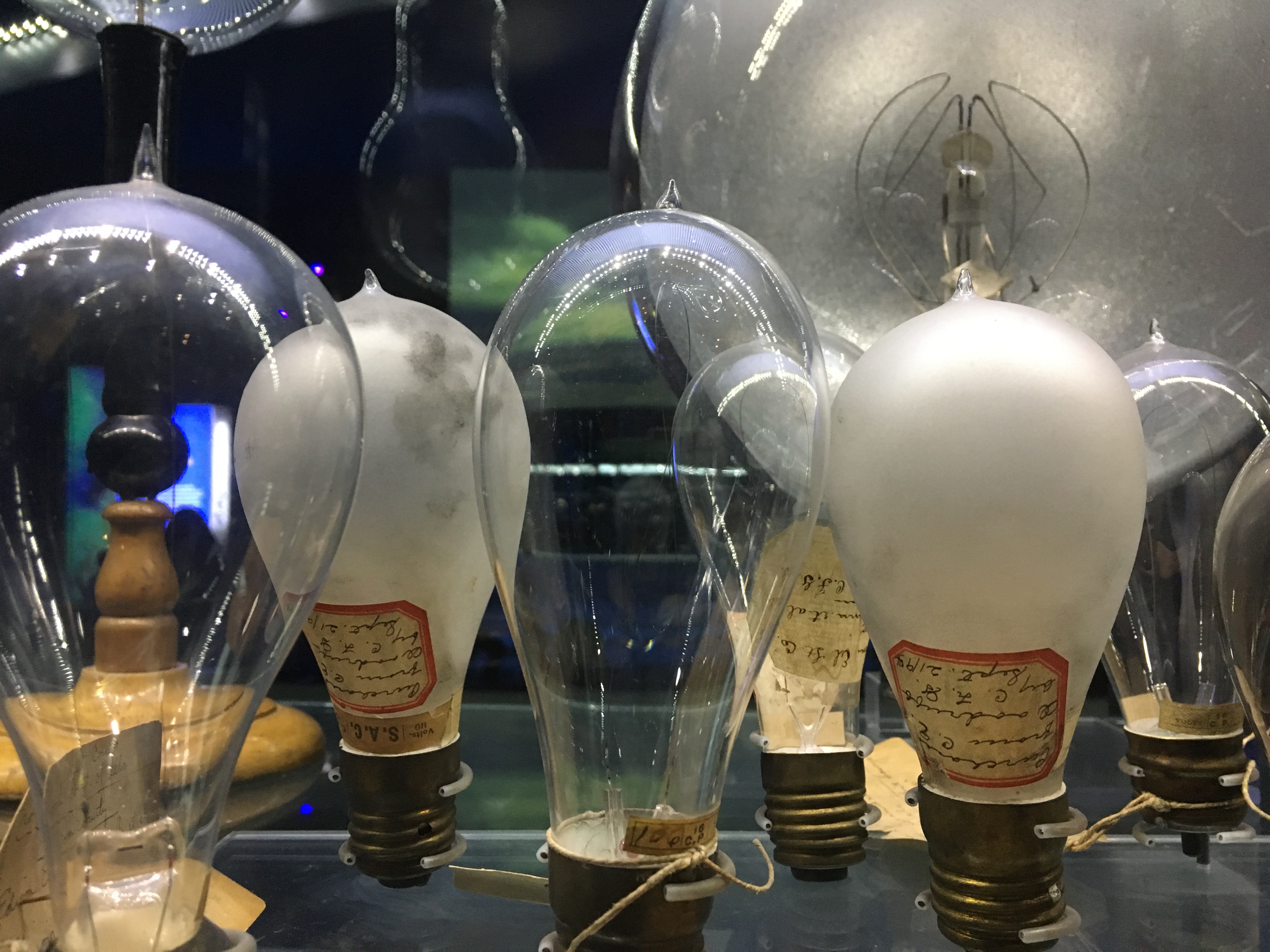
I took the image above during a recent trip to the Museum of Science and Industry. The adventure was equal parts sentiment and foolhardiness. After all, who goes to MSI on the day before Thanksgiving? Everyone, as it turns out. And the trip into the city took twice as long as it should have. Still, we had a lovely time and plan to return for a proper visit (i.e., one that coincides with everyone else returning to work and school) over our long winter break.
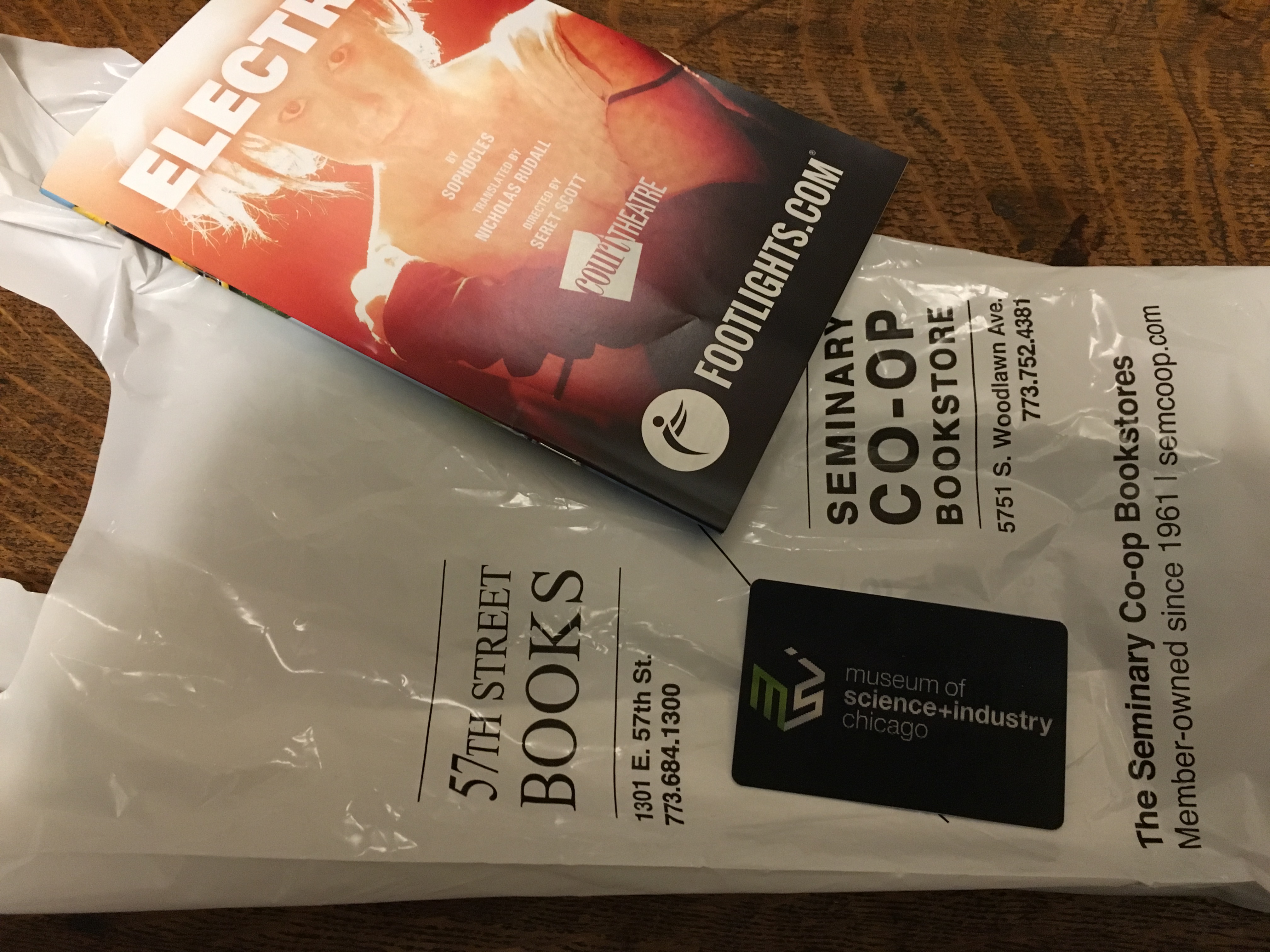
img_8610After MSI and dinner, we browsed the wondrous stacks at the Seminary Coop Bookstores and then attended Electra at the Court Theatre. The Court’s Greek Cycle has met with somewhat mixed reviews, but we have appreciated all of it — particularly Sandra Marquez’s majestic Clytemnestra (all three plays) and Kate Fry’s Electra.

Apart from getting the band back together, the trip into Chicago for MSI and Electra was the highlight of our recent ten-day break. Our daughters, now juniors, use the Thanksgiving holiday to get ahead on final projects and examinations, so when they came up for air, we kept it pretty simple. We (re)watched some Sherlock (in anticipation of Season 4) and walked. We raked leaves and counted birds at the feeders. We ate good food and talked. They had appointments for haircuts and annual physicals. Otherwise, they were absorbed by their studies. Soon they will be home again, though, with no projects or exams looming large. We have assembled a much more ambitious itinerary for our winter break, then, including four plays, four museums, the postponed zoo trip, and some eagle-watching.

In early December, while they finish up their fall courses and enter their reading and examination period, I will work through some holiday music and Unit 4 in Rubank Advanced Method, Vol. 1. I have been studying flute for just over two years now and will (again) acknowledge that while I have made tremendous strides, some skills may be beyond me, including velocity. Young learners have a decided advantage when it comes to manual dexterity and speed, to be sure, but the pursuit remains worthwhile and stimulating. Other pursuits for these next two weeks include reading, of course; Project FeederWatch, which now offers an option to report behavioral data (displacement and predation); and my volunteer work at the library, which I don’t think I have mentioned previously. My husband and I gave several hours each week a few summers ago but stepped away from the commitment to focus on our literacy volunteer assignment. I returned to the library in September and am enjoying the people and projects.

Until my next post, here are three more images from our MSI visit, which included a stop at the “Brick by Brick” exhibit.
img_8612

img_8611

img_8609

“Until nostalgia has smothered my fury.”

The 2016/17 season of Project FeederWatch opened Saturday. Monday and Tuesday are my usual count days, and one of this weekend’s to-do items was to build a better checklist, one that mirrors my typical sightings but leaves room for infrequent backyard visitors (like the Eastern Wild Turkey or the Hermit Thrush). Once I was satisfied with the new design, I pulled out my clipboard, to which last season’s checklists were still attached. In the margin of one was scrawled, “Until nostalgia has smothered my fury.”

I could not recall the origin of this wonderfully apt quote, but a quick search led to a declaration by Maggie Smith’s character in Downton Abbey. You know, I was all in for the first two seasons of DA, but by the third, I had grown a bit bored. I did catch much of the final season, though, even if with only one eye and mostly for the moments Smith was onscreen. If this checklist marginalia was my takeaway, then it was certainly time well spent, as I can think of at least two inquiries to which this is the perfect response.

Ahem.

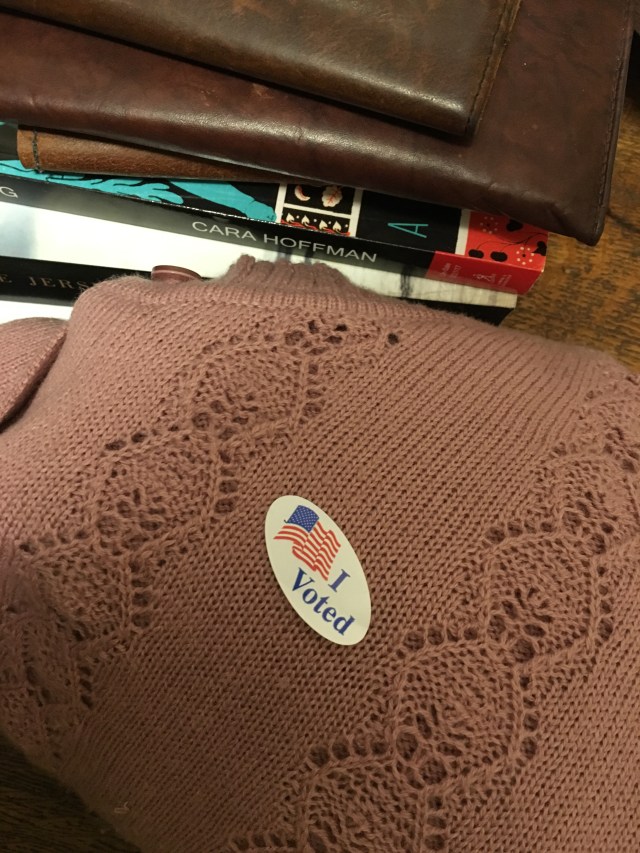
In addition to the nearly seventy hours I served as an election judge during early voting, I put in 15.5 hours on Election Day. The remainder of last week was devoted to focused music practice, phone time with my daughters, paperwork, and reading. By Friday morning, I was back to my daily walk, and over the weekend, we finished winterizing the forever home between walks, talks, and errands. Can the month be half-over already? We will soon enjoy a nine-day autumn break, then, during which we will see Electra at the Court, visit a museum (or two), spend a day at the zoo (maybe), hike in the woods, and play a number of games (including the expansion pack for Exploding Kittens).

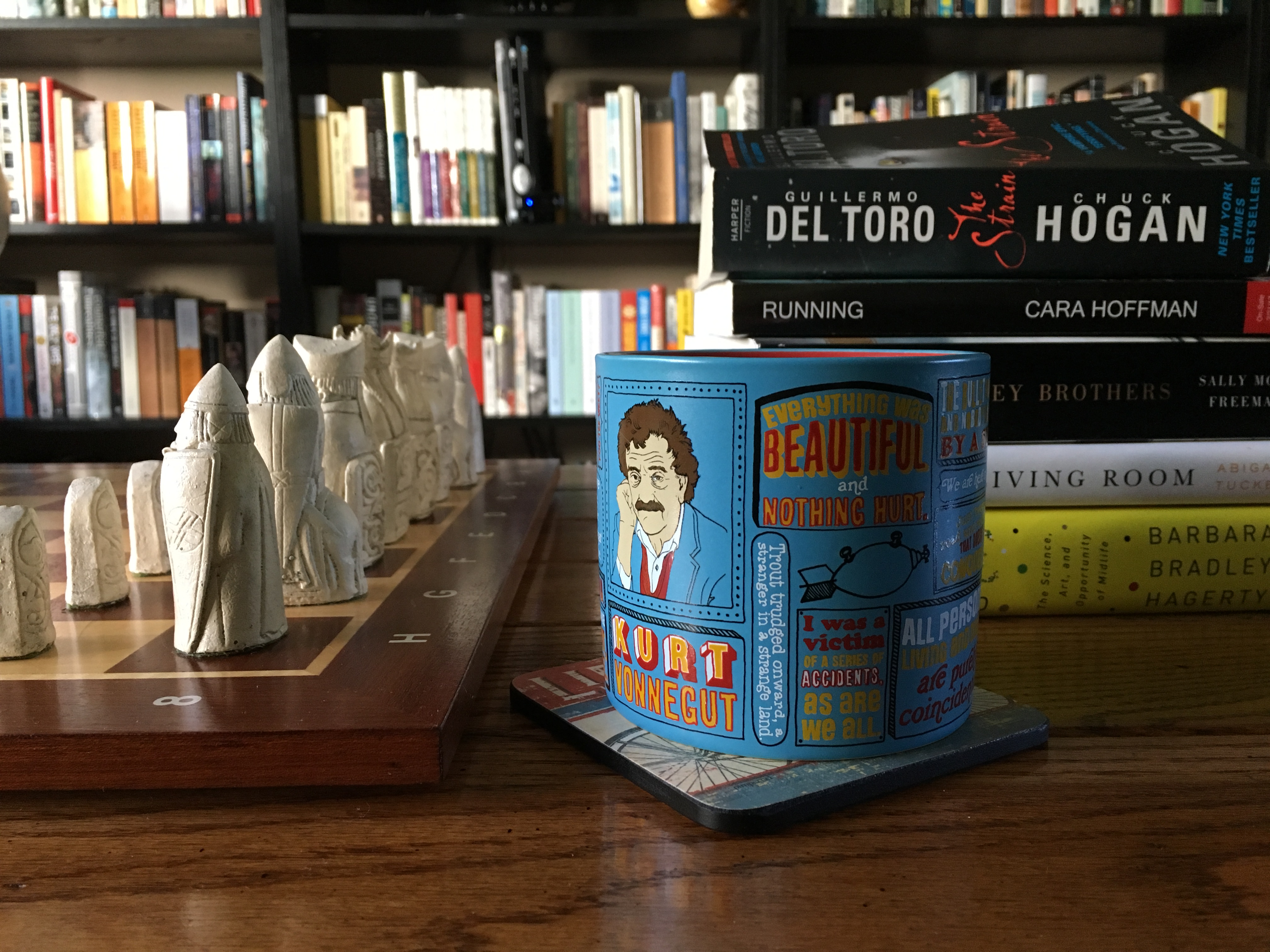
Before the break, though, I will move on from Haydn’s “Serenade” and accept my next solo piece, and I will finish reading Life Reimagined (Barbara Bradley Haggerty), I Hunt Killers (Barry Lyga), The Couple Next Door (Shari Lapena), and Plutona (Jeff Lemire). Cara Hoffman’s Running, an ARC, is being nibbled until those four are done.

Where have I been? Where am I going?

img_8474Early voting, and, oh, have I ever learned a lot as an election judge — about myself, my town, and, yes, even the world. The stories I could tell, too! But that seems indiscreet, so I will confine myself to a confession: I have not made a bit of progress on my ornithology studies since the post in which I asserted that I would bring the book to my assignment. On the morning of my first day as an election judge, I rightly guessed that I would not have much time for reading, so I left the tome at home. As it turned out, I did not move from my ePollBook until 2:15 p.m. that first day, and the subsequent days allowed no time for attentive study or deep reading. During the storms last week, though, I was able to read the newspapers, and on other days, I caught up on some of my magazine subscriptions and finished the last few pages of a graphic work. That’s all right. Once the election is decided, I can (re)turn my attention to the birds – both Project FeederWatch, which begins November 12, and the course.

On my free days these last couple of weeks, I’ve been practicing my music, winterizing the forever home, lavishing attention on the cats (who are not accustomed to spending eight- and ten-hour days without a human lap; thank goodness my husband is working from home this week!), and slurping down fast-paced thrillers like Dark Matter (Blake Crouch) and The Strain (Guillermo de Torro and Chuck Hogan). The first novel might appeal to fans of The Martian, although Matter is light on the science and problem-solving that make Martian a brainier book. As for the second novel, twenty minutes of a television series reminded me that I already owned the book, the first in a trilogy. Over the weekend, curled under a blanket in my capacious-bottomed Adirondack chair in the backyard, I enjoyed the butter-yellow light, the decidedly not-November weather, and the somewhat predictable vampire tale. I’m undecided about finishing the trilogy.

At this writing, then, I’ve completed 109 books, which is five above my goal in a year of reading slowly. Twenty-six of those are graphic works; sixteen are non-fiction. If those numbers were flip-flopped, I would have met one of my objectives: to read more non-fiction. Seven or so weeks remain in the year, and I am knee-deep in the delightfully informative Life Reimagined (Barbara Bradley Hagerty), so there is still (some) hope of meeting that objective. Similarly, inspired by my work in the six-week MOOC “Literature and Mental Health: Reading for Wellbeing,” I am hopeful about meeting another of my objectives: to read more poetry.

Speaking of bibliotherapy, in a neat bit of serendipity / synthesis / synchronicity, I ran across the subject last week while catching up on my magazine subscriptions. From “Read a Novel: It’s Just What the Doctor Ordered” (Time, October 27):

Even the greatest novel cannot, by itself, cure clinical depression, erase posttraumatic stress or turn an egomaniac into a self-denying saint. But it might ease a midlife crisis or provide comfort in a time of grief.

The MOOC I completed – led by Jonathan Bate and Paula Byrne and featuring excellent interviews and discussions with Stephen Fry, Ben Okri, Ian McKellen, and Mark Haddon, among others – focused on the way that literature, particularly poetry, can illuminate certain aspects of the human condition and proffer insight or succor during times of emotional upheaval. More, quite apart from the subject, the cadence or form of a poem might also speak to the reader, serving as an incantatory emotional salve. To me, the MOOC provided a responsible and fascinating way to apply reading. The Novel Cure, on the other hand, a book in my TBR and one featured in the Time article above, seems like embarrassingly oversimplified application of the ideas – as in, Feeling blue? Read this. As Bate and Burns and the doctors, writers, professors, actors, etc. they featured pointed out, though, it simply doesn’t work that way. Literature may prove powerfully effective for some people experiencing emotional distress, but the works cannot be prescribed.

Other reading notes… After a long hiatus, I accepted three ARCs: The Lion in the Living Room: How House Cats Tamed Us and Took Over the World (Abigail Tucker) was released last month; Running (Cara Hoffman) will be released in February; and The Jersey Brothers: A Missing Naval Officer in the Pacific and His Family’s Quest to Bring Him Home (Sally Mott Freeman) is due out in May. Already familiar with Hoffman’s novel Be Safe I Love You, I was engaged by the opening pages of Running, so it has secured a place in my knapsack this week along with the last two weeks’ worth of comics. (Darn this brief stint of working! It’s wreaking havoc on my reading life.)

Speaking of comics, I finally succumbed: I created a pull list at Comixology and linked it to the shop partway between home and my husband’s work. The owner not only most reliably carries copies of the titles I read, he recommended titles based on my buying patterns, including one I took – Eden’s Fall. (I know some of you think I should just get the issues electronically, but I am still hopelessly in love with hard copies.)

More when this election is (finally!) behind us. In the meantime, what are you reading?

Falling back

img_5459Plan accordingly: We “gain” an hour this weekend. From “The Case for and Against Daylight Saving Time” (National Geographic):

Scientists have examined DST’s impacts on human health, and the conclusions have been mixed.

The article continues:

Two studies, conducted in the United States and Sweden, found that heart attack risk increased by up to 25 percent on the Monday after we move the clocks ahead. The same researchers found that the risk dropped by 21 percent when the clocks fall back.

Till Roenneberg, a chronobiologist at Ludwig-Maximilians University in Munich, argues that our bodies’ circadian clocks never entirely adjust to the shift in daylight hours. So while more morning light helps jump-start our bodies, the extra evening light leads to a lag.

“The consequence of that is that the majority of the population has drastically decreased productivity, decreased quality of life, increasing susceptibility to illness, and is just plain tired,” Roenneberg previously told National Geographic.

Project FeederWatch

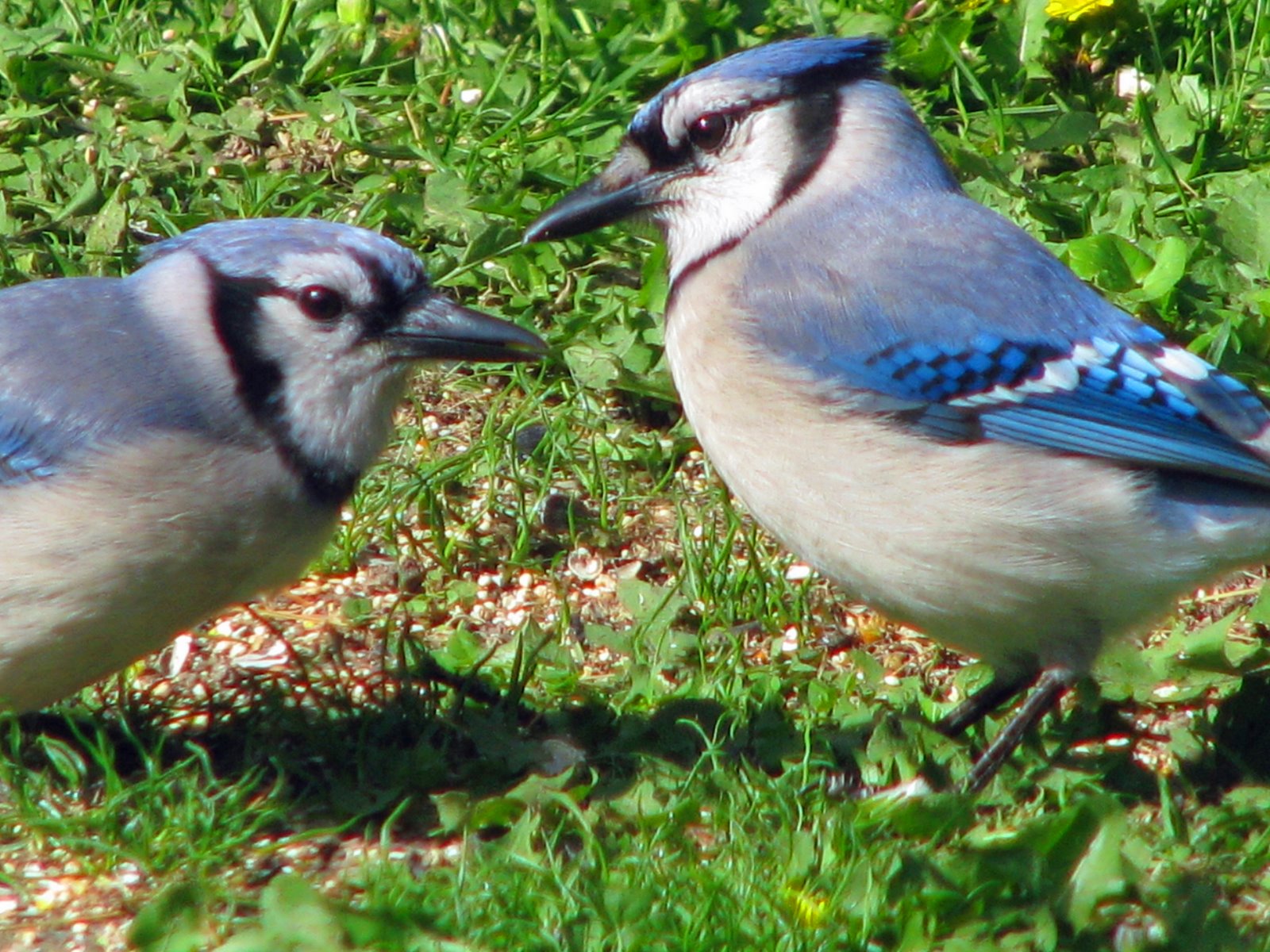
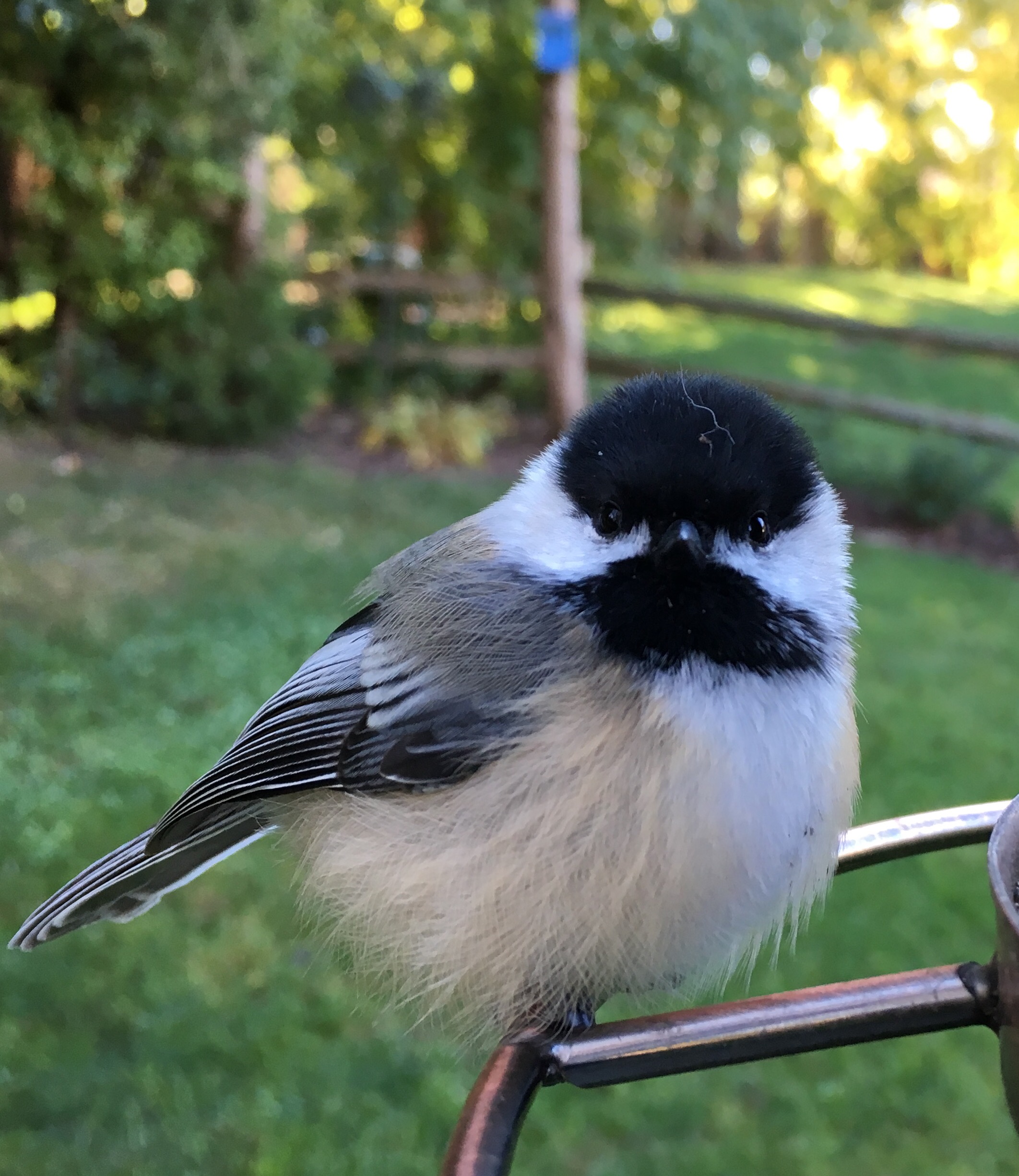
jaysThe 2016-2017 season of Project FeederWatch begins November 12, so there is still time to register for this wonderful program.

From the Project FeederWatch website:

Project FeederWatch is a winter-long survey of birds that visit feeders at backyards, nature centers, community areas, and other locales in North America. FeederWatchers periodically count the birds they see at their feeders from November through early April and send their counts to Project FeederWatch. FeederWatch data help scientists track broadscale movements of winter bird populations and long-term trends in bird distribution and abundance.

Anyone interested in birds can participate. FeederWatch is conducted by people of all skill levels and backgrounds, including children, families, individuals, classrooms, retired persons, youth groups, nature centers, and bird clubs. You can count birds as often as every week, or as infrequently as you like: the schedule is completely flexible. All you need is a bird feeder, bird bath, or plantings that attract birds.

If you plan to participate, set up your feeders now and commit to keeping them filled throughout the season. Use a variety of feeders and seed to attract a greater variety of visitors. For more information, check out this site.

Nine years ago

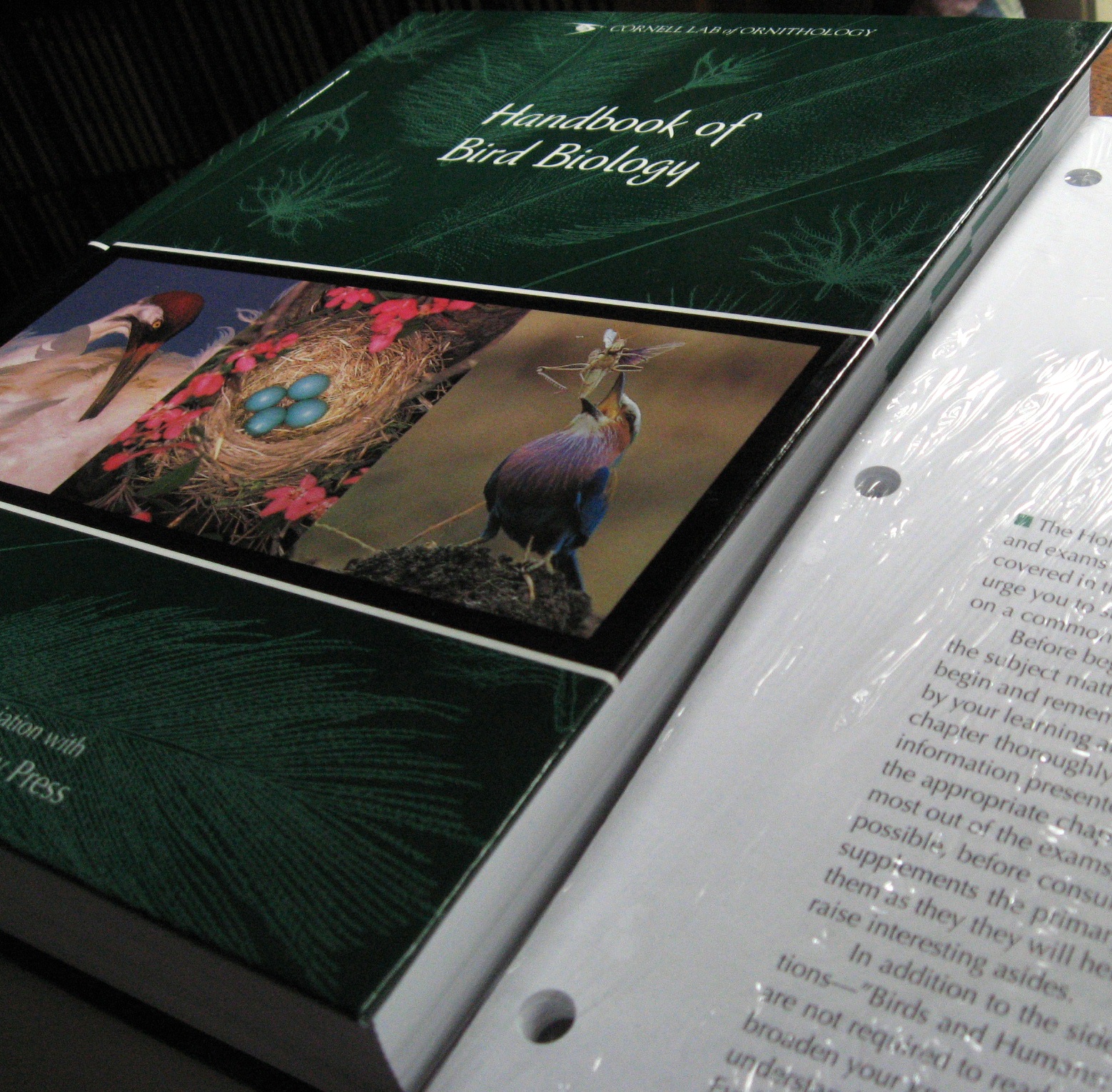
ornithology-abashedMore than nine years ago, on May 1, 2007, I posted the image above to my old site. Since then, I’ve started and stopped my work on the Home Study Course in Bird Biology at least a dozen times. For nearly a decade, something more pressing regularly presented itself, and I took comfort in the website note that while some folks finish the course rapidly, there is no completion deadline; in fact, one student took ten years to finish! (I should be so lucky.)

Even so, at the eight-year mark, last summer, I called the Cornell Lab to ensure that my course materials were still valid and was patched through to Kevin McGowan. (Insert my daughters and I mime-squealing with nerdish delight at my encounter with a birding world rock star.) He kindly assured me that my text and test materials were fine, although the new edition would be out in 2016. His warm encouragement nearly jumpstarted my efforts, but other cares, concerns, and pursuits soon supplanted my studies, and the Handbook was reshelved. Again.

And here we are, about seven months from the ten-year mark. The new Handbook has been released, and mine still looks brand new. Well, color me recommitted. I have been assigned approximately sixty-four hours during early voting, and I have vowed that the Home Study Course in Bird Biology will be my sole companion (apart from my fellow election judge, of course).

Maybe this time, eh?