

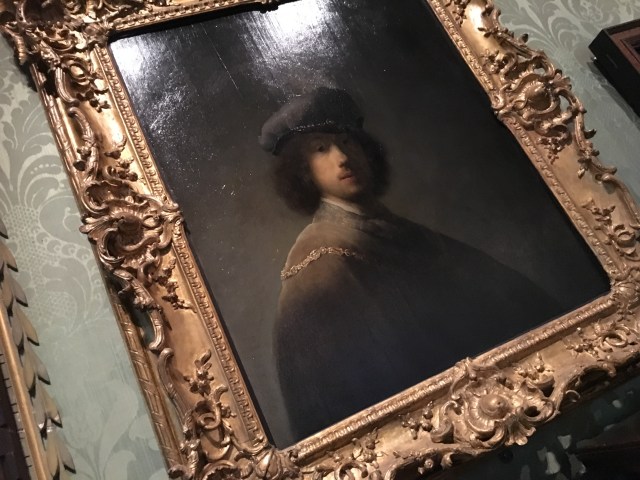
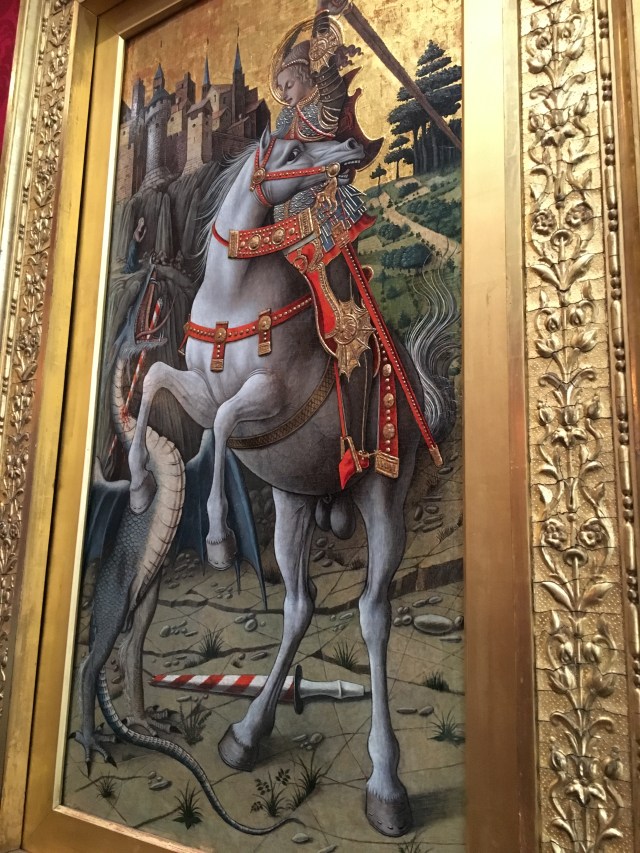
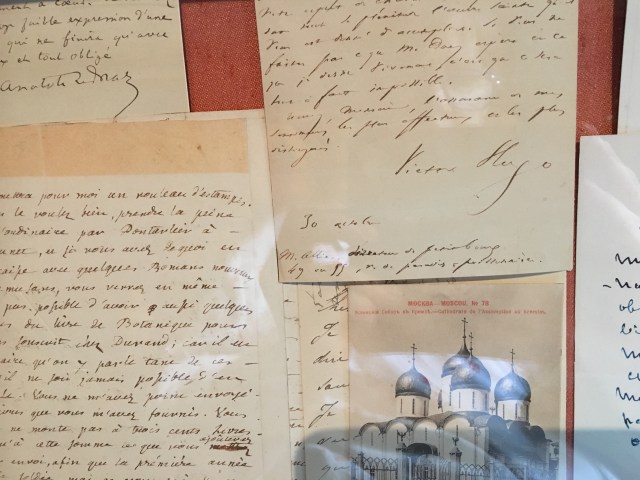
 Following a private tour of the Gore Place, our guide said he was certain we would enjoy visiting the Isabella Stewart Gardner Museum. He was right.
Category Archives: art
Museum of Fine Arts, Boston

Detail from Seacoast at Trouville (Claude Monet; 1881)

Detail from Summer Night’s Dream (The Voice) (Edward Munch; 1893)

Detail from Ravine (Vincent Van Gogh; 1889)

I Dreamed I Could Fly (Jonathan Borofsky; 2000) put me in mind of the ceremony in the cheesy but frightening sci-fi flick Logan’s Run.

Detail from Jackson Pollock’s Mural (1943)

An Olmec mask

Detail from Double Portrait (Max Beckmann; 1946)
Rose Art Museum

Untitled. Pieter Vermeersch. 2017.
It reminds me of Anselm Kiefer’s Midgard (1982-85).
Both works are by German artists.

Aren’t we all?
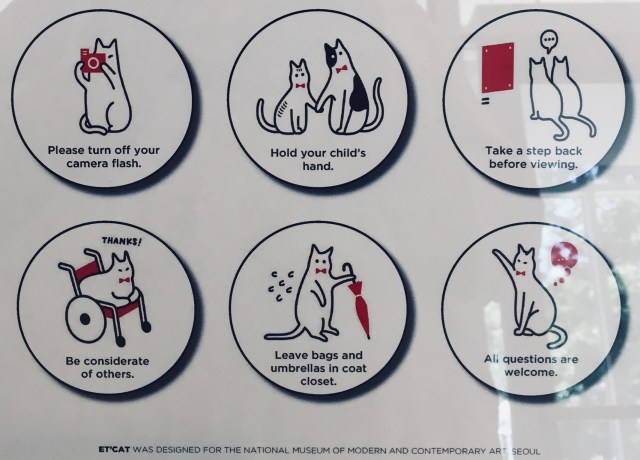
Detail from a charming poster near the museum entrance.
Spring

Detail of Norman Lewis’ “Afternoon” (1969).
Genuine interest in art

Detail of Leonardo Drew’s “Number 185” (2016).
Other notes: Once I finished Parks and Recreation, I moved on to The Good Place and now must wait until fall for new episodes. Related: We had breakfast-for-lunch at the Ron Swanson-inspired Whisk last weekend. It was so awesome that it has effectively ruined our local breakfast nooks for us. And speaking of ruining things for us, William Hootkins ((Moby Dick) and Nick Offerman (Lincoln in the Bardo) set the bar for audiobook narration so high that nearly every other narrator is a disappointment. (And, yes, we loved learning that Offerman is an Illini, too.)
To bring this post home, Ron Swanson on art:
Okay, everyone! SHUT UP and LOOK AT ME! Welcome to Visions of Nature. This room has several paintings in it. Some are big; some are small. People did them, and they are here now. I believe that after this is over, they’ll be hung in government buildings. Why the government is involved in an art show is beyond me. I also think it’s pointless for a human to paint scenes of nature when they can just go outside and stand in it. Anyway, please do not misinterpret the fact that I am talking right now as genuine interest in art and attempt to discuss it with me further. End of speech.
Reclining woman

My photo of “Reclining Woman” by Fernand Léger (1922).
At the Art Institute

 “John Singer Sargent and Chicago’s Gilded Age” drew me to the Art Institute this week, and it’s a beautiful exhibition. But it was “Flesh: Ivan Albright at the Art Institute of Chicago” that captured my imagination. I will post more images from my visit later; the above are my photos of two of the Albright self-portraits.
Coveting nature


“Coveting Nature explores the ways in which botanists and entomologists worked in tandem with artists to record and disseminate knowledge in the early modern period (1500–1800).” This Krannert Art Museum exhibit runs through December 22.
Saturday in the city
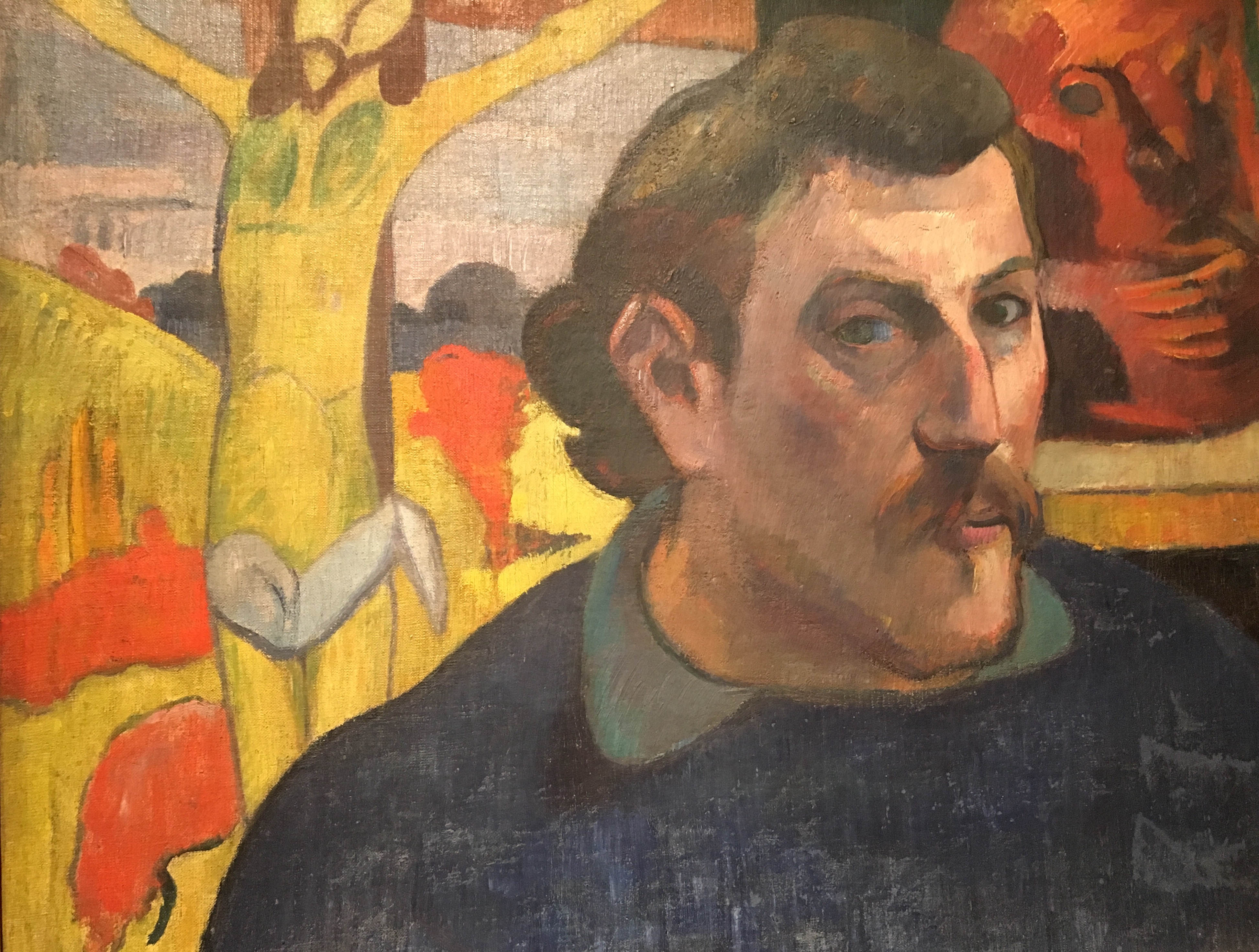
Paul Gauguin’s “Portrait of the Artist with the Yellow Christ” (1890-91).
Adventuring

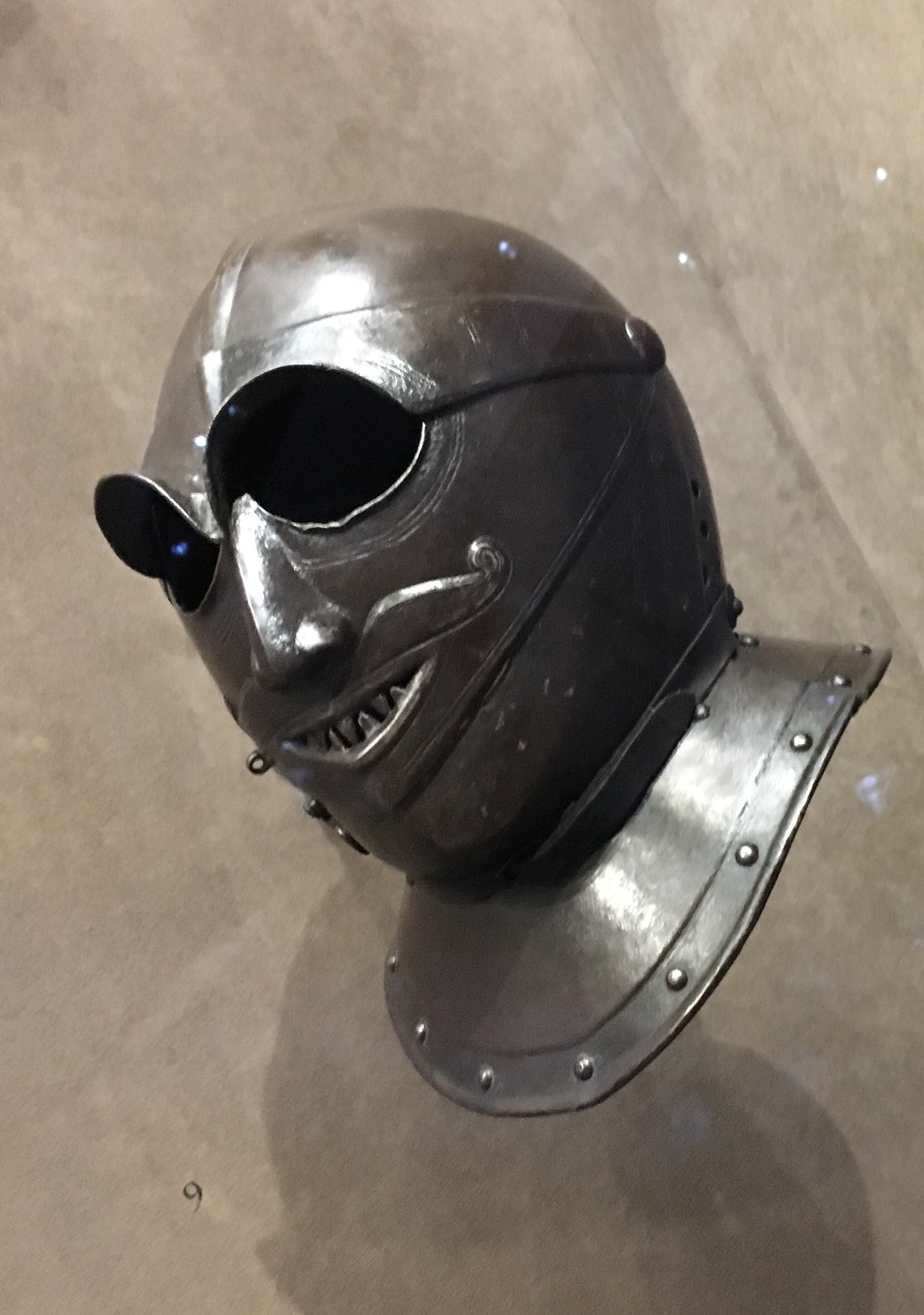
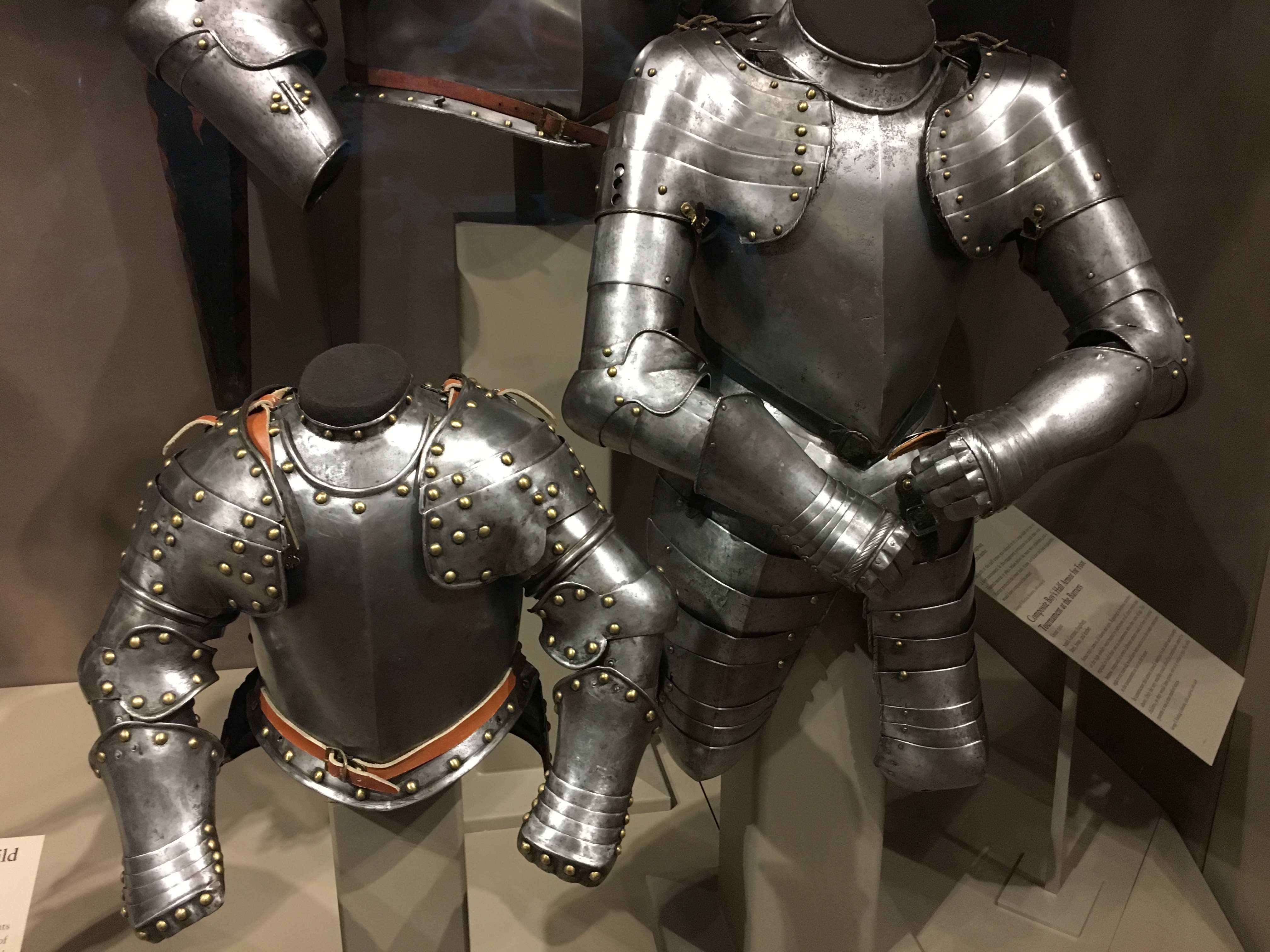

As always, all of the images in this post are my own.
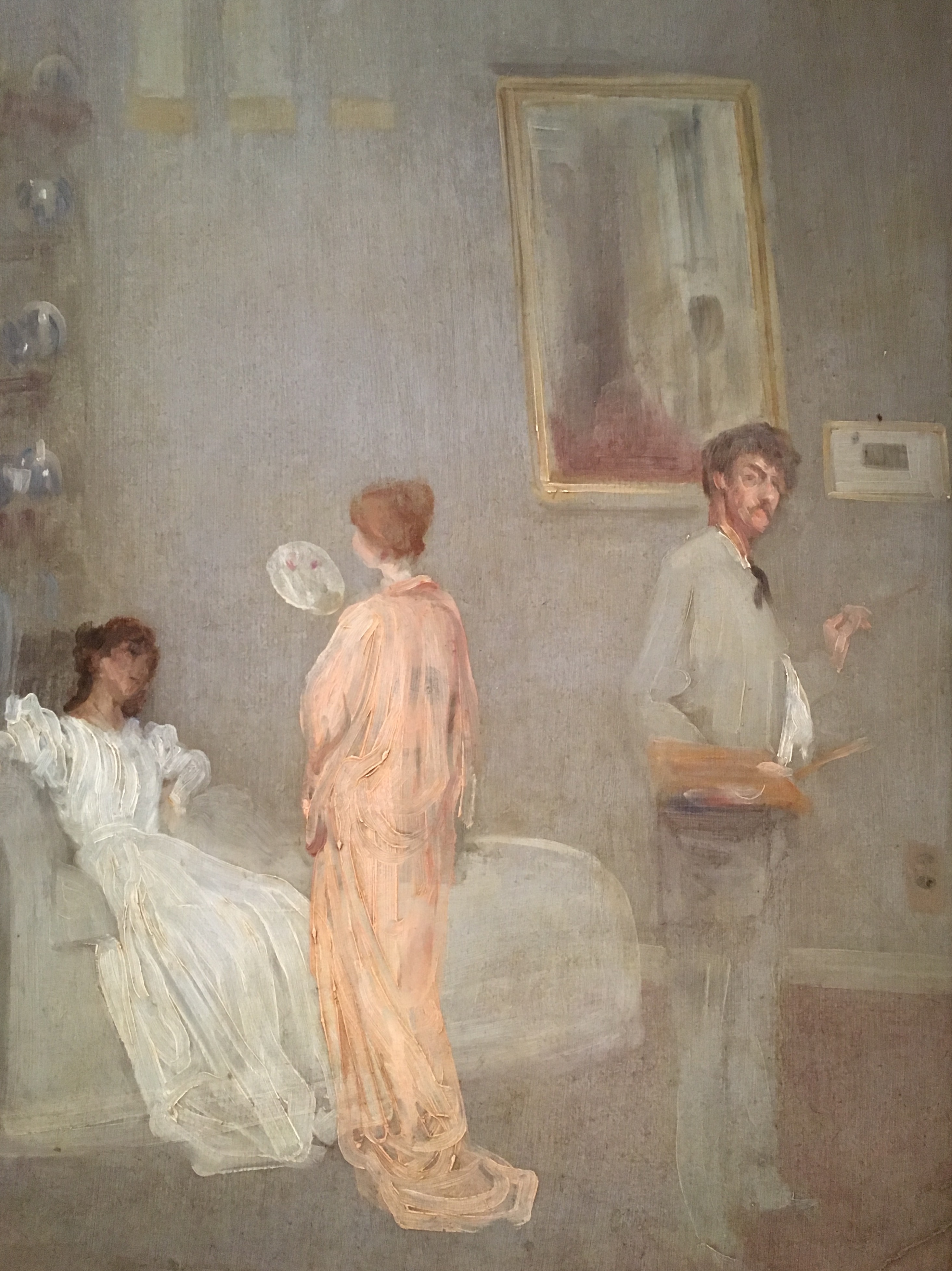
Doesn’t Whistler look a bit like Vonnegut in this painting?

Charles Sheeler’s The Artist Looks at Nature (1945).

Tawny frogmouths at the Milwaukee County Zoo.

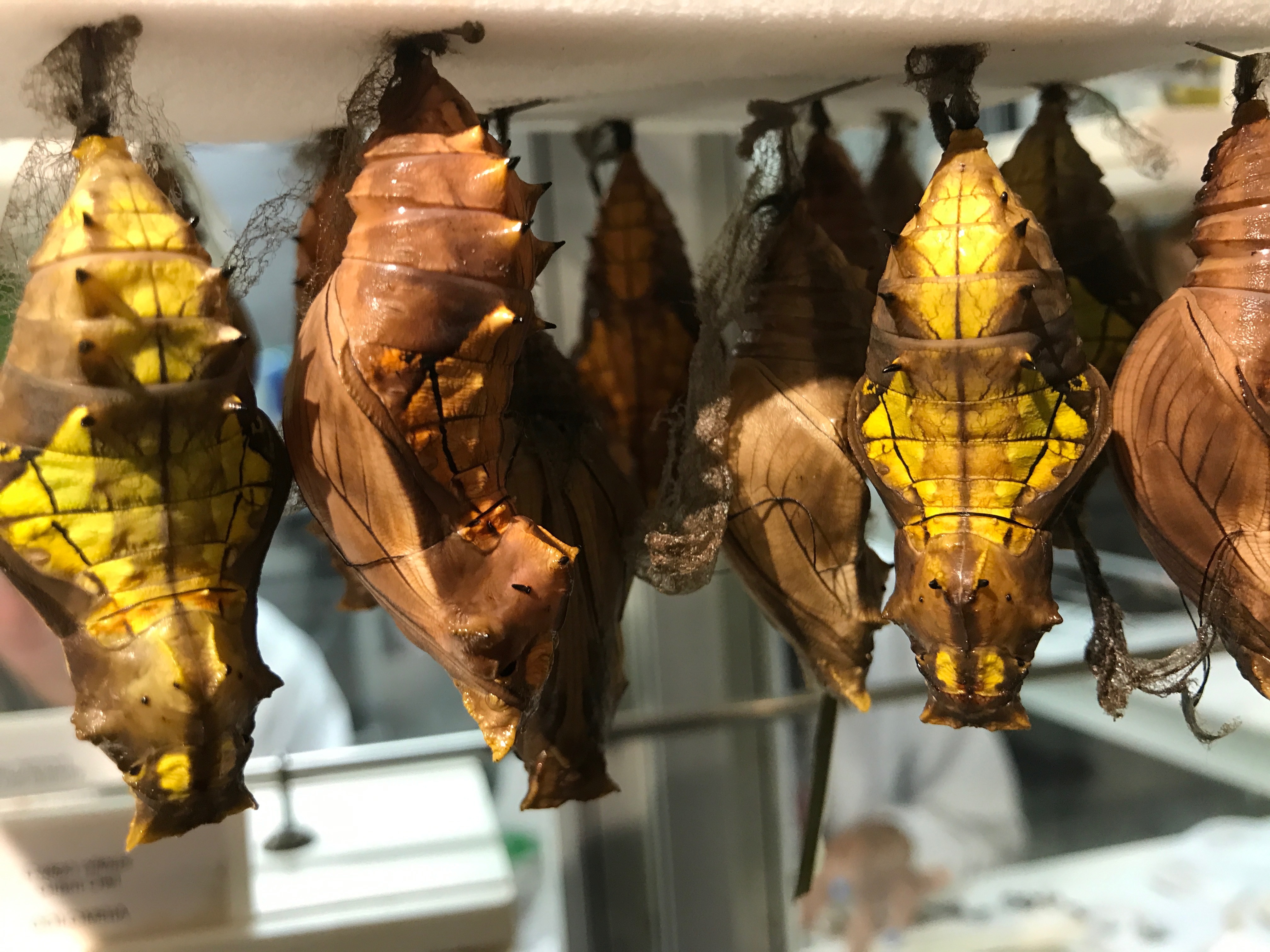 Between and among adventures, we had time to catch up on Colony (and discuss the apparent Lost parallels, including Snyder = Ben and “Not everything is as it may seem”), finish a few books (Shylock Is My Name is well worth the effort), and plan a few more excursions — although not for over the holiday. By design, our three-day respite will not take us further from home than half the distance of our longest bike ride.
What have you planned for the long weekend?
 Nerdishly