




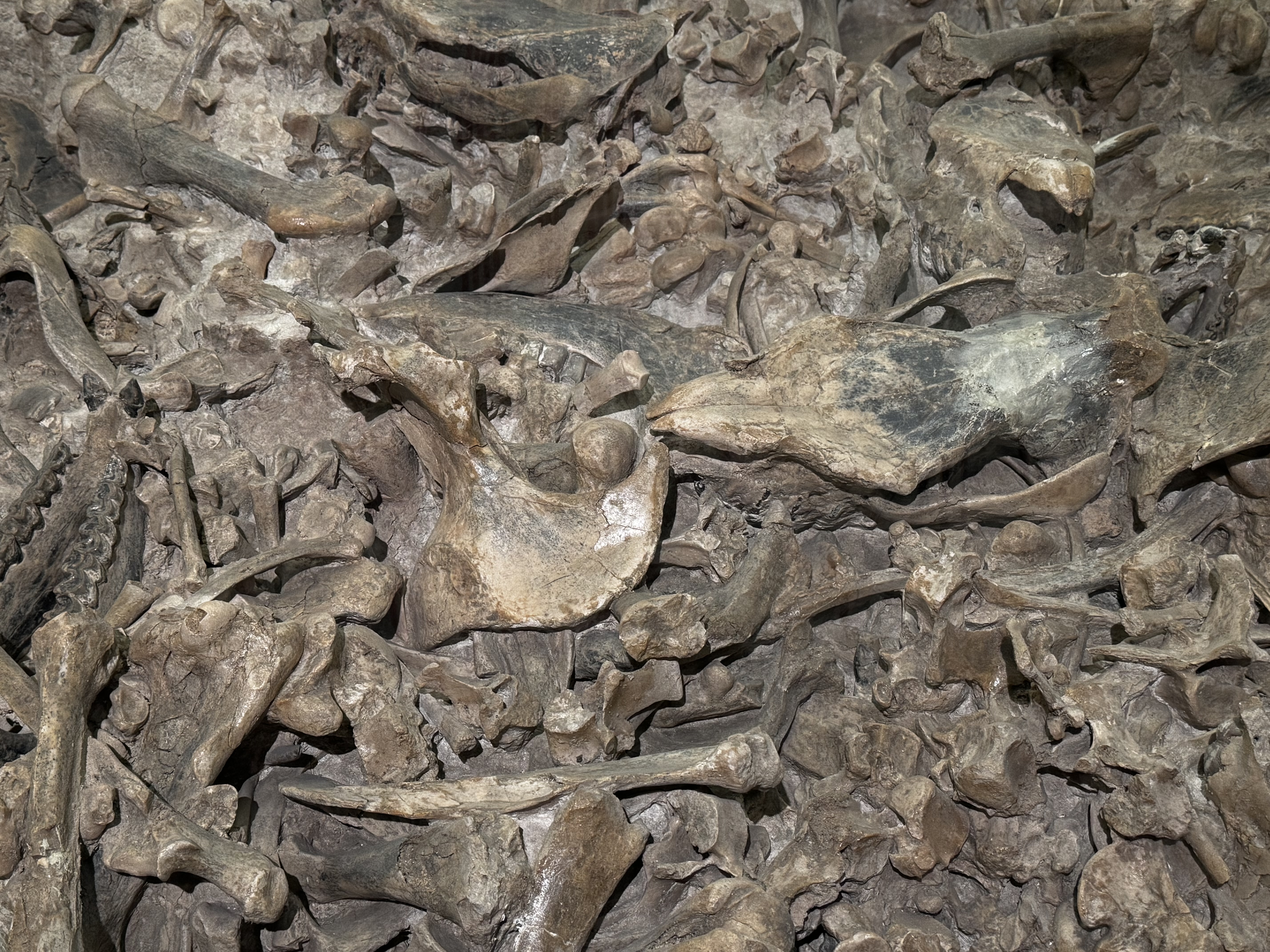
Saturday at the Harvard Museum of Natural History.
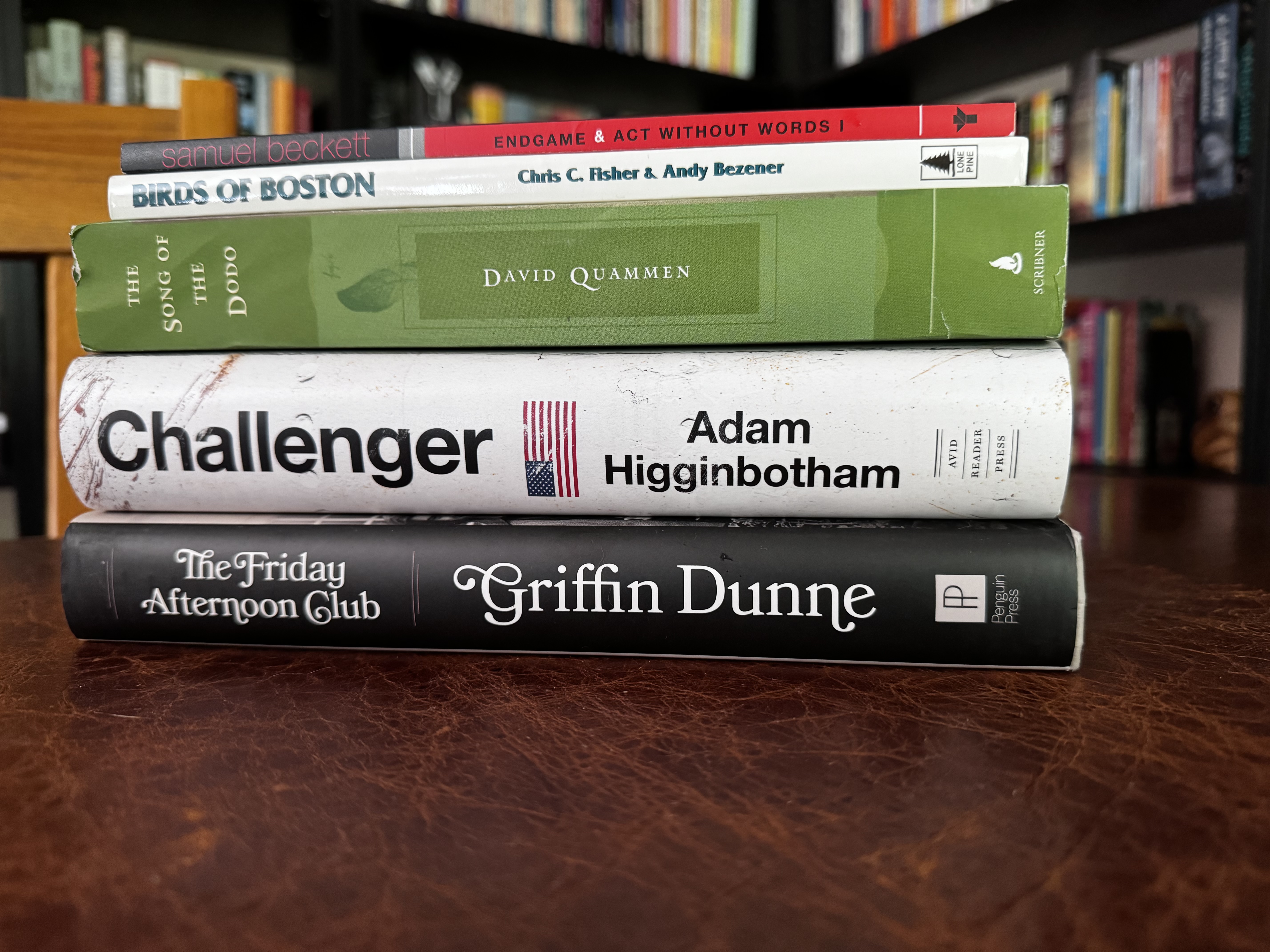
The books above arrived while I was in Ann Arbor for a quick “reconnect and recharge” with my two favorite humans. Ordinarily, the drive there takes about five hours, but the last few times, it has taken much longer. On Friday, I left thinking I’d arrive by 7 p.m. their time, but I pulled into their driveway just before 10 p.m. Yeah, that’s pretty rough, but we had a wonderful visit, including a trip to Matthaei Botanical Gardens.

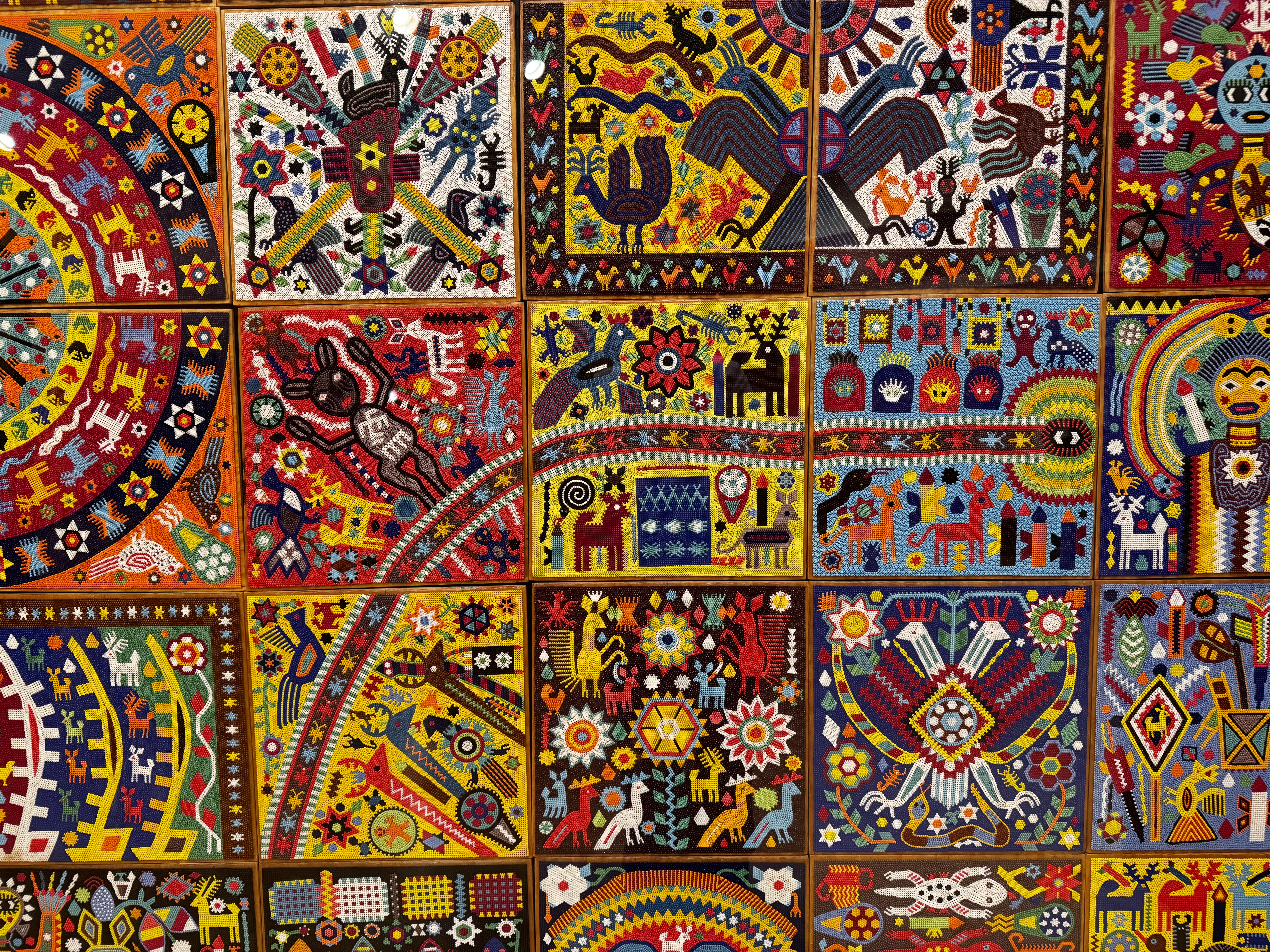


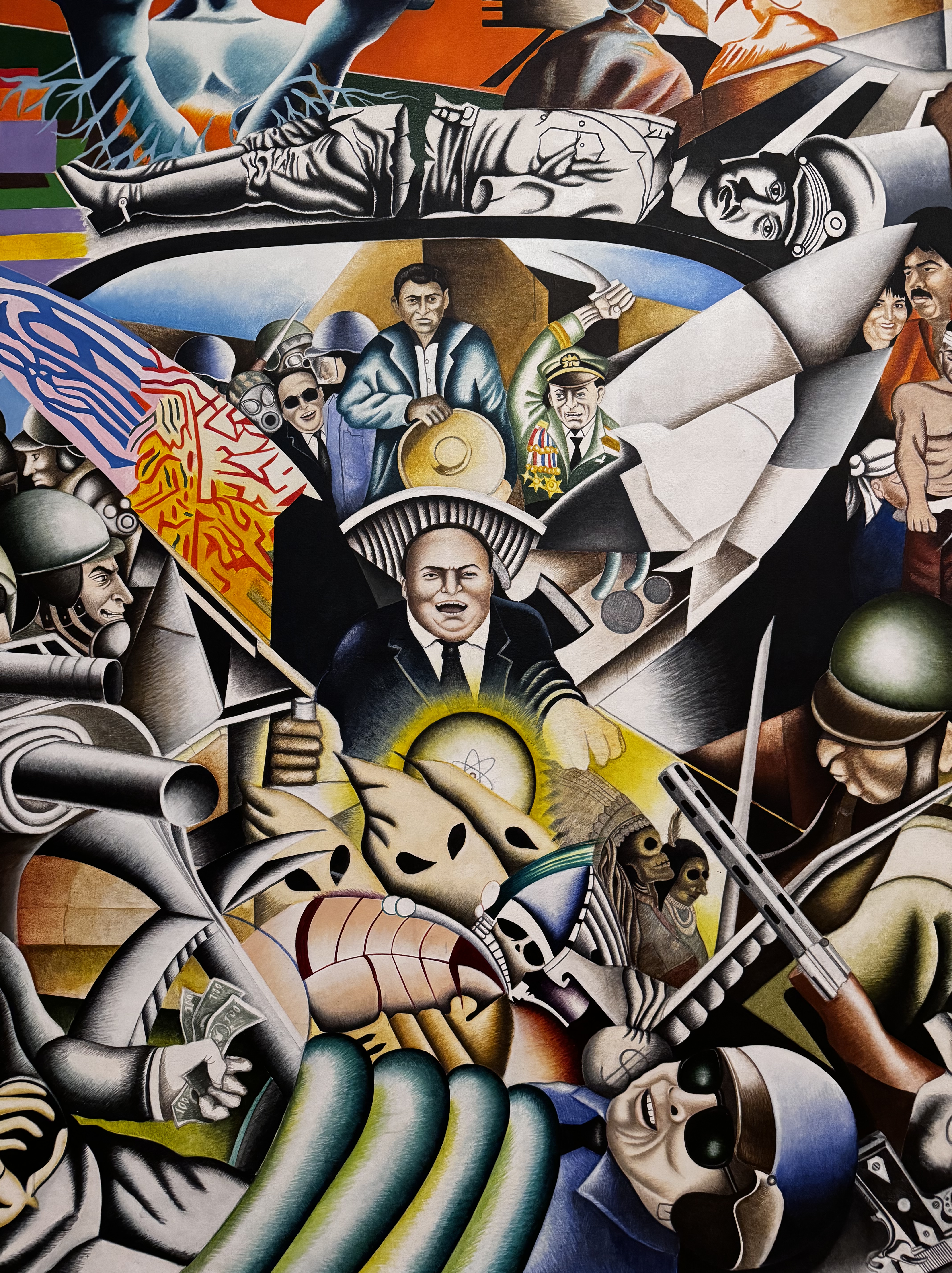
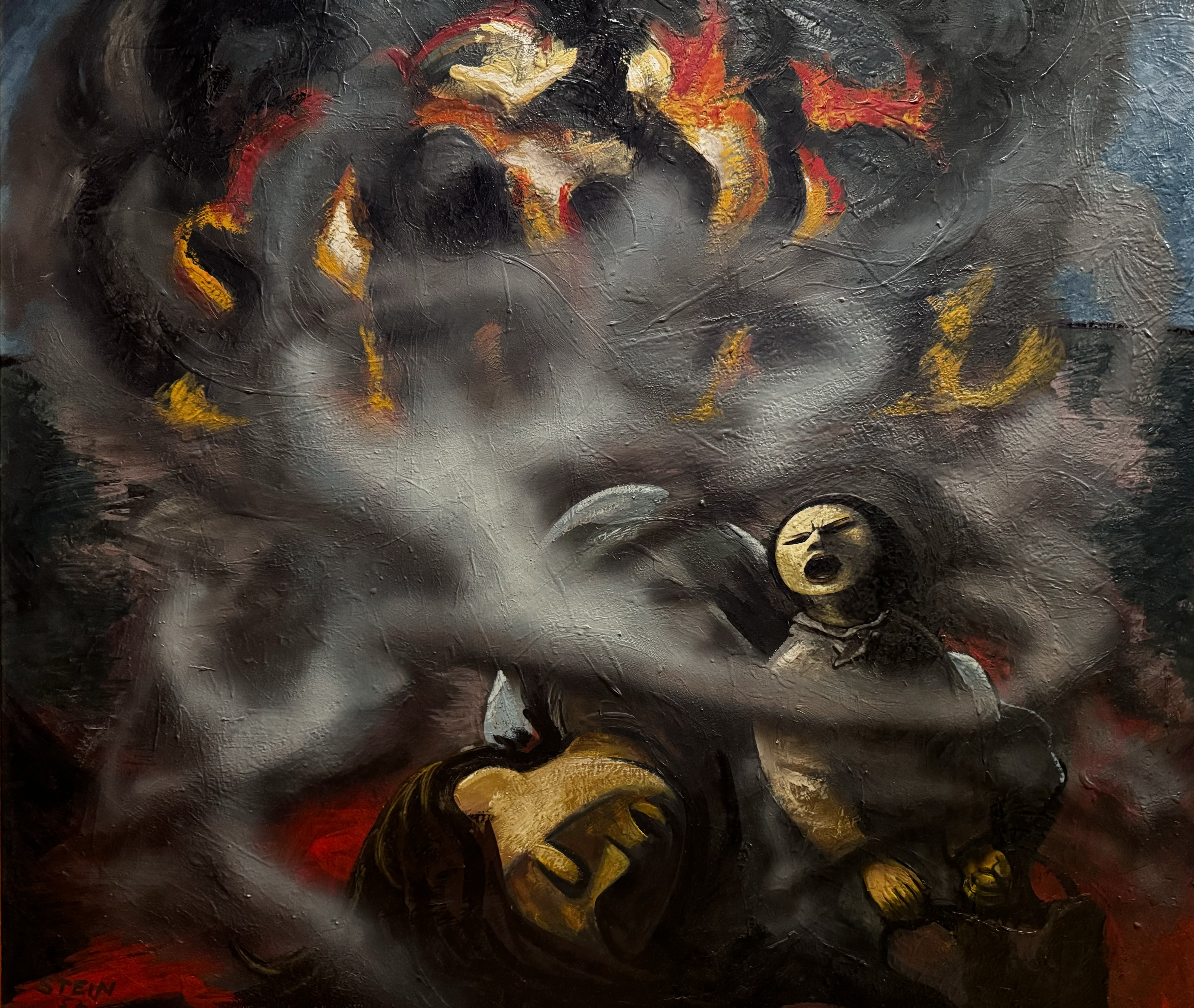
At the National Museum of Mexican Art.


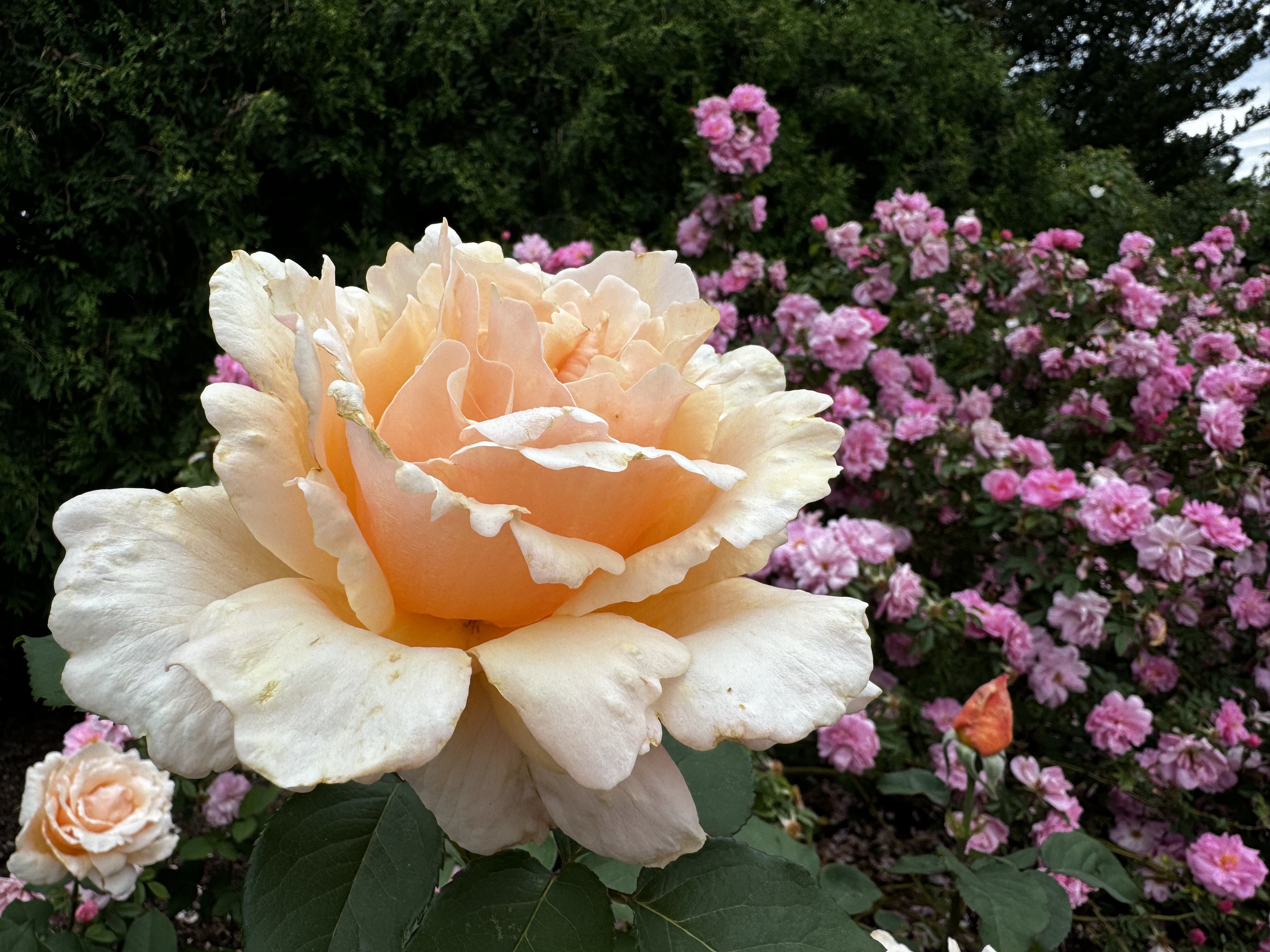
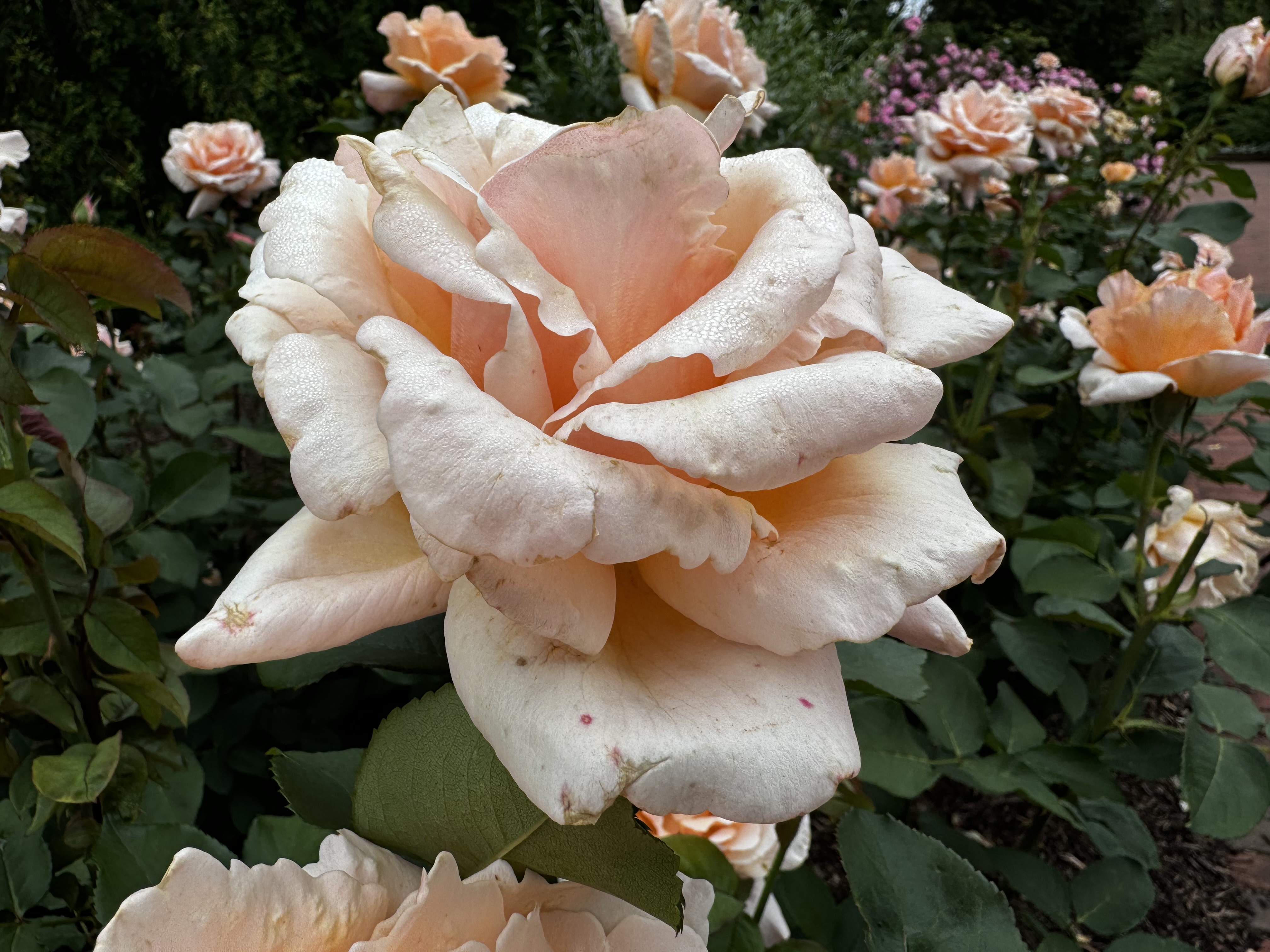
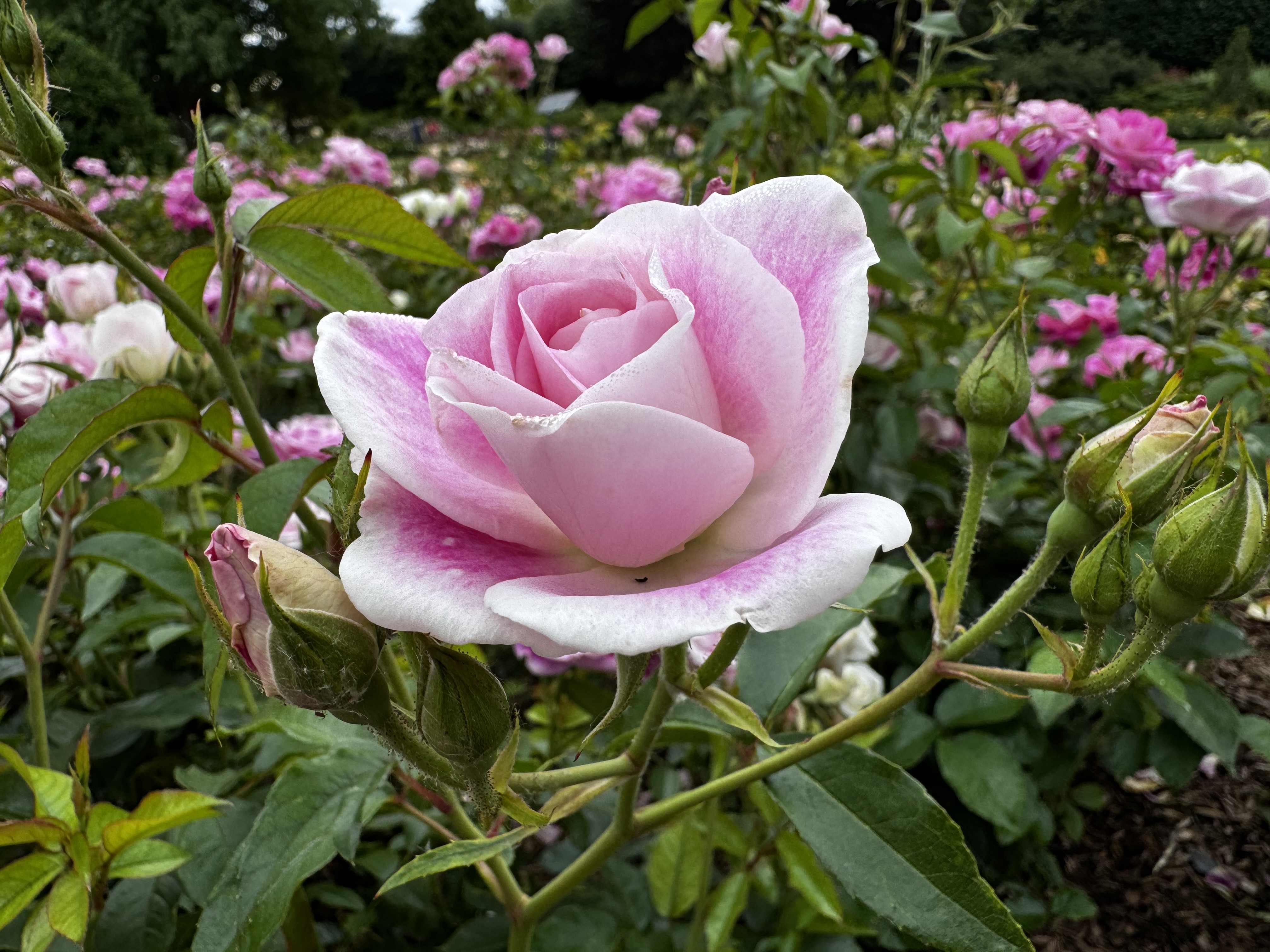

Roses. At the Chicago Botanic Garden this morning.


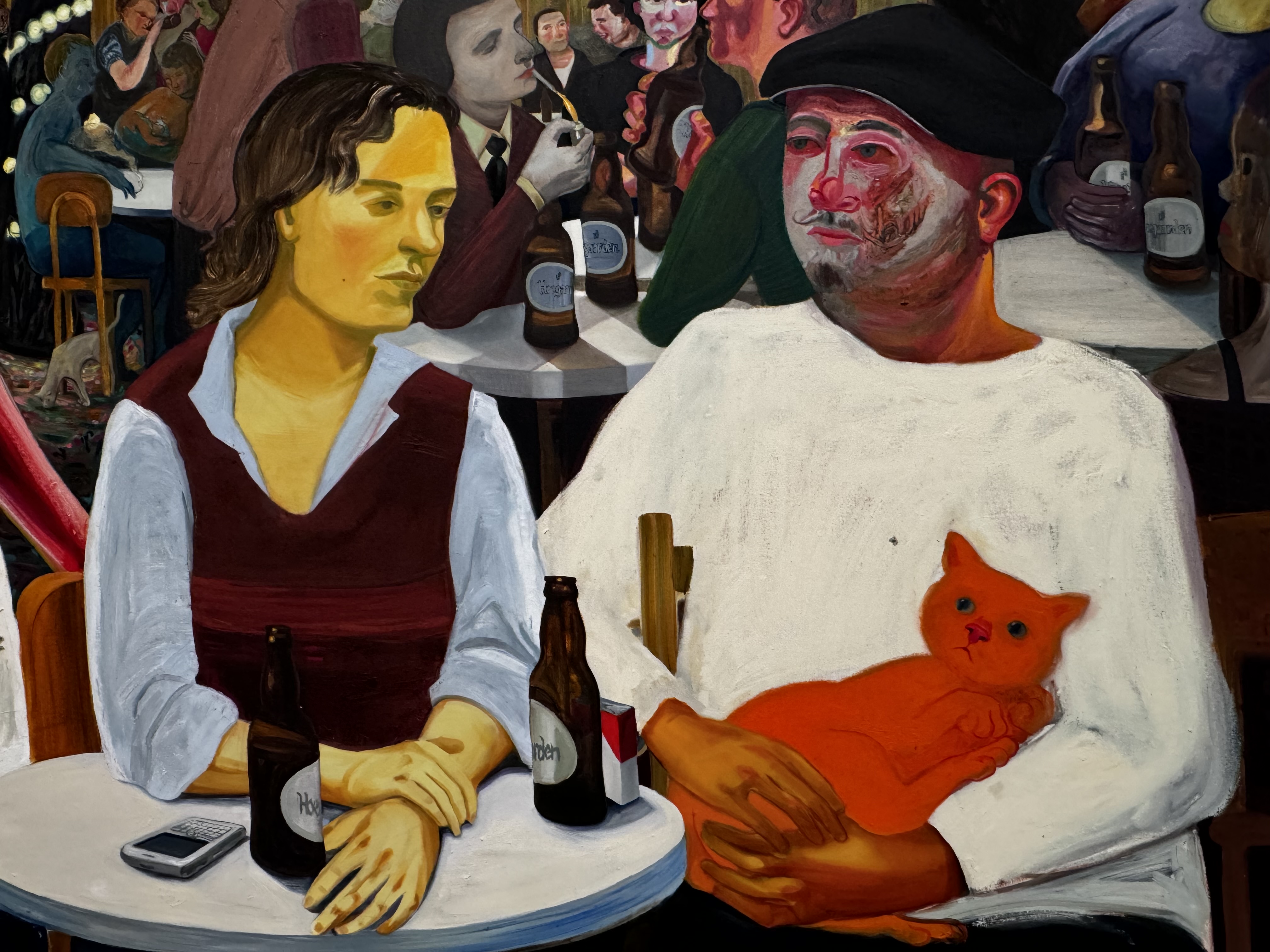

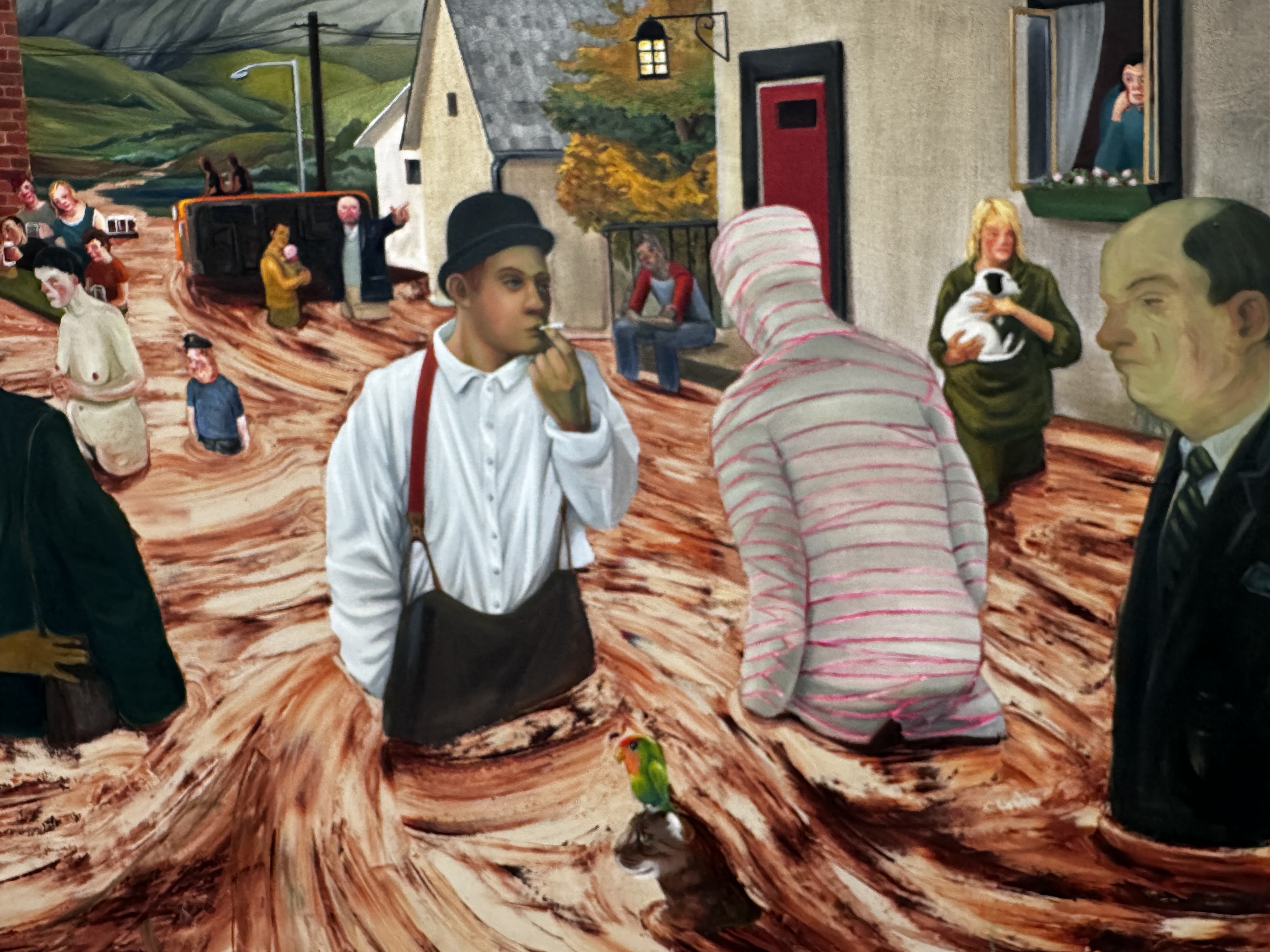
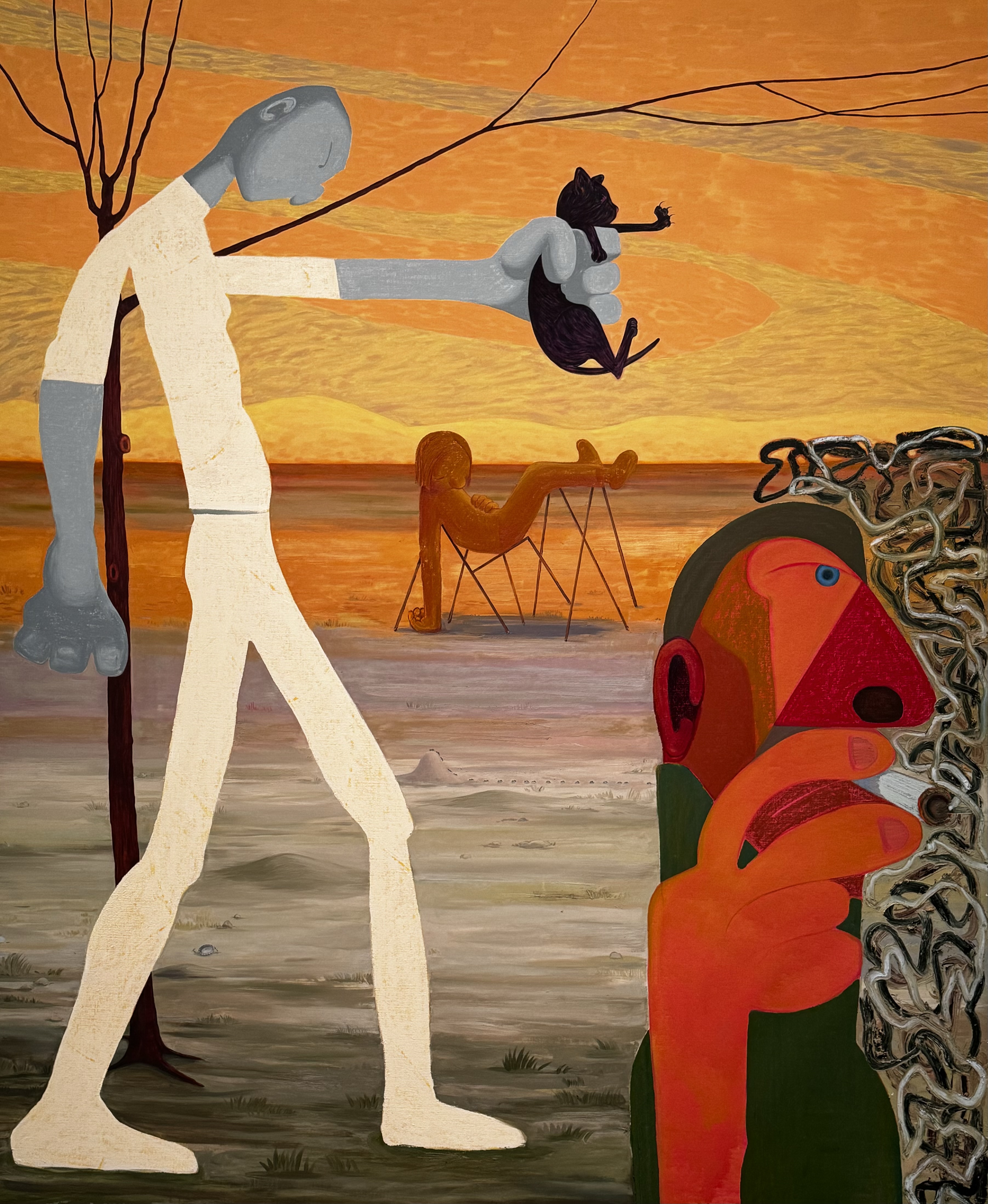
My images of work seen at Nicole Eisenman: What Happened,
now at the Museum of Contemporary Art.
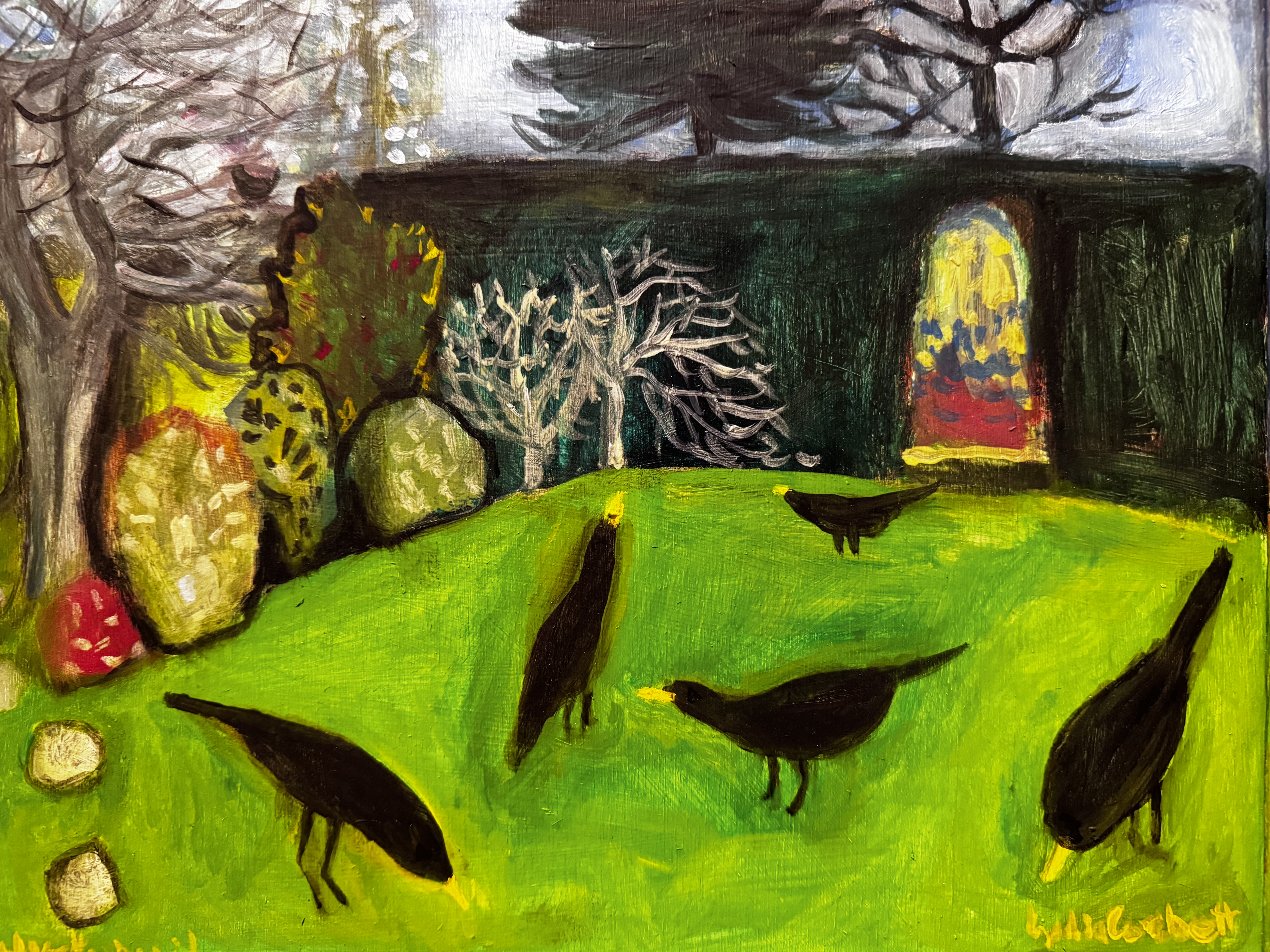


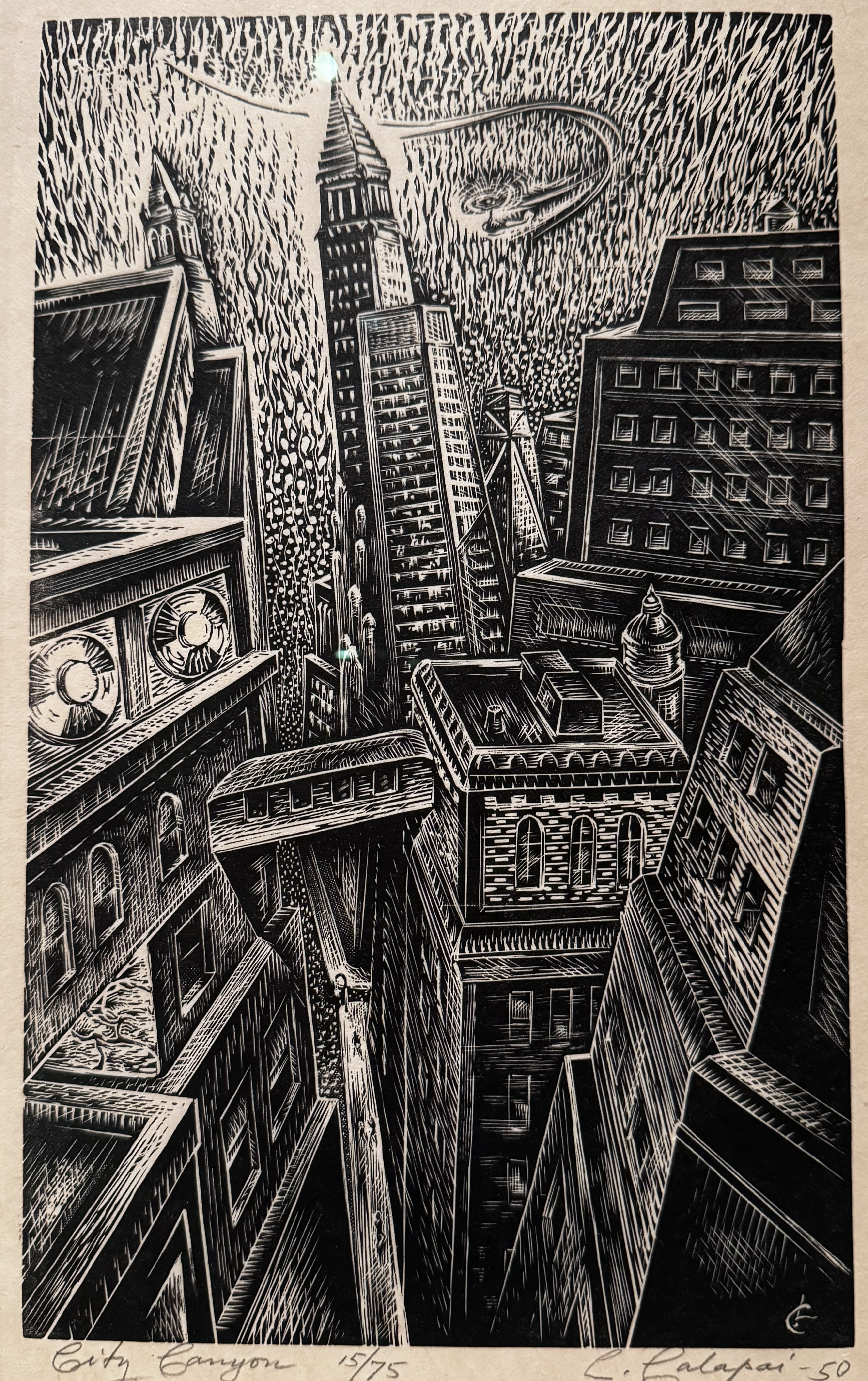

My images of detail from the following works:
✤ “Blackbird Song” by Sylvette David (2000)
✤ “Spider Queen (Rèn Zarenyen)” by Préfète Duffaut (circa 1958)
✤ ”Still Life with Ace of Spades” by Henri Hayden (1918)
✤ “City Canyon” by Letterio Calapai (1950)
✤ ”Prelude — until time has dropped” by Idris Khan (2022)

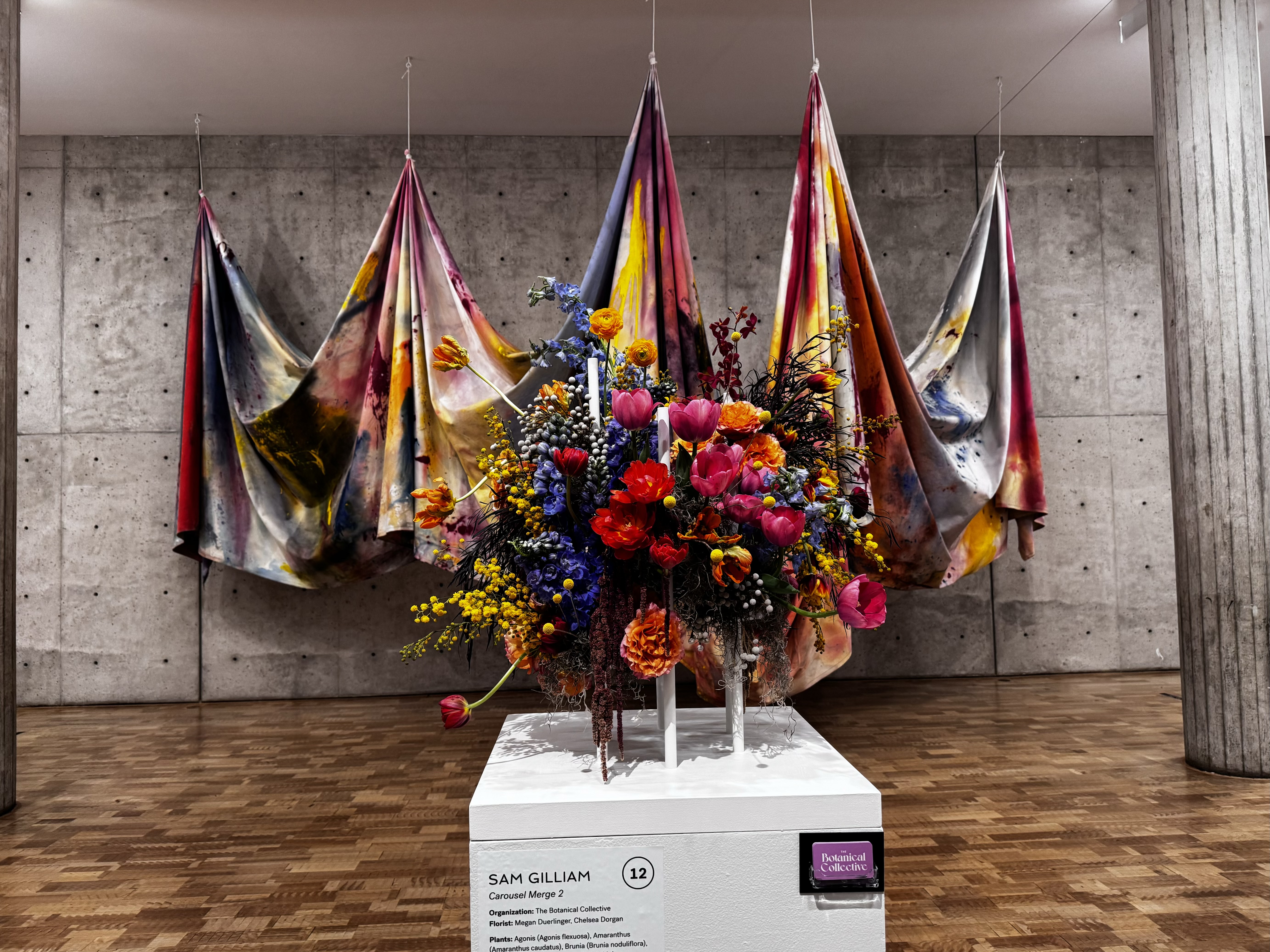
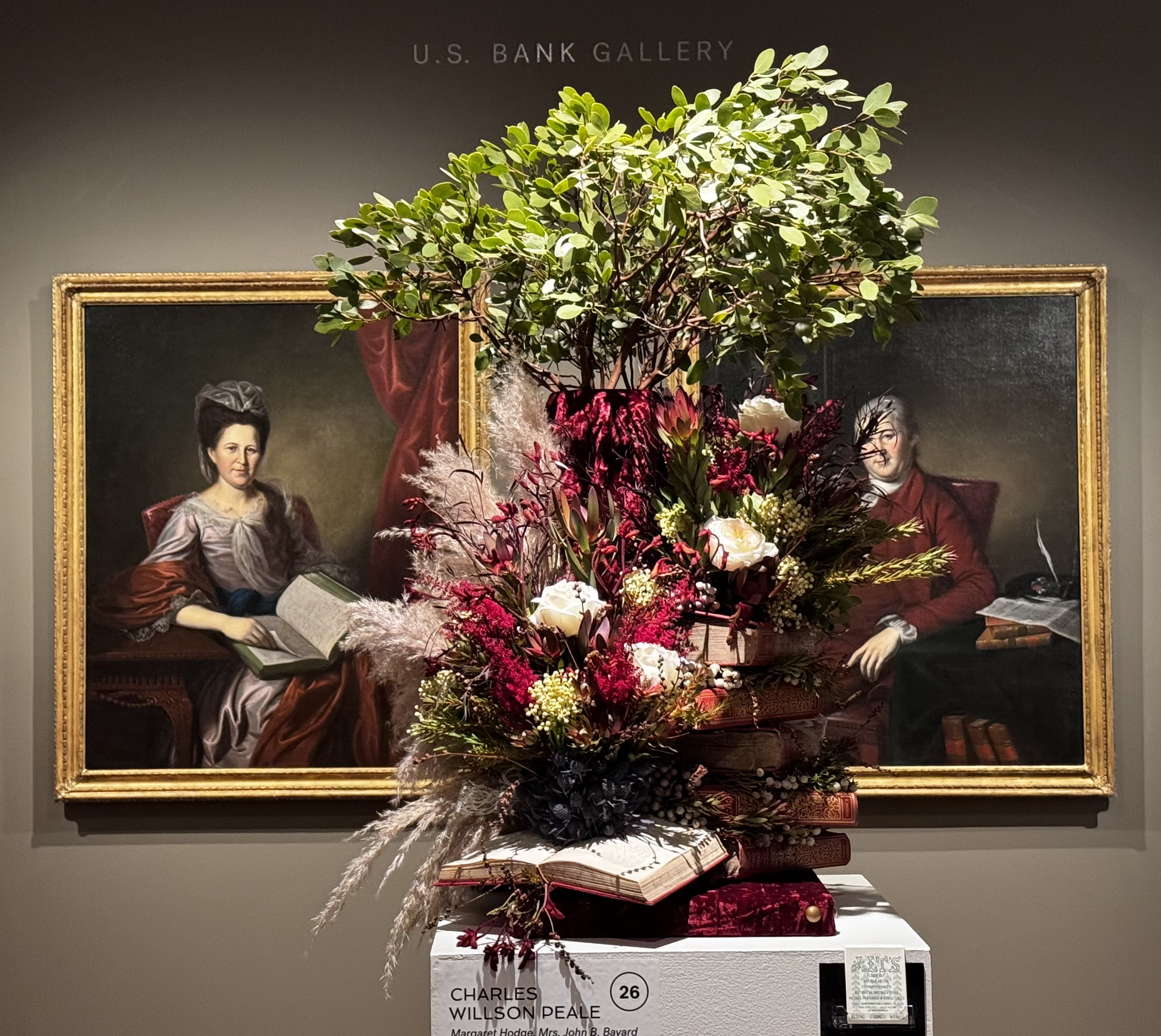
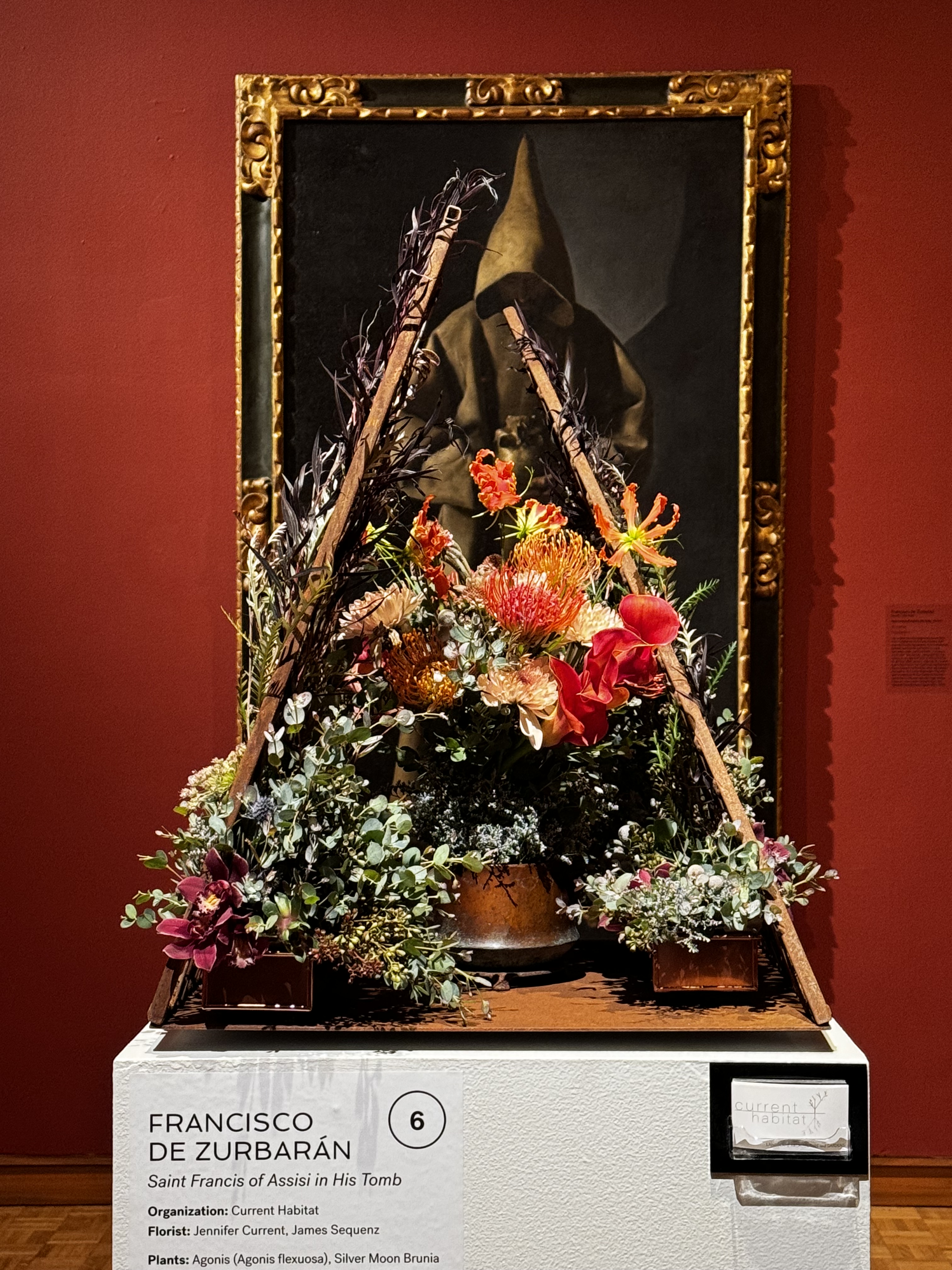

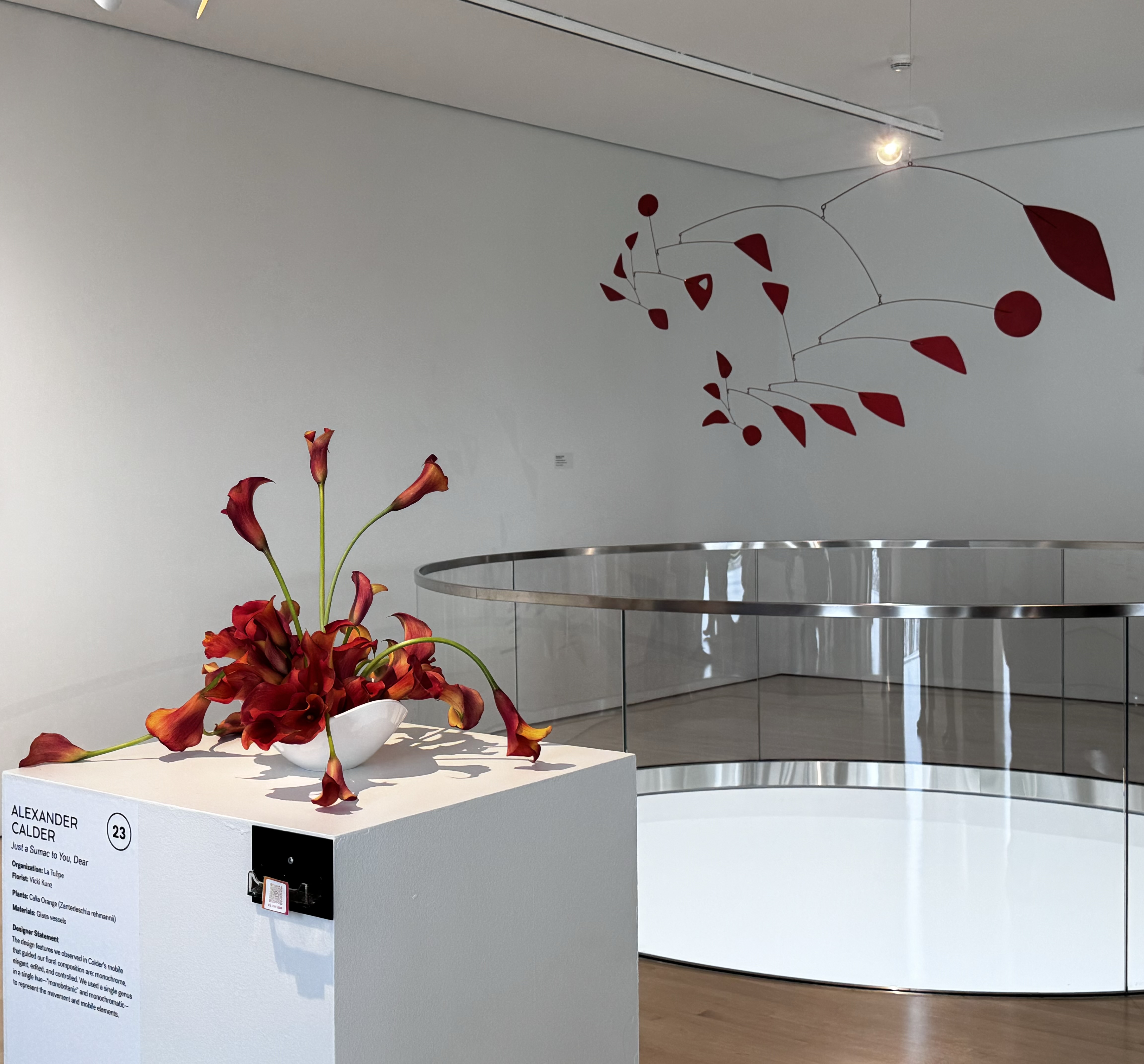
At the Milwaukee Art Museum.