


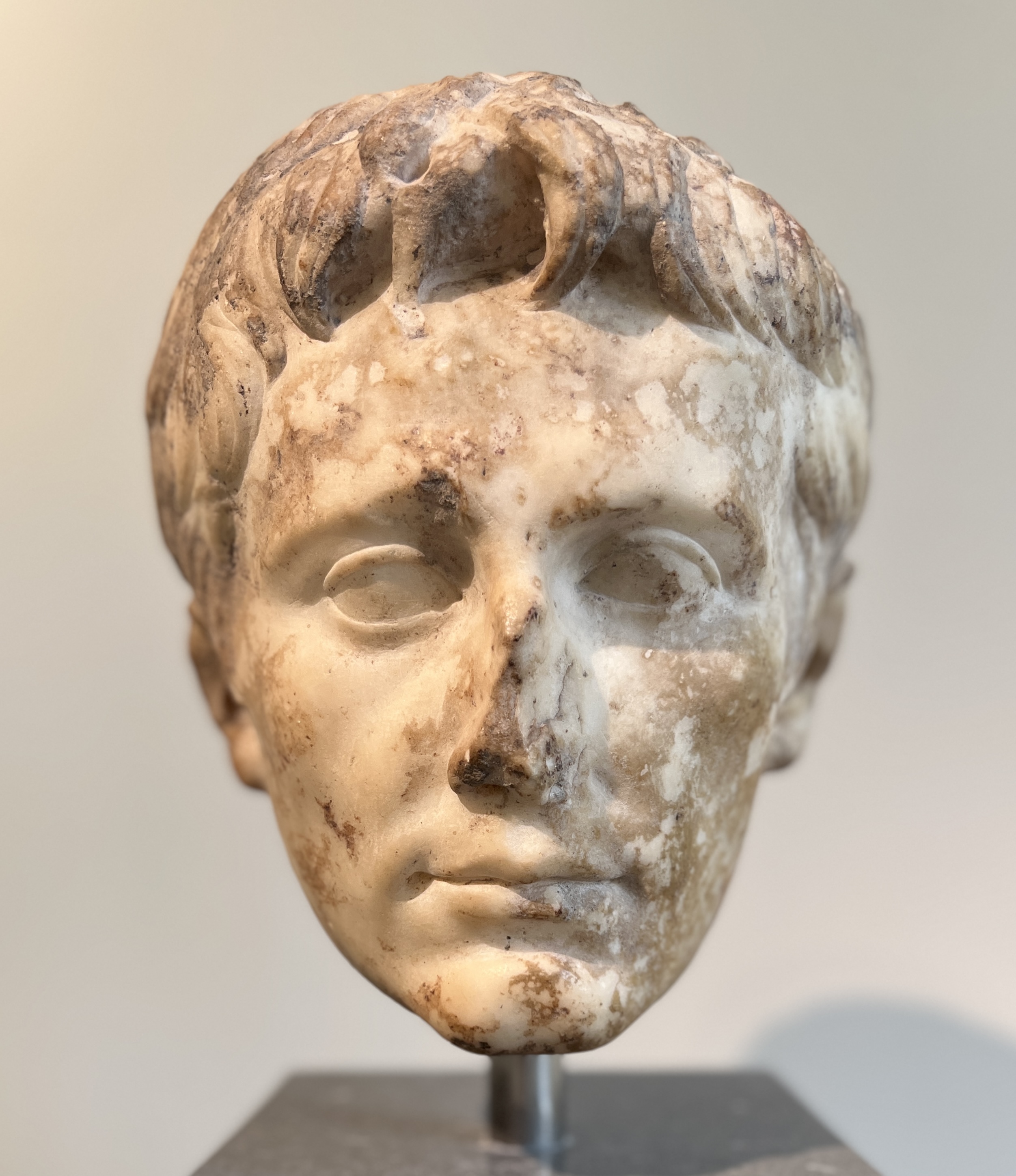
My final stop at the Met last Monday.
My final stop at the Met last Monday.
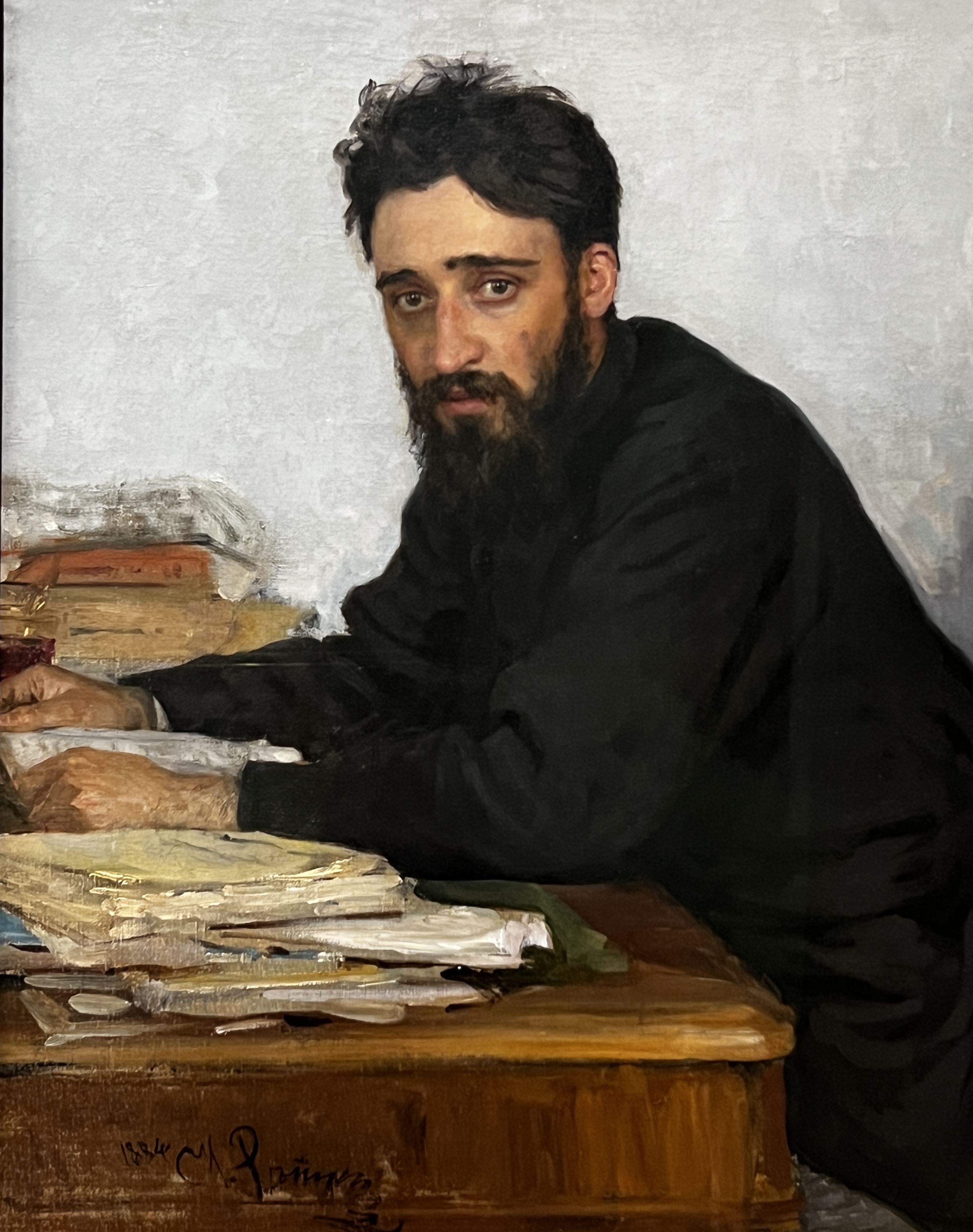
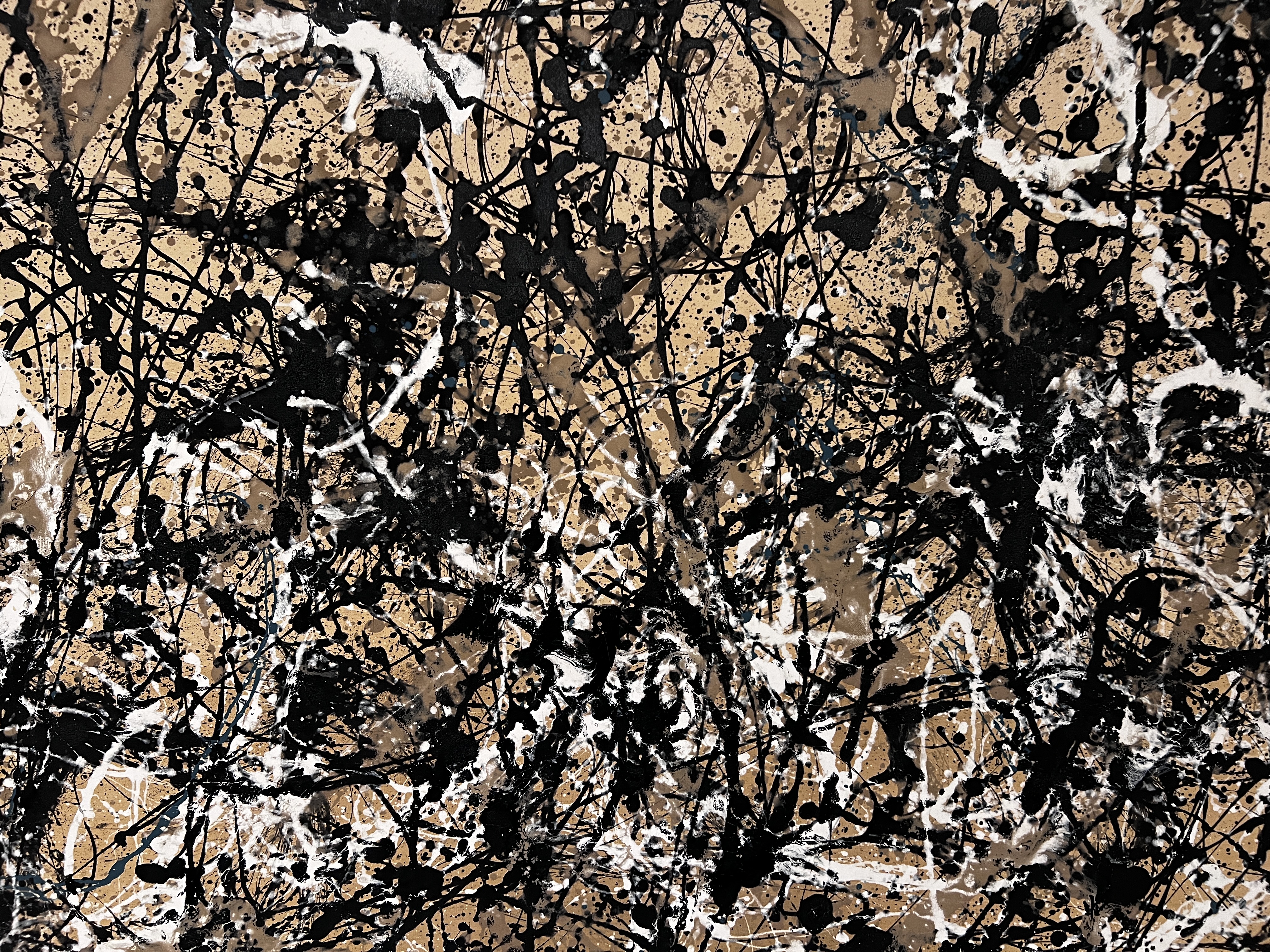
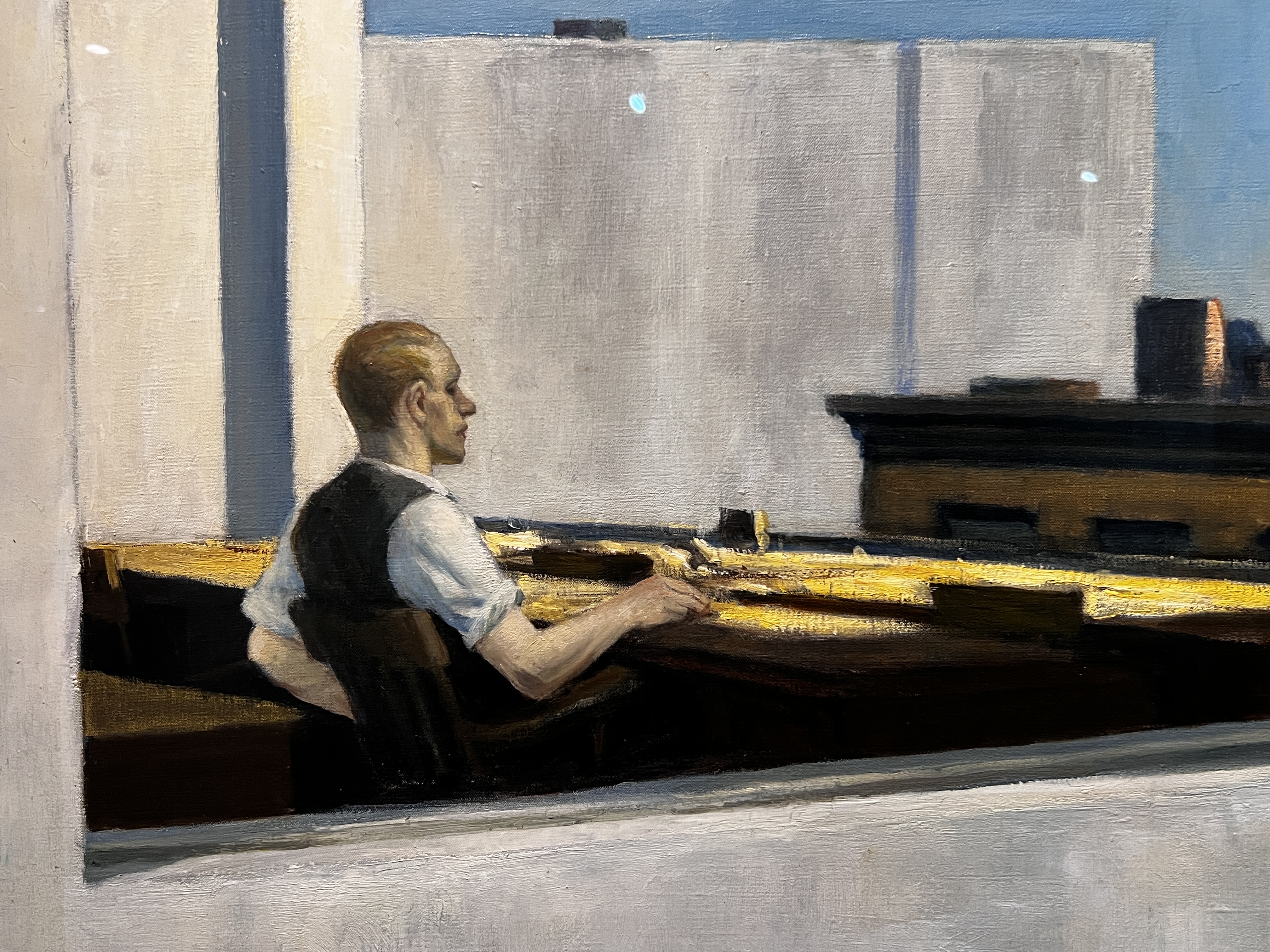
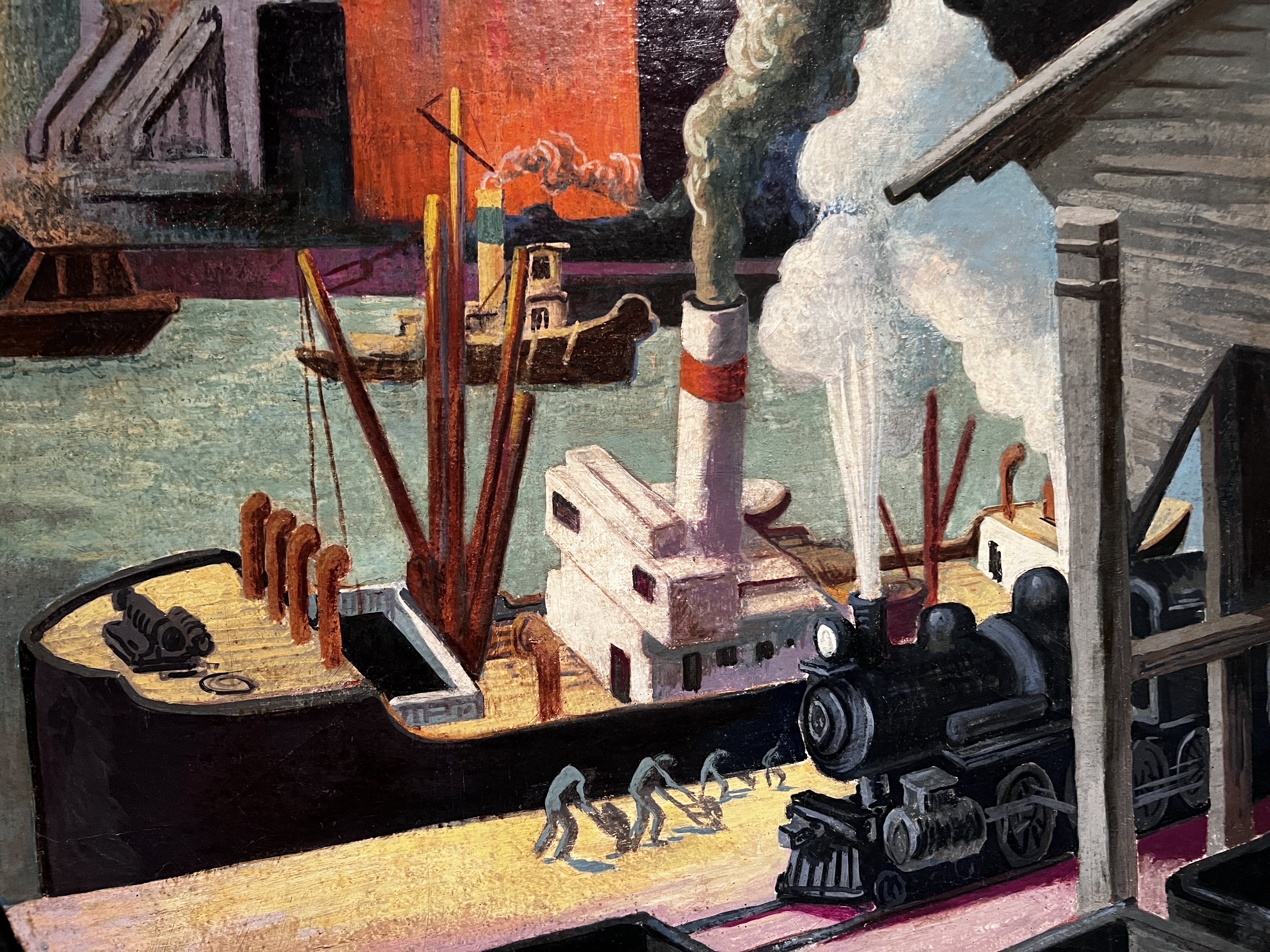
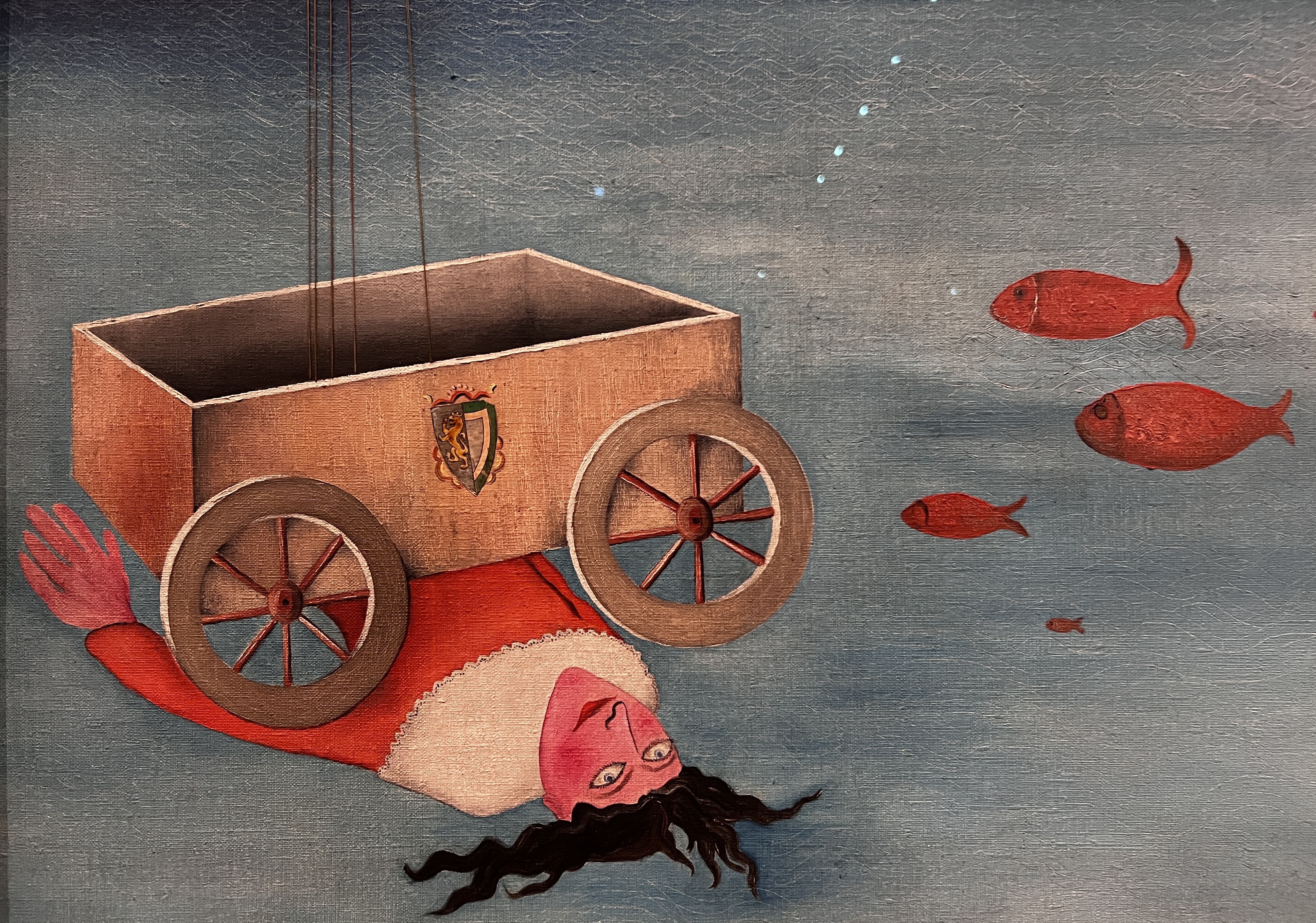


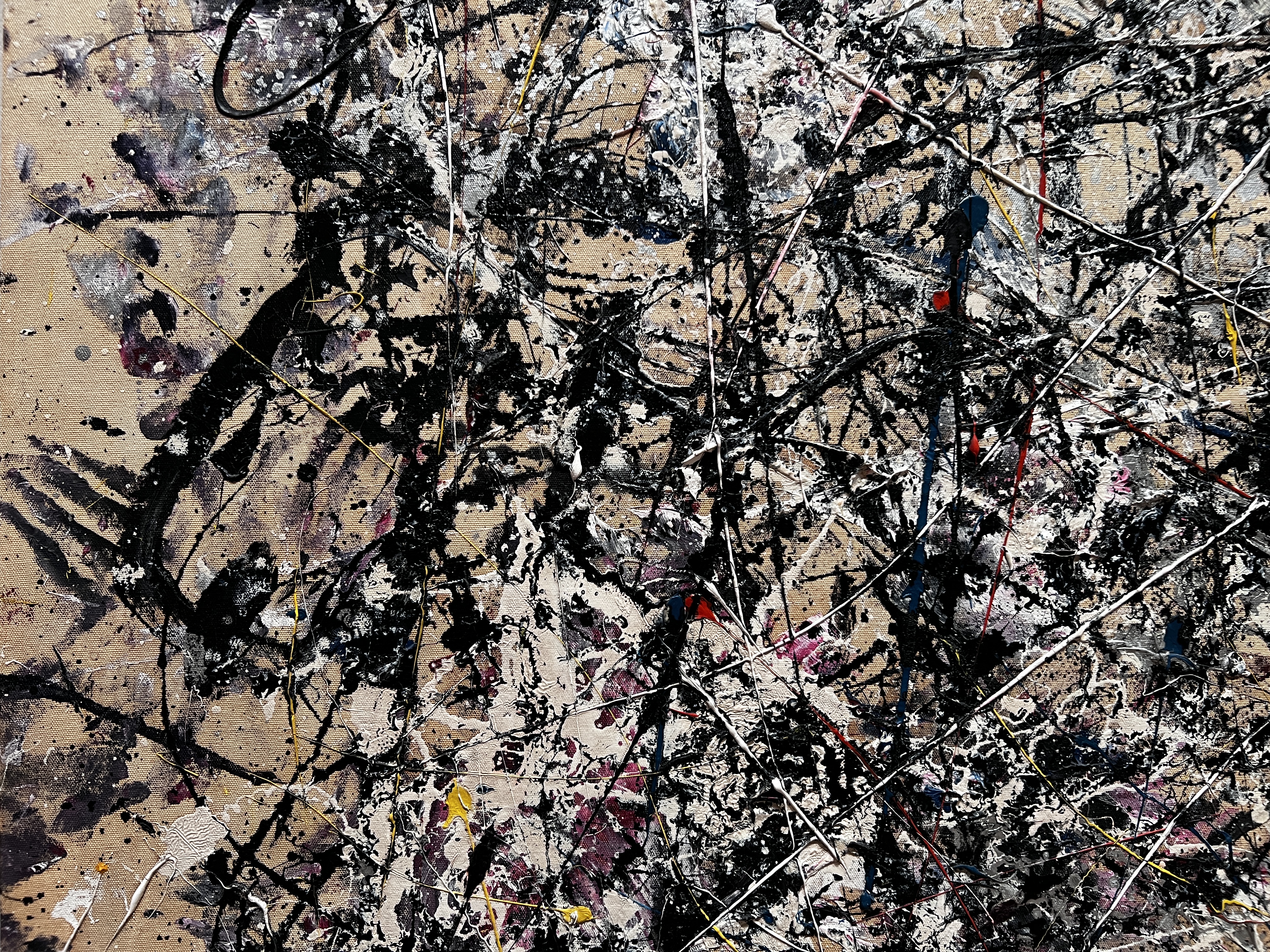
The above are my images of detail from the following works of art:
✤ Illia Repin (Ilia Efimovich Repin). Vsevolod Mikhailovich Garshin (1855-1888). 1864
✤ Jackson Pollock. Autumn Rhythm (Number 30). 1950
✤ Edward Hopper. Office in a Small City. 1953
✤ Thomas Hart Benton. America Today.1930-31
✤ Yves Tanguy. Title Unknown.1926
✤ Cecily Brown. Aujourd’hui Rose. 2005
✤ Marble head of Epikouros. Roman, Imperial Period, 2nd century A.D.

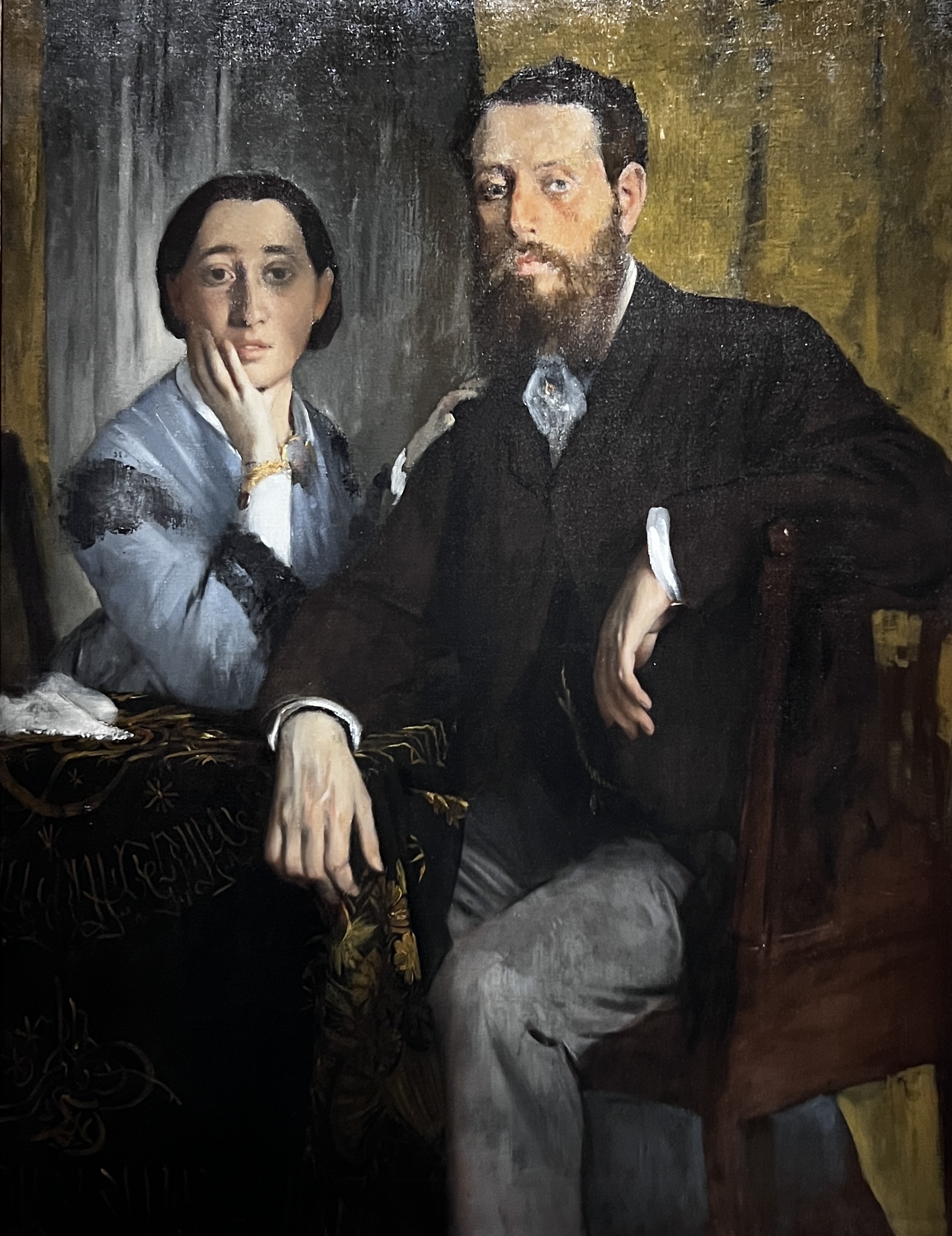

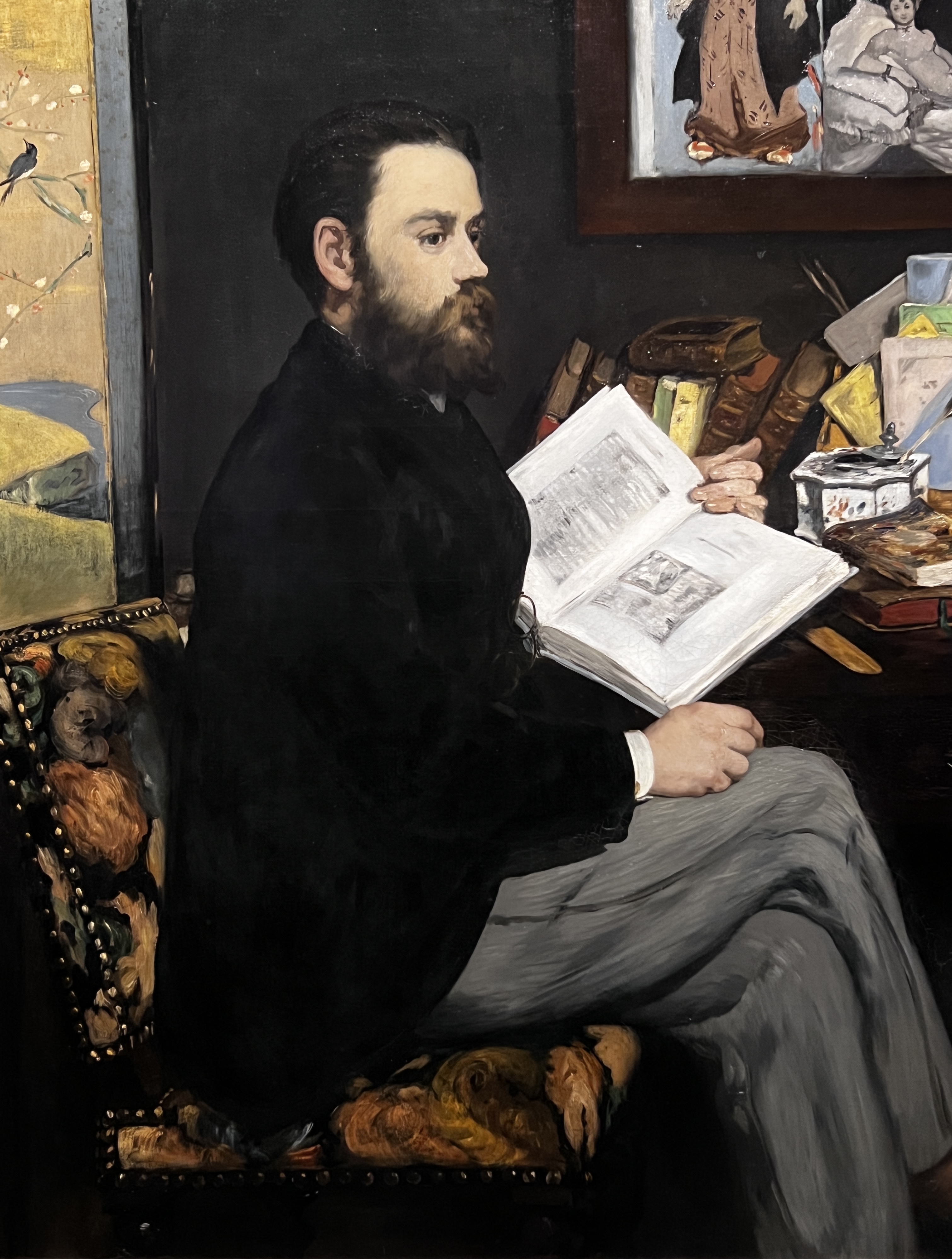


The above are my images of detail from the following works of art:
✤ Edgar Degas. Édouard Manet Standing. circa 1868
✤ Edgar Degas. Edmondo and Thérése Morbilli. circa 1865
✤ Édouard Manet. The Dead Toreador. probably 1864
✤ Édouard Manet. Émile Zola. 1868
✤ Édouard Manet. The Races at Longchamp. 1866
✤ Edgar Degas. The Orchestra of the Opera. circa 1870


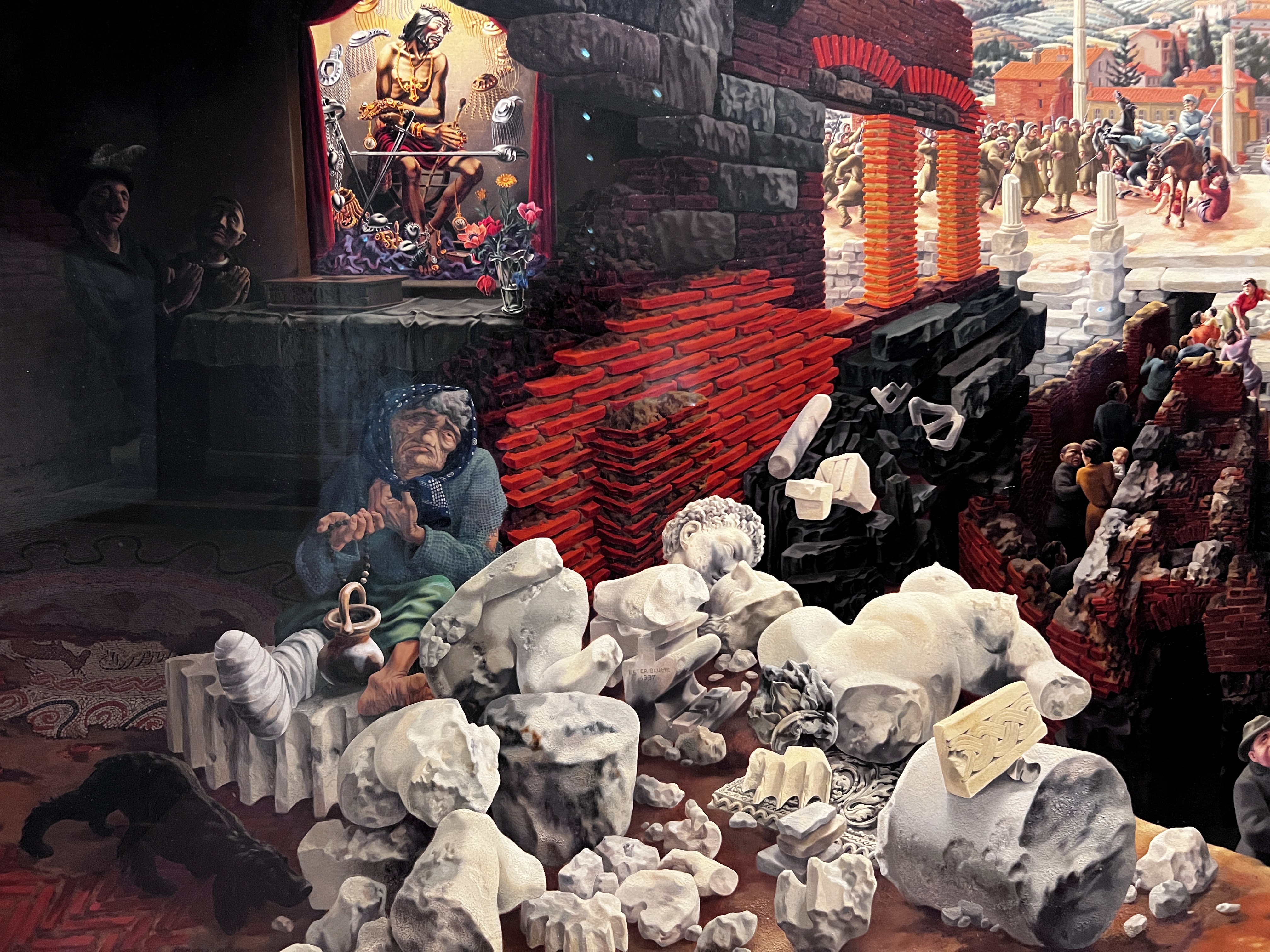
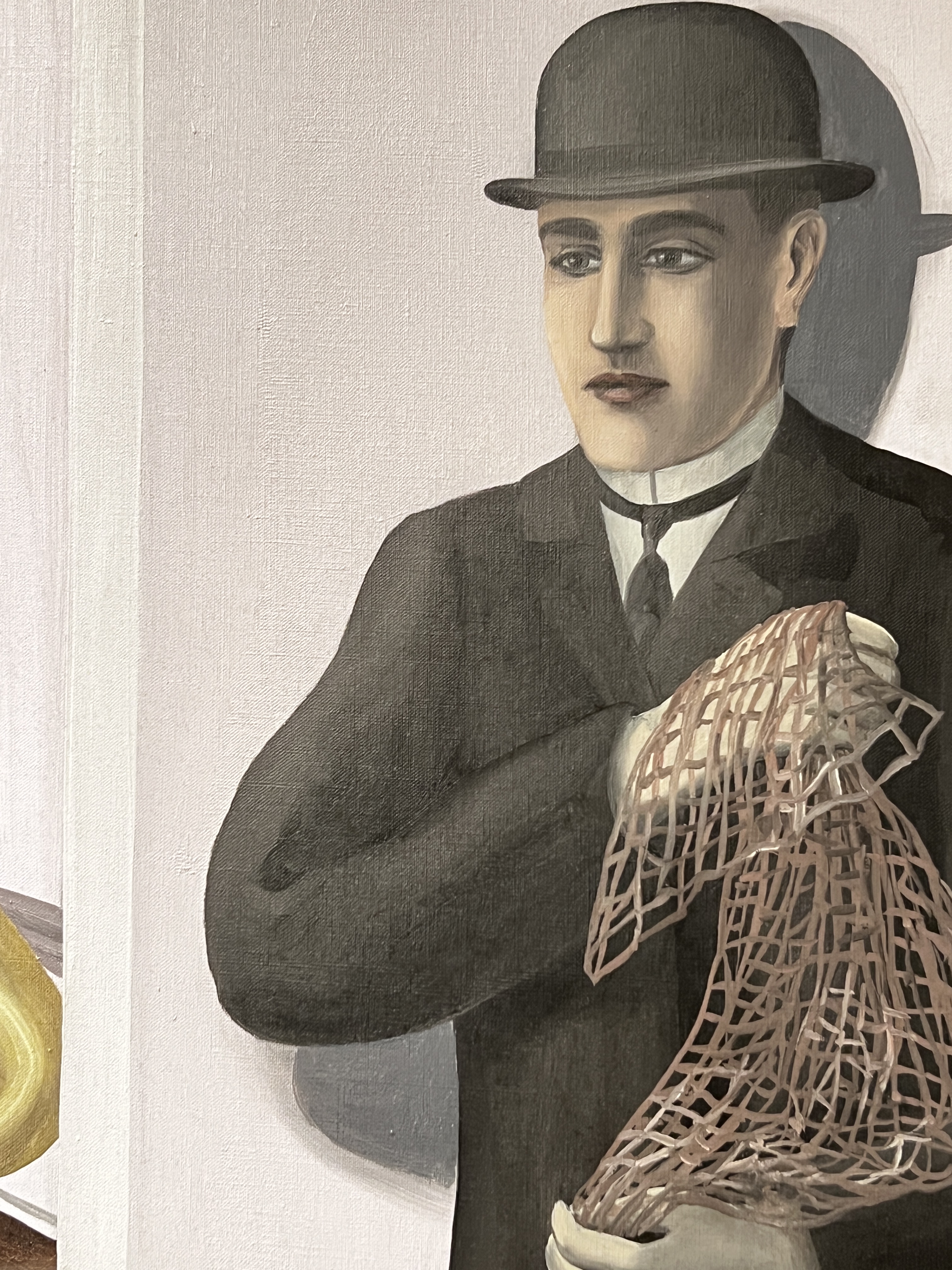
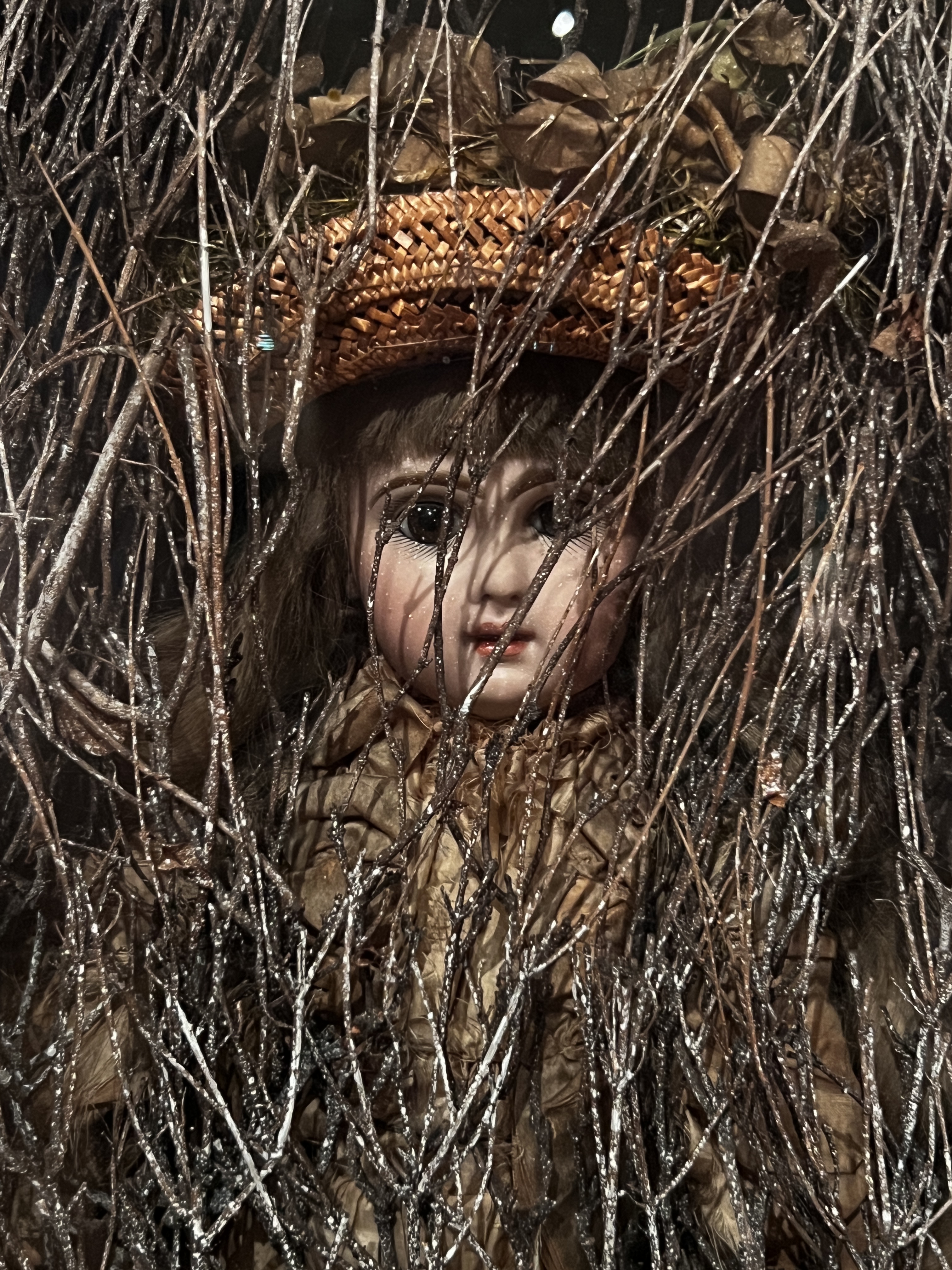
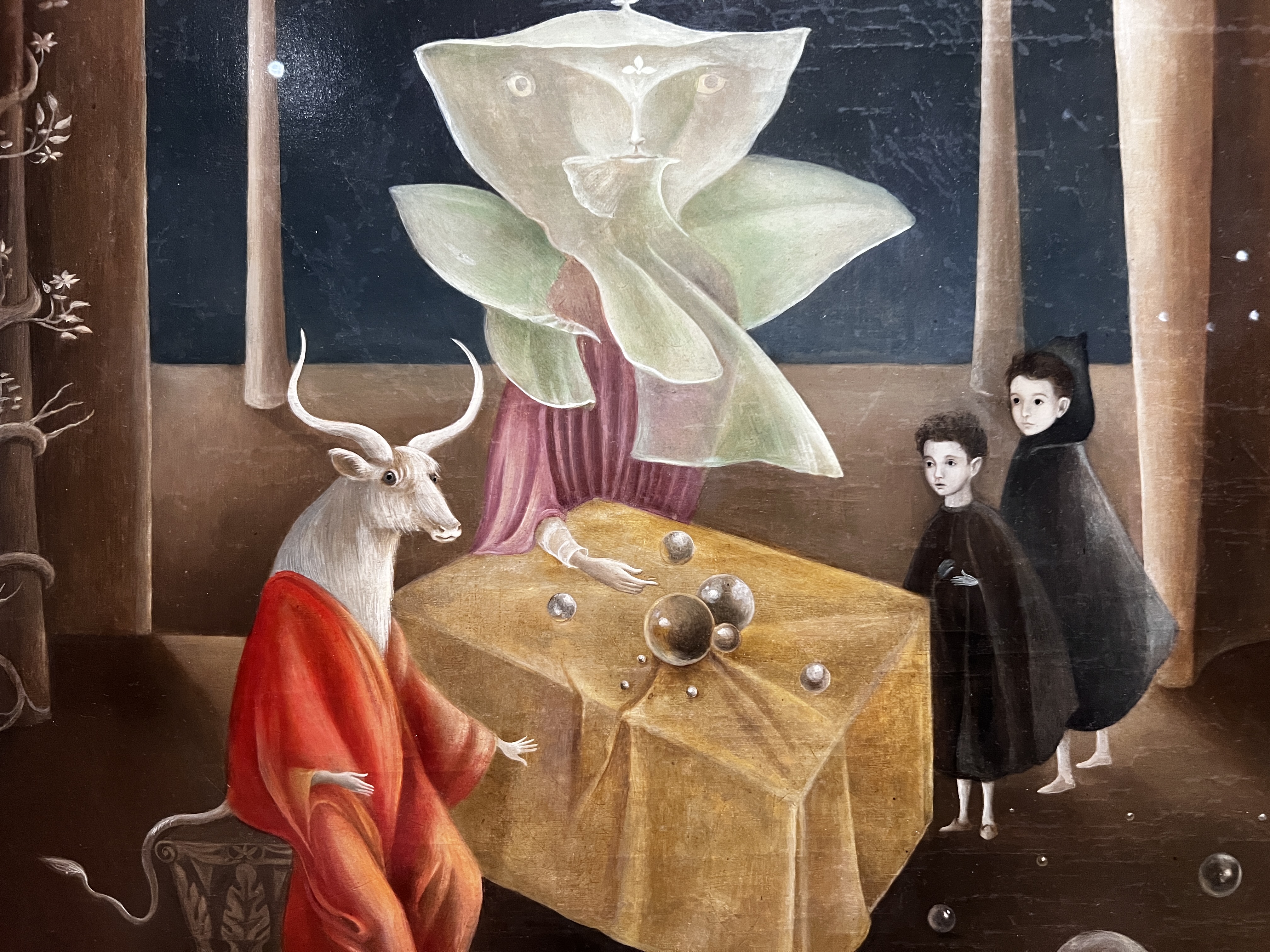




Images captured at MoMA.
The above are my images of detail from the following works of art:
✤ Willem de Kooning. Painting.1948
✤Joan Miró. Barcelona, XXIII. 1944
✤ Peter Blume. The Eternal City. 1934-37
✤ René Magritte. The Menaced Assassin. 1927
✤ Joseph Cornell. Untitled (Bébé Marie). 1940s
✤ Leonora Carrington. And Then We Saw the Daughter of the Minotaur. 1953
✤ Marcel Duchamp. The Passage from Virgin to Bride. 1912
✤ Marc Chagall. I and the Village. 1911
✤ Egon Schiele. Standing Male Nude with Arm Raised, Back View. 1910
✤ Jackson Pollock. One: Number 31, 1950. 1950
✤ Jackson Pollock. Number 1A, 1948. 1948
✤ Lee Krasner. Untitled. 1949
✤ Pablo Picasso. Harlequin, Paris. Late 1915

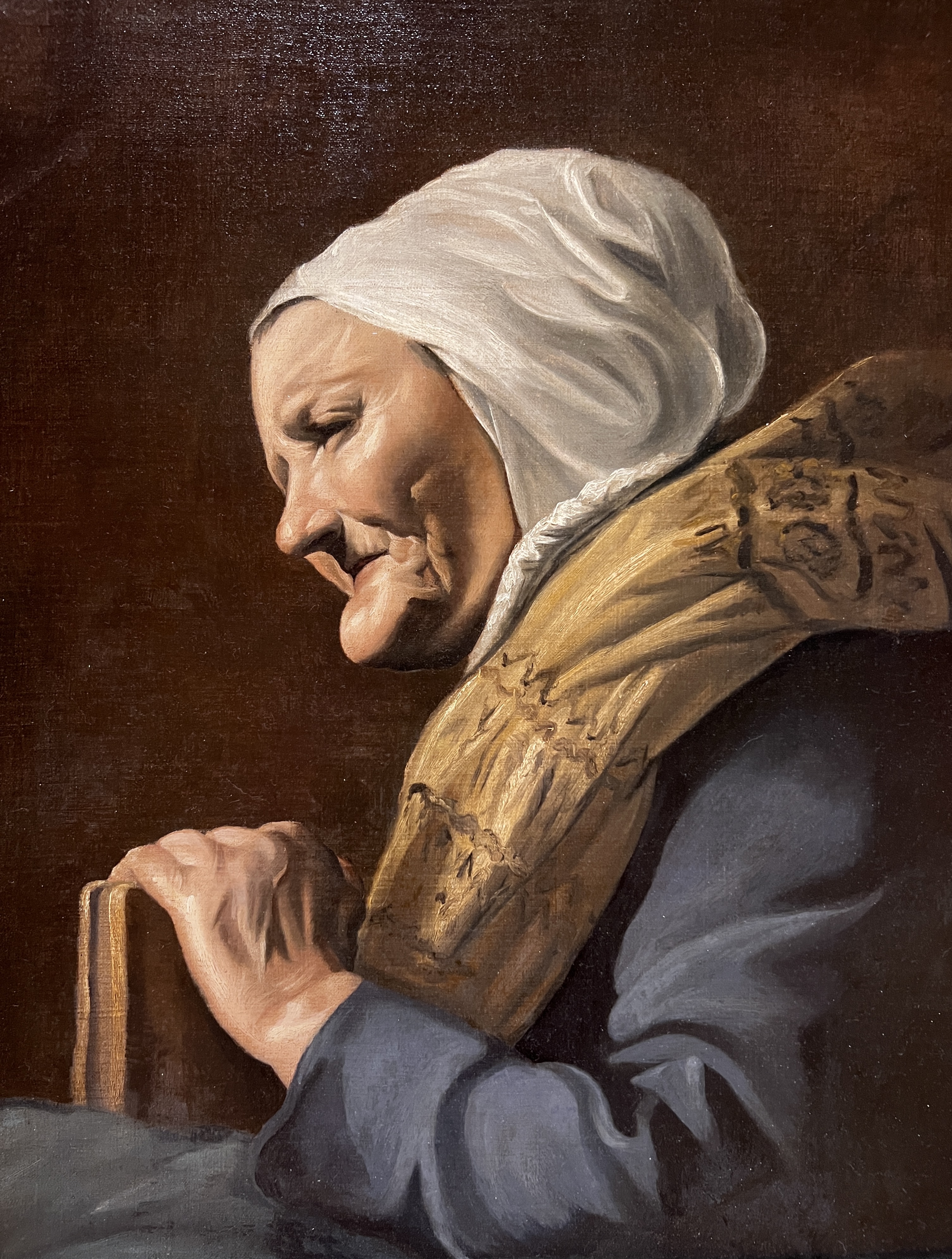
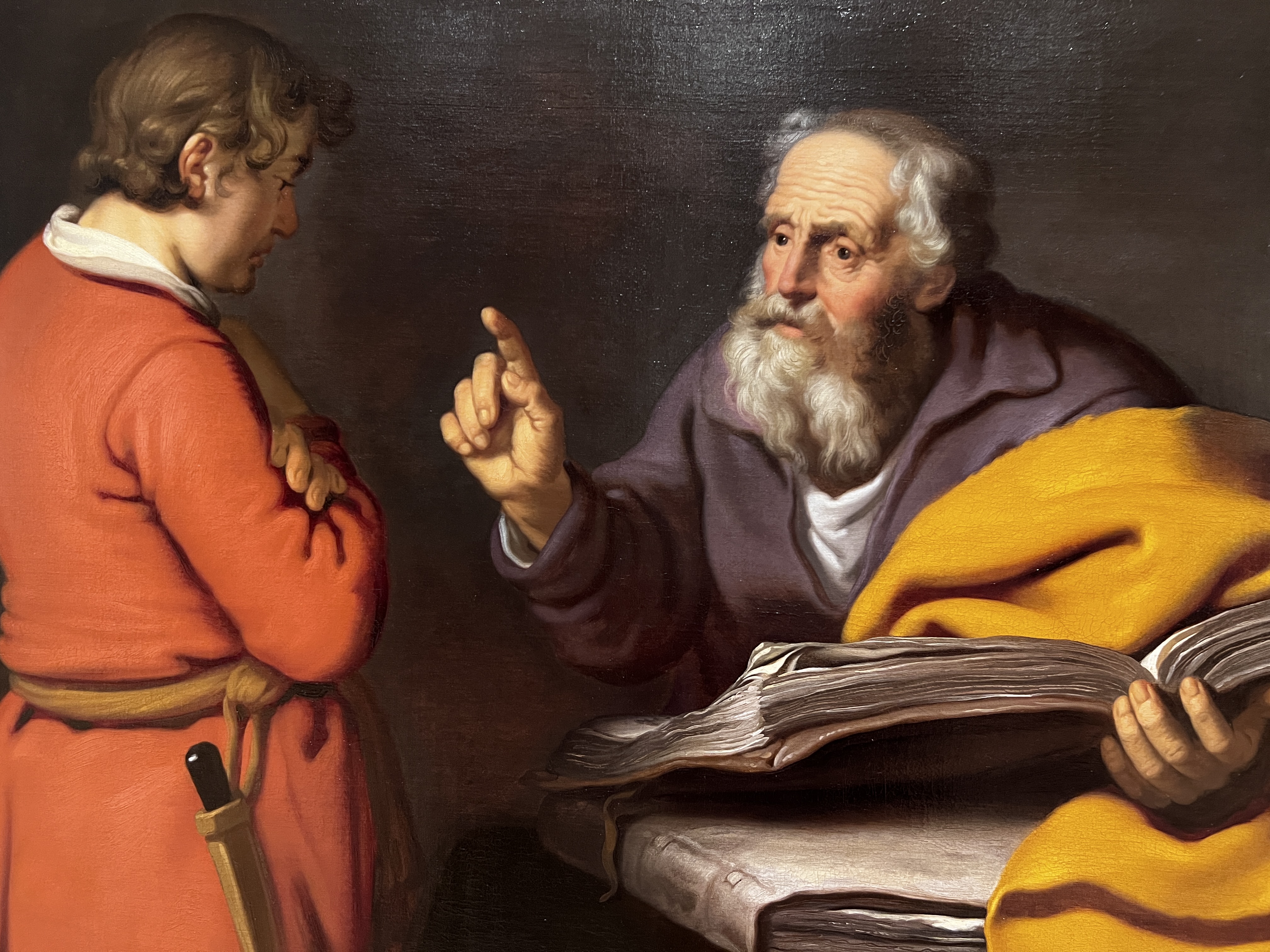

The images above are my photos of detail from the following paintings in Art, Life, Legacy: Northern European Paintings in the Collection of Isabel and Alfred Bader:
■ Ruth and Naomi by Jan Victors, Dutch (1653)
■ Old Woman with a Book by Jacob van Campen, Dutch (1625-30)
■ Elisha and Gehazi by Lambert Jacobsz, Dutch (circa by 1629)
■ Self-Portrait with a Skull by Michael Sweerts, Flemish (circa 1661)


The images above are my photos of detail from the following paintings in Remedios Varo: Science Fiction:
■ “Discovery,” 1956
■ “The Flutist,” 1955
■ “Woman Leaving the Psychoanalyst (Could Be Juliana),” 1960
■ “Creation of the Birds,” 1957
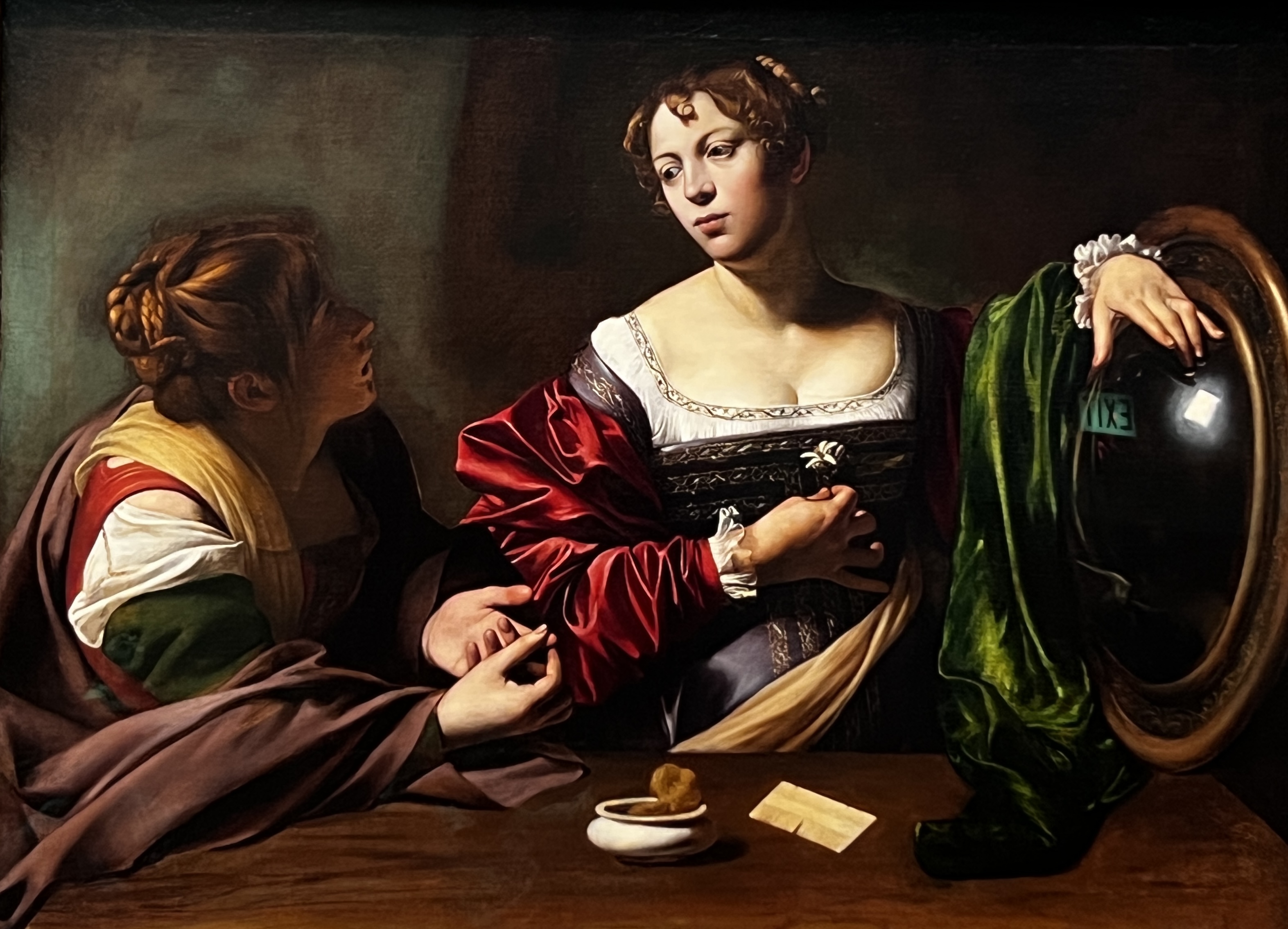

These are two of the photos I took yesterday at Among Friends and Rivals: Caravaggio in Rome: “Martha and Mary Magdalene,” about 1598, and “The Cardsharps,” about 1595.

Yesterday, at the Art Institute.
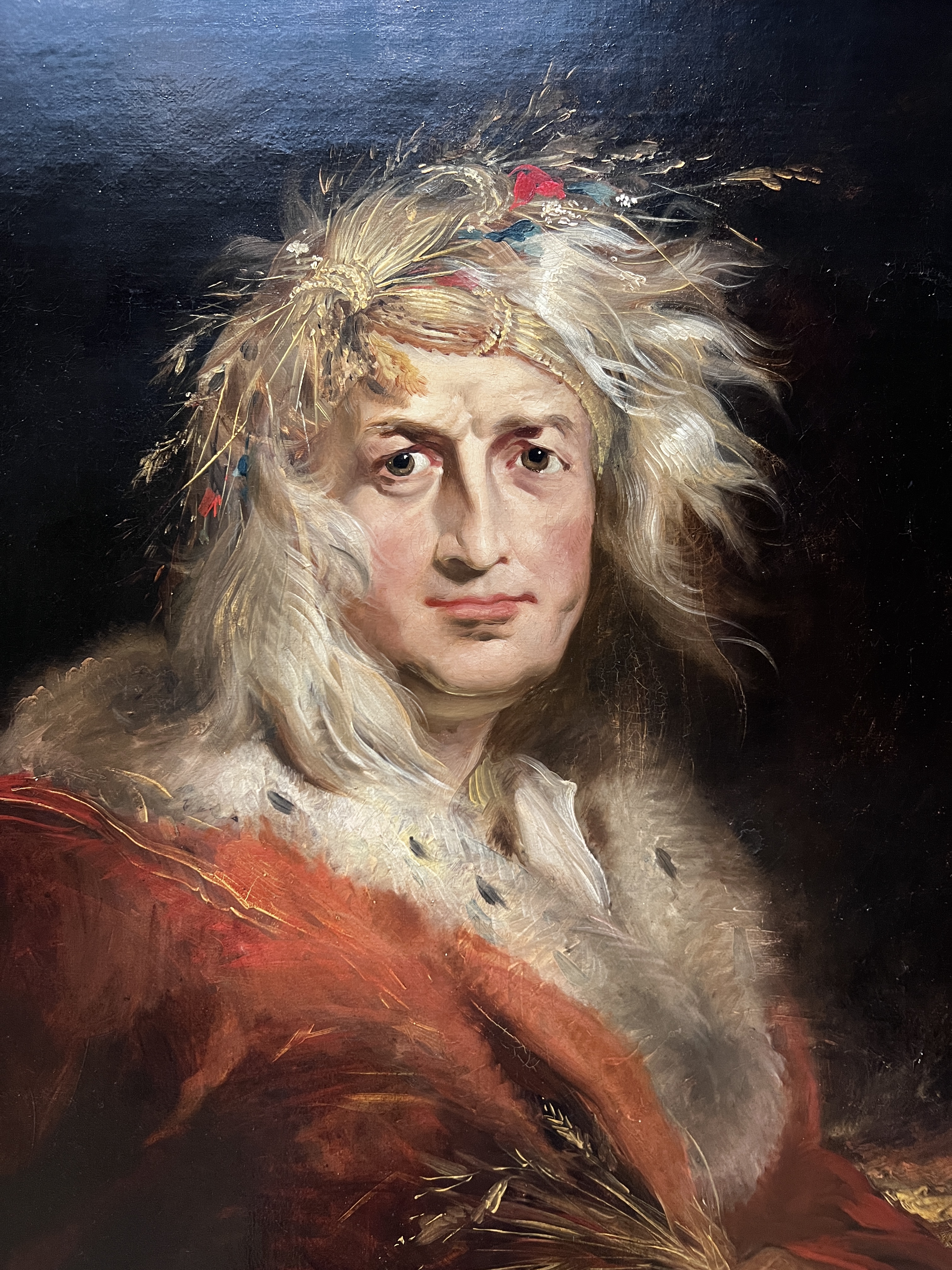
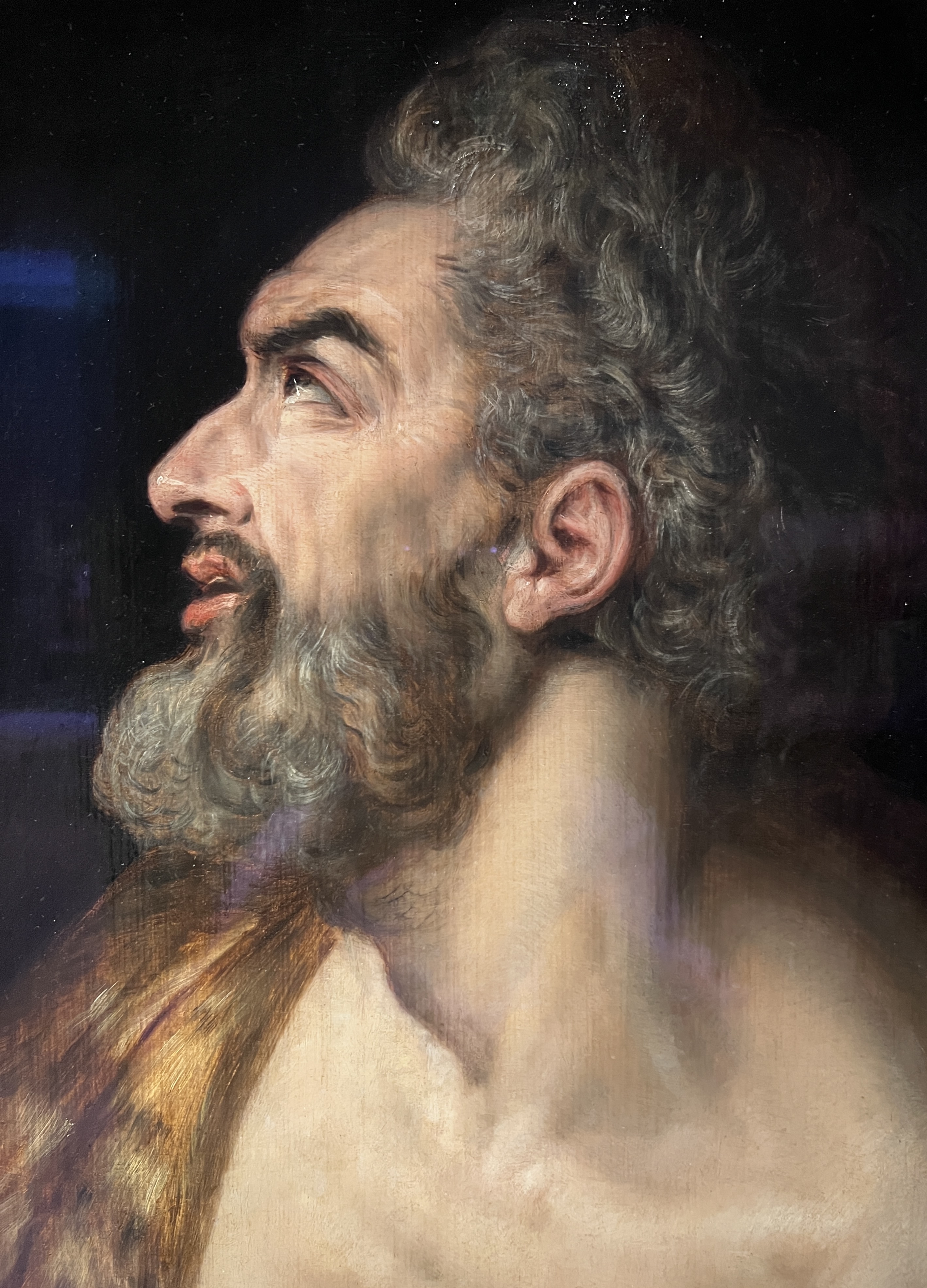
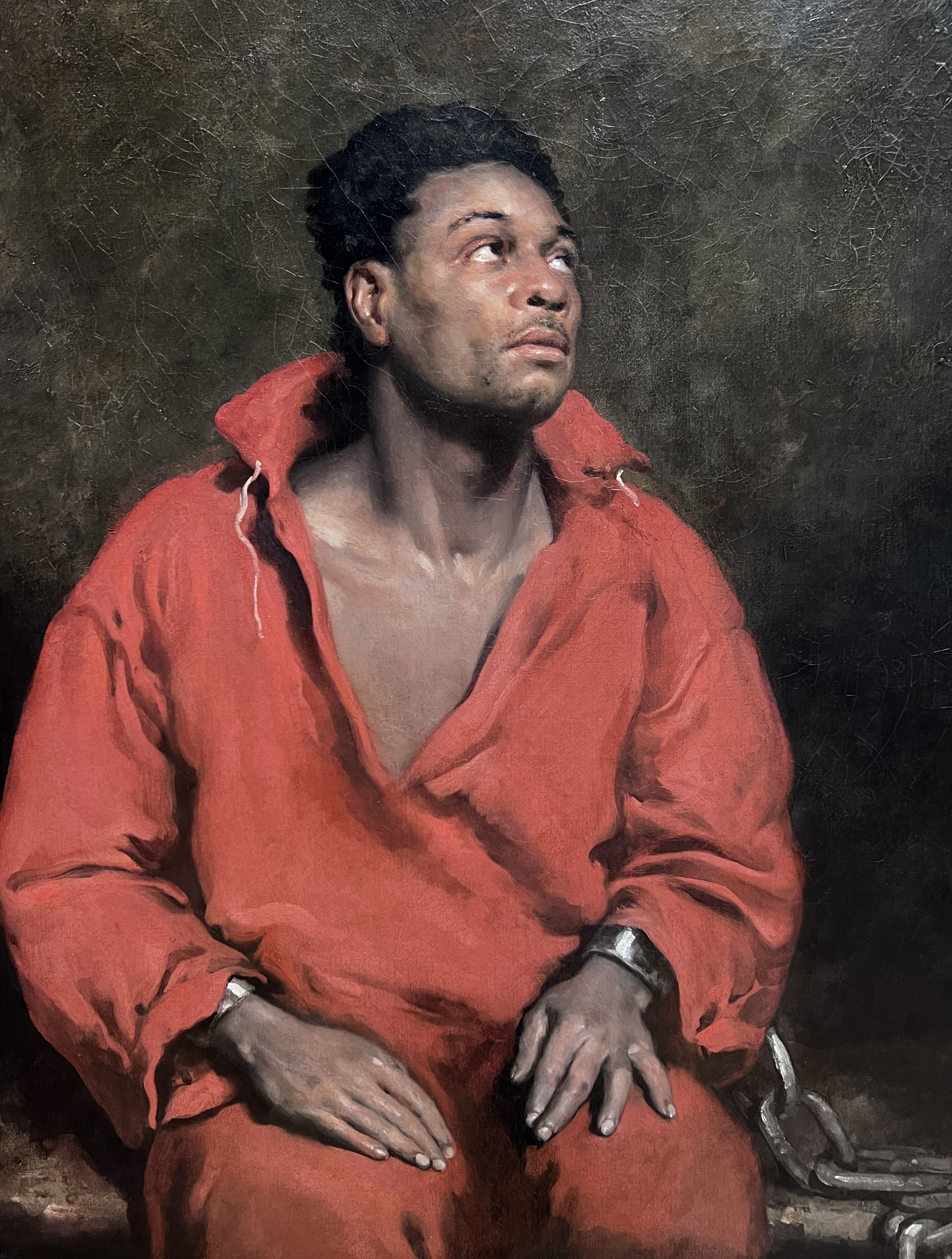
The images above are my photos of detail from the following paintings:
■ “David Garrick as King Lear” by Richard Westall; about 1815
■ “The Penitent Saint Peter” by Jusepe de Ribera; about 1630
■ “Study Head of a Bearded Man” by Frans Floris; about 1565
■ “The Captive Slave (Ira Aldridge)” by John Philip Simpson; 1827
We attended member hours to to see Among Friends and Rivals: Caravaggio in Rome, but what really captured our imaginations was Remedios Varo: Science Fictions.
At the Field Museum.
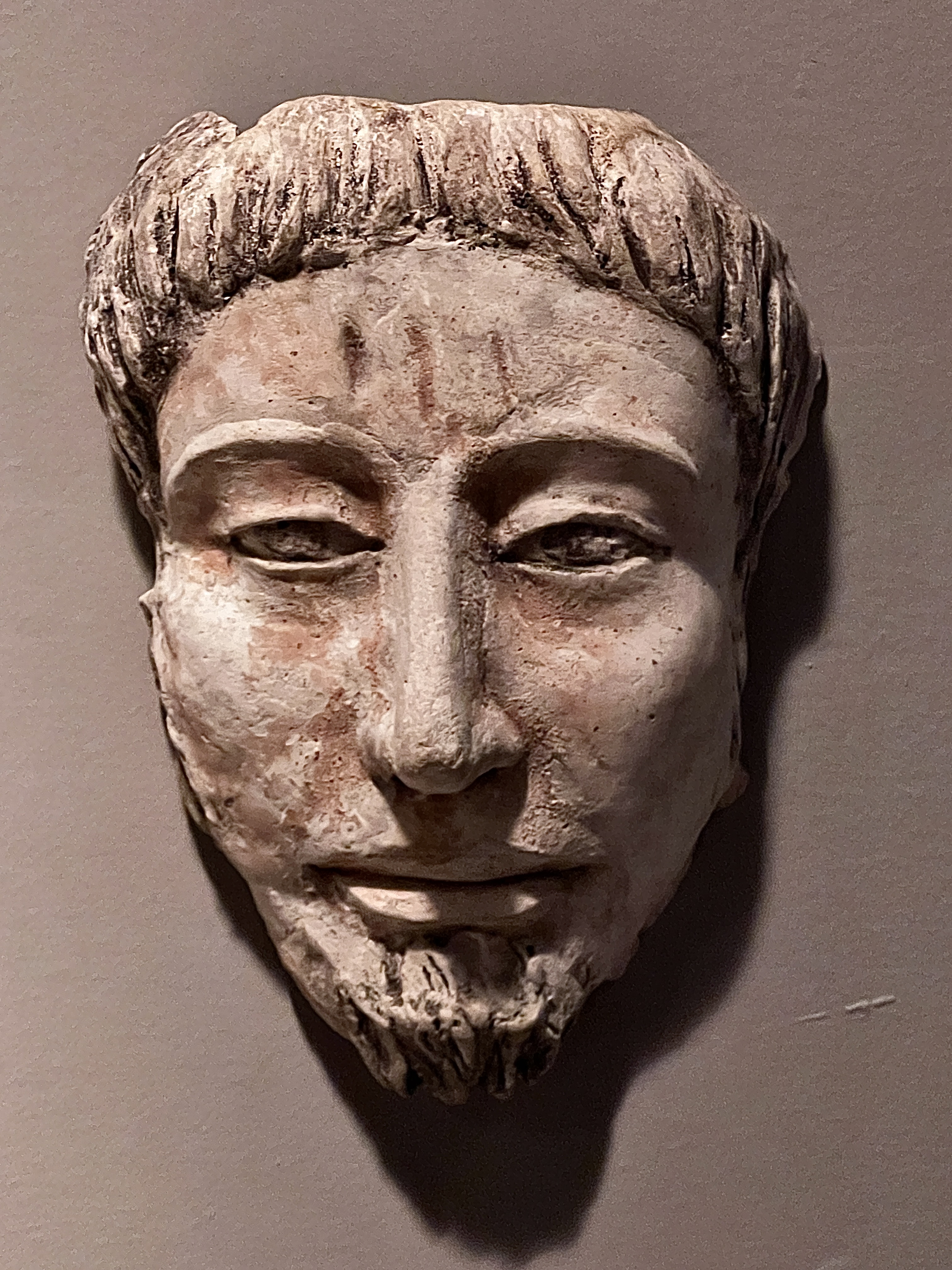
Part of my Latin tutorial includes a survey of Roman history via SPQR by the always-excellent Mary Beard. Is it any wonder that I now regularly see Roman influence where I may have previously missed or overlooked it? A plaque describing a case of portrait masks in the Field Museum’s Egyptian exhibit indicates that once the Romans conquered the Egyptians (30 BCE), they adopted a number of Egyptian customs, including portrait masks — which were actually a Greek contribution to Egyptian traditions. The one pictured here is from the Ptolemaic-Roman Period.



 Nerdishly