

Straight out of the camera.
Straight out of the camera.

Up with the sun.

Seen at the renaissance faire.
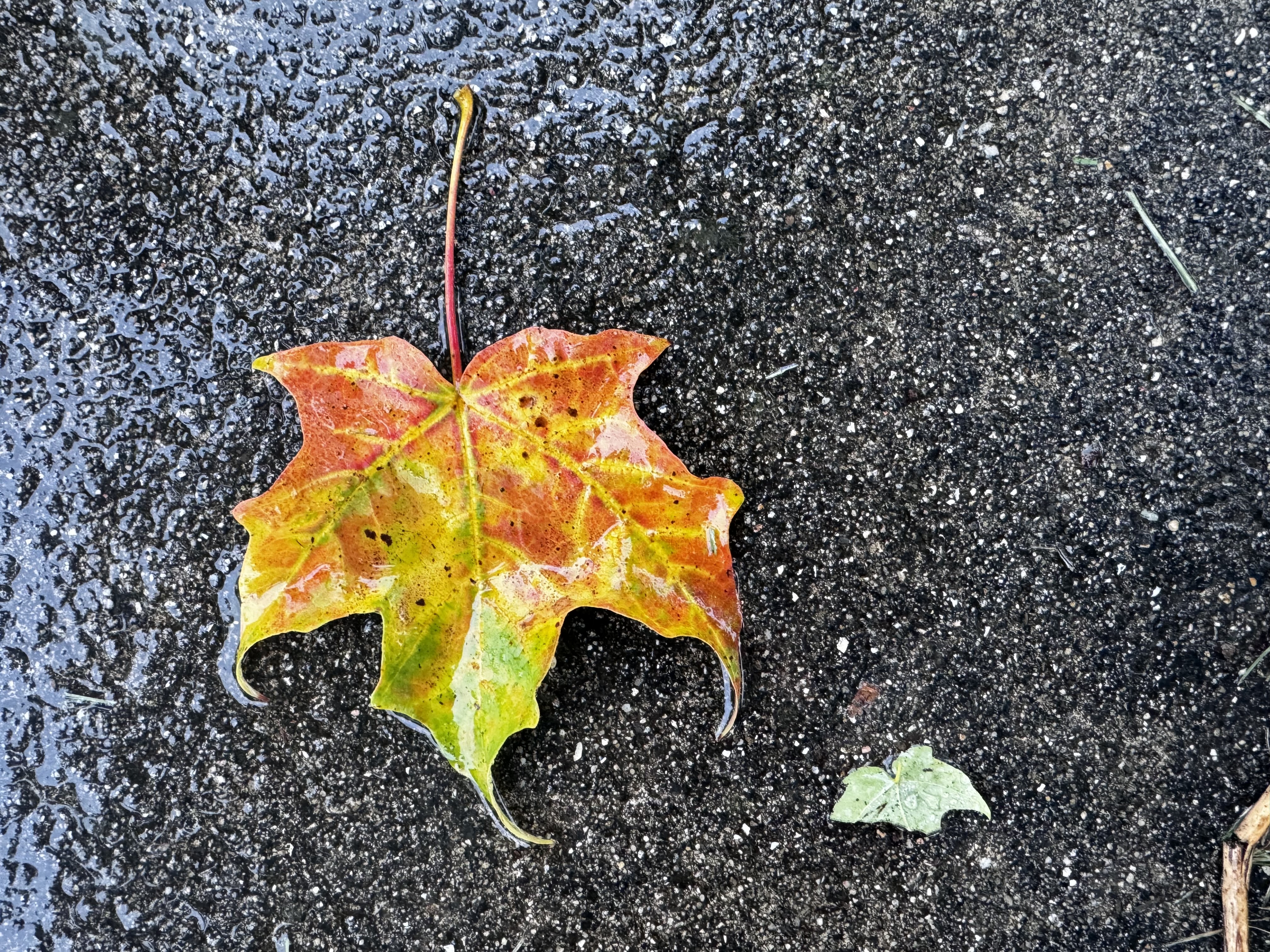
It has been cooler this month than I’ve come to expect from August, and apart from a spike tomorrow, the forecast shows daytime highs in the upper seventies — bliss. This morning, we walked in a steady shower; while this is not a problem for us, it was certainly kind of one of our neighbors to leap from his porch to offer us an umbrella. I have been thinking of his thoughtfulness all day.
It occurs to me that I haven’t recapped my reading in more than a month. Since my last annotated list, I’ve read King John, The Merchant of Venice, Richard II, Henry IV, Part I, and the related essays in Garber’s Shakespeare After All for my third iteration of Shakespeare in a Year. For my Willa Cather project, I read The Professor’s House (1925; July’s selection) and My Mortal Enemy (1926; August’s) — both remarkable, much better than reviews would have anyone believe. I also appreciated Benjamin Taylor’s brief biography, Chasing Bright Medusas: A Life of Willa Cather (2024).
After reading My Hijacking: A Personal History of Forgetting and Remembering (Martha Hodes; 2023), I reread The Little Prince (Antoine de Saint-Exupéry; 1943), which Hodes references throughout her memoir about trauma and memory.
If a lack of age / experience explains why I had previously avoided Henry James, then color me grateful to have “grown up”: I read Washington Square (1880) with a discussion group late last month and now look forward to more James. The group host mentioned that James’ work is discussed in Reading Lolita in Tehran (Azar Nafisi; 2003), so I plucked that memoir from the shelves (where it had patiently waited for twenty years) and finished in a few sittings.
In anticipation of this, I read Inherit the Wind (Jerome Lawrence and Robert E.Lee; 1955) and for a discussion with a reading friend, The Story of the Lost Child (Elena Ferrante; 2014).
Want (Lynn Steger Strong; 2020), Long Bright River (Liz Moore; 2020), and Orbital (Samantha Harvey; 2023) are more recently published works I finished since my last recap. If I were to choose only one to recommend, it would be Harvey’s exquisite prose-poem of a novel.
The #faulknerinaugust group chose As I Lay Dying (1930) this year, and while I did not participate in the online discussion, I did appreciate the “reminder” to read more Faulkner. Apart from short fiction, this novel, and last year’s selection (Absalom! Absalom! 1936) represent my experience with this author, who may well be another that required whatever my older self brings to the reading table. As I wrote to another reading friend, Dying was painfully beautiful and bleak.
Right now, I’m reading The Invention of Nature: Alexander Von Humboldt’s New World (Andrea Wulf; 2015) with the SciFri Book Club and this year’s Briefly Very Beautiful (Roz Dineen) because I’m a sucker for well-reviewed dystopian fiction.
As I finish typing this, the outdoor thermometer reads sixty-nine. It is gently raining, and it’s so overcast that we’ve turned on lights throughout the house. Fall-ish. For me, the “new year” generally follows an academic calendar, beginning unofficially when the slant and color of the light change in early August, and officially when fall lessons / activities / schedules / etc. resume. This year, that was this past Tuesday, when I returned to my weekly music lessons. Band rehearsals resume next week; our Halloween and late fall concerts are already on the calendar. Heck, the HVAC tech will perform the annual clean-and-check on the furnace next week. Happy new year.

At Brookfield Zoo.
Yesterday I learned that koalas possess practically grooveless brains. With one of the smallest brain-to-body-mass ratios in mammals, koalas cannot decide or conclude; their cognitive abilities are all but nonexistent. Apparently, they can’t even recognize eucalyptus leaves as food if the leaves have been stripped from the branches.
But, gosh, are they cute.
After seeing the koalas, I had hoped to visit Hitchcock Poe* the raven (an animal so adroit, some call it a “flying primate”), but he was not in the enclosure in which I last encountered him, and he does not appear in the zoo’s list of animals. How weird would it be to email the zoo about him?
*Edited on August 14: Thank you for the encouragement. I spoke with someone in the animal care department: Poe the raven lives! According to an email reply from the zoo, he can be found in the Wild Encounters exhibit.

We rose early to ensure we caught sunrise at our favorite conservation area.
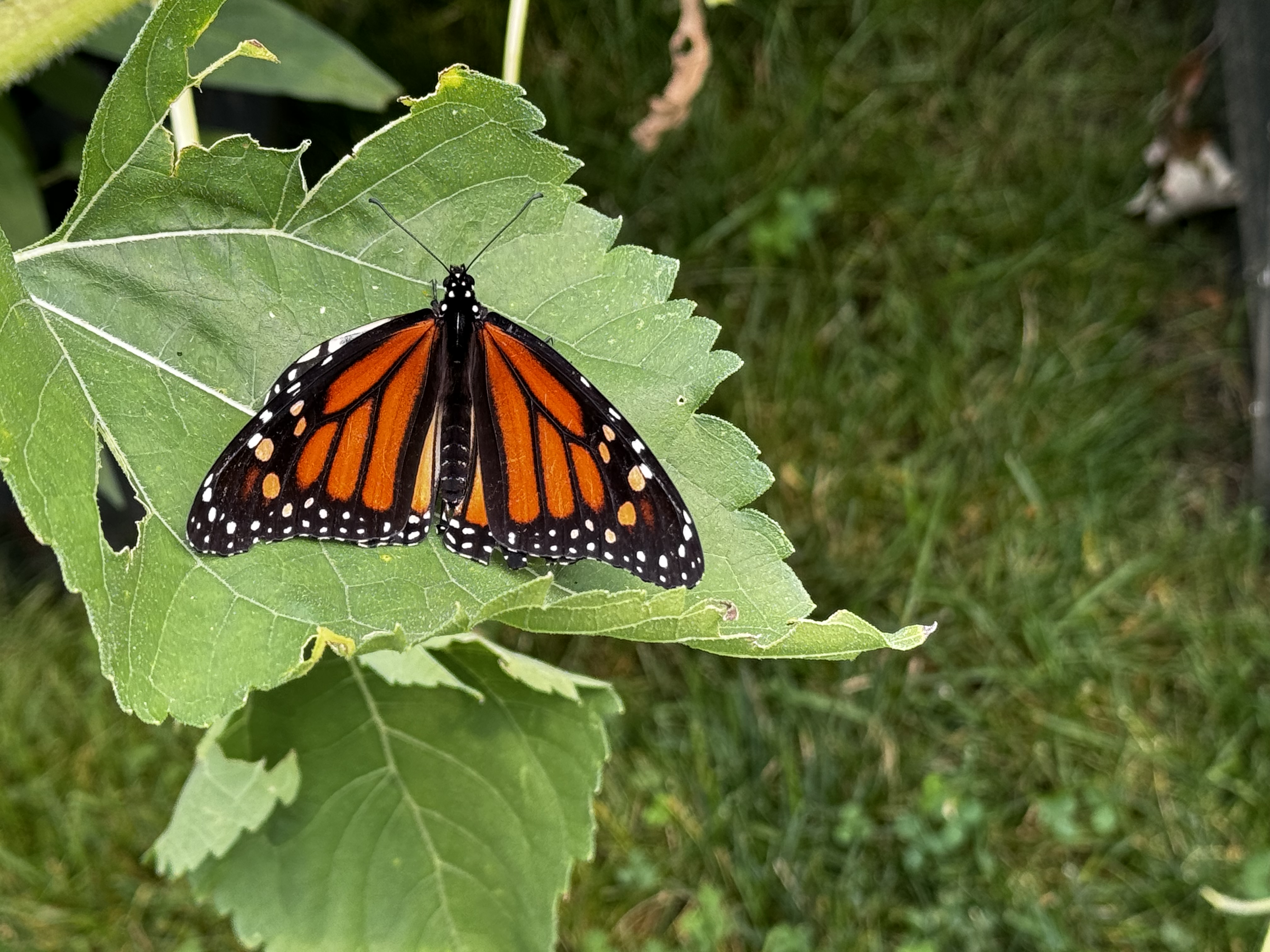
he will come; or, adventures with pollinator pockets.


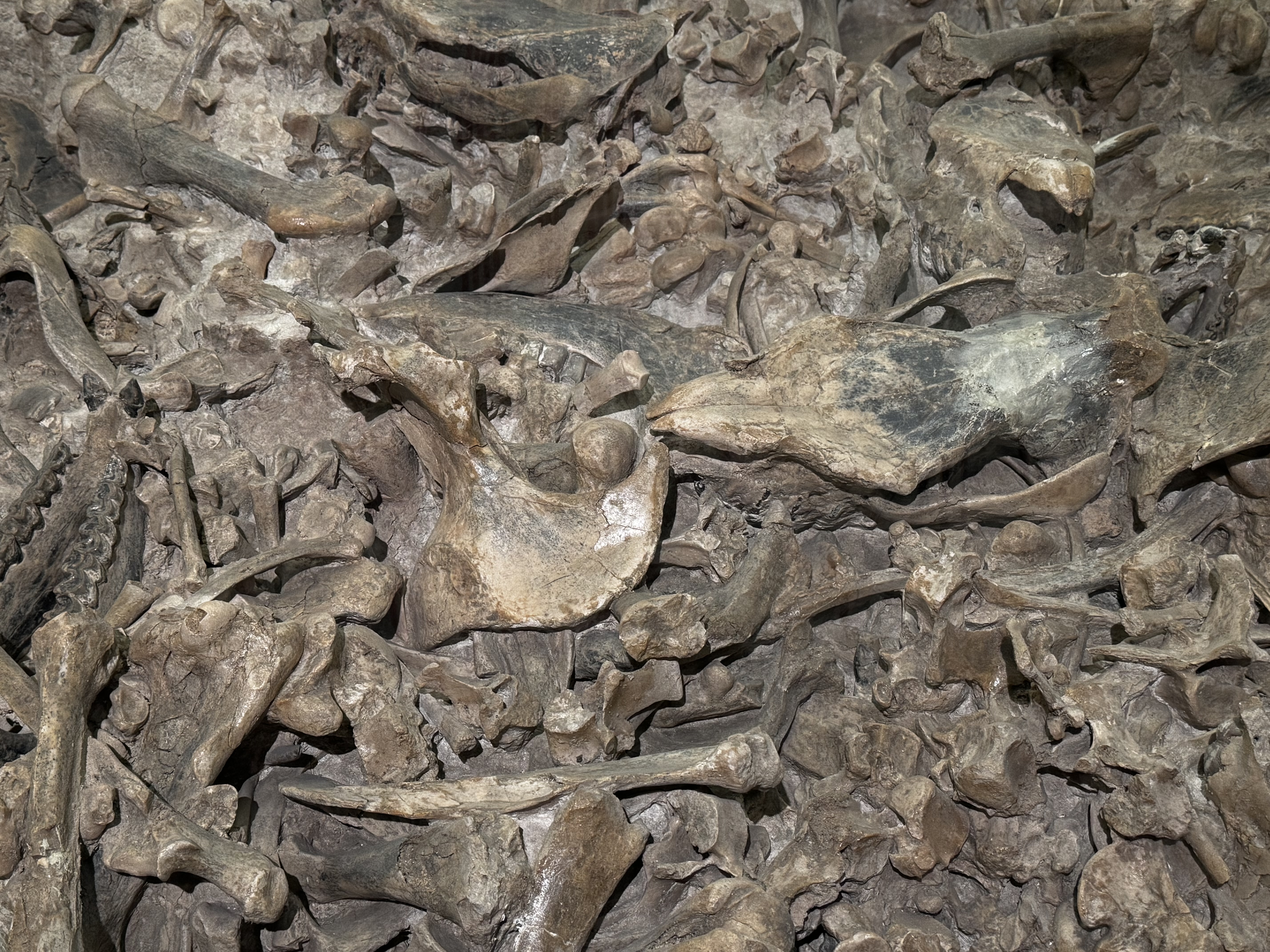
Saturday at the Harvard Museum of Natural History.
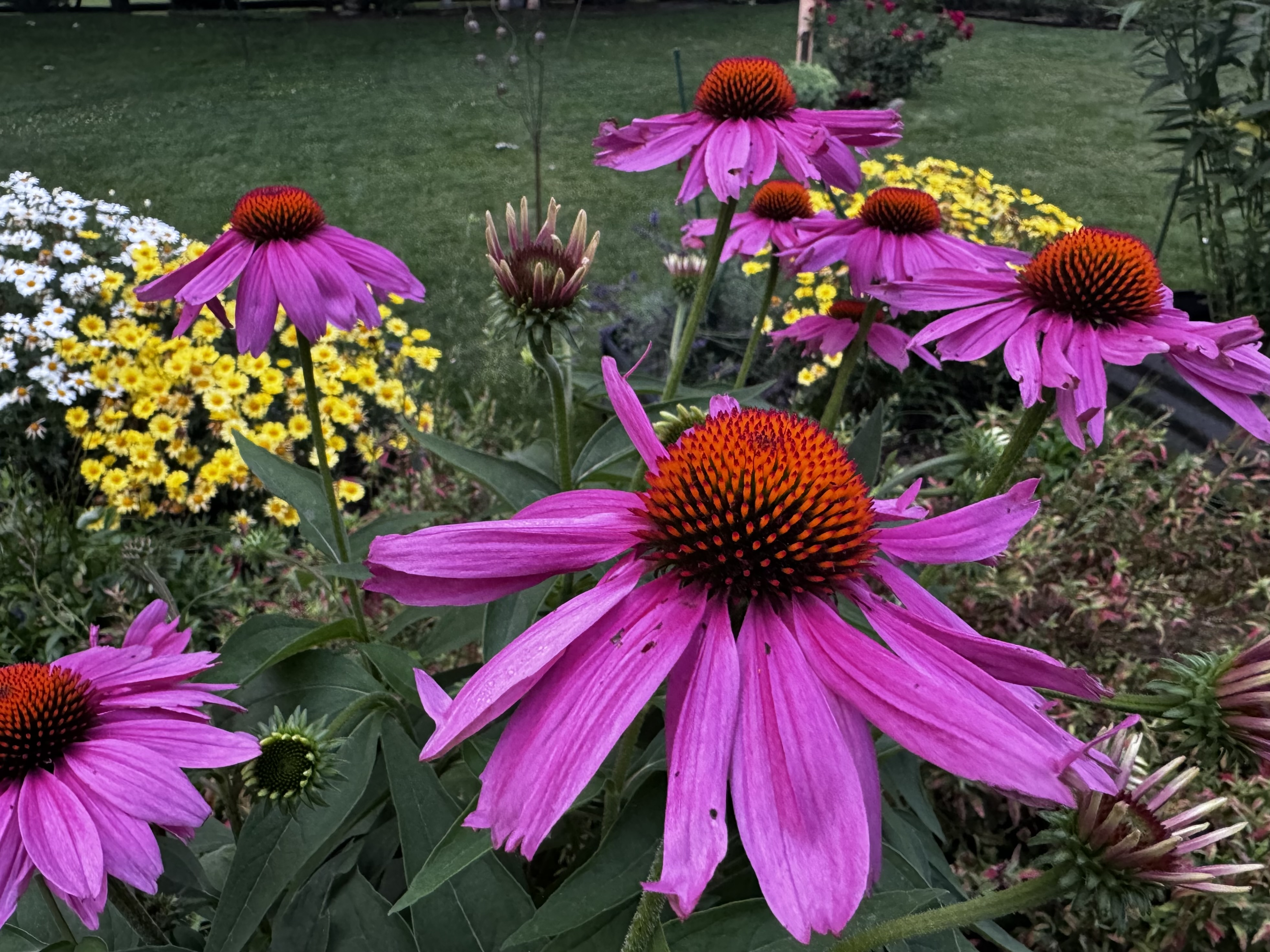
That green expanse behind the pollinator pockets is an anomaly. Most years, by this time, the lawns are shades of orange and brown — dormant or nearly burnt. Elsewhere, people are experiencing dangerous and damaging weather, I know; but here? It has mostly been beautiful, and I’ve only needed to water twice since May.

What a difference a day makes! Yesterday was so hot and humid, but today it has not yet gotten to seventy.
 Nerdishly