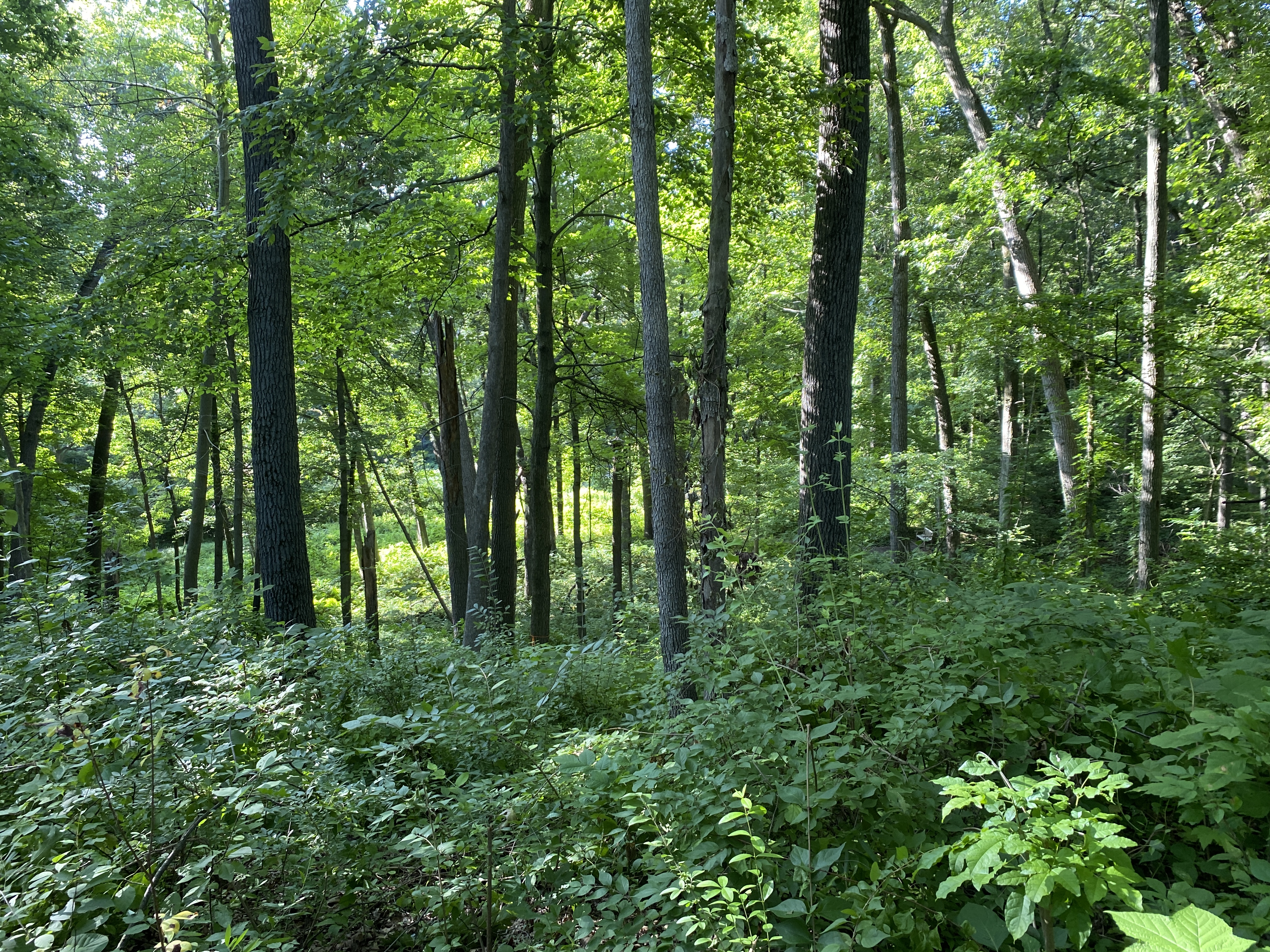
In May, when we first visited the arboretum, the rhododendron garden was on vibrant, colorful display. In this pause before autumn, though, it’s still lovely.
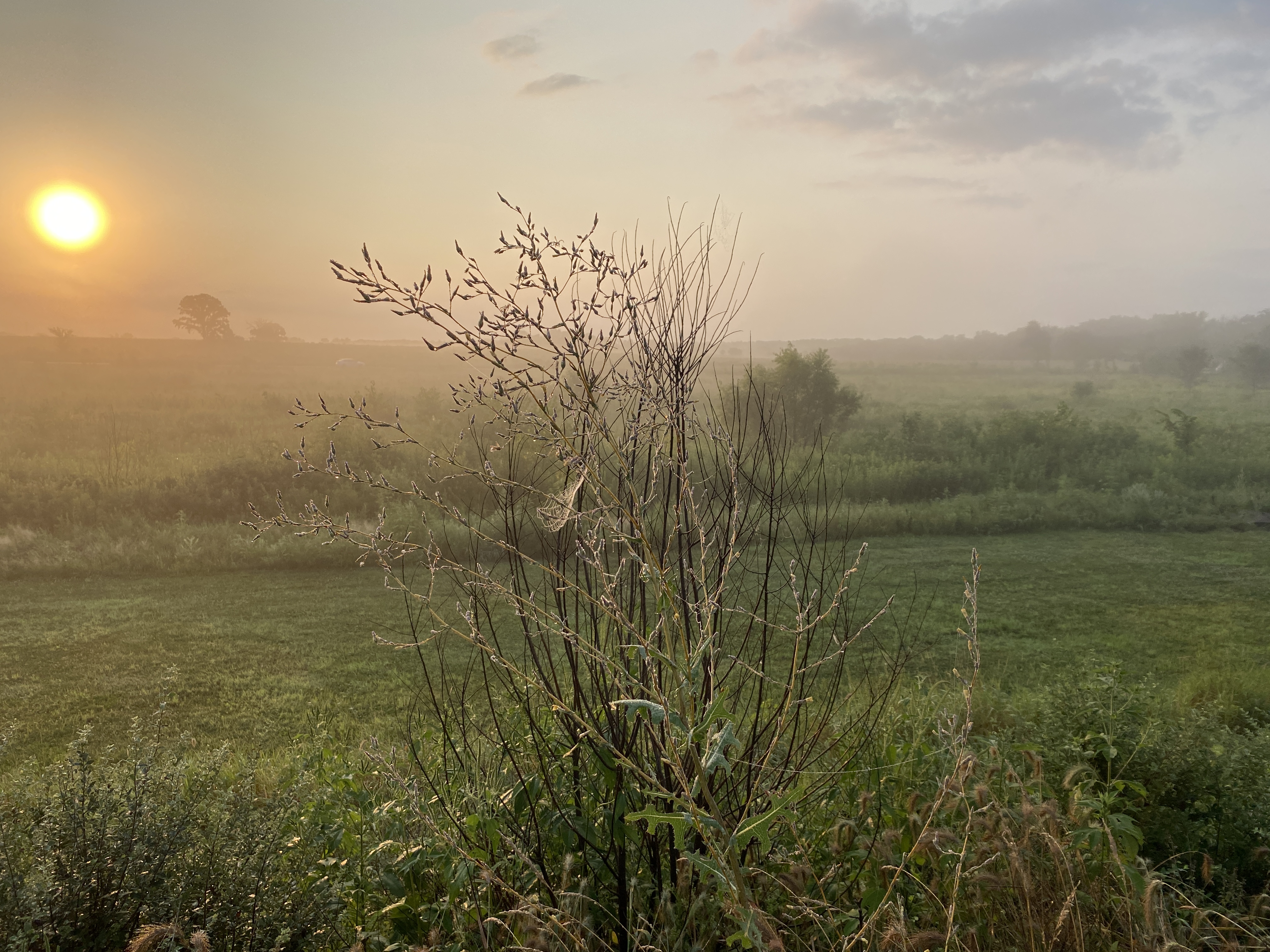
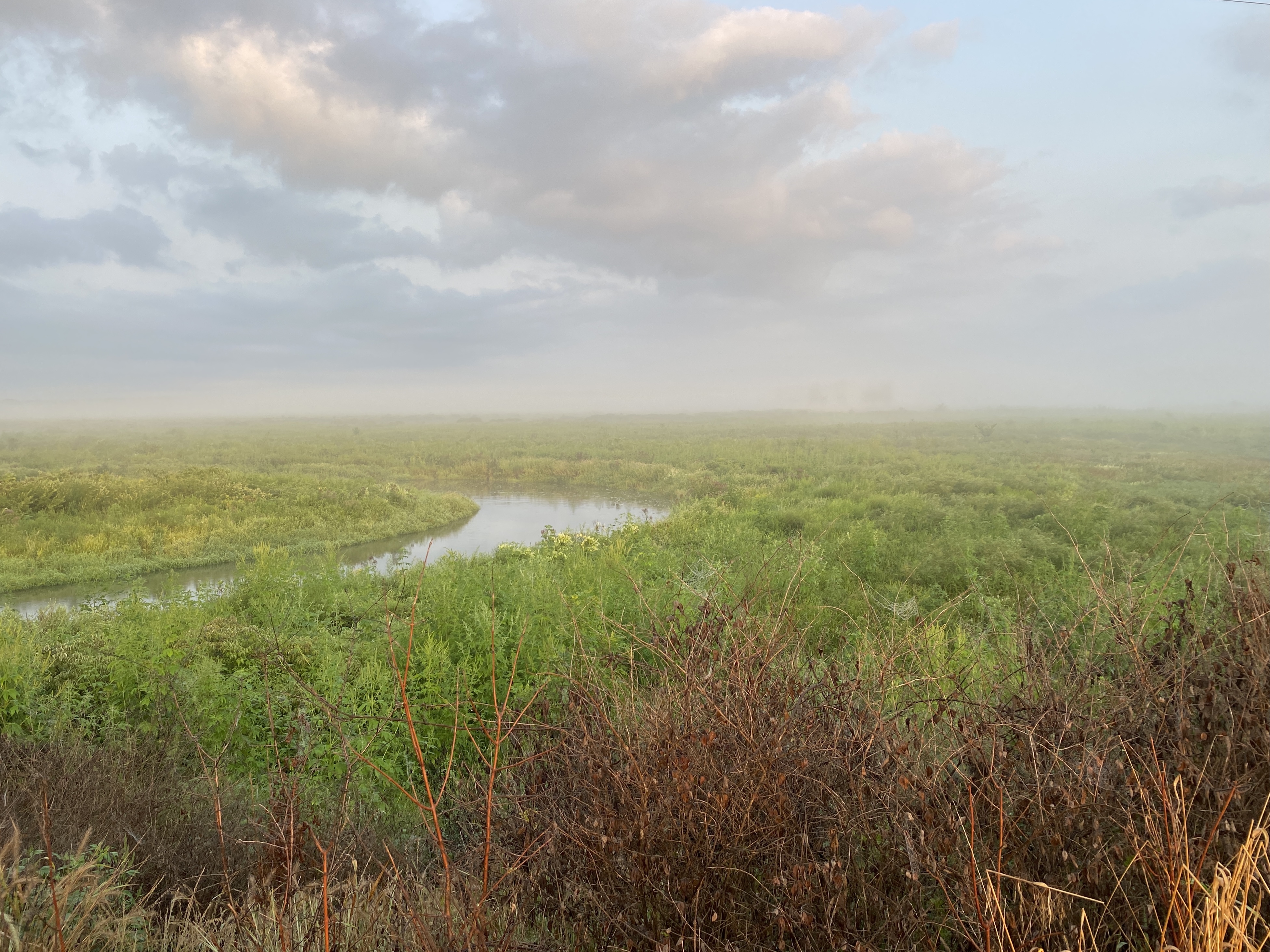
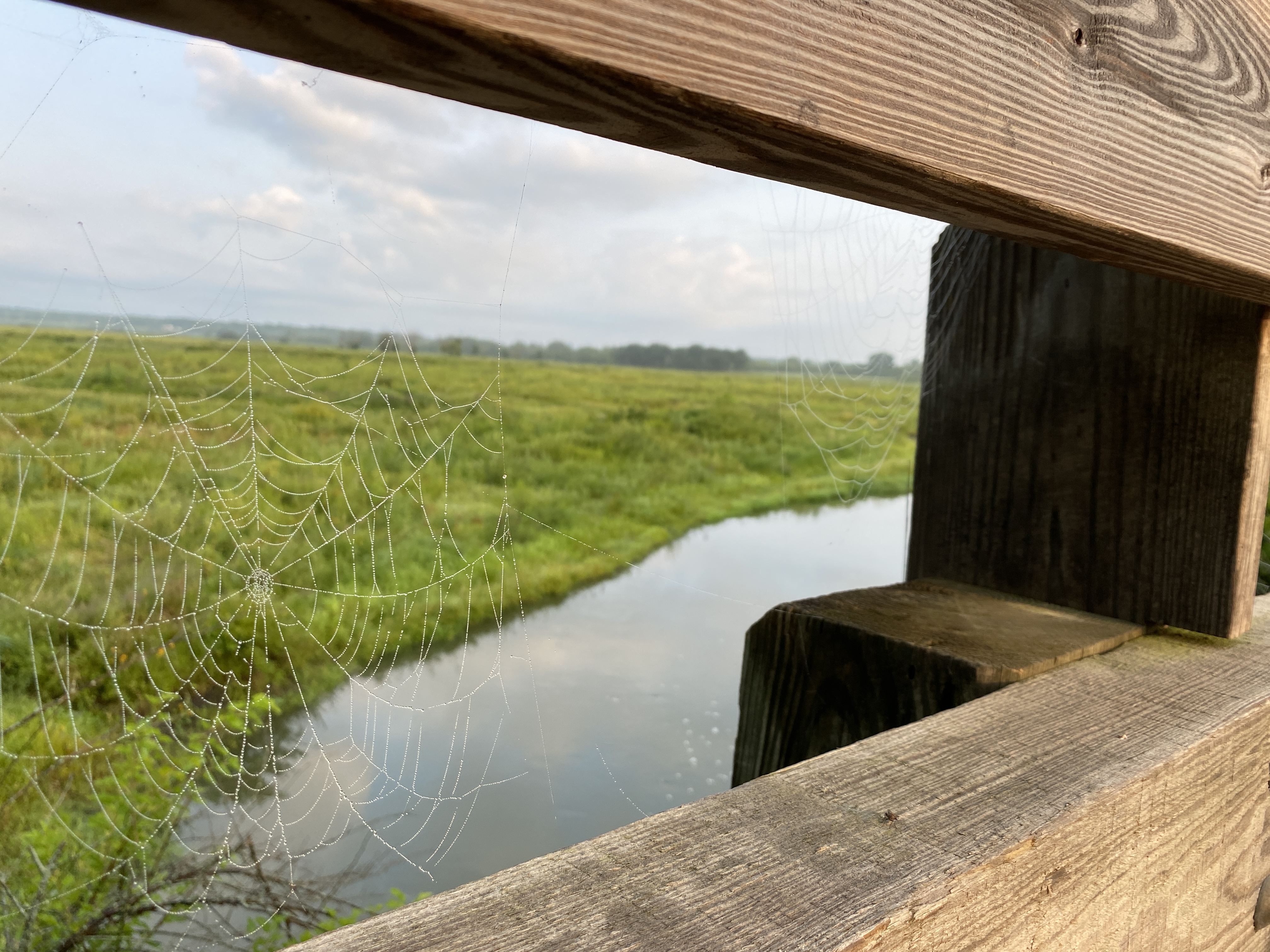
I love the prairie! So often I have seen the dawn come and the light flood over the land and everything turned radiant at once, that word “good” so profoundly affirmed my soul that I am amazed I should be allowed to witness such a thing.
— from Marilynne Robinson’s Gilead
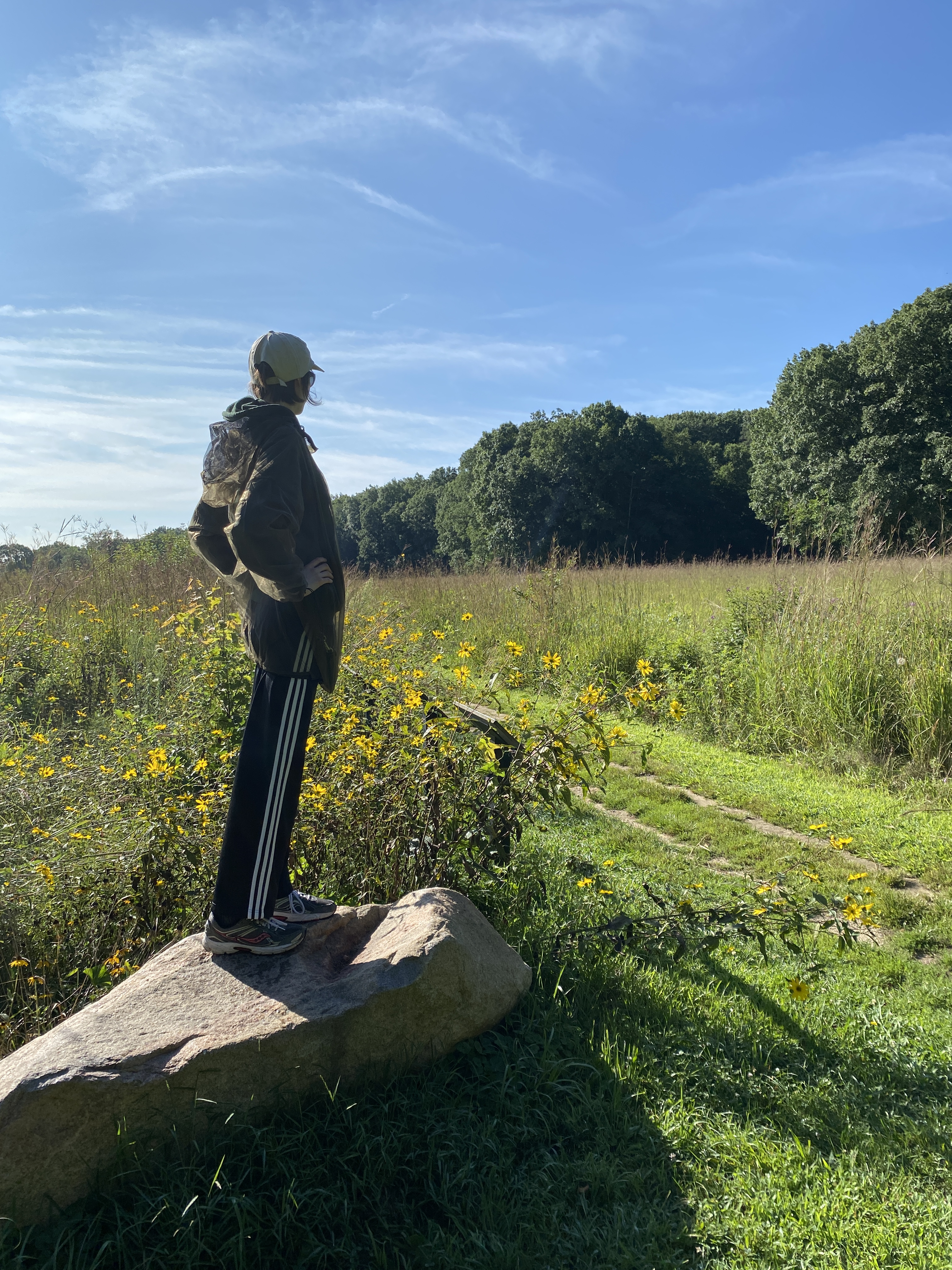
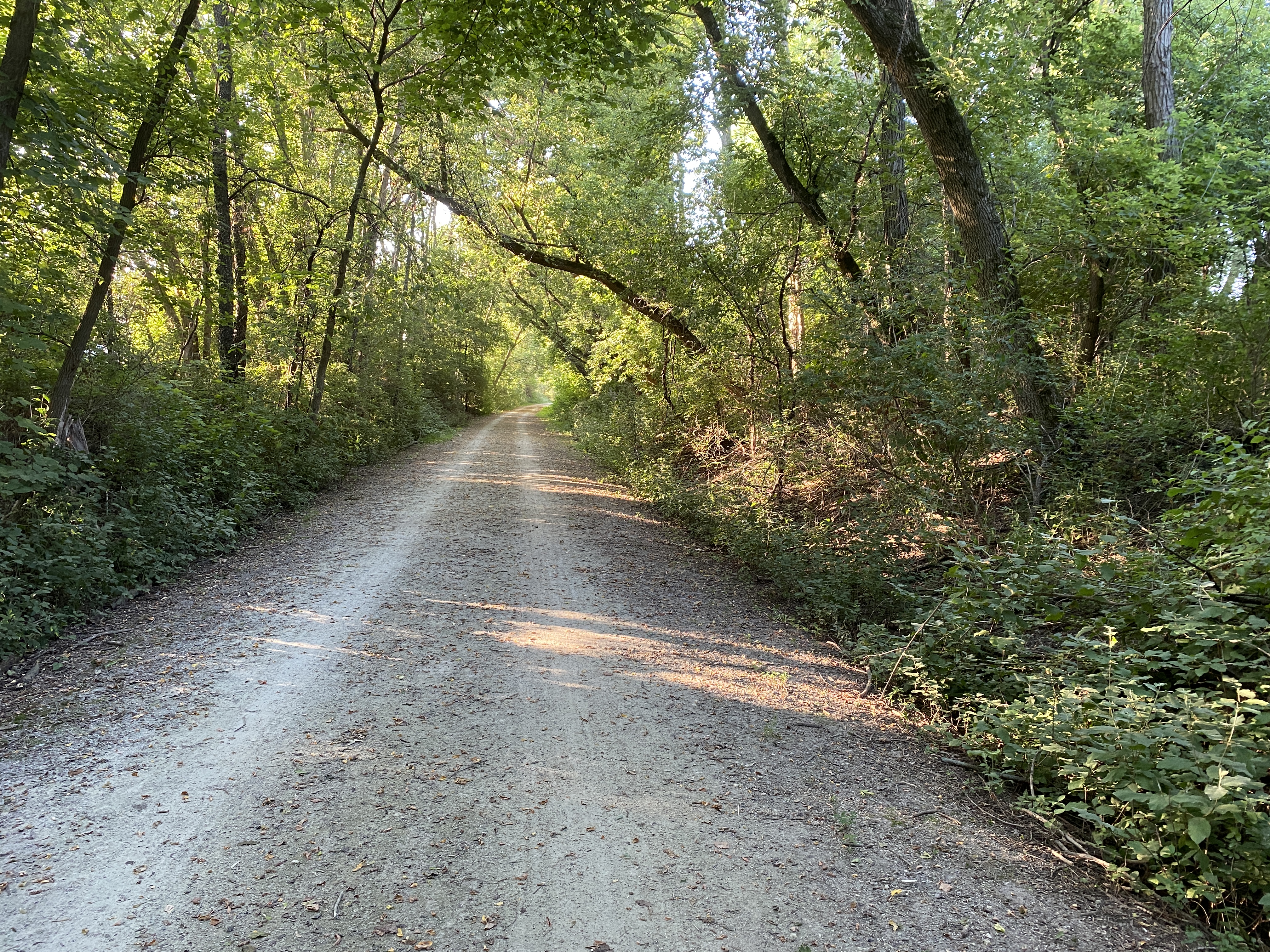
This view. Our reward for rising at five, finishing the daily chores, and donning our walking shoes before 6 a.m.
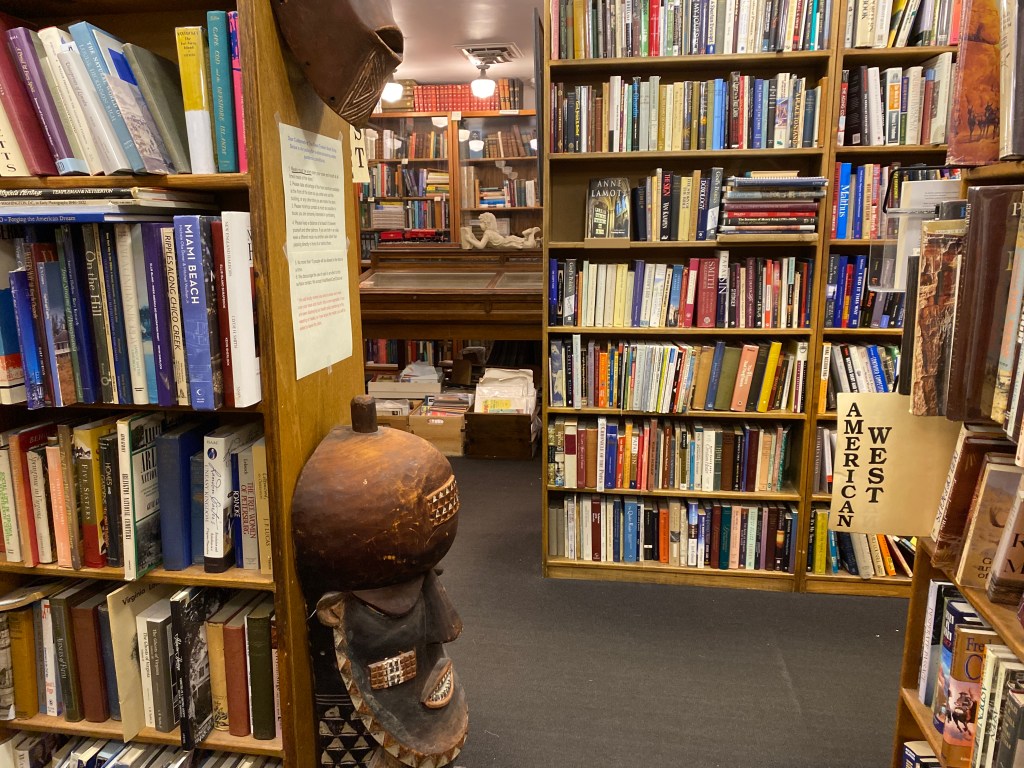
My 2021 reading plan is fairly simple: Read no fewer than 100 books from my personal library (i.e., books acquired before the end of 2020), including 24 or more non-fiction titles and at least one book from each of the following categories: Shakespeare (by, about, retold, etc.), poetry, NYRB, Kurt Vonnegut (by or about), Joyce Carol Oates, philosophy, art, and children’s / YA. At this writing, I’ve read 129 books, 91 of which were read from my shelves (RFS). Twenty-one of those RFS were non-fiction titles, so I must read read nine more books from my shelves, and at least three of those should be non-fiction works. With five months remaining in the year, that seems doable.
How am I doing with those RFS categories, then?
Shakespeare (by, about, retold, etc.): In my quest to reread all of the plays this year, I’ve finished 26, so far. I’ve also read Maggie O’Farrell’s Hamnet and Matthew Haig’s The Dead Fathers Club. As I mentioned in last year’s summary, though, this category is not met in 2021 unless I have read at least one of the many non-fiction works I’ve collected. So far, I’ve read three:
■ Tyrant: Shakespeare on Politics (Stephen Greenblatt; 2018. Non-fiction.) ■ How to Think Like Shakespeare: Lessons from a Renaissance Education (Scott Newstok; 2020. Non-fiction.) ■ Falstaff: Give Me Life (Harold Bloom; 1992. Non-fiction.)
Poetry: ■ War Music: An Account of Homer’s Iliad (Christopher Logue; 2015. Poetry.) ■ Stag’s Leap (Sharon Olds; 2012. Poetry.) ■ Chicago Poems (Carl Sandburg; 1916. Poetry.)
NYRB: ■ The Goshawk (T.H. White; 1951. Non-fiction.)
Kurt Vonnegut (by or about): I have not met this goal, nor have I selected title(s) to meet it.
Joyce Carol Oates: ■ Pursuit (Joyce Carol Oates; 2019. Fiction.) ■ The Collector of Hearts (Joyce Carol Oates; 1998. Fiction.)
Philosophy: ■ Lost in Thought: The Hidden Pleasures of an Intellectual Life (Zina Hitz; 2020. Non-fiction.) ■ Meditations (Marcus Aurelius; 180 A.D. (Trans. Gregory Hays.) Non-fiction.) ■ The Gospel According to Jesus: A New Translation and Guide to His Essential Teachings for Believers and Unbelievers (Stephen Mitchell; 1993. Non-fiction.)
Art: Linda Lear’s biography of Beatrix Potter is on my nightstand. This and a volume of Potter’s complete tales are how I hope to meet this goal.
Children’s / YA: ■ The Absolutely True Diary of a Part-Time Indian (Sherman Alexie; 2007. Fiction.) ■ The Mouse and His Child (Russell Hoban; 1967. Fiction.) ■ Harry Potter and the Sorcerer’s Stone (J.K. Rowling; 2001. Fiction.) ■ Harry Potter and the Prisoner of Azkaban (J.K. Rowling; 1999. Fiction.) ■ Harry Potter and the Goblet of Fire (J.K. Rowling; 2000. Fiction.) ■ Harry Potter and the Order of the Phoenix (J.K. Rowling; 2003. Fiction.) ■ Harry Potter and the Half-Blood Prince (J.K. Rowling; 2005. Fiction.) ■ Harry Potter and the Deathly Hallows (J.K. Rowling; 2007. Fiction.)
I also planned to read Simone de Beauvoir’s The Second Sex (1949) and Tom Reis’ The Black Count: Glory, Revolution, Betrayal, and the Real Count of Monte Cristo (2012) this year, as well as biographies of Tom Stoppard, Ruth Bader Ginsberg, and Fred Rogers. At this writing, I remain optimistic about meeting these “mini-challenges.”
This weekend, though, I’m focused on Book Five of Middlemarch for book group, Gilead (Marilyn Robinson; 2003), and a graphic novel I espied on my way out of the “prize room” from which my husband and I collected our books for completing the library’s summer reading program.










 Nerdishly