Notes

It had been two months since my last music lesson, and my practice time was limited during those months. But somehow I pulled it together for a productive hour-long lesson today.

🎶 Having completed work on Hans Köhler’s Sonatina for Two Flutes in Album of Flute Duets, revised and annotated by Louis Moyse, we have selected Jean-Jacques Naudot’s Sonata for Two Flutes in the same collection. For my late-July lesson, I will prepare the Adagio and the first part of the Allegro (the first page of the four-page piece).

Over the spring semester, we completed the fifteen pieces in Interval Duets by Thomas Filas. The deceptively simple collection focused on achieving a clear, beautiful sound. Over the next fifteen lessons, then, we have decided to work through the book again; this time, I will play second part. We are also revisiting the Adagio and Allegro from Jean-Baptiste Loeillet’s Sonata No. 1 in Selected Duets for Flute, Vol. II (Advanced); again, I am playing the second part.

🎶 Today I finished (if that is correct verb) the third of Köhler’s “moderately difficult pieces as studies for flute” from Op. 33, Book 2, in Robert Cavally’s Melodious and Progressive Studies from Andersen, Gariboldi, Koehler, and Terschak for Flute, Book 2. In April, I shared with my teacher that pieces like this feel needlessly difficult for an adult learner whose chief goals are (1) to do well in community band and (2) to always be learning and improving. She has now moved me into his Twenty-Five Romantic Etudes (Op. 66), and for my next lesson I will prepare the “The Swing.”

🎶 In April, I finished 116 in P. Bona’s Complete Method for Rhythmical Articulation, and my teacher provided excellent notes and examples to help me approach 120, my last assignment in the book; however, I have no plans to tackle this until after I present the first movement of the Stamitz Concerto in G major, Op.29, in August. Because I chose to work on the three movements out of order, this will conclude my work on the concerto, freeing me to focus on the Bona.

🎶 For my scales and long tone work, I have primarily relied on Parès Scales for Flute or Piccolo and ILMEA Senior HS Band Audition Scales sheet. My teacher now recommends that I begin working in Maquarre’s Daily Exercises for the Flute.

🎶 For my piccolo studies, in addition to exercises in Danielle Eden’s Piccolo! Piccolo! method books, my teacher recommended revisiting Köhler’s Op. 33, Book 1.

🎶 My July practice sheet:

— 15 minutes: long tones, scales, exercises
— 20 minutes: Twenty-Five Romantic Etudes (Op. 66), “The Swing”
— 10 minutes: Interval Duets, No. I
— 15 minutes: Album of Flute Duets, Jean-Jacques Naudot’s Sonata for Two Flutes
— 15 minutes: Selected Duets for Flute, Vol. II (Advanced), Jean-Baptiste Loeillet’s Sonata No. 1
— 15 minutes: piccolo
Respite

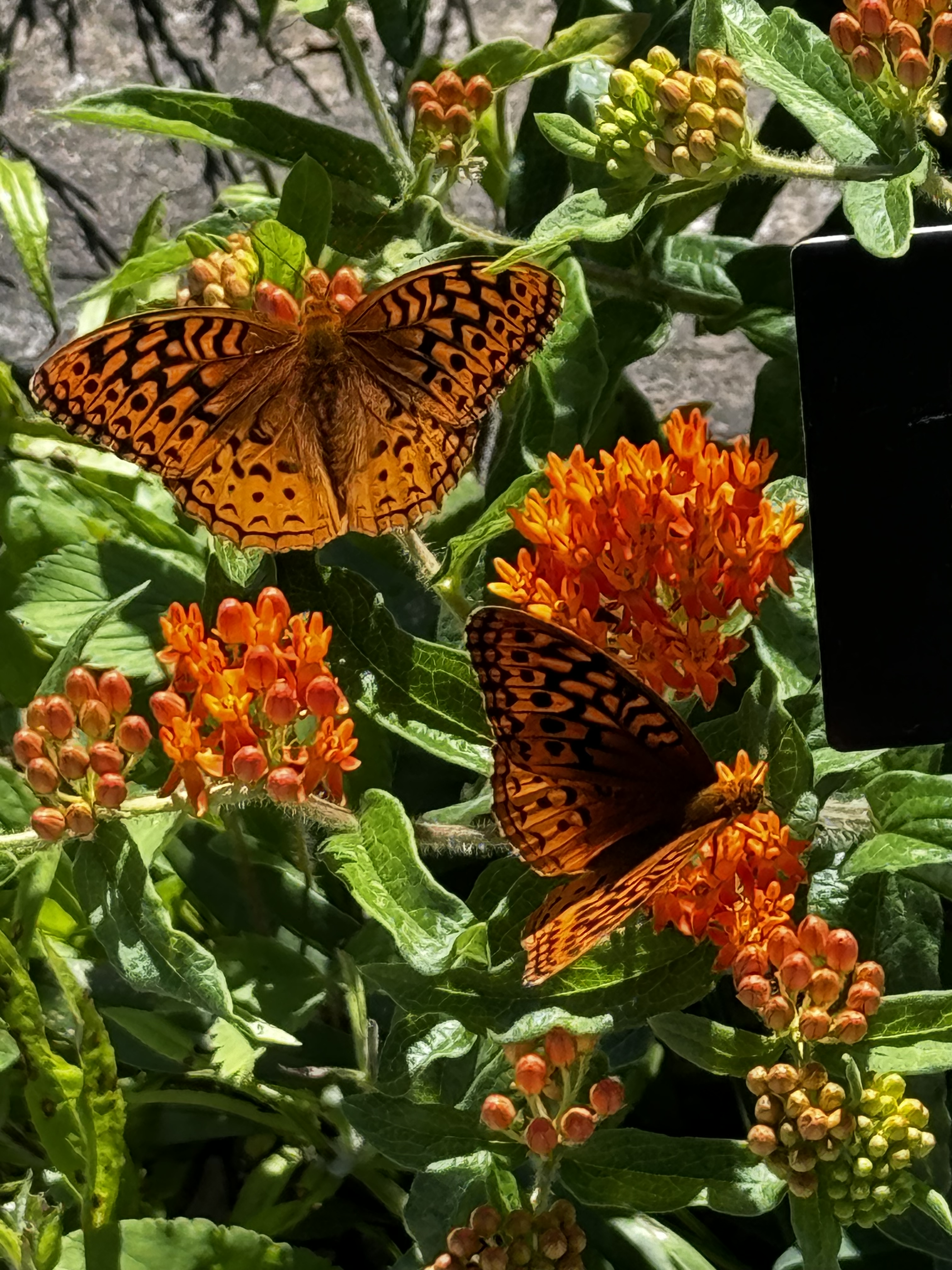
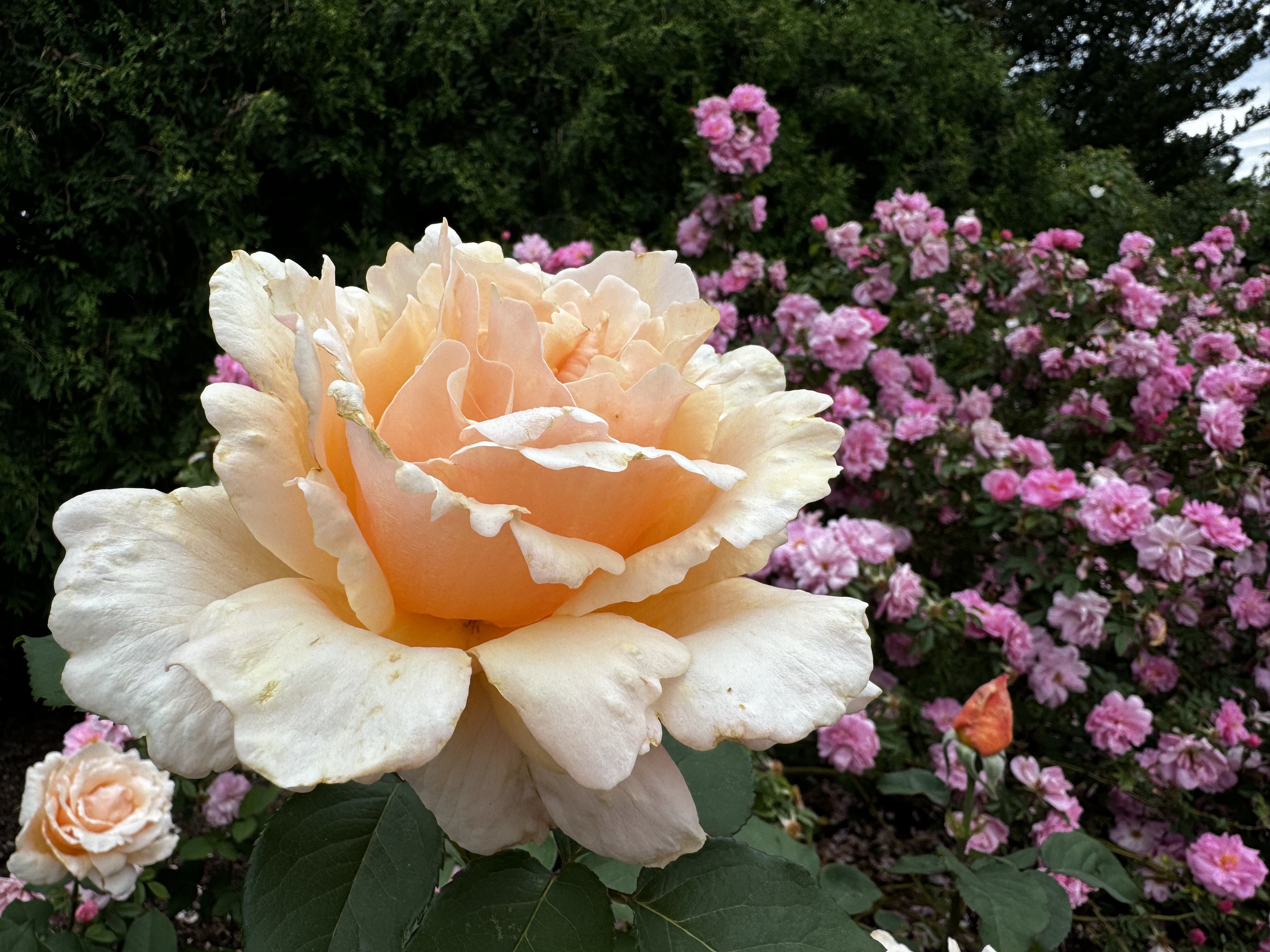
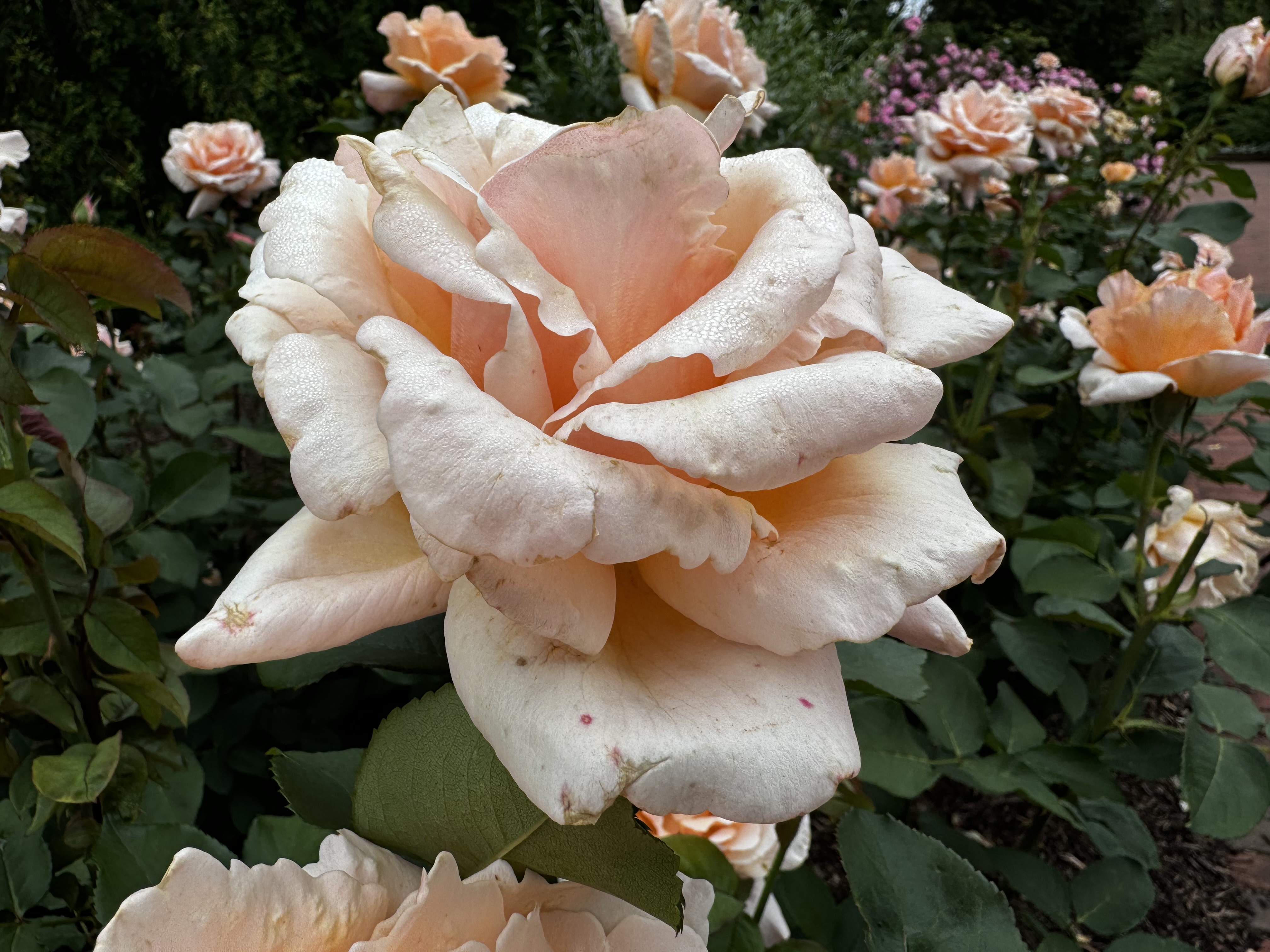
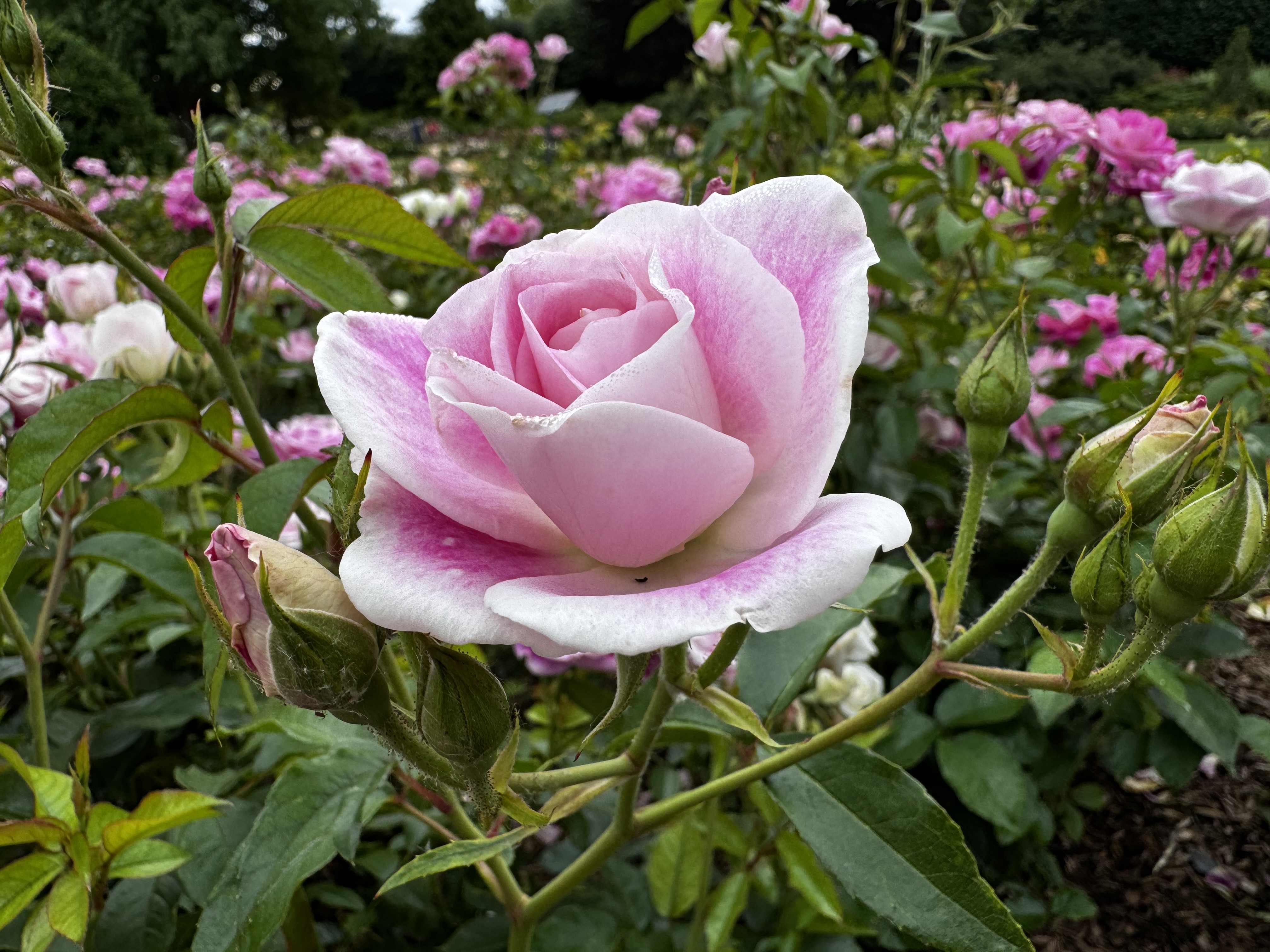
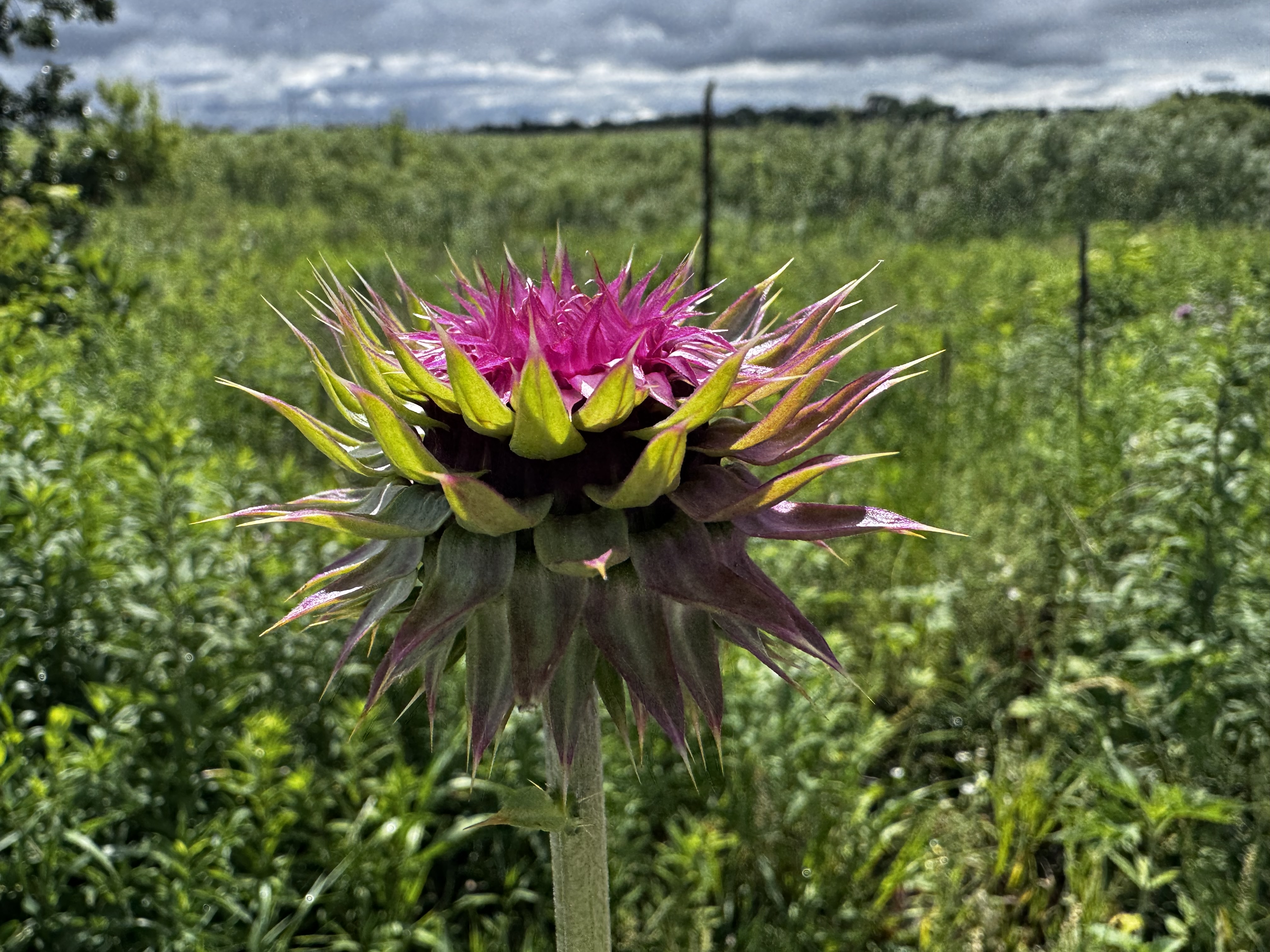
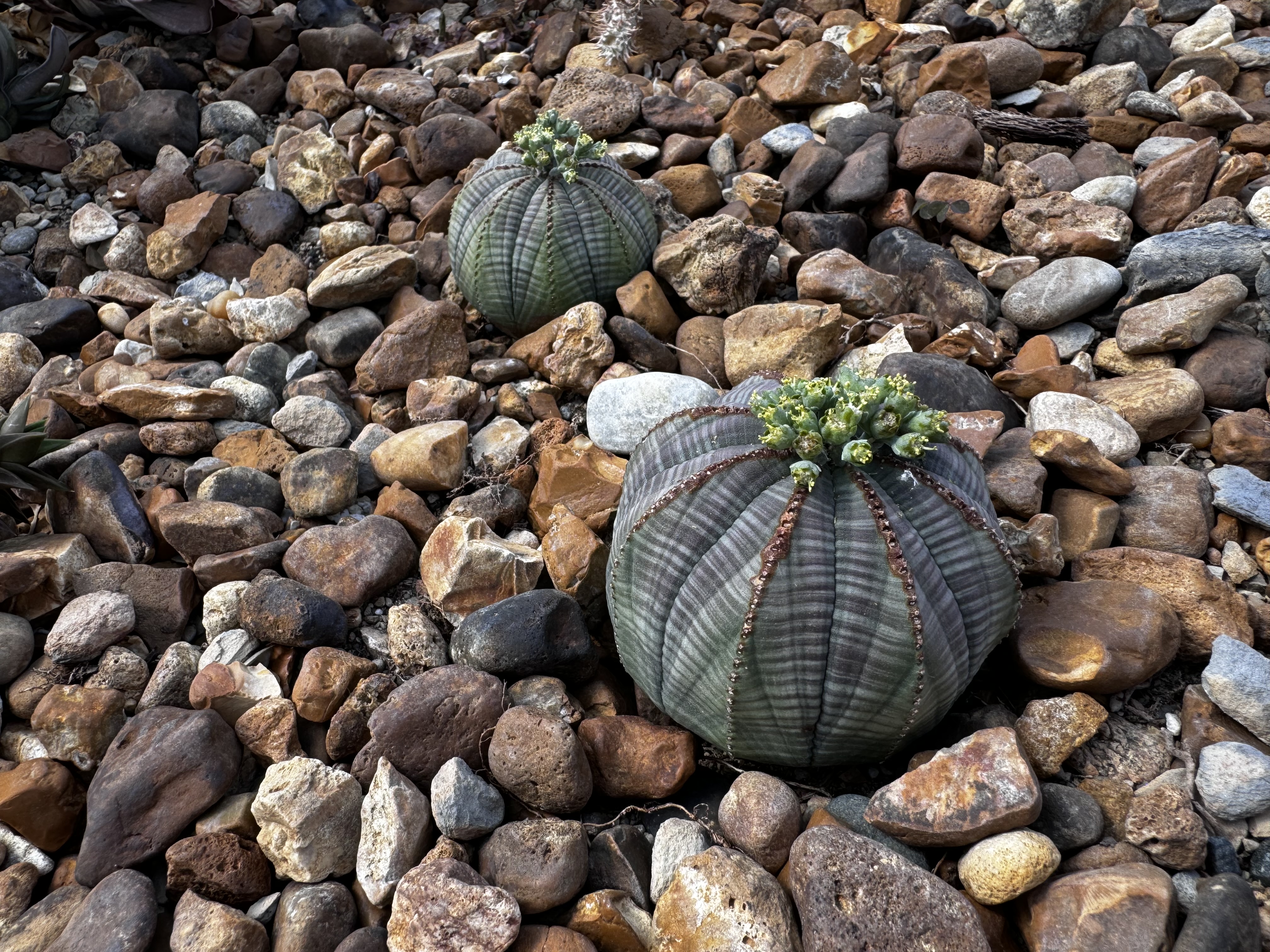
Seen at Matthaei Botanical Gardens.

Most of the reasons I have been so busy since late April fall under the heading “Not necessarily my story to tell,” but the next few days should adhere to a more regular schedule of walking, studying, practicing, and reading. Of course, simply writing that sentence may ensure disruption. And so it goes.

Until the next alarum, then, I am finishing A Midsummer Night’s Dream today, having resumed my Shakespeare in a Year project, and I hope to finish Roxana Robinson’s biography of Georgia O’Keeffe over the next few days. My first music lesson since April is scheduled for next week, and maybe I’ll have time for my Latin studies, which have been too long neglected.

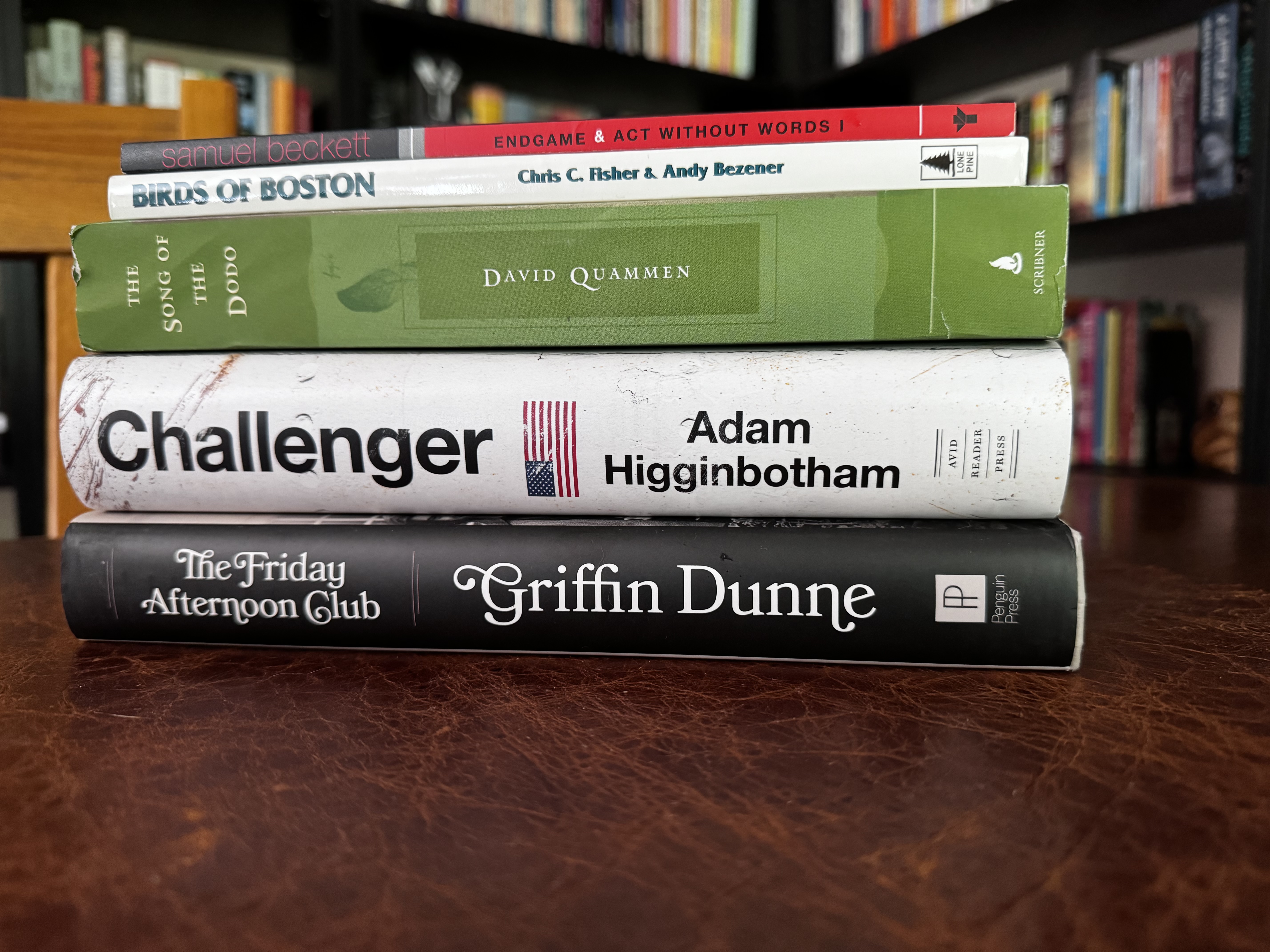
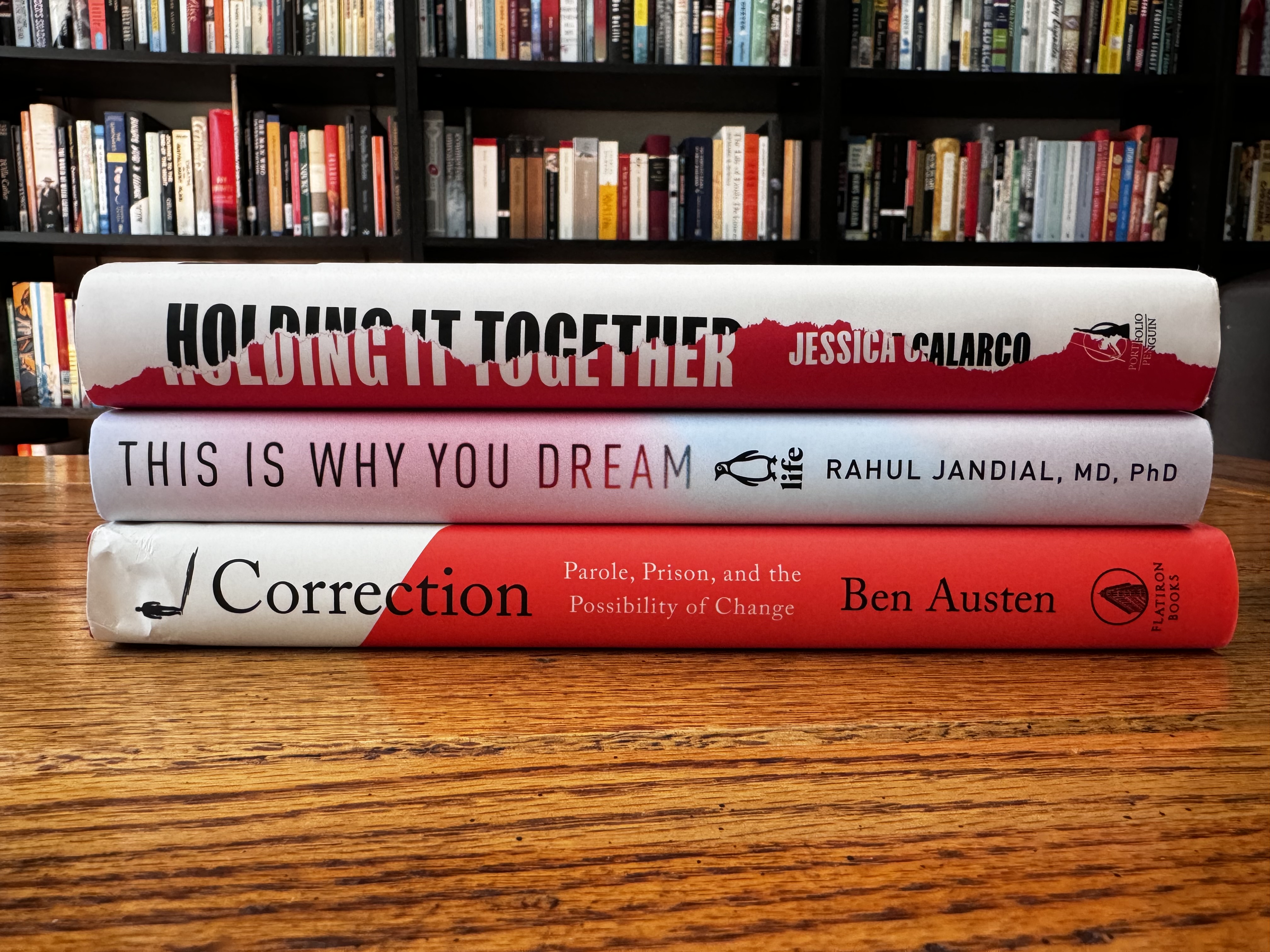
A few new books

The books above arrived while I was in Ann Arbor for a quick “reconnect and recharge” with my two favorite humans. Ordinarily, the drive there takes about five hours, but the last few times, it has taken much longer. On Friday, I left thinking I’d arrive by 7 p.m. their time, but I pulled into their driveway just before 10 p.m. Yeah, that’s pretty rough, but we had a wonderful visit, including a trip to Matthaei Botanical Gardens.

May in books

Recent acquisitions.

On some level, I always knew May, June, and July were going to be busy, probably stressful. It’s no surprise, then, that I remain behind on my Shakespeare in a Year project and have strayed far afield of my Latin goal. Still, I generally make time to read.

Girl A (Abigail Dean; 2021)
Day One (Abigail Dean; 2024)
Borrowed from the library. Reviews here and here.

NeuroTribes: The Legacy of Autism and the Future of Neurodiversity (Steve Silverman; 2015)
Read with my daughter. Related link here.

Trust (Hernan Diaz; 2022. Fiction.) RFS
Read with UCSC’s The Deep Read. Visit their site for faculty lectures, reading notes, and more.

The Story of a New Name (Elena Ferrante; 2012)
“So much drama!” my reading friend and I texted to one another as we read the second of the Neapolitan Novels. But what if the author has disguised her commentary on the volatile nature of female relationships and the life of the mind in a melodramatic mix of misogyny, abuse, poverty, and small meannesses? She engages readers in the book equivalent of a soap opera, then levels them with sly observations.

The Ministry of Time (Kaliane Bradley; 2024)
Part Kate and Leopold and part (somewhat messy) dissection of the nature of power, this novel didn’t impress me as it has others.

An American Dreamer: Life in a Divided Country (David Finkel; 2024)
Review here.

One of Ours (Willa Cather; 1923)
Read from the shelves. As I’ve mentioned, I’m (re)reading Cather’s novels, one each month in chronological order. The (inevitable) conclusion of this one, which earned the Pulitzer Prize, gutted me.

I’m So Glad We Had This Time Together (Maurice Vellekoop; 2024)
Vellekoop’s art is terrific and the story, compelling, but this memoir was too long by about 225 pages.