In late December, I visited the Museum of Science and Industry with my younger daughter. Although I am not particularly invested in the world of Spider-Man, I do count several graphic novels and at least two comic book series as among my favorite books; more, I recently read Michael Chabon’s The Amazing Adventures of Kavalier & Clay for a Roundtable course, so I was more than a little enthusiastic about seeing some of the original art that hung in “Marvel’s Spider-Man: Beyond Amazing.”
Above is my photo of the original final page of Issue 10 of The Amazing Spider-Man (1963), famous, apparently, for Jameson’s soliloquy about his hatred of the titular character.
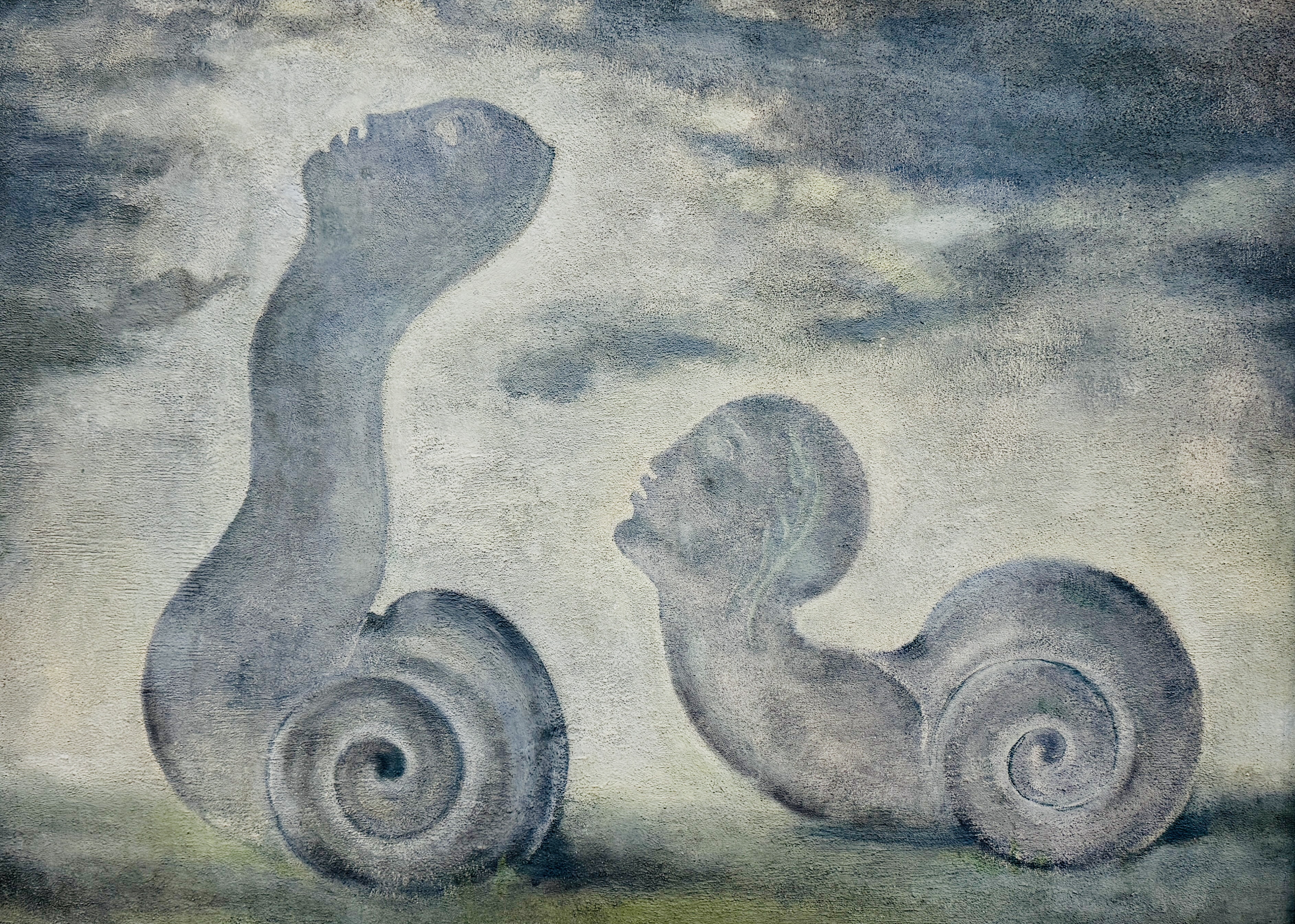
The above is my image of “The Bewitched” (1932) by Mina Loy.
Over the weekend, we headed into Chicago to celebrate my older daughter’s birthday. Our plans were upended when the Museum Campus shut down in anticipation of the cold.
When we relocated to Chicago from Southern California in the early 1990s, my husband and I, both born and raised in the Northeast, were not at all surprised by the number of adults who darted through the city in shorts and flimsy footwear in the most cutting cold and wind, nor by students who walked to class in zippered hoodies (sometimes dragging a coat). It sorted with a type we knew well from childhood — like my father, who could never abide a winter hat, or the president of the Class of 1982, who remained sockless even in six inches of uncleared snow, or the scout leader who would only wear sandals, even in January. So, Chicago, I hardly knew you when I learned that the Shedd, Field, and Adler would not open on Friday — especially in light of the many school closings.
In the Modern Wing, “The Bewitched” put me in mind of Francesca and Paolo, perhaps because I am rereading the Inferno, this time with Samantha Rose Hill and Elias Crim. Among other pursuits this semester, I am also reading The Canterbury Tales with Marion Turner. In Friday’s meeting, she reminded us that the juxtaposition of the stories and, by extension, storytellers — for example, the Miller’s interruption when the Knight has concluded — is part of Chaucer’s rather subversive genius. Wait. A similar rubric undergirds the Inferno, right? (After all, wasn’t it one of Chaucer’s chief influences?) Doesn’t Dante describe the weaknesses of societies through the stories of characters’ sin and limitations, building toward a sort of political treatise or philosophy?
As always, I love the intersections — the serendipity, synchronicity, and synthesis.
From Chapter 36 of Moby-Dick; or, The Whale (Herman Melville; 1851):
While the mate was getting the hammer, Ahab, without speaking, was slowly rubbing the gold piece against the skirts of his jacket, as if to heighten its lustre, and without using any words was meanwhile lowly humming to himself, producing a sound so strangely muffled and inarticulate that it seemed the mechanical humming of the wheels of his vitality in him.
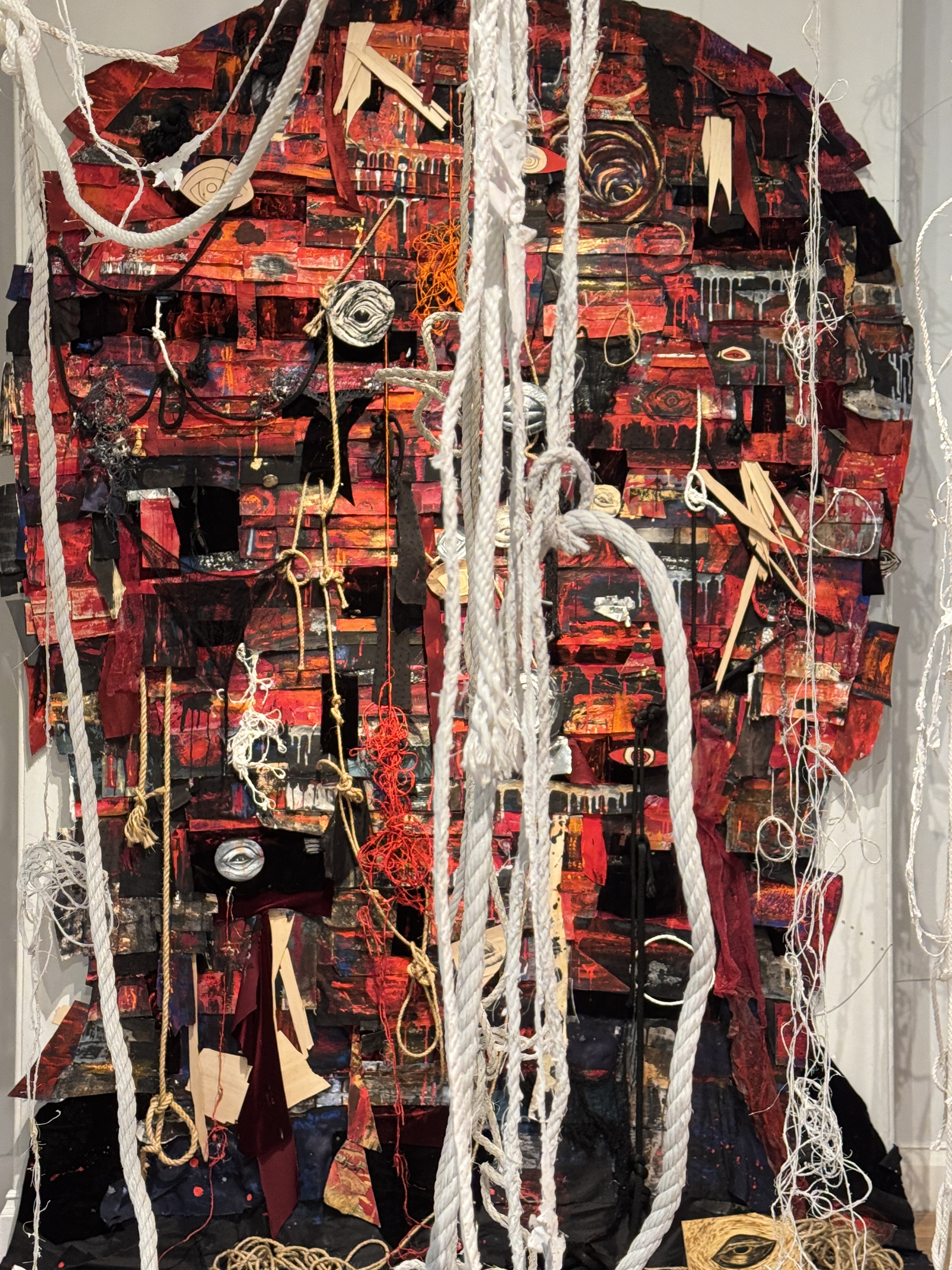
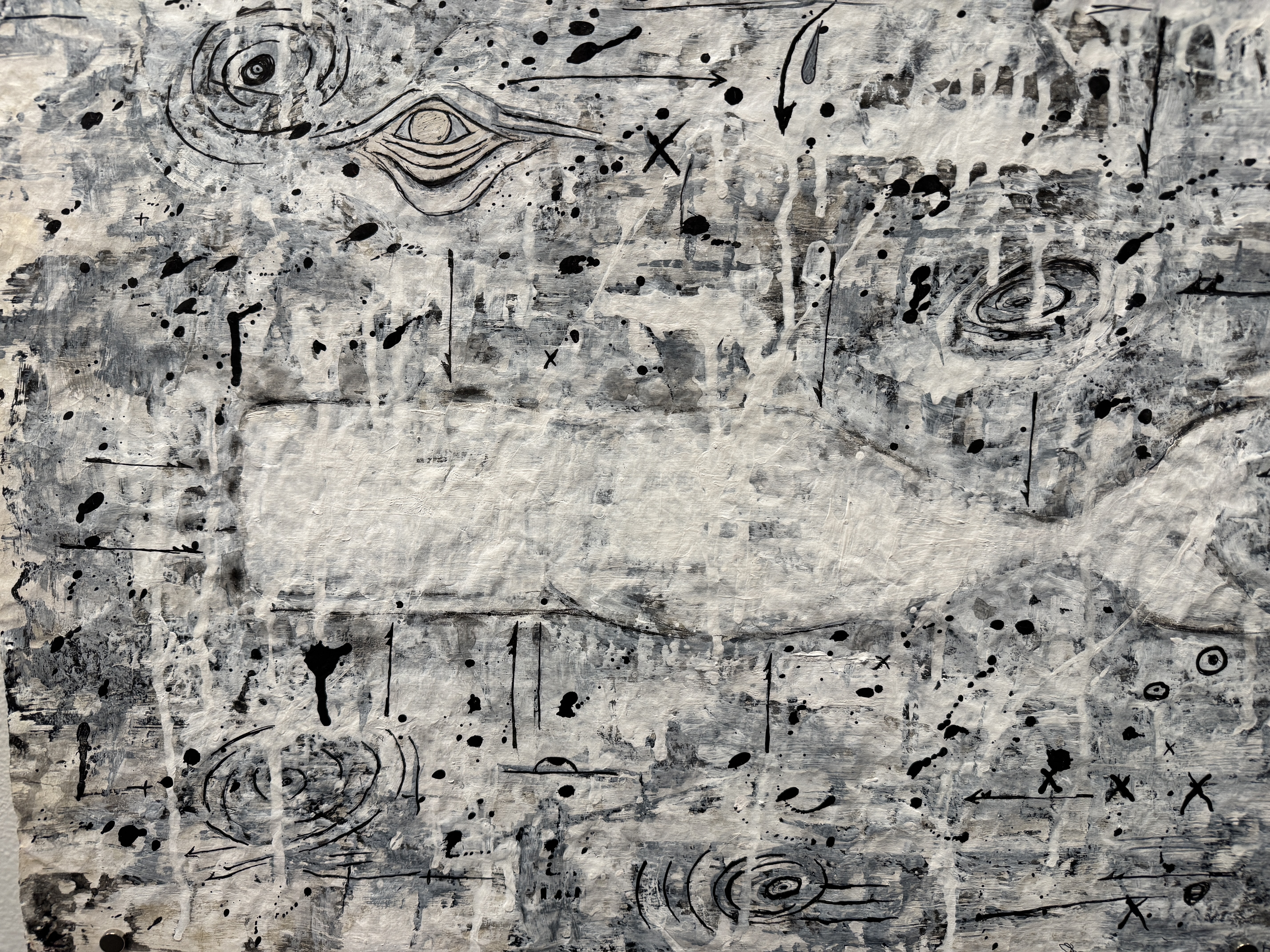
The focal point of Whitman’s installation put me in mind of this passage, which, as it turns out, occurs in the chapter from which I read at this year’s marathon.
After more than two weeks struggling with whatever virus grabbed me during the Moby Dick Marathon, I am feeling a bit better, if still more easily fatigued than I was pre-illness.
The above is my image of detail from Heidi Whitman’s work at the New Bedford Whaling Museum. My younger daughter and I were there this weekend for the thirtieth anniversary of the Moby-Dick Marathon, for which we were both readers. This year’s event commemorated Melville’s 1841 departure aboard the whaleship Acushnet: It has been 185 years since the adventure that yielded Moby-Dick and 175 years since the publication of the novel.
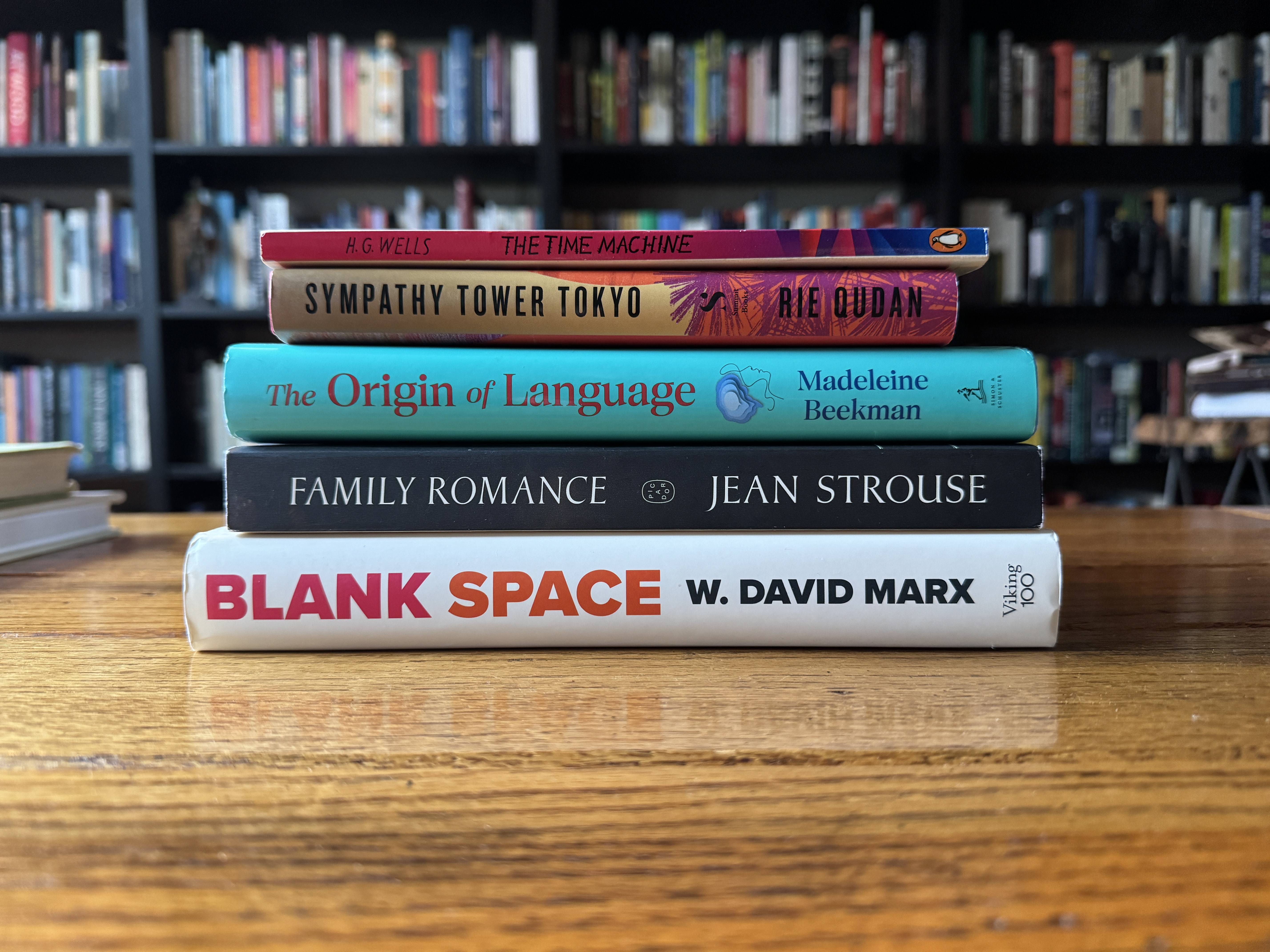
A little late posting this… The edition of The Time Machine features the cover design by a contestant on Work of Art, a program my daughters and I enjoyed when it aired more than fifteen years ago.
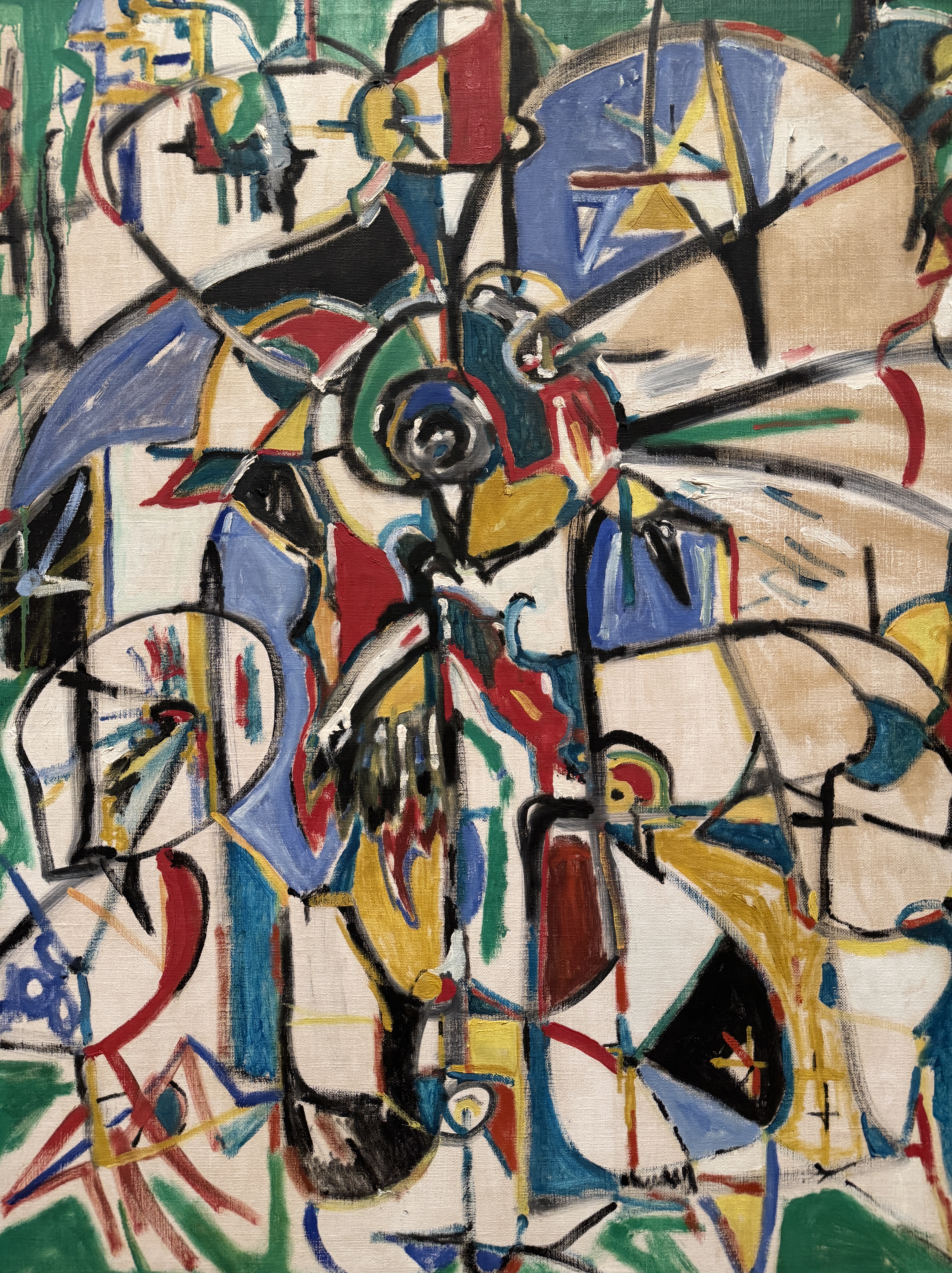
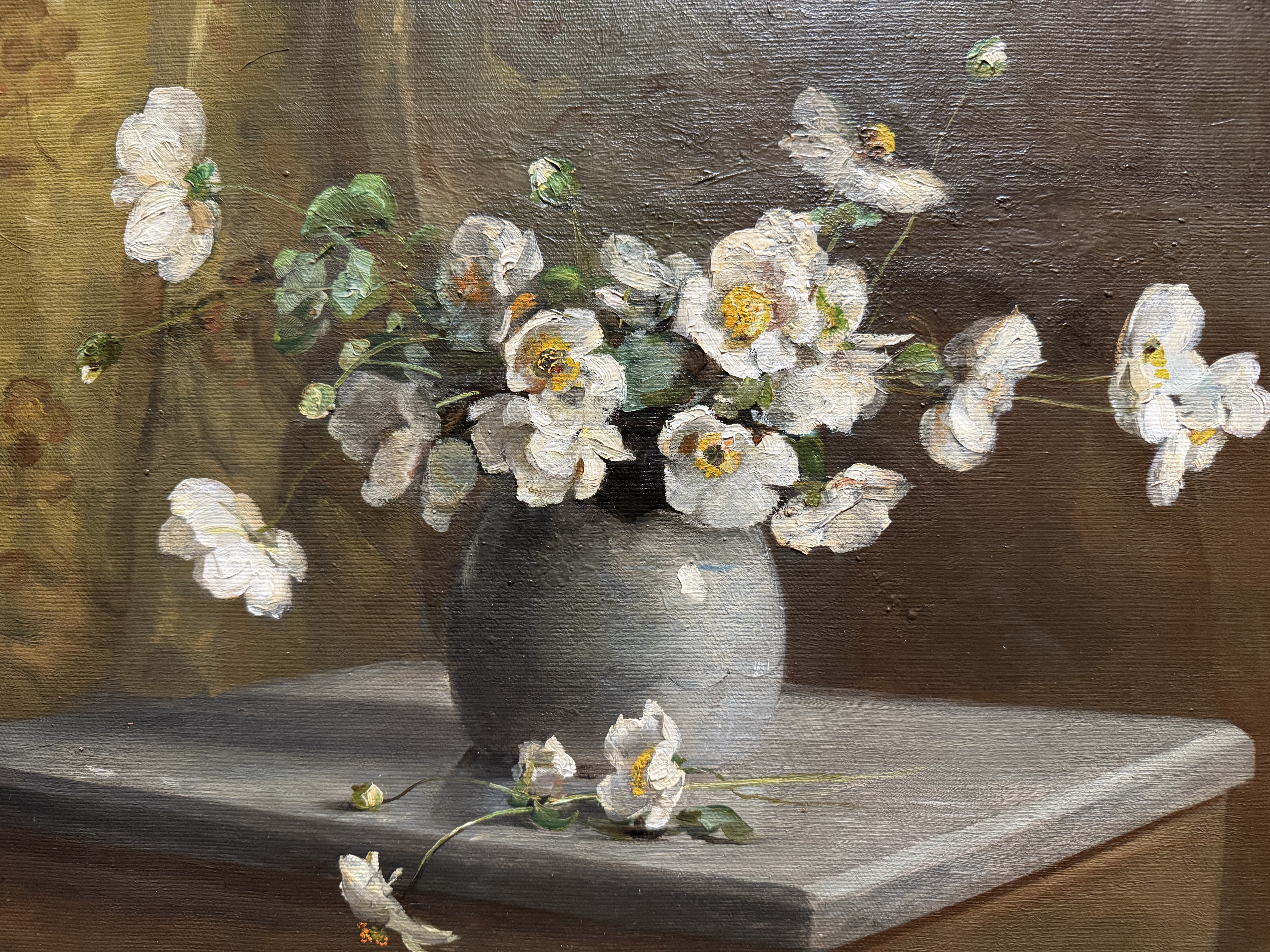
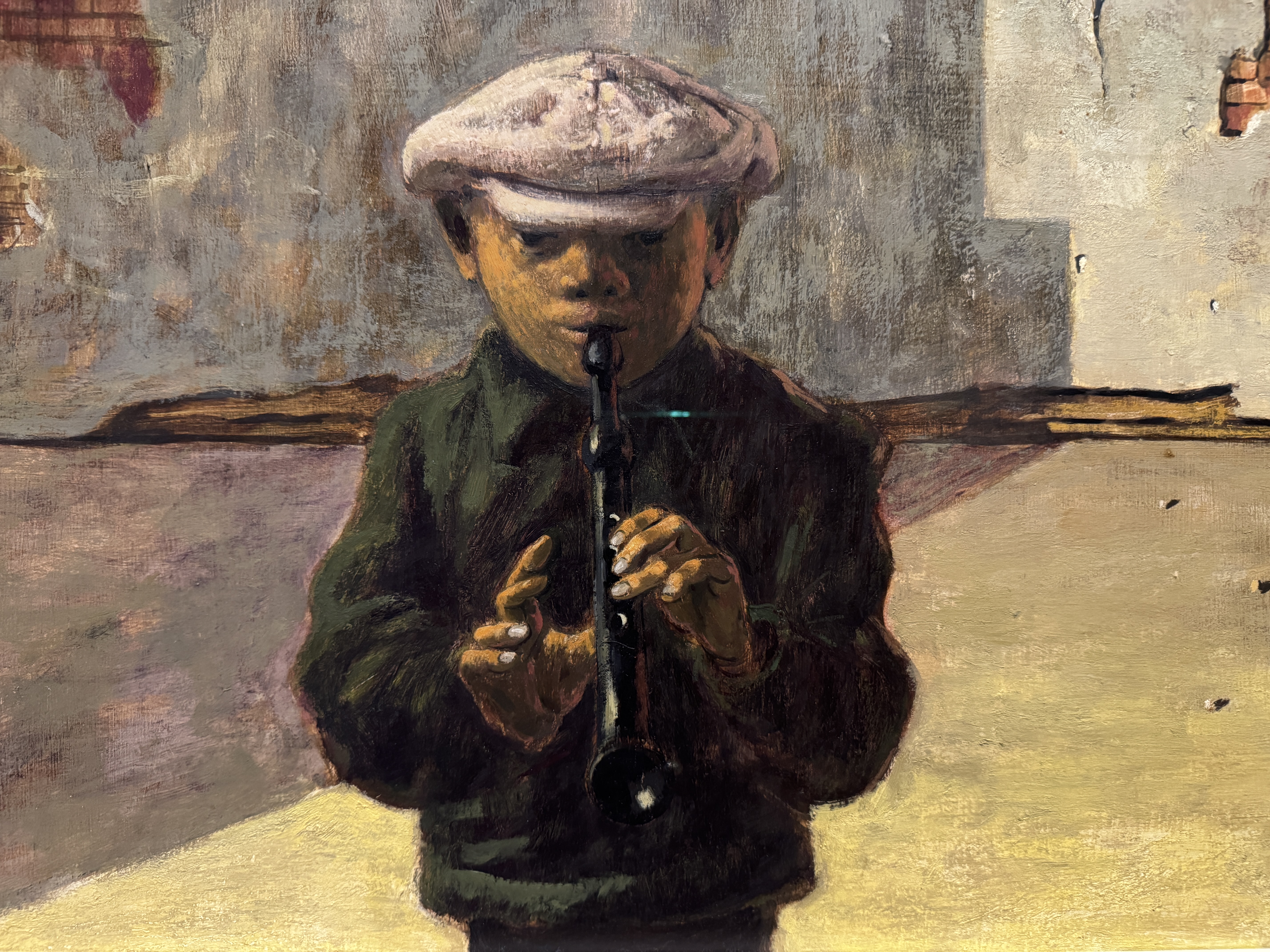
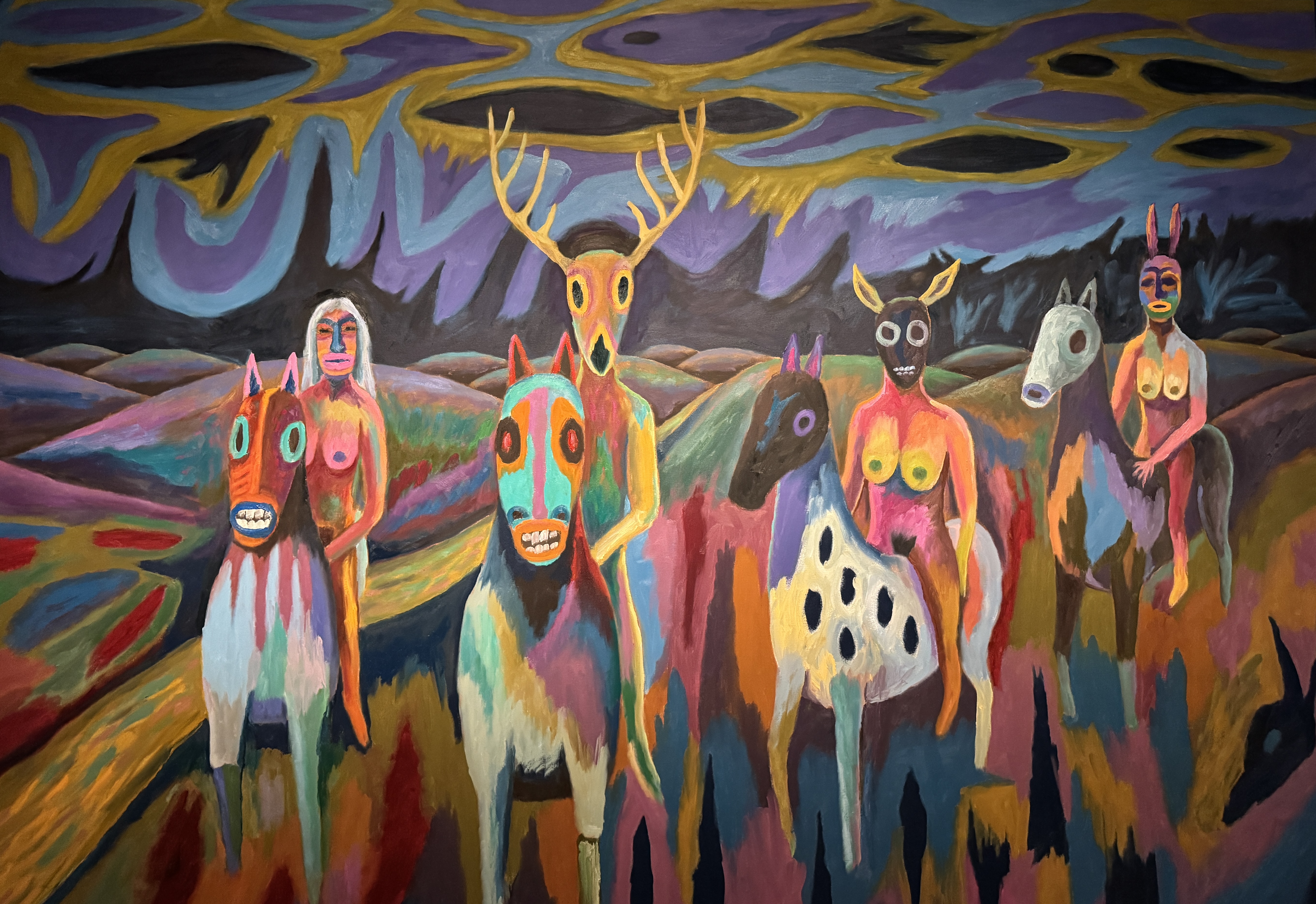
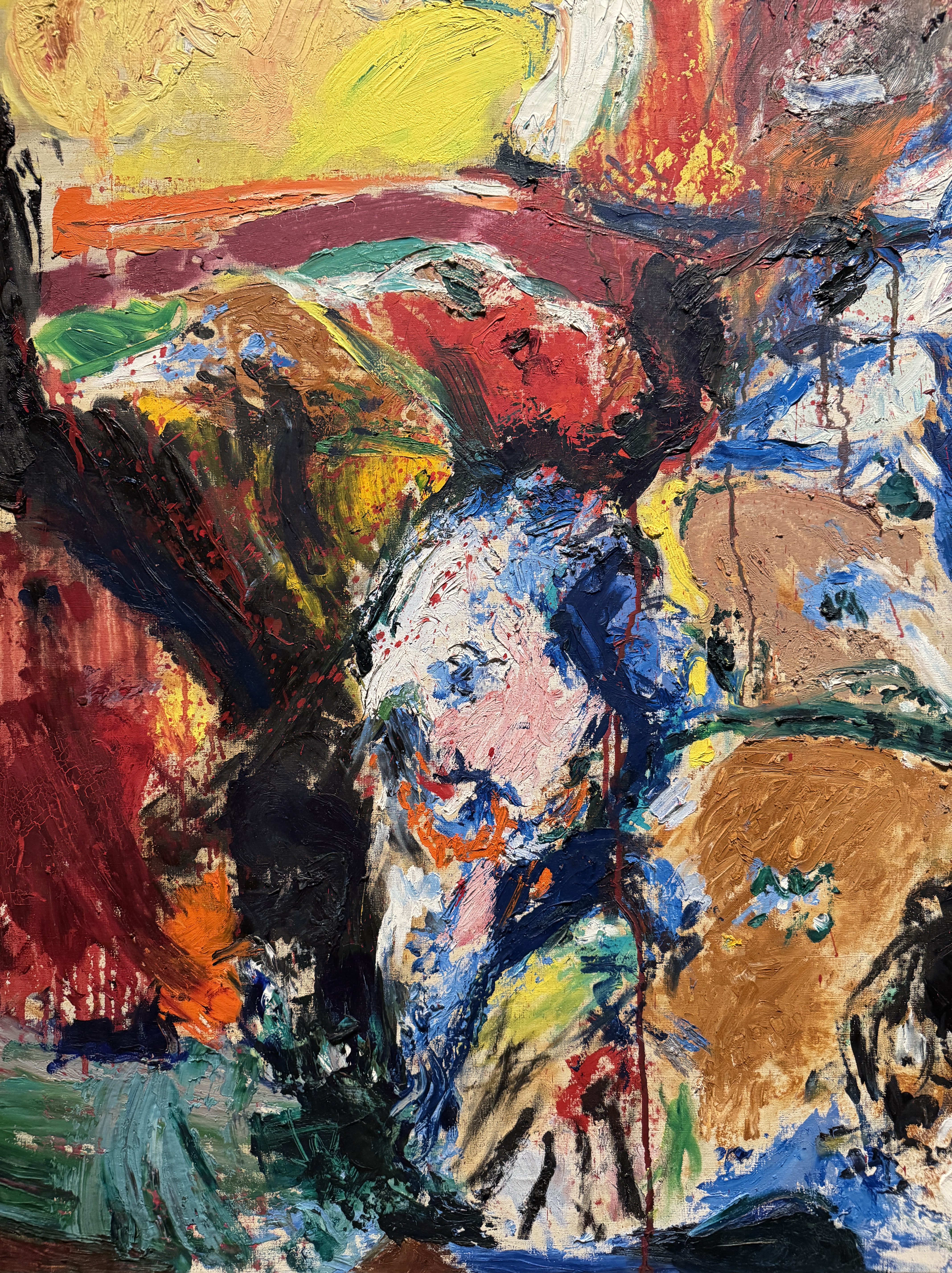
The above are my images of details from the following works of art: Le Jardine (1959-60) by Herbert Gentry; Floral Still Life (1880-90) by Charles Ethan Porter; The Piper (1953) by Hughie Lee-Smith; Four Days and Four Nites (2019-2020) by Jim Denomie; and The Suicide of Mr. H. (1961) by Asger Jorn.
page 150 You can feel sorry for yourself and not whine about it. Future-you will thank now-you for not giving up when you feel like it. Suffer, but don’t add to your suffering with a whole performance. Write a timetable, stick to it. “Our routes,” I’d told the children when they were small. “Bath, books, bed.” Routine first, because routine is a way to get traction, if nothing else, when all else fails or has failed: handhold, toehold, step. “It’s a question of discipline… When you’ve finished washing and dressing each morning, you must tend your planet. I’d written that out for all my children, from The Little Prince.
That’s the great thing about parenting, one of them, all the stuff I wish I’d known; I could learn it and teach it at the same time.
page 211 Even ease takes discipline is the point; you have to participate in your own life, survive enthusiastically whatever happens, or you’ll never rise again. Discipline is borrowed backbone. I’d have been sunk, drunk, gone under without it.
Discipline is the only gift you can give your future self.
page 252 You see, in this way, a child dies — your child, mine — and you think, I thought, I’ll never care about anything else again. Not really. But unbidden, other things shoulder their way into your grief, saturated world; and coincidentally, you should shoulder your way out of it. Apples roll under seats, you drink, tea, and your bladder fills. You register injustice, you feel outrage, you find yourself at a border post looking for the bathroom. You’re ridiculous and human and insufficient, but you’re back in play. Relief filled my chest, blew it open like the steel bands on an oak casket that had been snapped.



 Nerdishly