“The solitude of the hero is a sad thing!”

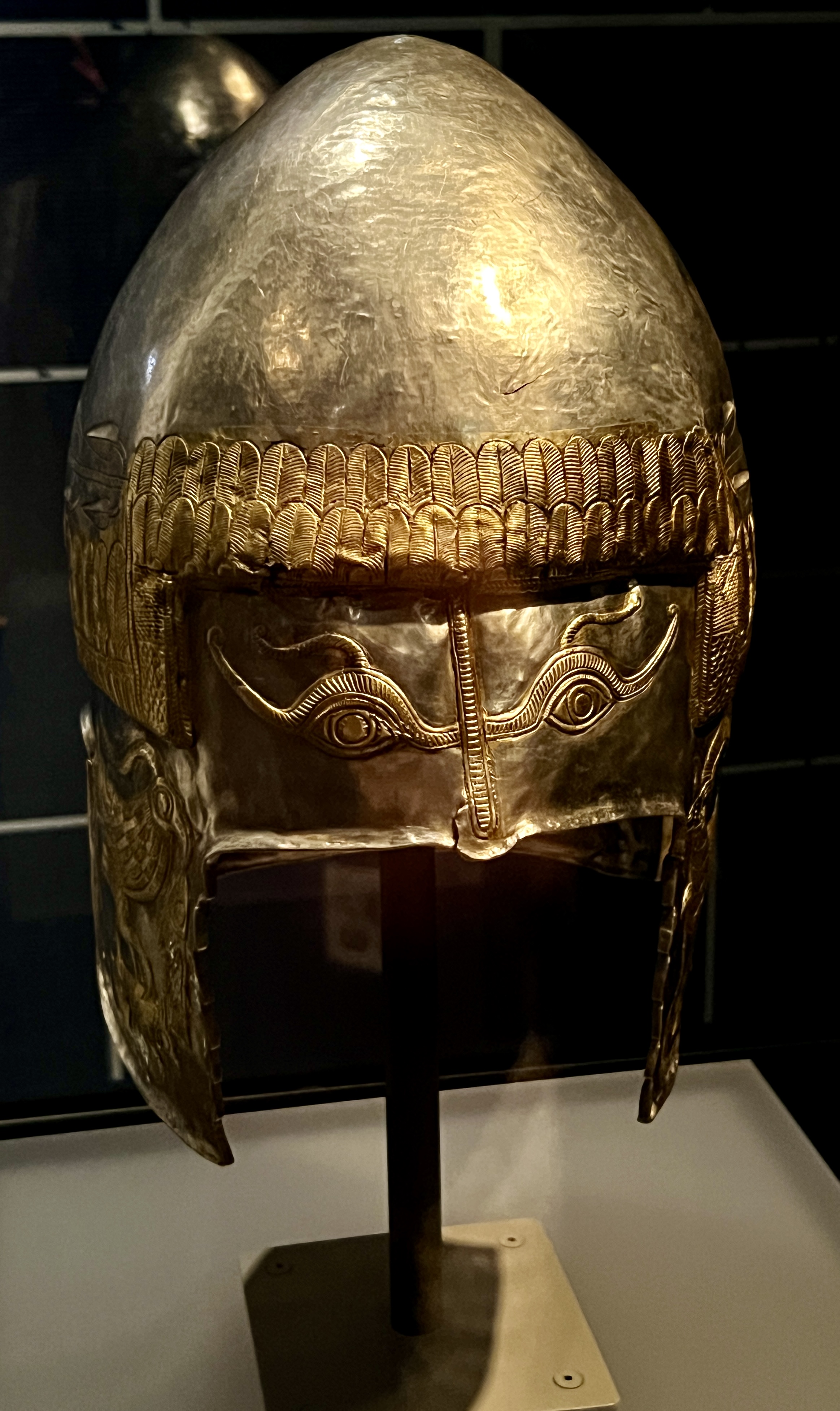
Along the prairie trail this past weekend.

This week’s reading delivers what must be one of the novel’s most poignant moments: “It is recounted that as soon as Sancho left, Don Quixote felt lonely for him, and if it had been possible for him to revoke the squire’s mandate and take the governorship away from him, his master would have done so” (p. 739). Theirs may be, in contemporary terms, a somewhat toxic co-dependency, but the sparring knight and squire are one another’s person – or, perhaps more accurately, the squire is the knight’s person. After all, what is Don Quixote sans Sancho Panza? What happens when a knight confronts a lion and survives, but his squire is not present to witness (and potentially retell) the adventure? 

From the edges of painful absence, the Knight of the Lions begs leave of the Duchess – “he withdrew to his chamber alone, not permitting anyone to come in to serve him…” (p. 741) – and promptly ruins his stocking. Readers have been aware of Don Quixote’s material poverty for nearly eight hundred pages, but this bitter blend of need and loneliness hurts, doesn’t it? In Our Lord Don Quixote, Miguel de Unamuno asks, “How indeed could he have avoided feeling his solitude, since Sancho was the whole of humanity for him, and it was in Sancho that he loved all men? How could he not feel lonely, when Sancho had been his confidant […]? Was not the mysterious secret of his life something between the two of them alone? Without Sancho, Don Quixote is not Don Quixote, and the master has greater need of the squire than the squire of the master. The solitude of the hero is a sad thing!” (pp. 223-224) Yes, it is, and if Cervantes has somehow failed to appeal to our better natures prior to Sancho’s departure, he handily succeeds in Chapter XLIV. 

This week, I have been reading Of Human Kindness: What Shakespeare Teaches Us About Empathy (Paula Marantz Cohen; 2021). Cohen builds on Harold Bloom’s assertion that Shakespeare “‘invented the human’ – a reference to the rich interior lives of his characters” by arguing, “[T]his human dimension also involves an intimate connection to us, who study him. Shakespeare invented complex individuals who elicit empathy,whom we, audience or readers, feel for even when they fall outside the realm of our experience” (p. 3). Perhaps because the Grossman translation of Don Quixote includes Bloom’s introduction, or perhaps because I have read the plays so often, I have been a bit obsessed with the idea that Shakespeare and Cervantes were, at the same moment in history, (re)writing the characters whose names alone now serve as shorthand for aspects of human experience (e.g., Macbeth, Hamlet, Lear, Romeo, Falstaff, Brutus, Don Quixote). The passage “Don Quixote felt lonely for him” elicited in me the same throat-lump empathy as “I know thee not, old man” (Prince Hal – now King Henry V – to former companion Falstaff in Henry IV, Act V, Scene 4); “O, reason not the need!” (Lear to Regan in King Lear, Act II, Scene 4); and “[T]he rest is silence” (Hamlet to Horatio in Hamlet, Act V, Scene 2).

Speaking of Hamlet, Don Quixote’s advice to Sancho Panza (Chapters XLII and XLIII) reads like a nuanced version of Polonius’ speech to Laertes in Hamlet, Act I, Scene 3, beginning, “And these few precepts in thy memory – Look thou character. Give thy thoughts no tongue, any unproportion’d thought his act. Be thou familiar, but by no means vulgar.” And still speaking of Shakespeare, the manner in which the Duke and Duchess toy with the knight and squire initially reminded me of the laughter and sport Theseus and Hippolyta and the two couples enjoy at the expense of the “rude mechanicals” in A Midsummer Night’s Dream, but when I reread Act V, Scene 1, I realized that, in fact, Theseus leans more toward Don Diego than the manipulative Duke and Duchess; he demonstrates tolerance and patience in accepting their performance. So, what motivates the Duke and Duchess, anyway? Does the idea of Sancho beating himself entertain them? Do their machinations represent a bid for immortality – that is, are their antics an attempt to insert themselves into the sequel of a popular novel? 

Two other notes:

(1) Is it sloppy reading on my part, or did Sancho Panza dispense with the assorted petitioners pretty handily?

(2) Near the conclusion of Chapter XLII, Don Quixote says of the squire’s tall tale about the ride on Clavileño,“…[E]ither Sancho is lying, or Sancho is dreaming.” Coupled with the chapter’s conclusion about what the knight wants Sancho to believe about his adventures in the cave, this statement admits doubt about the nature of truth in this narrative. If they build consensus around a single narrative, is it true? Even if it only occurred in their dreams or their imaginations? 
Notes on Chapters XXII through XXXIII

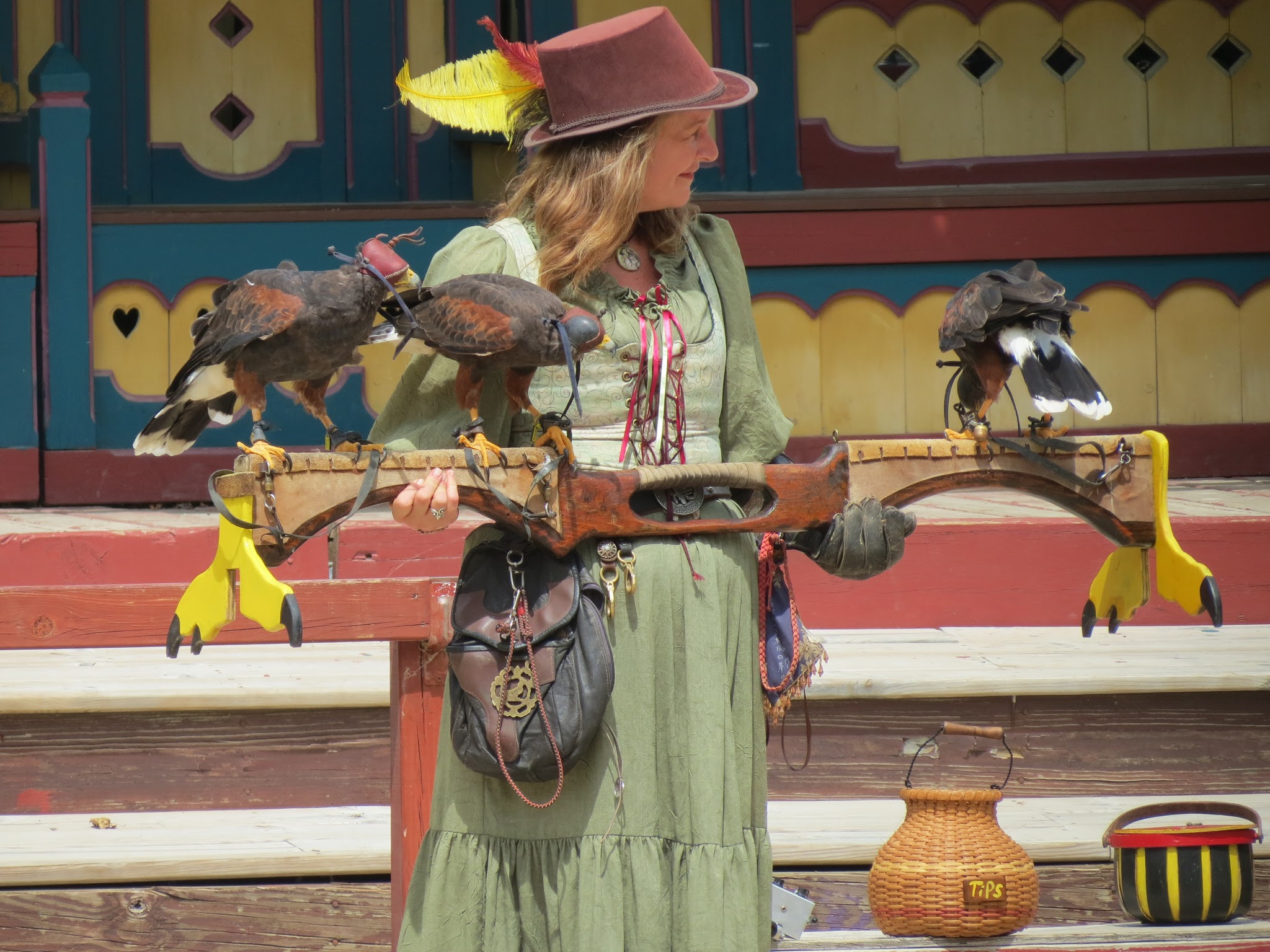
I was reminded of the image above (taken at the Bristol Renaissance Faire in September 2013) at the beginning of Chapter XXX: “[A]s he drew near he realized they were falconers. He came closer, and among them he saw a graceful lady […] dressed in green….”

Rereading Chapters XXII and XXIII

In Our Lord Don Quixote, Miguel de Unamuno invites us to reread “the narrative of the astonishing visions of Don Quixote; let him judge as he should judge, by the joy and the delight derived from the reading, and let him tell me later if these experiences are not more believable than others no less astonishing which God is said to have granted to certain of his servants, dreamers in the profound enchanted cave of ecstasy. And there is no choice but to believe Don Quixote, a man incapable of lying….”

Is Don Quixote “incapable” of lying? Again and again, I wonder about the role of “truth” and “true” in this narrative. Are dreams and visions “true”?

My marginalia for Chapter XXII includes a note about the continued abundance and kindness accorded to Don Quixote (i.e., the gifts and respect of the newlyweds); a mark around Sancho Panza’s observation, “What a devil of a knight errant you are, and what a lot of things you know!” (p. 598); and another mark around Don Quixote’s exclamation to Sancho Panza, “[T]here are some who exhaust themselves learning and investigating things that, once learned and investigated, do not matter in the slightest to the understanding or the memory” (p. 601). Oh, and regarding the length of rope: A hundred fathoms is six hundred feet or forty stories.

Last week, I described the events of Chapter XXIII as a “remarkably benign (Arthurian-inspired?) dive into the cave.” Following the required reread of these chapters, I researched my hunch about the nature of the Cave of Montesinos episode. Here are two articles that may interest others:

(1) “The Grail Quest: Imagery and Motif in the Episode at the Cave of Montesinos in ‘Don Quixote’” by Bruce Tracy. The Bulletin of the Rocky Mountain Modern Language Association, Mar., 1974, Vol. 28, No. 1 (Mar., 1974), pp. 3-9.

Tracy writes, “Cervantes has combined the Grail Quest motif with the dream vision, and ingeniously, but not adequately, integrated Dulcinea within it.”

(2) “The Subterranean Grail Paradise of Cervantes” by Philip Stephan Barto. PMLA , Jun., 1923, Vol. 38, No. 2 (Jun., 1923), pp. 401-411.

Barto notes, “That we are here dealing with the Arthurian grail-paradise is further attested by the mention of the necromancer Merlin, Queen Guinevere and Quintoniana, cupbearer to Launcelot. Even Launcelot would seem, by implication, to be here, since it is said of his cupbearer that she served him ‘when he came from Britain.’”

A few notes on Chapters XXIV through XXXIII

● I laughed aloud at Sancho’s lament, “O wedding of Camacho, O plenty in the house of Don Diego, I miss you so often!” (p. 617) One could reread this novel simply to observe the (wildly unreliable) ways in which characters mark time. 

● Also from Sancho: “Is it possible that a man who knows how to say all the many good things that he’s said here can say he’s seen the impossible foolishness that he says he saw in the Cave of the Montesinos? Well, now, time will tell.” (p. 619) Time is not the only topic about which our characters display an extraordinary lack of consistency or reliability; they also vacillate on such subjects as truth, intelligence, and sanity, among others.

● How did I know Señor Master Pedro was Ginés de Pasamonte? Was there a textual clue I am now failing to recall – perhaps in the introduction? (That is certainly a pitfall of reading a long work over many weeks while reading other books: Despite note-taking, discussion, and marginalia, some details are inevitably lost; this novel requires rereading.) Well, although the mild-mannered puppeteer betrayed nothing of the fierce persona displayed in Part I, I saw through his disguise. Also, in this episode – an echo or mirror of the attack on the wine bags (giants) – I appreciated that Don Quixote had enough money to make amends.

● While the duke and duchess certainly ply the knight and his squire with food and compliments, this is not the same abundance about which I wrote last week; this is sport at the expense of someone else’s dignity, made worse when one learns that for Don Quixote “this was the first day he really knew and believed he was a true knight errant and not a fantastic one” (p. 658). Later I cringed when Don Quixote expounds, “If knights, and the great, the generous, and the highborn considered me a fool, I would take it as an irreparable affront” (p. 666); is that not how the duke and duchess feel about him?

● Earlier this week, I finished reading Michael F. Moore’s new translation of The Betrothed, the 1827 novel by Alessandro Manzoni. In addition to an unfortunate character who collected many works of “chivalric science,” the book includes this remarkable passage: “In this manner, they wandered wherever fate might lead (hence the glorious name of knights-errant) among the poor pedestrian riffraff of city and country folk whose only weapon to ward off death and soften the blow were the rags on their backs. Ah, the knighthood! Such a beautiful, wise, and useful profession.”

Abundance

By Chapter XXIV in Part I, Don Quixote and Sancho Panza have endured – among other ignominies – ridicule, blanket-bouncing, grievous injuries, and “the tempest of stones” (p. 172) with which the galley slaves repay their freedom. Despite the measured (or, as some have suggested, darker) opening of Part II, however, this week’s reading shows the hapless heroes of our tale the faces of success, abundance, and even a degree of respect. Once he has handily dispatched Bachelor Sansón Carrasco*, Don Quixote encounters the Knight of the Green Coat (also known as Don Diego de Miranda), who, following the adventure of the lions, invites the newly renamed Knight of the Lions to his home. In this “castle,” Don Quixote and Sancho Panza enjoy such food, conversation, company, and bounty as to render this encounter a perfect inverse of their experiences at the inn in Part I.

To his son, Don Diego confides, “I can only say that I have seen him do things worthy of the greatest madman in the world, and heard him say things so intelligent that they wipe out and undo his mad acts” (p. 569), an observation that rightly describes the waffling this reader experiences when contemplating Cervantes’ intent. Following his lengthy discussion with the Knight of the Lions, Don Lorenzo is as puzzled as his father. “Once again the father and son were astonished by the mixed speech of Don Quixote, sometimes intelligent and sometimes utterly foolish, and by the persistence and perseverance of his complete devotion to the search for his misadventurous adventures, which were the object and goal of all his desires” (p. 575).

Not long after their departure from Don Diego’s home, Don Quixote and Sancho Panzo meet the licentiate and Cochuelo and learn about yet another besotted shepherd. (Pastoral alert!) The fair (of course!) Quiteria, object of Basilio’s affections, is about to marry the much wealthier Camacho, and thus our knight and squire find themselves guests in the second generous and abundant setting of Part II. With nary an interpolated novel, miscreant (here’s looking at you, Don Fernando), or mistreated woman in sight, a ruse works, Don Quixote brandishes his lance, love prevails, and, contrary to Sancho’s gloomy grousing, the abundance continues in a third location.

What book is this? Following the remarkably benign (Arthurian-inspired?) dive into the cave, that was my chief question. What am I reading? And why does the relative success of these several “misadventurous adventures” worry me – in fact, fill me with foreboding? “All things are possible,” Don Quixote tells us on page 559, but we already know – spoiler alert – the hero dies. Will his successes, such as they are, continue, or will Carrasco end them?

Other notes and marginalia

“Señor, sorrows were not made for animals but for men; but if men feel them too much, they turn into animals; your grace should restrain yourself….” (p. 521)

“[T]here is more rashness than courage in a single man attacking an army that has Death in it, and emperors fighting in person, and the help of good and bad angels….” (p. 525)

“Every day, Sancho,” said Don Quixote, “you are becoming less simple and more intelligent.” (p. 527)

“I tell you, Sancho, with your natural wit and intelligence, you could mount a pulpit and go around preaching some very nice things.” (p. 590)

The sagacity of “good Sancho, wise Sancho, Christian Sancho, sincere Sancho” (p. 526) continues to grow – perhaps because the knight’s “conversation has been the manure that has fallen on the barren soil of [Sancho’s] dry wits” (p. 528). Or perhaps because the inversions at work here are not only in the knight’s fortune?

“[S]ince I am a devil, all things are within my grasp.” (p. 523)

The scenes featuring the cart of actors put me in mind of the Player and the Tragedians in Tom Stoppard’s Rosencrantz and Guildenstern Are Dead.

“I love him with all my heart and couldn’t leave him no matter how many crazy things he does.” (p. 536)

Watson and Wilson could intone the same of Holmes and House, no? I was reminded of these dynamic pairings again on page 570, when Don Quixote described the “science” of knight errantry, a science that shares some characteristics with the art of detection.

“Certainly, Señor Sansón Carrasco, we’ve gotten what we deserved: it’s easy enough to think up and begin an enterprise, but most of the time it’s hard to end it. Don Quixote’s crazy, we’re sane, and he walks away healthy and laughing, while your grace is bruised and sad.” (p. 549)

Indeed!

“…I shall recount to you some of what I have seen down there, which will make you believe what have recounted here, whose truth admits neither argument nor dispute.” (p. 614)

And, yes, I remain fascinated by the uses and definitions of “true” and “truth” in this work.

_______________________

* Are you a Parks and Recreation fan? For some reason, from the moment of Carrasco’s introduction in Part II, I was reminded of Justin Anderson, about whom Ron wisely observes, “He’s a tourist. He vacations in people’s lives, takes pictures, puts them in his scrapbook, and moves on. All he’s interested in are stories. Basically, Leslie, he’s selfish, and you’re not, and that’s why you don’t like him.”

New books, a play, and some music

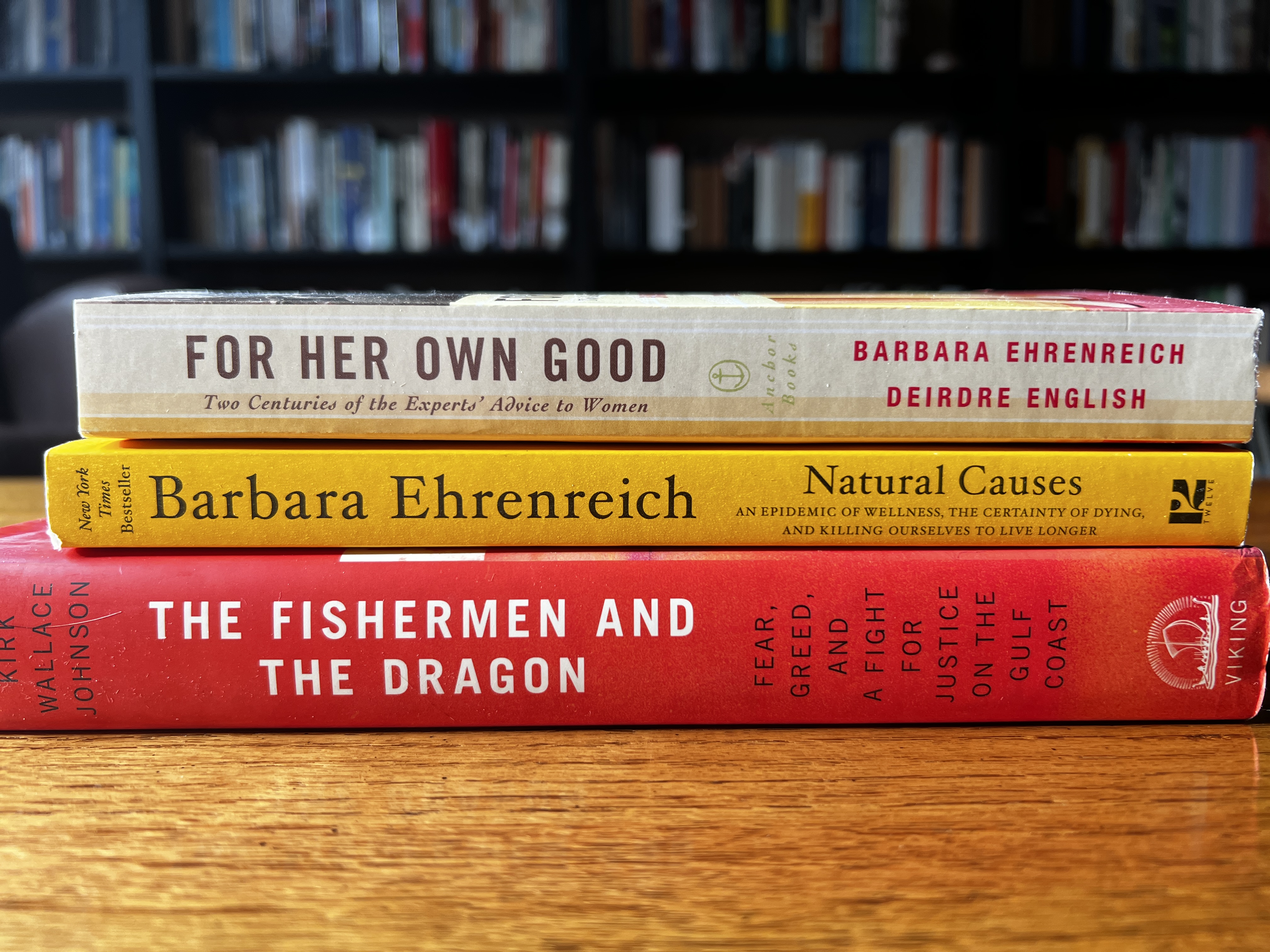
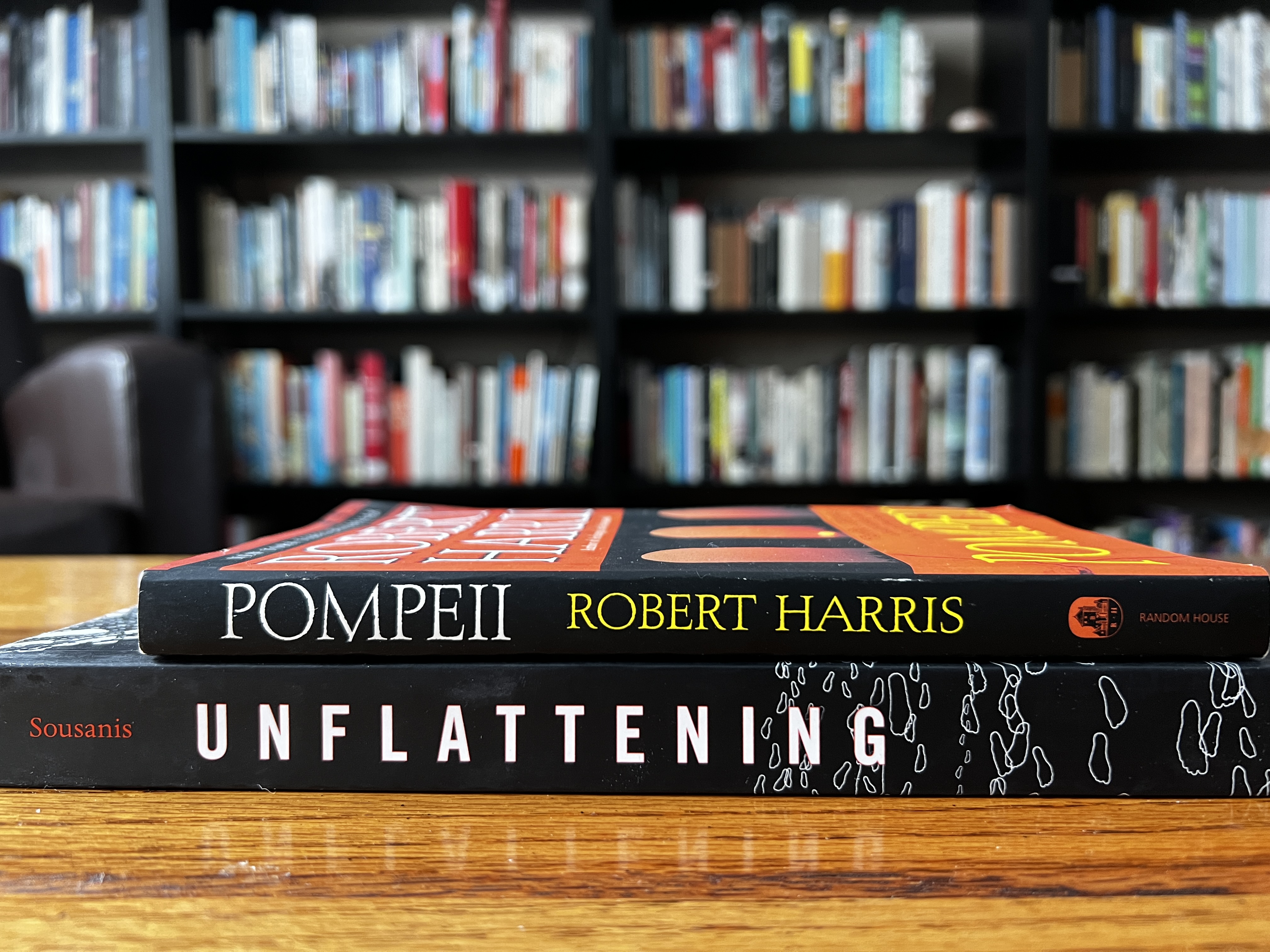
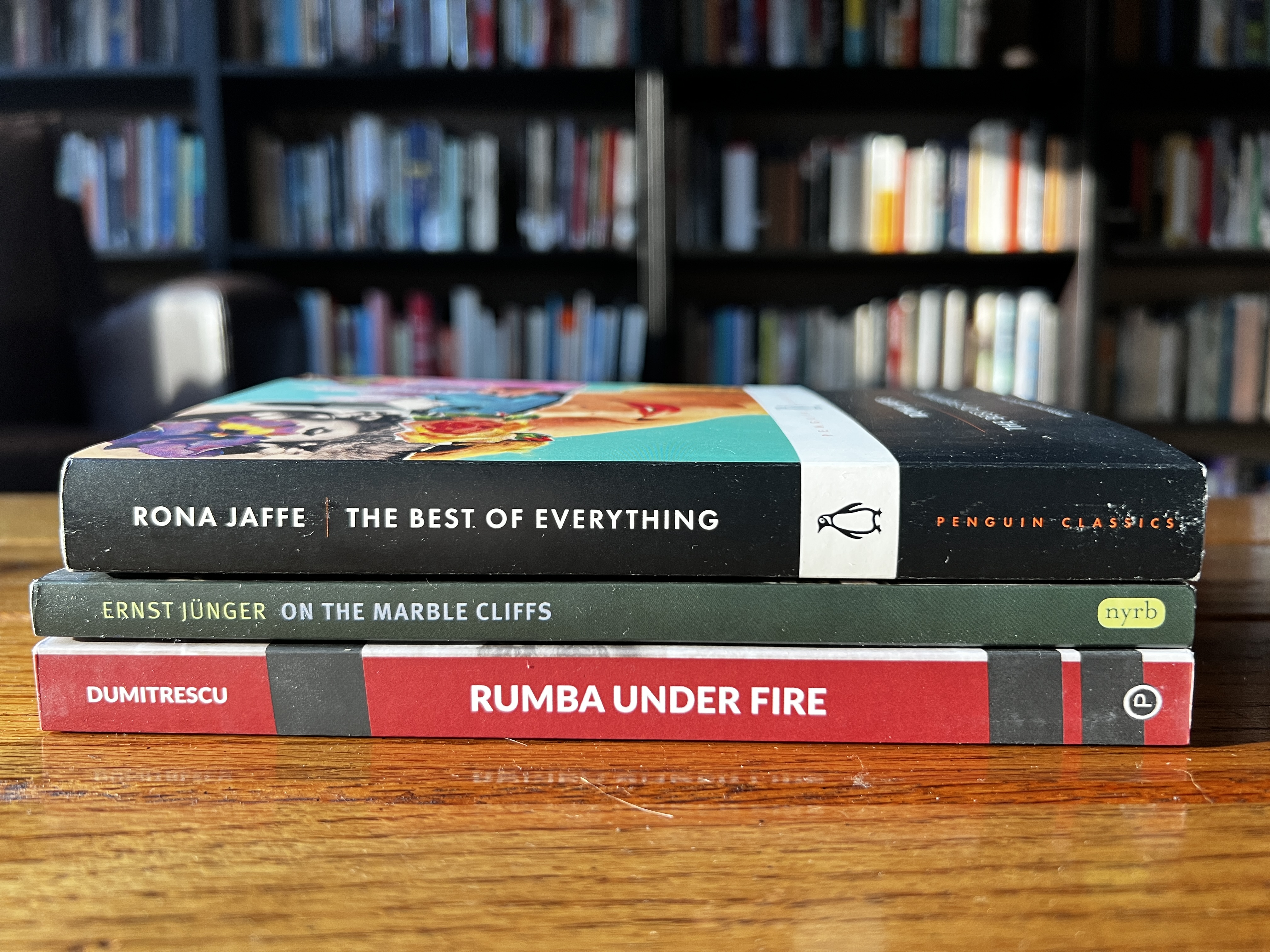
A couple of new books.

Over the weekend, we saw The Comedy of Errors, the last production Barbara Gaines will direct as artistic director of the Chicago Shakespeare Theater. (Reviews here and here.) For the record, we didn’t mind the framing device, at all. Errors is a fairly ridiculous play; the frame gave it the support most contemporary audiences require. We also heard a short concert given by a small ensemble of Elgin Symphony Orchestra members — really delightful.