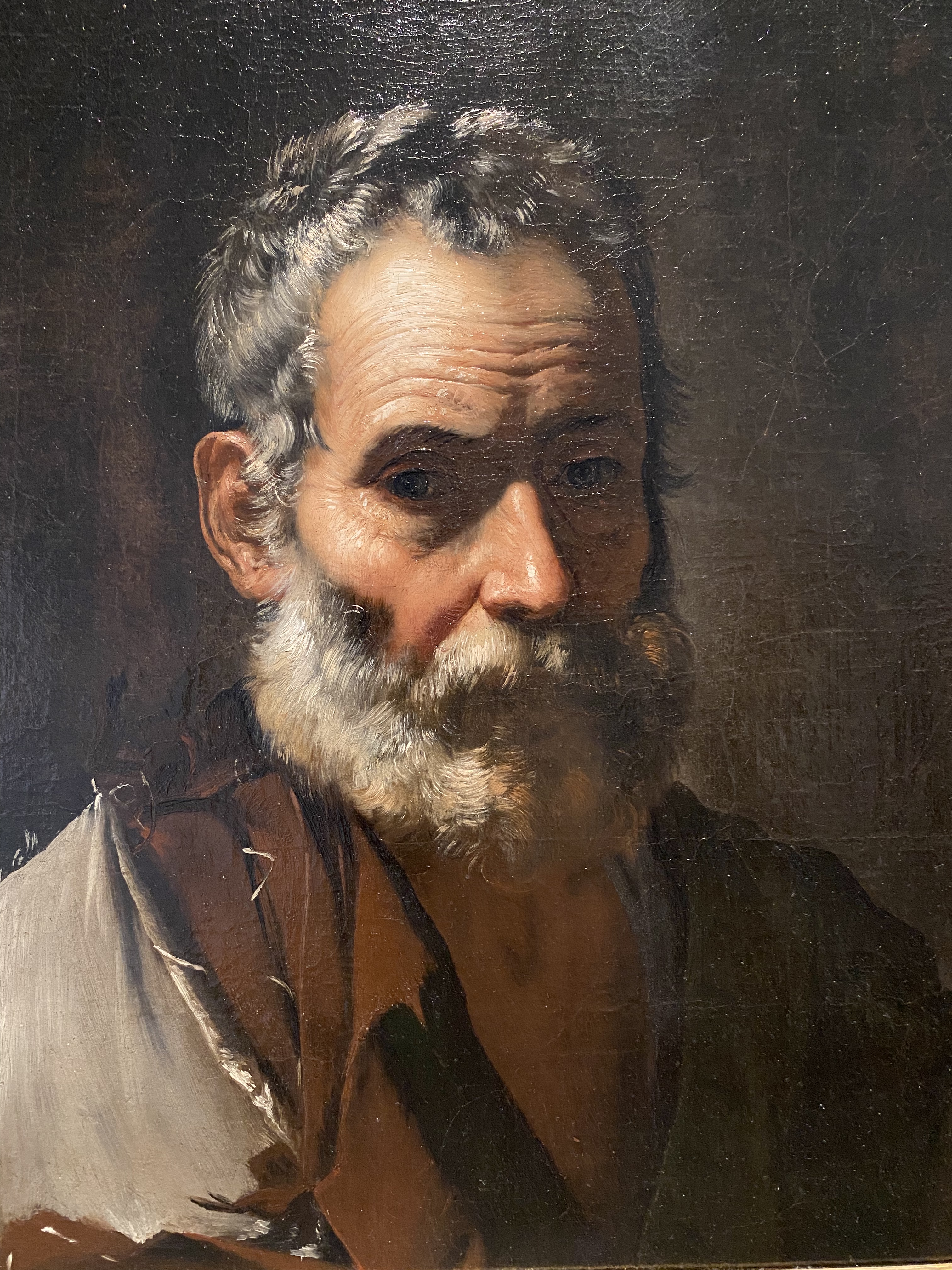
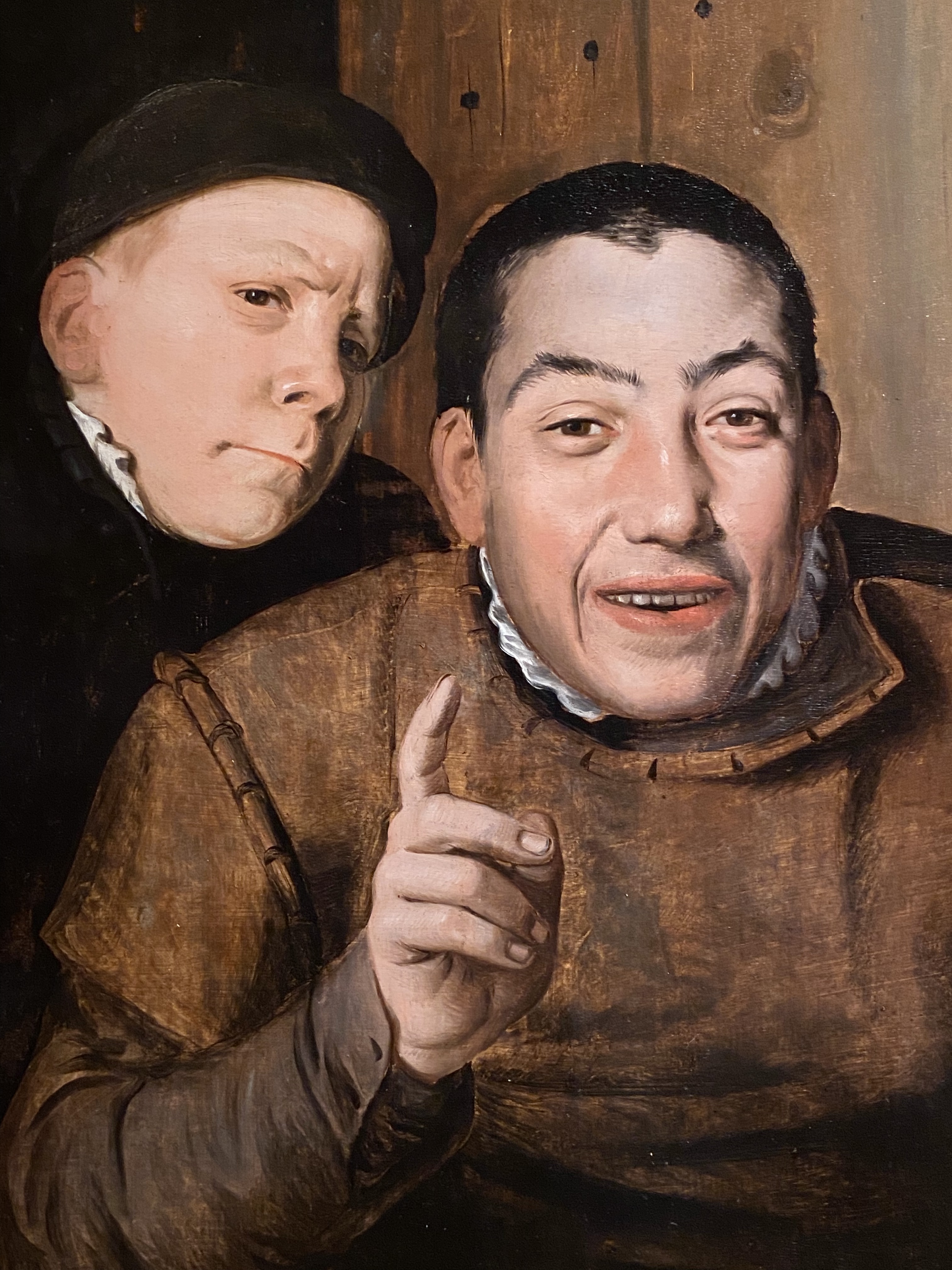
A Philosopher (about 1635) by José de Ribera Two Jesters (1550-75) by Unknown artist Self Portrait (1828) by Rembrandt Peale Head of a Man (1777-78) John Singleton Copley Girl Reading (1938) by Pablo Picasso Self Portrait (1887) by Vincent Van Gogh
Four miles in the morning before it gets too hot has been working out for us most days. Recently, we traded our weekday neighborhood route for the prairie trail. Why we didn’t do this sooner remains a mystery, but we’re glad for the prettier and joint-friendlier walk. On the weekends, we head to the state park or one of the county conservation areas.
The rest of my summer has centered on reading and study, yard work and gardening (our “pollinator pockets” have proven quite successful), and preparation for the upcoming recital (yes, live and in-person — I’ll be playing the Allegro molto from Schubert’s Sonatina in D Major).
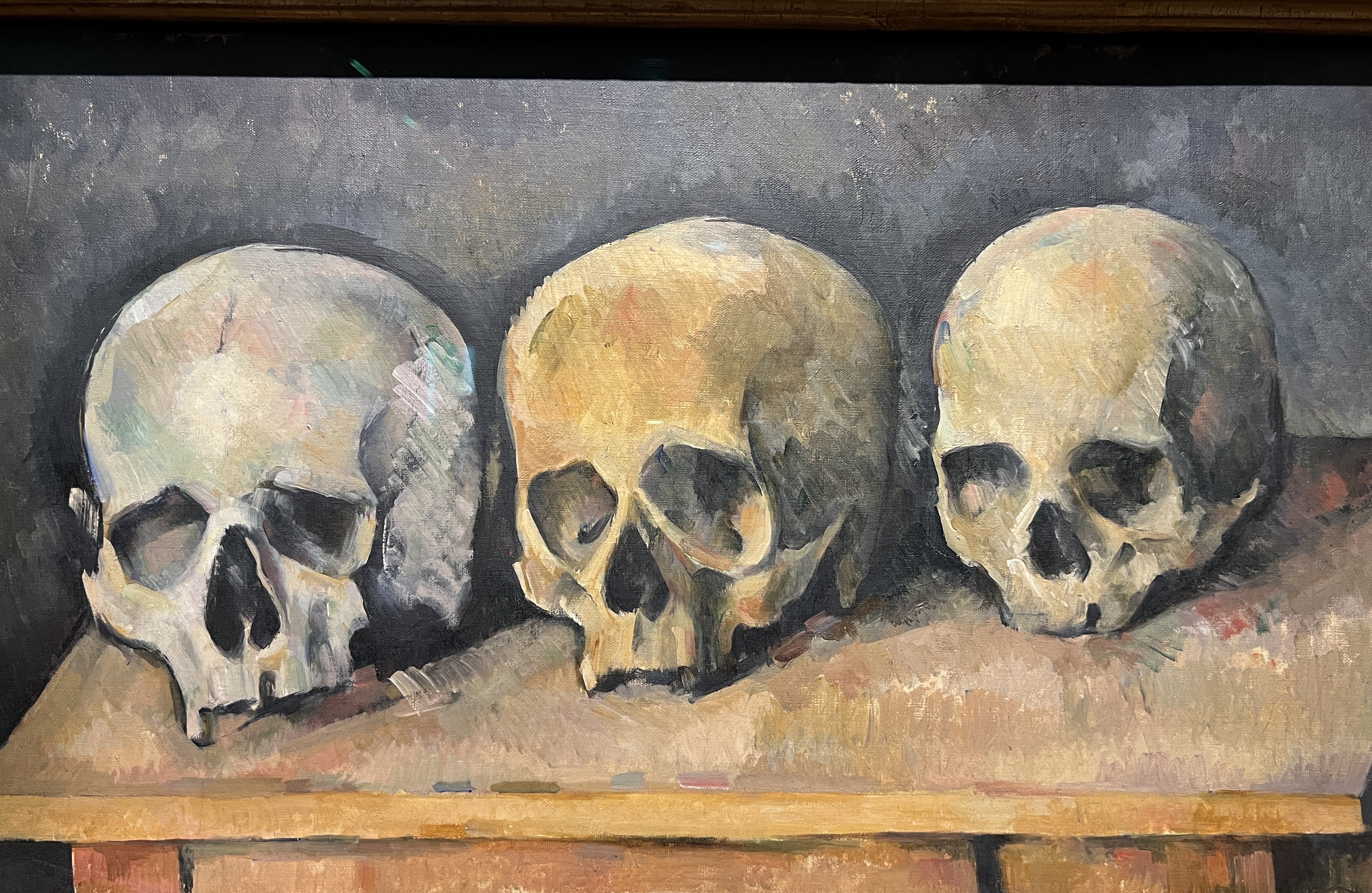
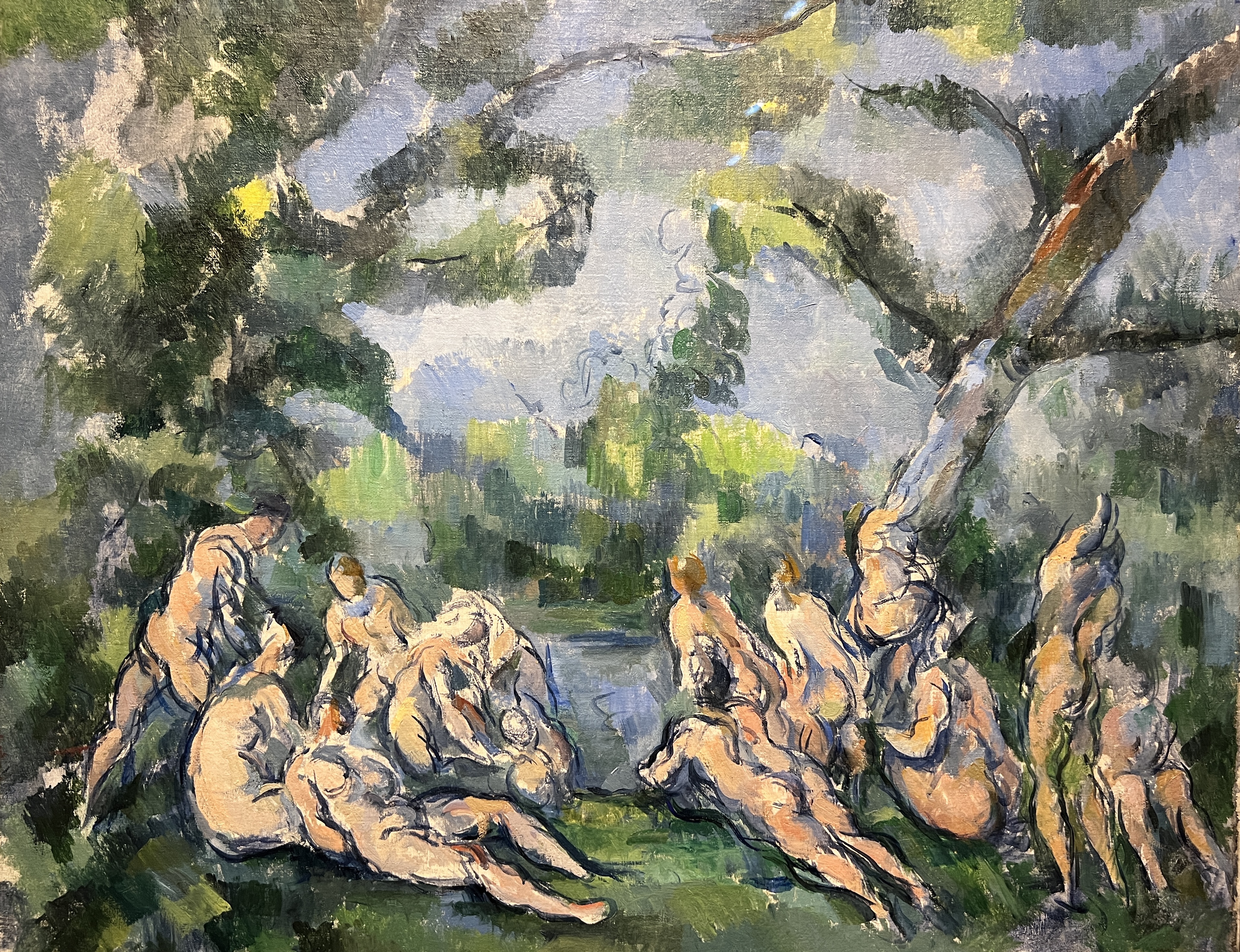
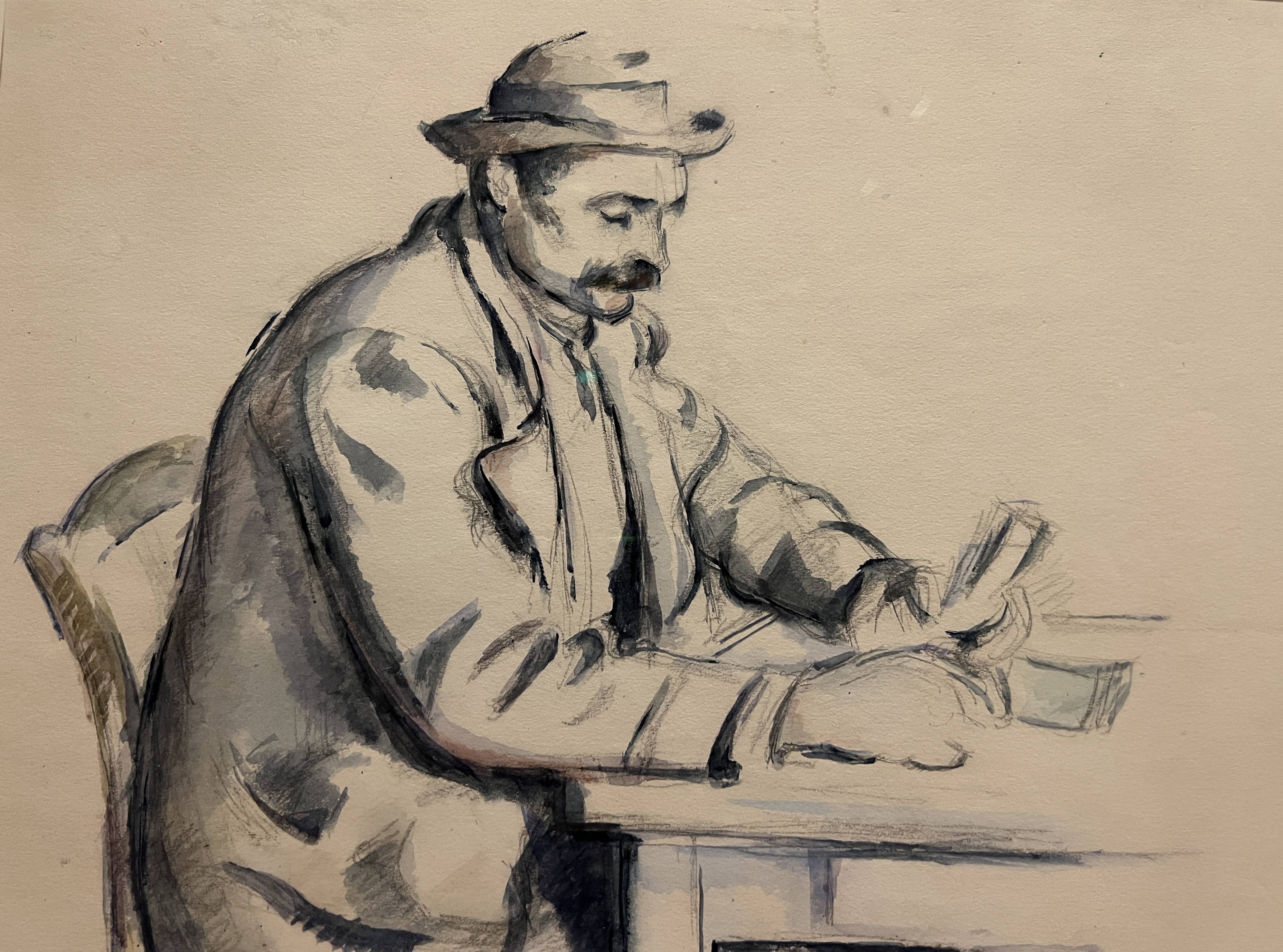
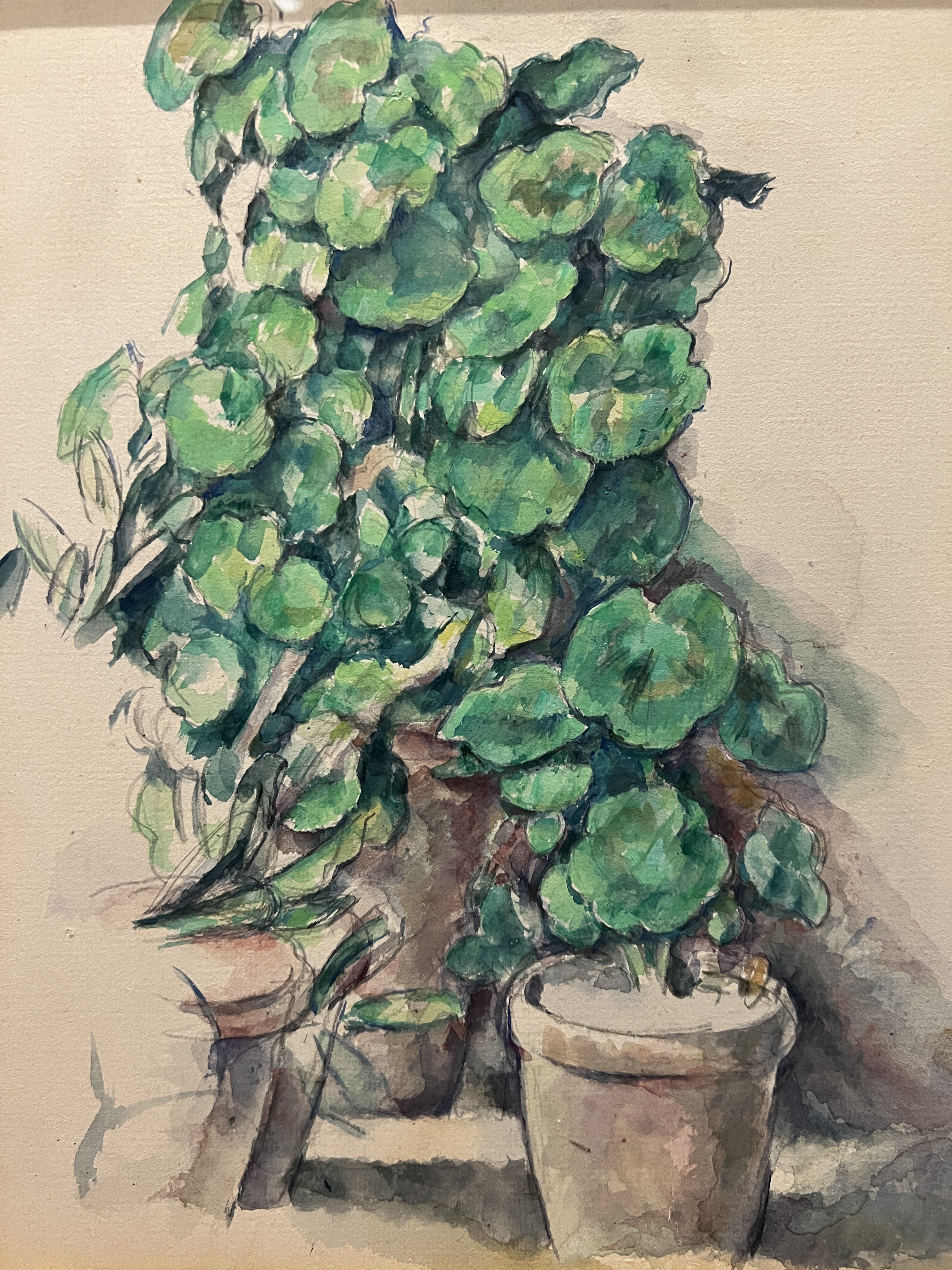
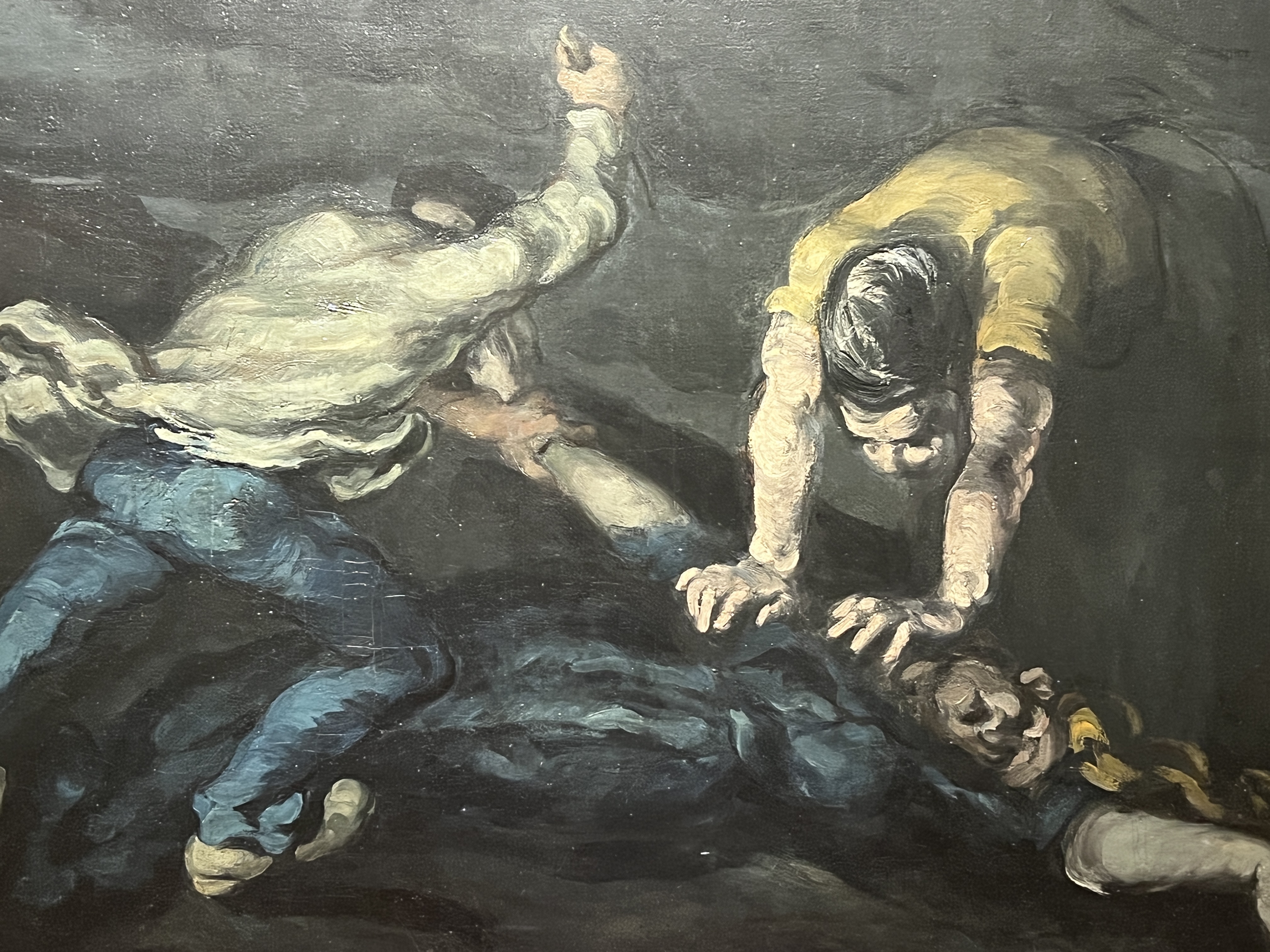
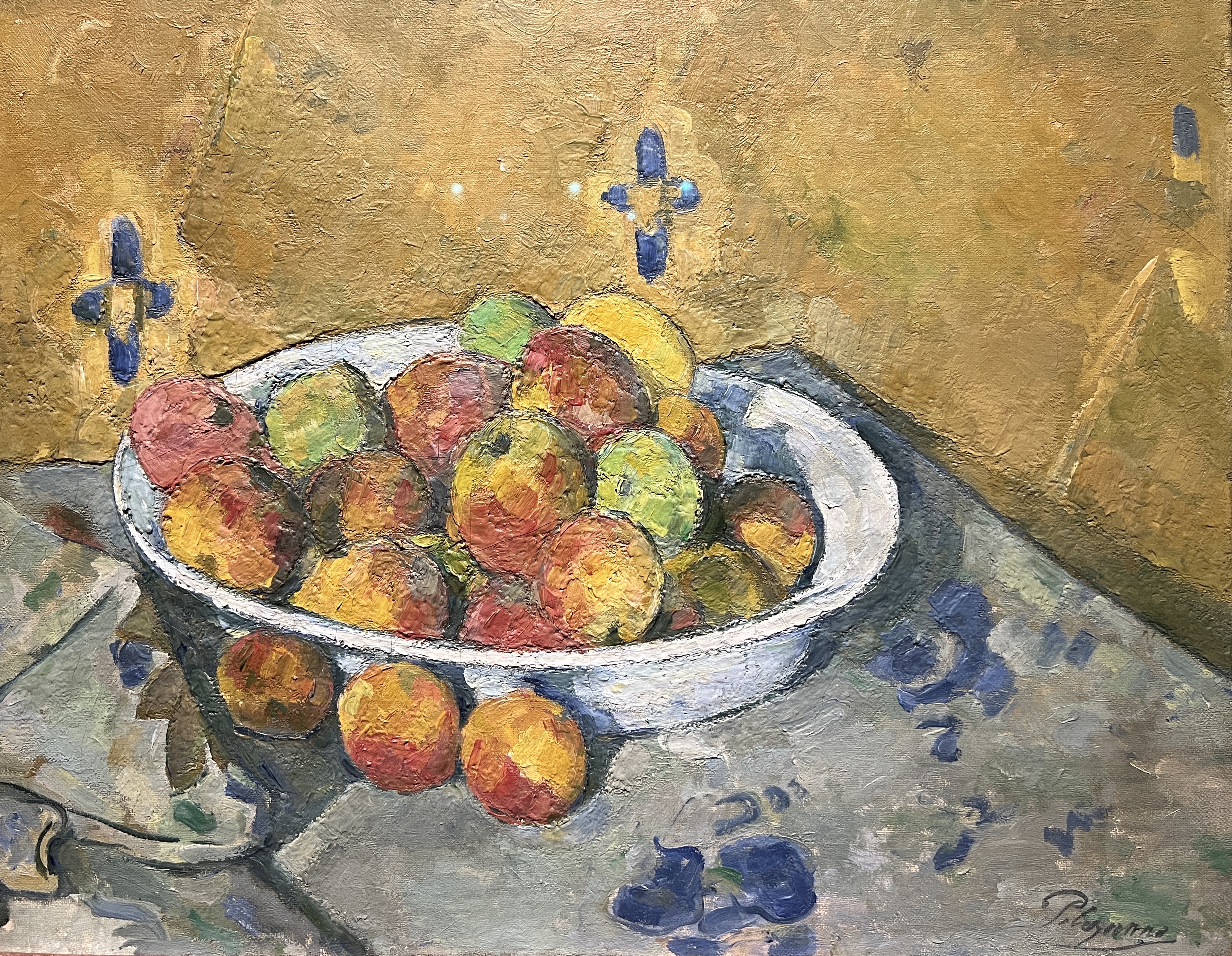
p. 13 I was learning something from the painting of Cezanne that made writing simple true sentences far from enough to make the stories have the dimensions that I was trying to put in them. I was learning very much from him but I was not articulate enough to explain it to anyone. Besides it was a secret.
p. 69 I learned to understand Cezanne much better and to see truly how he made landscapes when I was hungry. I used to wonder if were hungry too when he painted; but I thought possibly it was only that he had forgotten to eat. It was one of those unsound but illuminating thoughts you have when you have been sleepless or hungry. Later I thought Cezanne was probably hungry in a different way.
And from Ernest Hemingway’s The Old Man and the Sea:
p. 13 He was too simple to wonder when he had attained humility. But he knew he had attained it and he knew it was not disgraceful and it carried no loss of true pride.
p. 39 He did not remember when he had first started to talk aloud when he was by himself. He had sung when he was by himself in the old days and he had sung at night sometimes when he was alone steering on his watch in the smacks or in the turtle boats. He had probably started to talk aloud, when alone, when the boy had left. But he did not remember.
p. 48 No one should be alone in their old age, he thought. But it is unavoidable. I must remember to eat the tuna before he spoils in order to keep strong. Remember, no matter how little you want to, that you must eat him in the morning. Remember, he said to himself.
p. 103 “But man is not made for defeat,“ he said. “A man can be destroyed but not defeated.” I am sorry that I killed the fish though, he thought. Now the bad time is coming and I do not even have the harpoon. The dentuso is cruel and able and strong and intelligent. But I was more intelligent than he was. Perhaps not, he thought. Perhaps I was only better armed.
“Don’t think, old man,“ he said aloud. “Sail on this course and take it when it comes.“
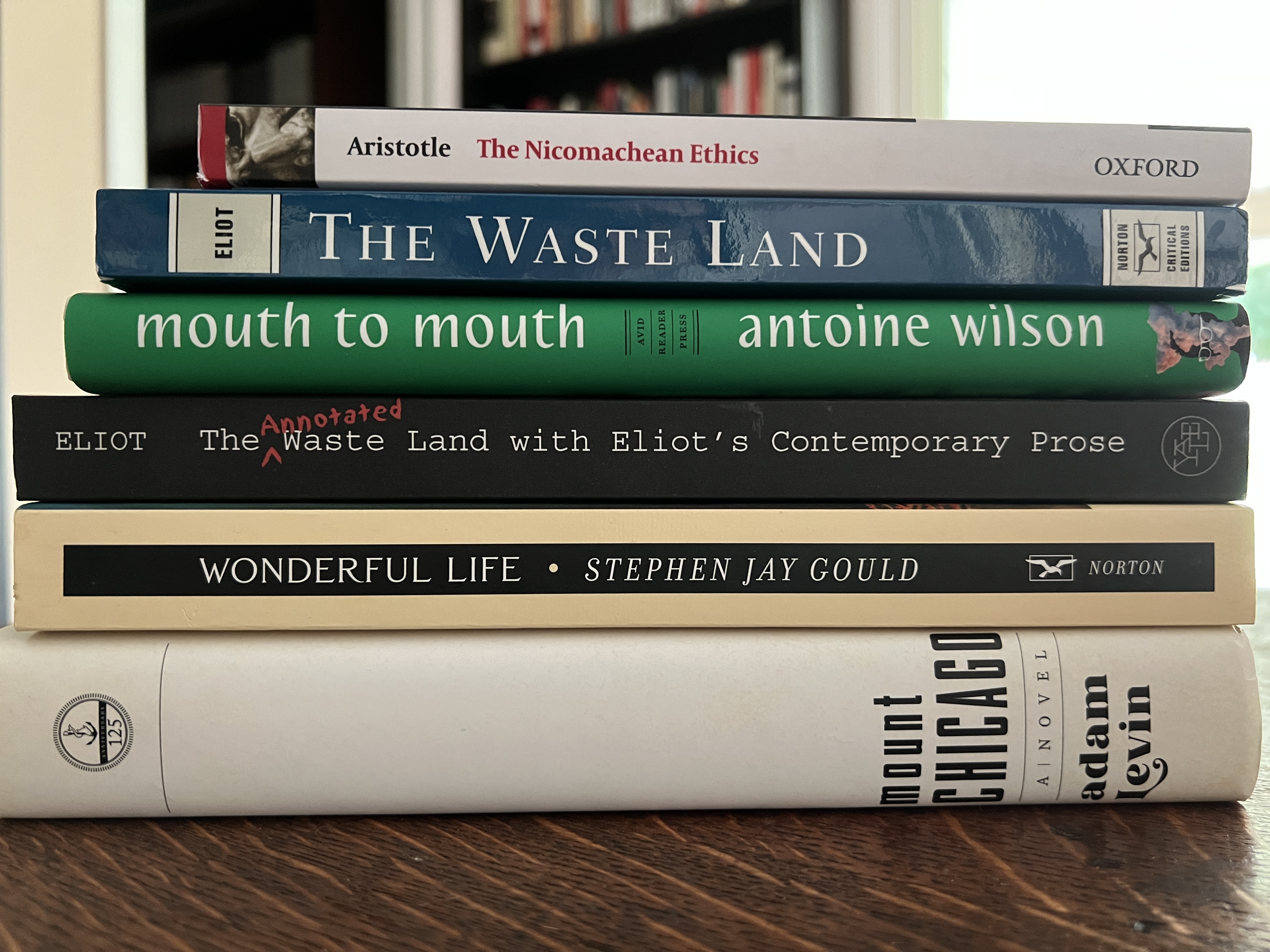
The Catherine Project‘s Hemingway reading group has decided to meet during the two break days scheduled for this summer, adding five short stories and the non-fiction work A Moveable Feast to our three-novel roster (The Sun Also Rises,The Old Man and the Sea, and A Farewell to Arms). I’m complementing the reading with the three-part documentary series Hemingway. Similarly, I’m making my way through The Great Courses program The Theory of Evolution: A History of Controversy for the On the Origin of Species reading group.
For this session of Night School Bar, I’m in the Mark Fisher’s Capital Realism reading group (previous reading groups: David Graeber’s Debt and Silvia Federici’s Caliban and the Witch).
For this season of The Readers Karamazov, I chose to read The Name of the Rose (Umberto Eco), A Canticle for Leibowitz (Walter M. Miller), The Sign of Four (Sir Arthur Conan Doyle), The Third Policeman (Flann O’Brien), and A Confederacy of Dunces (John Kennedy O’Toole); next up, then, is Sign for the June 27 episode. (Again, if you’re not listening to this podcast, you must stop what you’re doing and subscribe. Witty and erudite.)
The number of #infinitejesttogether participants seems to be dwindling, which, according to several David Foster Wallace fans, is to be expected. I cannot, however, see a reason to give up now, nearly four hundred pages in, although, yes, I have likened the experience to attempting to assemble a 1,079-piece jigsaw puzzle without having seen the image on the front of the box.
I will resume my bible-in-a-year reading next month; but given how my participation in assorted groups / classes has reshaped my reading list, I have revised my other goals for this year: Read no fewer than 100 books from my personal library (i.e., books acquired before the end of 2021), including 25 or more non-fiction titles; at least one book from each of the following categories: Shakespeare (about and/or retold; the plays will not satisfy this category), poetry, NYRB, Kurt Vonnegut (by or about), Joyce Carol Oates, philosophy, art, and children’s / YA; and at least one book about my bird of the year (American Crow).











 Nerdishly