Serendipity. Synchronicity. Synthesis.

My photo of Grant Wood’s “January” (1938).

Grant Wood’s work has always put me in mind of a Sinclair Lewis novel. At some point, I learned that this is not an arbitrary connection:

In 1937, Grant Wood was asked to illustrate a novel that, like his painting American Gothic, had already become a classic: Sinclair Lewis’s Main Street. Published nearly twenty years earlier in 1920, Lewis’s novel had come to represent the Midwest just as Wood’s paintings symbolized that region during the 1930s. Today Sinclair Lewis and Grant Wood still endure as cultural figures who captured something distinctive yet elusive about the Heartland; yet Lewis and Wood looked at the American Midwest through different eyes. Lewis saw provincialism and narrowness, while Wood gloried in the solid, earthy strength of his fellow midwesterners and their land. Both men felt conflicted about their homes, and these dichotomies filtered into their work.

At the Art Institute’s “Master Drawings Unveiled: 25 Years of Major Acquisitions,” Wood’s “January” reminded me anew that serendipity-synchronicity-synthesis weaves powerful connections in my learning life: At the urging of my youngest, who is currently reading Arrowsmith on the recommendation of a mentor, I have moved my copy of the 1925 Lewis classic to the top of my TBR stack.

From the museum, we made our way to the Chicago Shakespeare Theater for The Winter’s Tale, a play with which I grow more irritated each time I see it. It’s a fairy tale, my older daughter has patiently explained. Well, then, I have retorted, the only suitable conclusion would be the lonely and terrible death of Leontes. Cheek by Jowl’s production earned my respect not only for its inventive direction and wonderful performances but also for amplifying my sense that, yes, Leontes is a disturbed drama king, and his queen, his friend, his court are his enablers. This staging unabashedly holds all of them accountable for the despair that defines their kingdom, and it made. me. think. High praise.

On the way home, as we discussed the psychology at work in such an interpretation of the play, I scanned the landscape and wondered how Wood would capture the cold night. Oh! “January” is a winter’s tale.

Serendipity. Synchronicity. Synthesis.

The following are a few other images I took during our recent visit to the Art Institute.

img_0846

img_0838

img_0860

img_0873

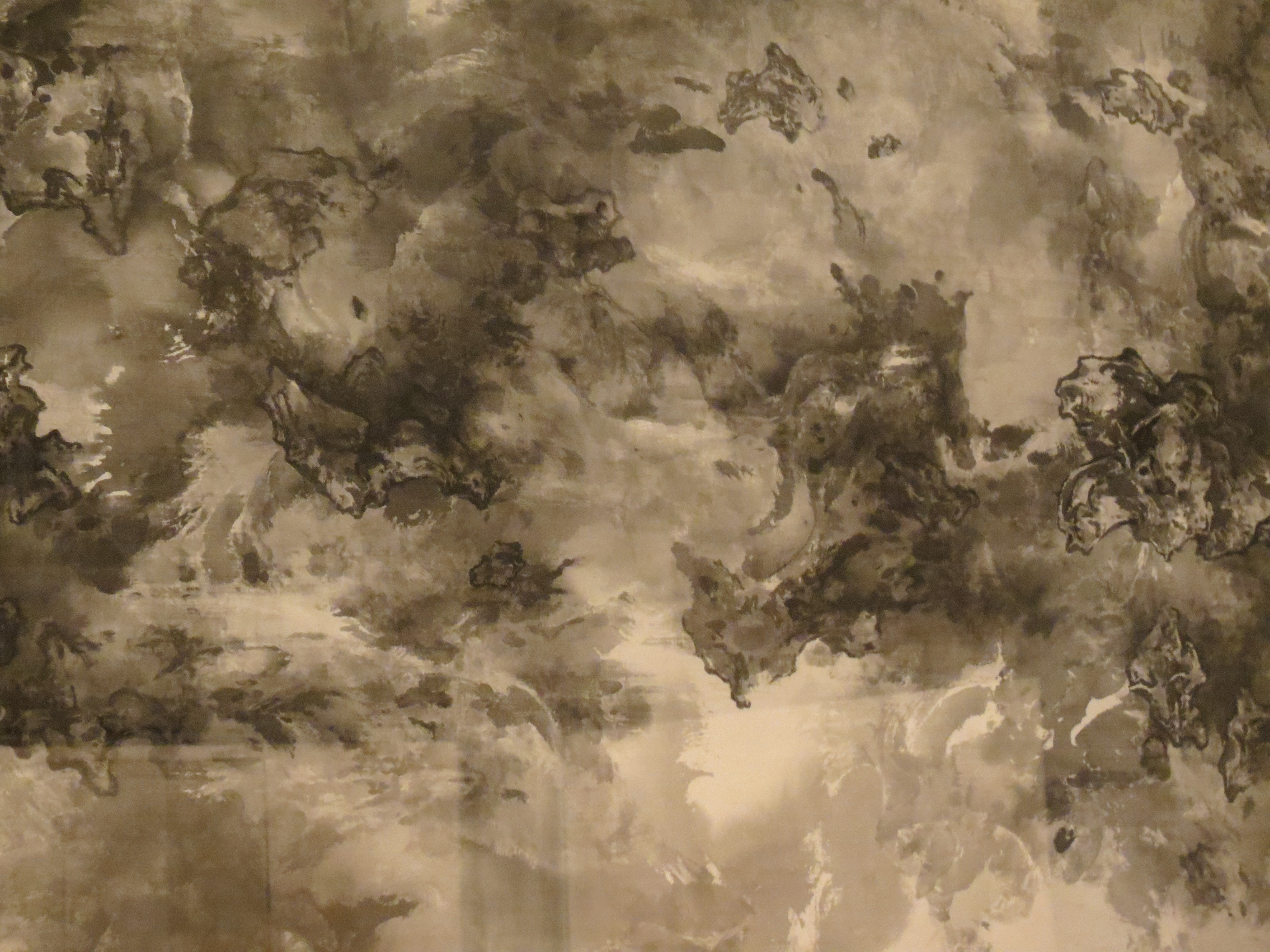
Celestial Chaos No. 1

IMG_6431
As we exited the Art Institute following a member morning at the now-concluded “Van Gogh’s Bedrooms” (my images here), Tai Xiangzhou’s “Celestial Chaos No. 1” commanded my attention. It reminded me of Anselm Kiefer’s “Midgard,” which we had seen at the Milwaukee Art Museum over winter break.
MAM8

Read more about “Midgard” here.

Rooted as they are in their respective mythologies (Chinese and Norse), don’t the paintings each evoke a sense of cosmic mystery? I was reminded of their similarity when reading the recent Member Magazine, which features a short article about the Art Institute’s acquisition of “Celestial Chaos No. 1” (no link available). The painting will be exhibited in Gallery 130 through the end of August.

Mental geography

IMG_6704

IMG_6707

IMG_6710

The following images were taken during the Member Preview of the Art Institute’s “America after the Fall: Painting in the 1930s,” which runs through September 18.

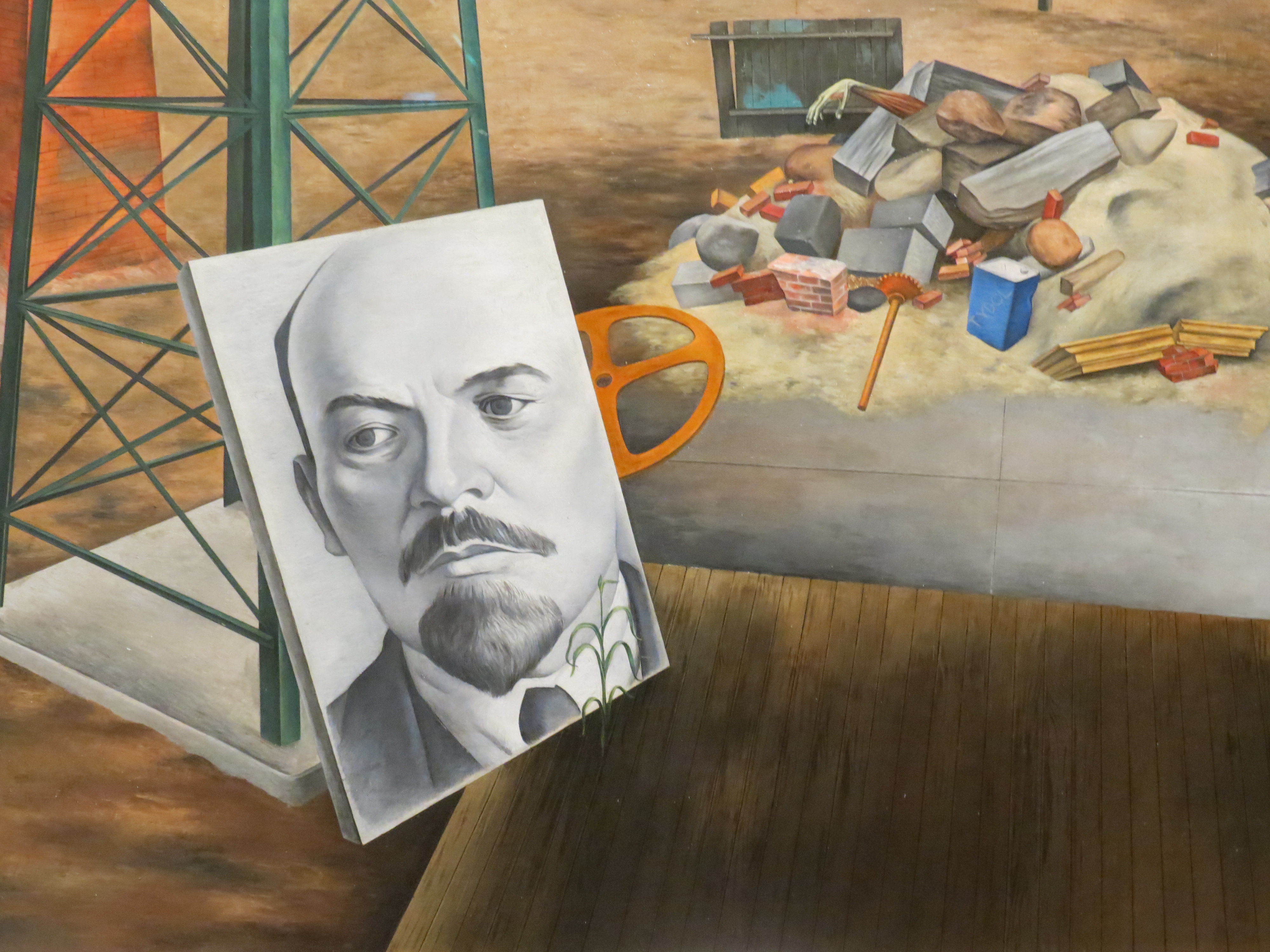
■ O. Louis Guglielmi’s “Phoenix (Portrait in the Desert: Lenin)” (1935)
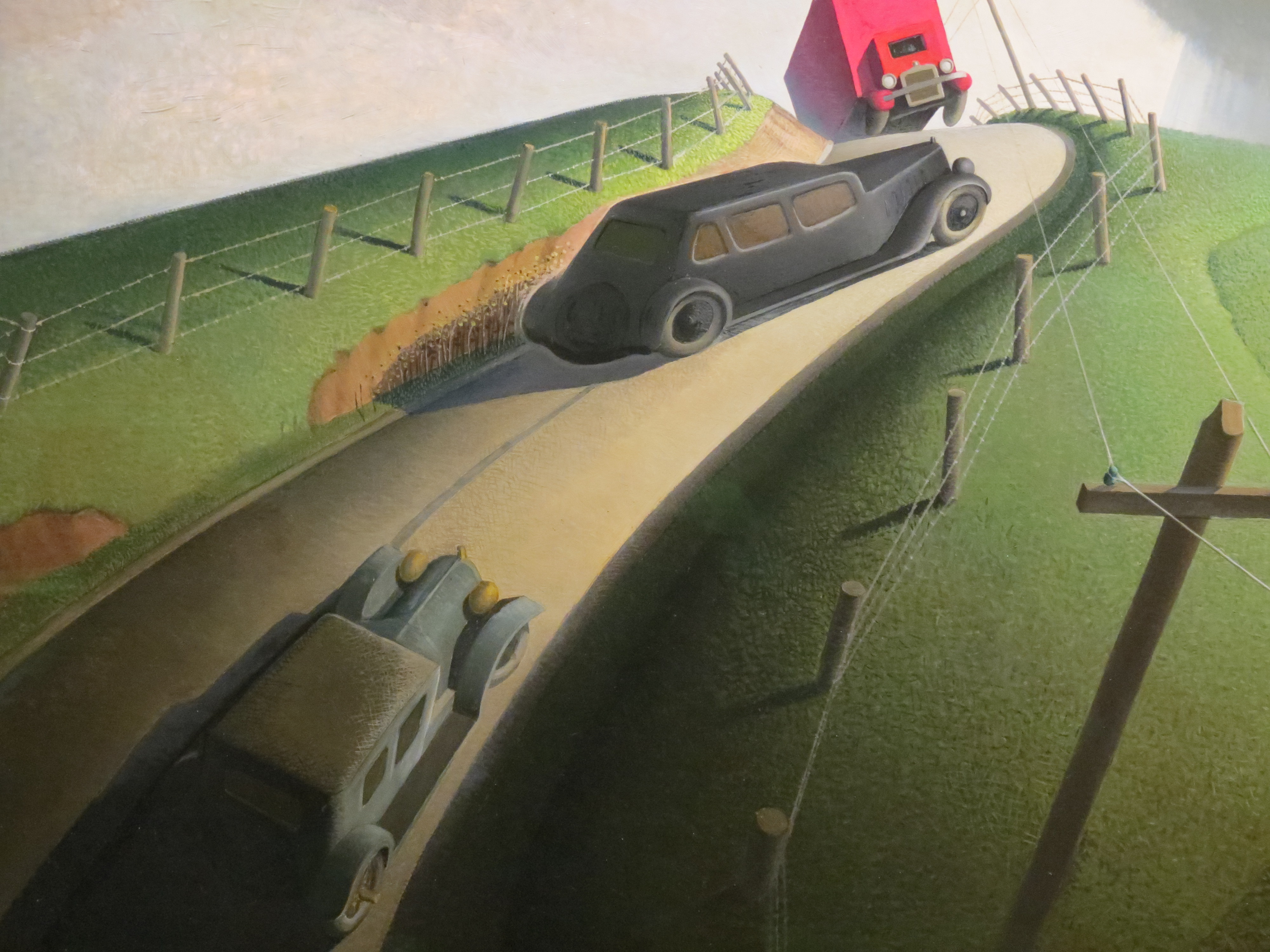
■ Grant Wood’s “Death on Ridge Road” (1935)
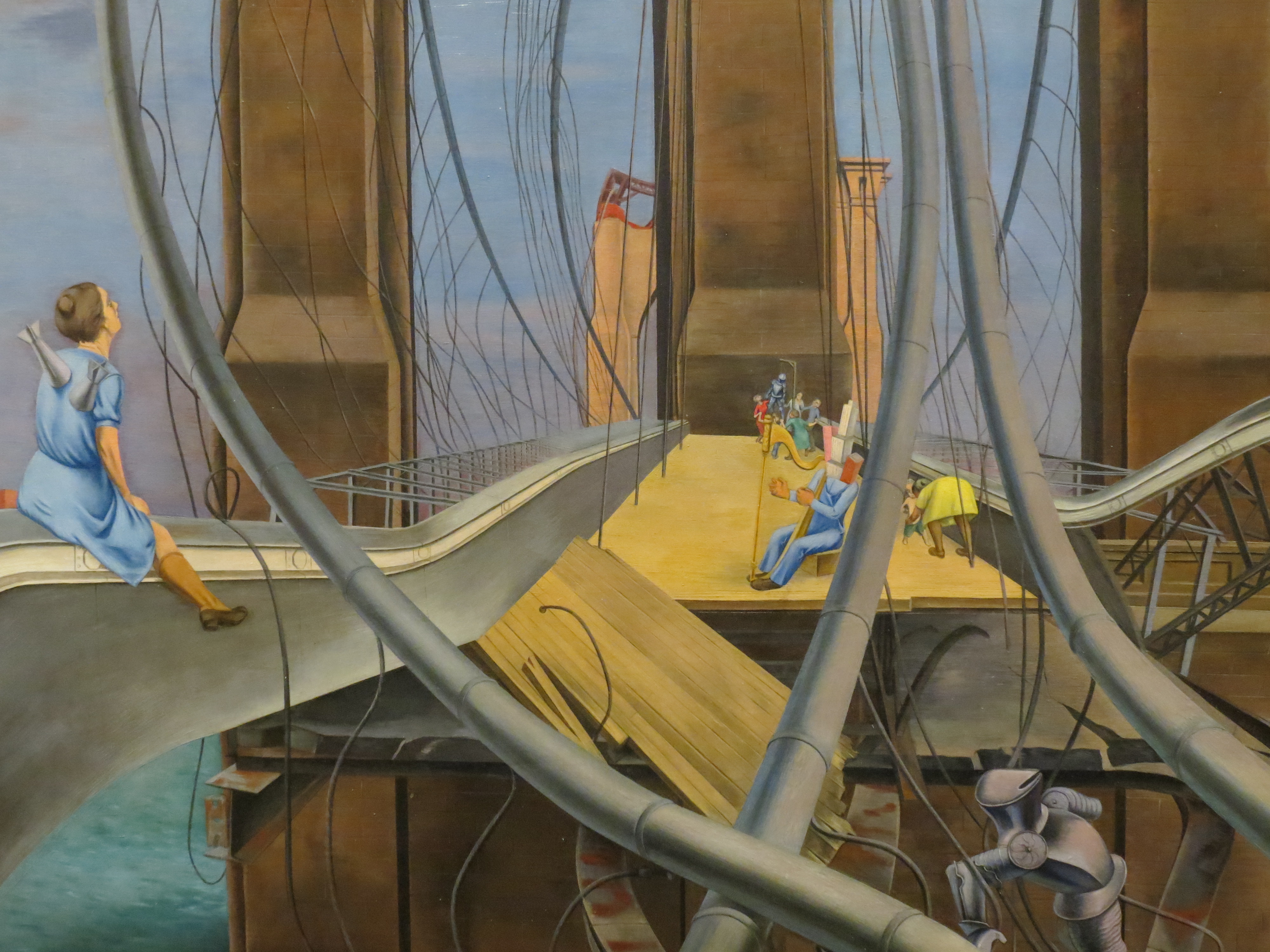
■ O. Louis Guglielmi’s “Mental Geography” (1938)

“This time it’s just simply my bedroom…”

IMG_6402

IMG_6406

IMG_6410

IMG_6412

IMG_6414

IMG_6422

IMG_6424

IMG_6428

I took the images above at the Art Institute’s “Van Gogh’s Bedrooms” exhibit, which runs through May 10.

■ “Parisian Novels” (1887)
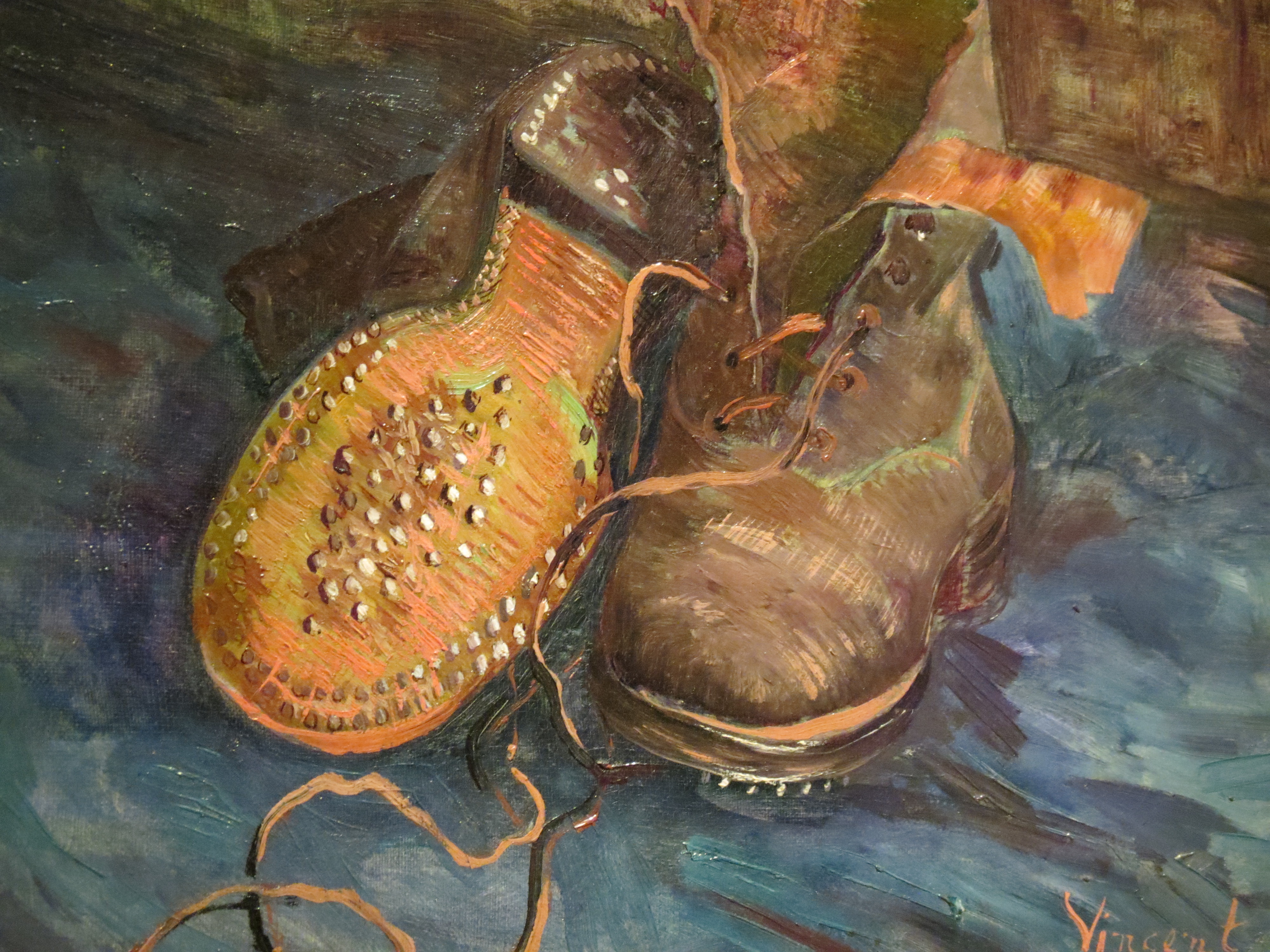
■ “A Pair of Shows” (1887)
■ A letter to Theo
■ An early sketch of the bedroom from a letter to Theo
■ “Self-Portrait” (1889)
■ “A Corner of the Asylum and the Garden with a Heavy, Sawed-Off Tree” (1889)
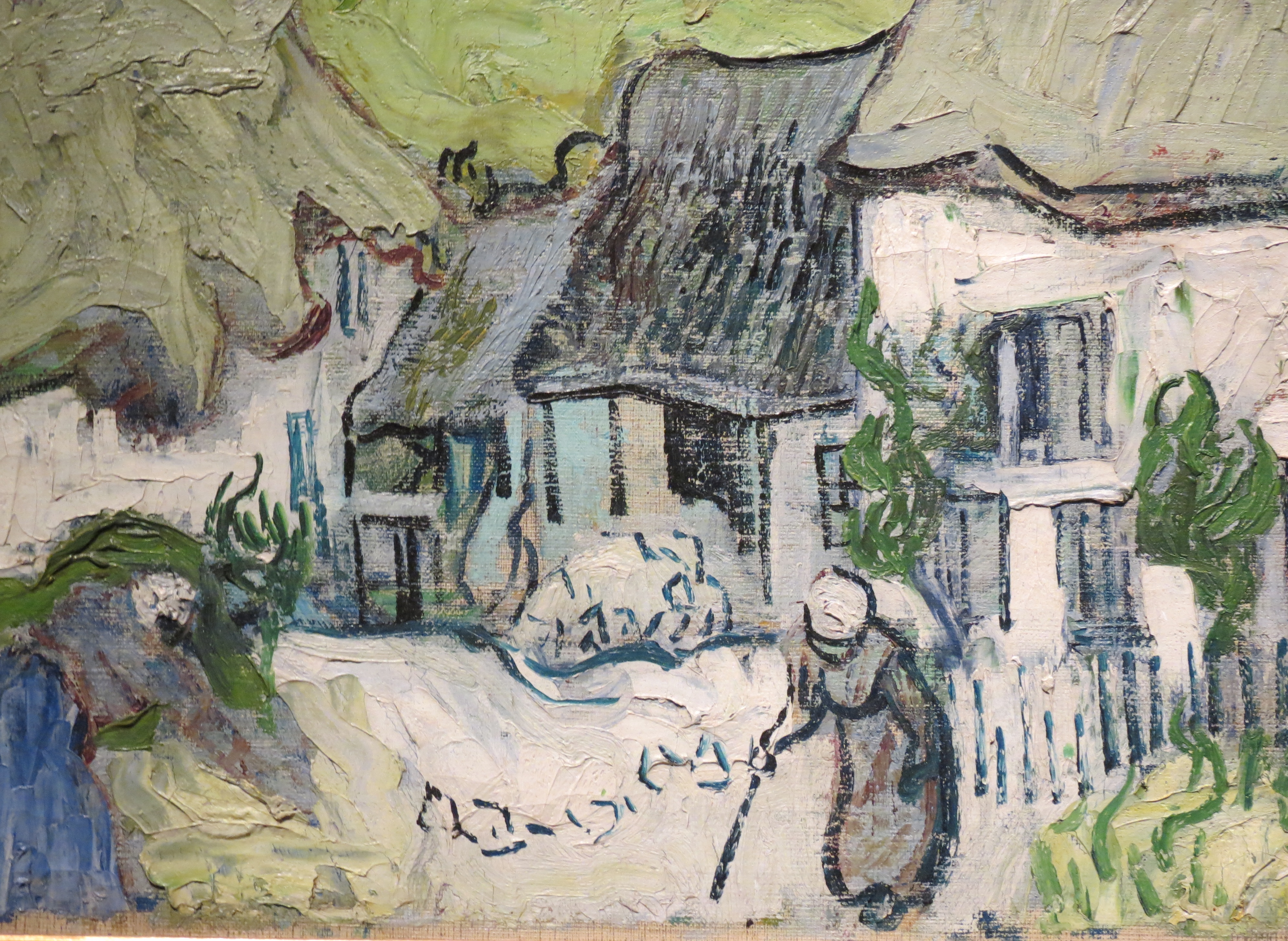
■ “Thatched-Roofed Cottages of Jorgus” (1890)
■ “Hospital at Saint-Rémy” (1889)

Back to the Art Institute

IMG_6171

IMG_6183

IMG_6189

IMG_6192

IMG_6197

IMG_6201

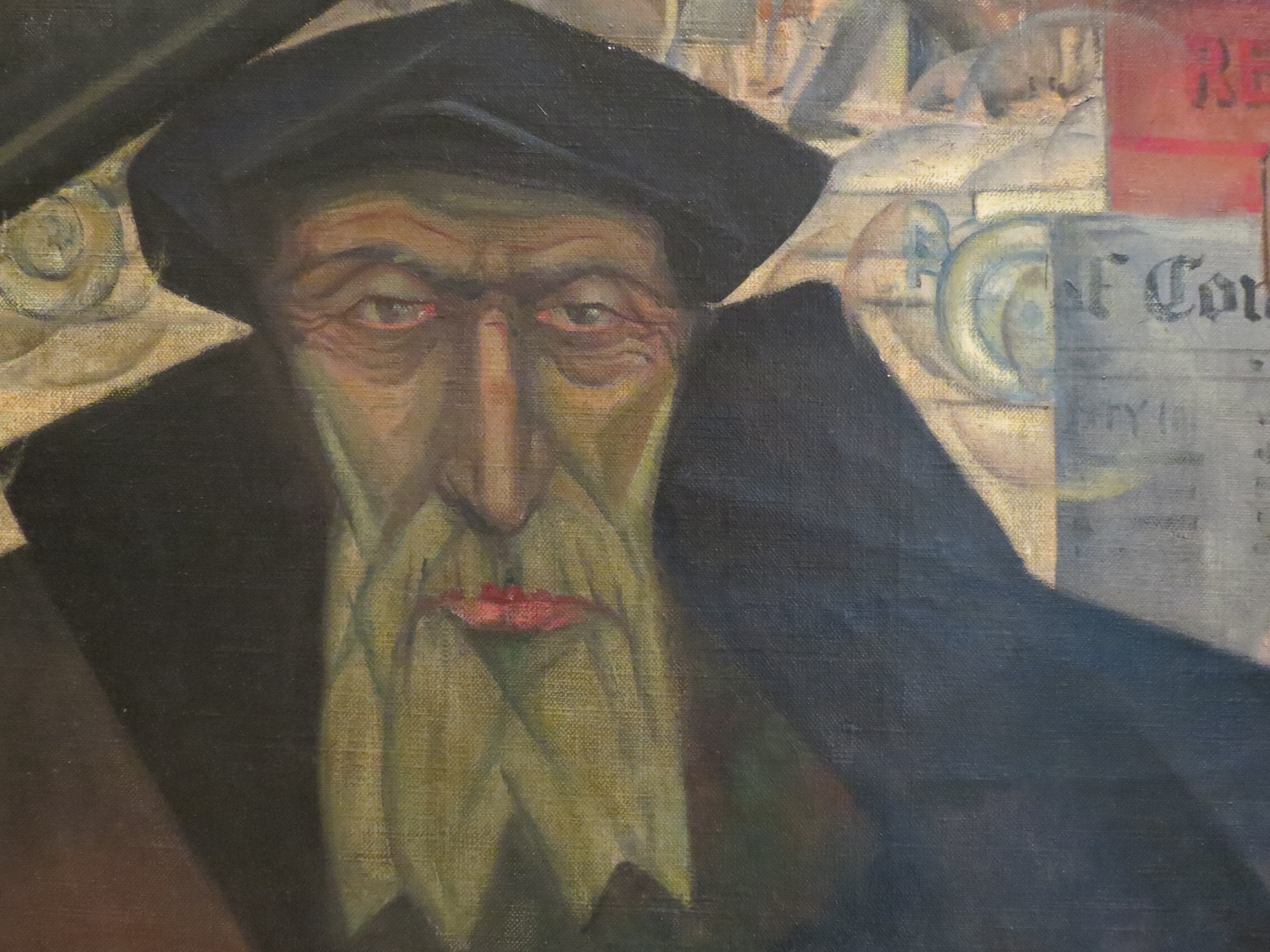
■ Todros Geller’s “Strange World” (1928)
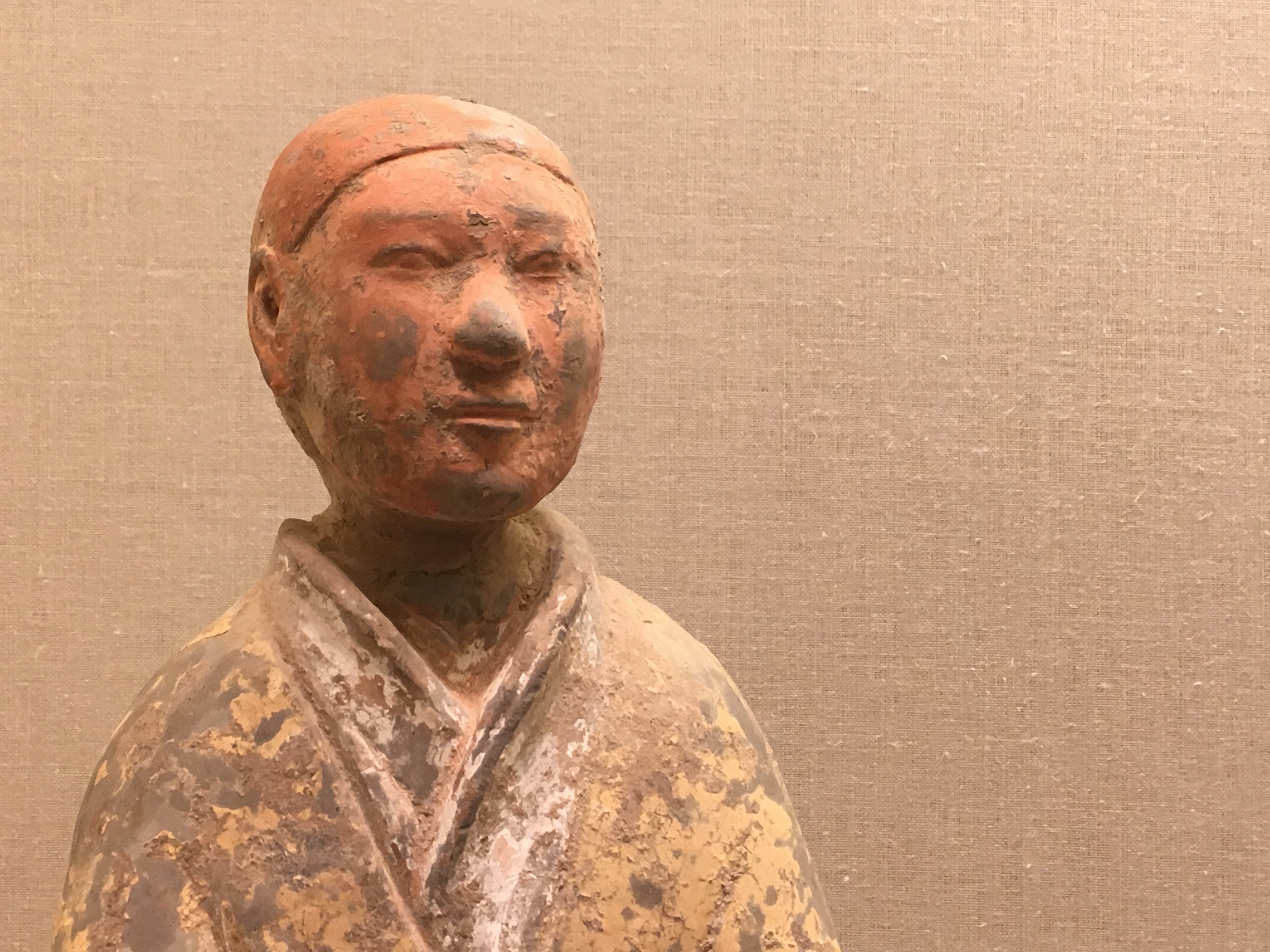
■ Entertainer (Tomb Figure), Northern dynasties (6th century)
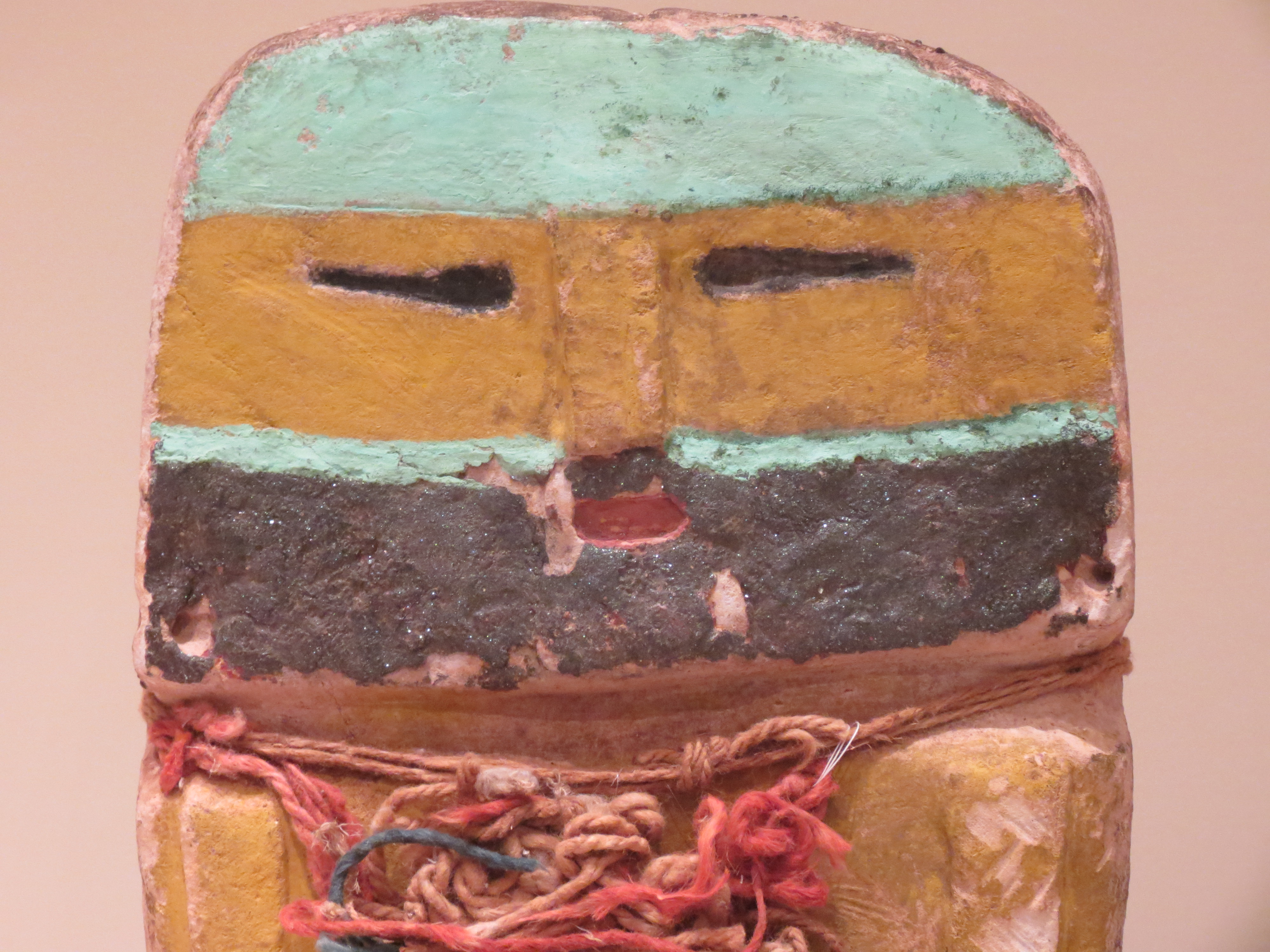
Two Images Salado branch of the Mogollon; Southeastern Arizona, United States: Ritual Cache (1300/1400)
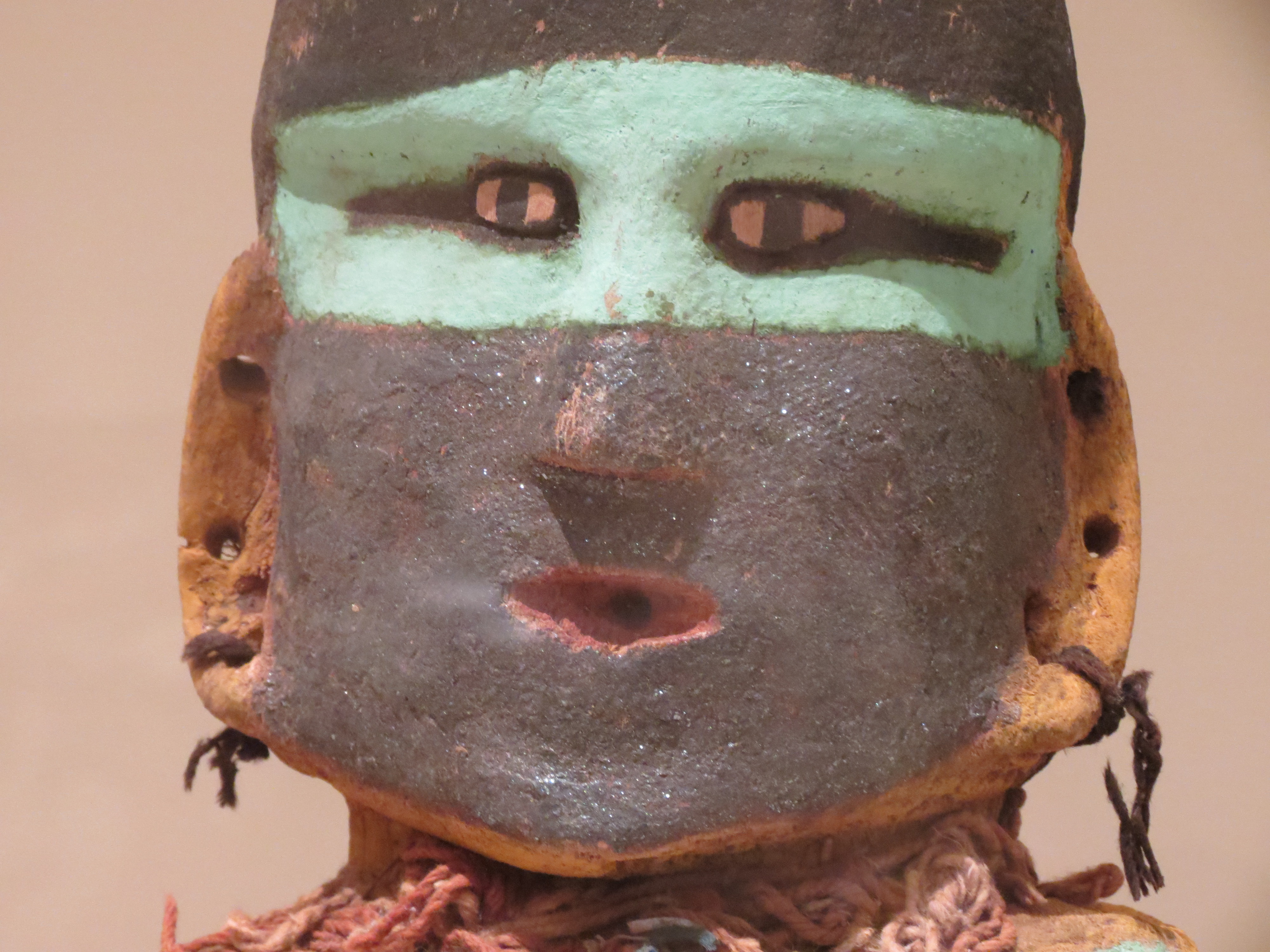
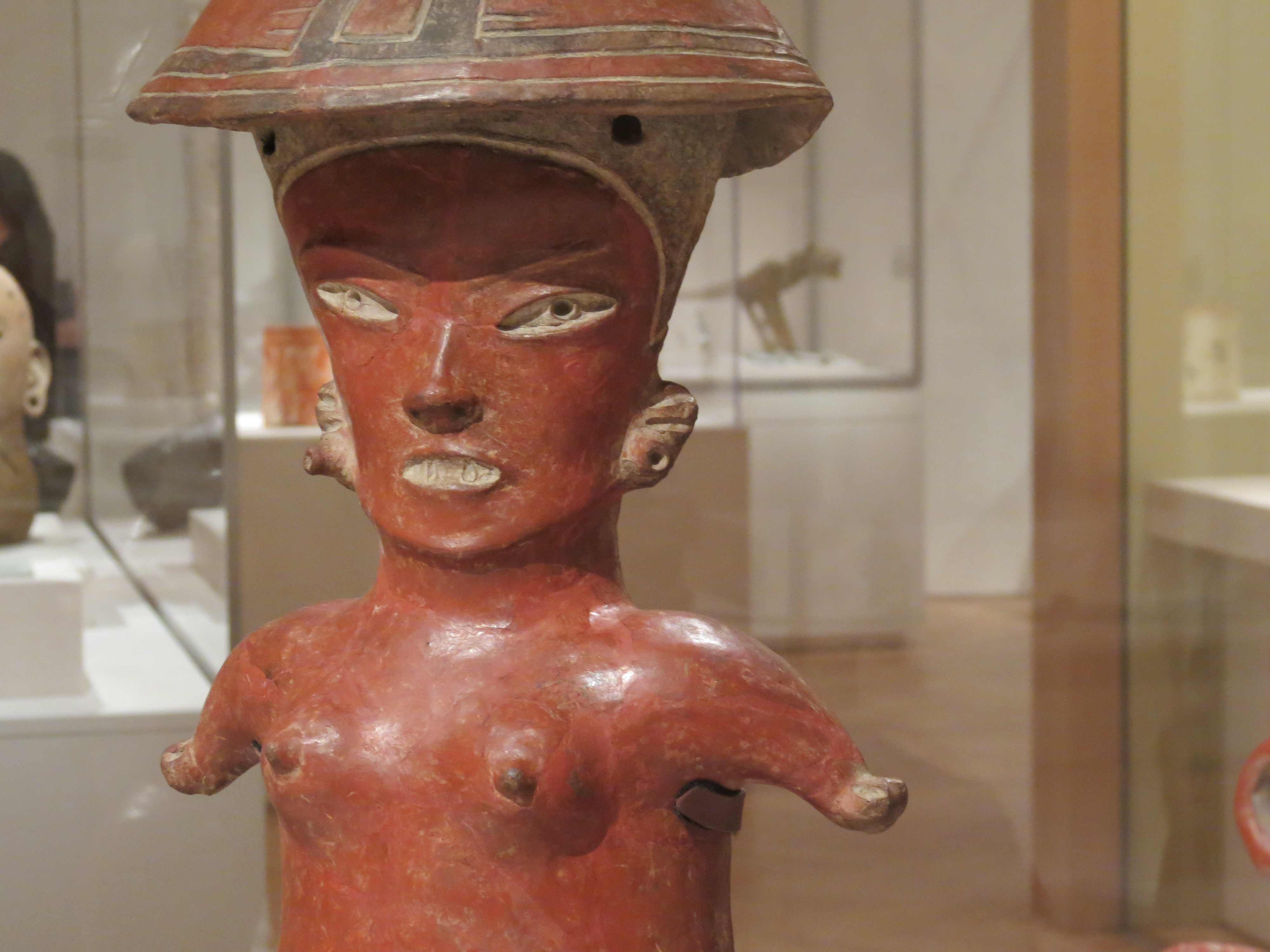
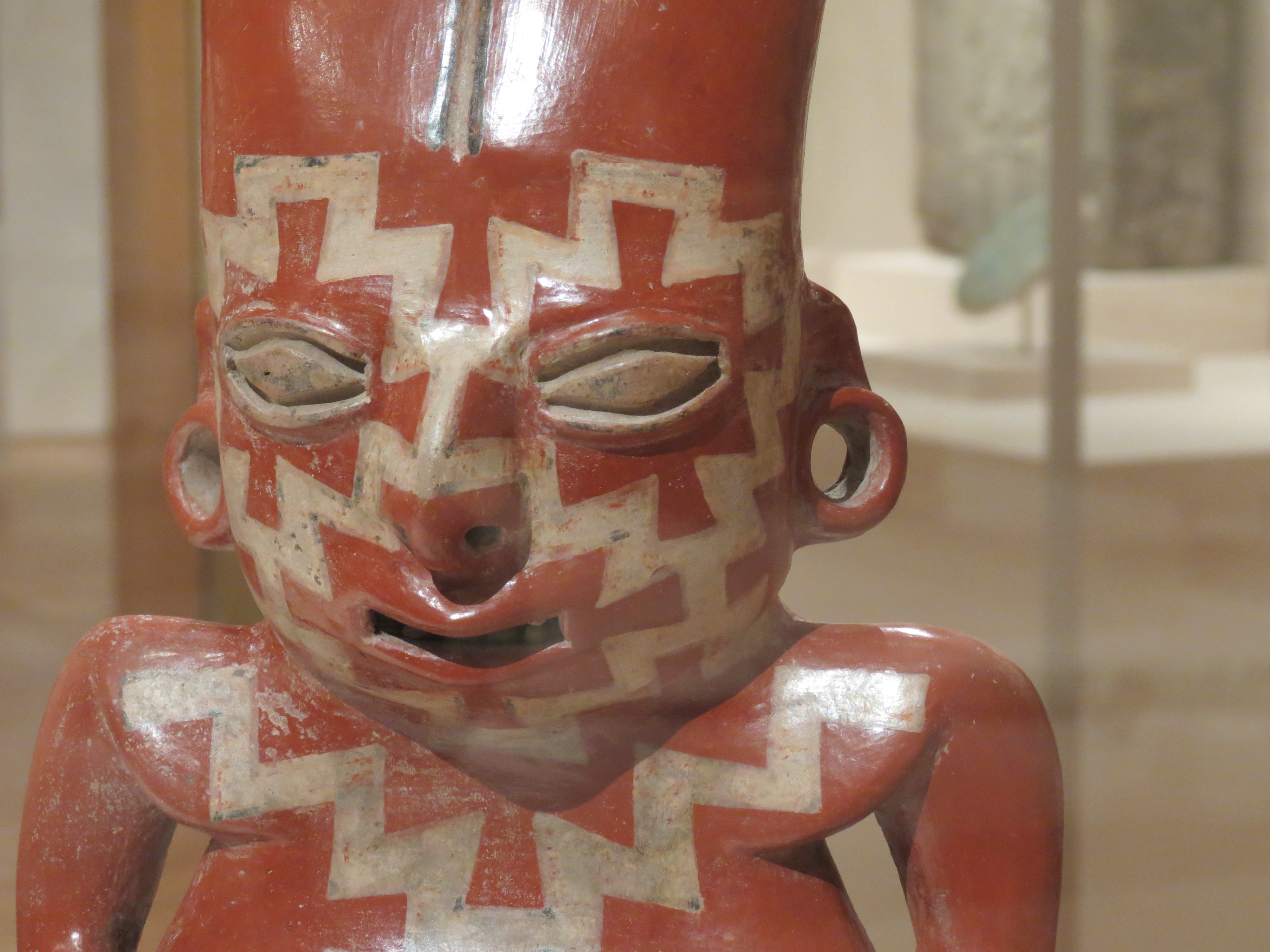
Two Images Chupícuaro, Guanajuato or Michoacán, Mexico: Female Figurines (200/100 B.C.)

The New Contemporary

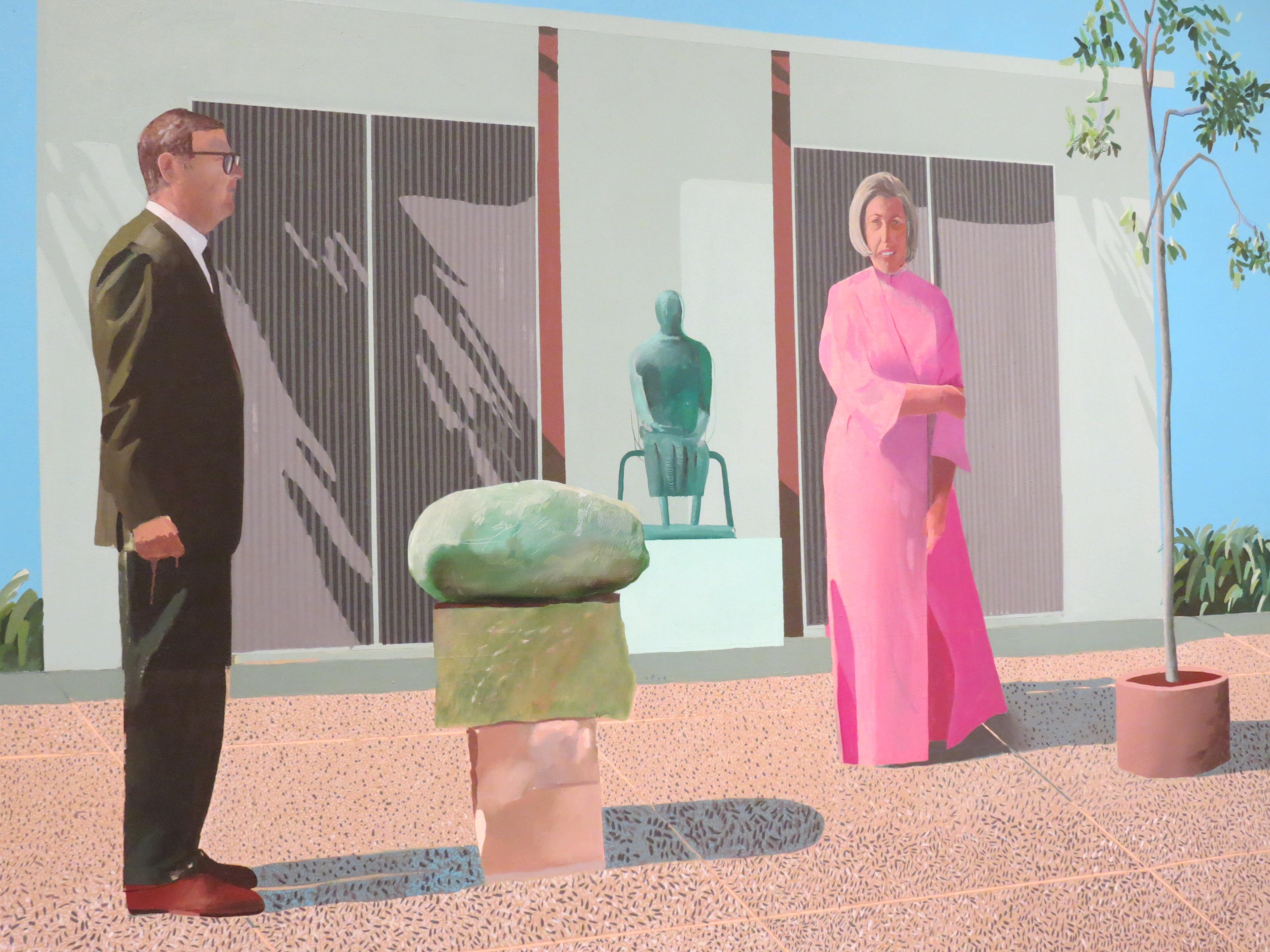
The Art Institute exhibition “The New Contemporary” (re)opened in mid-December. Once we had made our way through, I was glad to climb the stairs to the modern galleries — some Picasso, Ernst, Dali, Beckman, et al. to clear my head. Oh, there were some high points in “The New Contemporary“: The Hockney that looks like an Updike novel to me (“American Collectors“) has a wonderful space, for example. But Pollock’s “The Key” is off-exhibit, and its replacements don’t interest me as much. The underlying narrative of many of the featured works in the contemporary galleries isn’t as clear or, when it is clear, as compelling to me, as, say, the modern galleries.

To me. Those two words explain, of course, why it is impossible to define art. “To me” varies so widely. One man’s sculpture, book, movie, play (see below), etc. is another’s bit of rubbish, and all that. There are some who say that primitive pieces, like the Venus of Willendorf, aren’t art, for example, or the Chauvet Cave paintings. I’d heartily disagree, but then who am I? I had trouble seeing the art in “The New Contemporary” but have absolutely no trouble seeing how typeface could be described as art. Shrug and chuckle. There is so much to see. No need to get hung up on what doesn’t speak to me. I just climbed some stairs and (re)discovered something that does.

I keep meaning to return to Cynthia Freeland’s short treatise But Is It Art, but then I remember that it sort of annoyed me when I first began it, and I’m really more of a Sister Wendy or Simon Schama sort of gal. So it mocks me from the art bookcase.

Speaking of rubbish, one man’s and not another’s, I disliked The Heir Apparent. David Ives drew from Moliere’s The Misanthrope for The School for Lies, both of which delighted me two seasons ago. He drew from a contemporary of Moliere for Heir, but the results were just not my cuppa. Too much potty humor and too thin a plot, which was actually a damned shame because the cast they assembled was superb — comedic timing and delightful verbal gymnastics galore. And the set was stunning. Oh, well. Not every play can be four stars.

The following images include detail from works seen during my most recent visit to the Art Institute of Chicago.

IMG_6086

IMG_6091

IMG_6092

IMG_6095

IMG_6099

IMG_6112

IMG_6114

■ Jackson Pollock’s “Number 17A” (1948)
■ Jackson Pollock’s “Greyed Rainbow” (1953)
■ David Hockney’s “American Collectors” (1968)
■ Jasper Johns’ “Alphabet” (1959)
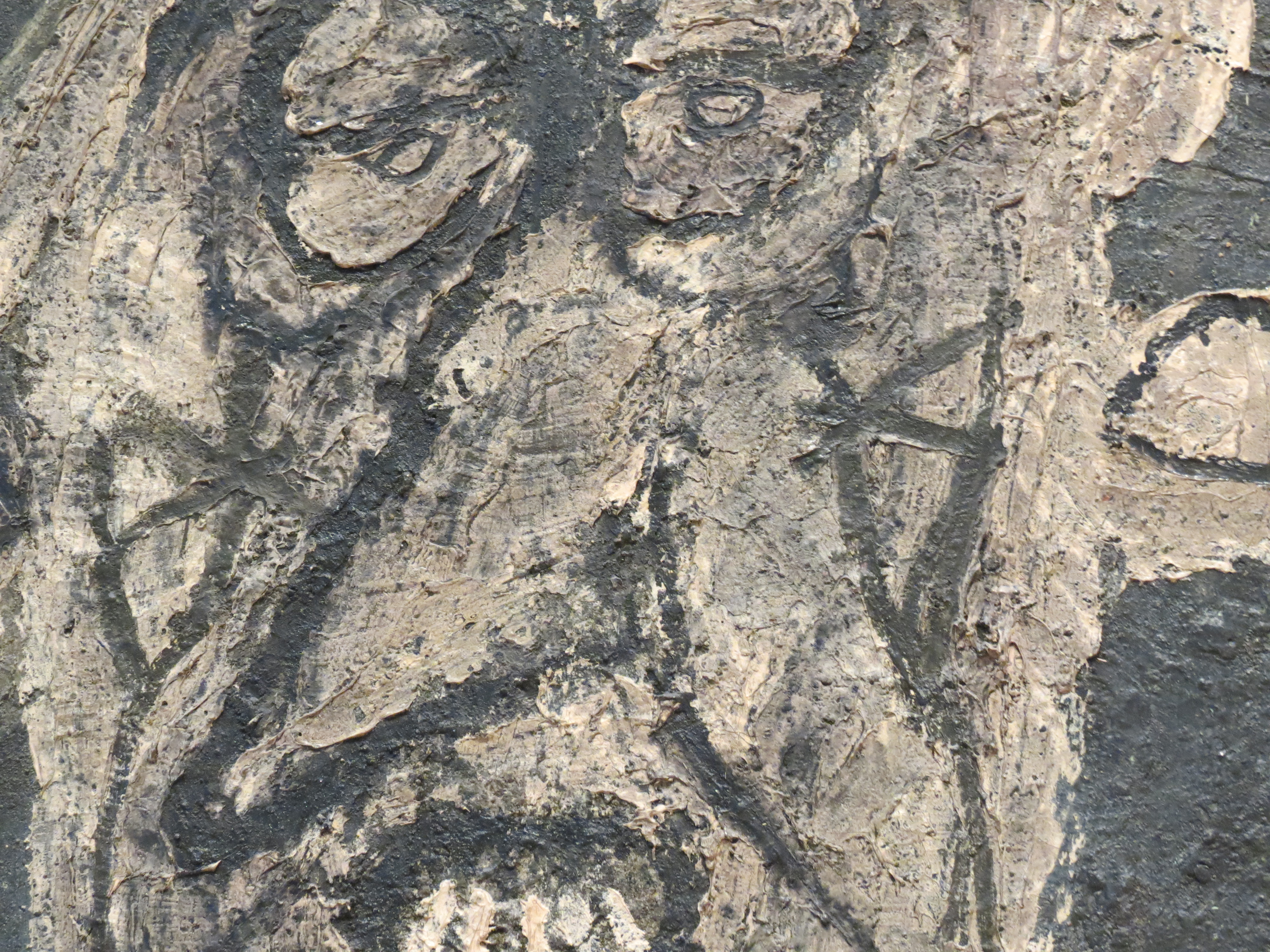
■ Jean Dubuffet’s “Head of a Man” (1945)
■ Alberto Giacometti’s “Couple” (1926)
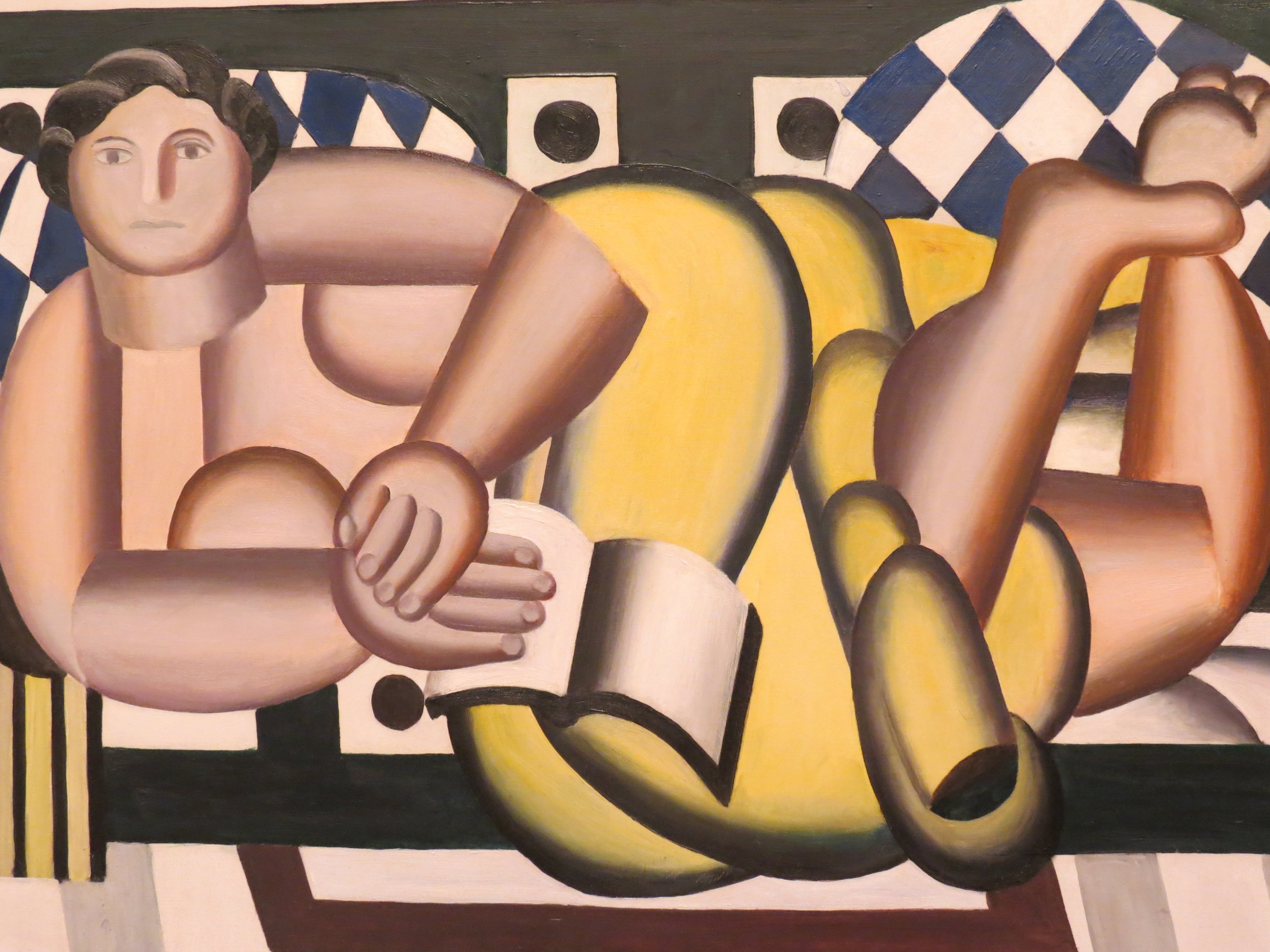
■ Fernand Léger’s “Reclining Woman” (1922)

Milwaukee Art Museum

MAM1

MAM3

MAM4

MAM5

MAM6

MAM8

The images in this post were captured with my iPad. The above are details from

■ Yinka Shonibare’s “The Age of Enlightenment — Immanuel Kant” (2008)
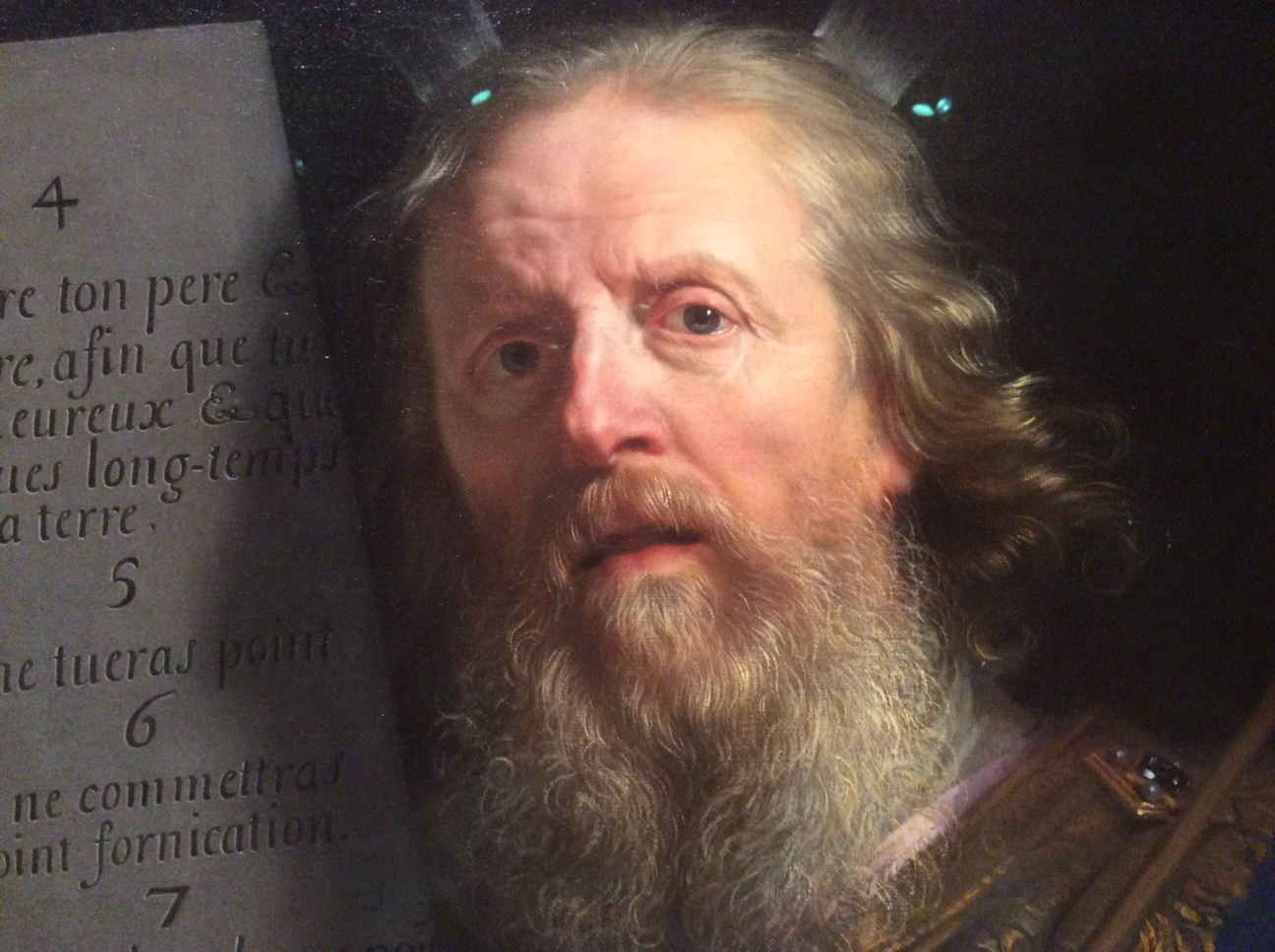
■ Philippe de Champaigne’s “Moses Presenting the Tablets of the Law” (ca. 1648)
■ Roy Lichtenstein’s “Crying Girl” (1964)
■ ?
■ Paul Klee’s “Hot-Blooded Girl” (1938)
■ Anselm Kiefer’s “Midgard” (1982-85)

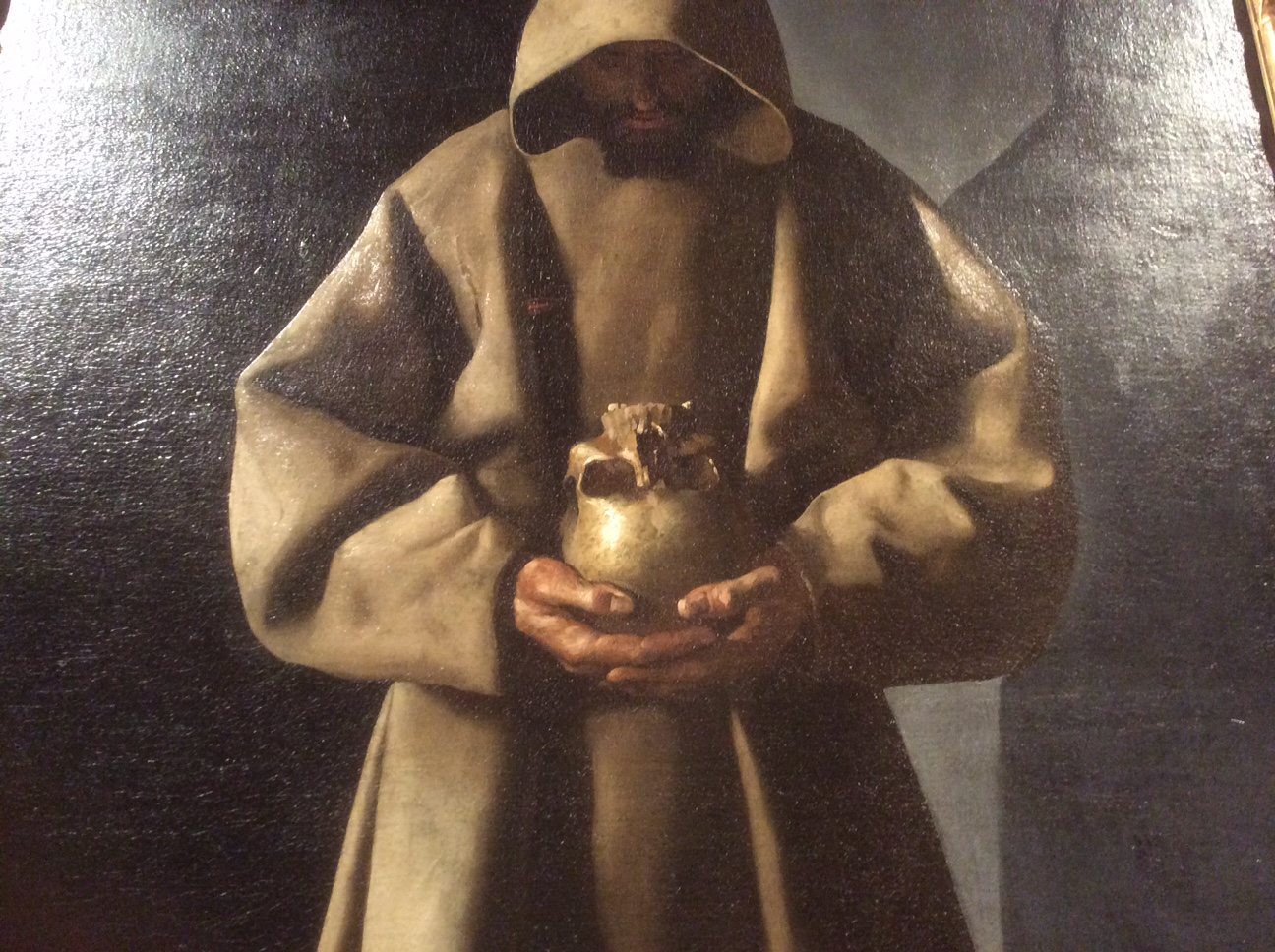
Yesterday we visited the Milwaukee Art Museum for the first time since its “grand reopening” following the expansion and redesign. My “discovery” this time was the mental juxtaposition of two St. Francis portraits separated by three centuries: Franciso de Zurbarán’s “Saint Francis of Assisi in His Tomb” (1630/34) and Préfète Duffaut’s “Sen Franswa” (1955).

MAM2
MAM7

Surreal

IMG_5732

IMG_5734

IMG_5735

IMG_5738

IMG_5746

IMG_5753

IMG_5754

IMG_5761

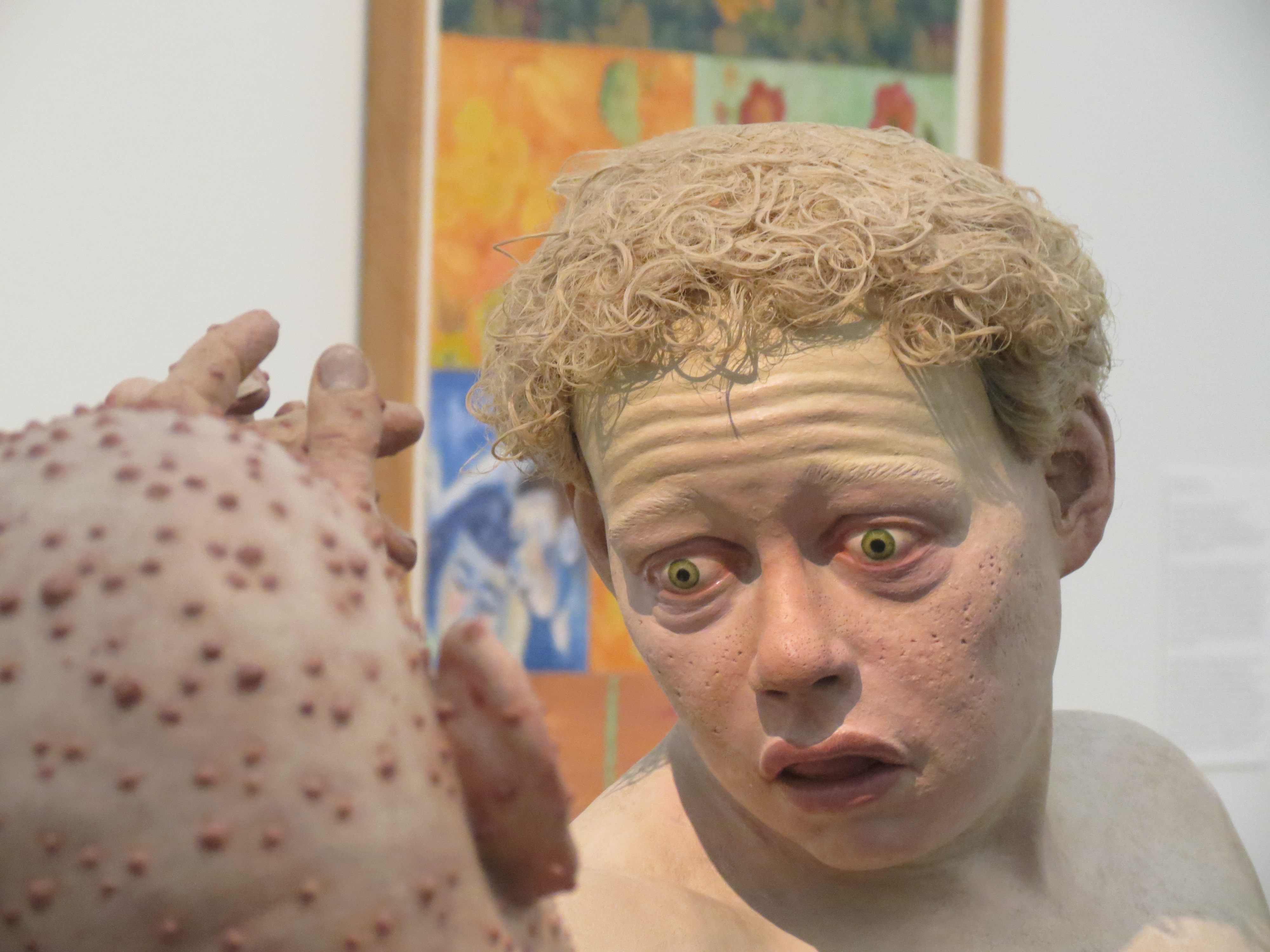
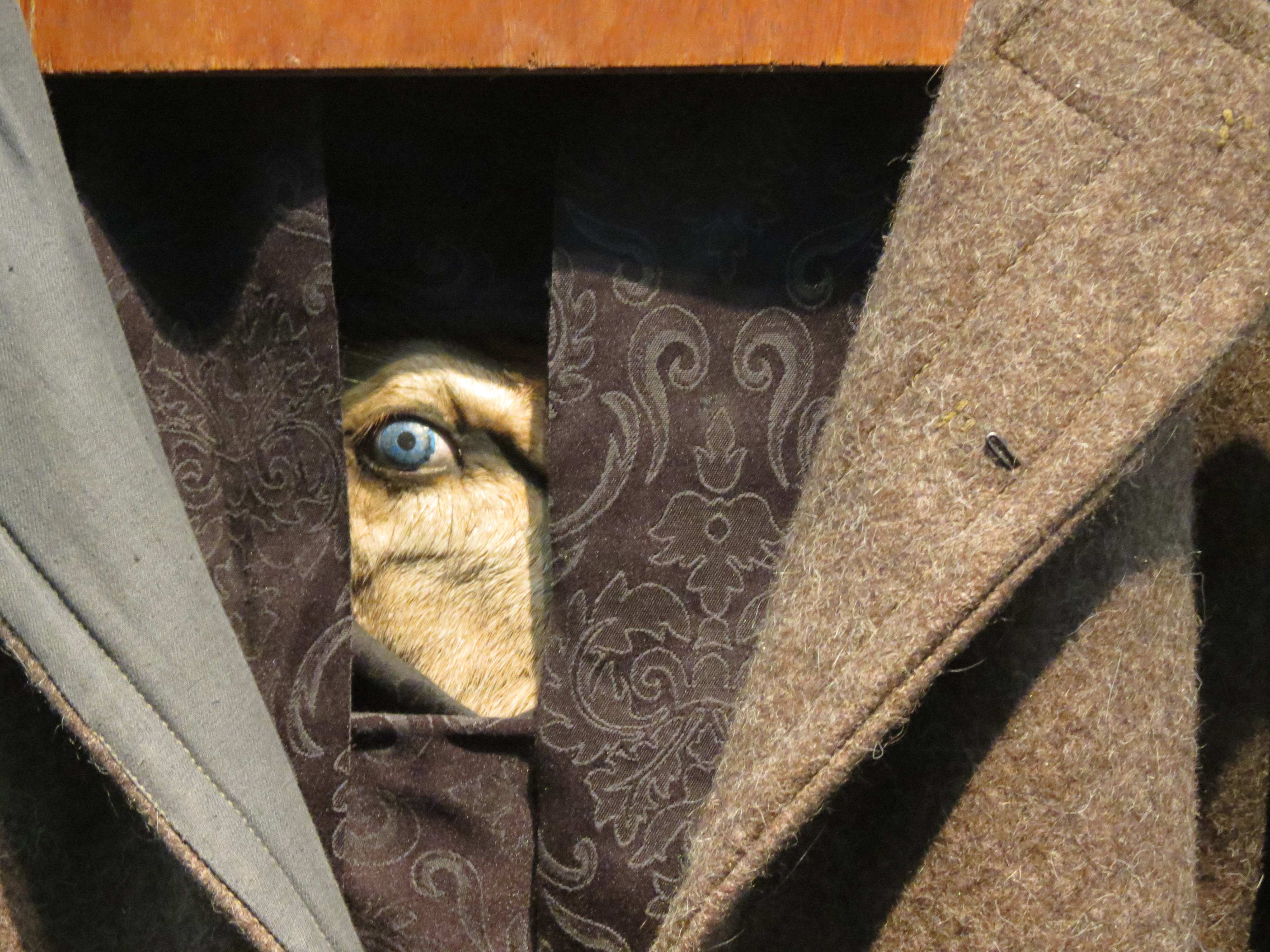
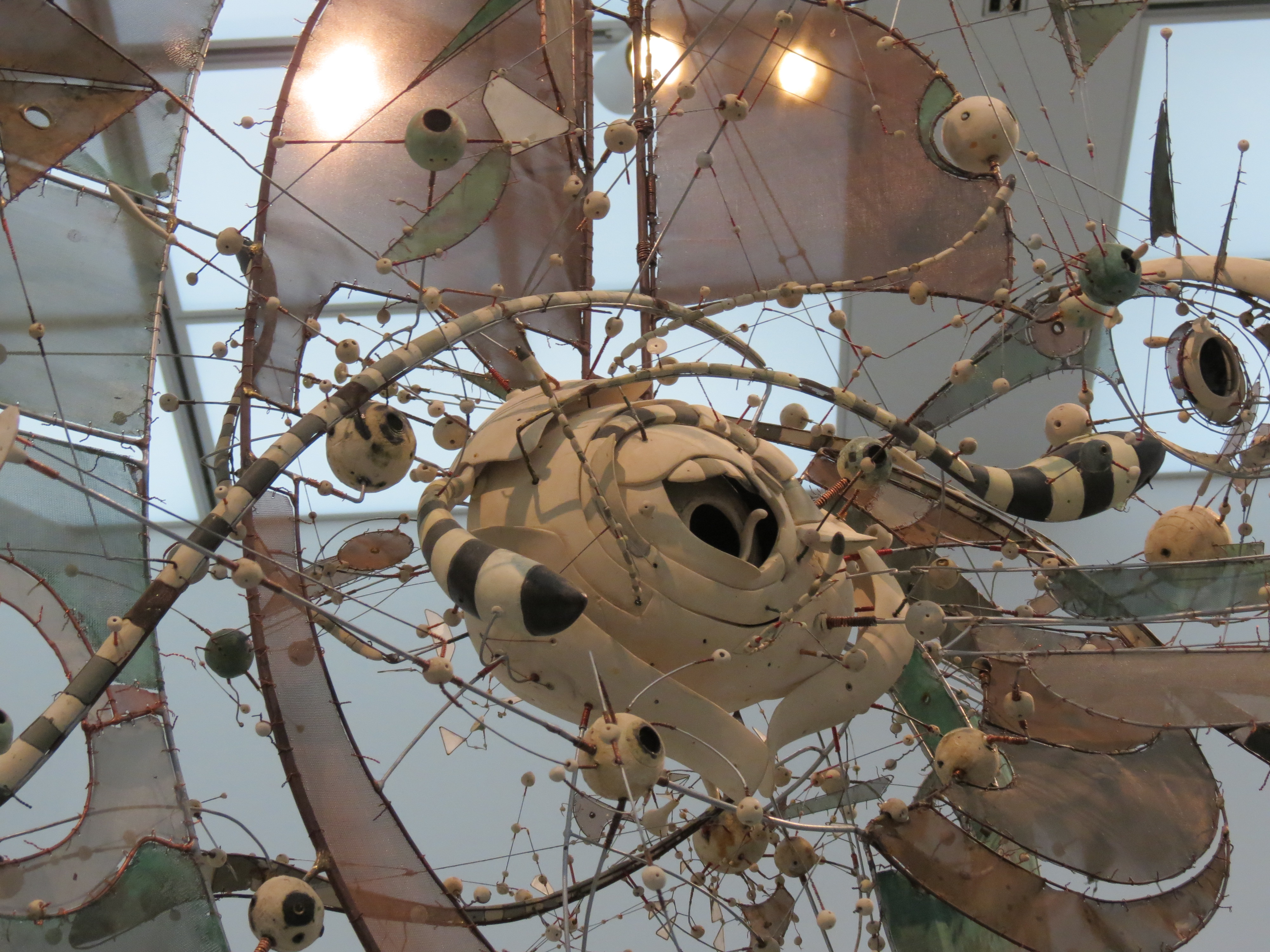
I captured these images as I wandered through the Museum of Contemporary Art exhibit “Surrealism: The Conjured Life” yesterday.

Detail from

■ Tom Czarnopys’ “Untitled” (1984)
■ Joseph Seigenthaler’s “The Couple” (1993)
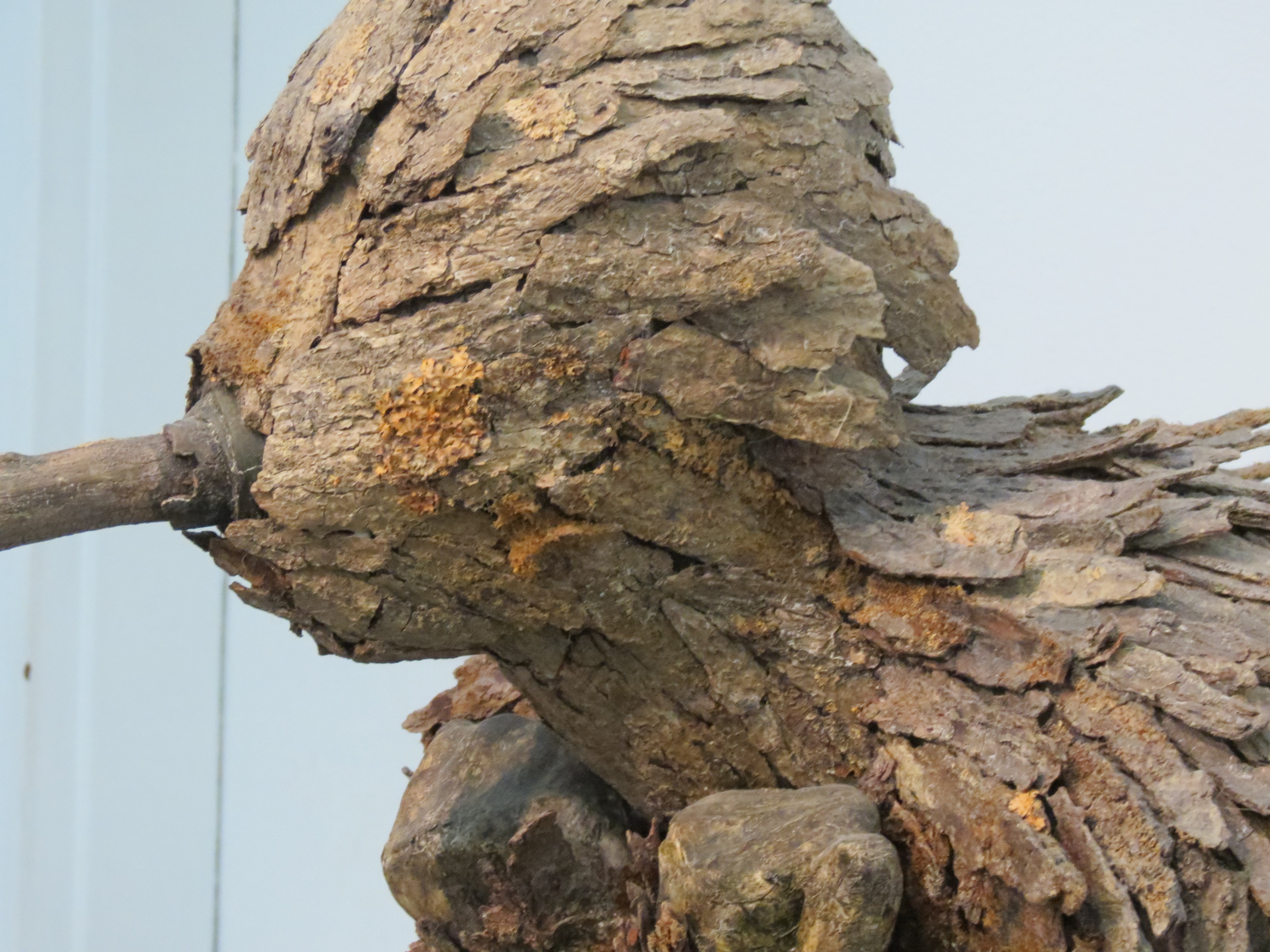
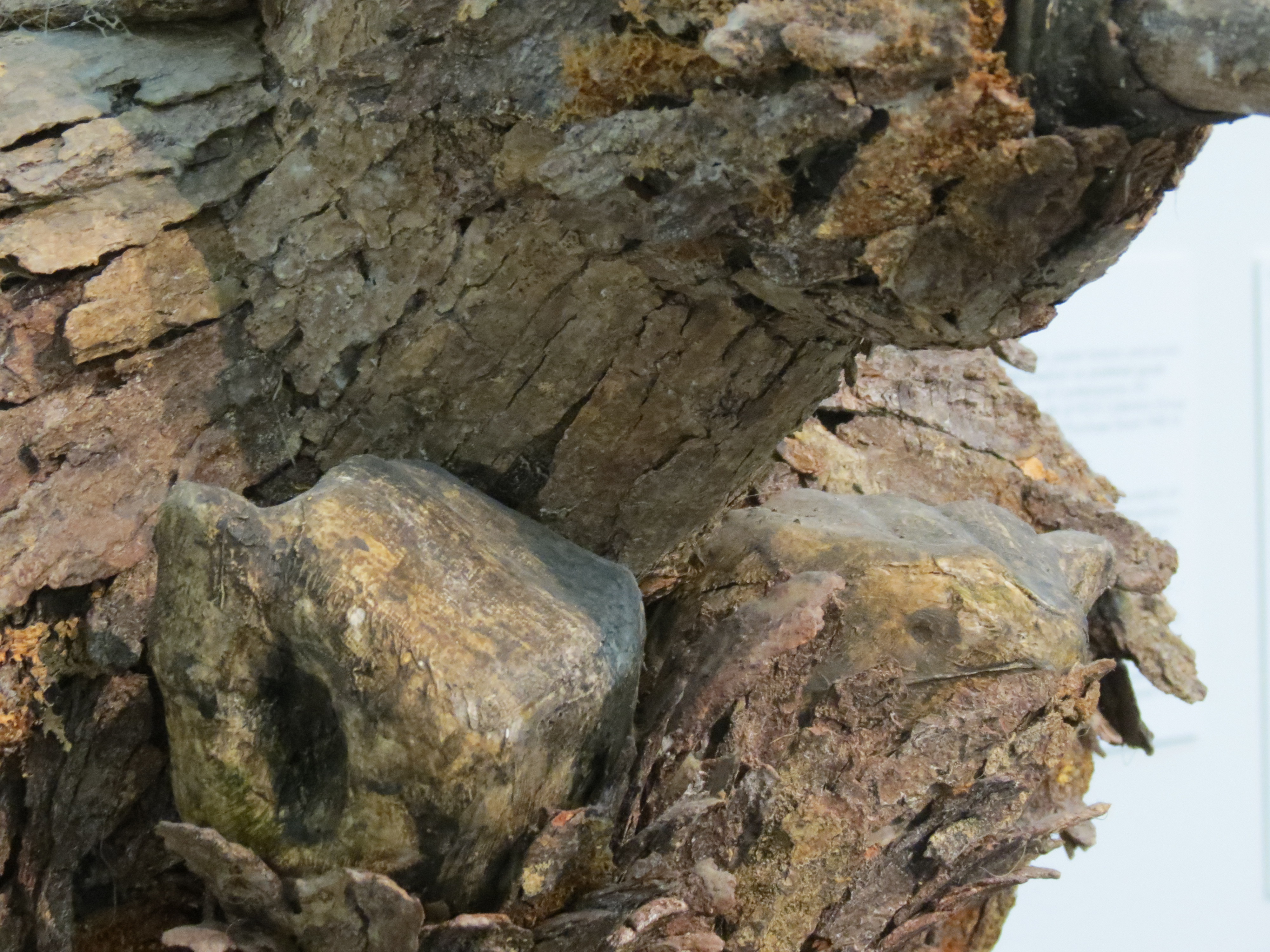
■ June Leaf’s “But Alas, He was an artist”
■ Jimmie Durham’s “In a Cabin in the Woods” (2010)
■ Jean Dubuffet’s “La Verrue sous le nez (Wart Under the Nose)” (1951)
■ Lee Bontecou’s “Untitled” (1990-2000)

“I think walking is a little more primal than art-making.”

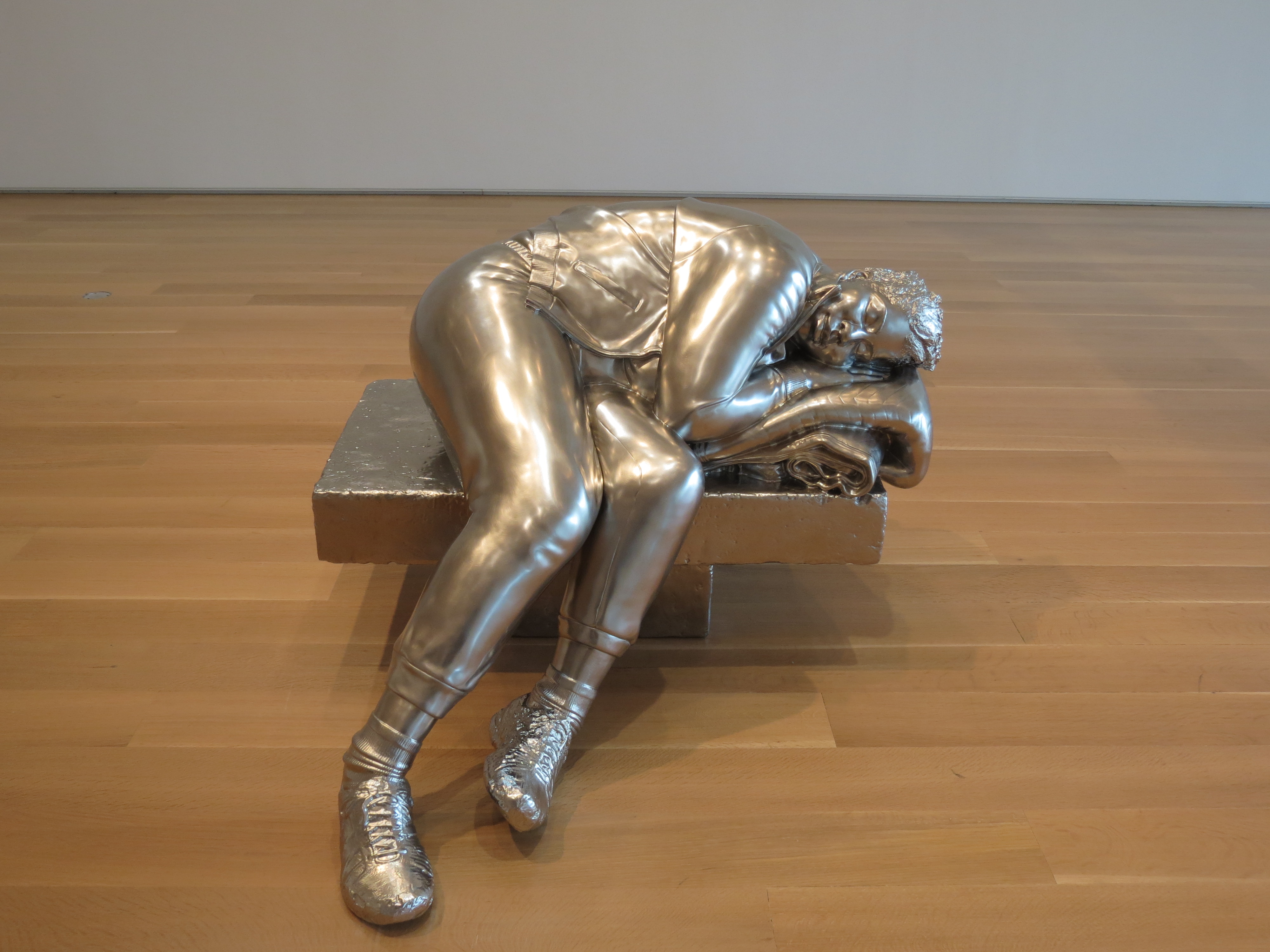
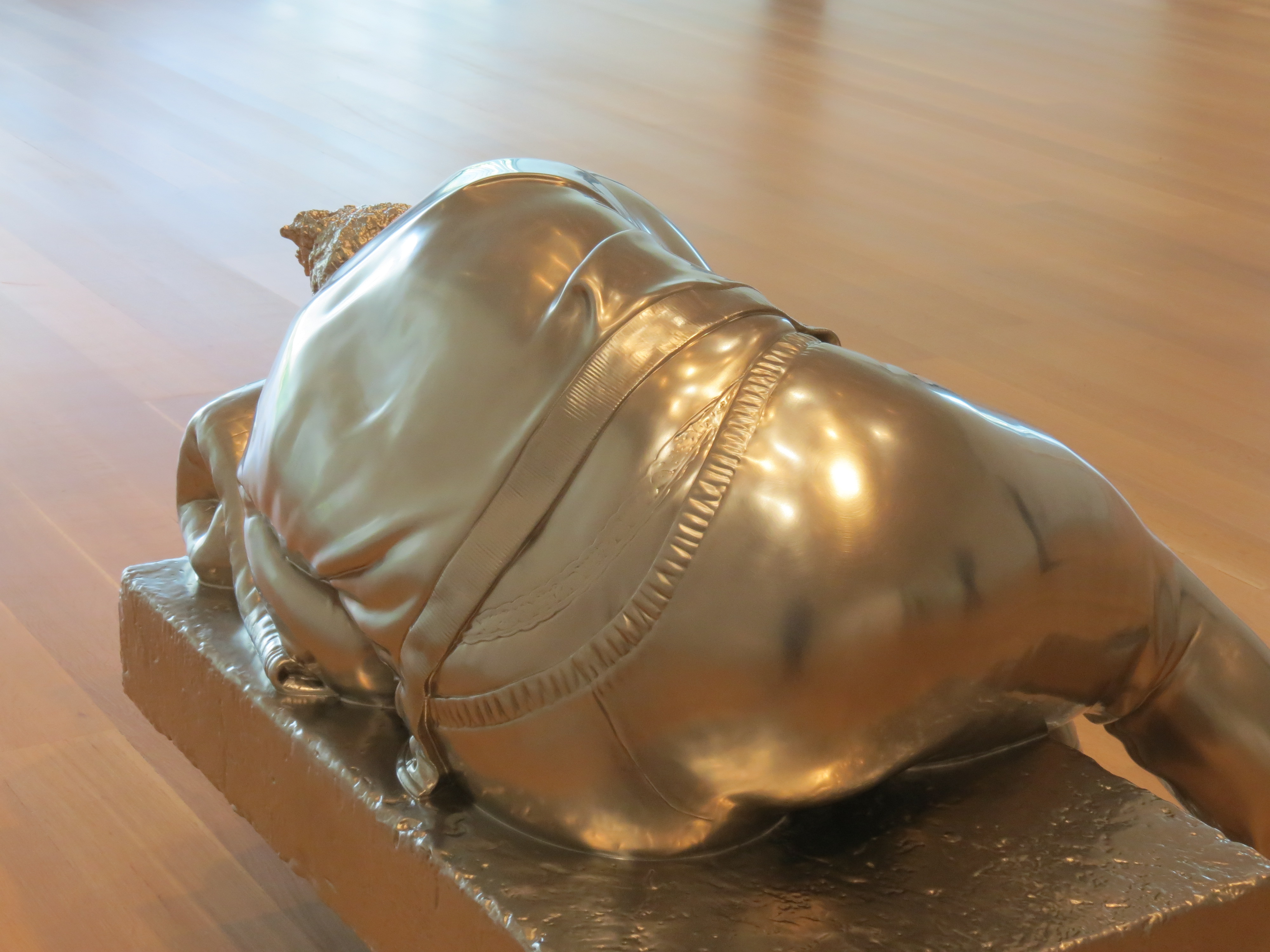
Two images I took at the now closed Charles Ray: Sculpture, 1997–2014 continue to attract my attention, even now, five months after taking them. Ray’s “Sleeping Woman” (2012) is a startling achievement, at once awe-inspiring and intimate.
IMG_5182

The exposed waistband of her briefs. That detail that slays me.

IMG_5183

The title of today’s post comes from a passage in Will Self’s 2013 interview with Ray.