Homeric

The above is my image of the fragment of Homer’s Iliad (Book 5, lines 824-841), papyrus manuscript, c. 150 – 199 CE, currently on display at the University of Chicago. From “But Is It a Book?:

This papyrus fragment bears 17 lines from Book 5 of Homer’s Iliad. Although epic poems from antiquity are typically divided up into books, the word would not have been understood in the way it is used today. The term comes from the papyrus “bookroll,” which was formed by affixing approximately 20 standard sheets of papyrus together that could be rolled up into a compact unit and hold roughly 700 lines of poetry – close to the typical book divisions of ancient epics.

Surreal

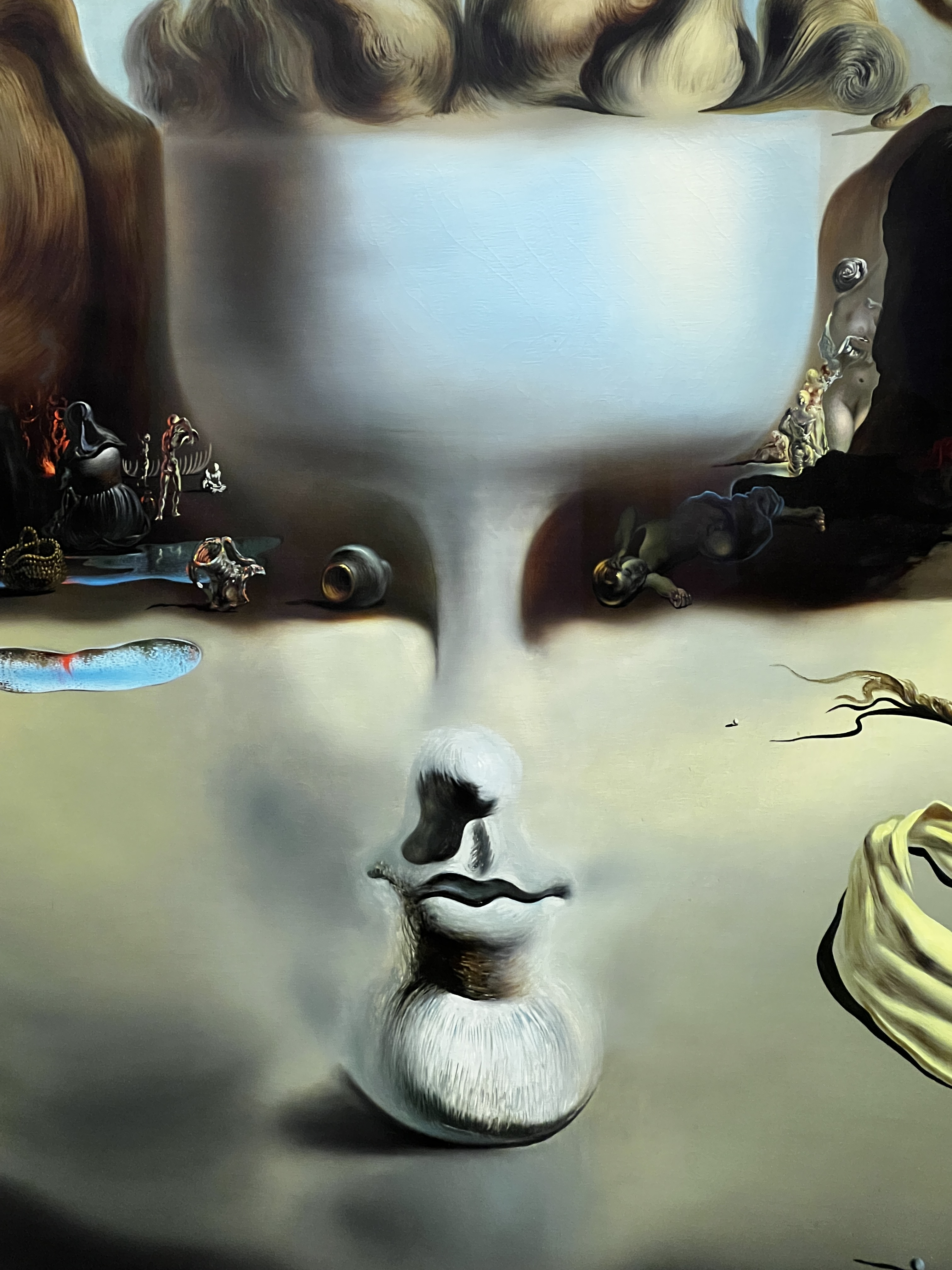
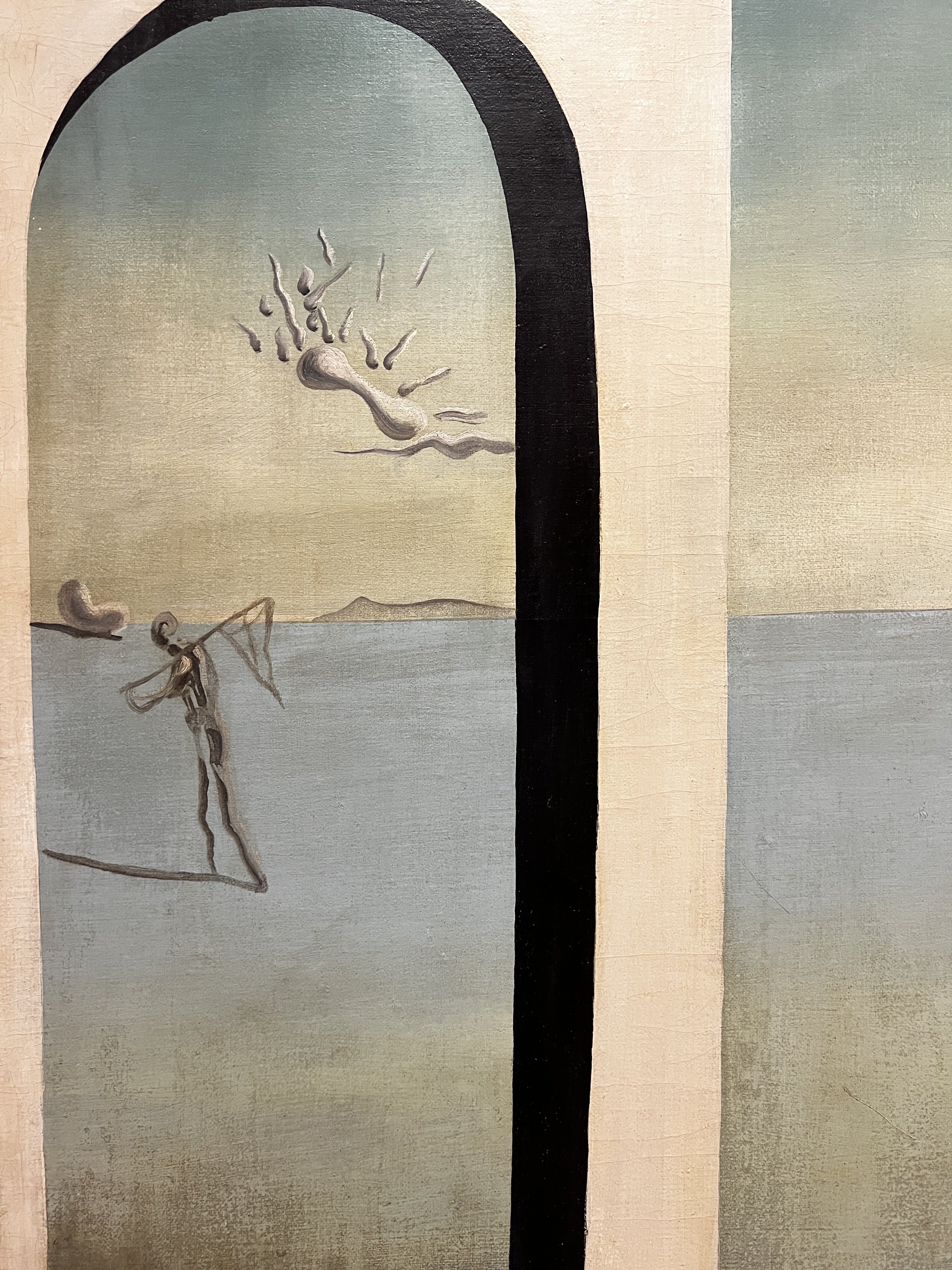
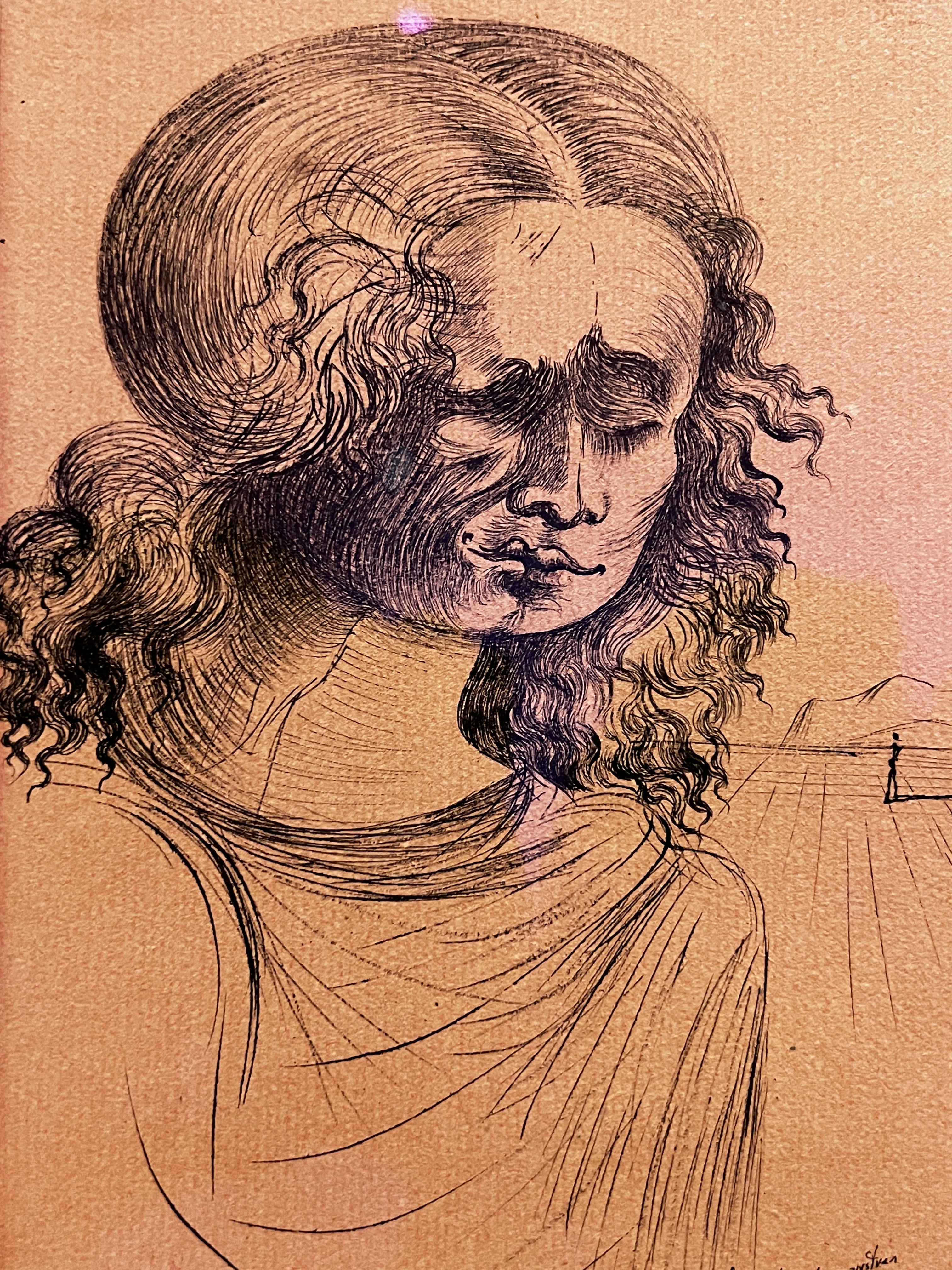
Yesterday we visited the Art Institute of Chicago for “Salvador Dalí: The Image Disappears.” The above images are my photographs of detail from

Inventions of the Monsters (1937);
Formation of the Monsters (1937);
Apparition of Face and Fruit Dish on a Beach (1938);
City of Drawers (1936);
Untitled (Dream of Venus), formerly Visions of Eternity (1939);
— and two of Soft Construction with Boiled Beans (Premonition of Civil War) (1936).

Portraits

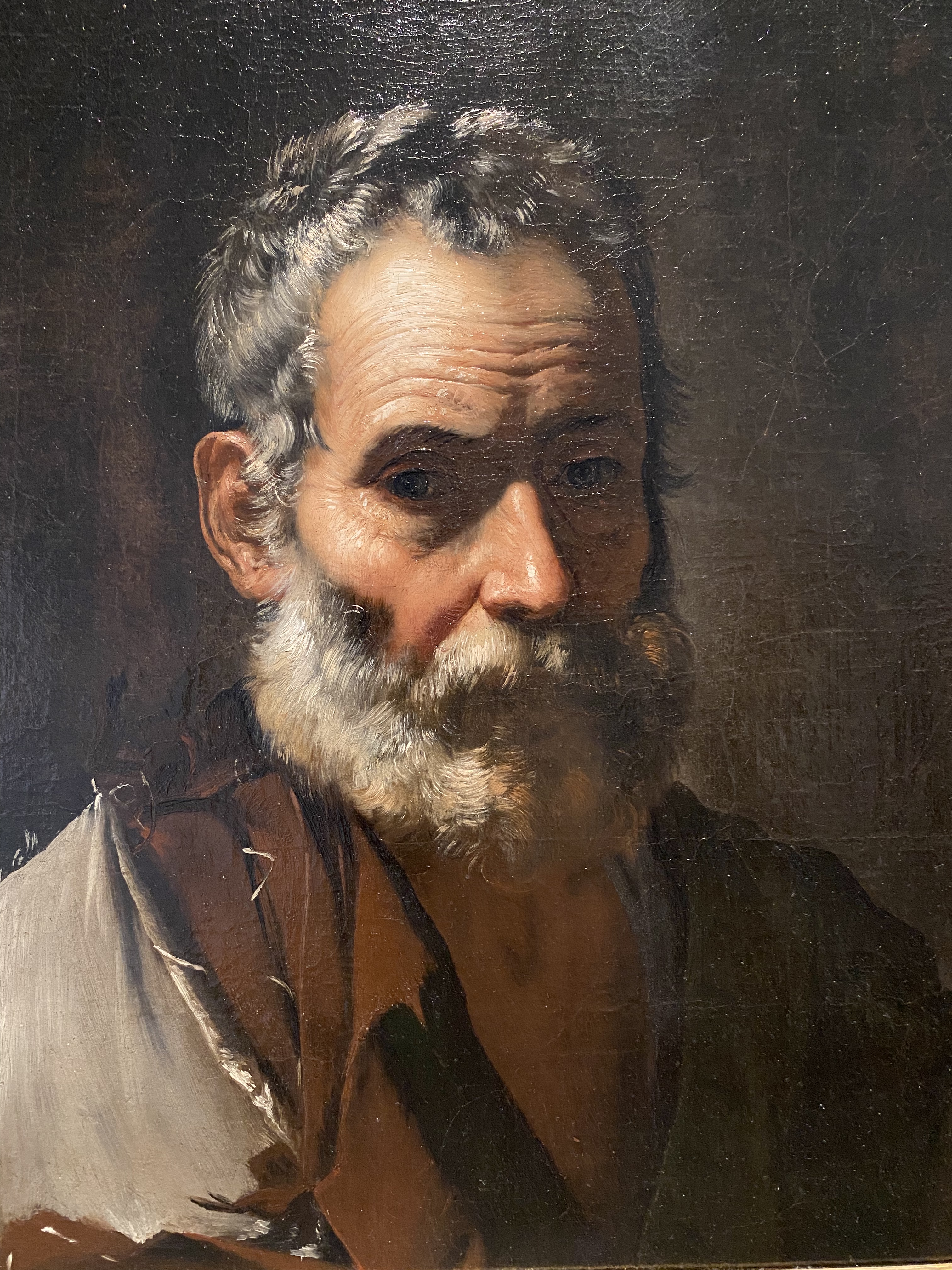
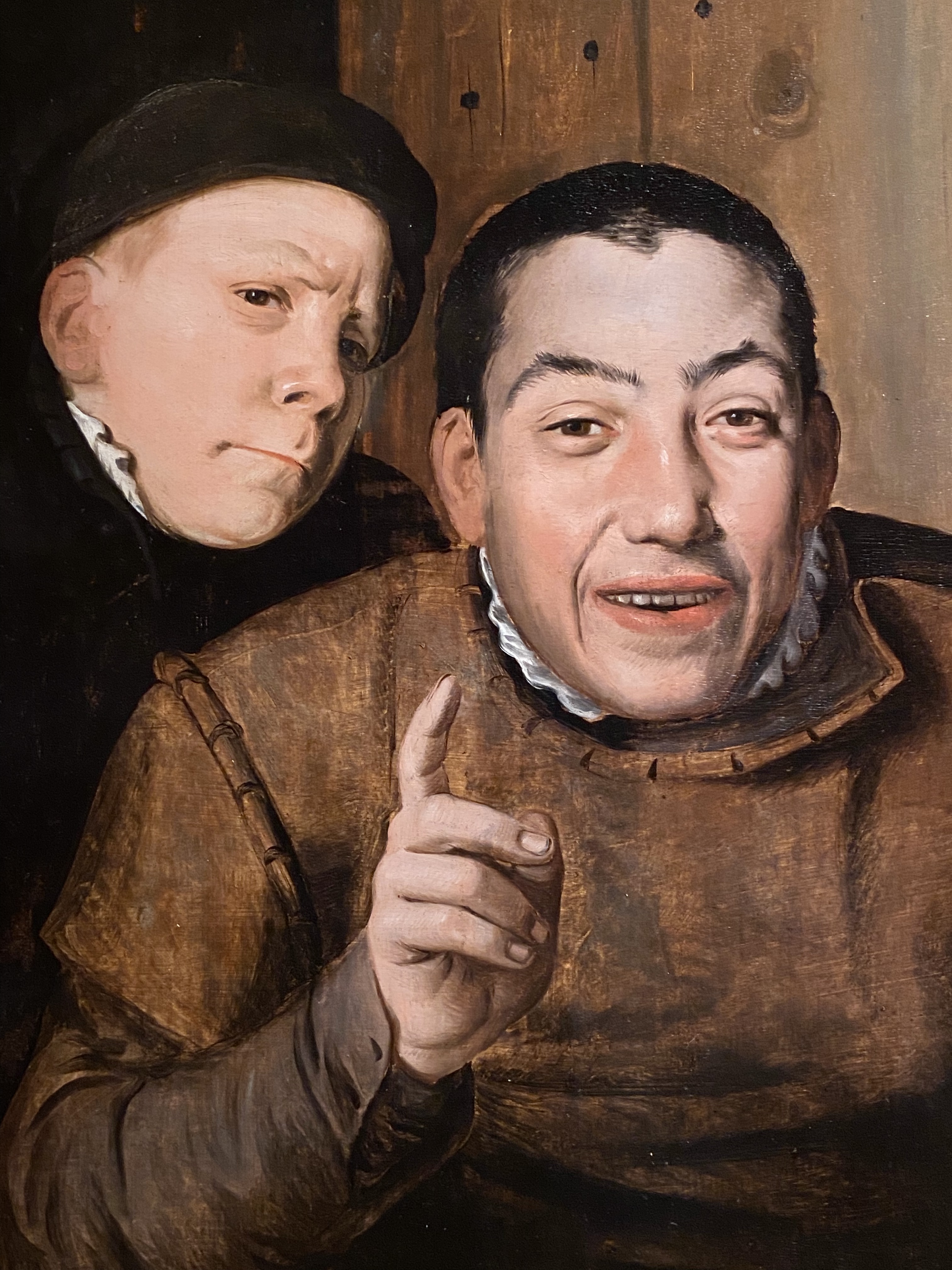
My images of some of the people I met at the Detroit Institute of Arts last weekend.

From top left to bottom right:

A Philosopher (about 1635) by José de Ribera
Two Jesters (1550-75) by Unknown artist
Self Portrait (1828) by Rembrandt Peale
Head of a Man (1777-78) John Singleton Copley
Girl Reading (1938) by Pablo Picasso
Self Portrait (1887) by Vincent Van Gogh

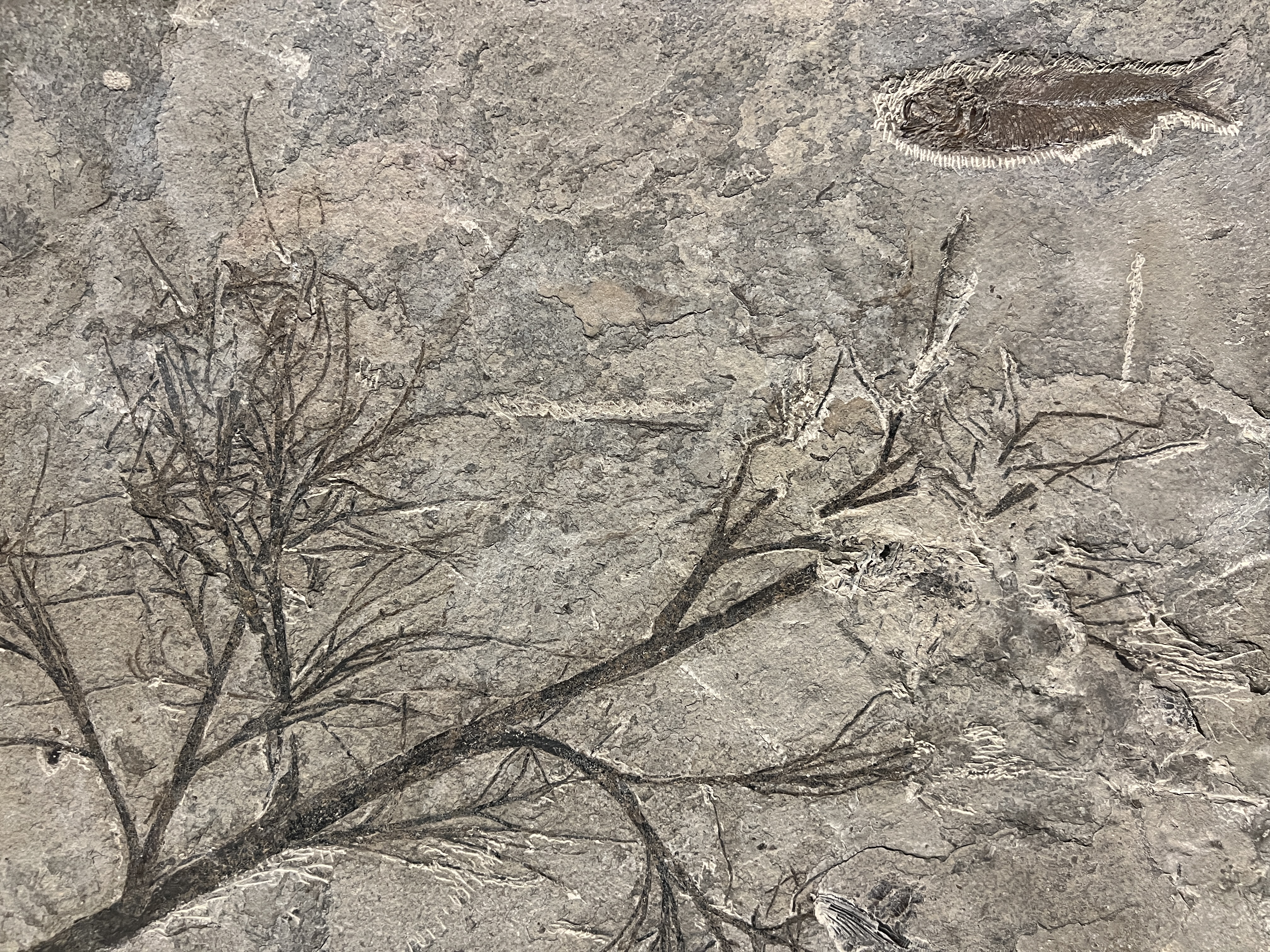
Fossils

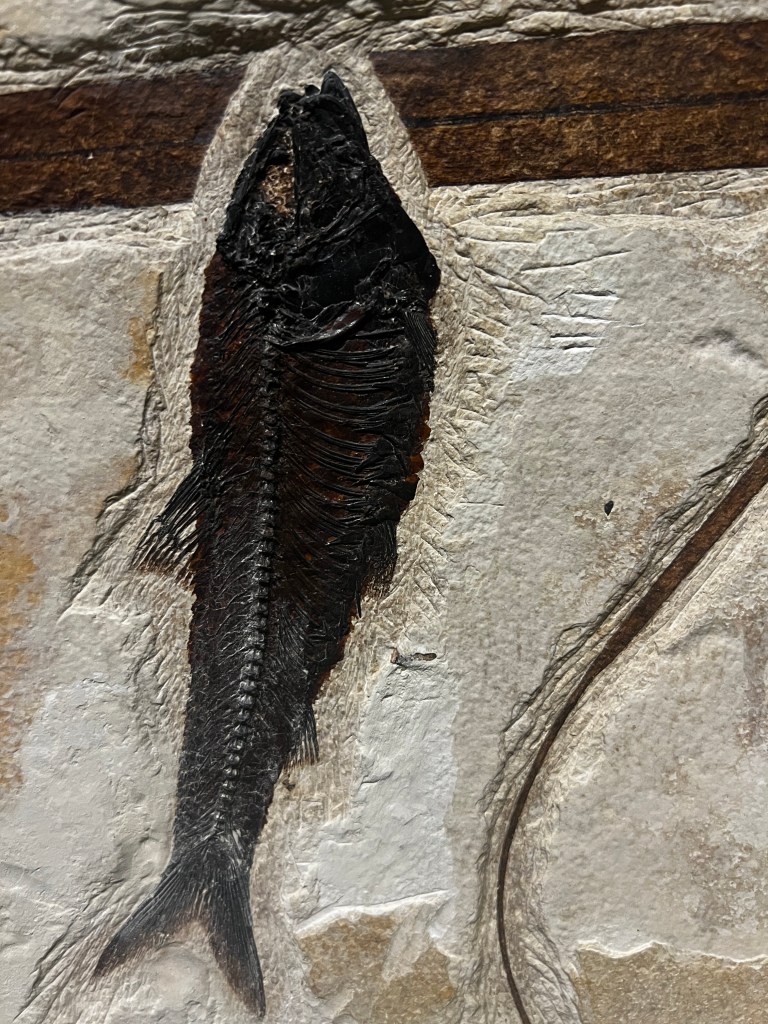
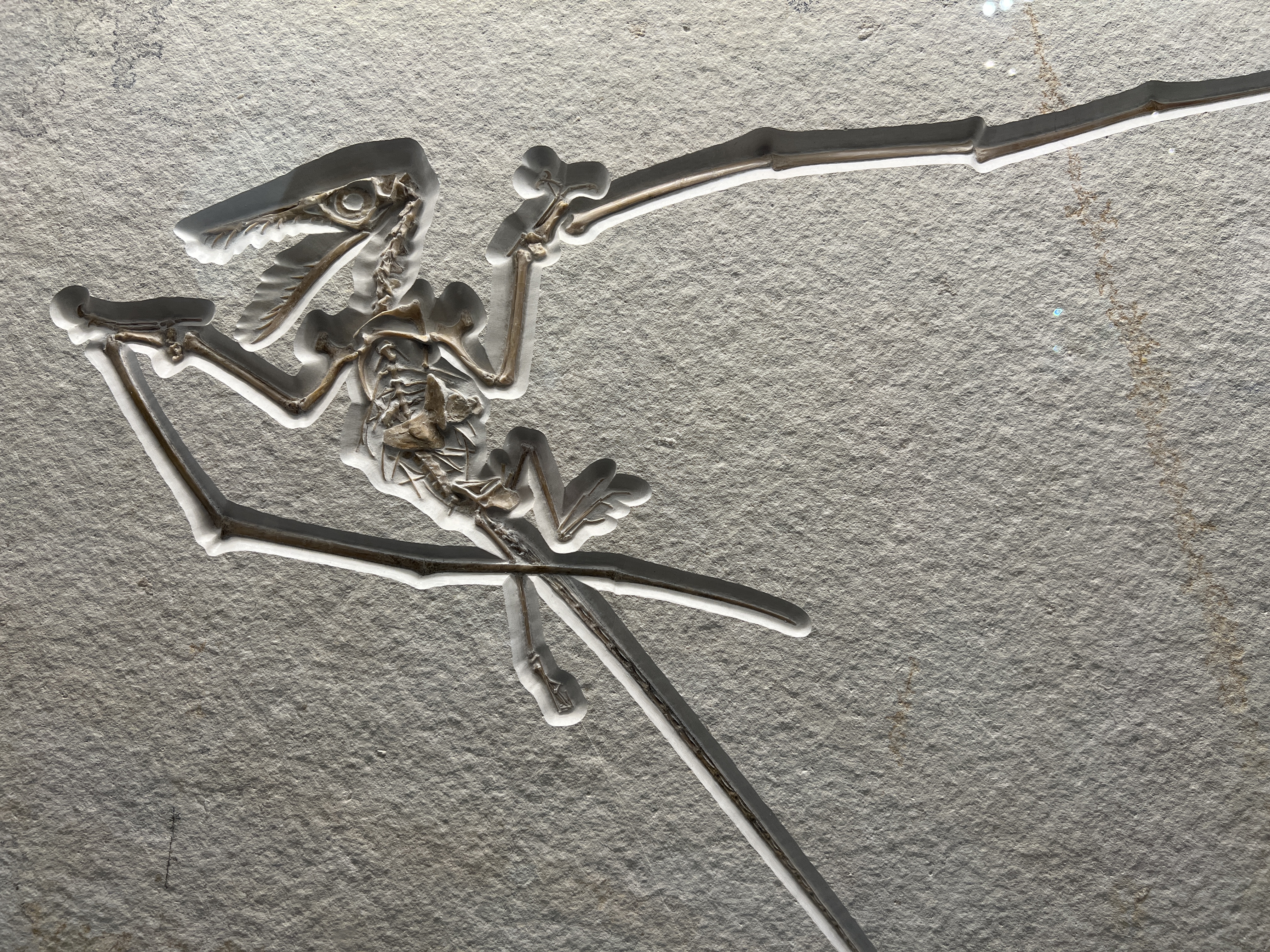
Over the weekend, we visited the Field Museum for the first time in four years. What a treasure. Afterward, we saw All’s Well That Ends Well at the Chicago Shakespeare Theater. As I mentioned elsewhere, the cast slayed this odd play, teasing out the humor and, more critically, the humanity. Highly recommended.

At the museum

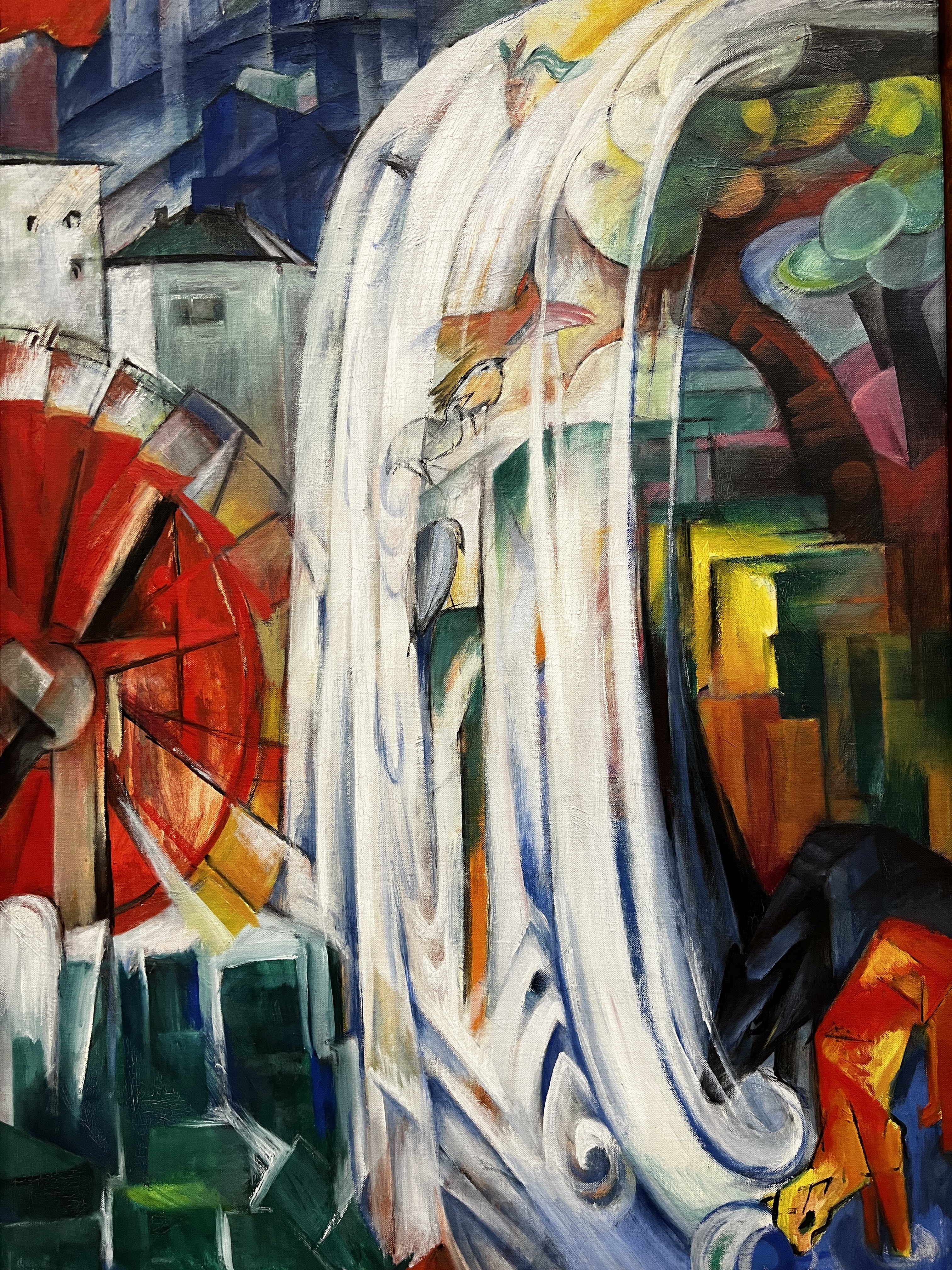
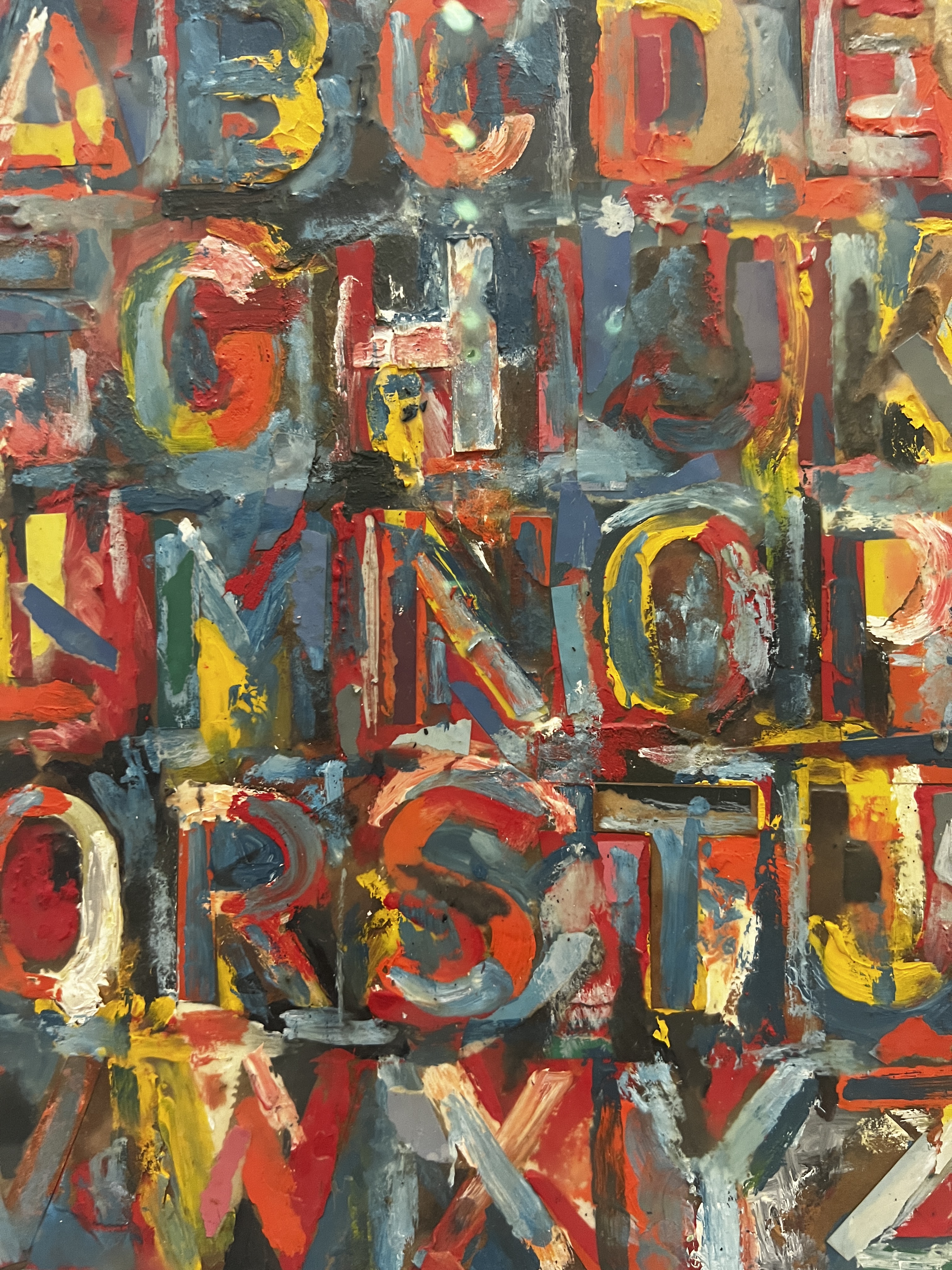
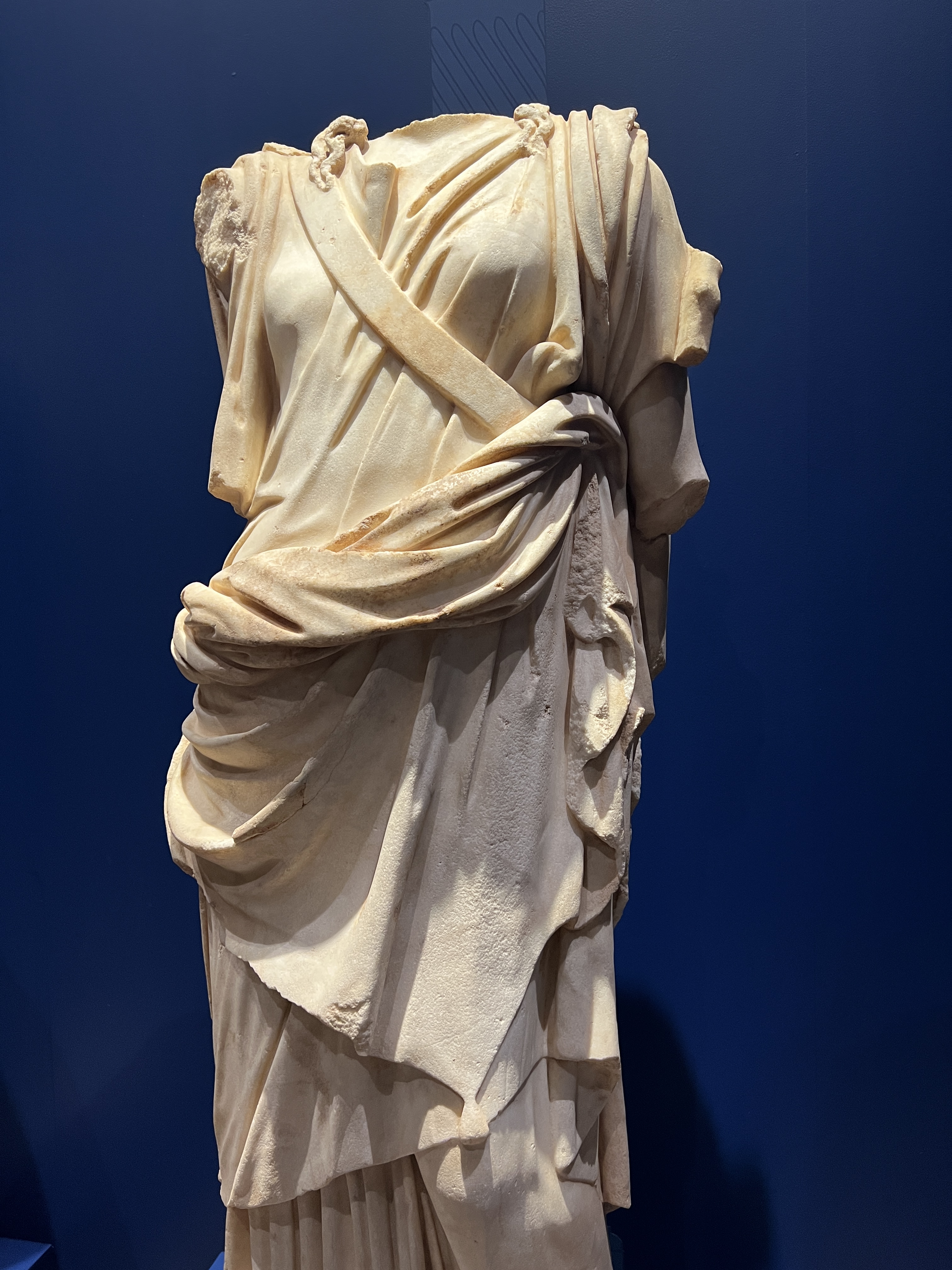
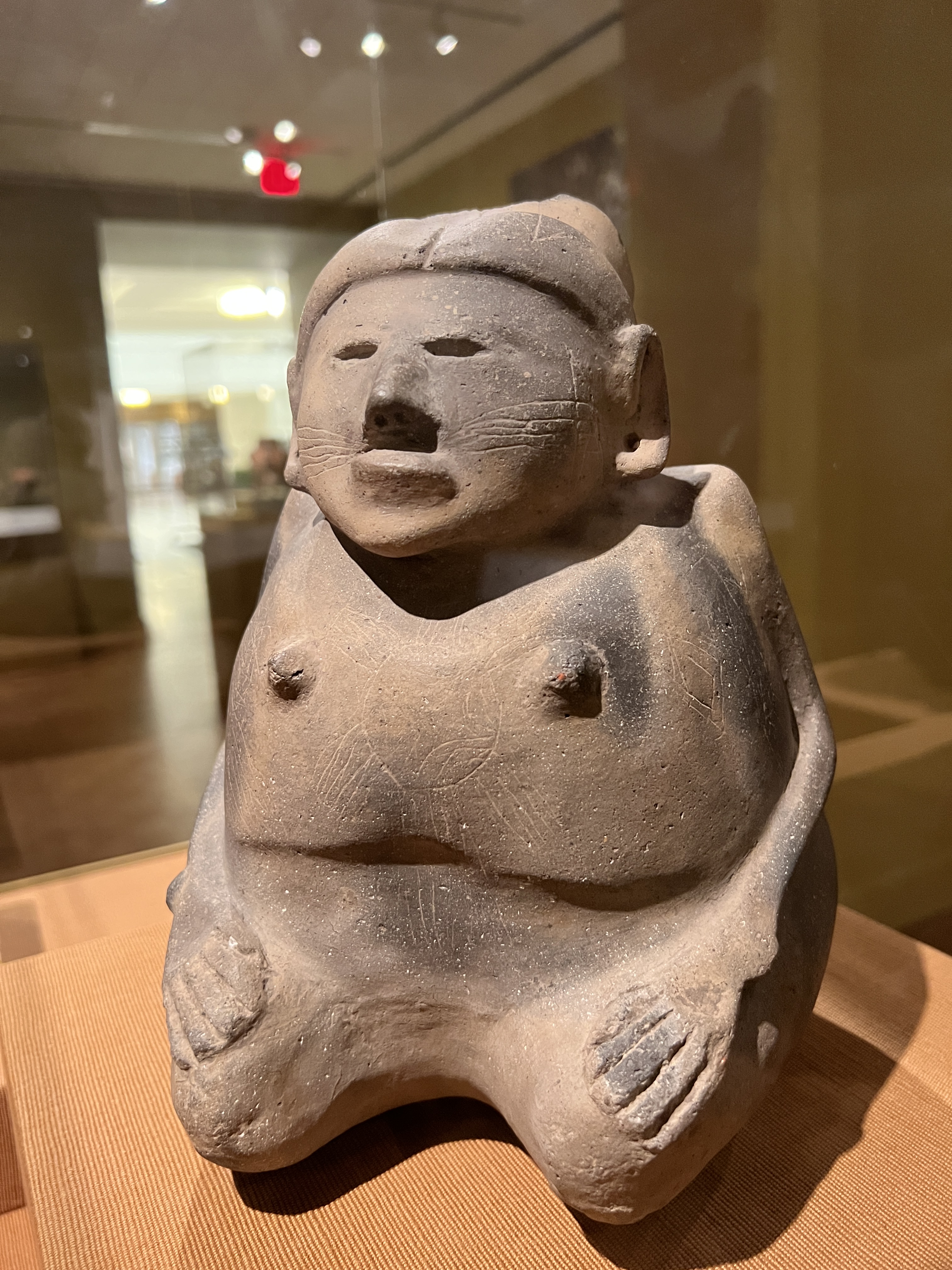
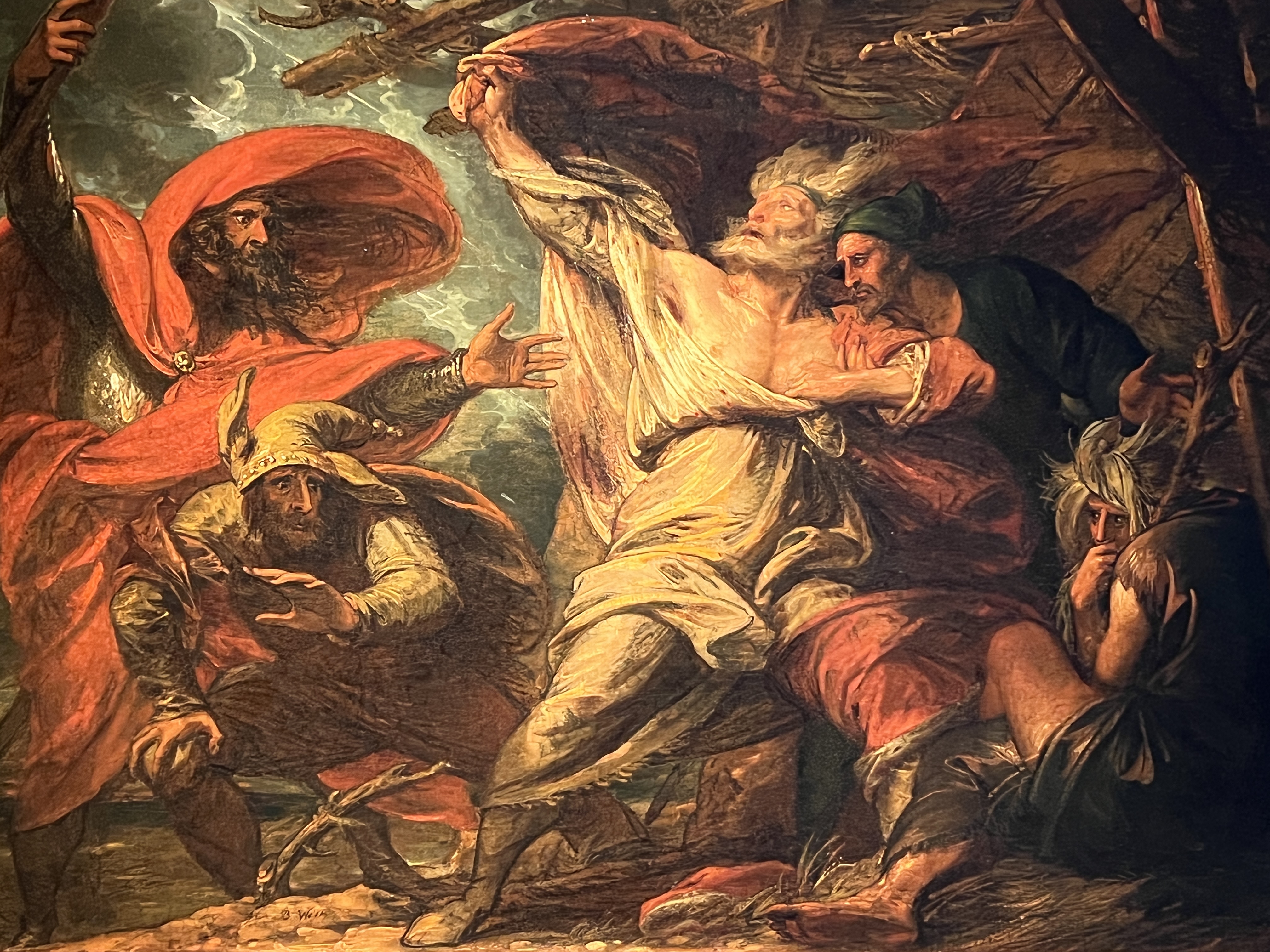
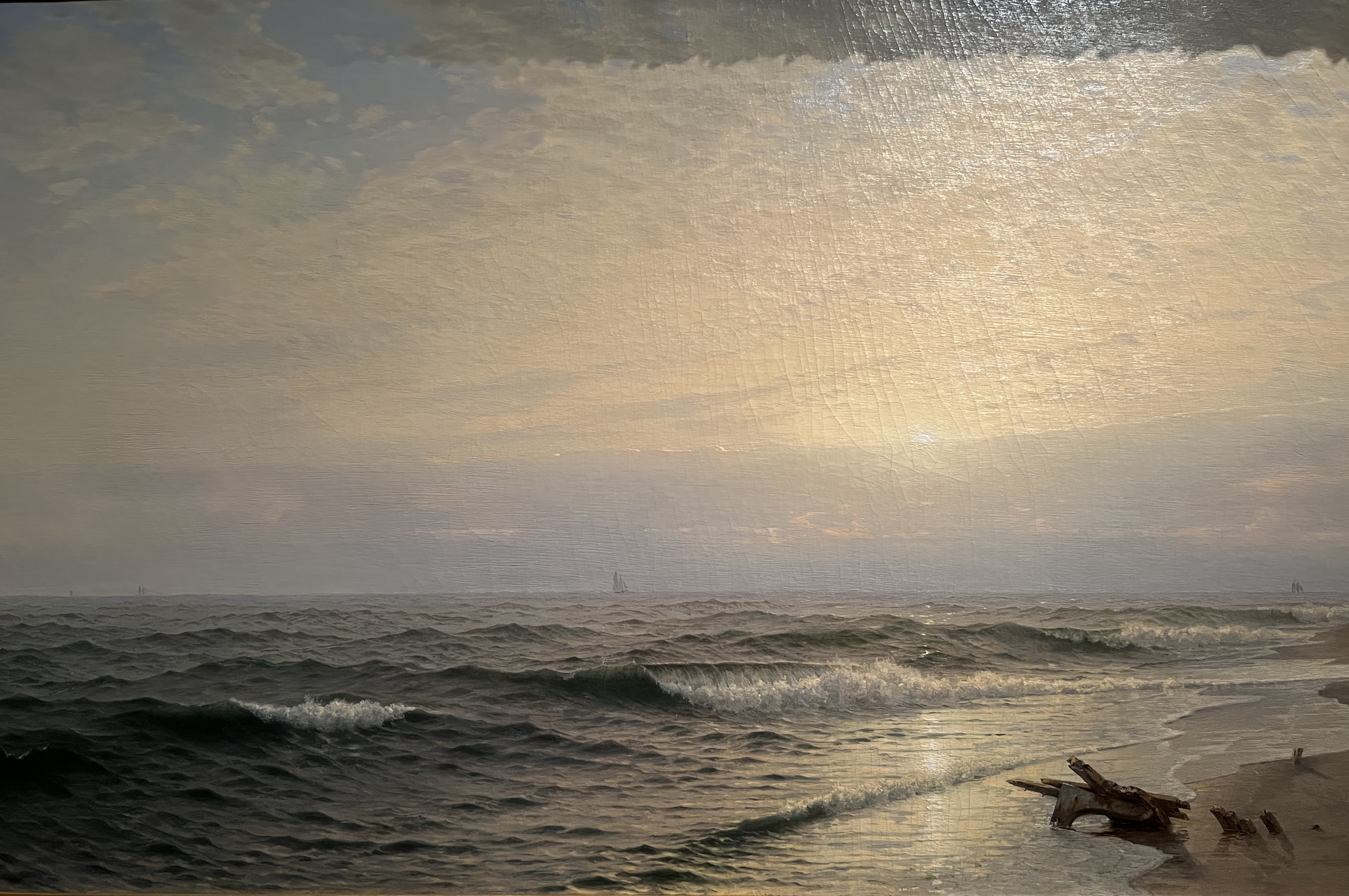
Images of detail I captured on recent trip to the Detroit Institute of Arts.