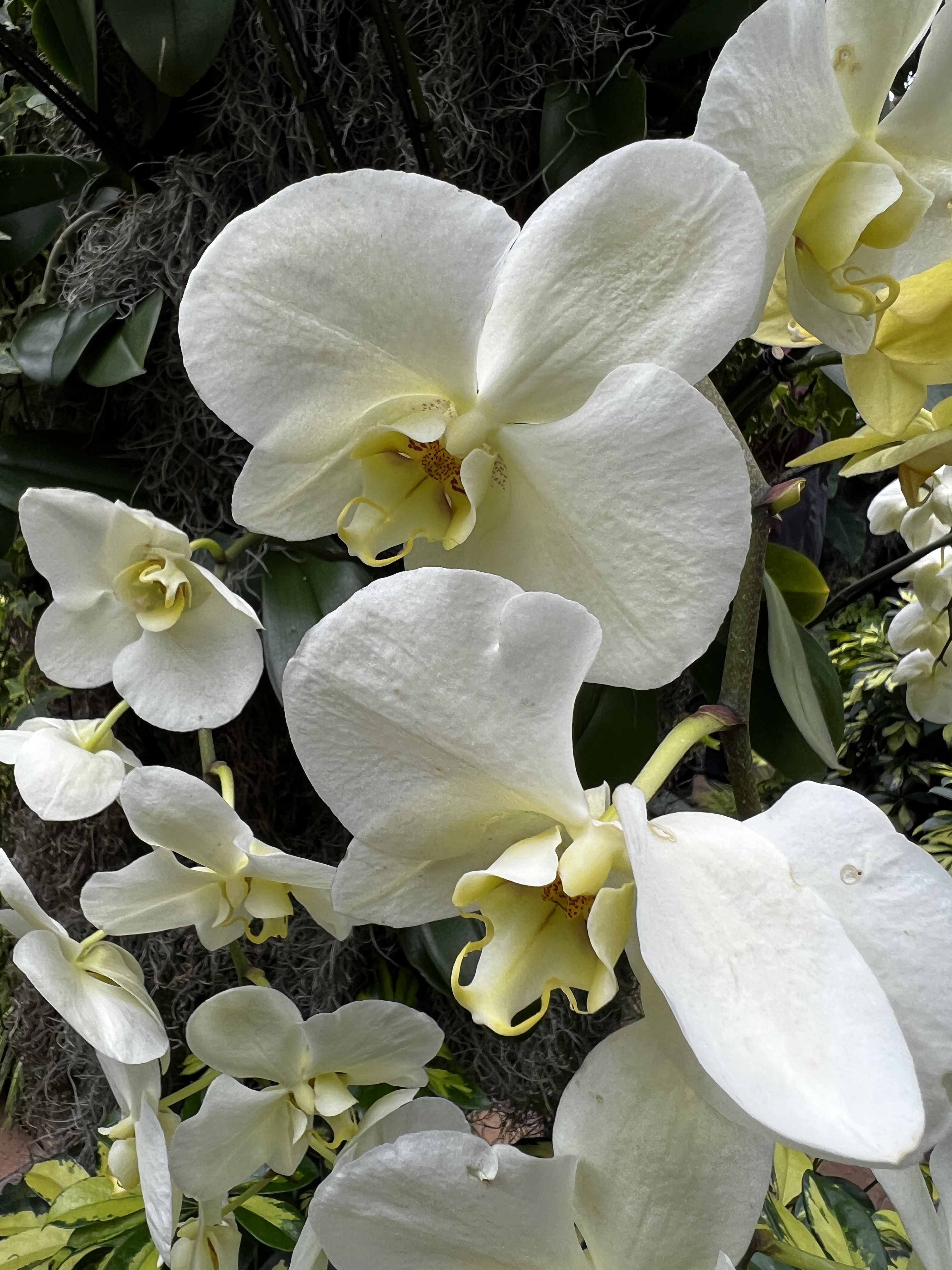
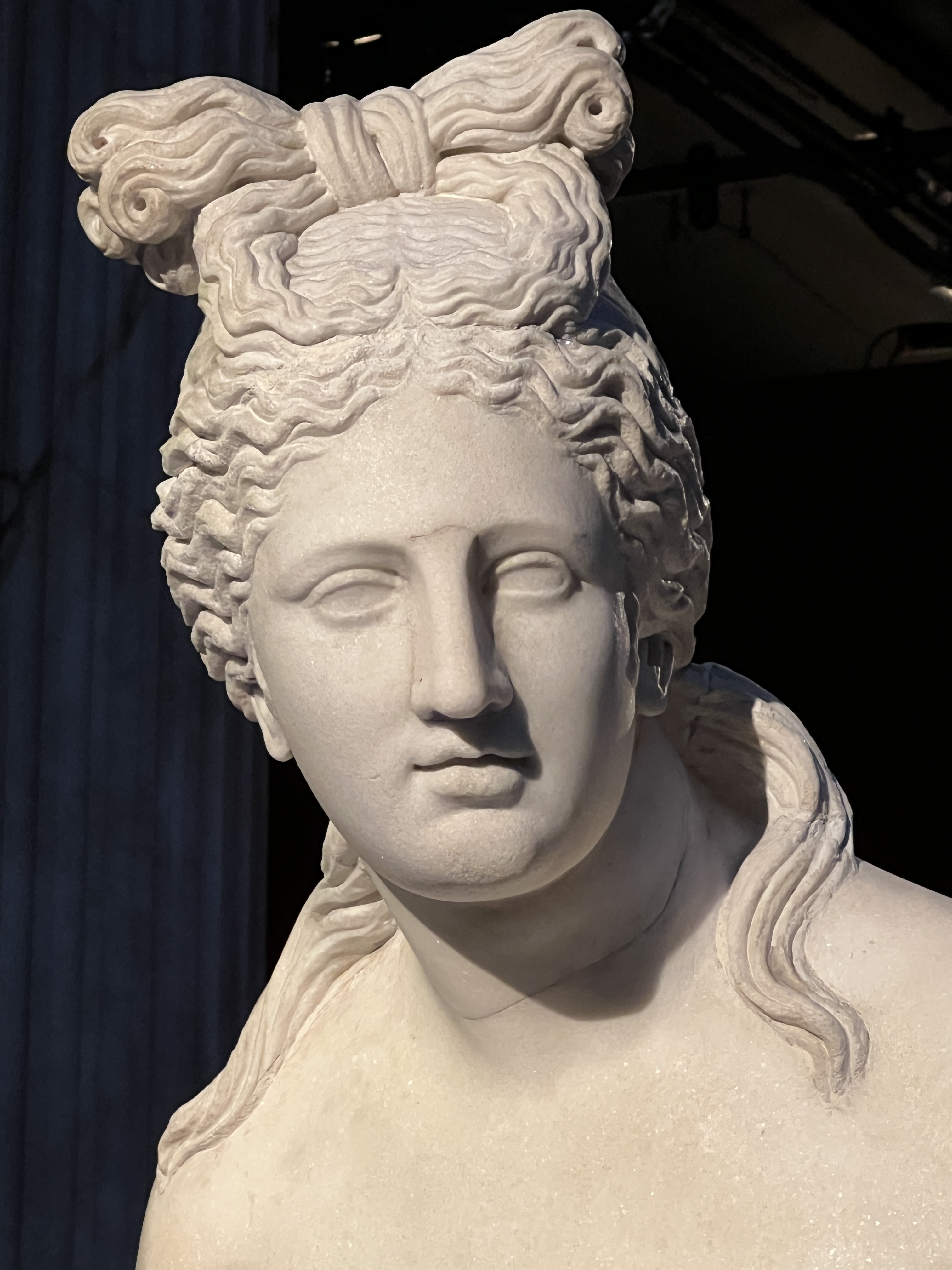
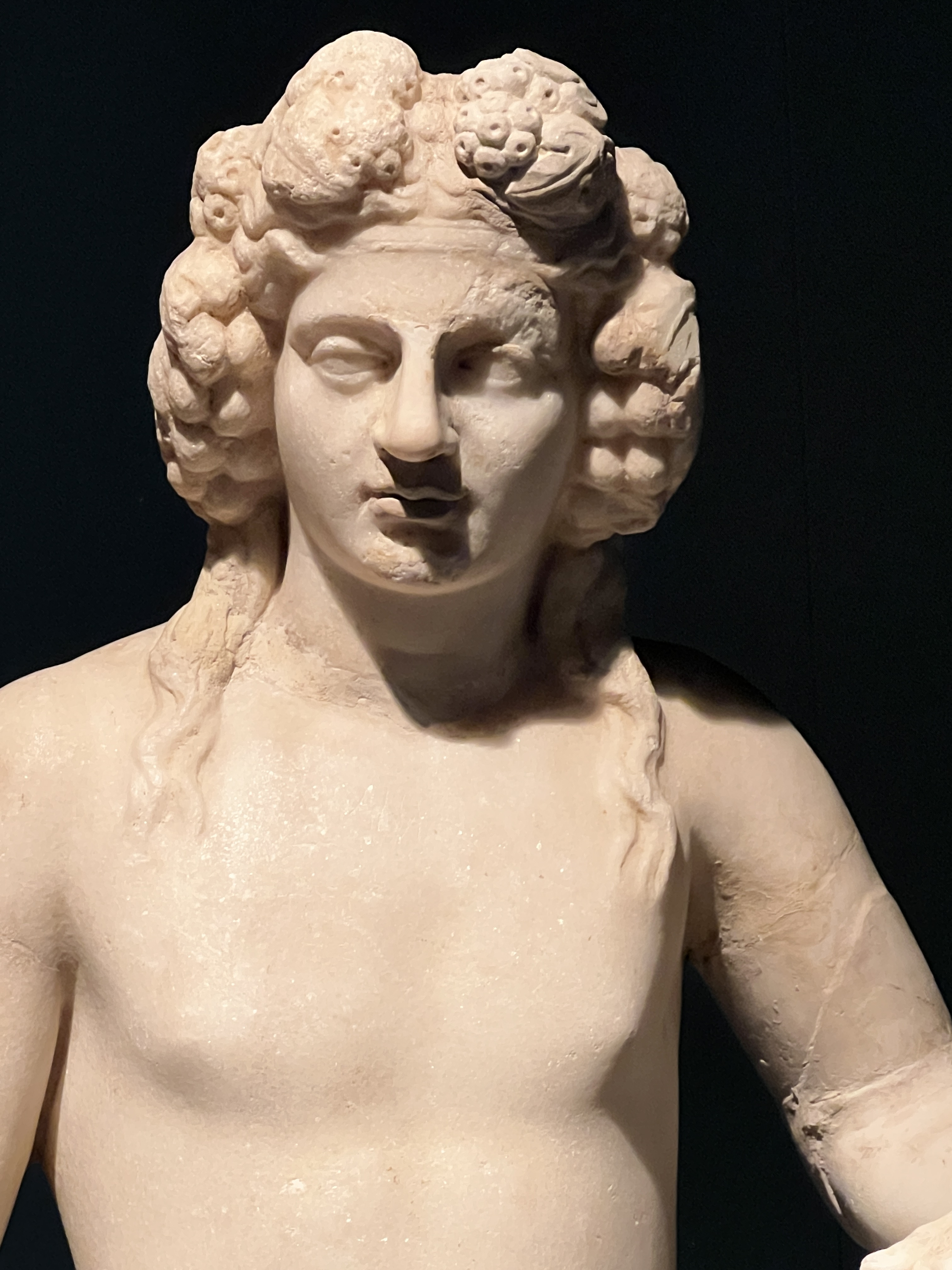
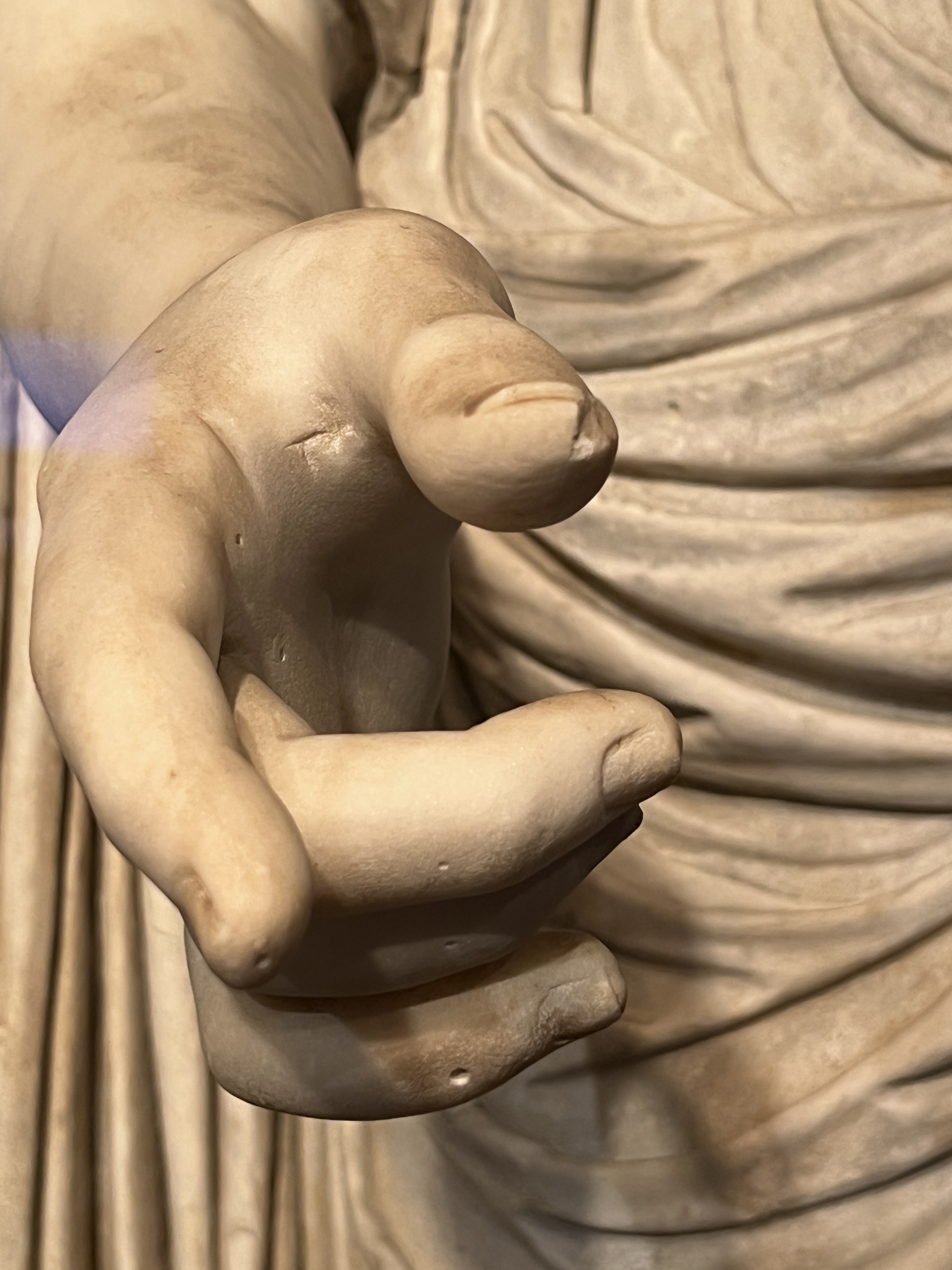
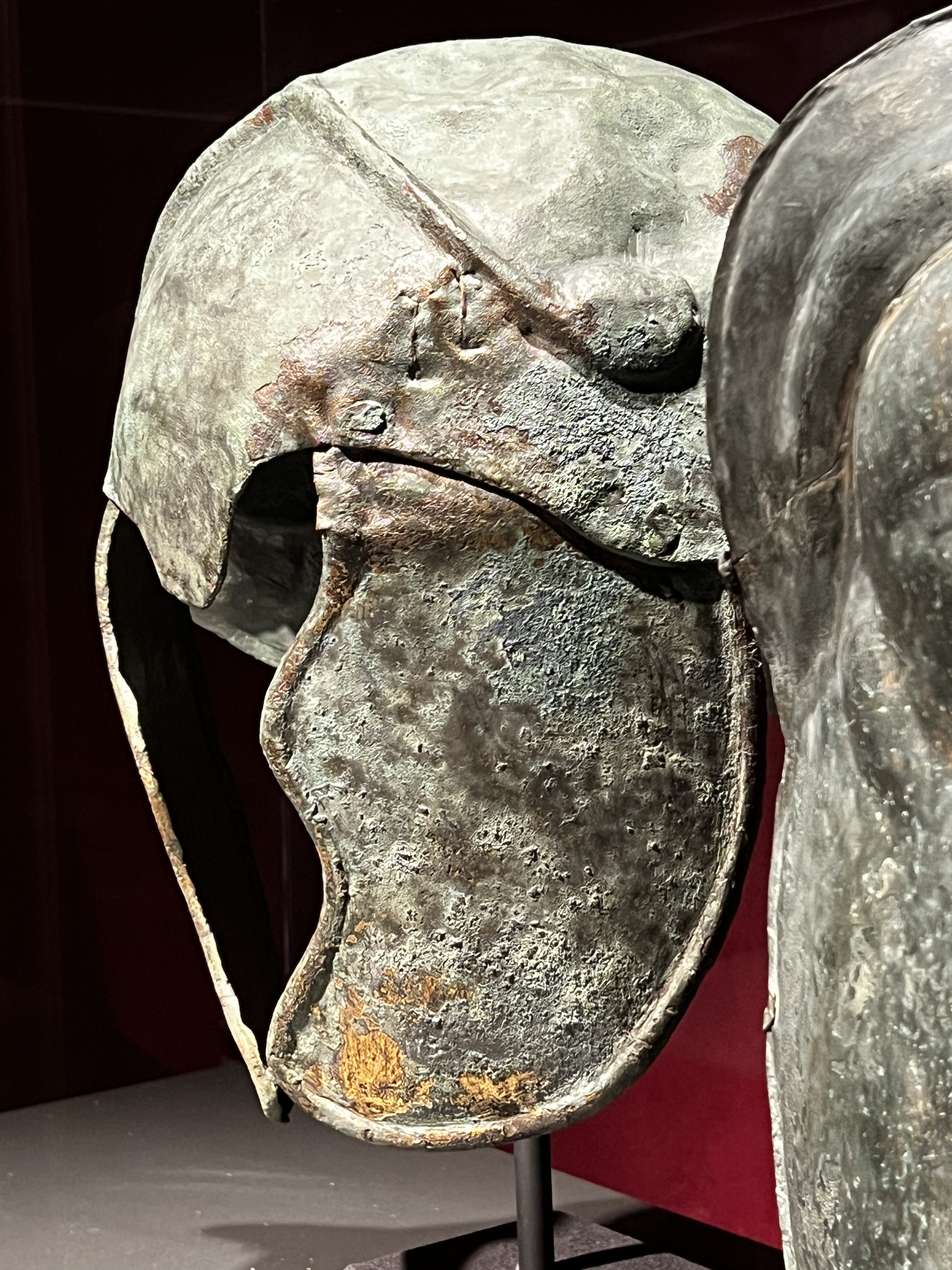
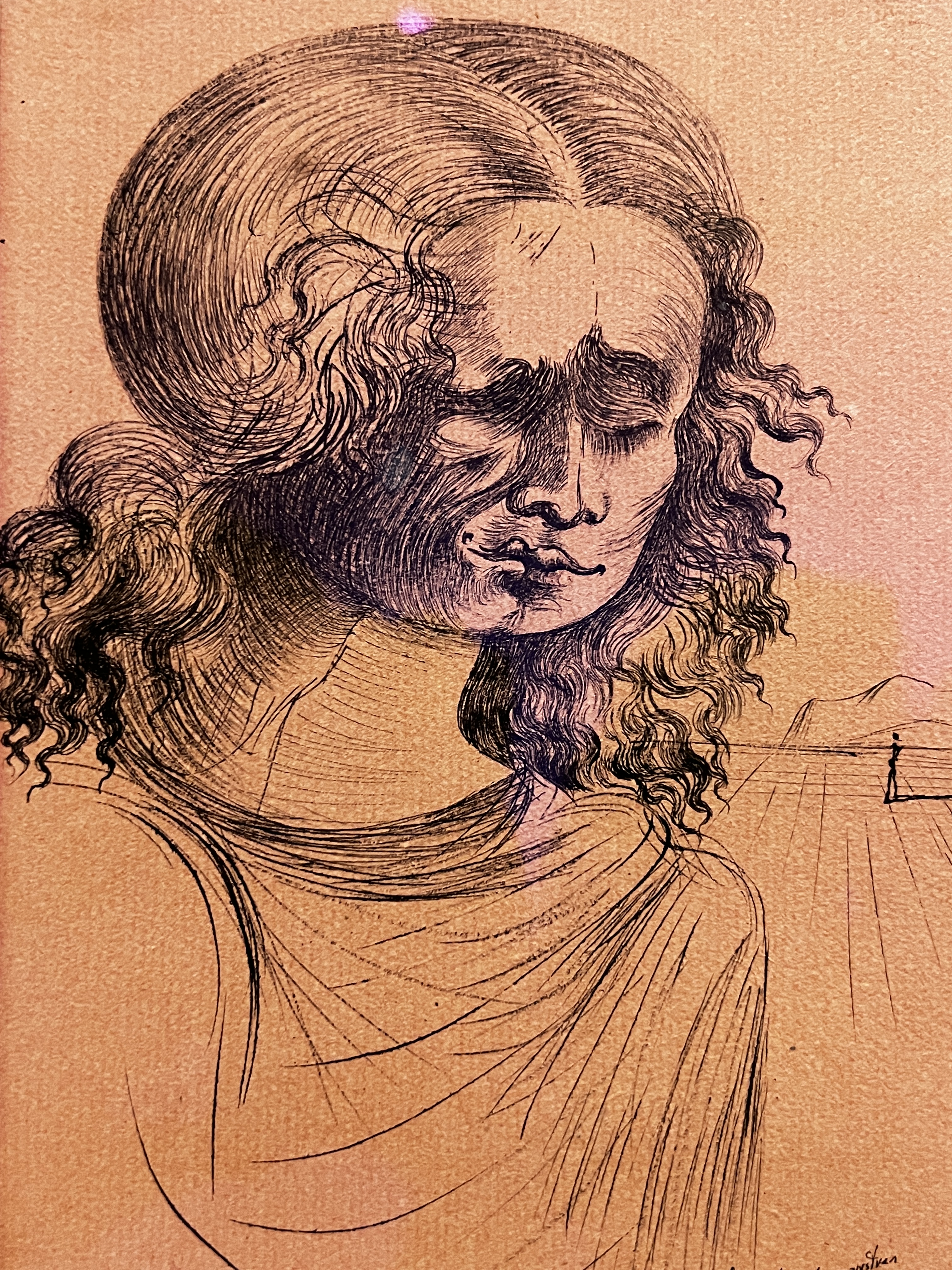
At the Detroit Institute of Arts

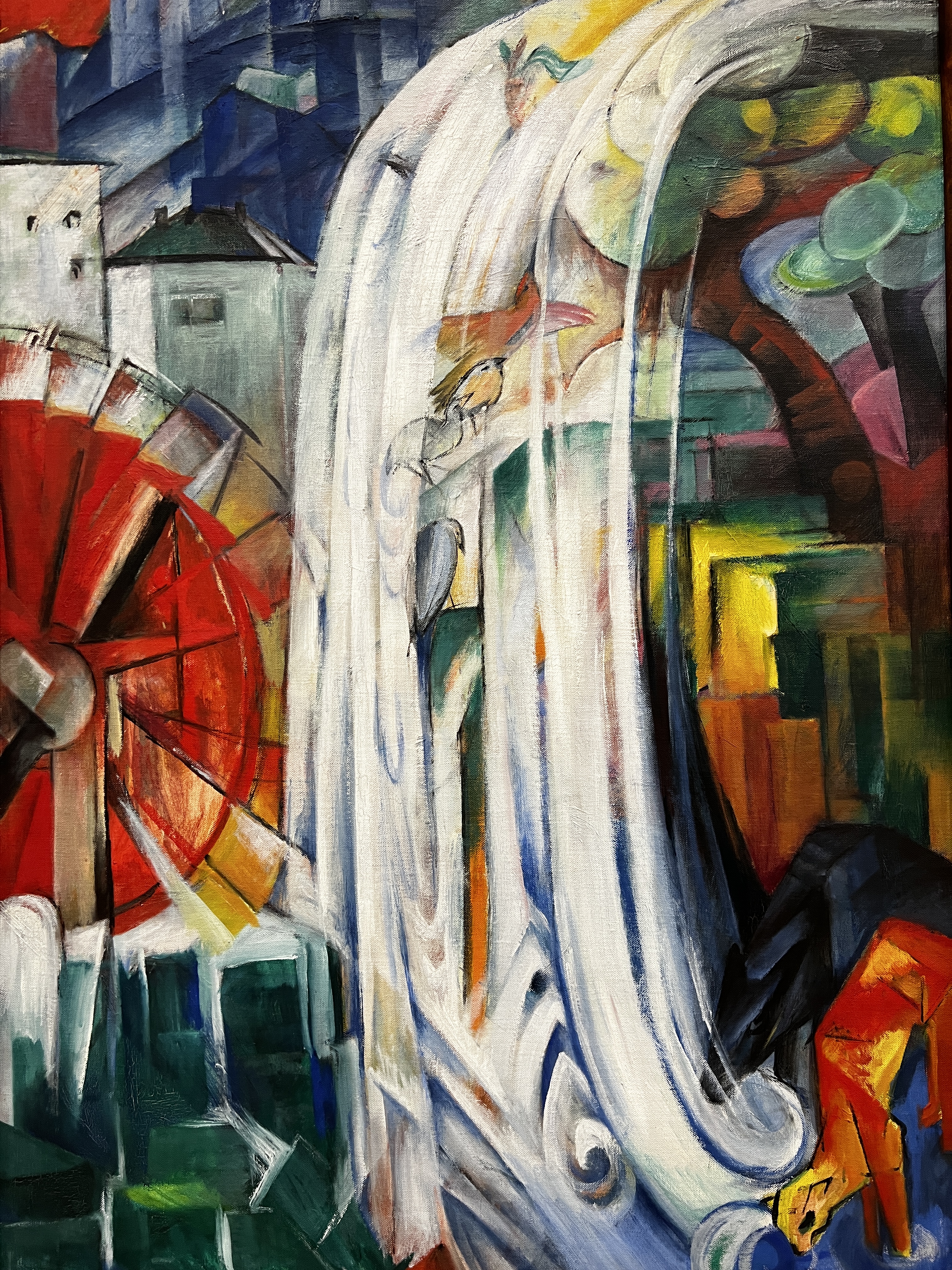
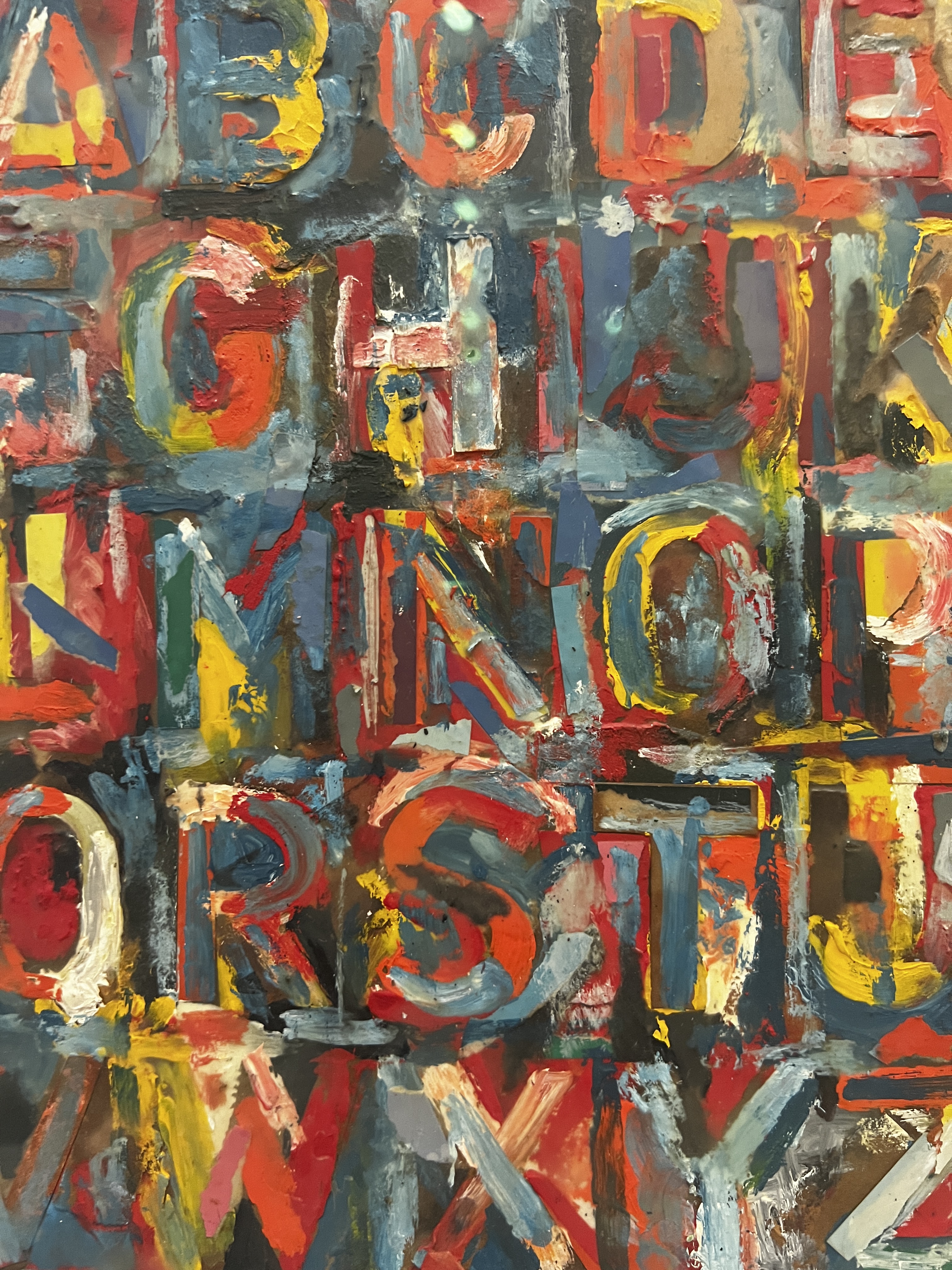
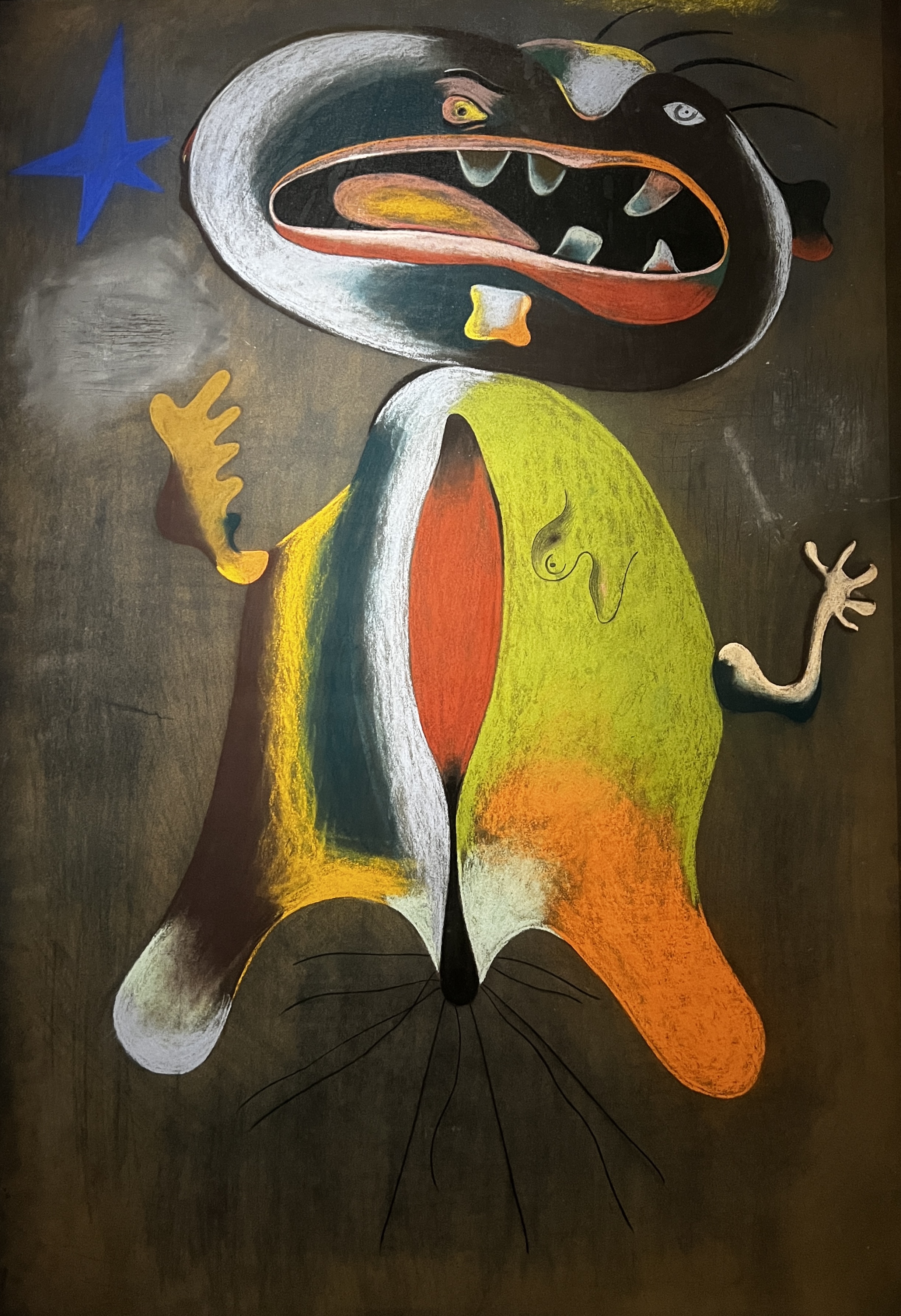
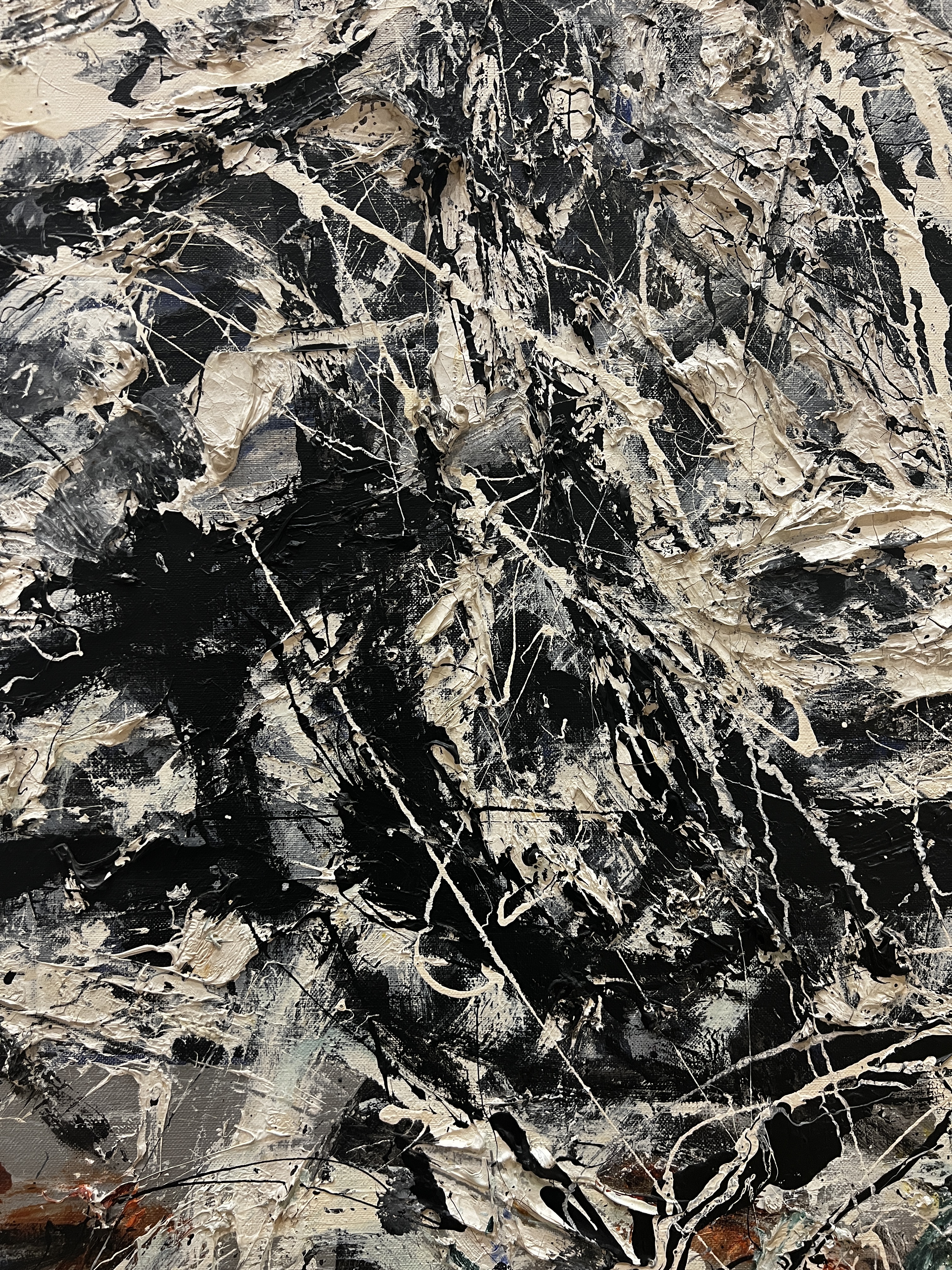
The above are my images of detail from the following works:

— Congress of the Peoples for Peace by Frida Kalo (1952)
— Ballerine — Tête de mort (Ballerina — Skull) by Salvador Dalí (circa 1939)
— Foundation Tablet of Sin-kashid, King of Uruk (1800 BCE)
— Ewer with Ginseng Leaves (1100s to 1200s)
— Robert Barr by James McNeill Whistler (circa 1884-95)
— The Power of Satire by J. Michallon
— Untitled by Zao You-ki (1957)
— Animals in a Landscape by Franz Marc (1914)
Homeric

The above is my image of the fragment of Homer’s Iliad (Book 5, lines 824-841), papyrus manuscript, c. 150 – 199 CE, currently on display at the University of Chicago. From “But Is It a Book?”:

This papyrus fragment bears 17 lines from Book 5 of Homer’s Iliad. Although epic poems from antiquity are typically divided up into books, the word would not have been understood in the way it is used today. The term comes from the papyrus “bookroll,” which was formed by affixing approximately 20 standard sheets of papyrus together that could be rolled up into a compact unit and hold roughly 700 lines of poetry – close to the typical book divisions of ancient epics.

Surreal

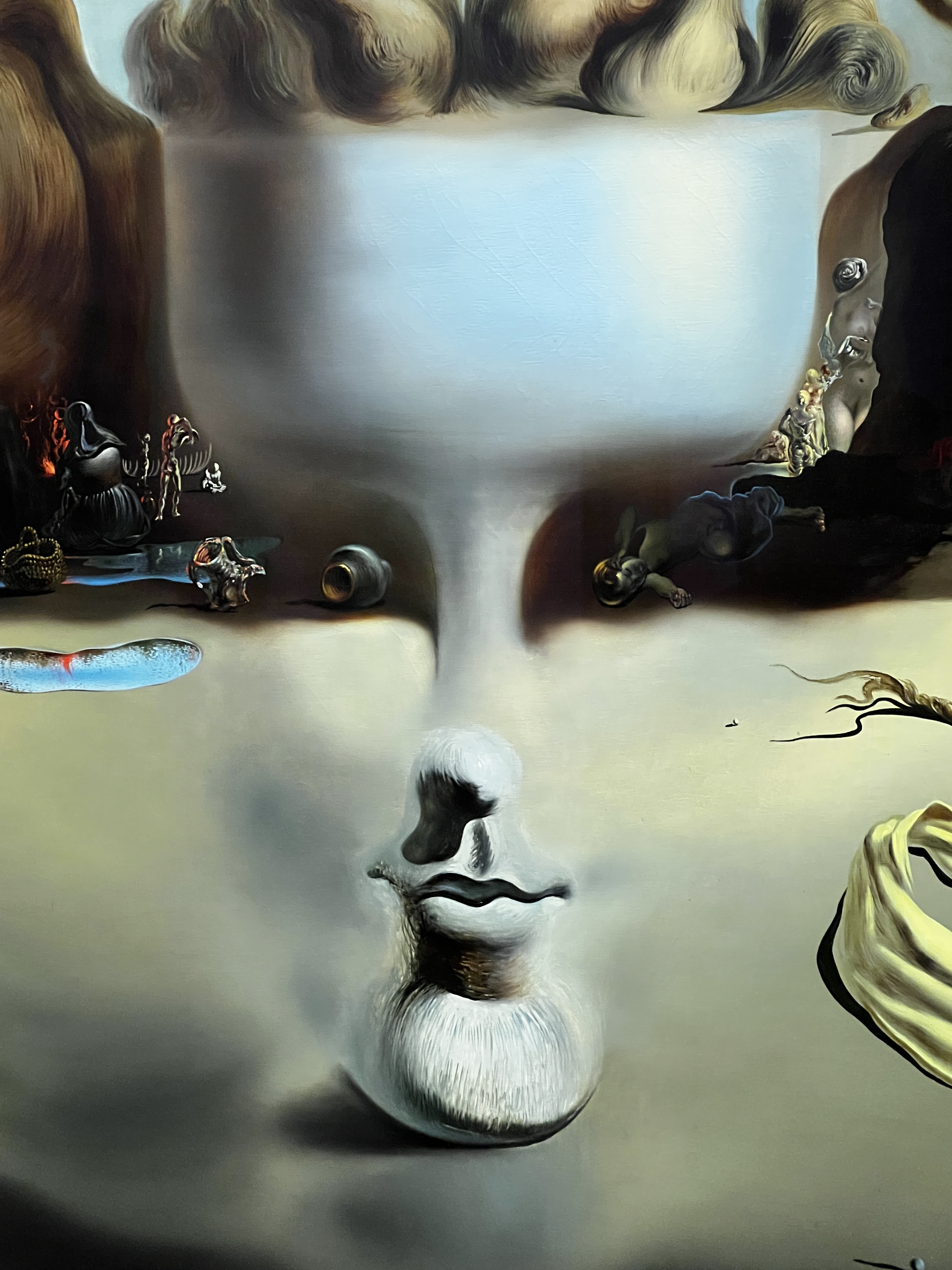
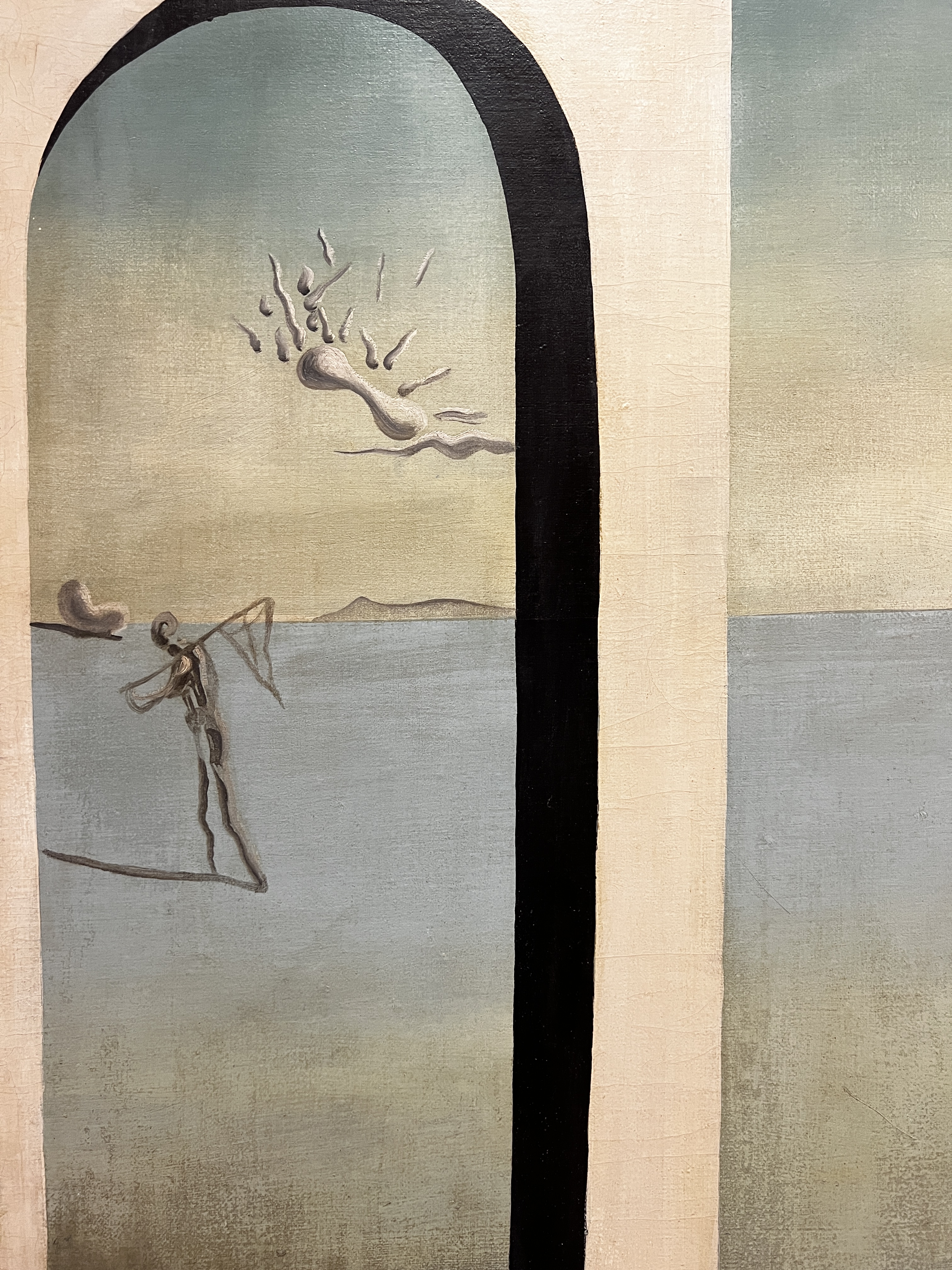
Yesterday we visited the Art Institute of Chicago for “Salvador Dalí: The Image Disappears.” The above images are my photographs of detail from

— Inventions of the Monsters (1937);
— Formation of the Monsters (1937);
— Apparition of Face and Fruit Dish on a Beach (1938);
— City of Drawers (1936);
— Untitled (Dream of Venus), formerly Visions of Eternity (1939);
— and two of Soft Construction with Boiled Beans (Premonition of Civil War) (1936).