Weekend

My image of Gertrude Abercrombie’s “Doors (3 Demolition)” (1957).

Over the weekend we saw the Court’s excellent production of A Raisin in the Sun (review here), having visited our favorite noodle stop and the Smart Museum of Art beforehand. (The Smart is still celebrating its fiftieth anniversary, so if you’re in the area and have never visited this tiny treasure, get there.)

After a week of single-digit temperatures, the weather has granted us a return to more comfortable walking weather. (Recurring public service announcement: Wear sunscreen.) In addition to logging more miles, I’ve gotten back to music practice, preparing to resume lessons in mid-March. (The doctor advised against playing for at least two weeks post-surgery; it was only a few days the first time. May there be no third time.)

Generally, very little can prevent me from reading, so that has continued uninterrupted. Not long after announcing I had begun The Heaven and Earth Grocery Store, though, I read this article and became absorbed by Barbara Kingsolver’s Demon Copperhead (2022). Come for the social commentary; stay for one of the most beguiling narrators since perhaps his narrative brother, David Copperfield. (Speaking of the Dickens novel, I will reread it for a UChicago course later this year.) I’ve since returned to the McBride, a delight, and will likely finish it today or tomorrow. Late last week, I attended a virtual talk with Amy Tan; naturally her book about backyard birding made its way from my shelves to the table beside my favorite reading chair. And as I’ve mentioned, with my youngest, I’ve been reading books by Brazilian writers, most recently, Captains of the Sands (Jorge Amado; 1937). Since some have likened it to Lord of the Flies (William Golding; 1954), we have decided to reread that when we finish Captains. (In a neat intersection of interests, I discovered Yellowjackets this month, which most assuredly owes a debt to Golding — and to Lost, a small-screen family favorite.)

All that remains is to get back to my Latin studies, which, now that I feel more myself, seems probable this week.

I typed and erased at least three sentences to conclude this entry and then remembered that Jeanne at Necromancy Never Pays had already pointed me to the right words:

How to Be Eaten did turn out to be the right book at the right time. It fit in with something I read by Amanda Marcotte, author of Troll Nation and writer for Salon, who advises that resistance can consist of simply “continuing to exist, by thriving as the person you were born to be, and by holding one another for strength and comfort in adversity.”

Until next time, then, continue to exist. Thrive as the person you were born to be. Hold one another for strength and comfort in adversity.

It feels a bit like this looks.

”No. 2” by Jackson Pollock (1950) at Harvard Art Museums.

Today I am reading, among other things, Whale Fall by Daniel Krause. Yes, I am reading, watching the birds at my feeders, eating a couple of chocolate chip cookies, and thinking about a movie that concludes with a rogue planet seemingly bypassing Earth and then colliding with it.

Invincible

The MFA Boston plaque for this Fernando Botero sculpture (Venus, 1977-78) notes that he “takes icons of Western art — including Roman goddesses and female nudes — and inflates their proportions, an act of admiration as well as a veiled critique of the dominance of European culture in the Americas.”

Seeing her just delighted me.

Lente

“Julia Domna,” Roman, 193-217 CE.
Seen at the Harvard Art Museums last week.

My progress through Dr. LaFleur’s Latin tutorial has been maddeningly slow: When I submitted my work on Chapter VIII in August 2023 (yes, you read that correctly), I wrote, in part, “I recognize that I may be your slowest student ever but trust that if this represented a problem, you would advise me.” Imagine my relief when I learned that several students had, at that point, been working through the tutorial for at least two years. But eighteen months have passed, and I am now polishing my submission for Chapter XI (yes, you read that correctly). At this rate, the Ovid tutorial — my reach goal — seems impossibly far off.

And yet….

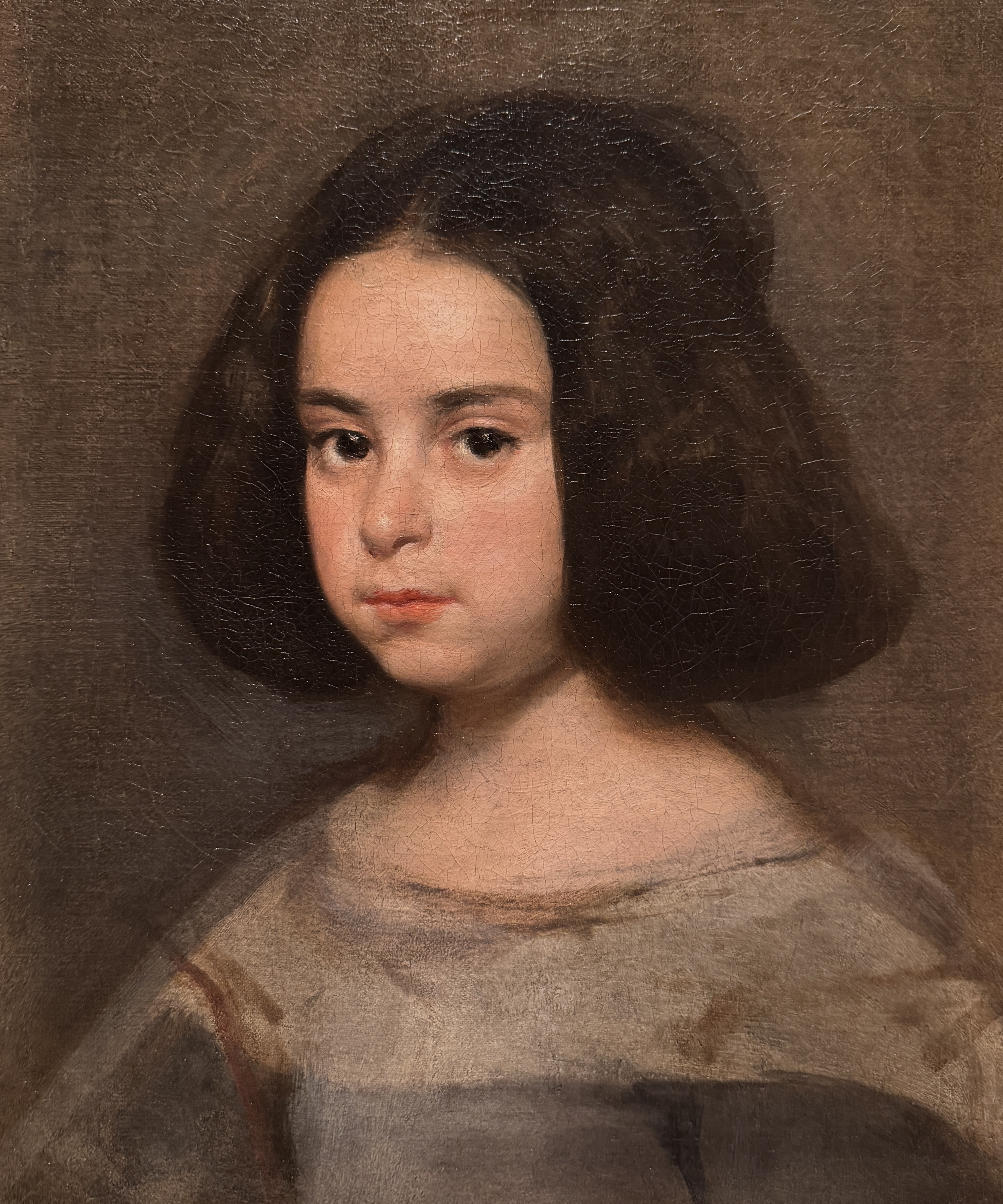
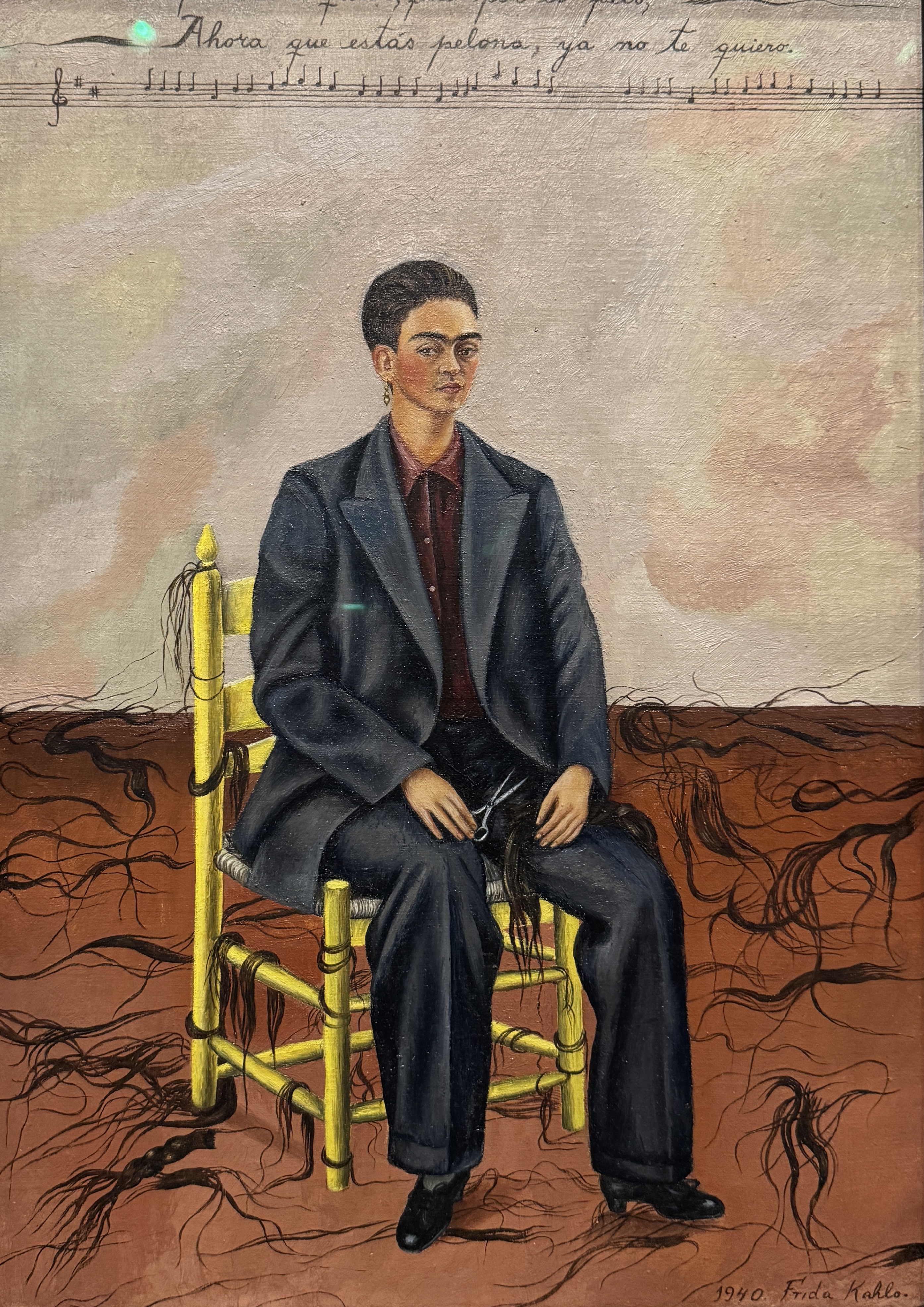
When I wander through art museums, some of my favorite moments involve recognition: I “know” an artist, or an artist’s contemporary, or the obscure subject, or whatever. Are you familiar with the feeling I’m describing? A work attracts your attention, and you realize it reminds you of other pieces… “Ah! Could this be…? It is!” My daughters and husband, who most frequently join me for museum adventures, have indulged and encouraged my barely stifled delight at one “discovery” or another (and another) for many, many years now. In fact, they know that this wash-rinse-repeat cycle in which we stitch one learning experience to another, or a book to a painting to a piece of music to a news article to a film to a — you get the idea, is a rich and rewarding way to learn, to think, to grow. This sort of (re)discovery has a reliable “stickiness.”

As have my Latin studies. It has been slow going, yes, but what I have learned so far, I own. My husband drills me on vocabulary and my study cards for at least an hour on nearly every trip into Chicago or Milwaukee, for example, and I drive the first leg of our trips into Michigan so that he can quiz me. More than six months ago, I added Duolingo to my day. Admittedly, its Latin program is short and limited, but the skill-building tools for vocabulary have merit.

And so I learn. In my way. On my schedule. However long it takes.

(Speaking of schedules, for the first semester since I enrolled in music lessons (Fall 2014), I am taking a break of sorts: I have only registered for a half-term this spring. More, I am not returning to band until Fall 2025. Travel and “required maintenance” on this aging vehicle prompted me to rethink these first few months of the new year. I am still studying, though, and will outline what is on my practice sheet in another post.)

A long marriage

Image taken on Tuesday at the Harvard Art Museums:
“Road toward the Farm Saint-Simeón, Honfleur” by Claude Monet (1867)

”Reminds me of you and me,” my husband texted after I sent this image. “Who is the artist?” That’s why I sent it, I whispered to the silent phone. “Monet,” I replied.

Seen on Monday

Images I captured at the Museum of Fine Arts, Boston.

Detail from the following works:

✤ “Flower Beds at Vétheuil” by Claude Monet (1881)
✤ “Morning Sunlight on the Snow” by Camille Pissarro (1895)
✤ “Still Life with Violin” by William Michael Harnett (1885)
✤ “Troubled Queen” by Jackson Pollock (1945)
✤ “Winter Garden” by Wanda Gág (1935)
✤ “Begonias” by Charles Sheeler (1955)