


 Before pouring my first mug of coffee this morning, I caught a glimpse of a female ruby-throated hummingbird visiting the hanging plants in the front yard. I had time to whisper, “Hummingbird!” twice, to alert my daughters, before she darted away. Ordinarily, the hummingbirds are attracted to the plant pictured above. It hangs near a window in the back of the house and appeals to many backyard visitors, including spicebush swallowtail butterflies.
Did you watch?
My youngest fashioned pinhole projectors from recyclables, and we safely viewed the phenomena between lunch and shopping. Yesterday’s errand list filled a page, but we didn’t want to miss the event. I had purchased glasses for all of us from Celestron but, erring on the side of (extreme) caution, we contented ourselves with “science in a cereal box.” Pretty cool.
Not so cool? How (very, very) swiftly the last fifteen weeks passed: My daughters are preparing for their return to university, and I am wondering how my heart can feel as if it is both bursting with proud excitement and breaking into ten thousand shards.
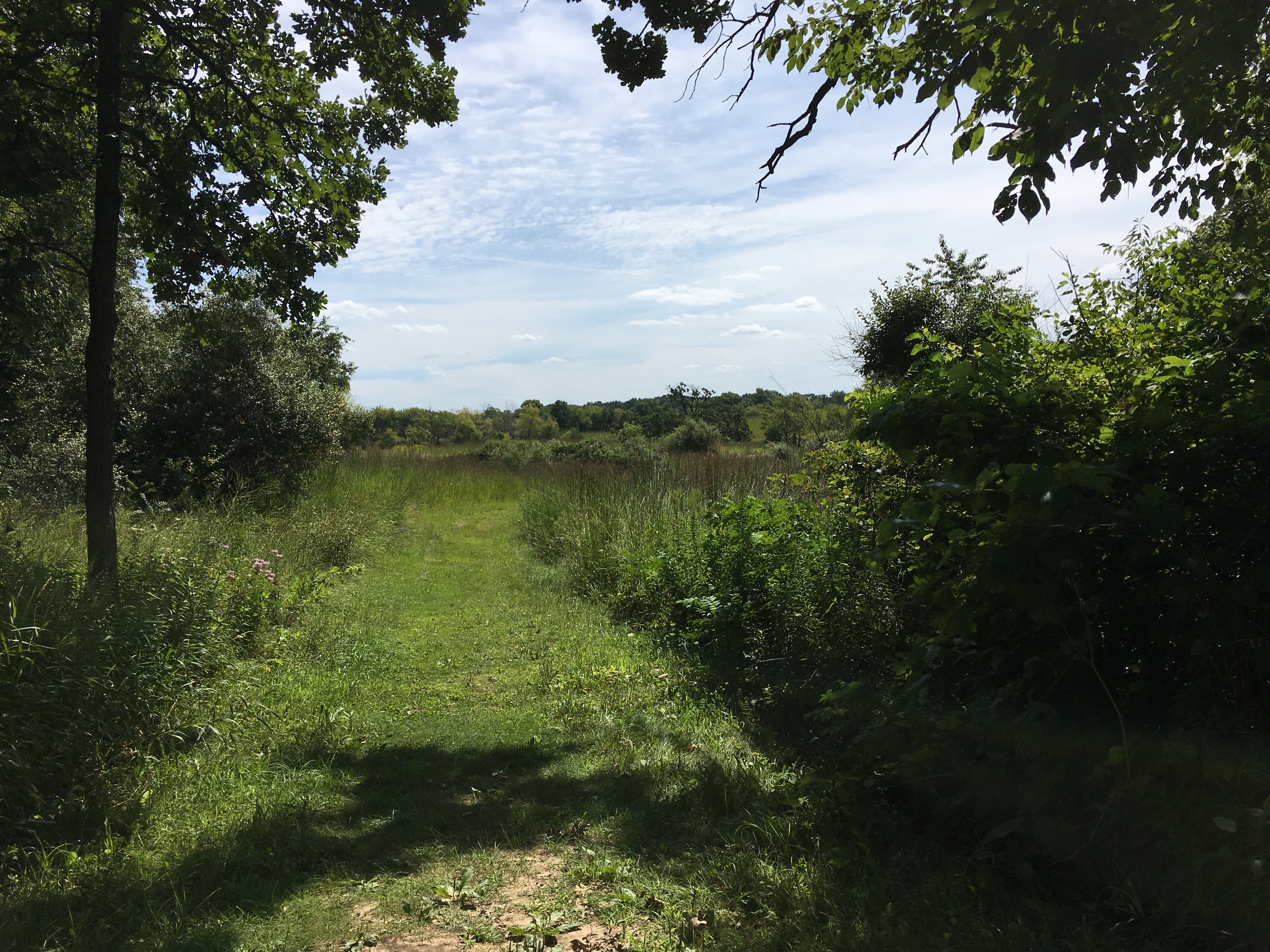

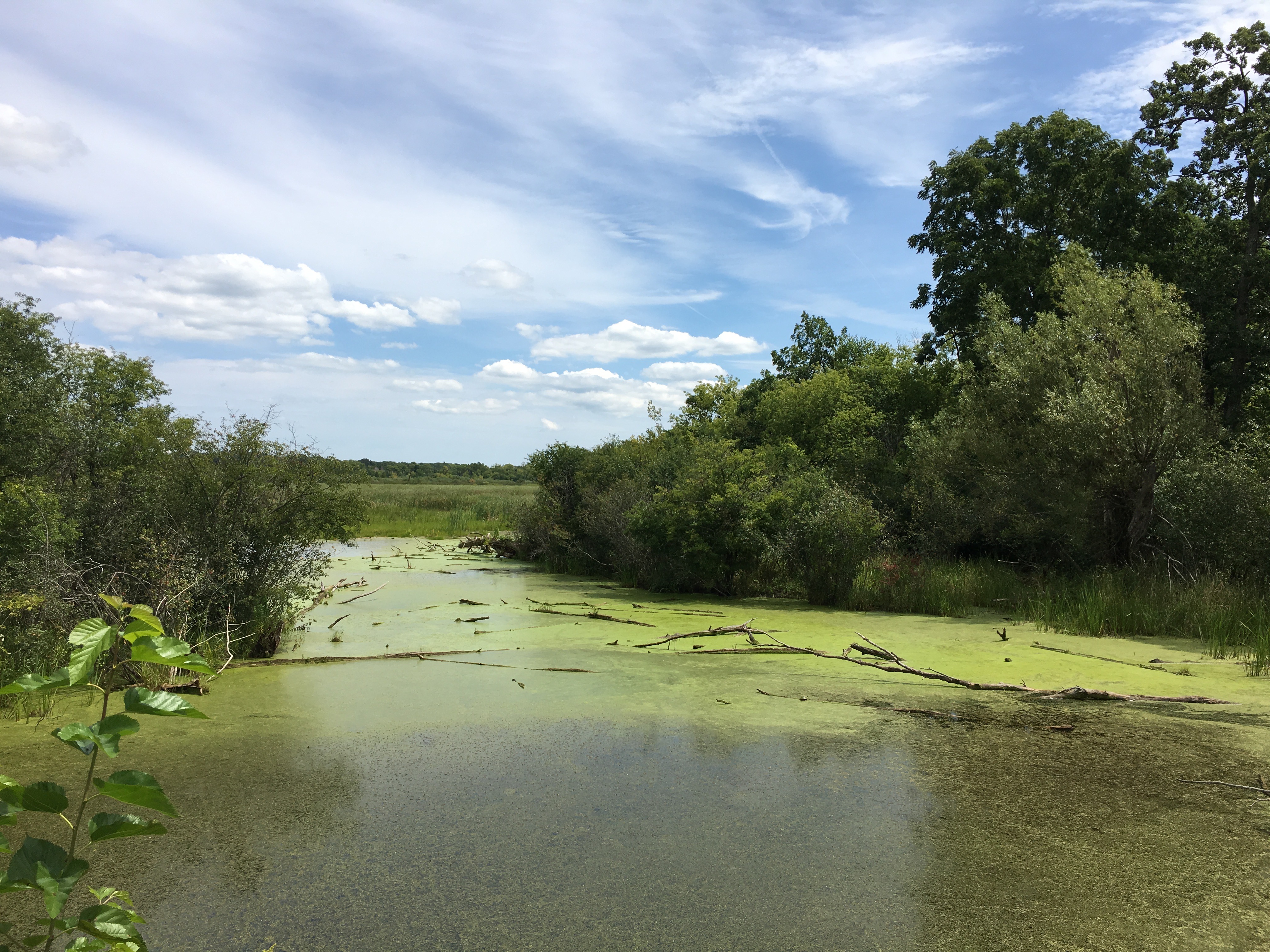


From Anna Botsford Comstock’s Handbook of Nature Study:
In my belief, there are two and only two occupations for Saturday [or Sunday] afternoon or forenoon for a teacher. One is to be out-of-doors and the other is to lie in bed, and the first is best. Out in this, God’s beautiful world, there is everything waiting to heal lacerated nerves, to strengthen tired muscles, to please and content the soul that is torn to shreds with duty and care.


Earlier this week, we celebrated Herman Melville’s 198th birthday by seeing Moby Dick at the Lookingglass. We first saw this gorgeous production in 2015, when Christopher Donahue dazzled as Ahab. Jamie Abelson offers a more restrained portrayal of the monomaniac, but we appreciated his interpretation. Moby Dick runs through September 3. If possible, do not miss this one.
Speaking of missing theatrical events, only one other patron joined us for the National Theatre Live broadcast of Angels in America Part One: Millennium on July 20; we had the theater all to ourselves a week later for Part Two: Perestroika. Sure, the length of these productions — approximately eight hours including intervals over two evenings — is wildly indulgent, and the Fandango tickets were outrageously priced. But wow. What terrific performances, particularly Andrew Garfield as Prior Walter and Denise Gough as Harper Pitt. If Angels is rebroadcast, consider it a good use of your time and treasure.
Other items in the “recently seen” category: I finally saw the last episode and a half of The Handmaid’s Tale. Brilliant. This is one of those rare occasions on which I will assert that the screen adaptation is as good as, if not better than, the book. I also saw and enjoyed Dawn of the Planet of the Apes and 10 Cloverfield Lane, fun, summer-evening films.
Bookish bits next time.
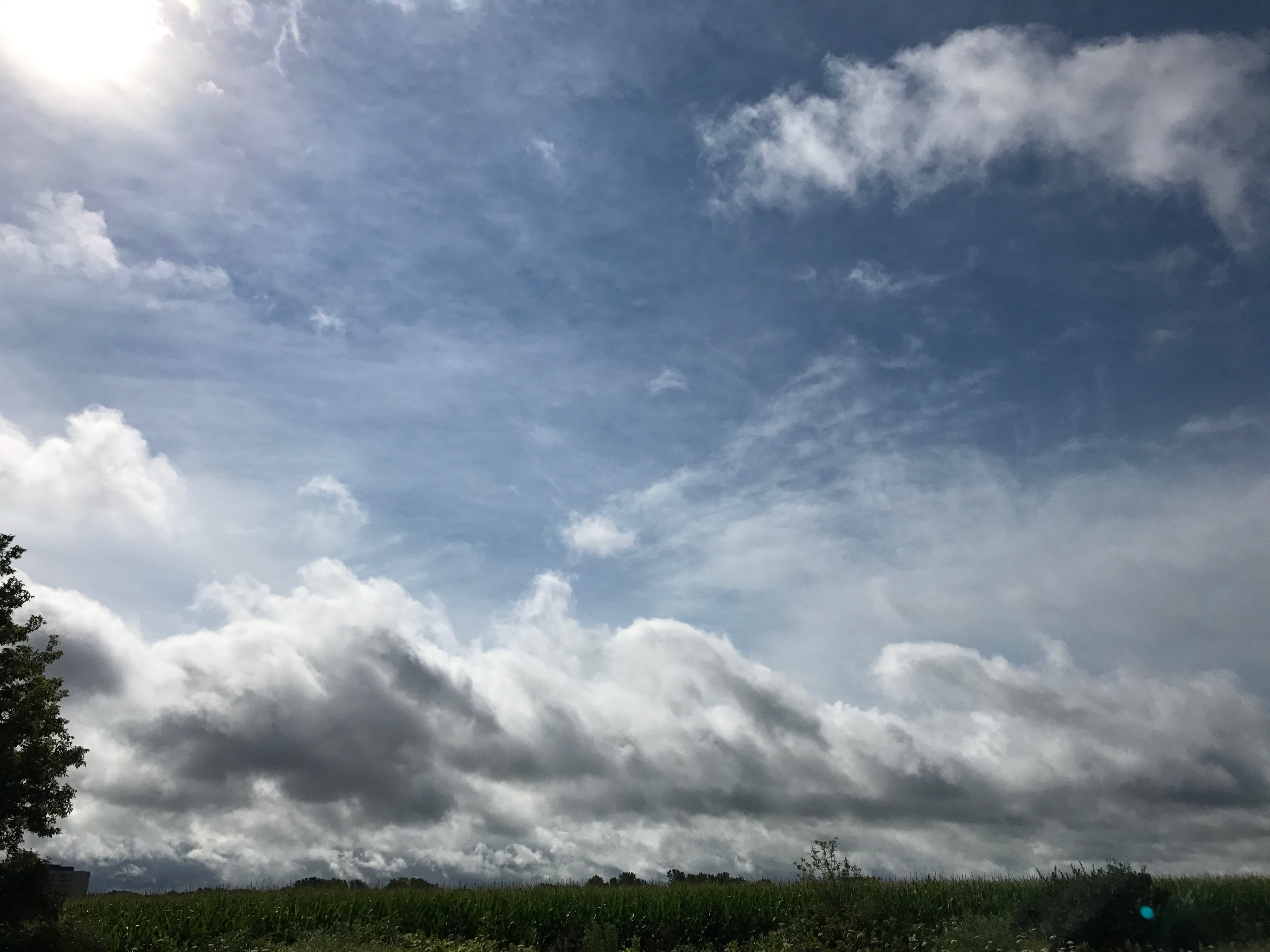
Saturday morning on the trail.
The humidity made a ride seem ill-advised this morning, and by 3 p.m., the storms had returned, so we contented ourselves with exercise videos and the promise of yard work tomorrow morning.
Today begins Week 6 in my quest to read War and Peace in seventeen weeks, but the book is so compelling that I have already finished the reading for Weeks 6 and 7. I have not made as much progress in the “Shakespeare in a Year” project, however: I’ve read through Sonnet 106 but must still (re)read As You Like It. Speaking of the sonnets, I love this from Sonnet 104:
To me, fair friend, you can never be old;
For as you were when first your eye I eyed,
Such seems your beauty still….
It has been a week, but “The Drowned Girl” from Joyce Carol Oates’ new collection, Dis Mem Ber continues to haunt me, and not simply because of its true-crime inspiration. Rather, I remain deeply unsettled by the insightful depiction of students marginalized by “alternate route” admission programs for transfer and / or non-traditional students.
Dream Hoarders (Richard V. Reeves) has also unsettled me (and sent me off to the shelves for Keith Payne’s The Broken Ladder). Reeves’ discussion of internships and other unpaid opportunities for students was particularly uncomfortable: My older daughter works twenty-plus hours per week as an summer intern. Yes, it’s an unpaid internship, but it’s also a priceless opportunity in a competitive (if wildly underpaid) field, where entry-level positions require both education and experience. She and my younger daughter, both undergraduate research assistants, were also asked to continue their projects over the summer, and although one daughter was, quite unexpectedly, offered funding, the other was not. (She did, however, earn a scholarship for achievement in non-major coursework, which had the effect of making the unpaid research seem less… indulgent? privileged? dream-hoarder-like?) Earning an undergraduate research position, especially at a such a large university, where so many capable students vie for so few spots, well, that’s quite an achievement, one that yields the experience, the letters of recommendation, the opportunities to contribute to publications and to present at conferences that make a student a more desirable graduate school applicant and / or jobseeker. So why would any parent say, “No”? And that’s the problem, maintains Reeves. It’s unfair that some students can accept unpaid opportunities while other students cannot. It’s particularly unfair, he continues, that some students have, through their parents’ professional and social networks, access to opportunities, paid and unpaid.
Talk about a challenging read! Here are my commonplace book entries:
p.3
There is one good reason why many Americans feel as if the upper middle class is leaving everyone else behind: They are.
Americans in the top fifth of the income distribution – broadly, households with incomes above the $112,000 mark – are separating from the rest. This separation is economic, visible in bank balances and salaries. But it can also be seen in education, family structure, health and longevity, even in civic and community life. The economic gap is just the most vivid sign of a deepening class divide.
p. 15
The big question is whether we are willing to make some modest sacrifices in order to expand opportunities for others or whether, deep down, we would rather pull up the ladder.
p. 54
The debate over college debt is lively and largely misplaced. It is lively because almost everyone involved in public discourse – scholars, journalists, politicians – went to college and has children who have done or will do so. (Almost every member of Congress has a college degree.) It is misplaced because the real problem in American higher education is not about debt, but distribution and quality. The debt problem is for people from poorer backgrounds who borrow to attend bad colleges.
p. 97
Discrimination on the basis of social class — what we call snobbery in the old country — is largely unacknowledged. Even Americans highly sensitive to the risks of sexism or racism often engage in classism, unaware that they are doing so.
In other bookish news… my younger daughter and I are (re)reading The Odyssey and listening to Elizabeth Vandiver’s wonderful lectures; I am enjoying a flurry of graphic works (more later); and the “twist” in Final Girls (Riley Sager) is no twist. At. All.

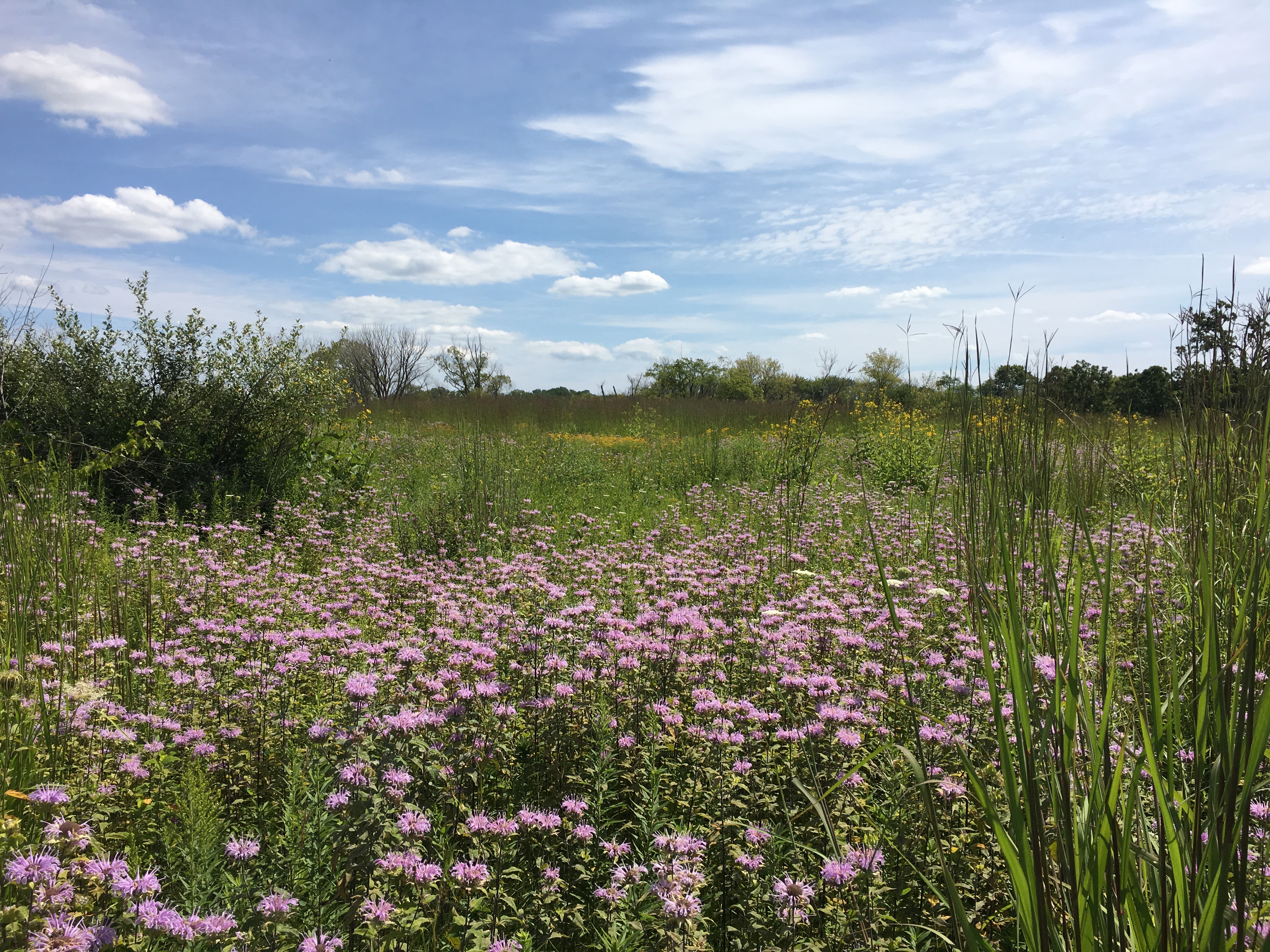
Purple and yellow prairie flowers.
Speaking of books, tomorrow begins Week 4 in my quest to read War and Peace in seventeen weeks. Here are some passages for the commonplace book:
p. 178
‘One step beyond that boundary line which resembles the line dividing the living from the dead, lies uncertainty, suffering, and death. And what is there? Who is there? — there beyond that field, that tree, that roof lit up by the sun? No one knows, but one wants to know. You fear and yet long to cross that line, and know that sooner or later it must be crossed and you will have to find out what is there, just as you will inevitably have to learn what lies on the other side of death. But you are strong, healthy, cheerful, and excited, and are surrounded by other such excitedly-animated and health men.’ So thinks, or at any rate, feels, anyone who comes in sight of the enemy, and that feeling gives a particular glamour and glad keenness of impression to everything that takes place at such moments.
p. 207
‘… Go back or I’ll flatten you into a pancake,’ repeated he. This expression evidently pleased him.
p. 299
Her son’s growth towards manhood at each of its stages had seemed as extraordinary to her as if there had never existed the millions of human beings who grew up in the same way.
p. 306
Besides, to tell everything as it really happened it would have been necessary to make an effort to tell only what happened. It is very difficult to tell the truth, and young people are rarely capable of it.
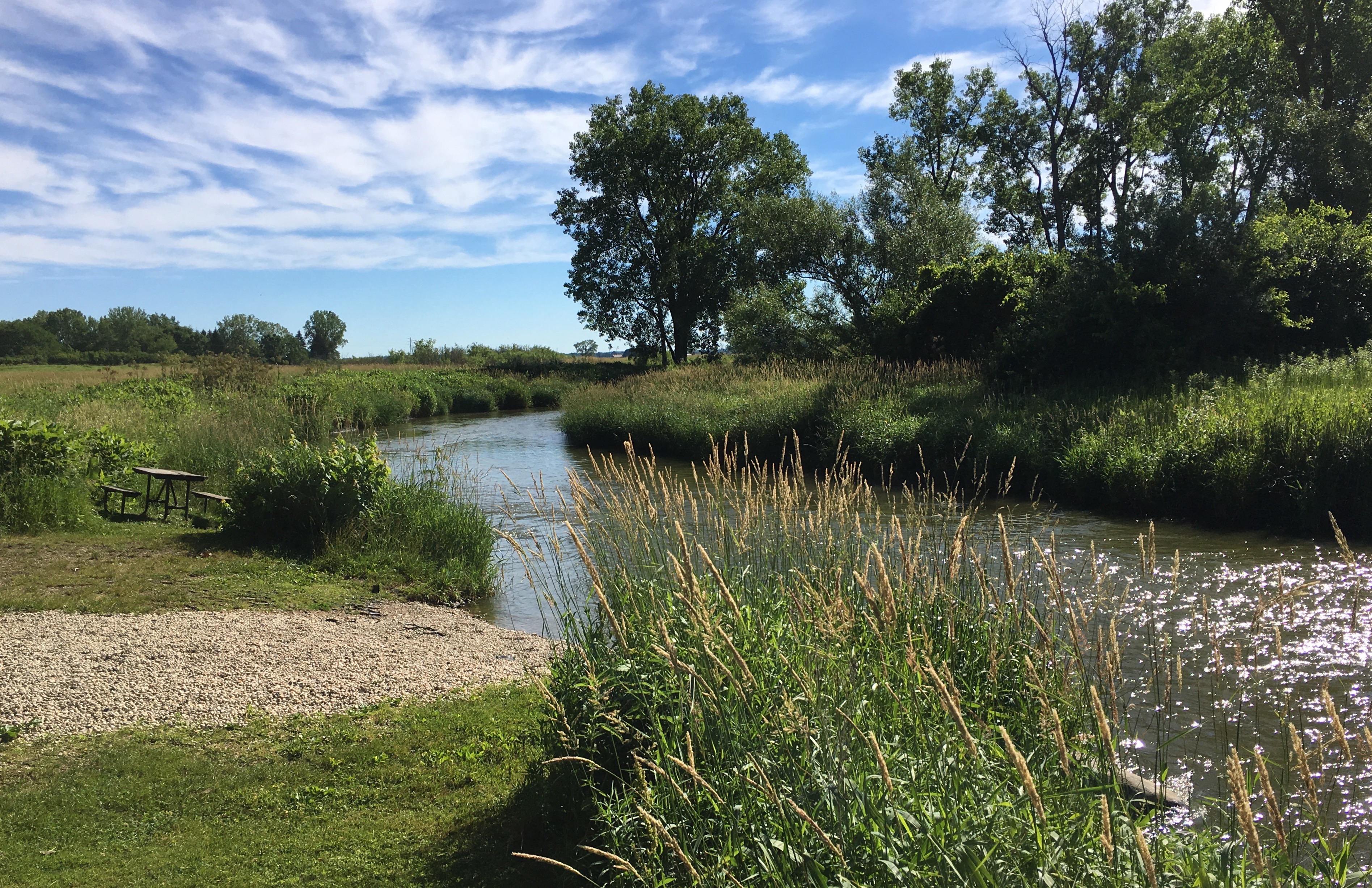
The view on our Thursday morning walk.

This afternoon.


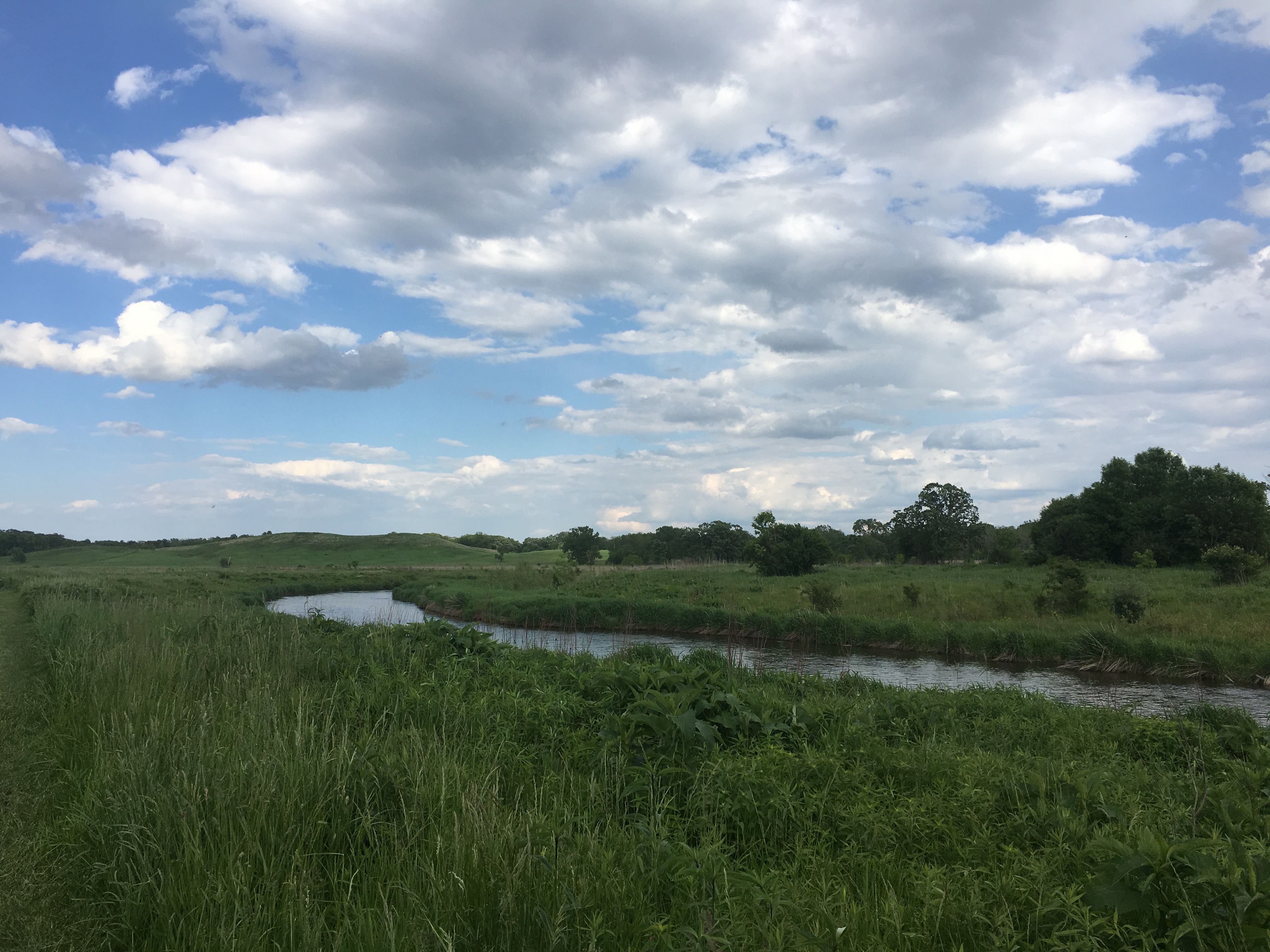

Unedited images taken with iPhone on May 30.


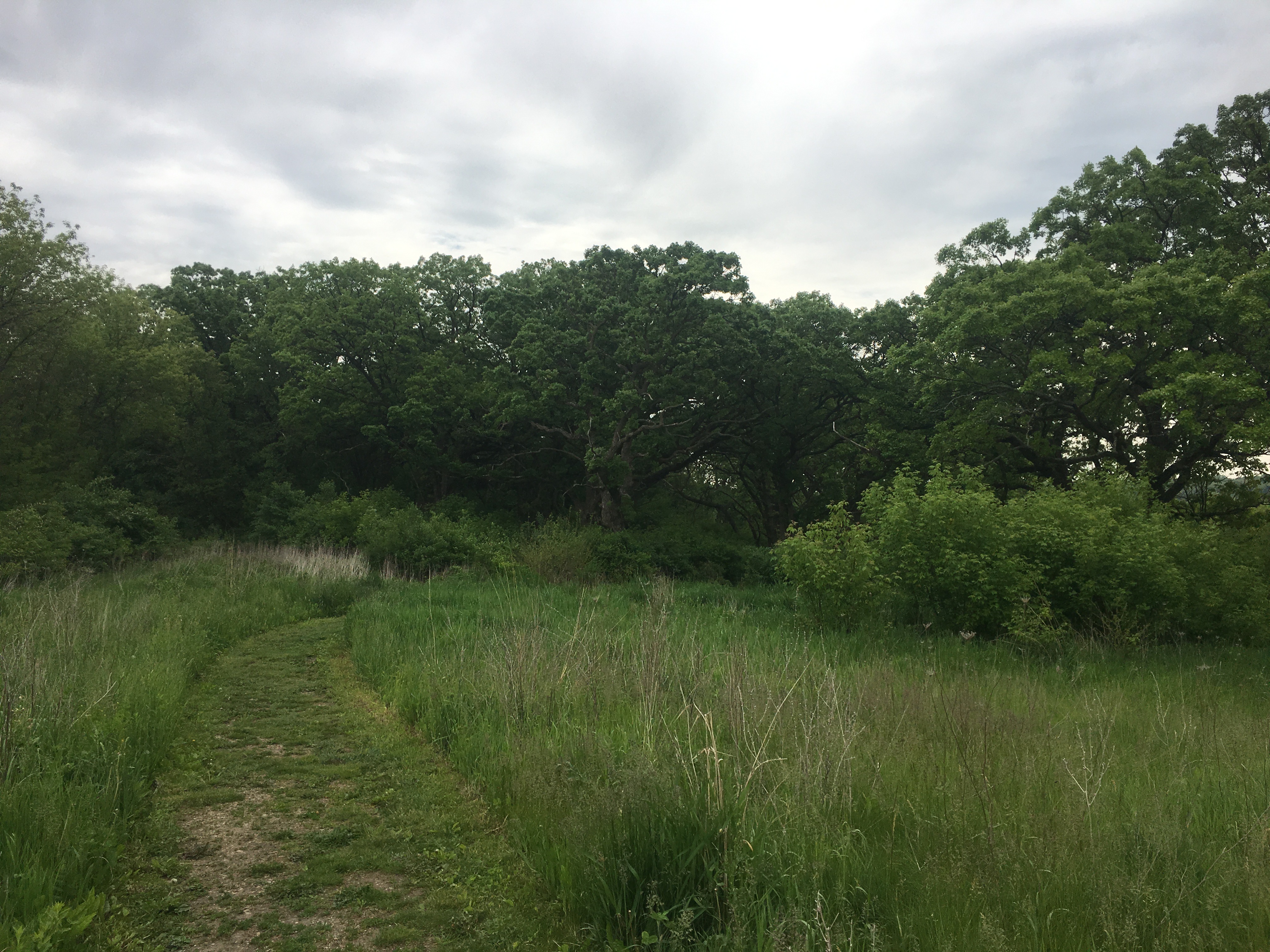
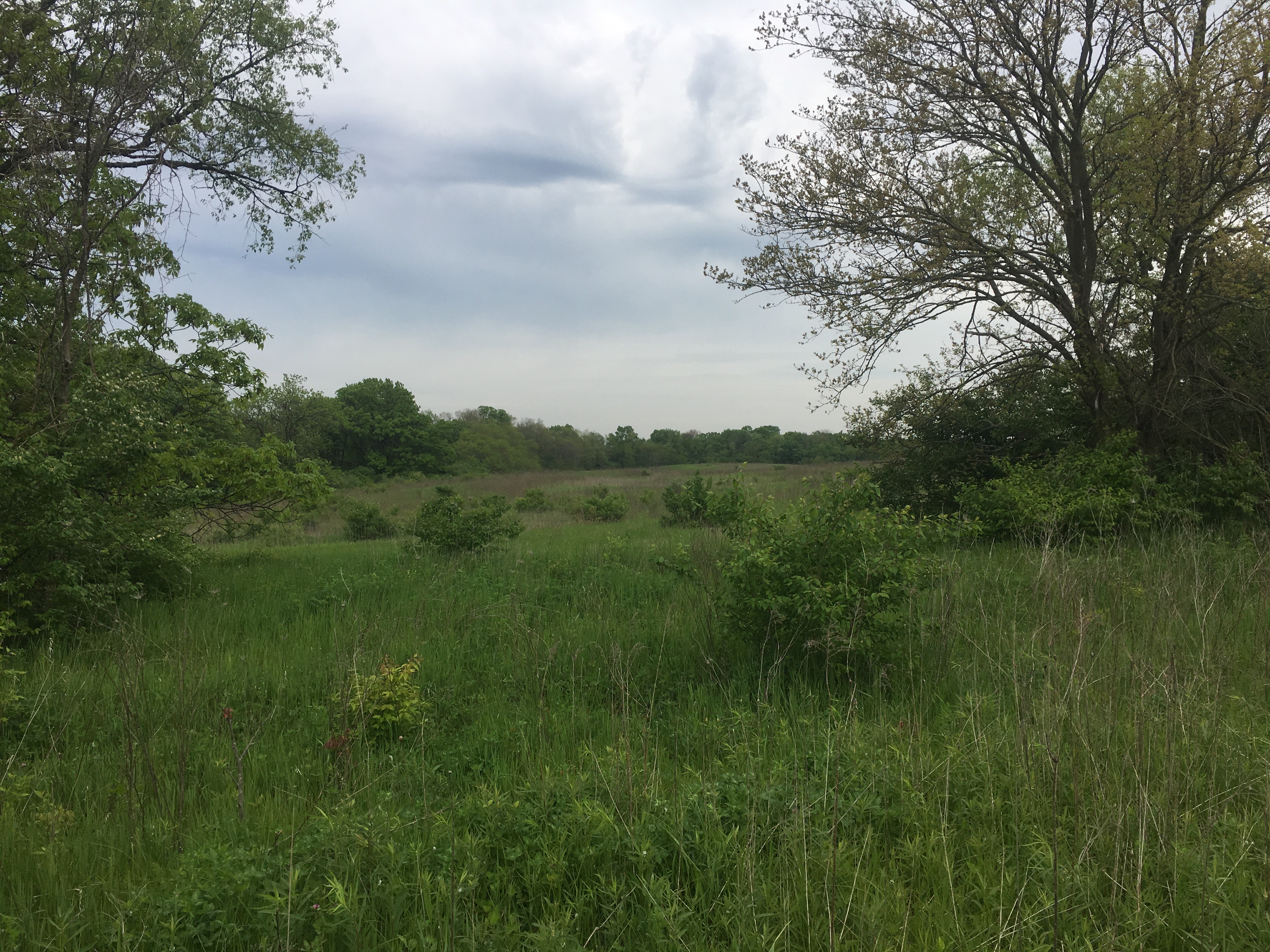
Unedited images captured on iPhone, May 26.

