Hills on the prairie

img_0338img_0432Ah, the weather. From 65 degrees last Saturday to 29 this. It must be Chicago or thereabouts, no?

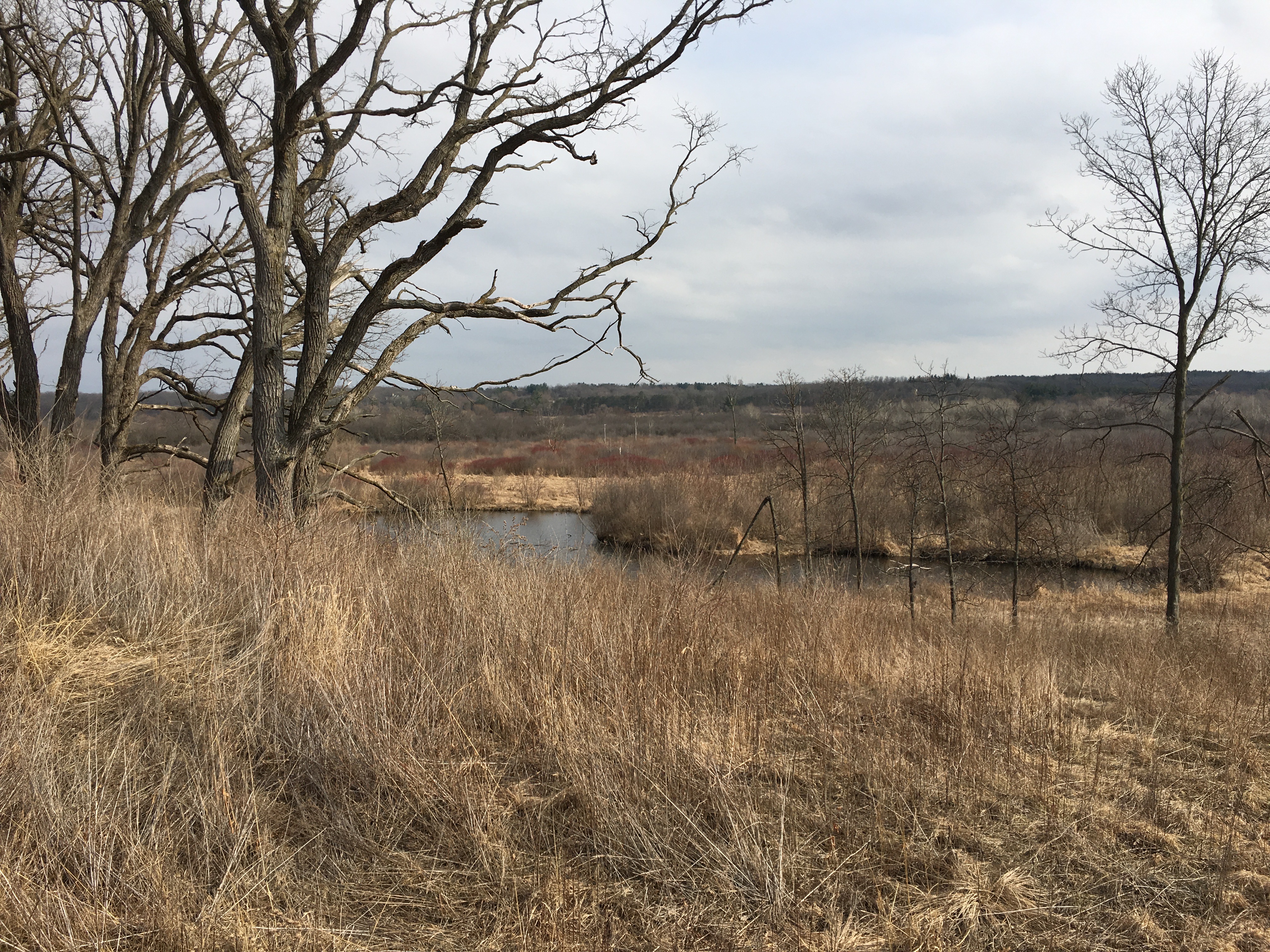
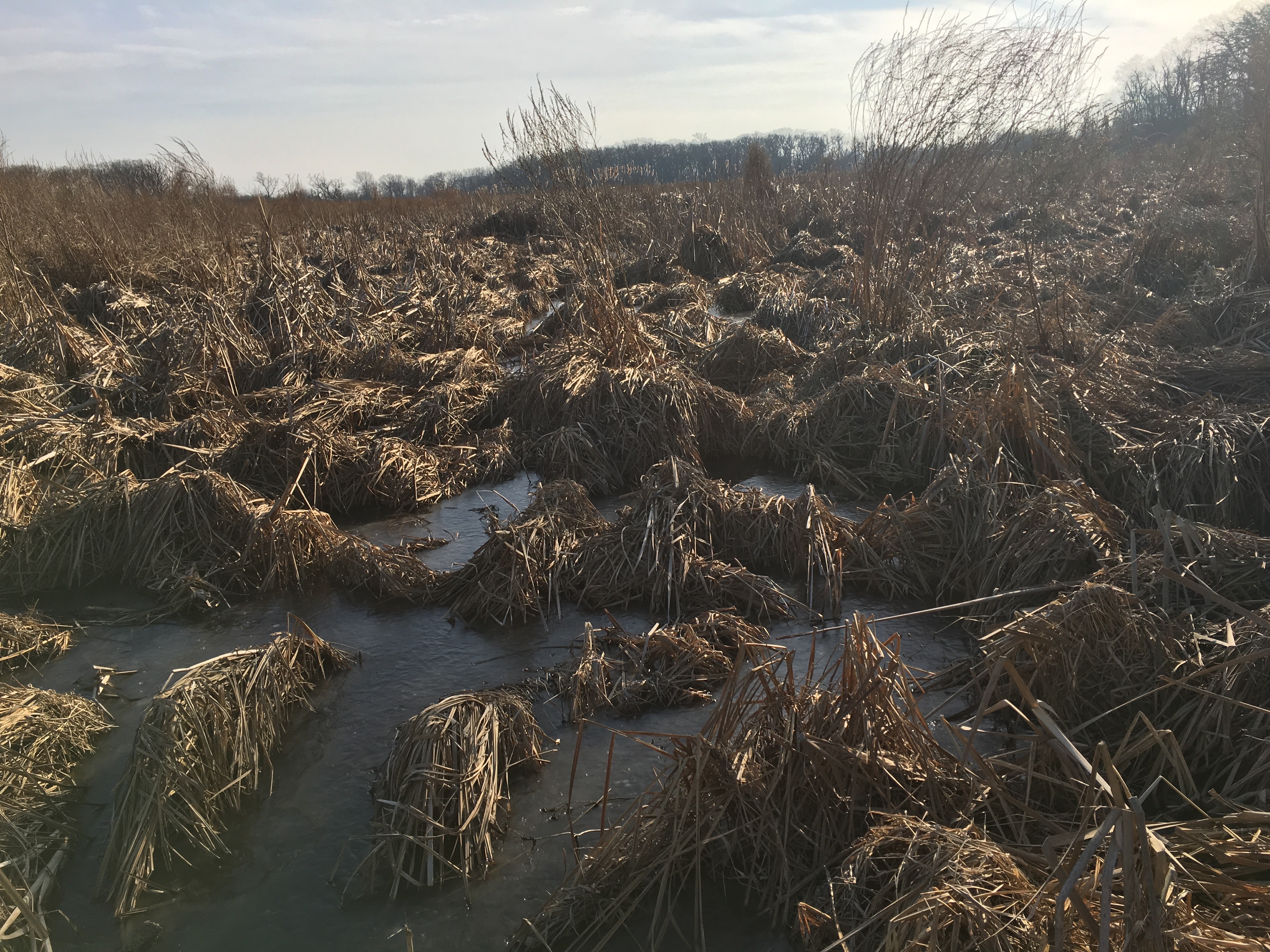
Well, we didn’t let a bit of snow or wind deter us from our walk / hike — or from our fifth geocaching find. After attempting four and  coming away with two while visiting our daughters at university, we were pleased to find the more traditional geocache at the site pictured above. It was a lovely walk, too.

Getting outside

The state natural area at which we located our first geocache. It was 62 on Saturday.

The state natural area at which we located our first geocache. It was 62 on Saturday.

As it did in 2012, spring appears to be arriving early. Many folks love this, I know, and for a few days, I, too, appreciate it. But — and there’s always a but — fall and winter have my heart. I love being chilly while I ride on the trails, walk through the woods, or work on the yards. In fact, I bike further, walk longer, and generally work harder when it’s cool or cold. More, an early spring, especially if it is followed by the drought conditions that defined 2012, will likely spell the end of the oak out back.

It was weakened five years ago and has struggled ever since. Also weakened in the summer of 2012, the spruce finally succumbed to the effects of the drought in the spring of 2014. Despite a sizeable investment in the services of a professional arborist, the previous owner’s horrific pruning cost me the gorgeous maple in 2014, too. Then a terrible summer storm in 2015 took the ornamental tree out front. I’ve invested in one treatment after another to restore the oak out back and protect the oak out front, but these temps and the lack of rain worry me. The yew, arborvitae, and holly seem durable, but the “big trees” were one of the forever home’s selling points. I wept over the maple and am losing sleep over the oaks.

If it’s not too much to ask, Spring, please go home for now. I’ll see you in late March. Oh, and when you return? Please bring an appropriate amount of gentle rain.


A walk in the woods

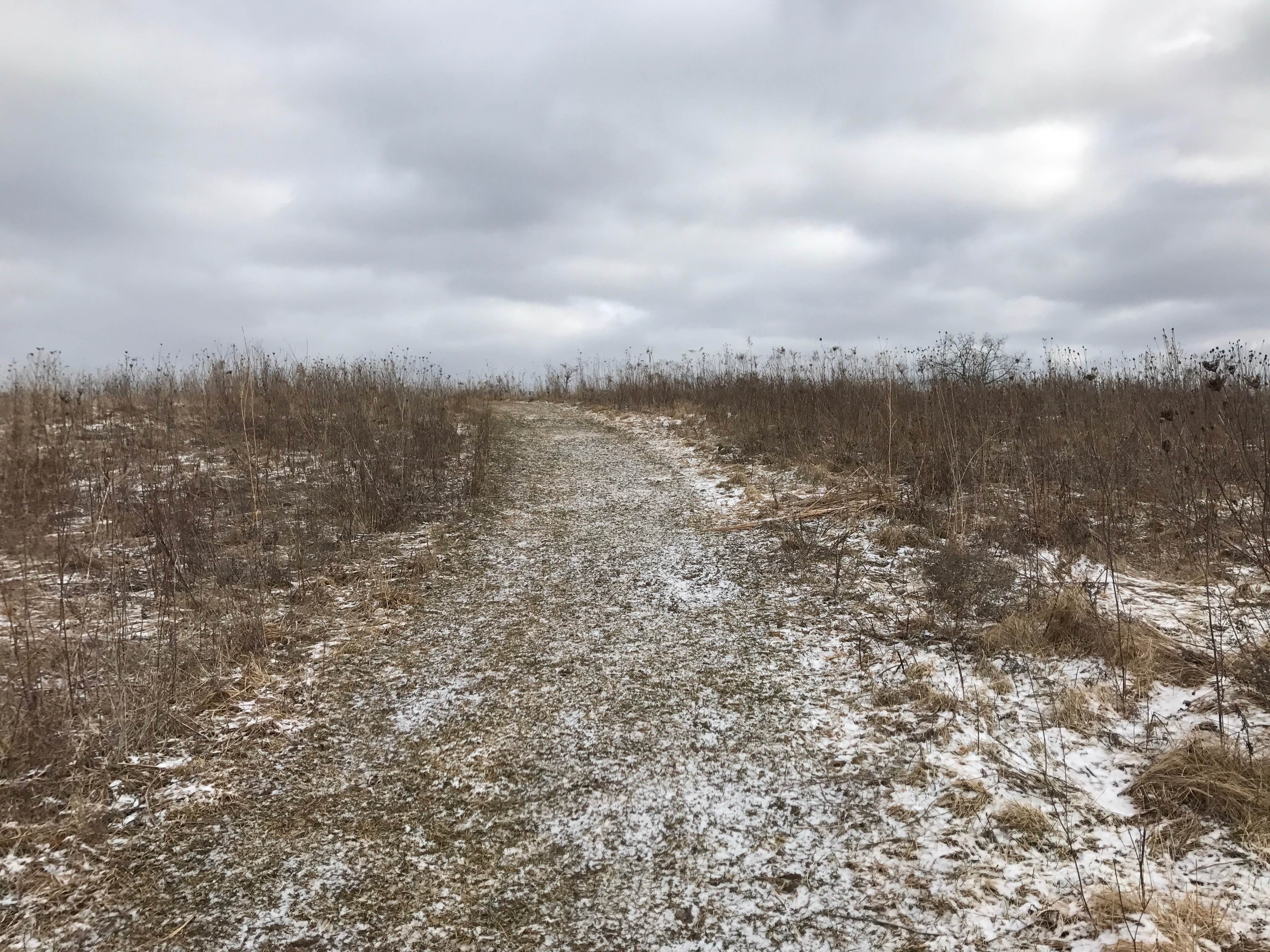
Image taken February 4, 2017.

Image taken February 4, 2017.

My husband and I take at least one long walk-hike together each weekend. When pressed for time, we wander the neighborhood, but we prefer to head to one of the parks or conservation areas. (And our middle-aged feet and knees certainly prefer the trails to the sidewalks.)

From Anna Botsford Comstock’s Handbook of Nature Study:

In my belief, there are two and only two occupations for Saturday afternoon or forenoon for a teacher. One is to be out-of-doors and the other is to lie in bed, and the first is best. Out in this, God’s beautiful world, there is everything waiting to heal lacerated nerves, to strengthen tired muscles, to please and content the soul that is torn to shreds with duty and care.

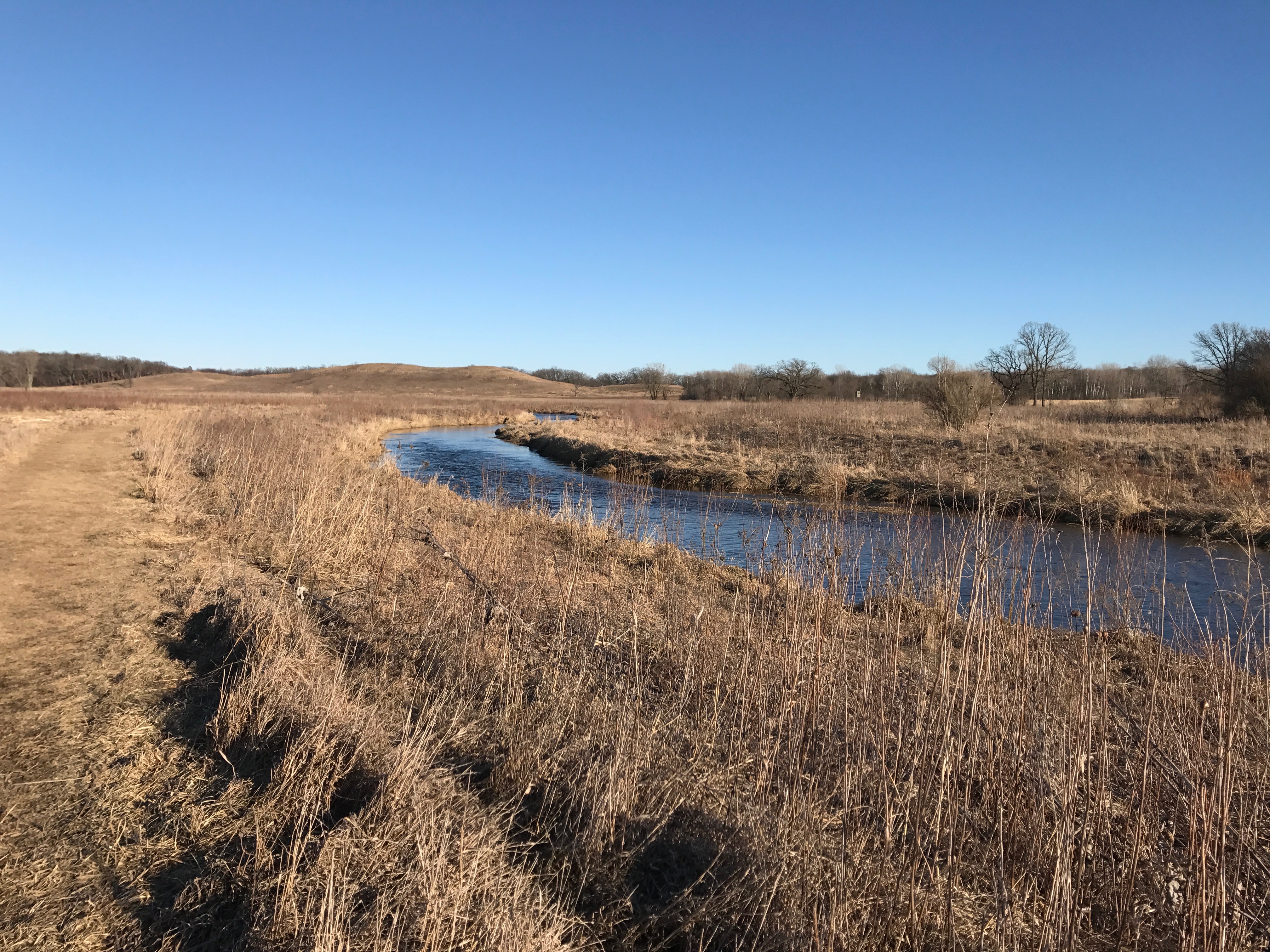
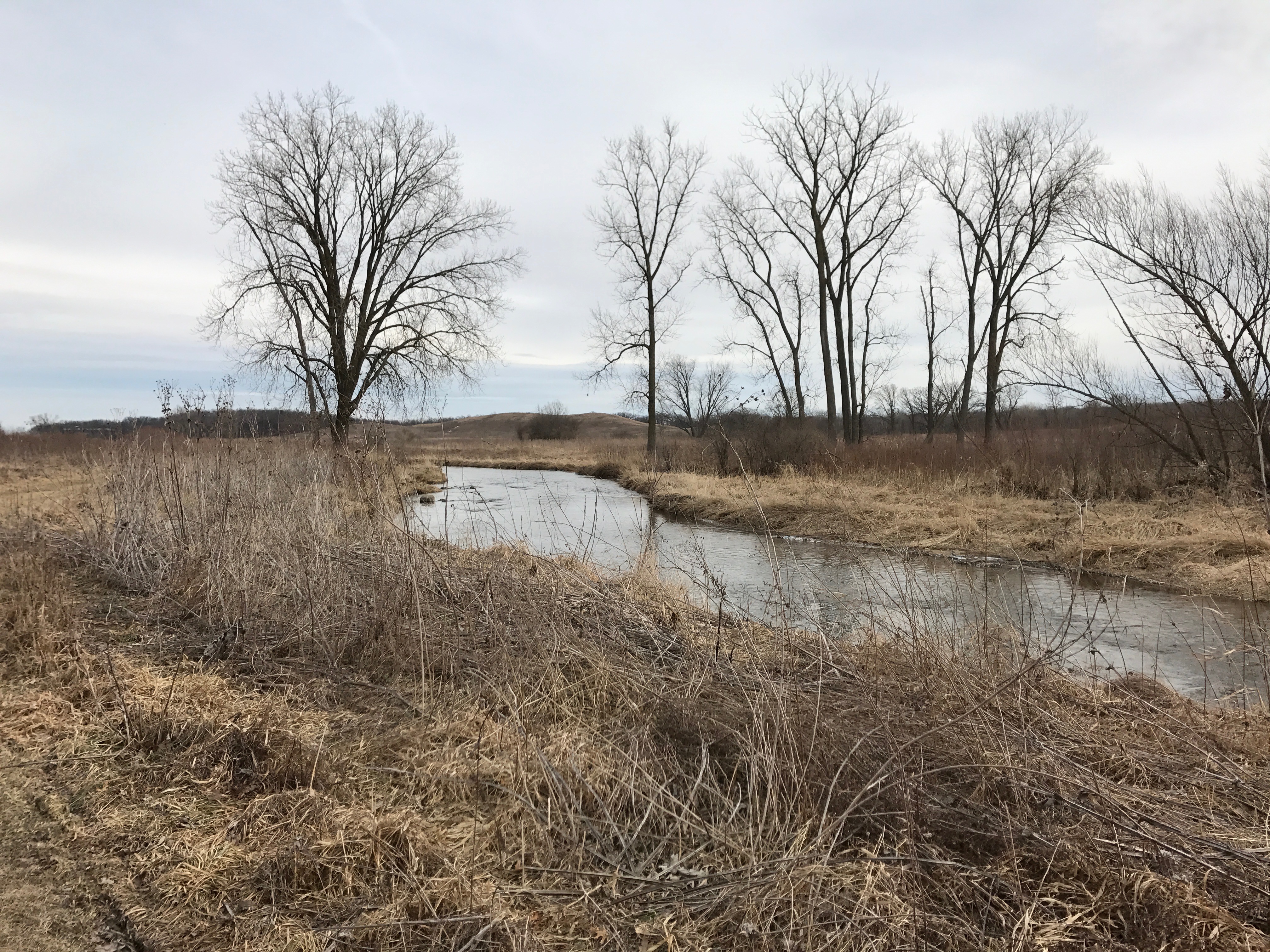
Winter at the sites we most enjoy can be stark, but even in the gray hardness, cold beauty is evident. That said, it is difficult for this trail to compete with its autumn afternoon finery.

Same trail on October 2, 2015.

Same trail on October 2, 2015.

IMG_5201[1]

Nature Museum

img_0142 img_0197 img_0200 img_0151 img_0251 img_0230 img_0234The Peggy Notebaert Nature Museum attracts young children and weary caregivers — and us. The Butterfly Haven alone is worth the cost of admission, but we also love visiting the Beecher Collections Laboratory and related exhibits, and I adore the “Heritage of the Chicago Academy of Sciences” room. Although smaller, “Frogs: A Chorus of Color” actually gives the Shedd’s “Amphibians” a run for its money. (Note that “Frogs” closes on January 22.)

Faintly falling

img_8714From James Joyce’s “The Dead”:

A few light taps upon the pane made him turn to the window. It had begun to snow again. He watched sleepily the flakes, silver and dark, falling obliquely against the lamplight. […] His soul swooned slowly as he heard the snow falling faintly through the universe and faintly falling, like the descent of their last end, upon all the living and the dead.

About five inches of snow faintly fell yesterday. The walks and roads were clear when we rose this morning, but the yards were a white blanket, wrinkled only by my husband’s path to the feeders and the many prints of seed-seeking birds and critters. Beautiful.

Falling back

img_5459Plan accordingly: We “gain” an hour this weekend. From “The Case for and Against Daylight Saving Time” (National Geographic):

Scientists have examined DST’s impacts on human health, and the conclusions have been mixed.

The article continues:

Two studies, conducted in the United States and Sweden, found that heart attack risk increased by up to 25 percent on the Monday after we move the clocks ahead. The same researchers found that the risk dropped by 21 percent when the clocks fall back.

Till Roenneberg, a chronobiologist at Ludwig-Maximilians University in Munich, argues that our bodies’ circadian clocks never entirely adjust to the shift in daylight hours. So while more morning light helps jump-start our bodies, the extra evening light leads to a lag.

“The consequence of that is that the majority of the population has drastically decreased productivity, decreased quality of life, increasing susceptibility to illness, and is just plain tired,” Roenneberg previously told National Geographic.