

Already shelved.
Already shelved.
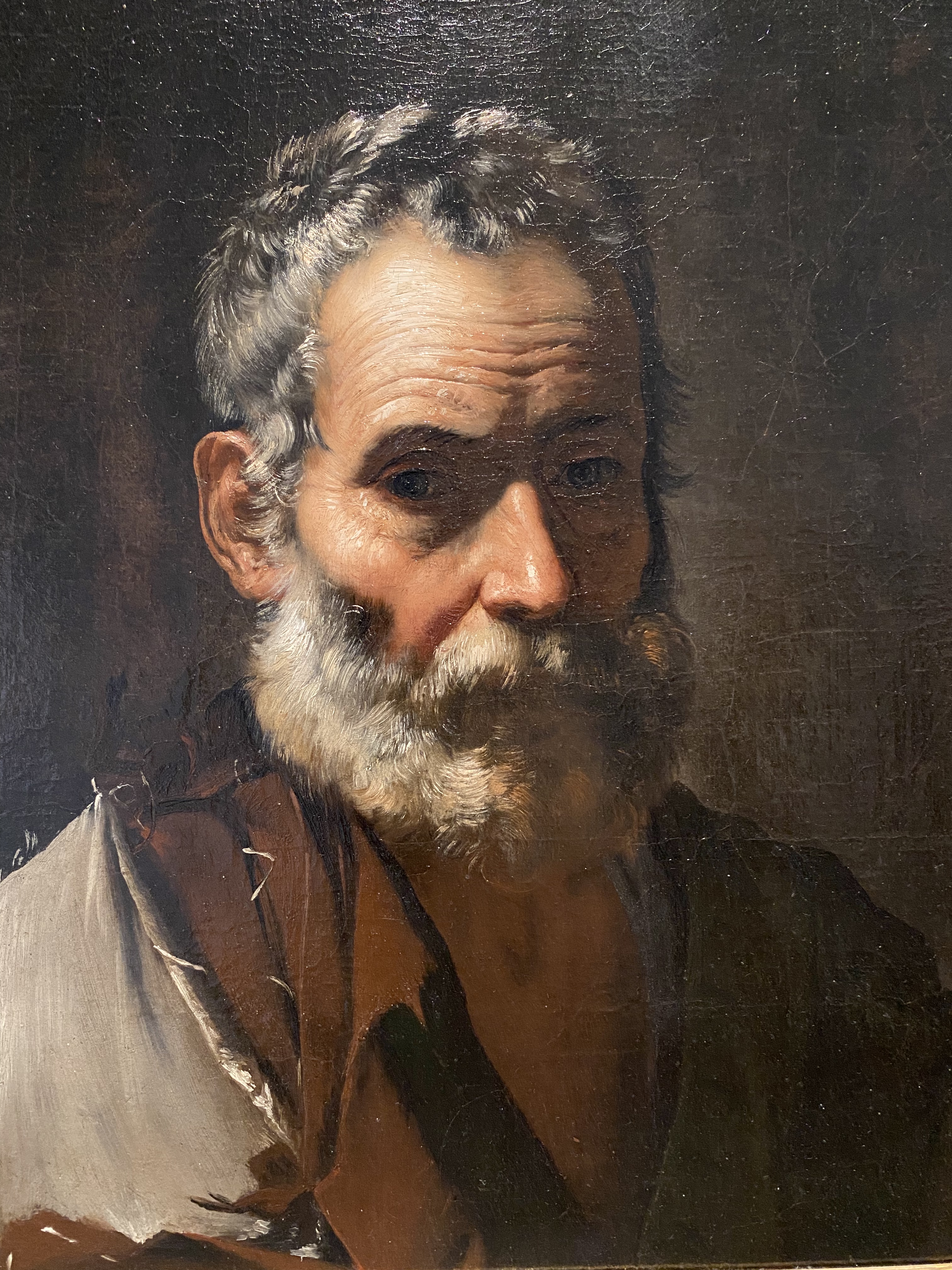
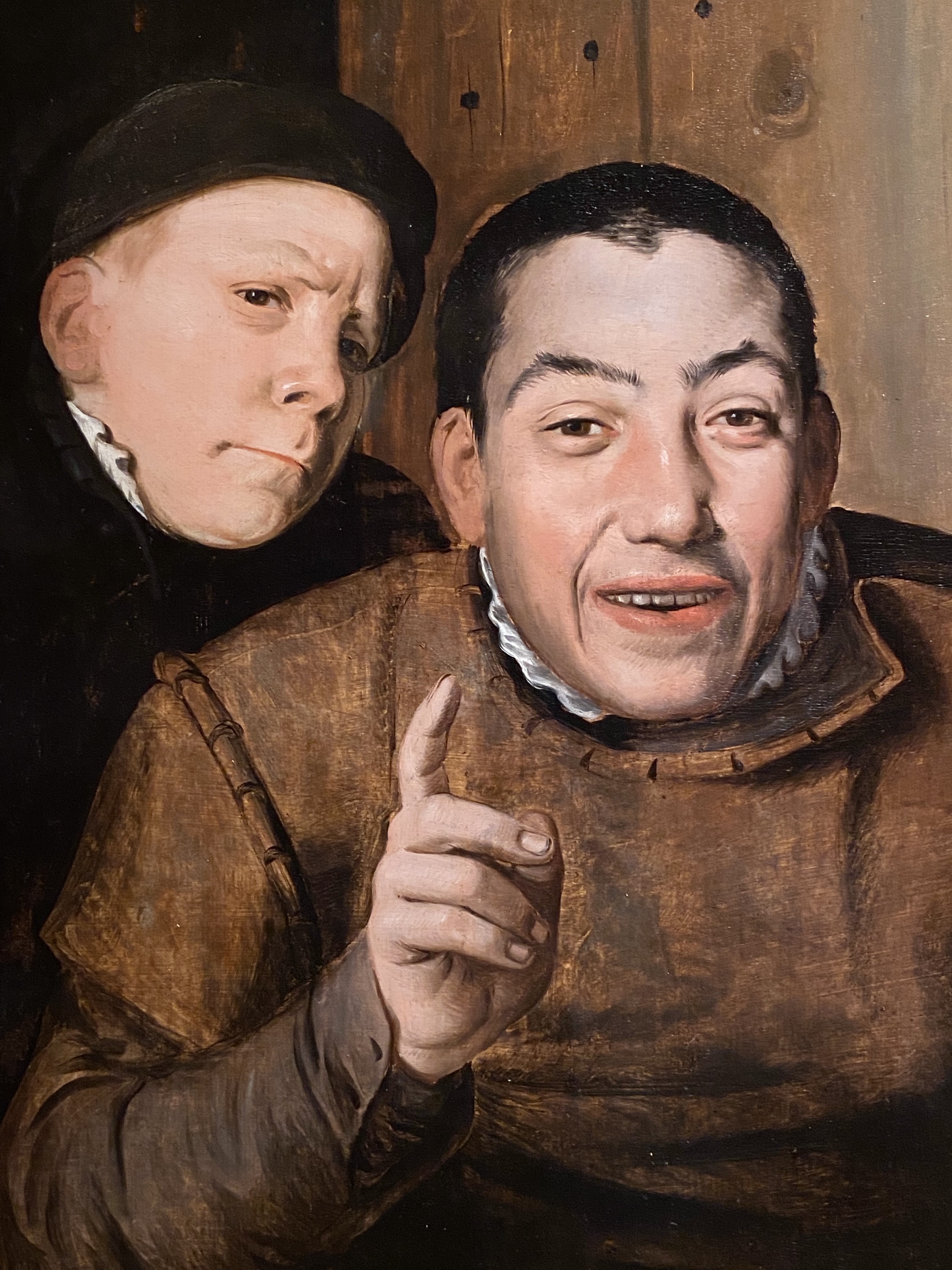


My images of some of the people I met at the Detroit Institute of Arts last weekend.
From top left to bottom right:
A Philosopher (about 1635) by José de Ribera
Two Jesters (1550-75) by Unknown artist
Self Portrait (1828) by Rembrandt Peale
Head of a Man (1777-78) John Singleton Copley
Girl Reading (1938) by Pablo Picasso
Self Portrait (1887) by Vincent Van Gogh
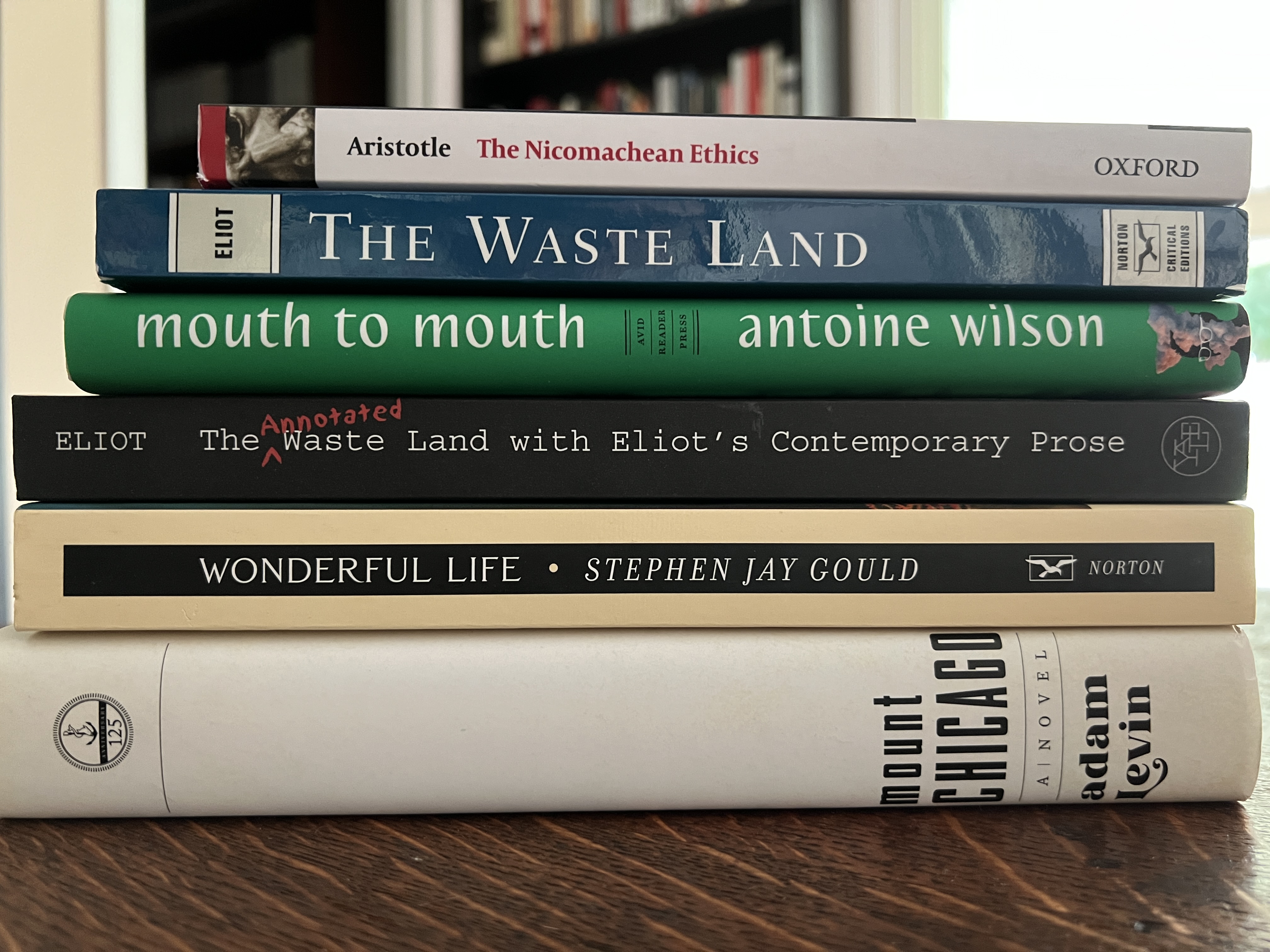
Recently acquired and shelved.


My photos of recently acquired books have become my TBR pile.


Saving the world, one monarch butterfly at a time.

Seen last weekend while walking and birdwatching.
Four miles in the morning before it gets too hot has been working out for us most days. Recently, we traded our weekday neighborhood route for the prairie trail. Why we didn’t do this sooner remains a mystery, but we’re glad for the prettier and joint-friendlier walk. On the weekends, we head to the state park or one of the county conservation areas.
The rest of my summer has centered on reading and study, yard work and gardening (our “pollinator pockets” have proven quite successful), and preparation for the upcoming recital (yes, live and in-person — I’ll be playing the Allegro molto from Schubert’s Sonatina in D Major).
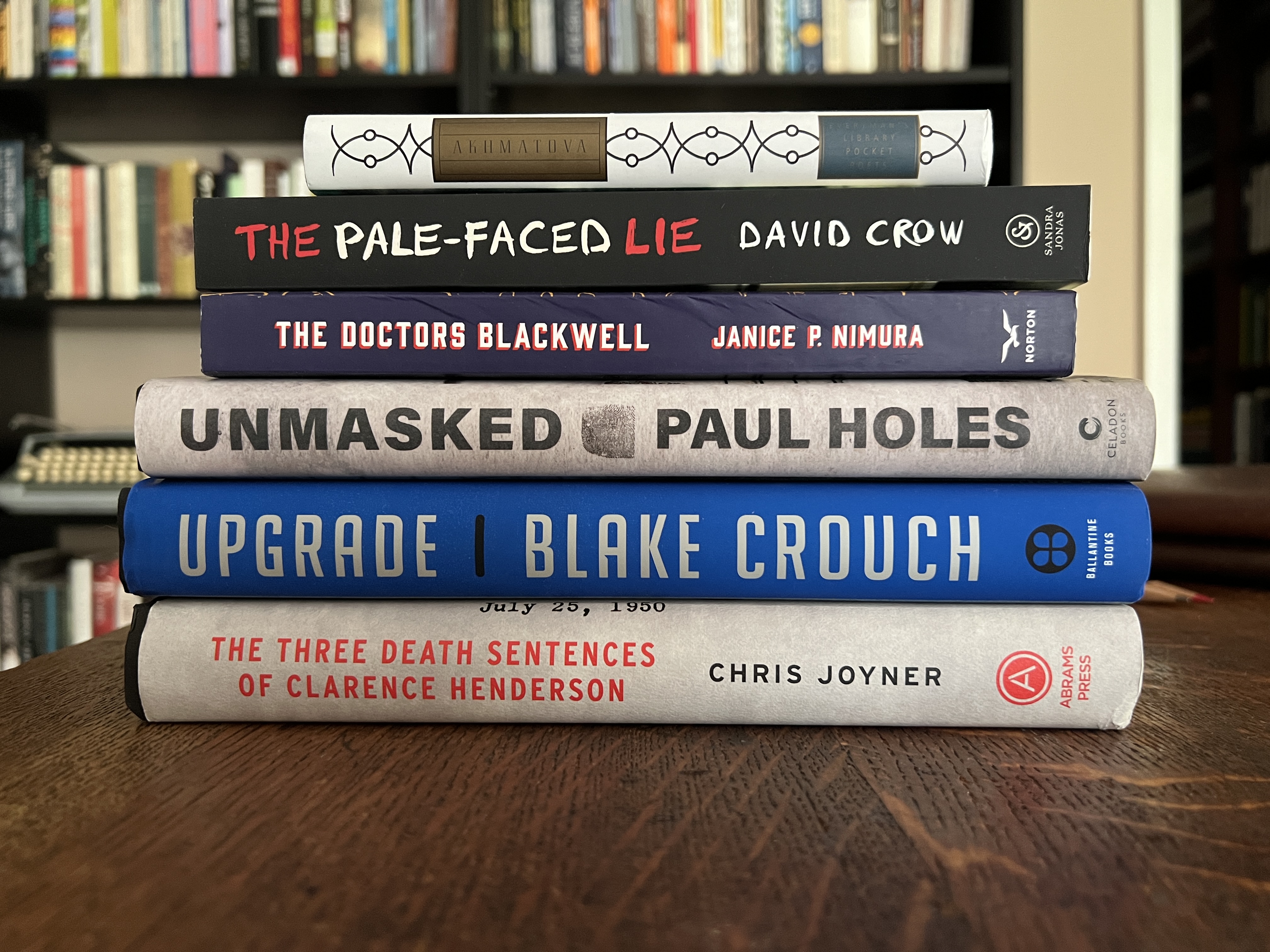
A few new books.
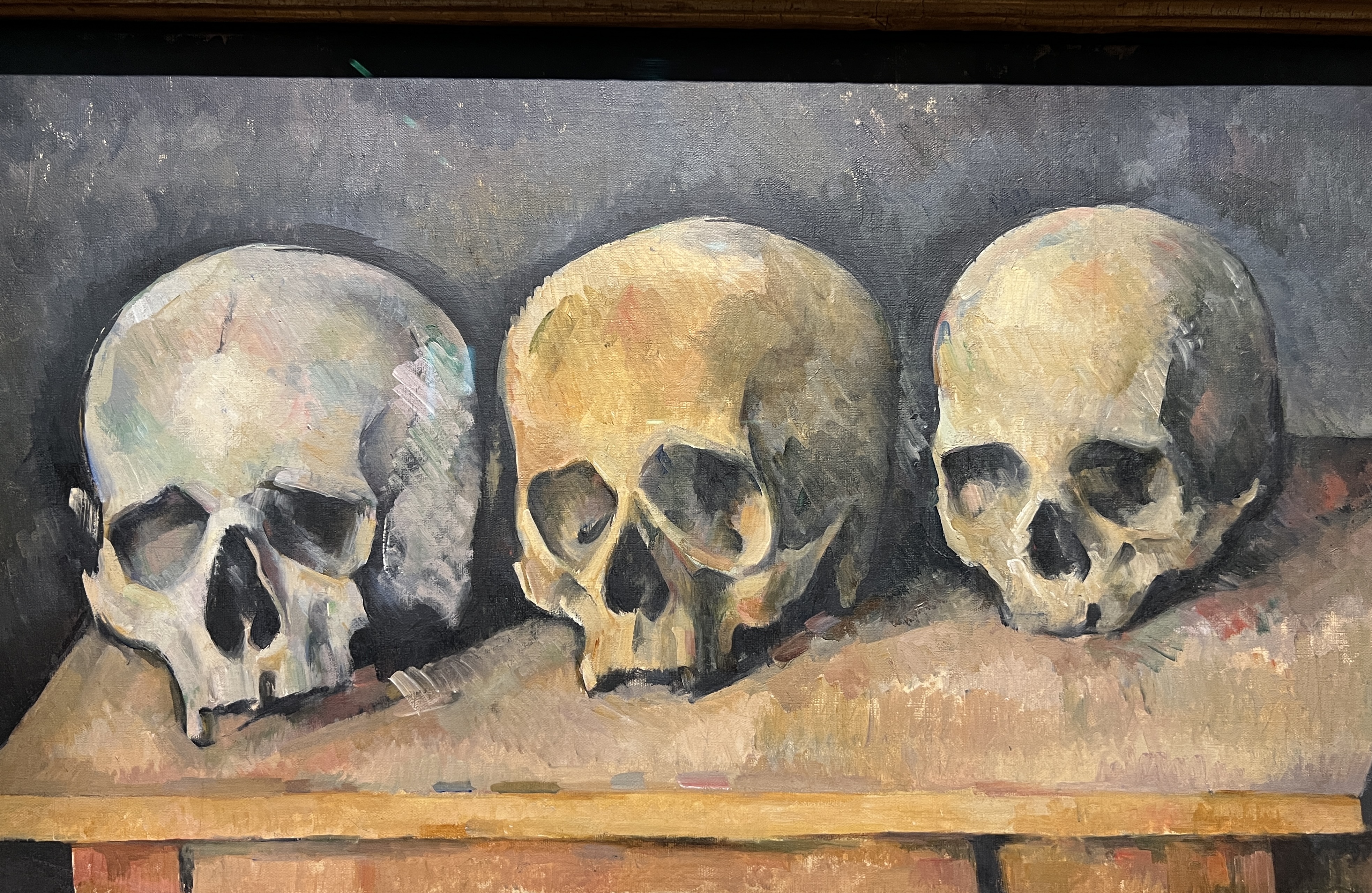
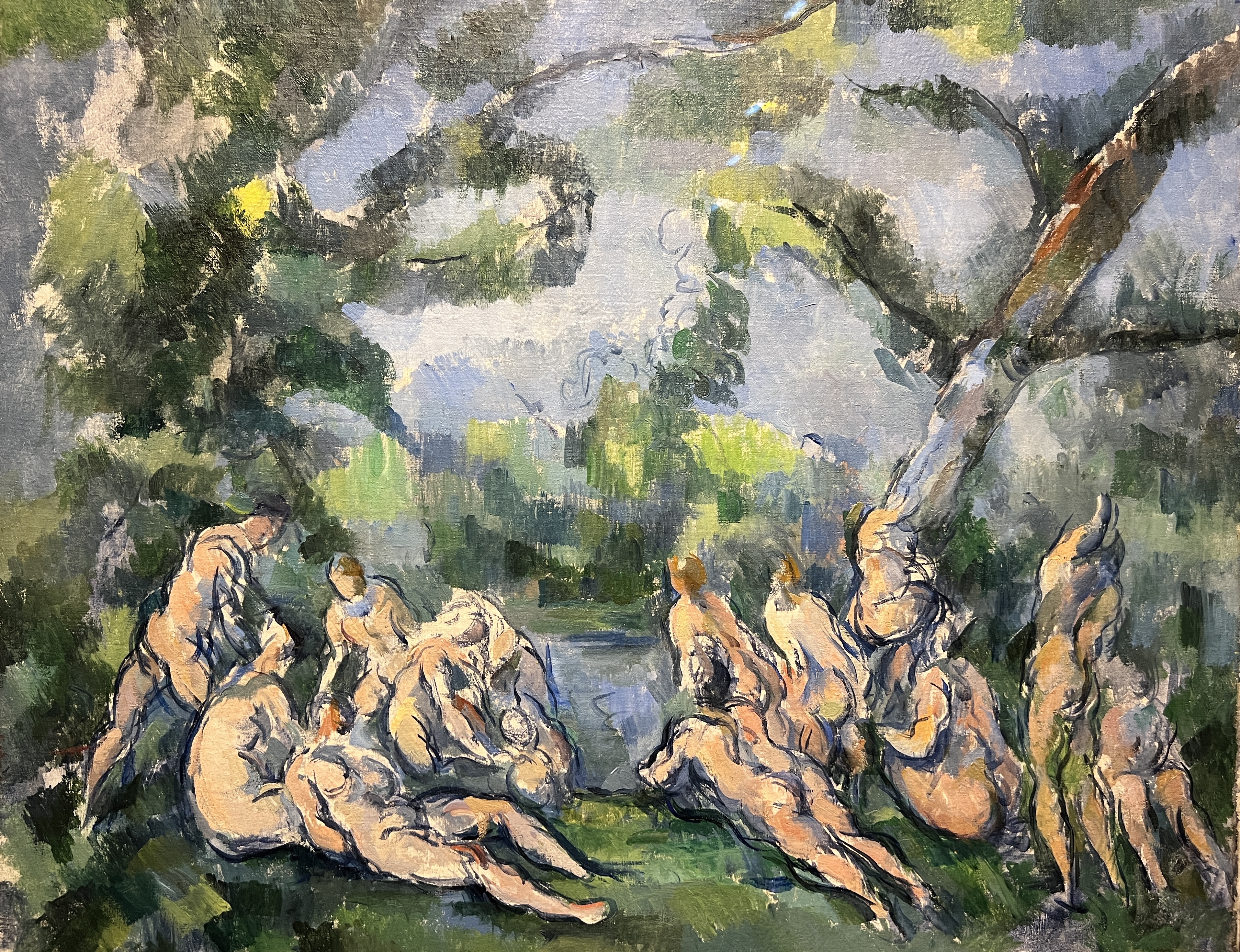
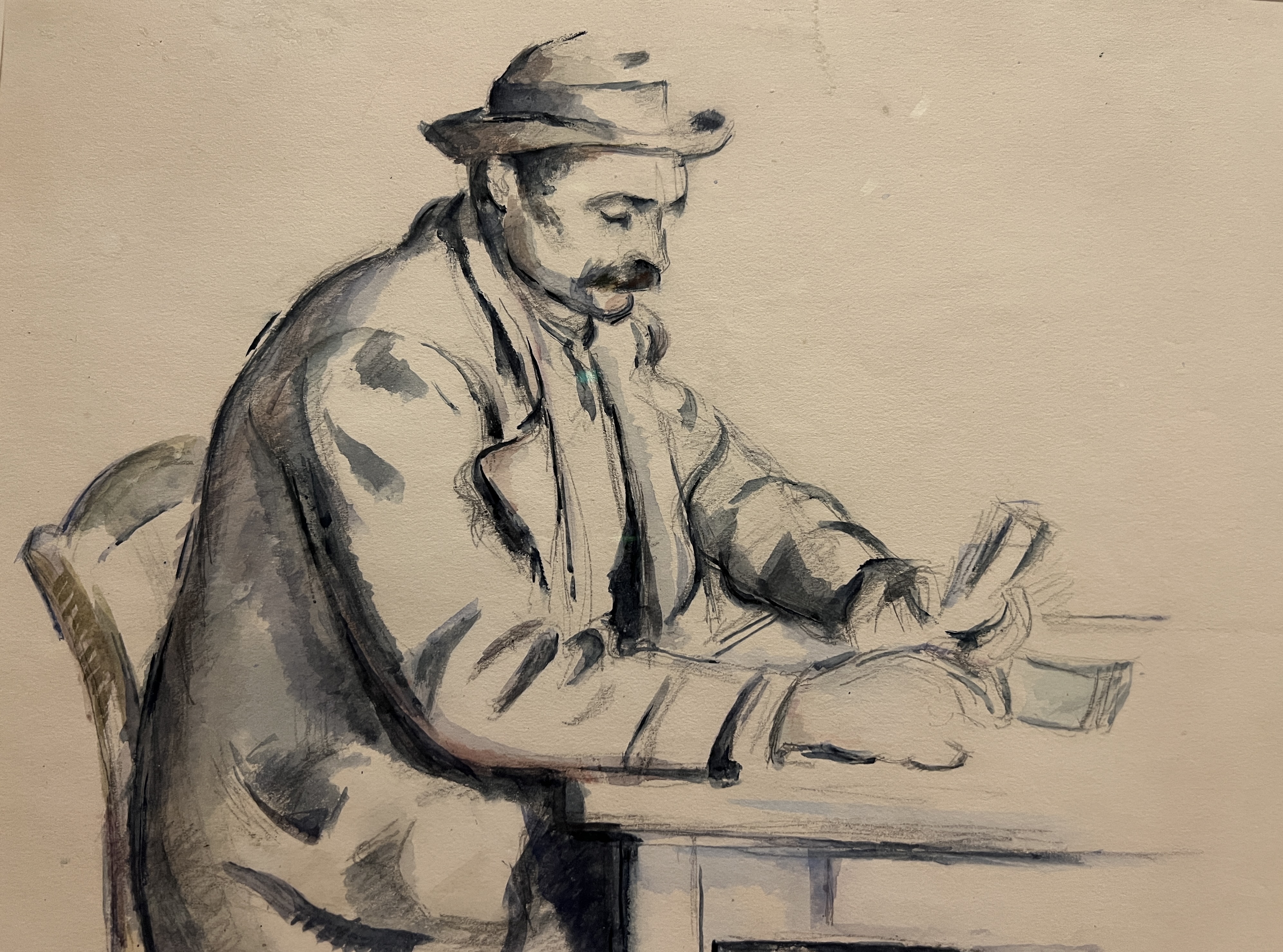


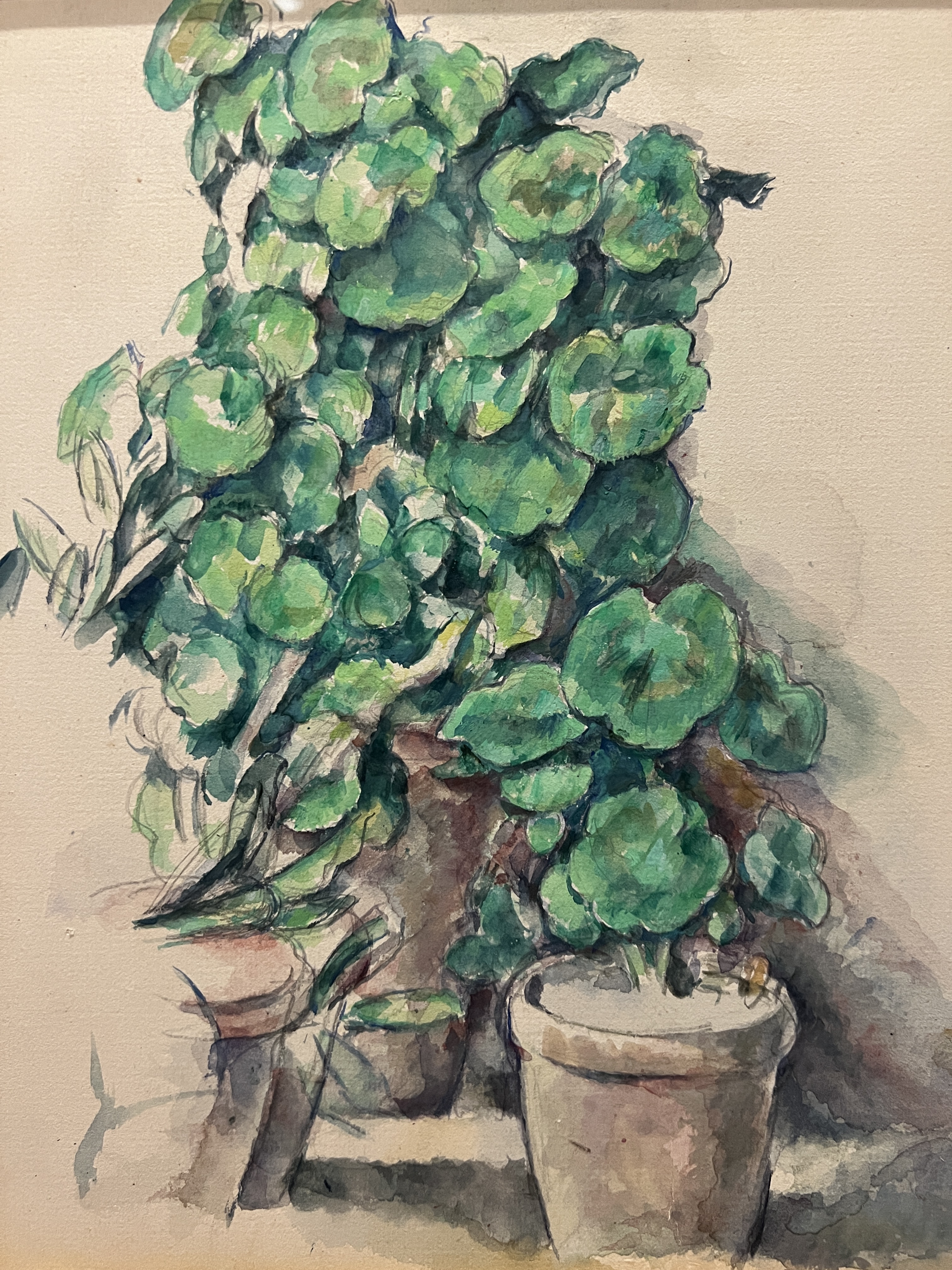
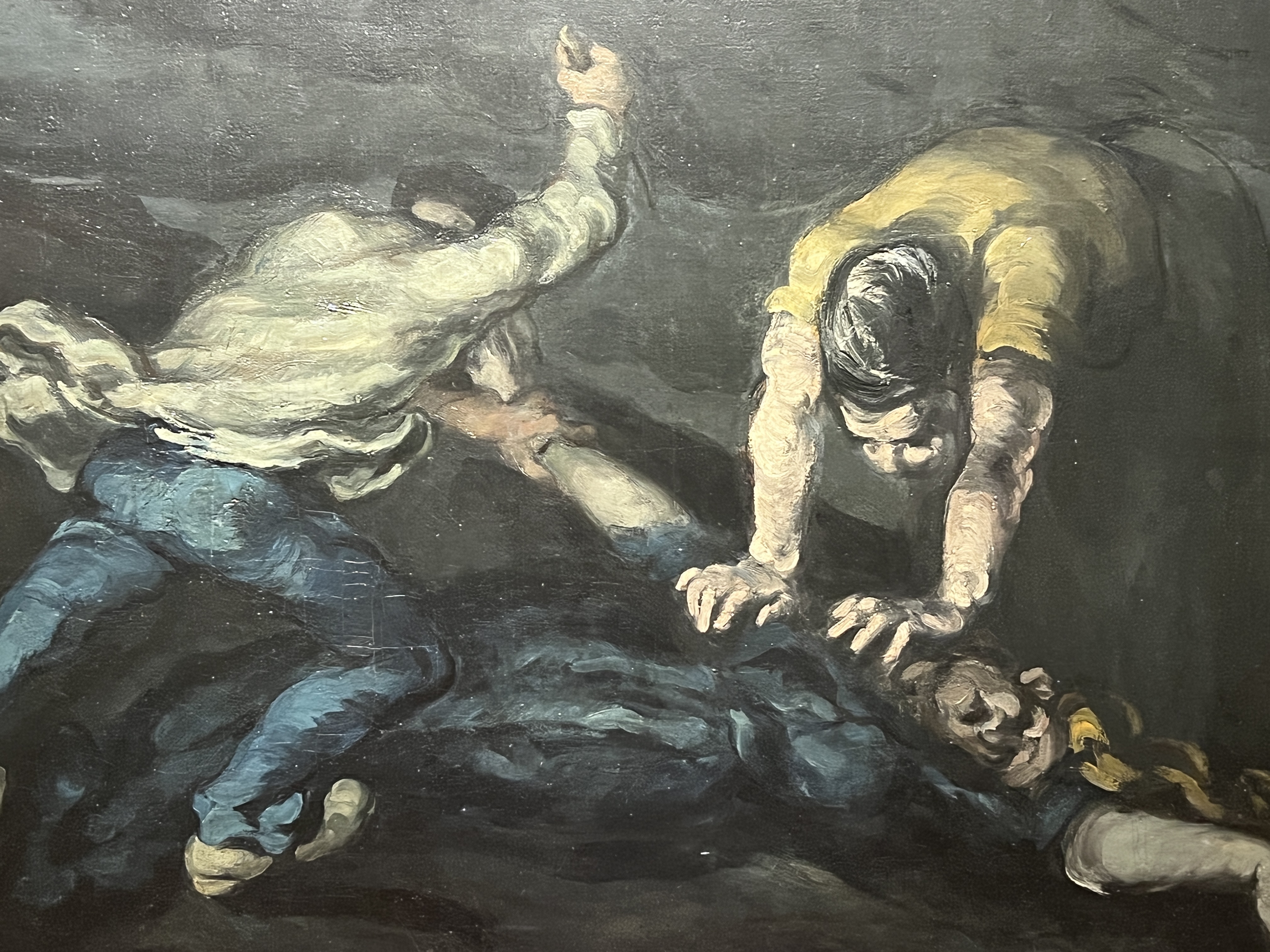


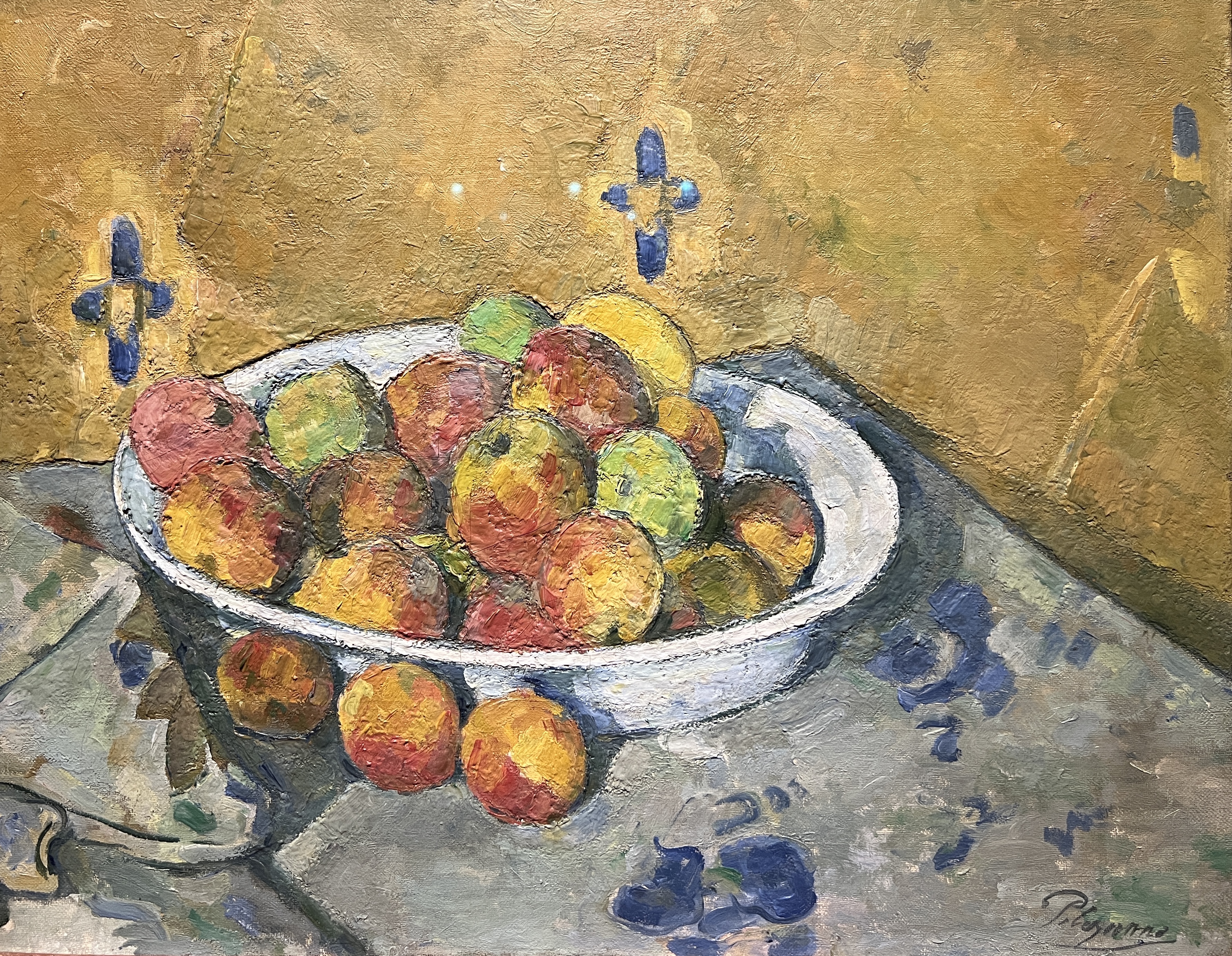

From Ernest Hemingway’s A Moveable Feast :
p. 13
I was learning something from the painting of Cezanne that made writing simple true sentences far from enough to make the stories have the dimensions that I was trying to put in them. I was learning very much from him but I was not articulate enough to explain it to anyone. Besides it was a secret.
p. 69
I learned to understand Cezanne much better and to see truly how he made landscapes when I was hungry. I used to wonder if were hungry too when he painted; but I thought possibly it was only that he had forgotten to eat. It was one of those unsound but illuminating thoughts you have when you have been sleepless or hungry. Later I thought Cezanne was probably hungry in a different way.


Chicory is under-appreciated.
From Sir Arthur Conan Doyle’s The Sign of Four:
Chapter 7:
How small we feel with our petty ambitions and strivings in the presence of the great elemental forces of Nature!
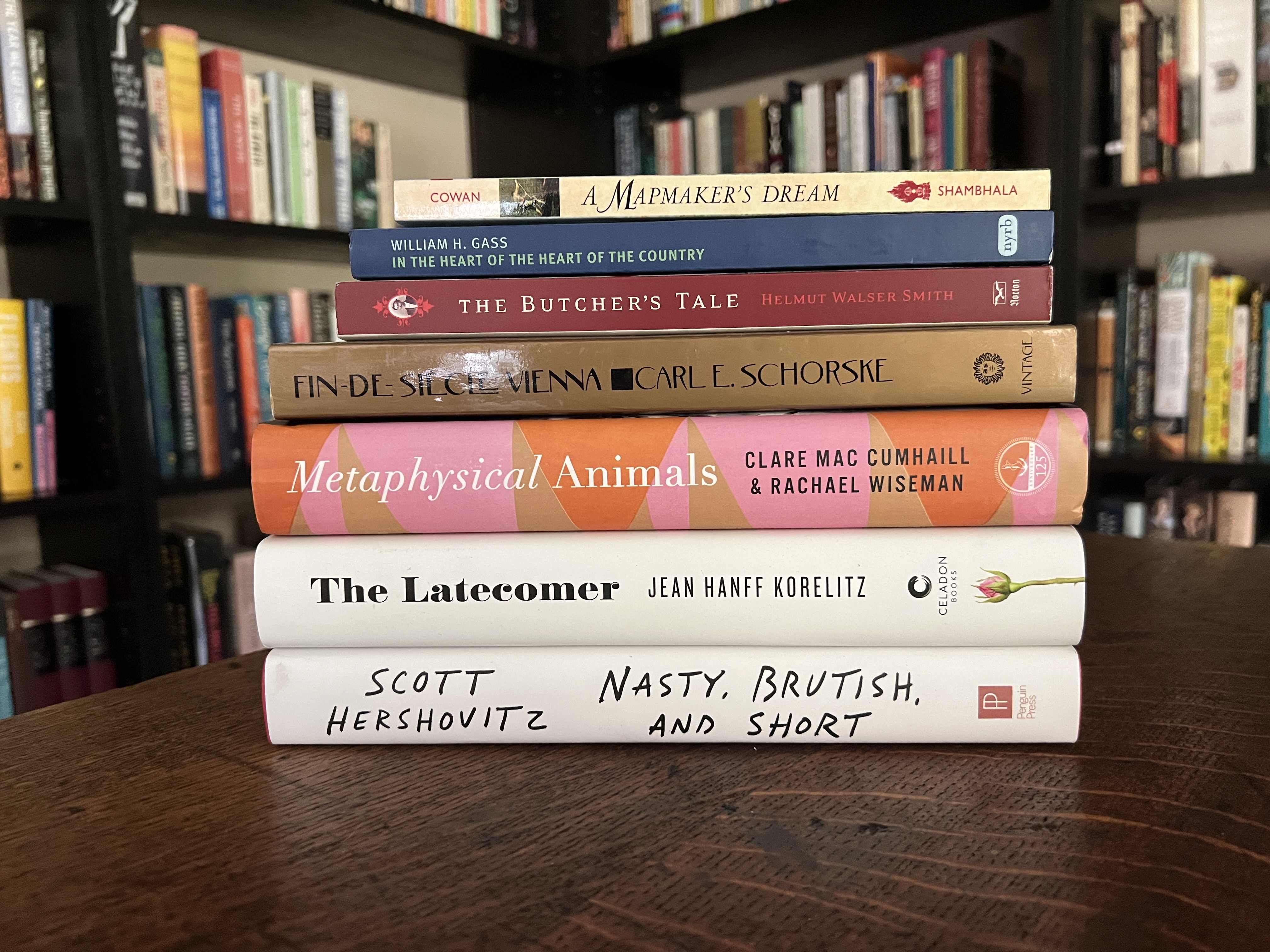
A few new books.
And from Ernest Hemingway’s The Old Man and the Sea:
p. 13
He was too simple to wonder when he had attained humility. But he knew he had attained it and he knew it was not disgraceful and it carried no loss of true pride.
p. 39
He did not remember when he had first started to talk aloud when he was by himself. He had sung when he was by himself in the old days and he had sung at night sometimes when he was alone steering on his watch in the smacks or in the turtle boats. He had probably started to talk aloud, when alone, when the boy had left. But he did not remember.
p. 48
No one should be alone in their old age, he thought. But it is unavoidable. I must remember to eat the tuna before he spoils in order to keep strong. Remember, no matter how little you want to, that you must eat him in the morning. Remember, he said to himself.
p. 103
“But man is not made for defeat,“ he said. “A man can be destroyed but not defeated.” I am sorry that I killed the fish though, he thought. Now the bad time is coming and I do not even have the harpoon. The dentuso is cruel and able and strong and intelligent. But I was more intelligent than he was. Perhaps not, he thought. Perhaps I was only better armed.
“Don’t think, old man,“ he said aloud. “Sail on this course and take it when it comes.“

