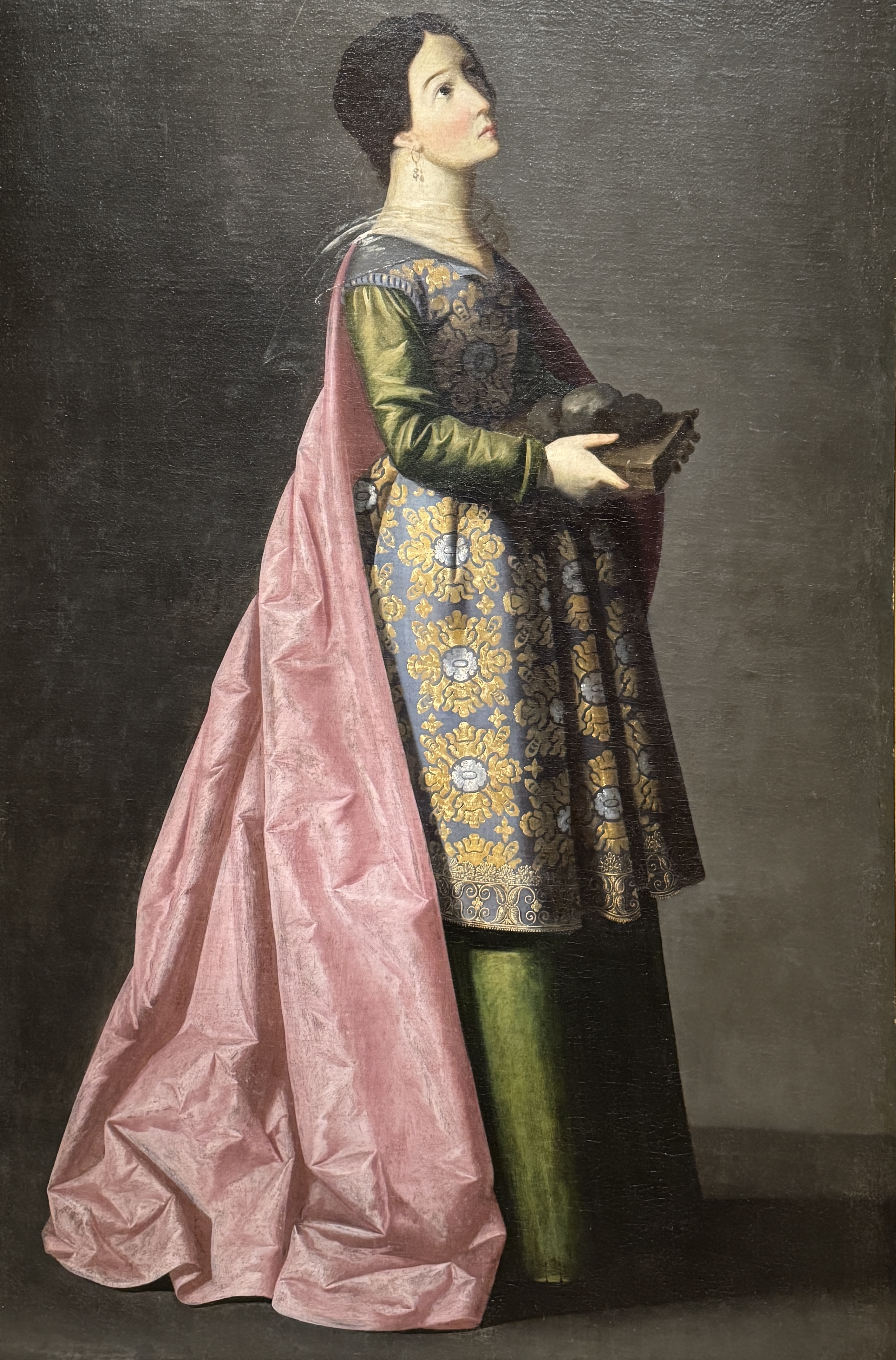
…to walk at the Chicago Botanic Garden.
…to walk at the Chicago Botanic Garden.
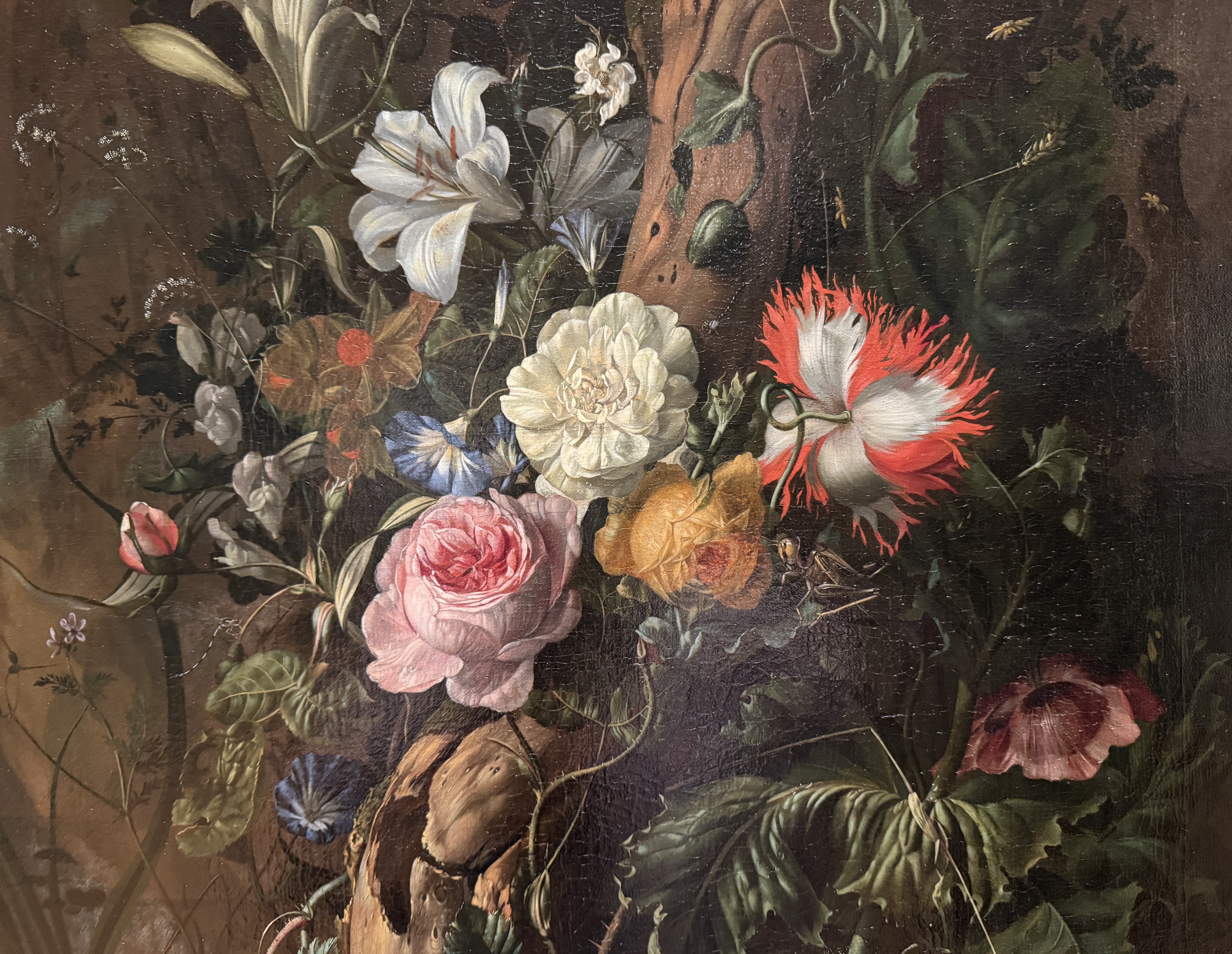


Images captured this weekend at “Nature into Art” at the Toledo Museum of Art.
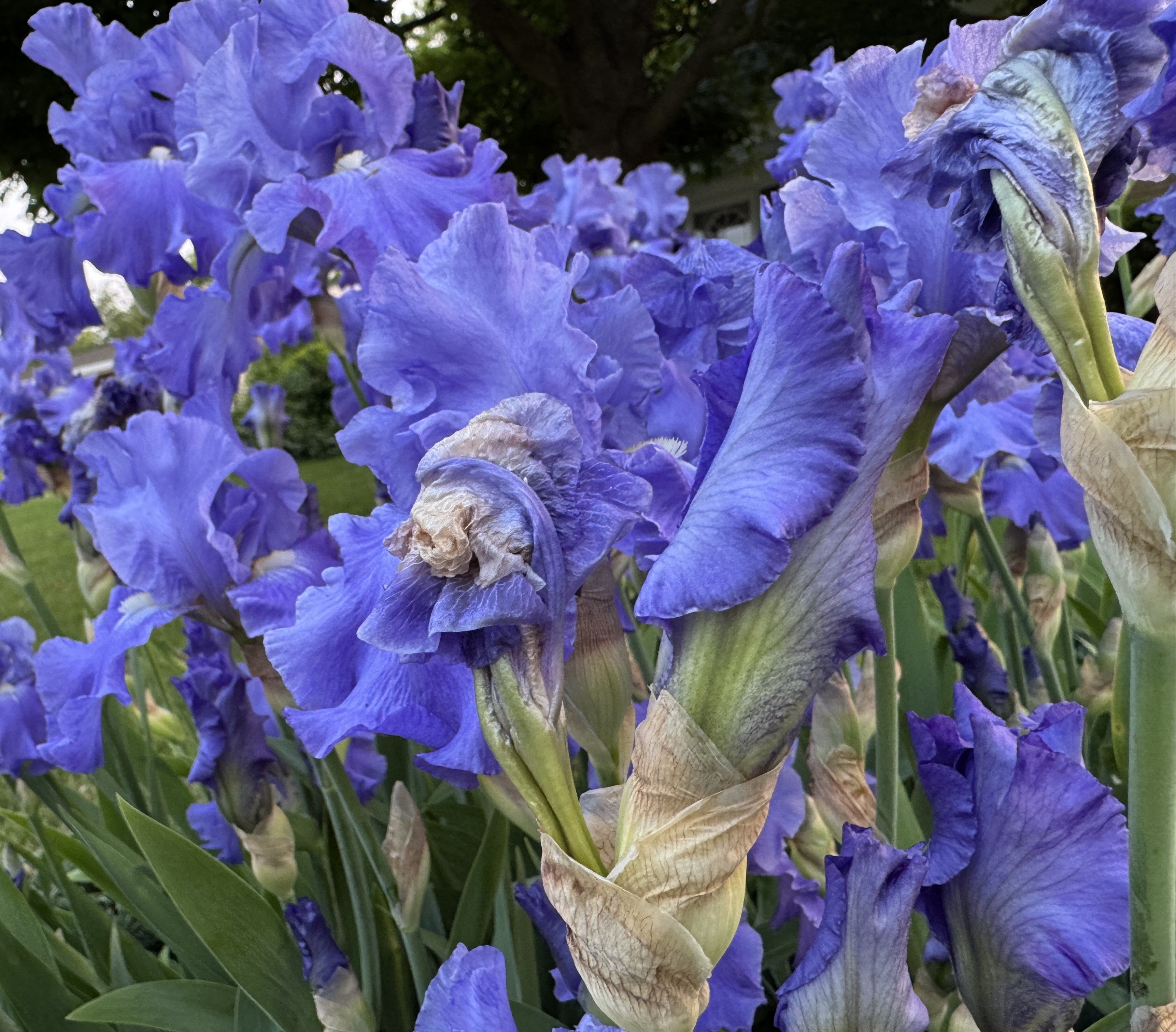

Photos captured last week.
Already these gaudy dancers have shed their skirts, just stems when I passed them this morning.

Another stack of books to be shelved (although I will consult Homer and the Heroic Tradition soon).
This morning’s seminar on the poetry of Rainer Maria Rilke represented as profound a pivot from Cormac McCarthy’s Blood Meridian as can be conjured, I reckon.
From this —
They rode through regions of particolored stone upthrust in ragged kerfs and shelves of traprock reared in faults and anticlines curved back upon themselves and broken off like stumps of great stone treeboles and stones the lightning had clove open, seeps exploding in steam in some old storm. They rode past trapdykes of brown rock running down the narrow chines of the ridges and onto the plain like the ruins of old walls, such auguries everywhere of the hand of man before man was or any living thing.
to this —
Be ahead of all parting, as though it already were
behind you, like the winter that has just gone by.
For among these winters there is one so endlessly winter
that only by wintering through it all will your heart survive.
I know, right?
But I have now returned to the forbidding and unyielding landscapes of Blood Meridian and am struggling with the assignment for our final class meeting: Develop an elevator pitch to convince others to read McCarthy’s magnum opus. That I loathe this sort of thing is as unsurprising as my recent discovery that Werner Herzog and McCarthy admired one another’s work. (Check out this terrific NPR feature.) Wait! I’ve got it: If, like Werner Herzog, you believe that “the common denominator of the universe is not harmony, but chaos, hostility, and murder,” read this book. Or maybe: Imagine a Moby-Dick in which the whales are people. You know what? I think I will mysteriously end video when we are required to share our pitches tomorrow.


Currently rereading Blood Meridian (Cormac McCarthy; 1985) for the final meeting of a nine-week course and reading The Dream Hotel (Laila Lalami; 2025) and Jane Crow: The Life of Pauli Murray (Rosalind Rosenberg; 2017). I plan to participate in the upcoming APS Together, too.

For now, the new books have been shelved.
In advance of seeing Shattered Globe Theater’s production of A Tale of Two Cities, I began rereading Charles Dicken’s most famous novel, but I needed to set it aside to complete assignments for two courses I’m taking. For those, I’ve been (re)reading the Iliad and several academic articles concerning Cormac McCarthy and Blood Meridian. Next month, a friend and I will embark on a study of Aristotle’s Nicomachean Ethics, so I’ve been reading some introductory material. (That same friend and I recently read and discussed Charlotte Wood’s beautiful novel, Stone Yard Devotional (2024). Highly recommended.) With the SciFri Book Club, I read John Green’s Everything Is Tuberculosis: The History and Persistence of Our Deadliest Infection (2025). In between projects and assignments, I’m making my way through Careless People: A Cautionary Tale of Power, Greed, and Lost Idealism (Sarah Wynn-Williams; 2025).
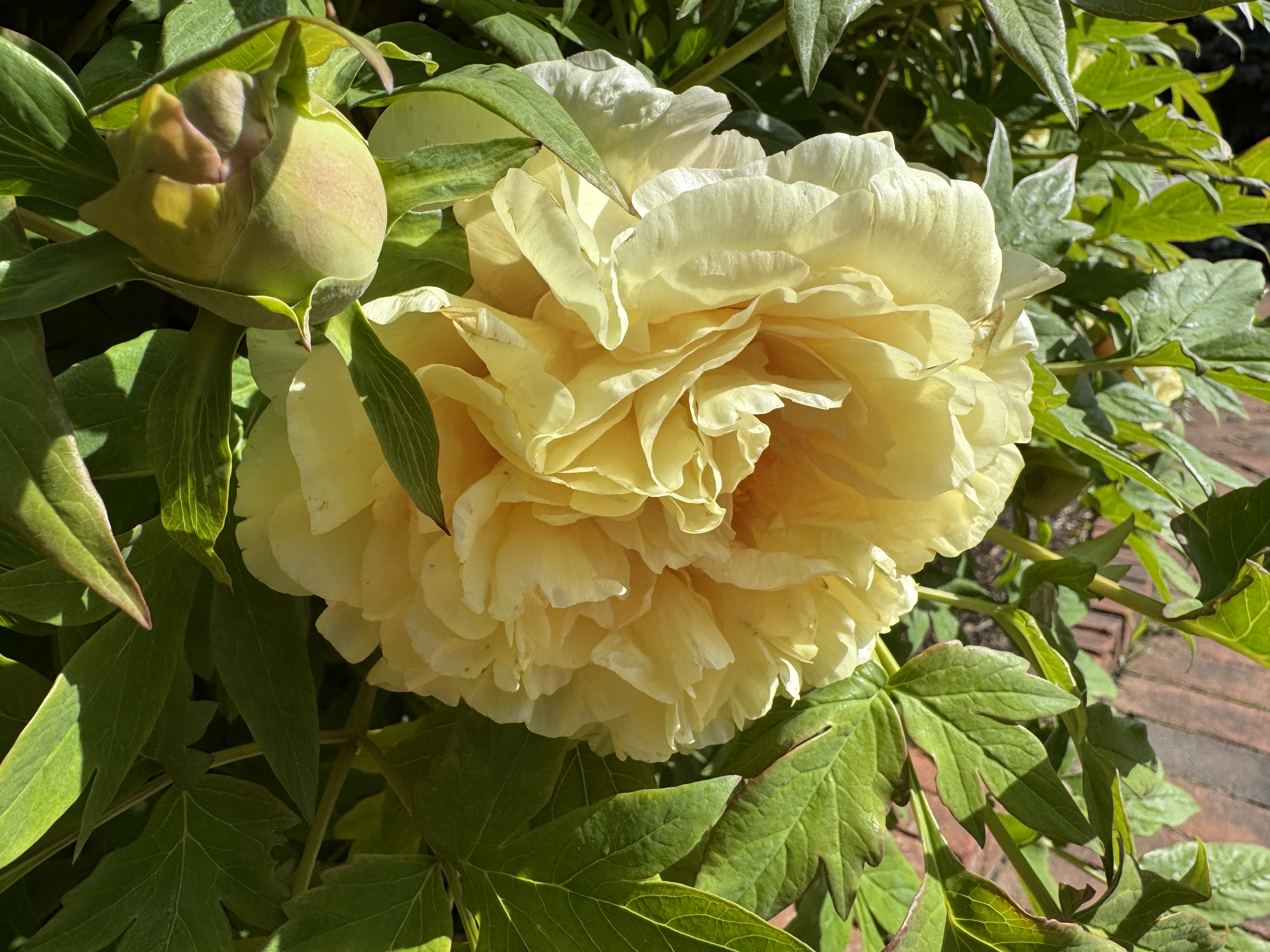
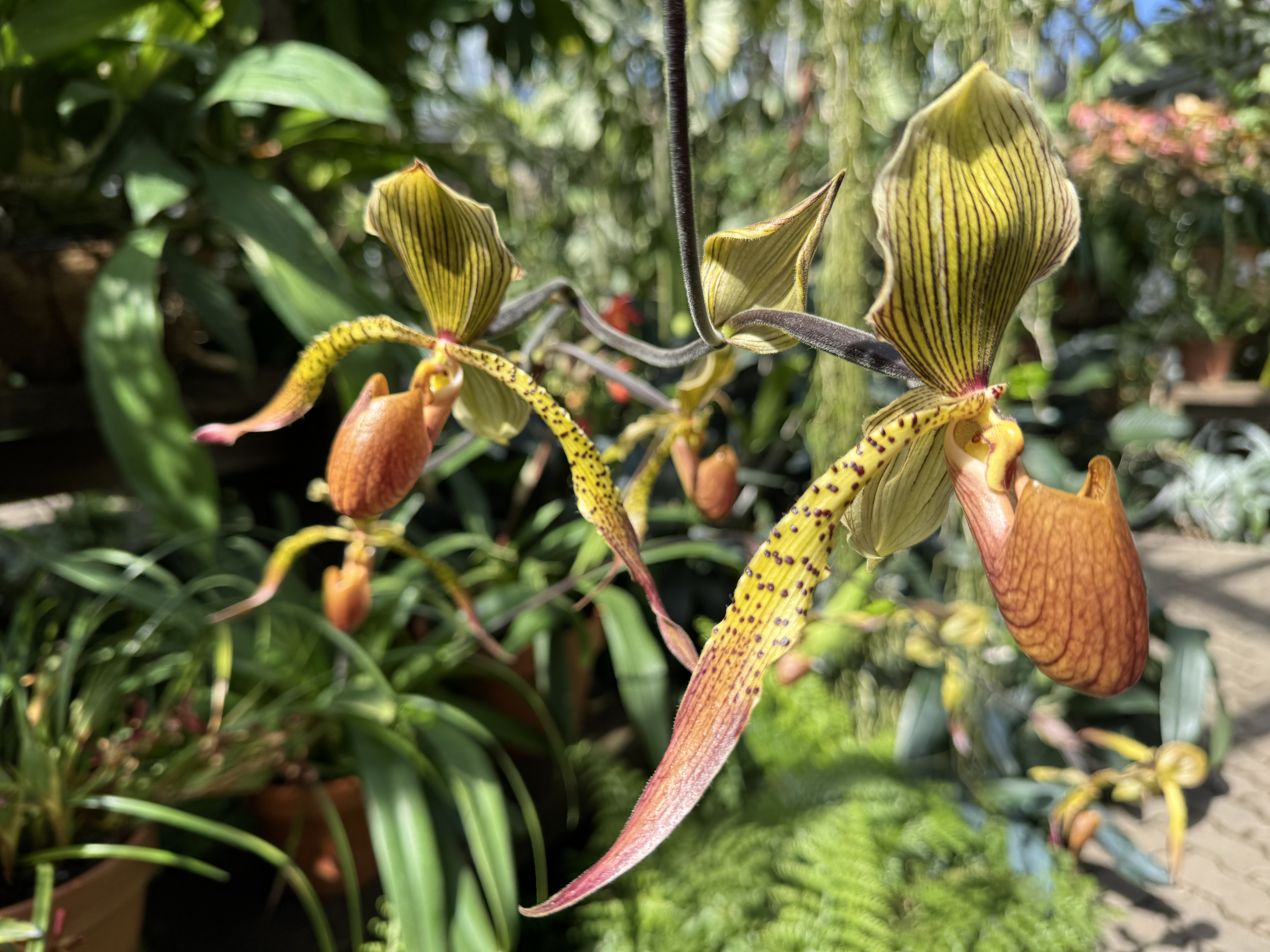
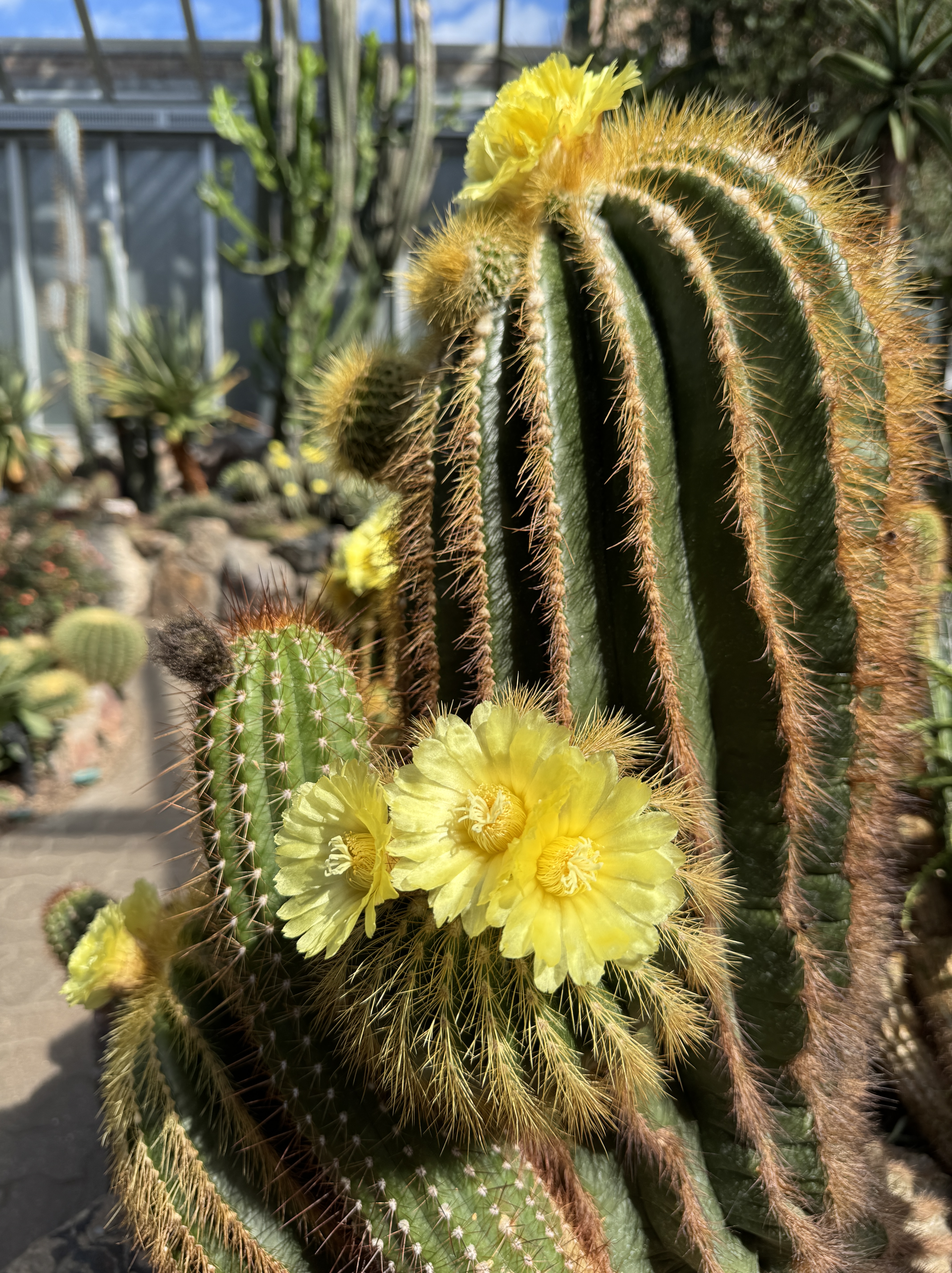
On Saturday, we spent a beautiful morning at the Chicago Botanic Garden.


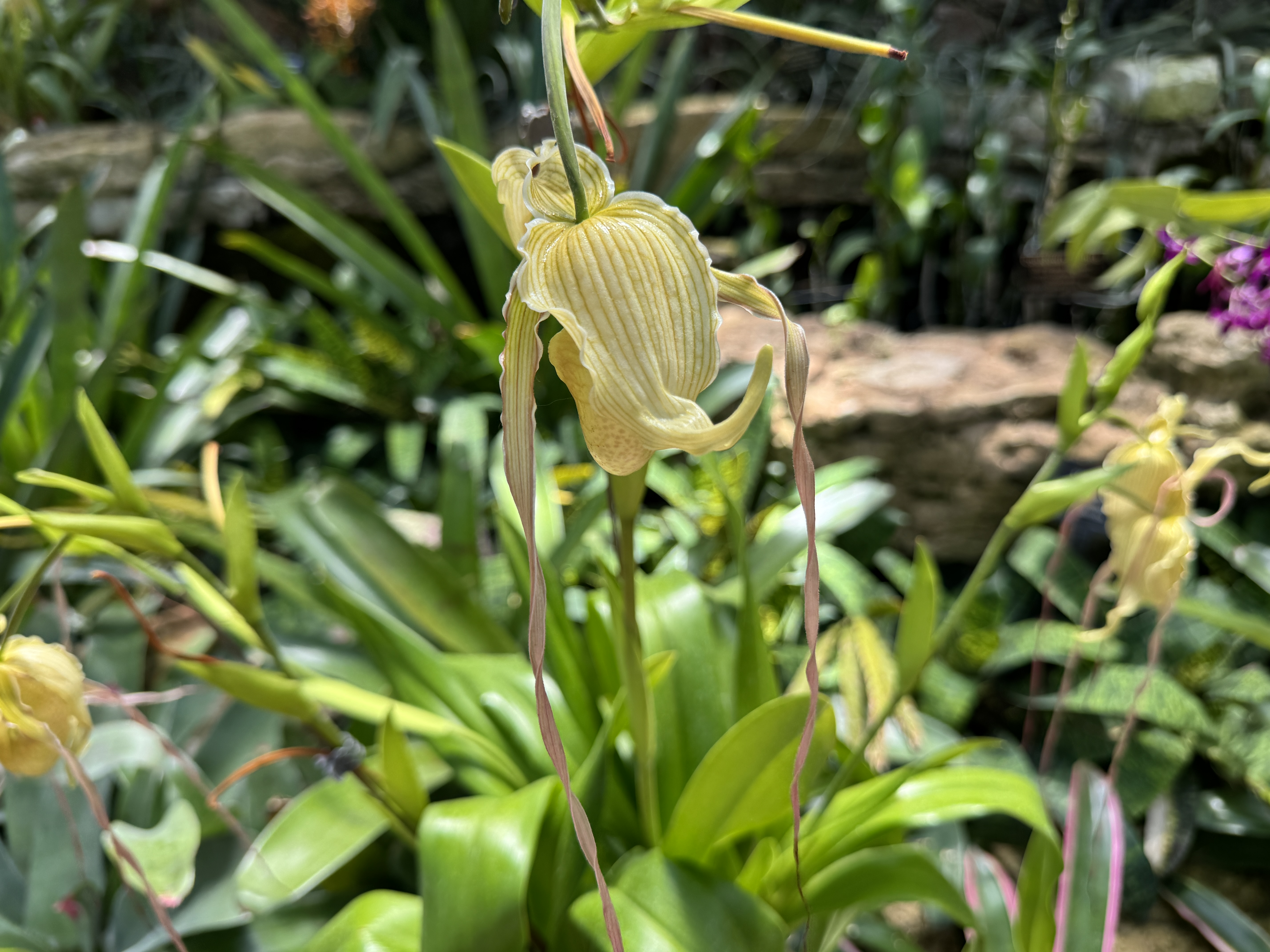
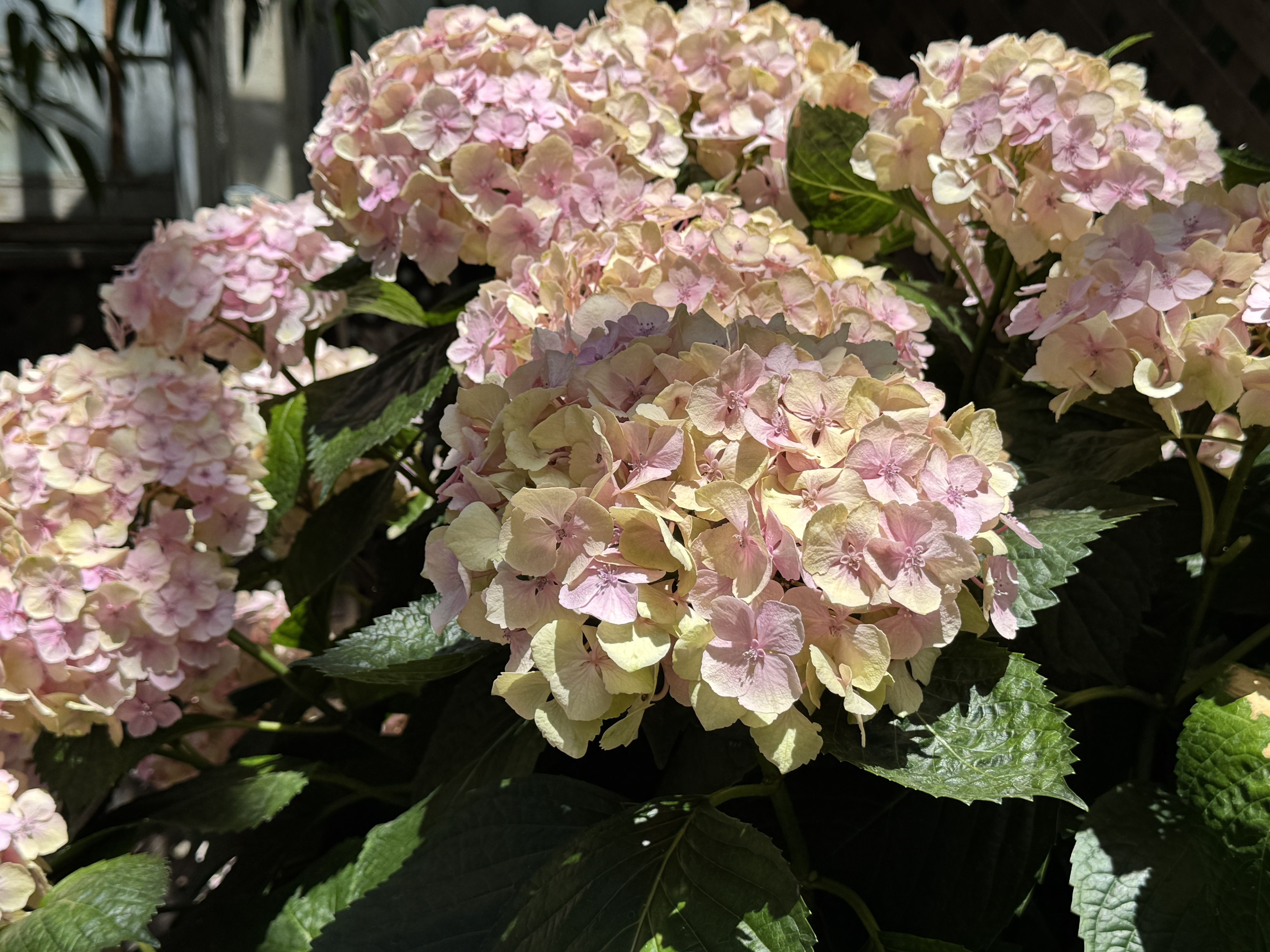
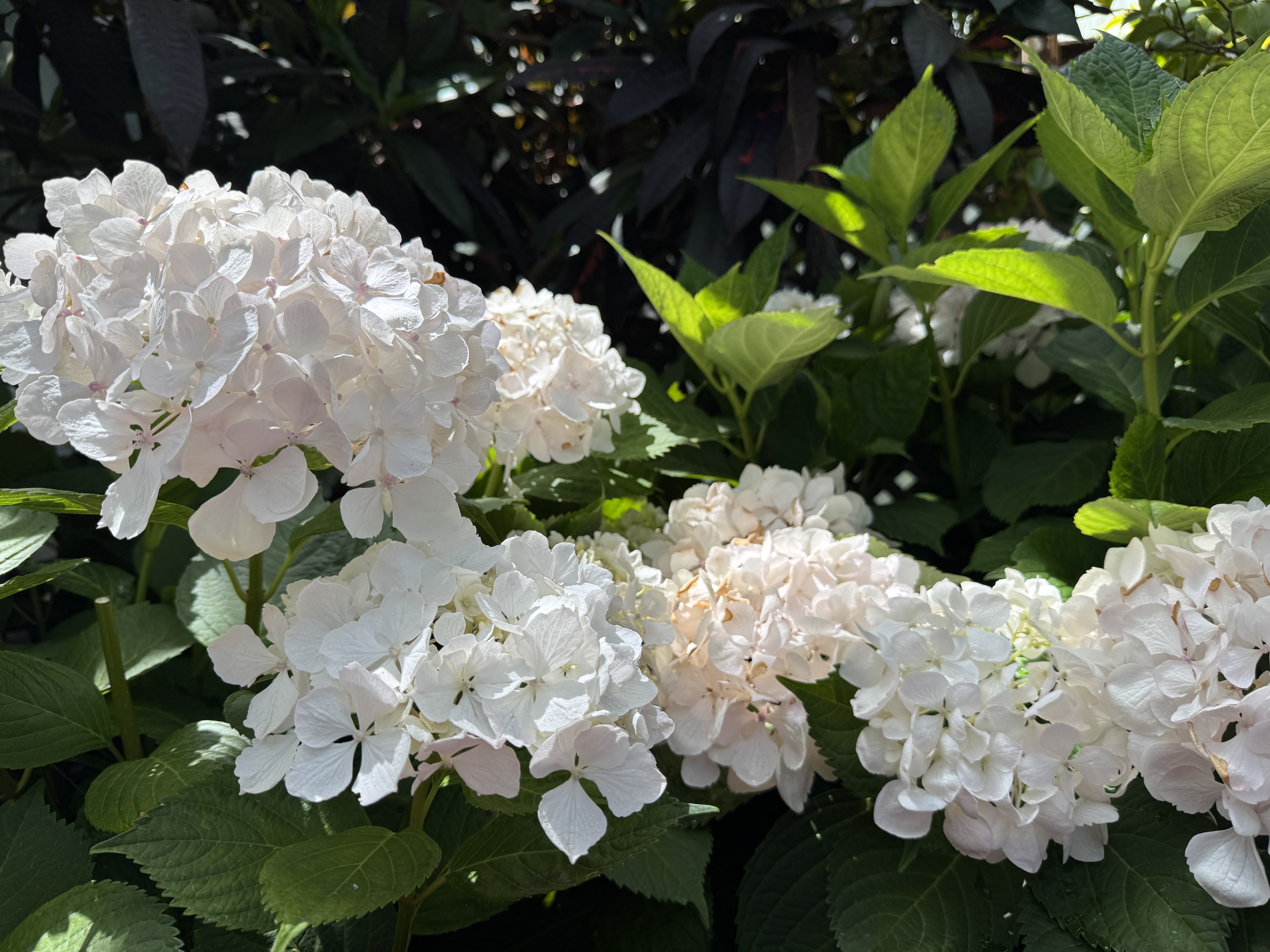
My older daughter and I visited the Lincoln Park Conservatory and the Lincoln Park Zoo on Friday. The conservatory has always been one of my favorite spots in the city, an under-appreciated treasure.
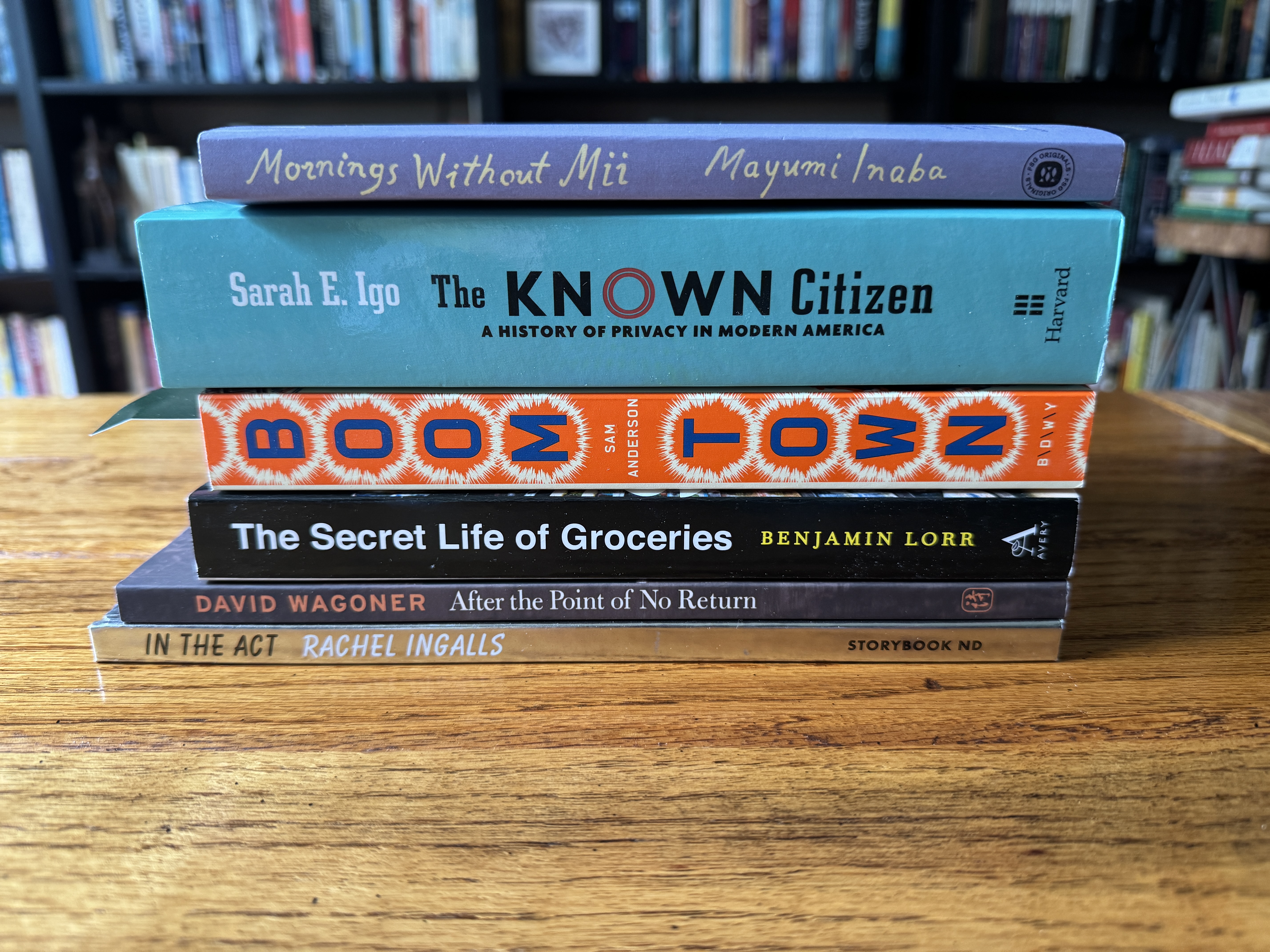
Two gifts and three purchases, including one from a new-to-me Three Avenues Bookshop.