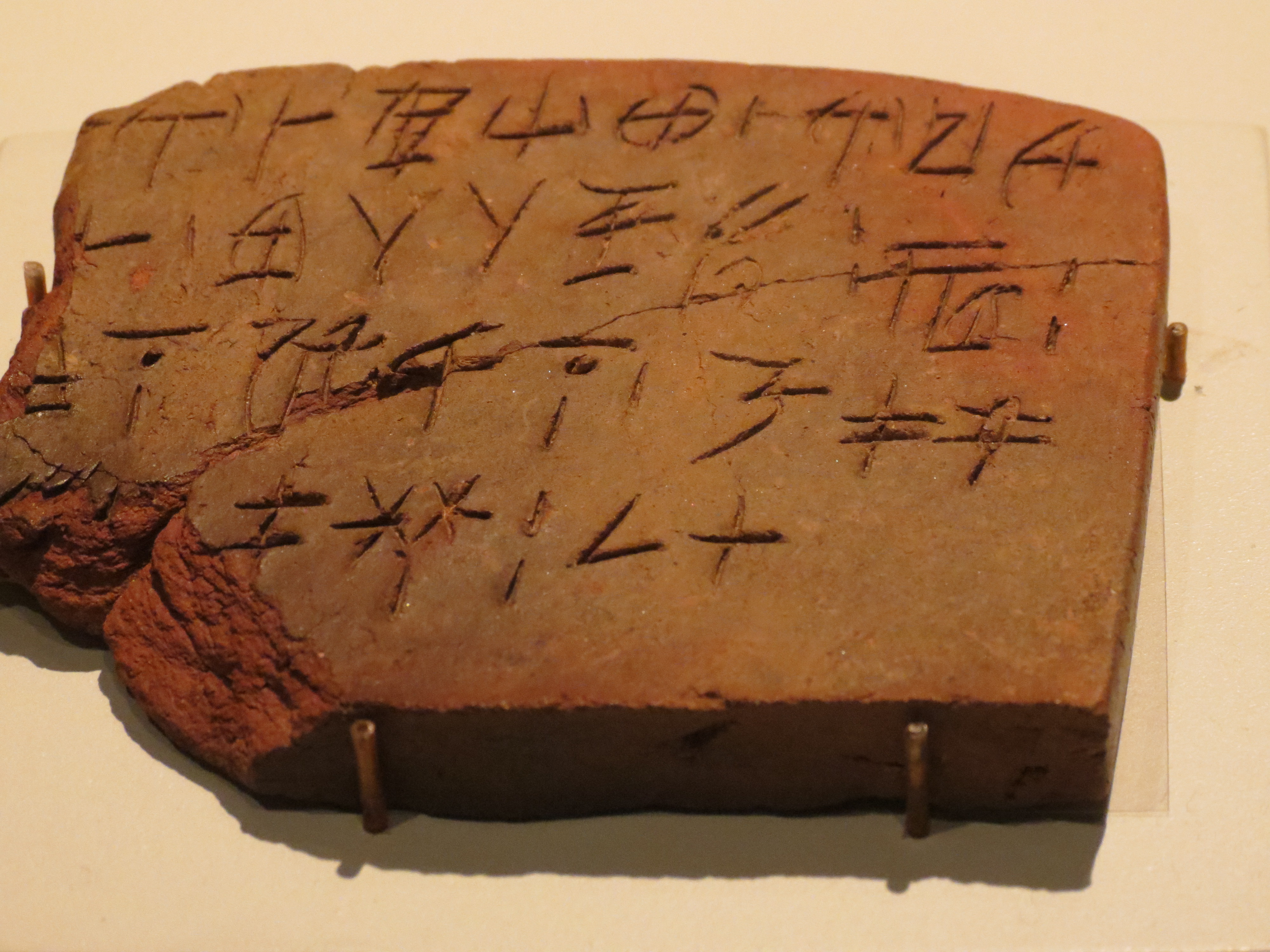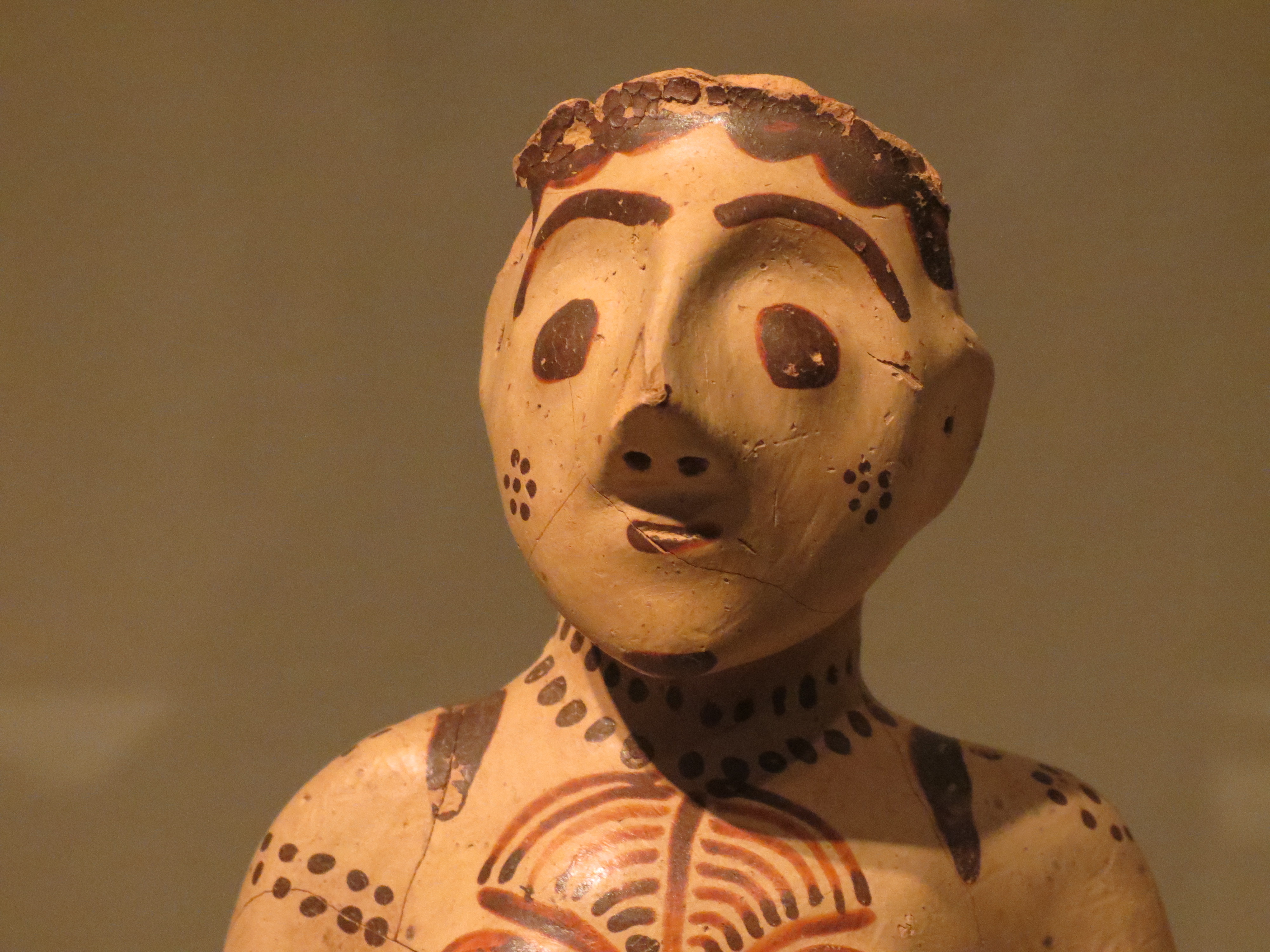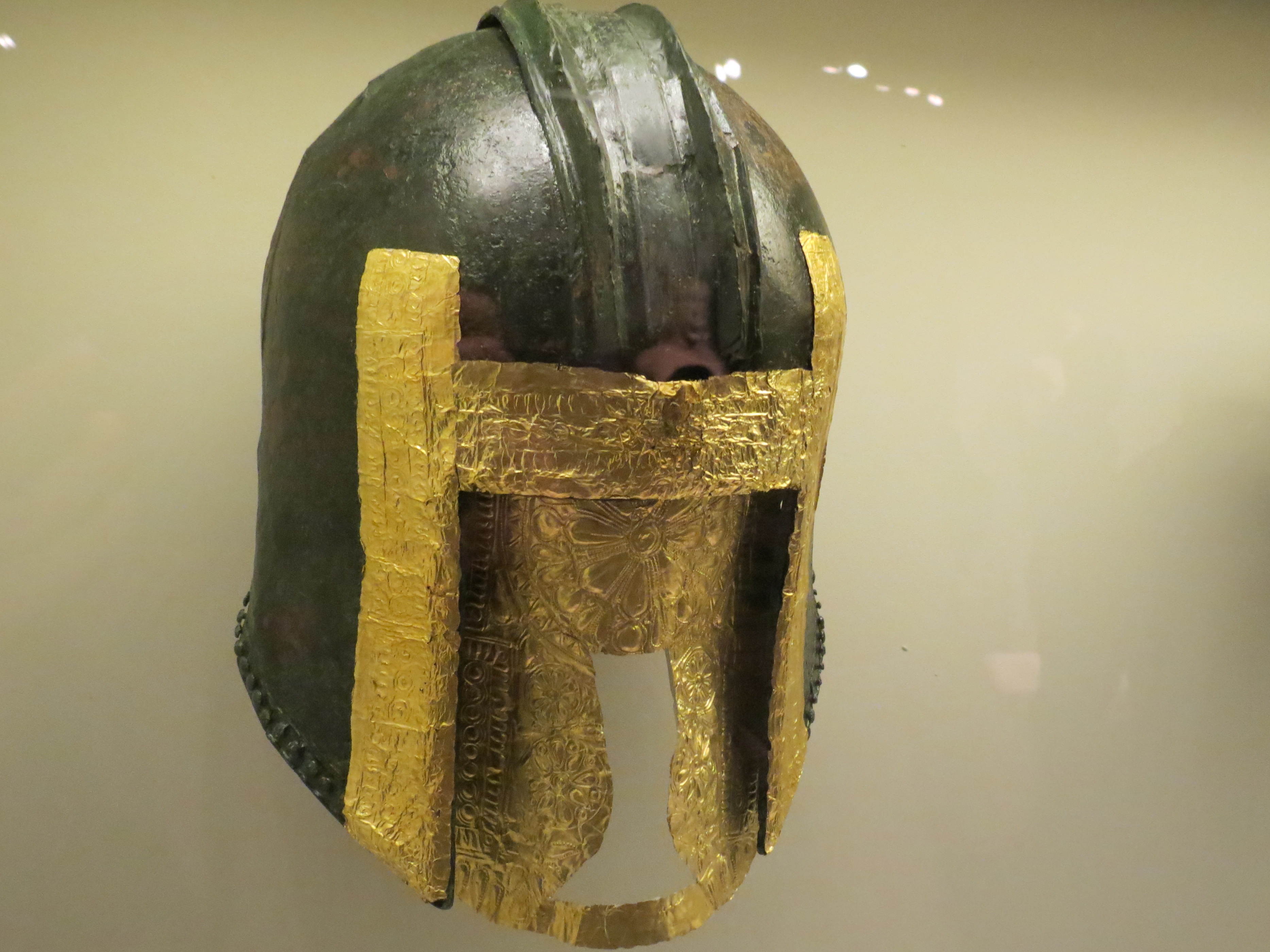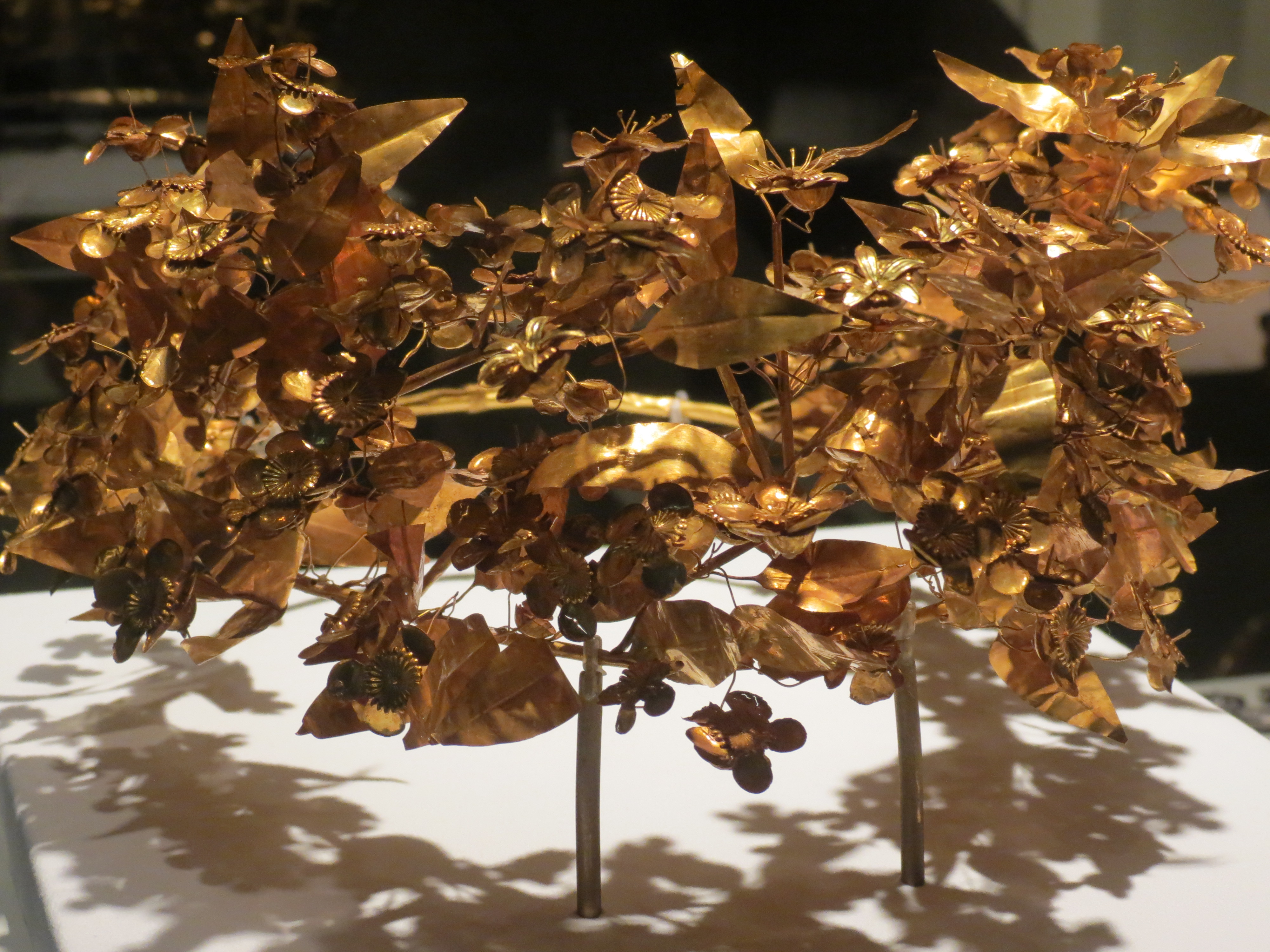
For twenty years, I have mostly avoided visiting the museum campus during spring and winter breaks and summer camp days, but scheduling constraints dictated that the winter holiday was the most convenient time for an all-day visit. Oh, the noise, noise, NOISE! Still, the Field Museum is such an amazing place that I nearly put the pressing crowds out of mind, particularly when wandering exhibits like the Gidwitz Hall of Birds and the Cyrus Tang Hall of China. The following images were captured in “The Greeks: Agamemnon to Alexander the Great” and the Cyrus Tang Hall of China.
The year in books

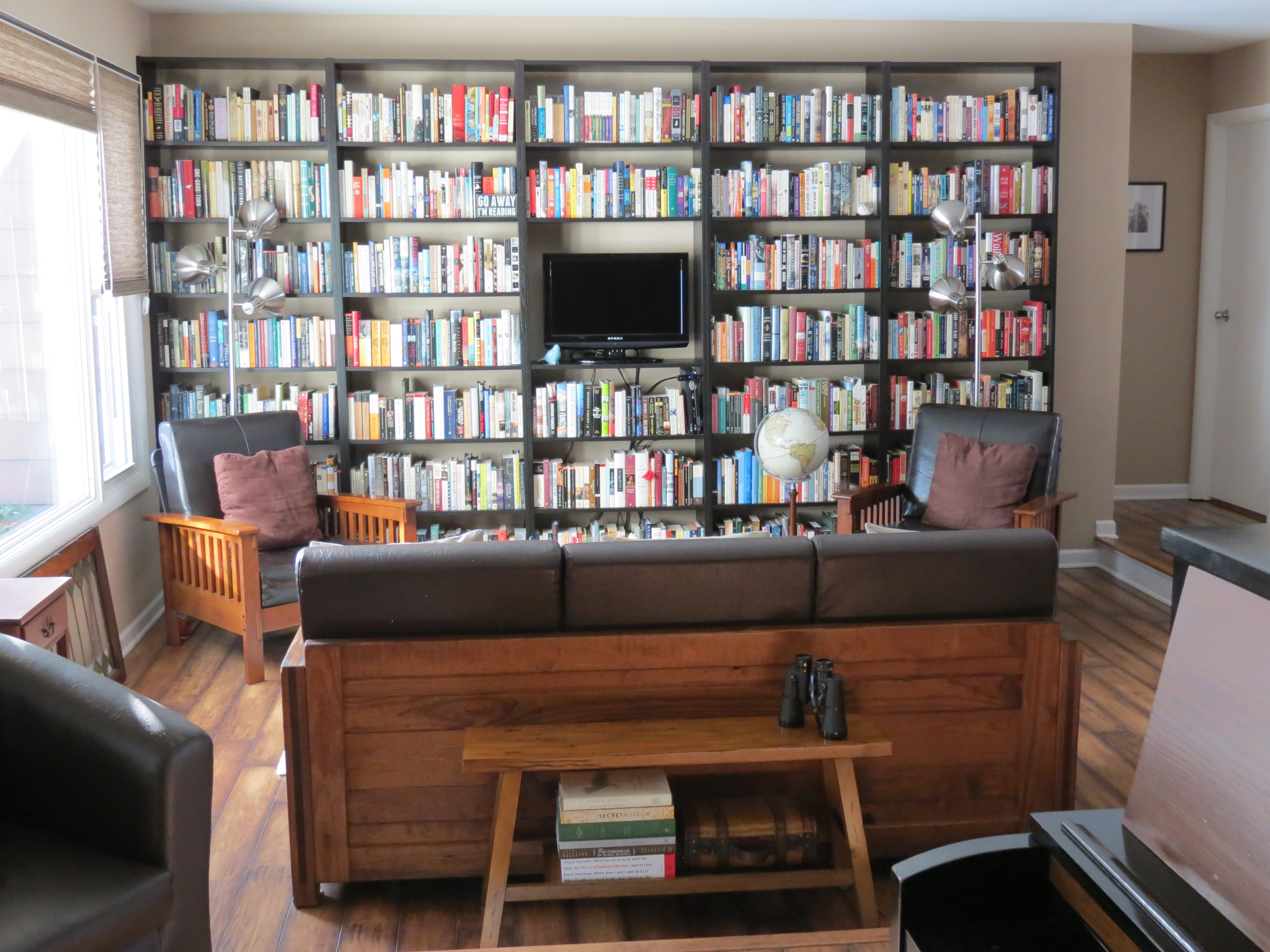
My chief reading goal for 2015 was to read from the shelves of my home library. Although I’ve certainly reduced my, ahem, acquisition habit, I have much room for improvement. Enough said.
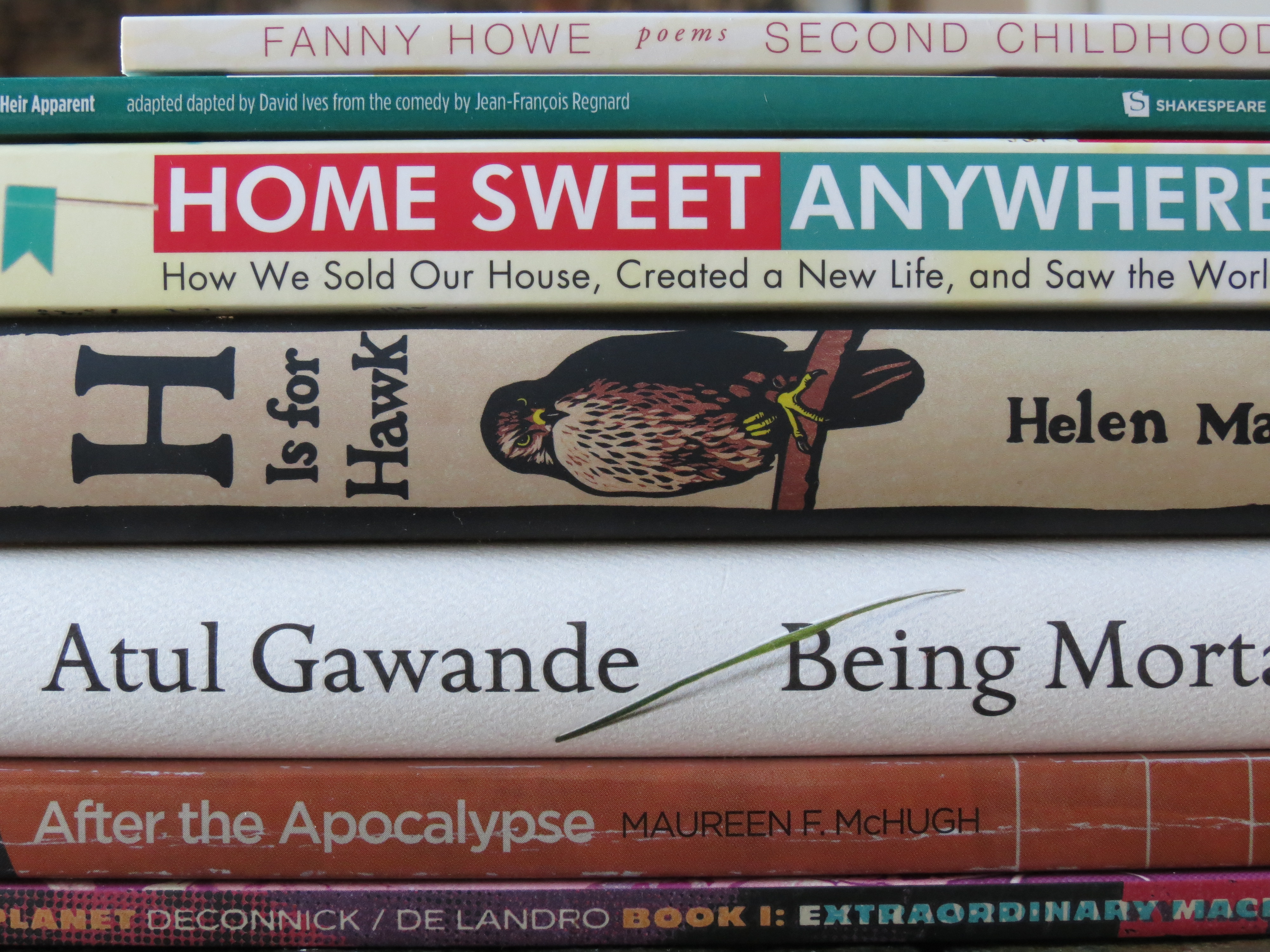
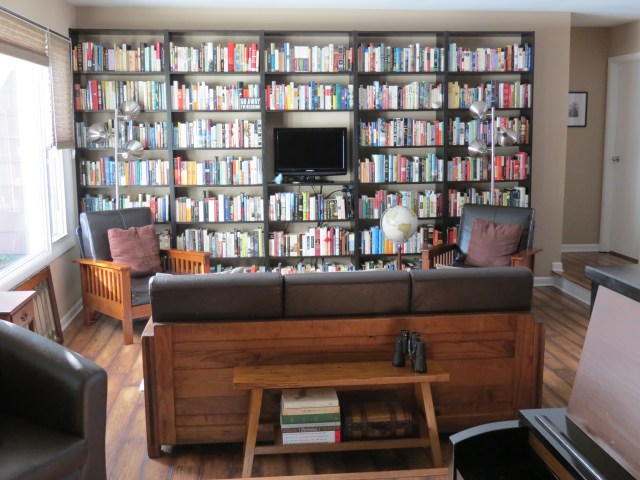
I completed 137 books this year. The complete list can be found here. I actually read many, many more (I am an unrepentantly promiscuous reader, bouncing from one book to another, leaving a trail of only just begun, unfinished, and nearly finished books in my wake), but I have listed only books read cover-to-cover. Of those 137 books, 57 were novels (excluding graphic works), nine were plays, 30 were non-fiction titles (again, excluding graphic works), and 41 were graphic works – three of which were non-fiction.
Best Fiction Read in 2015:
■ Did You Ever Have a Family (Bill Clegg; 2015. 304 pages. Fiction.)
■ The Other Side of the Mountain (Michel Bernanos; 1967 (2007 edition). 116 pages. Fiction.)
■ Hermine (Maria Beig; 1984 (2004 translation). 186 pages. Fiction.)
■ Fates and Furies (Lauren Groff; 2015. 400 pages. Fiction.)
■ The One and Only Ivan (Katherine Applegate; 2012. 336 pages. Fiction.)
■ My Wish List (Gregoire Delacourt; 2014. 176 pages. Fiction.)
■ Passing (Nella Larsen; 1929 (2003). 160 pages. Fiction.)
■ The Expendable Man (Dorothy B. Hughes; 1963 (2012). 264 pages. Fiction.)
Honorable Mention in Fiction:
■ The Strange Case of Dr. Jekyll and Mr. Hyde (Robert Louis Stevenson; 1884 (2012). 144 pages. Fiction.)
■ Private Peaceful (Michael Morpurgo; 2003. 202 pages. Fiction.)
■ The Water Knife (Paolo Bacigalupi; 2015. 384 pages. Fiction.)
■ The Subprimes (Karl Taro Greenfeld; 2015. 320 pages. Fiction.)
Best Play Read in 2015:
■ Marjorie Prime (Jordan Harrison; 2013. Drama.)
Best Non-fiction Read in 2015:
■ Being Mortal: Medicine and What Matters in the End (Atul Gawande; 2014. 304 pages. Non-fiction.)
■ Somewhere Towards the End: A Memoir (Diane Athill; 2009. 192 pages. Non-fiction.)
Honorable Mention in Non-fiction:
■ The Psychopath Test (Jon Ronson; 2011. 288 pages. Non-fiction.)
■ So You’ve Been Publicly Shamed (Jon Ronson; 2015. 304 pages. Non-fiction.)
Best Graphic Work Read in 2015:
■ The Collected Essex County (Jeff Lemire; 2009. 512 pages. Graphic Fiction.)
Honorable mention in Graphic Work:
■ Killing and Dying (Adrian Tomine; 2015. 160 pages. Graphic Fiction.)
Random comments:
● Naked Statistics: Stripping the Dread from the Data was certainly a book far afield of my usual choices. This book was really quite terrific, though – informative, accessible, and interesting. Charles Wheelan’s gift is presenting difficult material in a “sticky” manner: Long after I had read Naked Statistics, I remembered concepts and examples.
● Quite simply, Maria Beig’s 1984 novel Hermine is perfect.
From page 154:
Earlier, years earlier, she had tried to tell that kind of story, to explain that kind of experience to other people and herself. In the best cases she had reaped incomprehension for her trouble, more usually disapproval, ridicule most often of all. Inside of her she had a secret chamber for such things. What had happened to her today was already within, and the door shut tight.
● It is said that each of us experiences grief differently. Agreed. No judgment. Let’s just say that I had thought Roger Rosenblatt (Kayak Morning: Reflections on Love, Grief, and Small Boats) and I would have more in common than we actually do.
● I would like to recommend that any reader who has decided graphic works are not for her must read one or both of the following two books:
■ The Collected Essex County (Jeff Lemire; 2009. 512 pages. Graphic Fiction.)
■ Killing and Dying (Adrian Tomine; 2015. 160 pages. Graphic Fiction.)
Folks who already appreciate graphic works but missed these two titles are also urged to add them to their library holds.
Venus of Willendorf
Milwaukee Art Museum
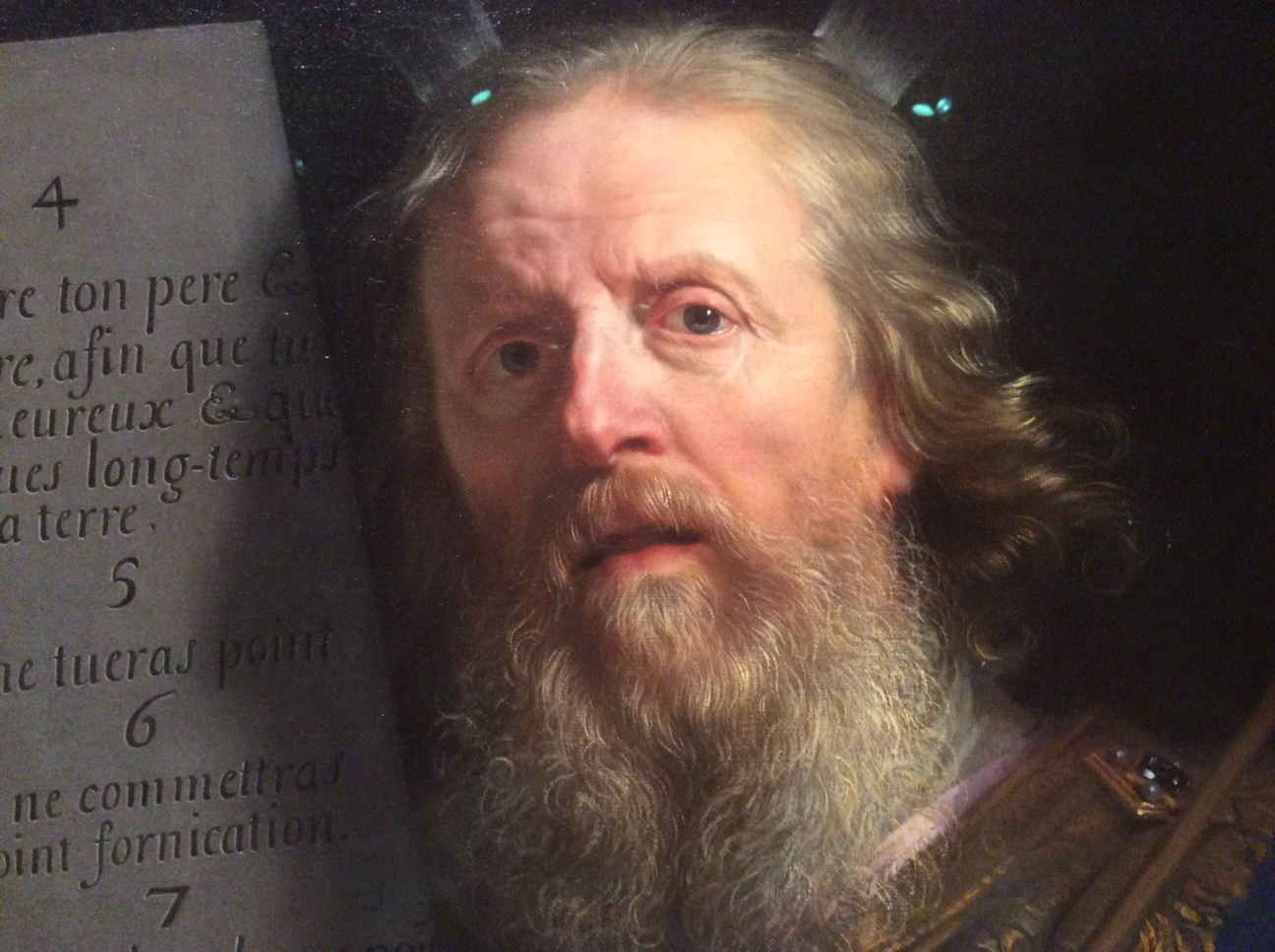
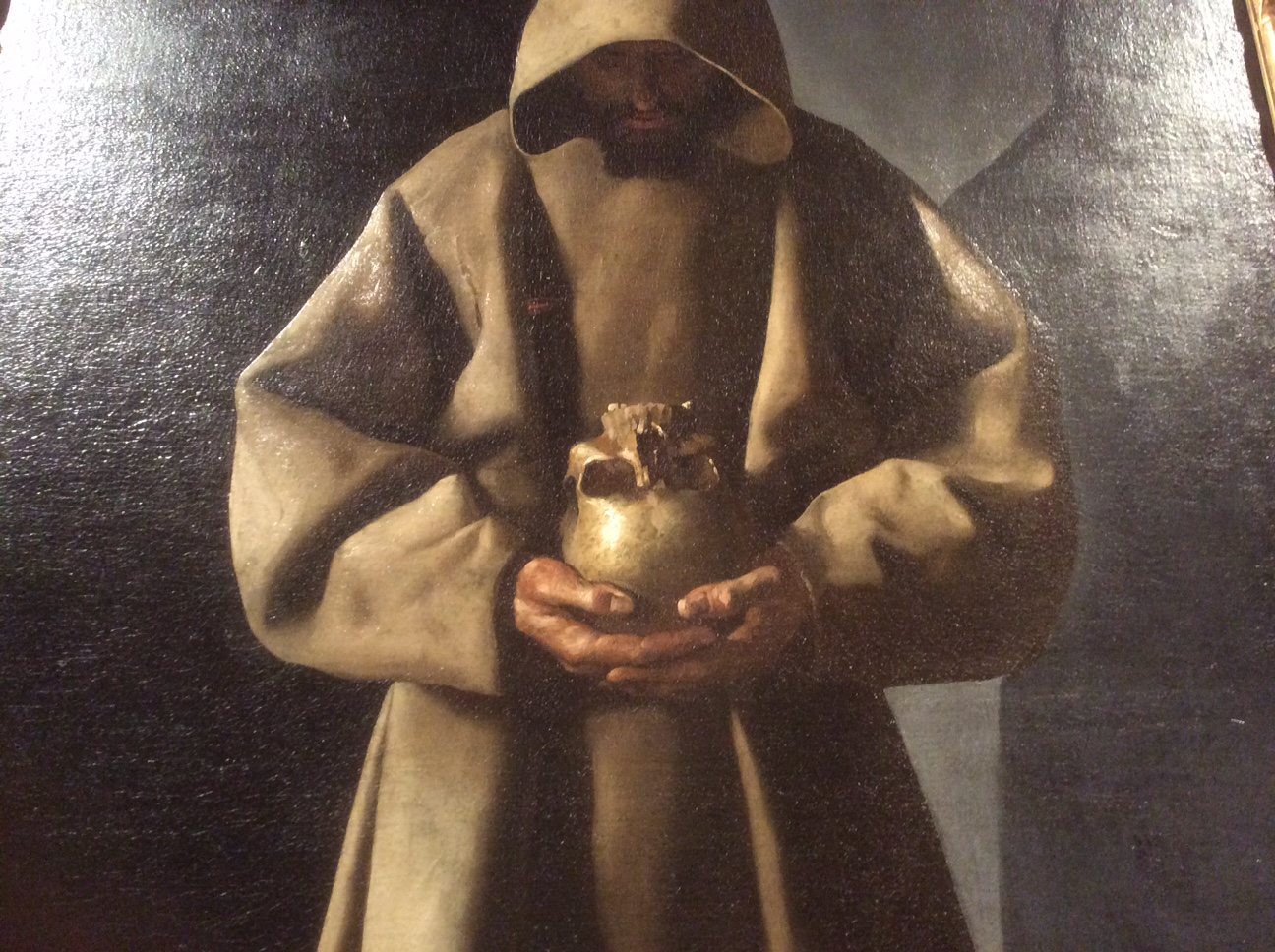
The images in this post were captured with my iPad. The above are details from
■ Yinka Shonibare’s “The Age of Enlightenment — Immanuel Kant” (2008)
■ Philippe de Champaigne’s “Moses Presenting the Tablets of the Law” (ca. 1648)
■ Roy Lichtenstein’s “Crying Girl” (1964)
■ ?
■ Paul Klee’s “Hot-Blooded Girl” (1938)
■ Anselm Kiefer’s “Midgard” (1982-85)
Yesterday we visited the Milwaukee Art Museum for the first time since its “grand reopening” following the expansion and redesign. My “discovery” this time was the mental juxtaposition of two St. Francis portraits separated by three centuries: Franciso de Zurbarán’s “Saint Francis of Assisi in His Tomb” (1630/34) and Préfète Duffaut’s “Sen Franswa” (1955).
The year in theater
Waiting for Godot at the always excellent Court Theatre, the National Theatre of Scotland and Royal Shakespeare Company’s Dunsinane at the Chicago Shakespeare Theater, and Moby Dick at the Lookingglass Theatre were the best of my 2015 theater experiences. In a year that included Shannon Cochran in Little Foxes, the unsettling but superbly acted Never the Sinner, the wildly offbeat Pilgrim’s Progress (one of the hottest tickets in the city), two Q Brothers’ productions, and my second time seeing The Book of Mormon, that is saying volumes. The finest performances of the year were Christopher Donahue as Ahab in Moby Dick, Mike Nussbaum as Gregory Solomon in The Price, and Lance Baker as Mr. Van Daan and O’Neill in Anne Frank and 1984, respectively. Again, singling out these actors when one considers Cochran as the imperious Regina Gidden, Alfred H. Wilson and Allen Gilmore as, respectively, Estragon and Vladimir, and Karen Janes Woditsch as Sister Aloysius in Doubt, is high, high praise.
■ Waiting for Godot (January; Court Theatre)
■ Dunsinane (March; Chicago Shakespeare Theater)
■ The Book of Mormon (March; Broadway in Chicago: Bank of America Theatre)
■ The Good Book (March; Court Theatre)
■ Les Miserables (March; Paramount Theatre)
■ The Little Foxes (May; Goodman Theatre)
■ Sense and Sensibility (May; Chicago Shakespeare Theater)
■ Doubt (June; Writers Theatre)
■ The Diary of Anne Frank (July; Writers Theatre)
■ Moby Dick (July; Lookingglass Theatre)
■ Q Gents (August; Illinois Shakespeare Festival)
■ Grand Concourse (August; Steppenwolf Theatre)
■ The Price (September; TimeLine Theatre)
■ East of Eden (September; Steppenwolf Theatre)
■ The Tempest (October; Chicago Shakespeare Theater)
■ 1984 (October; Steppenwolf Theatre)
■ Agamemnon (November; Court Theatre)
■ Never the Sinner (November; Victory Gardens Theater)
■ Pilgrim’s Progress (December; A Red Orchid Theatre)
■ Fallen Angels (December; Remy Bumppo Theatre Company)
■ Treasure Island (December; Lookingglass Theatre)
■ A Q Brothers’ Christmas Carol (December; Chicago Shakespeare Theater)
I also thoroughly enjoyed the following cinema broadcasts:
■ Aida (July; The Met: Live in HD (Fathom Events))
■ Hamlet (October; National Theatre Live (Cinema Broadcast))
■ The Winter’s Tale (November; Kenneth Branagh Theatre Live (Cinema Broadcast))
■ Coriolanus (December; National Theatre Live (Cinema Broadcast))
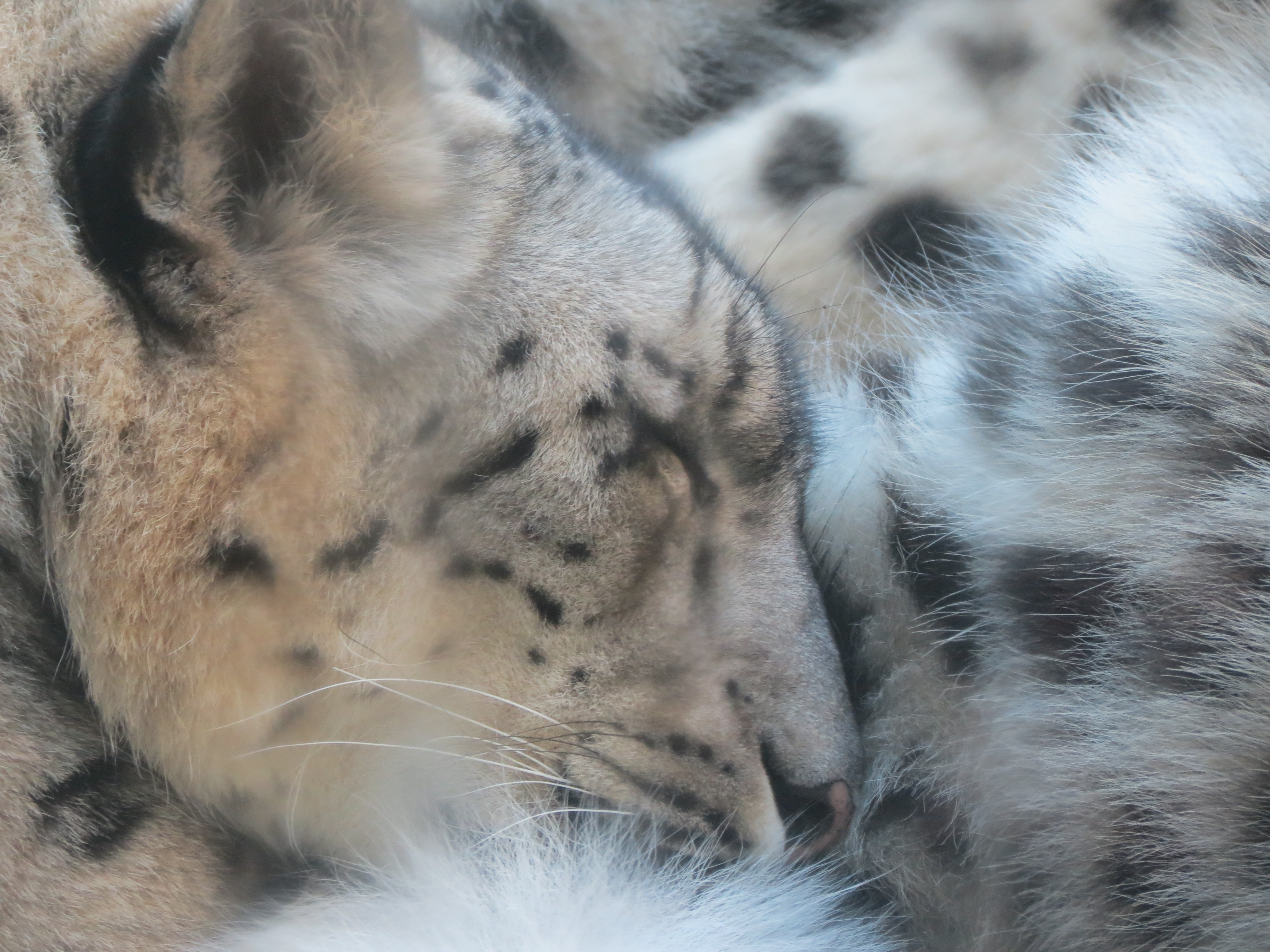
Christmas Day at Brookfield Zoo
Jólabókaflóð bounty
Happy jólabókaflóð!
We won’t exchange our book gifts until later this evening, but these are my companions until then. It delights me that how I have spent Christmas Eve for more than thirty years has a name: jólabókaflóð.
Lincoln Park Conservatory
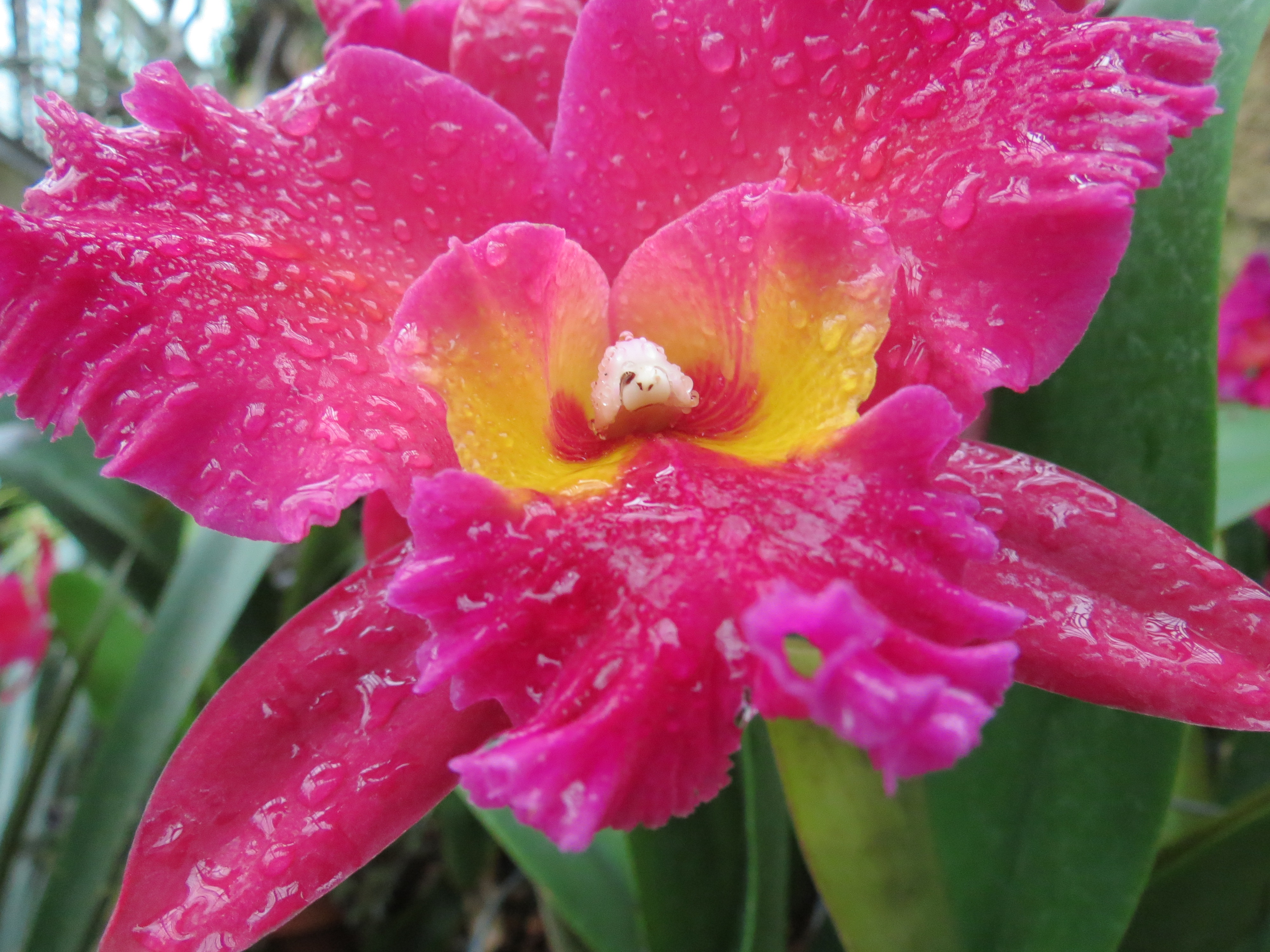
The Lincoln Park Conservatory, which is adjacent to the Lincoln Park Zoo, is one of my favorite spots in all of the greatest city in the world. To enter this building is to enter the otherworld.
On each of our last five or so visits, the most recent of which was yesterday, a character of a caretaker has held court with any visitor who will stop and listen. He is intent on letting each of us know that staff has been reduced, volunteers are none too plentiful, and the building is falling apart. The latter is apparent. The former? Not so much. The plants seem abundant and well cared for. The floors and bathrooms are clean. For all of its decrepitude, the building is beautiful. Isn’t this just “the way things are” in 2015? Many people, businesses, cities, countries have fewer resources to meet their needs, let alone their wish-list of hopes, dreams, and wants. We must do what we can with what we have. It seems that the time to rail about what was has passed — especially if one, after all, still has his job.
Surreal
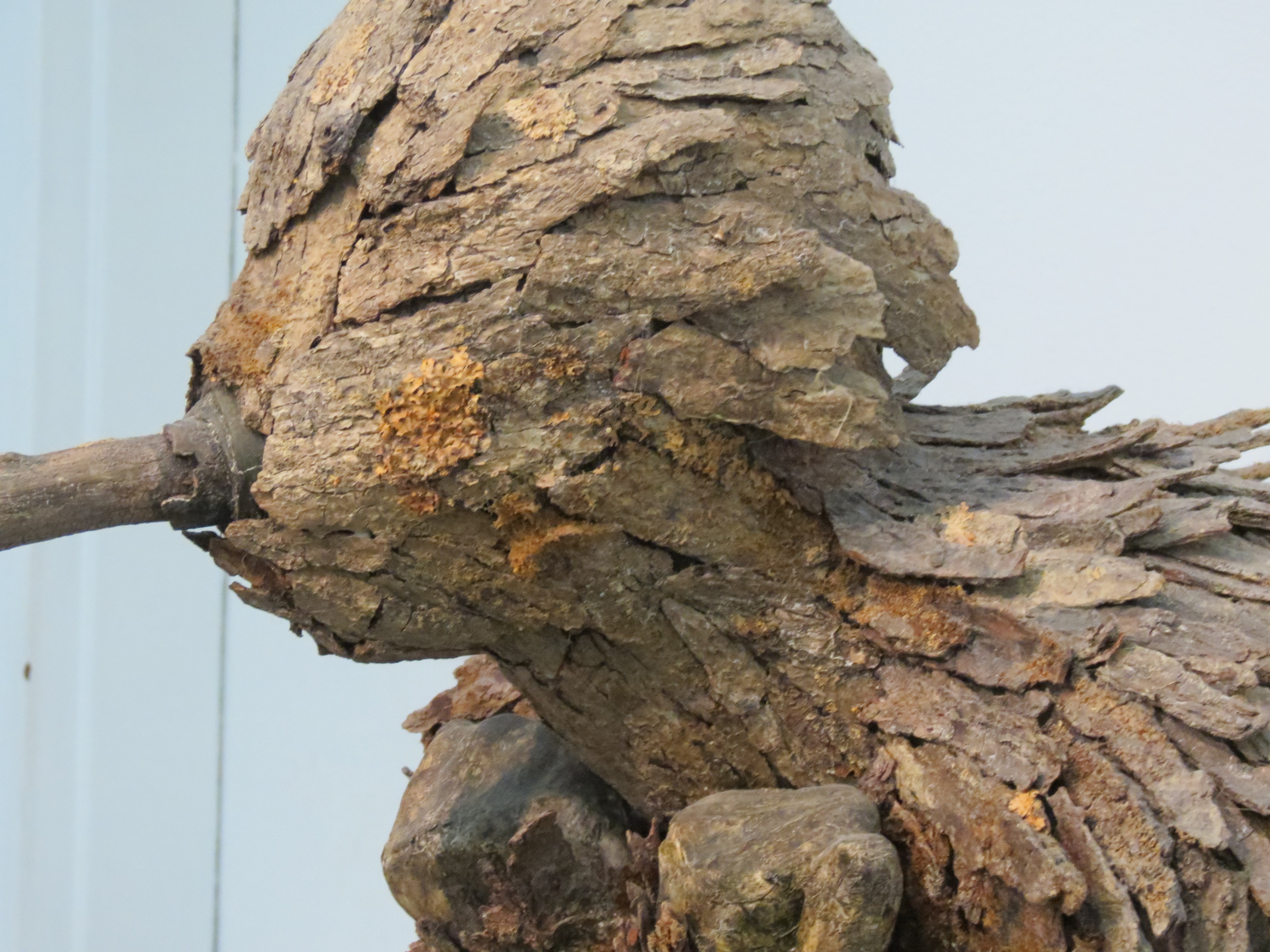
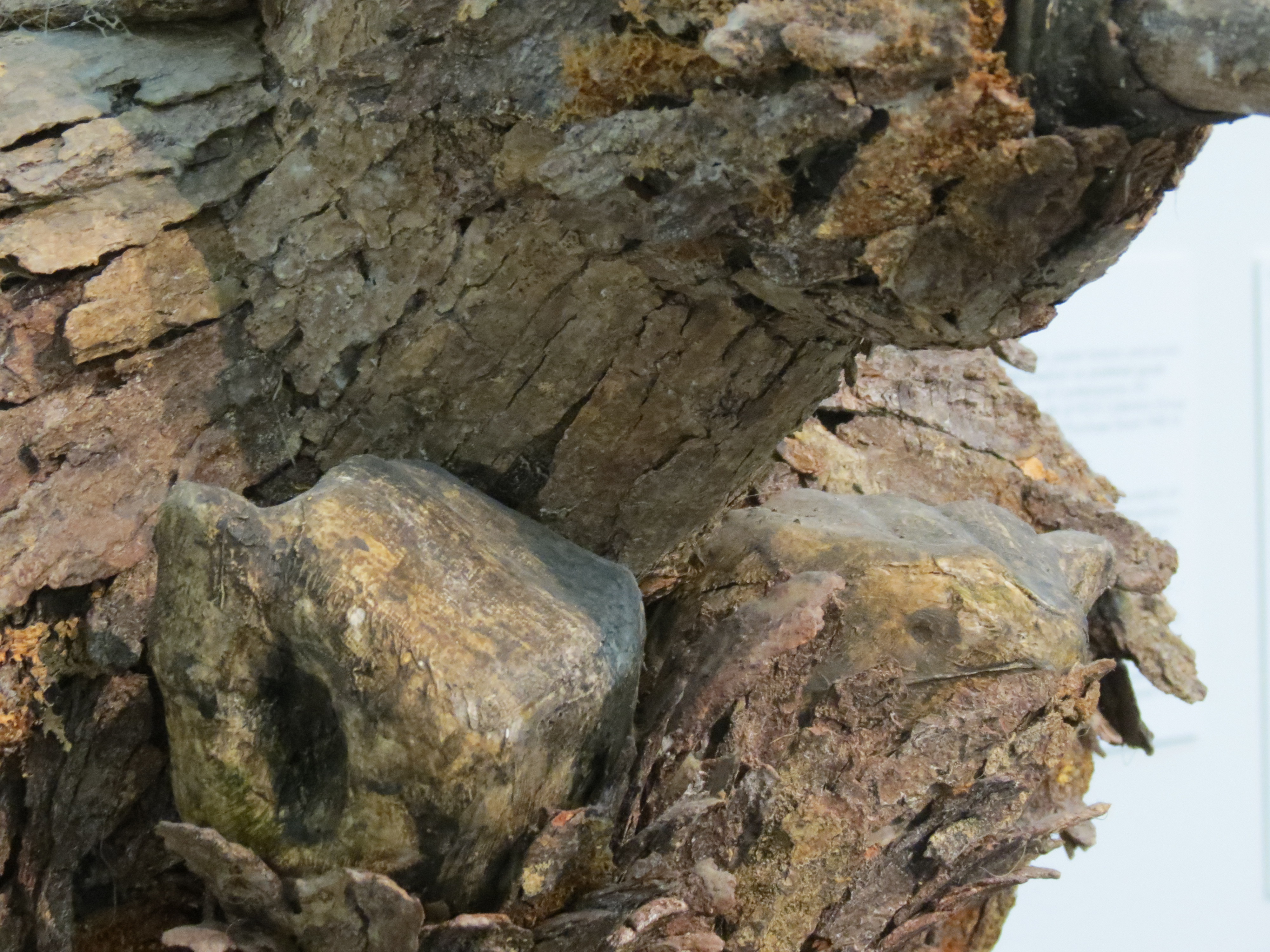
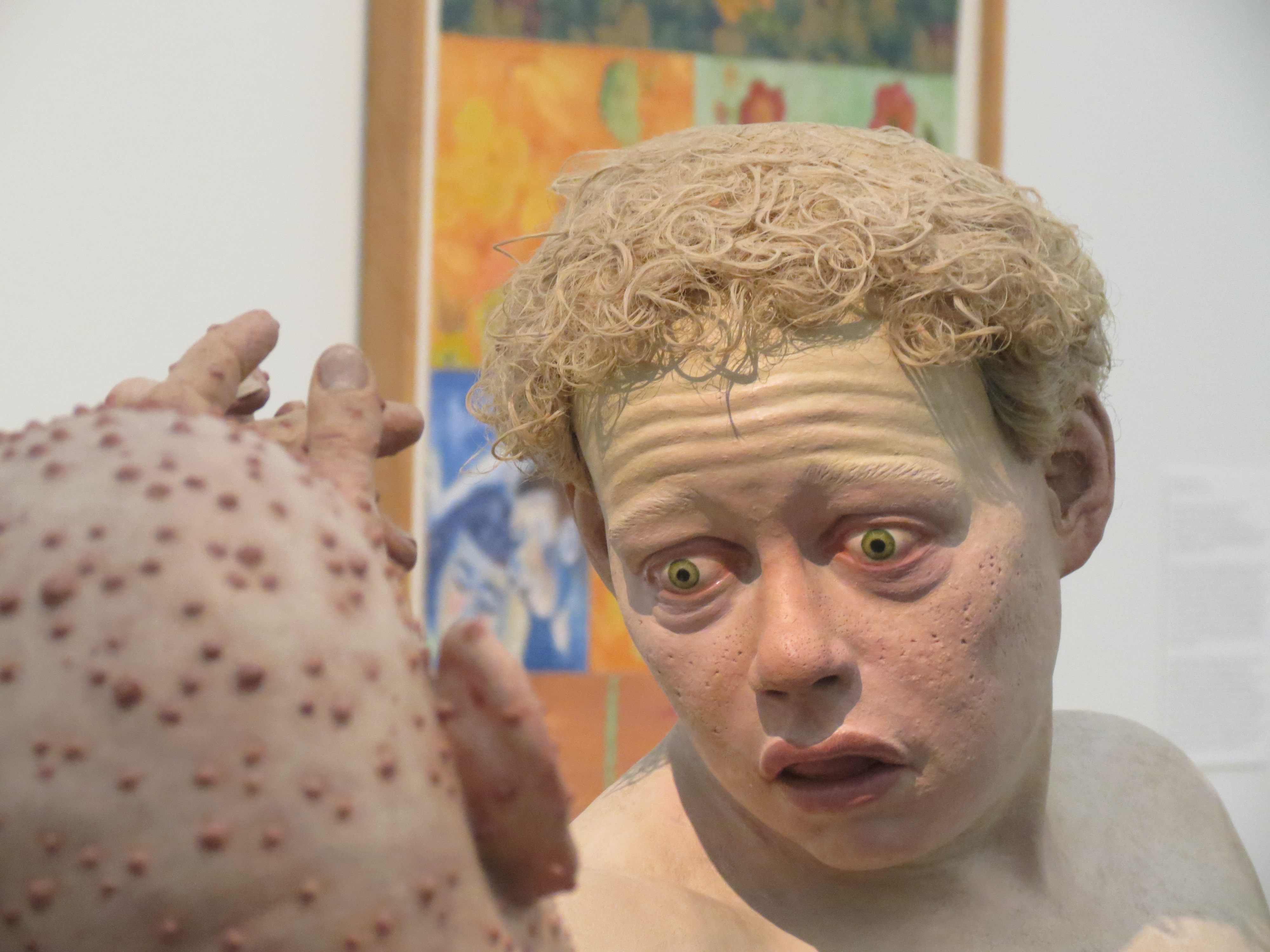
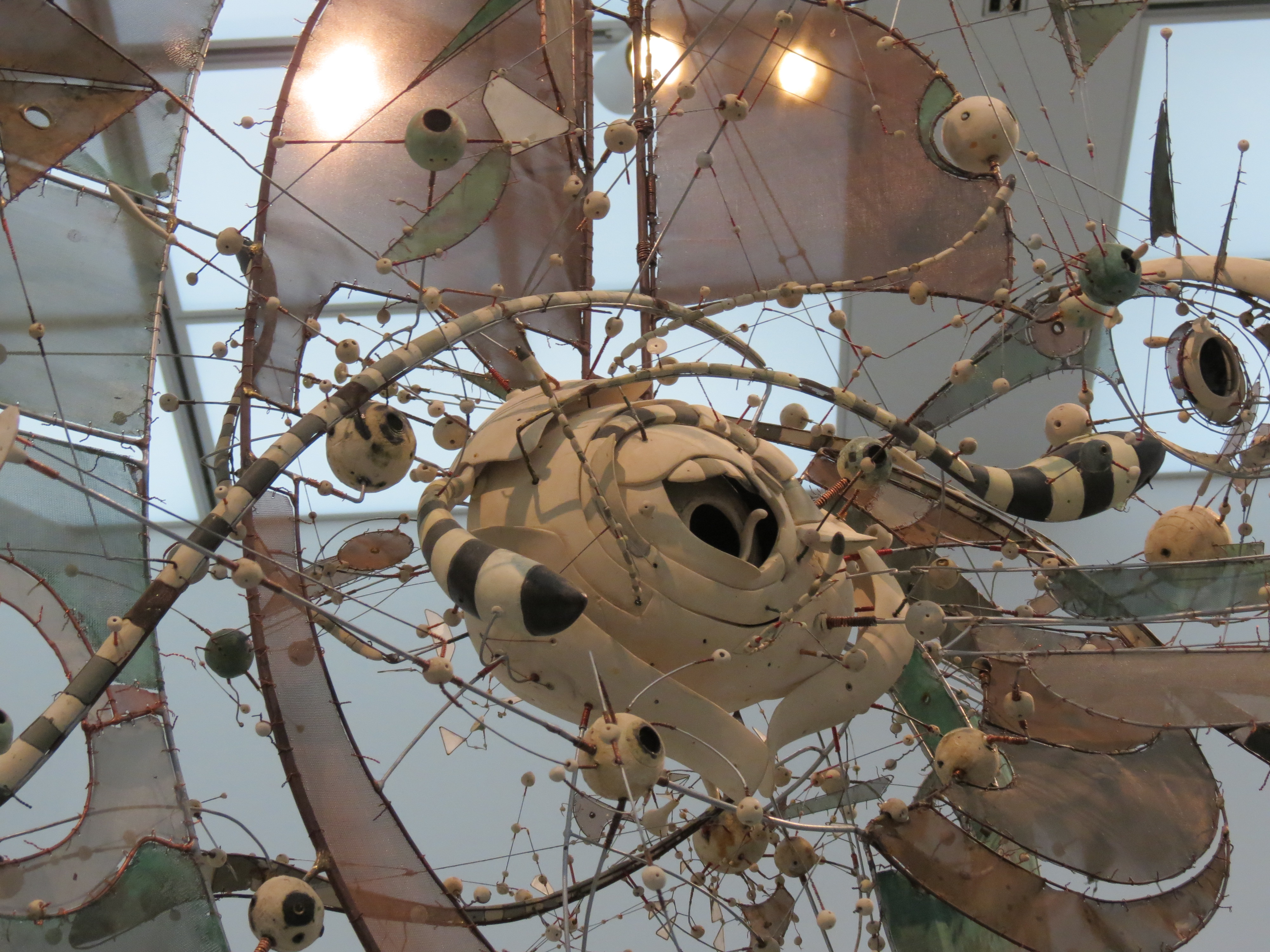
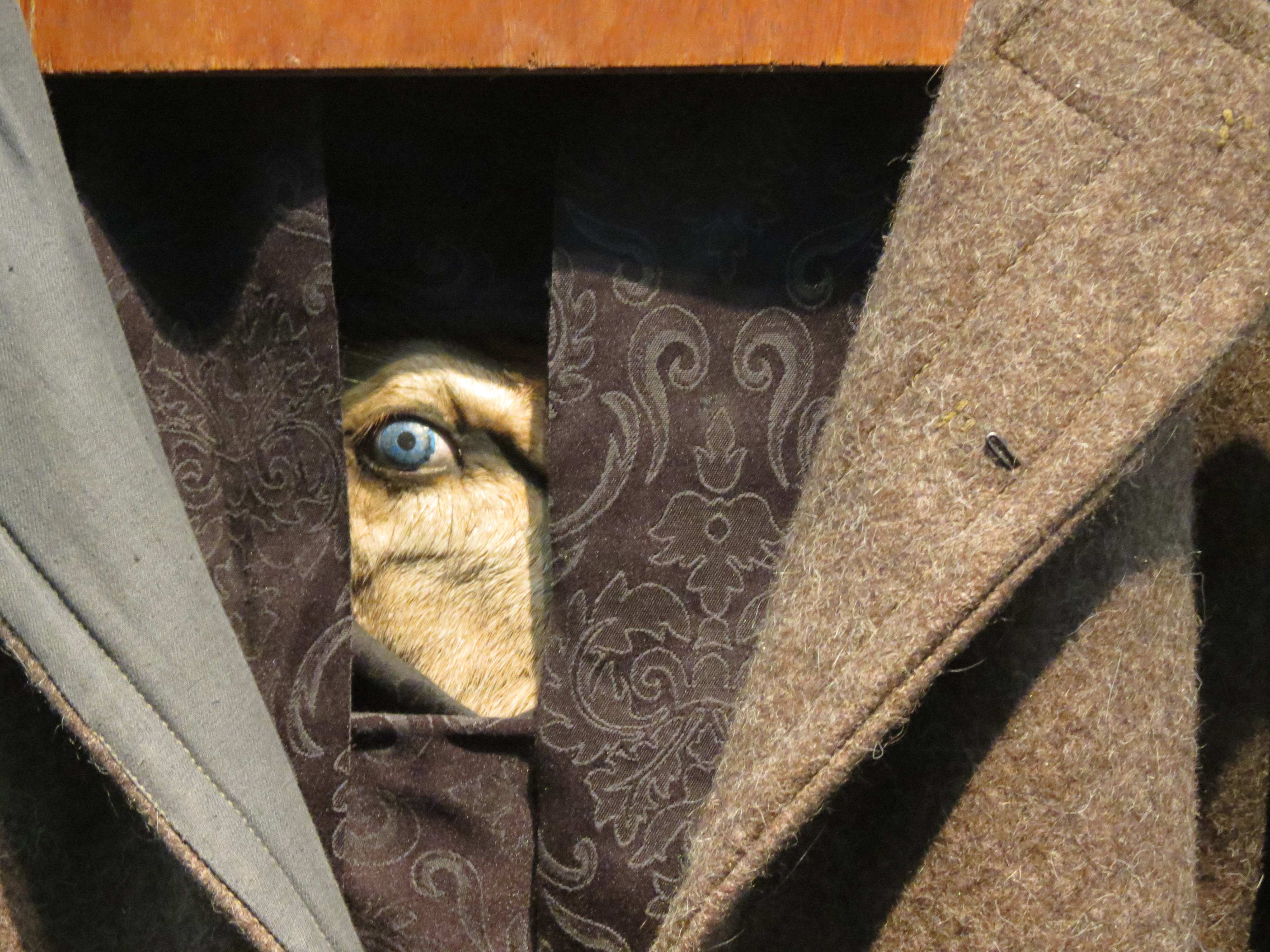
I captured these images as I wandered through the Museum of Contemporary Art exhibit “Surrealism: The Conjured Life” yesterday.
Detail from
■ Tom Czarnopys’ “Untitled” (1984)
■ Joseph Seigenthaler’s “The Couple” (1993)
■ June Leaf’s “But Alas, He was an artist”
■ Jimmie Durham’s “In a Cabin in the Woods” (2010)
■ Jean Dubuffet’s “La Verrue sous le nez (Wart Under the Nose)” (1951)
■ Lee Bontecou’s “Untitled” (1990-2000)