On the nightstand

Recently finished:

High-Rise (J.G. Ballard; 1975 (2012 reprint). 208 pages. Fiction.)
First published thirty years ago, High-Rise is a slick, smart dystopian parable. Most people are familiar with Ballard’s Empire of the Sun (which was adapted by Spielberg into a film of the same title), but it’s his novels that earned him the adjective “Ballardian.” I liked this brisk work; it felt a bit like Lord of the Flies peopled by suburban adults.

The Martian (Andy Weir; 2014. 384 pages. Fiction.)
I’m not sure I can lend anything original to the general love heaped on Weir’s book. It’s certainly great fun, and we’re looking forward to seeing the movie.

Killing and Dying (Adrian Tomine; 2015. 160 pages. Graphic Fiction.)
If you’re not already a fan of graphic works, I entreat you to set aside any misgivings and/or preconceptions you may have and get a copy of this book now. Yes, this is a well drawn collection; Tomine effortlessly demonstrates what the genre can achieve in capable hands. But more importantly, it is a terrifically told collection, one that elicits involuntary gasps when it reminds us — as the best fiction will — that stories often reveal far greater truths that non-fiction ever could. Tomine demonstrates absolute mastery of the short story form with this work.

The Empty, Volume 1 (Jimmie Robinson; 2015. Graphic Fiction.)
The art was quite beautiful, actually, but the narrative was… “gappy,” for lack of a better word. More, the abrupt resolution makes me wonder if there will even be a Volume 2.

Descender, Volume 1: Tin Stars (Jeff Lemire; 2015. 160 pages. Graphic Fiction.)
Sweet Tooth was my introduction to Lemire, and I greatly admired that series. Descender, which is obviously inspired in part by Iron Giant, Battlestar Galactica, and A.I., is promising.

In progress:

1984 (George Orwell; 1949 (1961 ed.). 328 pages. Fiction.)
A re-read in anticipation of the Steppenwolf production.

Agamemnon (Aeschylus; 458 B.C.E. (1984 ed.). 340 pages. Drama.)
In anticipation of the Court Theatre production.

A Head Full of Ghosts (Paul Tremblay; 2015. 304 pages. Fiction.)
Although I am only 65 pages in, I can already assure you this will be one of my favorite books of the year. What a splendidly well written piece of horror / psychological thriller fiction.

My ideal bookshelf

Three years ago, I pressed My Ideal Bookshelf on anyone who would listen. “If you’re a reader,” I insisted, “you will love this book!” Well, my affection for the book continues unabated, so I’d like to recommend it once again. Your wish list will grow, as will your TBR pile. You will engage in a conversation with each contributor — even if just to exclaim inwardly, Oh! I have that, too! or to furrow your brow, Really? And you will labor over your own “ideal bookshelf.”

DSC_0142

From Ideal Bookshelf:

The books that we choose to keep and display—let alone read—can say a lot about who we are and how we see ourselves. In My Ideal Bookshelf, one hundred leading cultural figures, including writers Chuck Klosterman, Jennifer Egan, and Michael Chabon, musicians Patti Smith and Thurston Moore, chefs and food writers Alice Waters and Mark Bittman, and fashion designers Kate and Laura Mulleavy of Rodarte, reveal the books that matter to them most—books that reflect their obsessions and ambitions and in many cases helped them find their way in the world.

Original paintings by artist Jane Mount showcase the selections, with colorful, hand-lettered book spines and occasional objets d’art from the contributors’ personal bookshelves. The paintings are accompanied by first-person commentary drawn from interviews with editor Thessaly La Force, which touch on everything from the choice of books to becoming a writer to surprising sources of inspiration. This exquisite collection provides rare insight into the creative process and artistic development of today’s most intriguing writers, innovators, and visionaries.

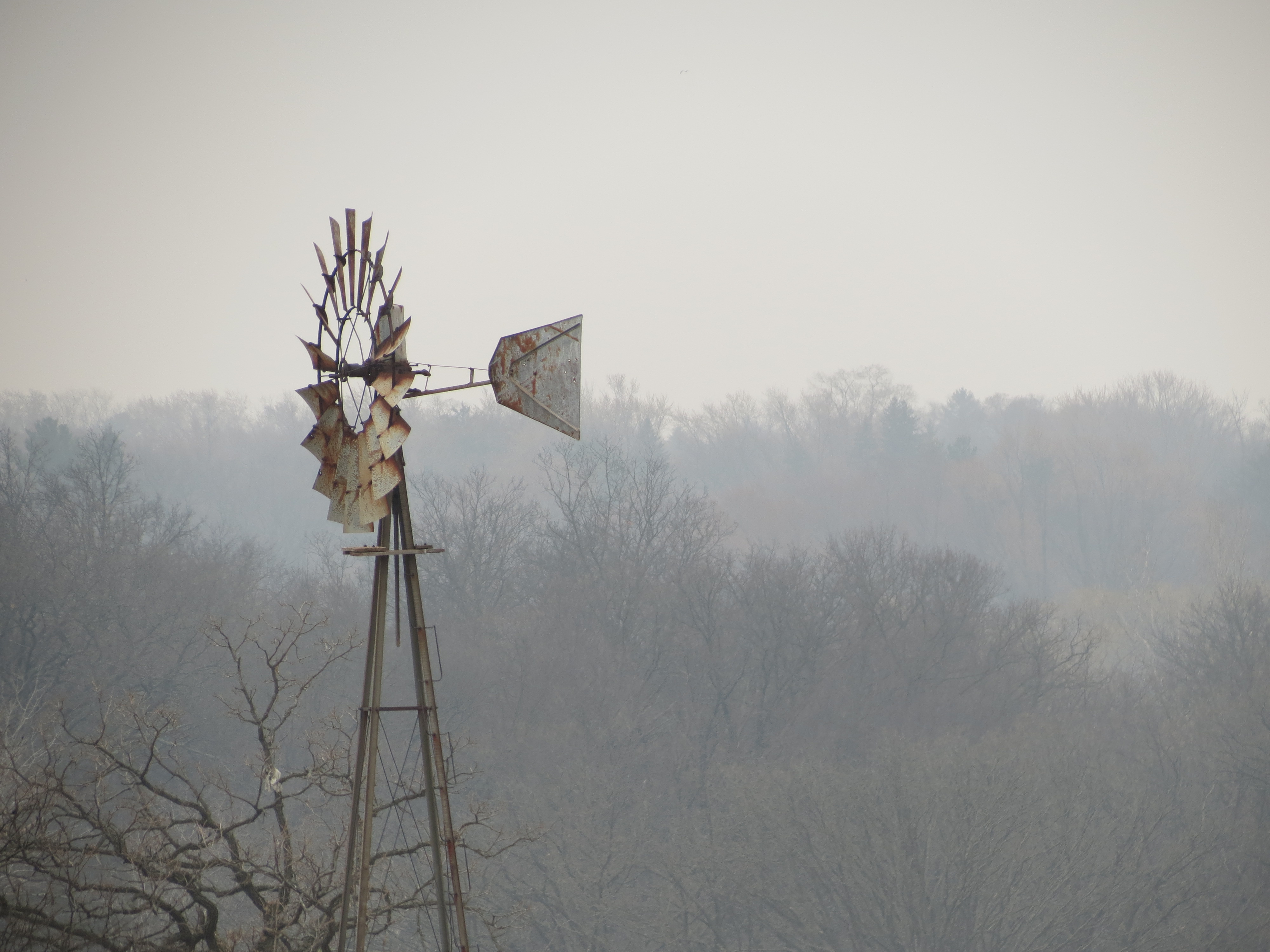
A walk in the woods

From Anna Botsford Comstock’s Handbook of Nature Study:

In my belief, there are two and only two occupations for Saturday afternoon or forenoon for a teacher. One is to be out-of-doors and the other is to lie in bed, and the first is best. Out in this, God’s beautiful world, there is everything waiting to heal lacerated nerves, to strengthen tired muscles, to please and content the soul that is torn to shreds with duty and care.

IMG_5209[1]IMG_5201[1]

“And let me speak to th’yet unknowing world….”

In Hamlet: Poem Unlimited, Harold Bloom notes:

[W]ithout Horatio, we are too distanced from the bewildering Hamlet for Shakespeare to work his guile upon us… Horatio pragmatically is the most important figure in the tragedy except for Hamlet himself. Through Horatio we the audience contaminate the play.

[…]

Highest and lowest are one in the Hamlet-world. But they aren’t for us, and our representative in that world is Horatio. Where theatricalism governs all, and Hamlet is master of the revels, we hold fast to Horatio, who is too drab to be theatrical. We hope we are not drab, but we cannot keep up with Hamlet who is always out ahead of himself.

In other words, we need Horatio. We need him to mediate the larger-than-life-ness, the all-at-once-ness, and the too-too-much-ness that is, as Bloom calls it, Hamlet-world. We need Horatio to be the one reliably real thing in the matryoshka-doll nesting of plays within plays within plays that is Shakespeare’s Hamlet.

And yet the Sonia Friedman production of Hamlet now at London’s Barbican Theatre (yes, the one starring Benedict Cumberbatch) features a wan and rather clueless Horatio, one who fails to give us anything to which we can hold fast during Hamlet’s whirlwind tour of life, man’s universe, and everything in it. Through this failure, this lack of a good and true Horatio, Hamlet becomes just a man — a smart man, a conflicted man, a man aware of all his thoughts and feelings and more aware of them than any other man before or since, a man of exuberant, often excessive drama, but still, just a man. And Shakespeare created something more than just a man when he created Hamlet.

The last time I was this disappointed in Horatio was nine years ago to the week, when I saw the Terry Hands production of Hamlet at the Chicago Shakespeare Theater. How do directors arrive at an interpretation of the play that robs the audience of its one reliable companion for the journey?

Not that there isn’t much to recommend here, from the unconventional star’s turn in a bucket-list role to the jaw-dropping set and its many effects, from the twitchy heartbreak Ophelia represents to the intelligent self-possession Gertrude uncovers. National Theatre Live has already announced its encore performances. It is $20 well spent.

At the Art Institute

IMG_5181

IMG_5183

IMG_5186

IMG_5193

IMG_5195

IMG_5196

IMG_5203

IMG_5214

IMG_5222

IMG_5227

IMG_5235

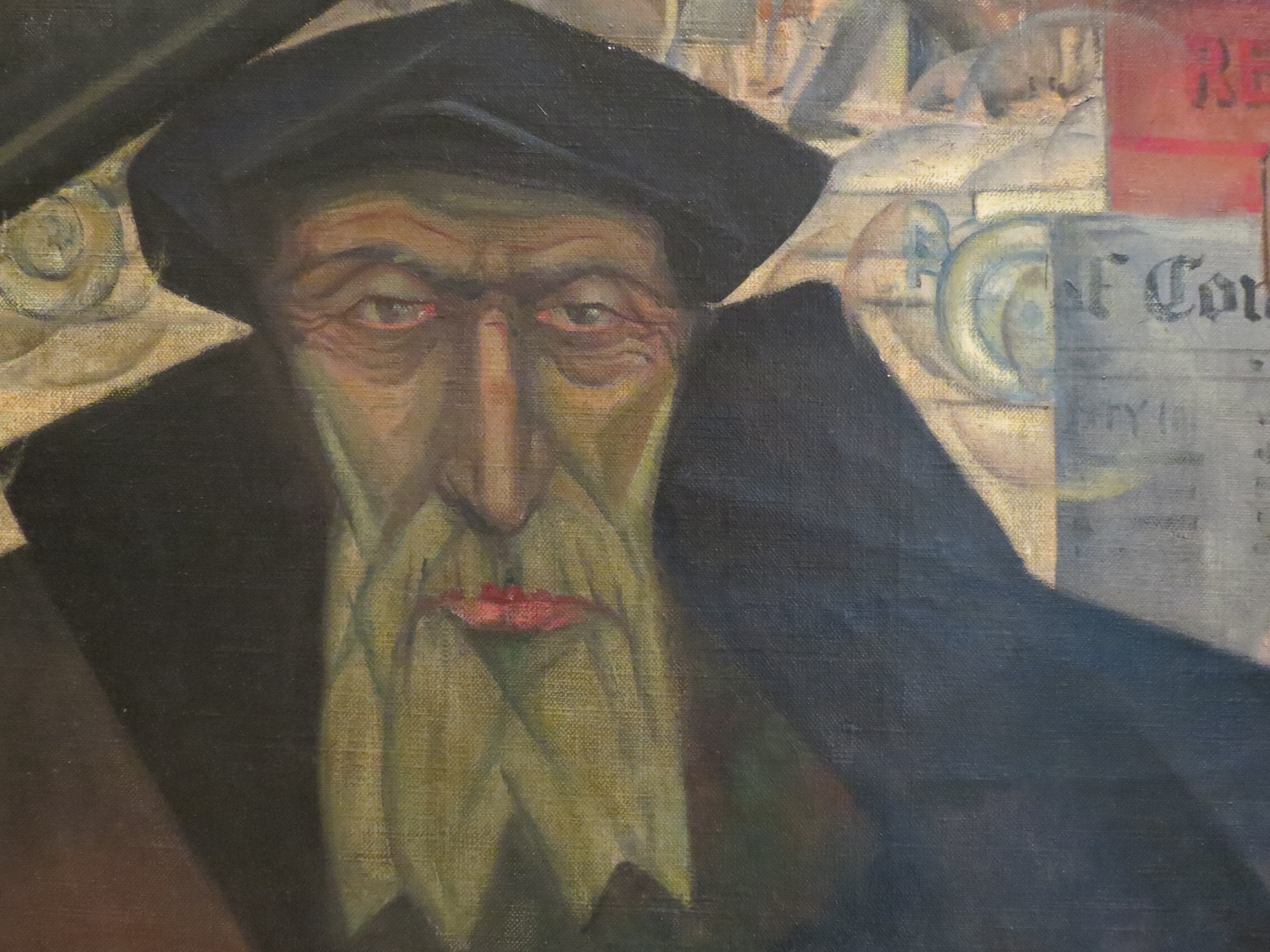
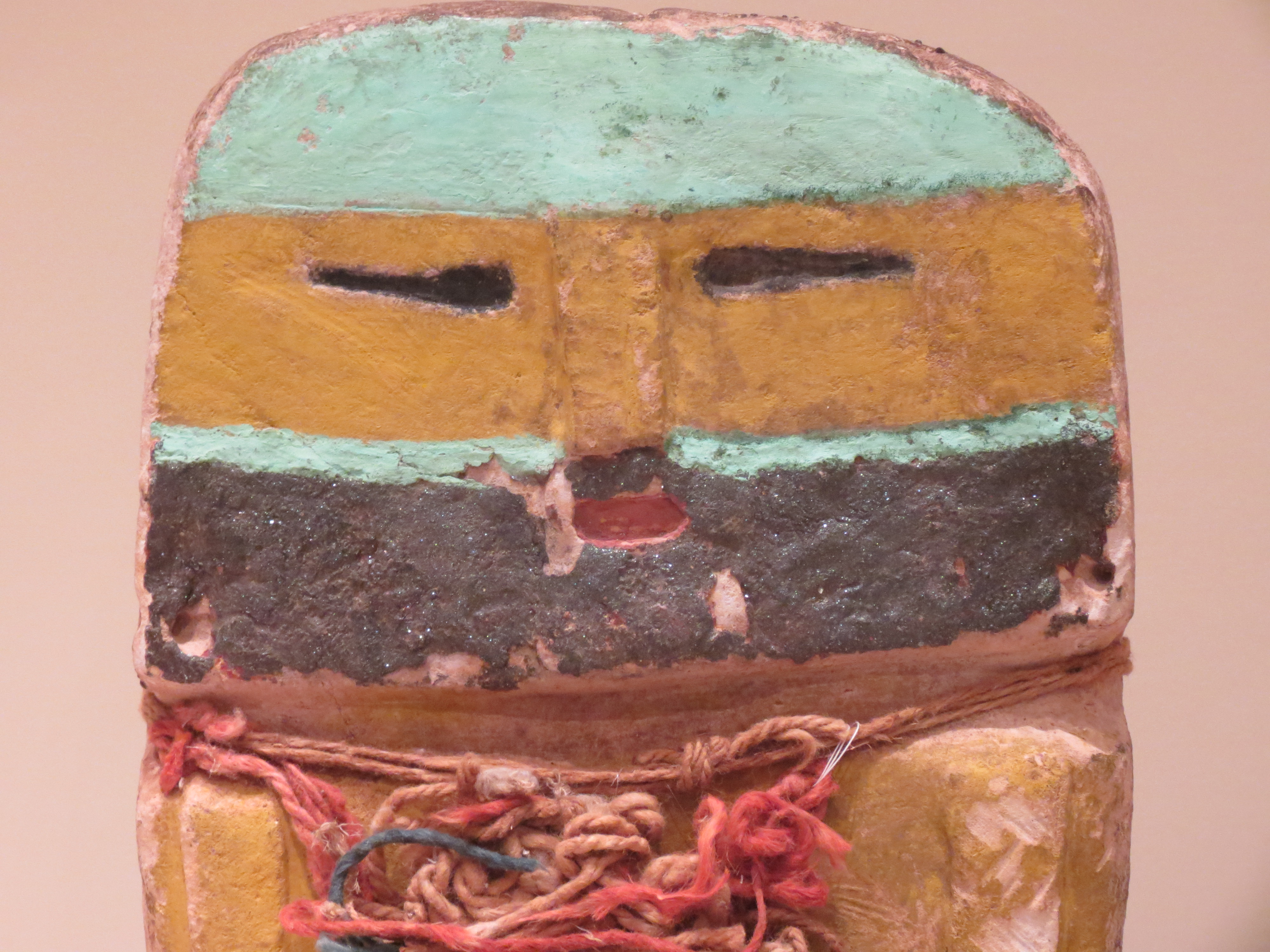
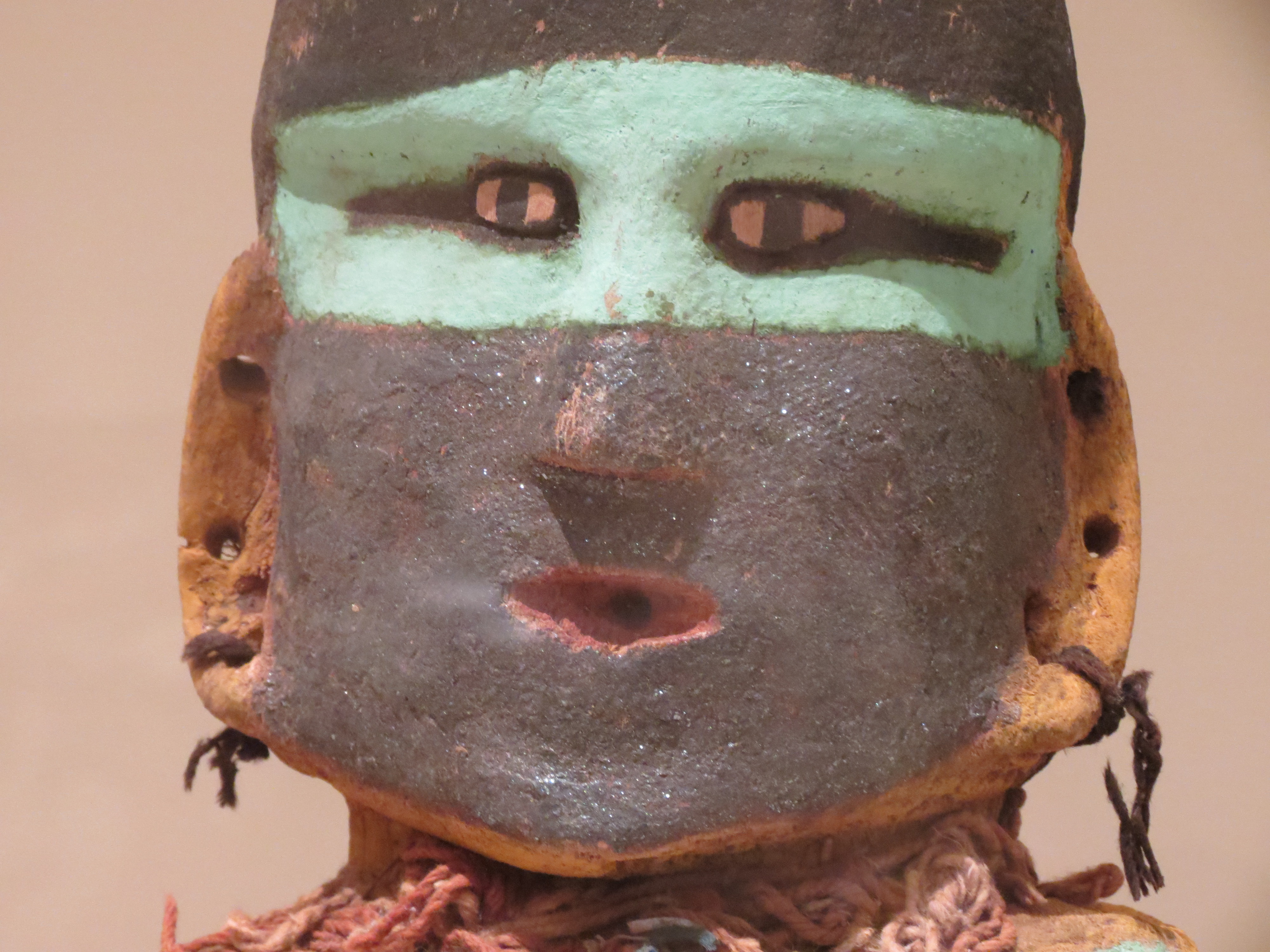
IMG_5239Of particular interest at the Art Institute of Chicago last week:

Charles Ray: Sculpture, 1997–2014 (images above)
Jean-Luc Mylayne: Mutual Regard (no images in this post)
Jackson Pollock’s Greyed Rainbow, 1953 (image detail above)
■ The Honoré-Victorin Daumier “heads” (one pictured above)
Conservation Live: Francis Picabia’s “Edtaonisl”
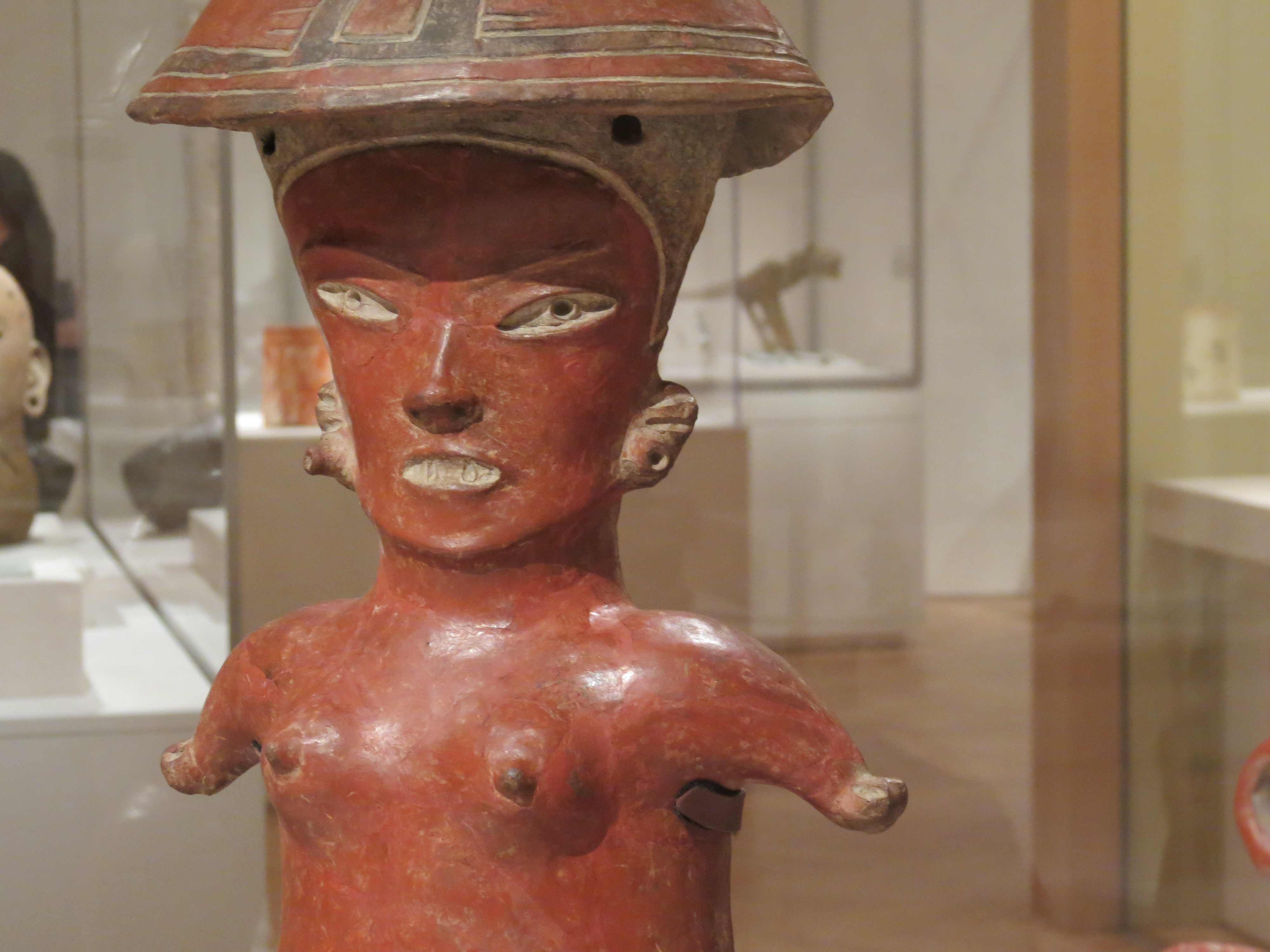
Indian Art of the Americas (images above)

The secret lives of objects

IMG_5111

IMG_5113

IMG_5116

IMG_5120

IMG_5123

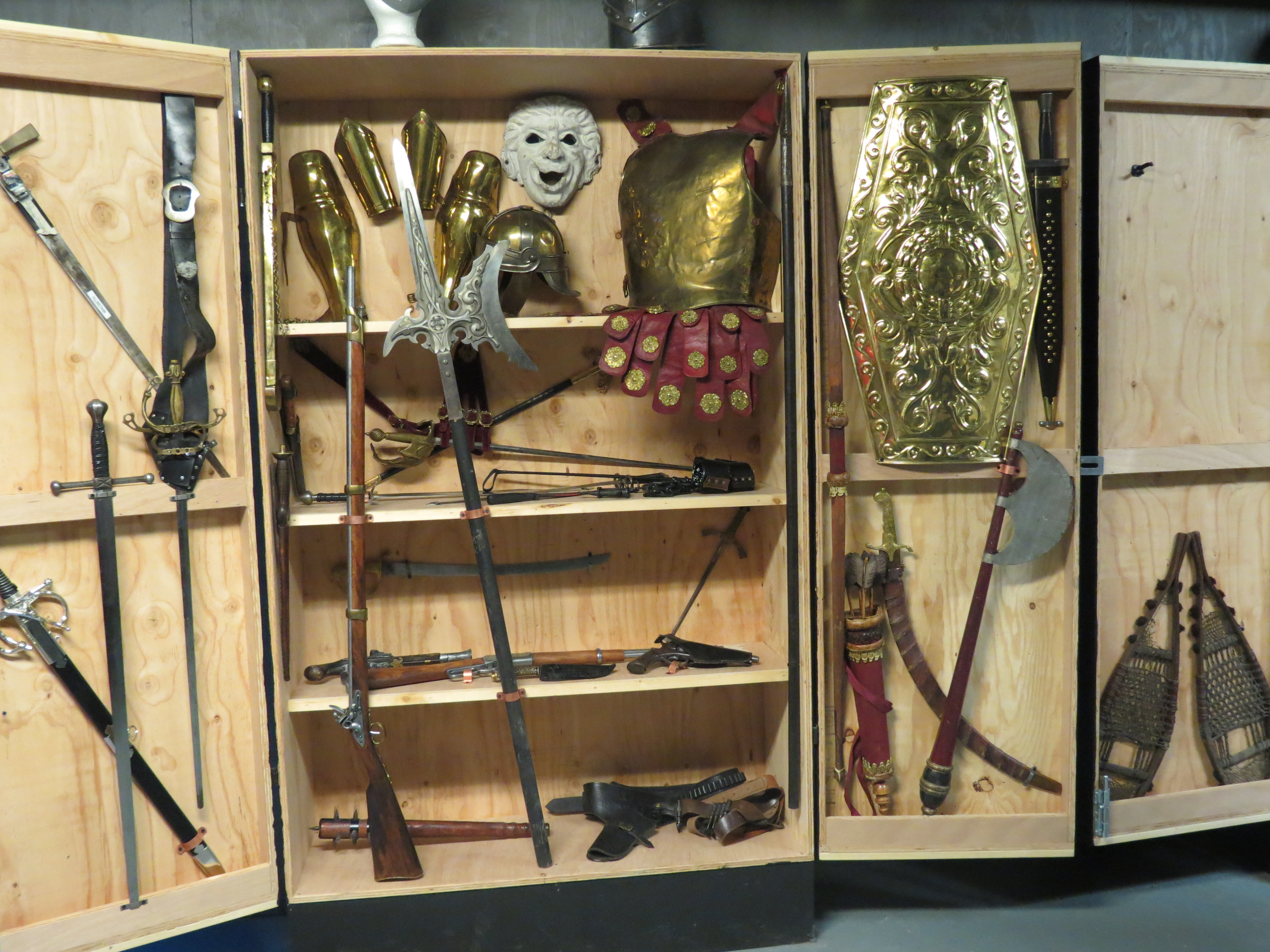
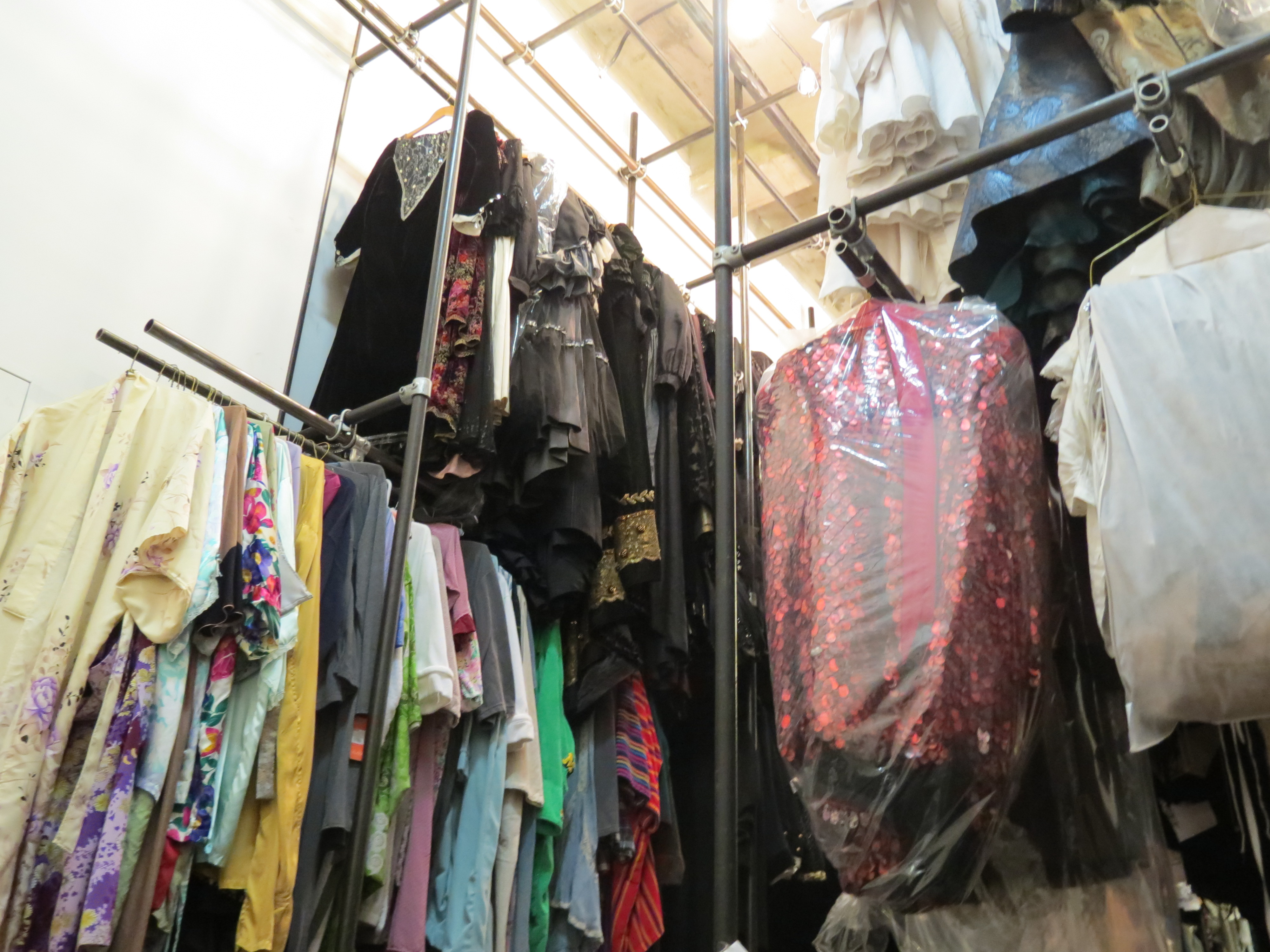
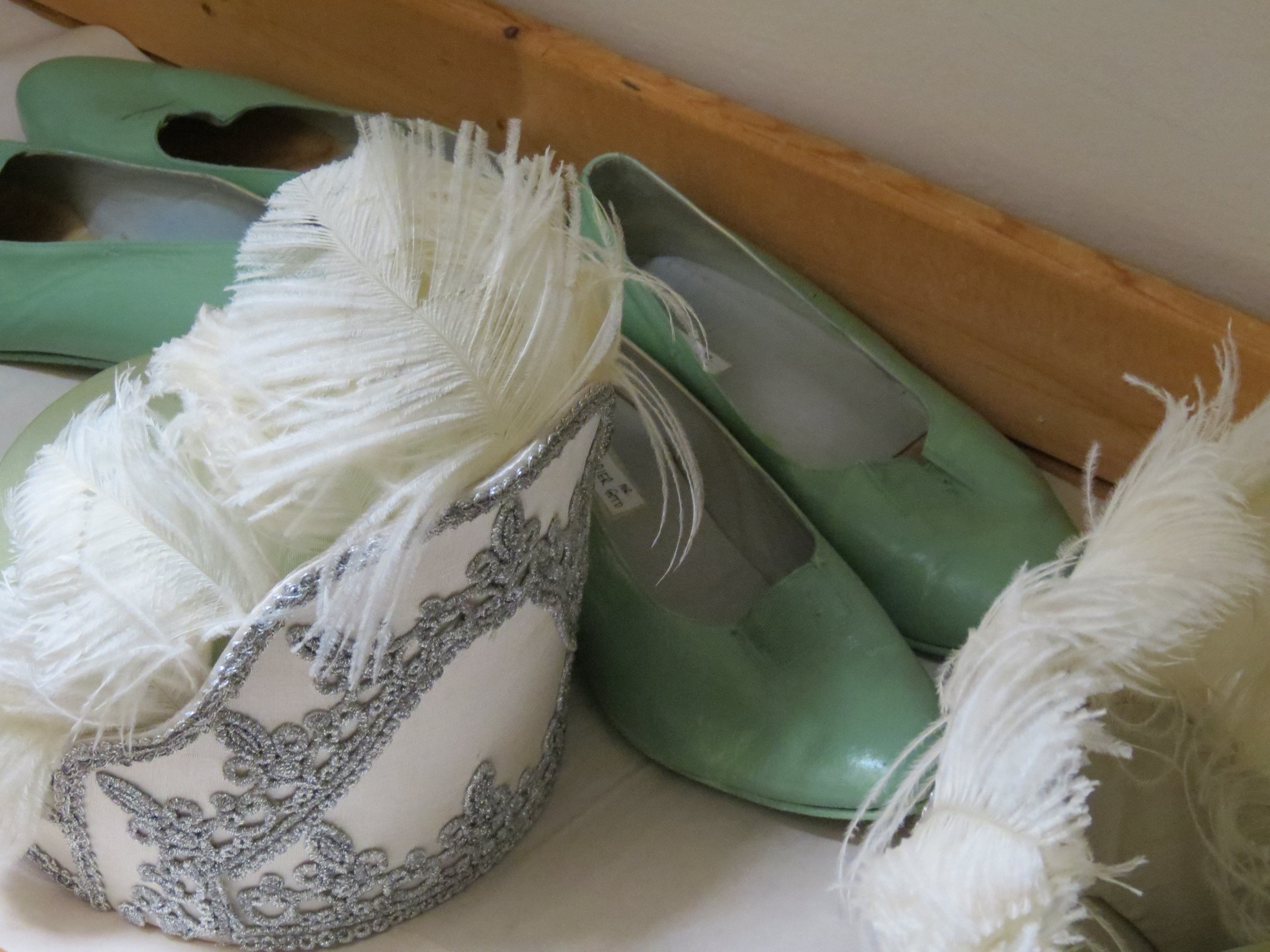
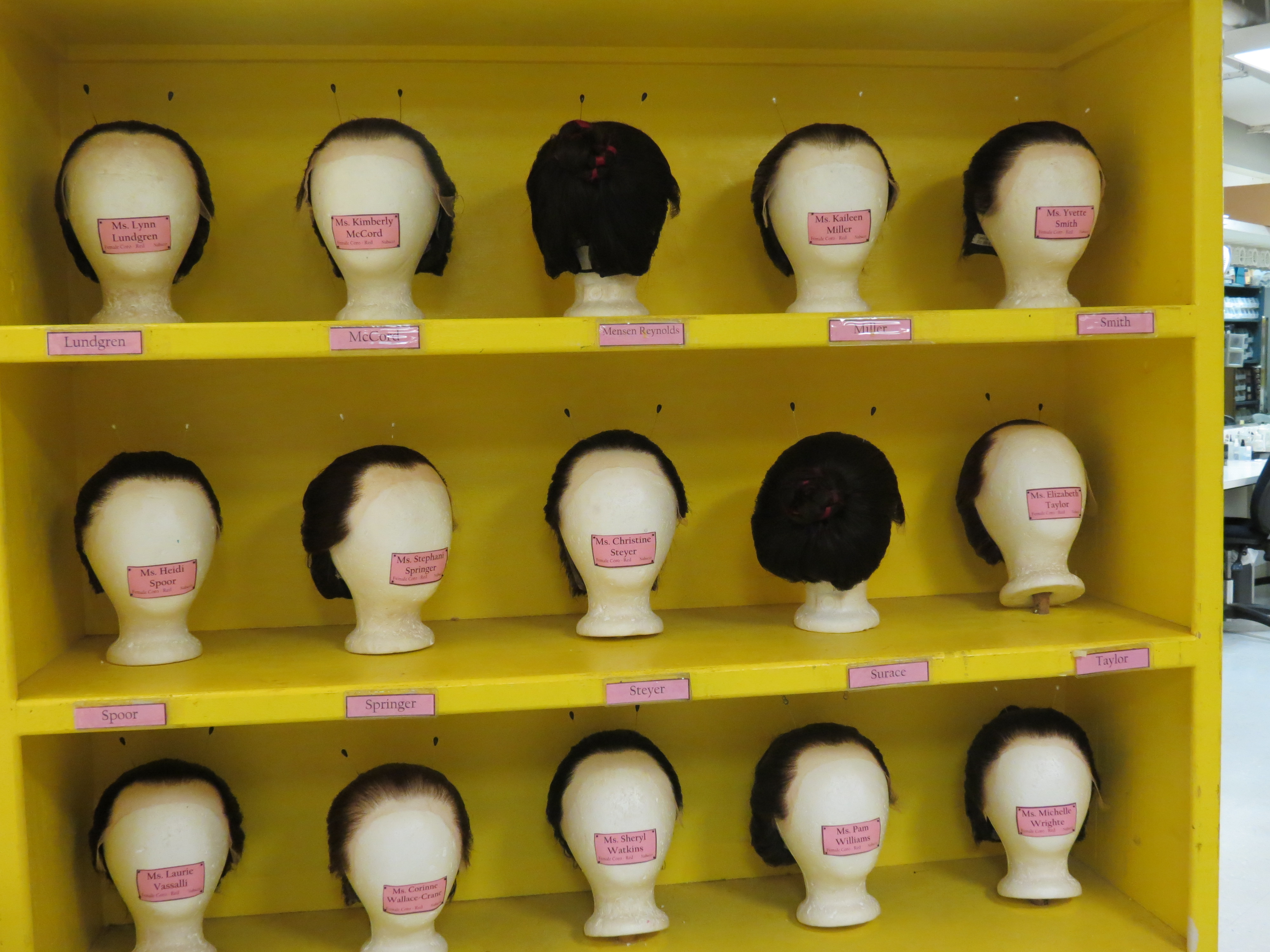
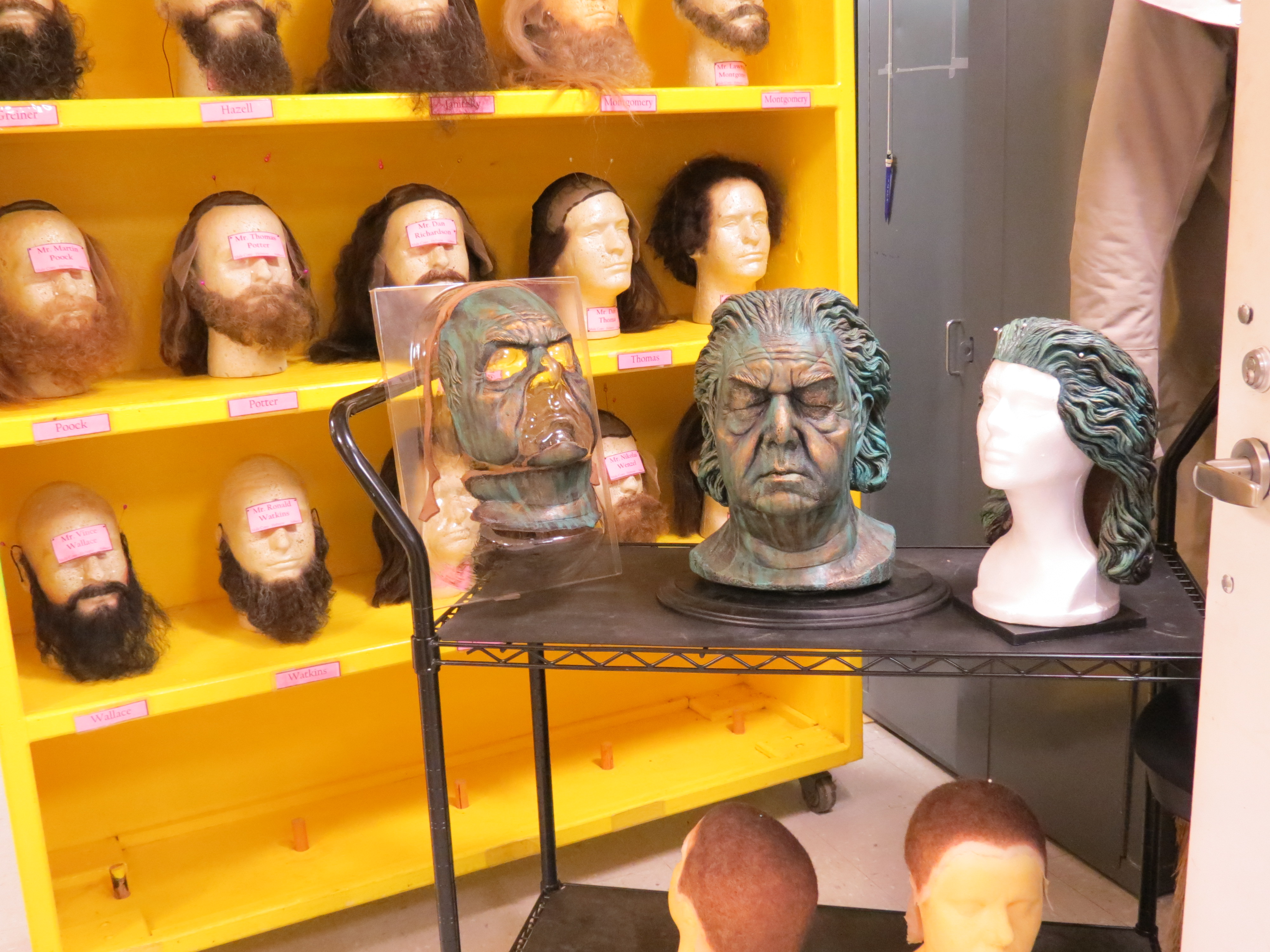
My family visited the Chicago History Museum yesterday, where we enjoyed “The Secret Lives of Objects” before experiencing one of the best museum tours. EVER. If you’re in the city, visit this treasure of a museum, and ask if Elizabeth will be leading any tours that day. She is a gifted docent.