Practice

IMG_7196

From Bill Richardson’s charming novel, Bachelor Brothers’ Bed & Breakfast:

Many people have had this experience, I think, especially where music is concerned. We become steeped in the notion that if we can’t excel, there’s little point in pursuit.

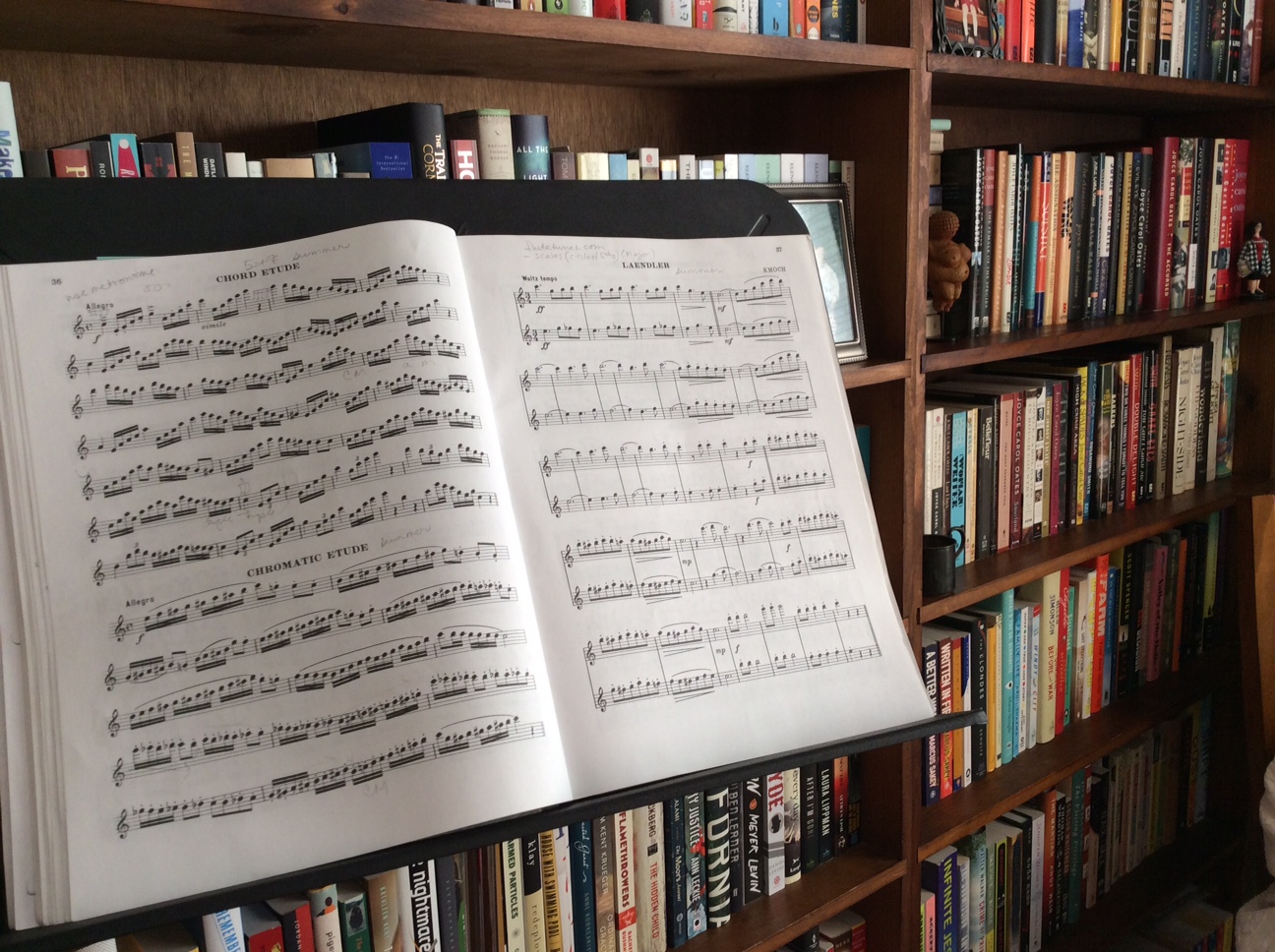
As I’ve maintained before, for me, the pursuit is the point, although when I studied piano, I regularly likened the pursuit to learning a second language as an adult: No matter how much I practiced, facility eluded me, and my “accent” was unmistakable. Now that I teach English to adult non-native speakers, the comparison seems quite apt, but my flute teacher (I’ve been studying flute since September 2014) prefers to focus not on the disadvantages but the many, many advantages adult learners have over younger learners, including their maturity about practice and the purity of their motivation.

I will try to remember that when I screw up the chord and chromatic études yet again. Heh, heh, heh.

Mental geography

IMG_6704

IMG_6707

IMG_6710

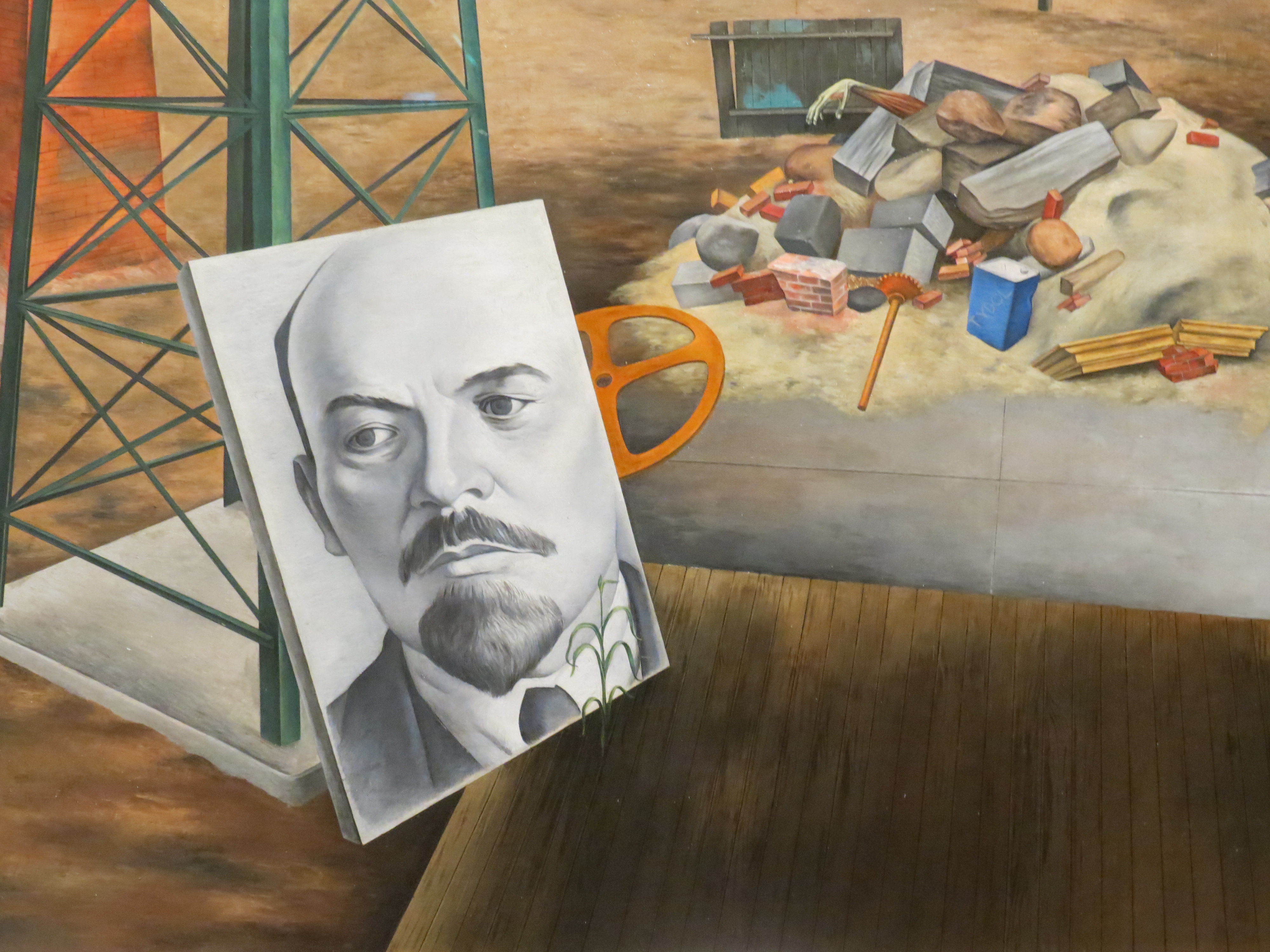
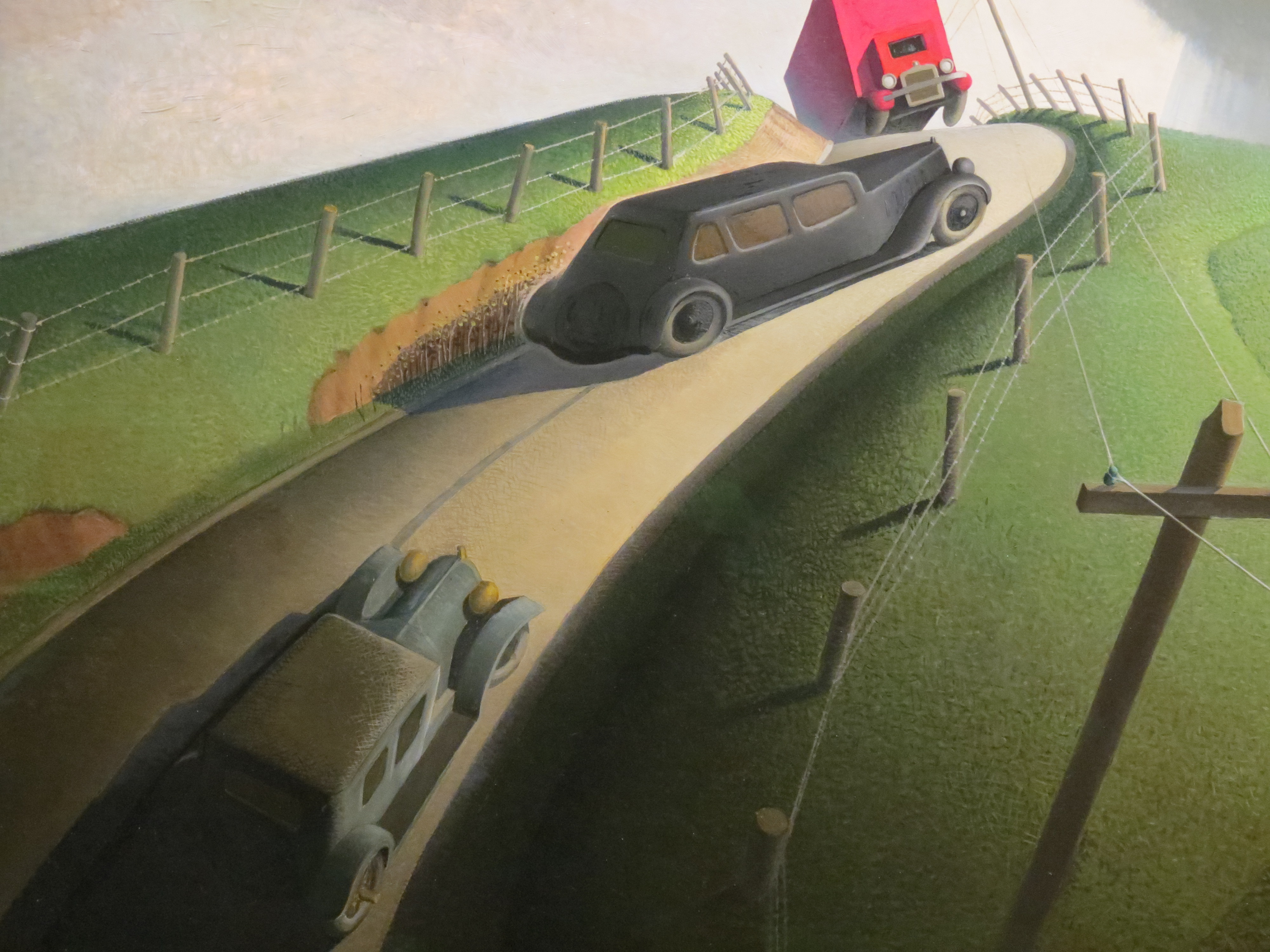
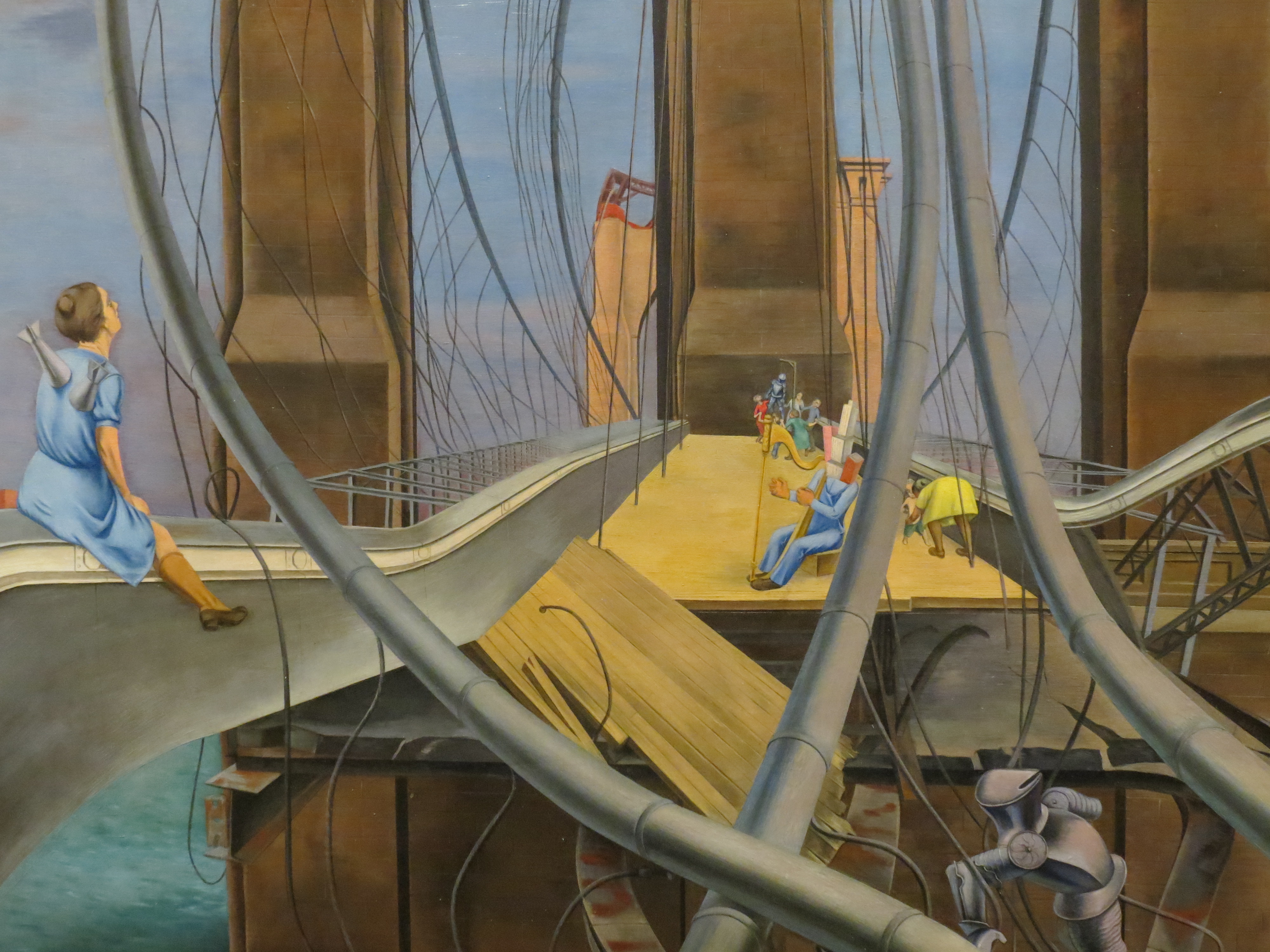
The following images were taken during the Member Preview of the Art Institute’s “America after the Fall: Painting in the 1930s,” which runs through September 18.

■ O. Louis Guglielmi’s “Phoenix (Portrait in the Desert: Lenin)” (1935)
■ Grant Wood’s “Death on Ridge Road” (1935)
■ O. Louis Guglielmi’s “Mental Geography” (1938)

“I want to believe.”

IMG_7012

Neither the family calendar nor the family disposition permits what folks now routinely describe as “binge-watching,” but my group has enjoyed watching several series the way one might read a long novel — a chapter or two at a time. We’re currently on Episode 17 of Season 6 of The X Files, and, no question, the Smoking Man is one of the most compelling characters. Here are the series we’ve particularly enjoyed:

■ Lost
■ Sherlock Holmes
(The Complete Granada Television Series, featuring Jeremy Brett)
■ Veronica Mars
■ Planet Earth
■ Slings and Arrows
■ Buffy the Vampire Slayer
■ Sherlock
■ Elementary
■ The West Wing
■ Colony
■ The X Files

On the subject of “binge-watching,” a recent scholars’ luncheon whet our appetites for Tug of War: Foreign Fire, and the reviews are good: WSJ, Trib, Sun-Times. Six-plus hours of Shakespeare!

The year (so far) in theater

■ A Q Brothers’ Christmas Carol (January; Chicago Shakespeare Theater)
■ The Heir Apparent (January; Chicago Shakespeare Theater)
■ Marjorie Prime (January; Writers Theatre)
■ The Winter’s Tale (January; Shakespeare Project of Chicago)
■ Cymbeline (February; Shakespeare Project of Chicago)
■ Romeo and Juliet (March; Lyric Opera)
■ Arcadia (March; Writers Theatre)
■ Long Day’s Journey into Night (March; Court Theatre)
■ Othello (March; Chicago Shakespeare Theater)
■ The Life of Galileo (April; Remy Bumppo Theatre Company)
■ Cardenio (April; Shakespeare Project of Chicago)
■ Richard III (April; The Gift Theatre at The Garage: Steppenwolf Theatre)
■ Othello: The Remix (April; Chicago Shakespeare Theater)

“This time it’s just simply my bedroom…”

IMG_6402

IMG_6406

IMG_6410

IMG_6412

IMG_6414

IMG_6422

IMG_6424

IMG_6428

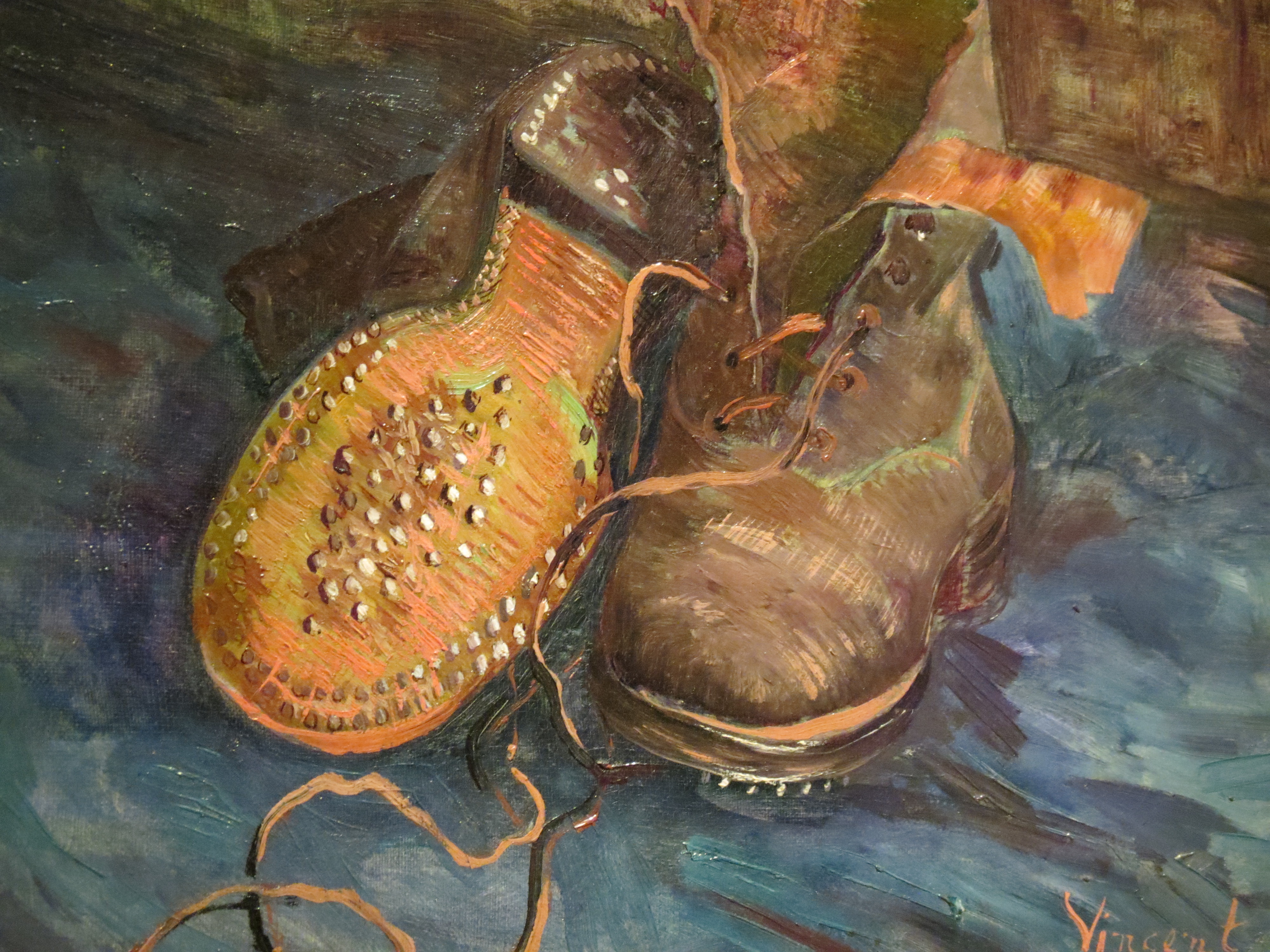
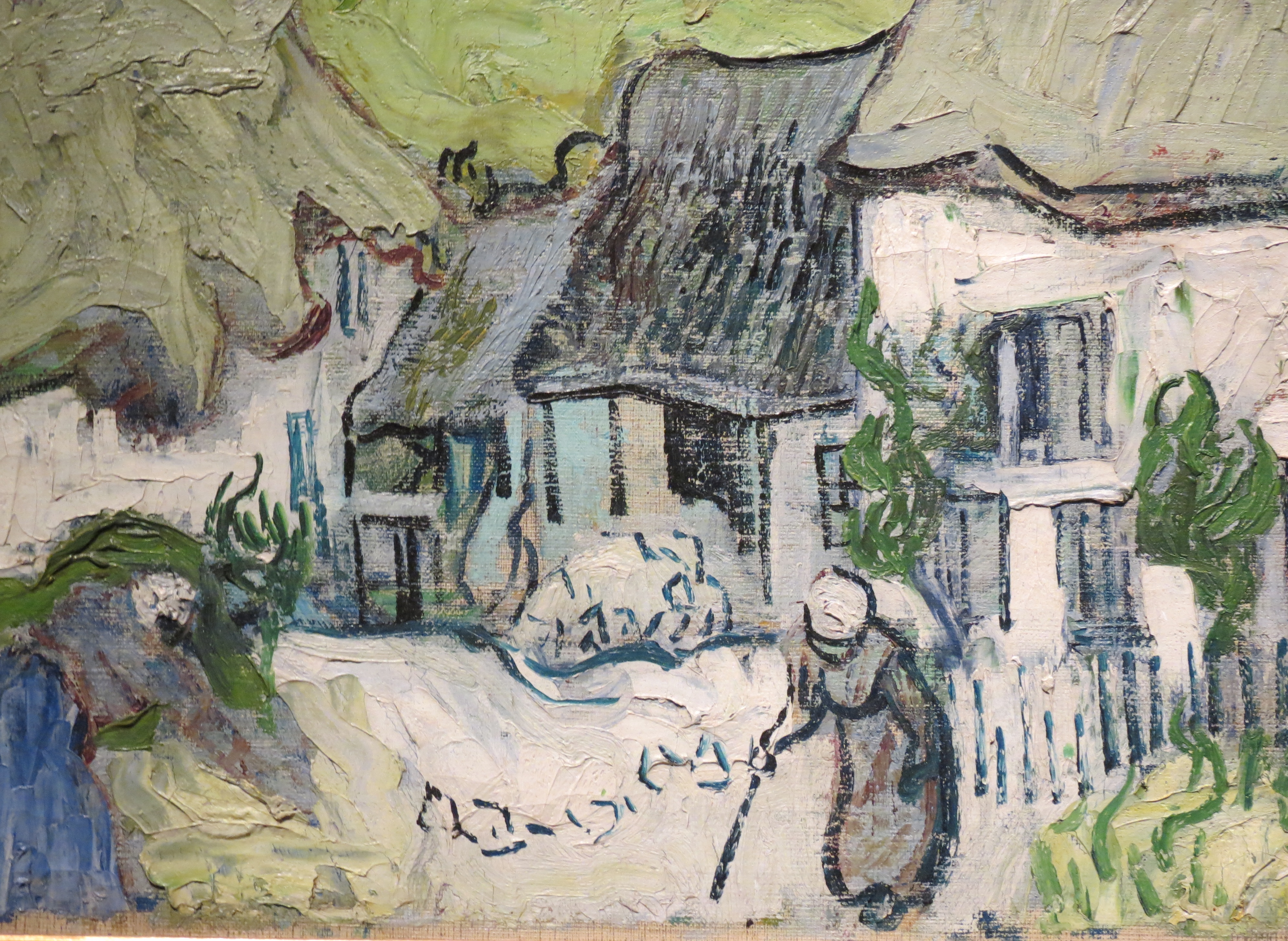
I took the images above at the Art Institute’s “Van Gogh’s Bedrooms” exhibit, which runs through May 10.

■ “Parisian Novels” (1887)
■ “A Pair of Shows” (1887)
■ A letter to Theo
■ An early sketch of the bedroom from a letter to Theo
■ “Self-Portrait” (1889)
■ “A Corner of the Asylum and the Garden with a Heavy, Sawed-Off Tree” (1889)
■ “Thatched-Roofed Cottages of Jorgus” (1890)
■ “Hospital at Saint-Rémy” (1889)

On the nightstand

Since my last bookish post, I’ve read:

■ The Invaders (Karolina Waclawiak; 2015. Fiction.)
■ A Mother’s Reckoning: Living in the Aftermath of Tragedy (Sue Klebold; 2016. Non-fiction.)
■ In a Dark, Dark Wood (Ruth Ware; 2015. Fiction.)
■ What She Left Behind (Ellen Marie Wiseman; 2013. Fiction.)
■ Missoula: Rape and the Justice System in a College Town (Jon Krakauer; 2015. Non-fiction.)
■ Mr. Penumbra’s 24-Hour Bookstore (Robin Sloan; 2013. Fiction.)
■ Othello (William Shakespeare; 1603. Drama.)
■ The Cold Song (Linn Ullmann; 2014. Fiction.)

Notes: I recently concluded a MOOC centered on Othello, which, in addition to supplementary articles and lectures, provided ample motivation to closely reread the play. Although I look forward to seeing the current Chicago Shakespeare Theater production over spring break, my recent encounter with the text reminded me that the play, while meant to be seen and heard, is remarkable reading. The questions on which I reflected included: Is the conclusion inevitable? Is this really a play about race? What are we to make of the women in this play? Are we the audience complicit in Iago’s machinations?

Othello aside, I think I may (finally) be growing too old for unrelentingly sad and/or disturbing novels about dysfunctional families and their communities (e.g., Waclawiak’s tautly written The Destroyers), but Norwegian author Linn Ullmann pulled off something special with The Cold Song, a family drama masquerading as murder mystery. On page 163:

It wasn’t true what they said, that it would gradually become easier to cope with the loss, that time would work in her favor. It had become something of a sport to tell her this and every time they said it she had wanted to lash out, she had wanted to scream, what the hell did they know about time, they hadn’t lost a child, but she couldn’t end it all, she had one more, she couldn’t….

Speaking of murder, In a Dark, Dark Wood was a pleasant way to spend a Saturday afternoon and a pot of coffee. There was nothing pleasant about Krakauer’s Missoula or Klebold’s A Mother’s Reckoning, however. Difficult and heartbreaking, both. On a happier note, I seek admission to the club for readers who loved Mr. Penumbra’s 24-Hour Bookstore. What a charming book.